Tents
Durston X-Mid 1 Person Tent Review: Stormworthy, Light, and Hard to Find
A double-wall trekking pole shelter that pitches in minutes, shrugged off 40 to 50 mph winds, and costs far less than most tents in its class.
Introduction
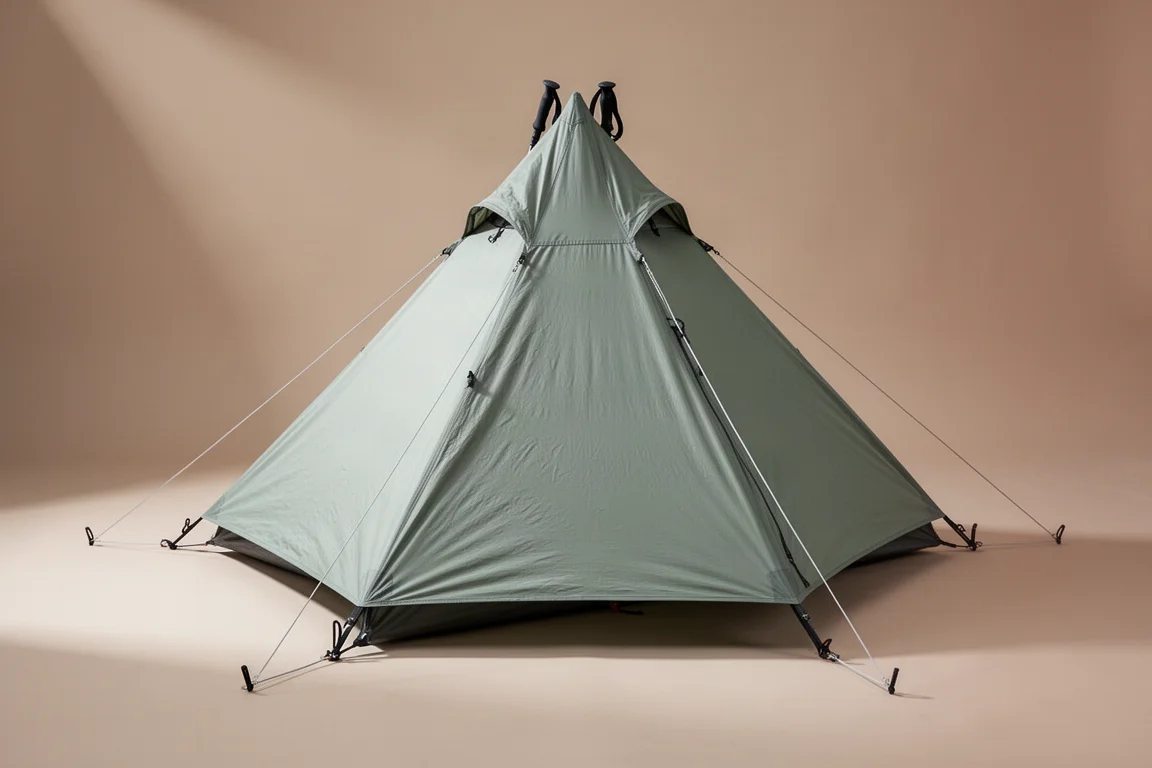
The Durston X-Mid 1 Person Tent is a trekking pole shelter built for backpackers who want a light, weather-ready one-person tent without paying flagship prices. It is a double-wall design, so the inner tent and the rain fly are separate pieces, and it pitches using two trekking poles instead of a dedicated pole set.
Two things stand out right away. The first is how quickly it goes up: four stakes, two trekking poles, and the shelter is standing. The second is how it handles wind. On a trip to Big Bend National Park in Texas, this tent held through sustained winds estimated at 40 to 50 mph across roughly three to four hours. A neighbouring tent lost a pole in the same storm. This one did not budge, and it did so without any of the optional guy lines deployed.
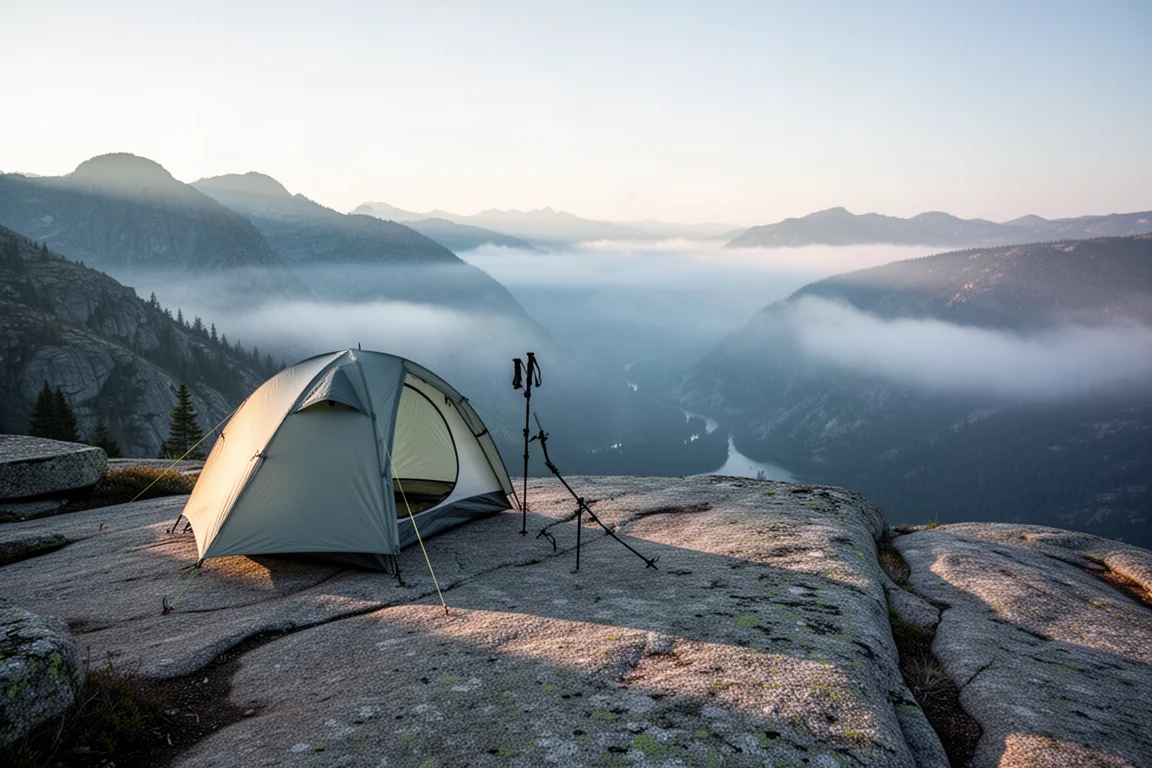
That mix of simple pitching and real storm-worthiness makes the X-Mid 1 worth a close look. The catch is availability, and we will get to that.
Who the Durston X-Mid 1 Person Tent Is For
This shelter suits backpackers who already carry trekking poles and want those poles to earn their place in the pack. It is a natural fit for long-distance hikers counting grams, for weekend backpackers who want a dependable three-season shelter, and for anyone who has been burned by a flimsy tent on an exposed pitch.
It is also a good match for campers who value vestibule space over interior volume. Each end of the tent offers a genuinely large covered area for a one-person shelter, which keeps wet packs, boots and cooking gear out of the sleeping space.
It is less suited to anyone who does not use trekking poles, since the shelter depends on them to stand, and it is not a freestanding tent, so it needs to be staked out. Campers who prefer a roomy interior with storage pockets on every wall should look at heavier options.
Setup and Geometry: How the Tent Goes Up
The pitching sequence is unusual and worth learning once. Stake one corner, then move to the adjacent corner rather than the opposite one. Pull until the fabric shows a little tautness and the line between them sits at roughly a 90-degree angle, then work around the remaining corners to square the rectangle out. Four stakes are enough to stand the tent. Two more at the vestibules open up extra covered room, which proved useful in strong wind.
The trekking poles go in handle down and tip up. Instead of unzipping the door or crawling underneath, you feed each pole through the apex vent and seat the tip into a grommet. The same process repeats on the opposite side, and the tent is up.
The inner tent connects to the fly during the first assembly. Once that is done, it stays attached, and there is little reason to separate the two layers unless you want a fly-off night with an open view, which requires a separate kit.
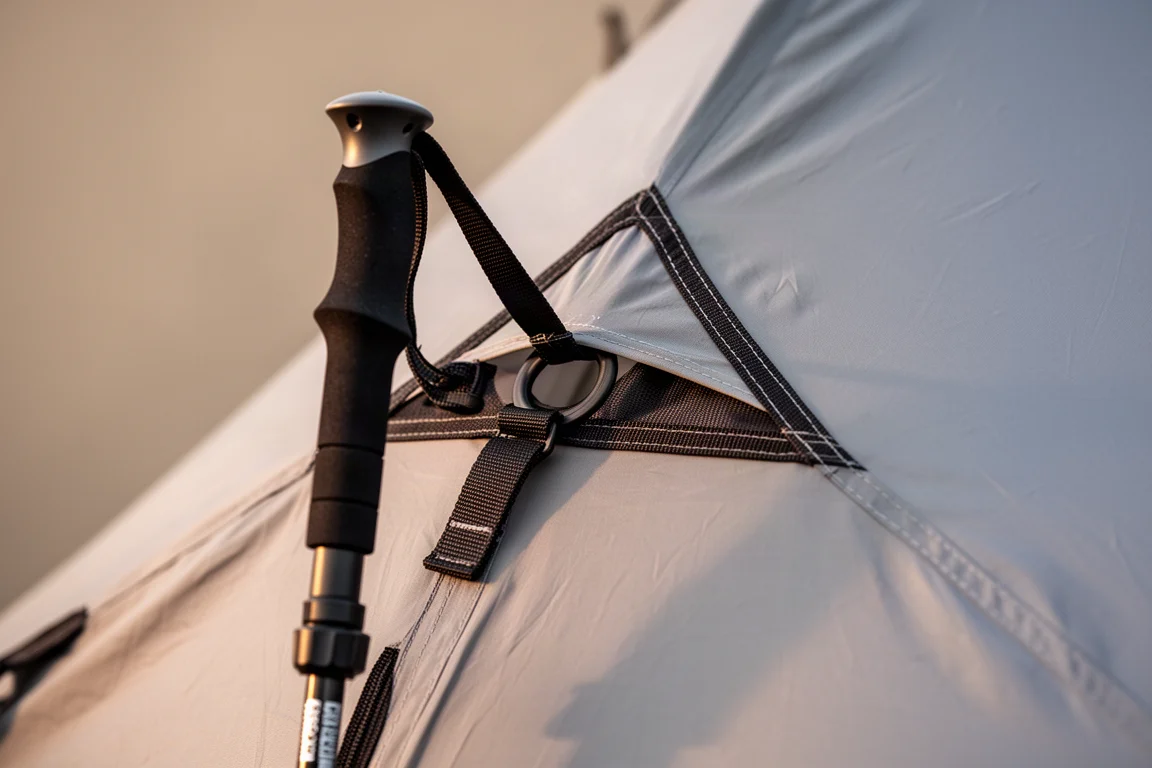
The shape is the interesting part. The walls sit at a consistent angle all the way around, giving the shelter an almost teepee-like profile. That angle matters in winter, because snow slides off all four sides instead of loading the roof, and it matters in wind, because the walls are not vertical enough to catch the full force of a gust. All four corners are adjustable, so if rain causes the nylon to sag overnight, you can re-tension the shelter in the morning without re-pitching it.
Interior Space, Vestibules, and Livability
Look at this tent from the side and it appears conventional. Look from other angles and something seems slightly off, and that is deliberate. The trekking poles are offset rather than running straight down the middle, and the interior is set at an angle to the fly. The geometry is arranged to make the most of both the poles and the floor area.
The result is practical. The inner floor measures around 30 inches across, and a 25 by 78 inch sleeping pad fits comfortably. The offset corners leave usable floor space for gear at the head and foot ends, and there is a pocket at each end, the only two pockets in the tent.
Head and foot ends are completely identical, which makes the shelter reversible. If wind is hammering one end, you simply flip your sleeping setup around and gain distance from the weather without any change in how the interior feels.
The vestibules are the headline feature. For a one-person tent they are unusually large at both ends, and they can be toggled open or staked out further for more room. Headroom is decent, and it improves once the vestibule doors are opened. Despite the narrow footprint, the interior does not feel claustrophobic, and side space next to a 25-inch pad is limited but sufficient.
Storm Performance and Build Details
The wind test is the strongest argument for this tent. Through hours of sustained gusts in the 40 to 50 mph range, it stayed planted with only its four corner stakes, no guy lines, and no drama. Build details explain part of that confidence.
The fly uses a thick nylon fabric in the region of 20-denier, arranged in roughly eight panels with relatively few seams for the amount of interior volume it covers. The area where the trekking pole tip seats is heavily reinforced with a grommet so the pole cannot punch through. The apex vents use Velcro closures with a small bar to prop them open for airflow.
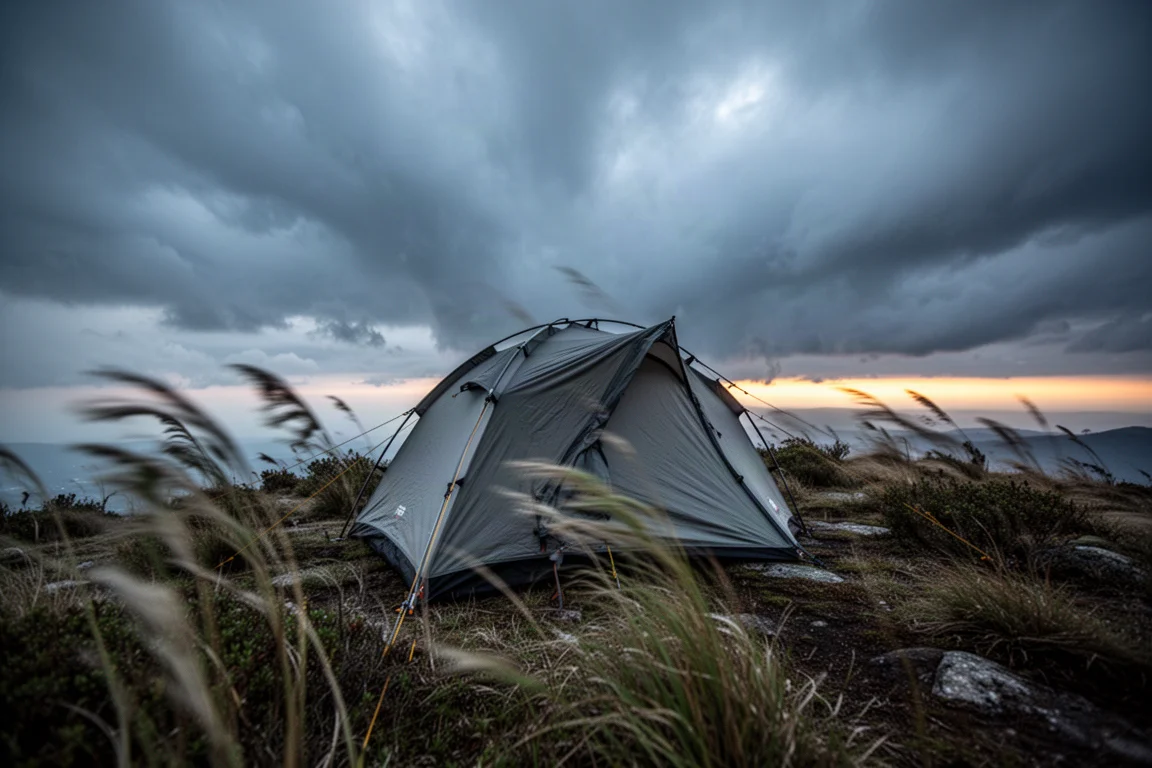
Down at the corners, the stake attachment points and guy line anchors are thick, triple stitched and clearly built for load. There are plenty of additional guy-out points around the shelter for anyone who wants to lock it down further, and two guy lines are included, both made from reflective cord that lights up under a headlamp so you are less likely to trip over them in the dark.
The main zipper deserves a note. It is a waterproof zipper, and it is not the easiest to open one-handed from inside the tent. That stiffness is a trade-off in favour of weather protection rather than an oversight, and it fits the overall approach here: dependable first, featherweight second.
Things to Consider Before Buying
This is a minimalist shelter, so expectations should match. There are only two pockets, storage along the sides of the sleeping pad is limited, and a larger sleeping bag will drape over the edges. Most gear ends up at the head and foot ends or in the vestibules.
The double-wall construction means the inner and fly connect during initial assembly, which takes a moment the first time. Anyone who wants a fly-only night will need the separate kit sold for that purpose.
The waterproof zipper takes a bit more effort than a standard one, particularly from a seated position inside. And while this is a very light tent, it is not the lightest shelter available, because the materials favour durability and storm performance over minimum weight.
Trekking poles are required, and the tent must be staked out, so it is not the right choice for platforms or ground where stakes will not hold.
Buying Advice: Price and Availability
At around $230, the X-Mid 1 sits well below much of the competition on price while offering a feature set that reads like a much more expensive shelter. Judged purely on value against other trekking pole tents, it is one of the strongest options in its class.
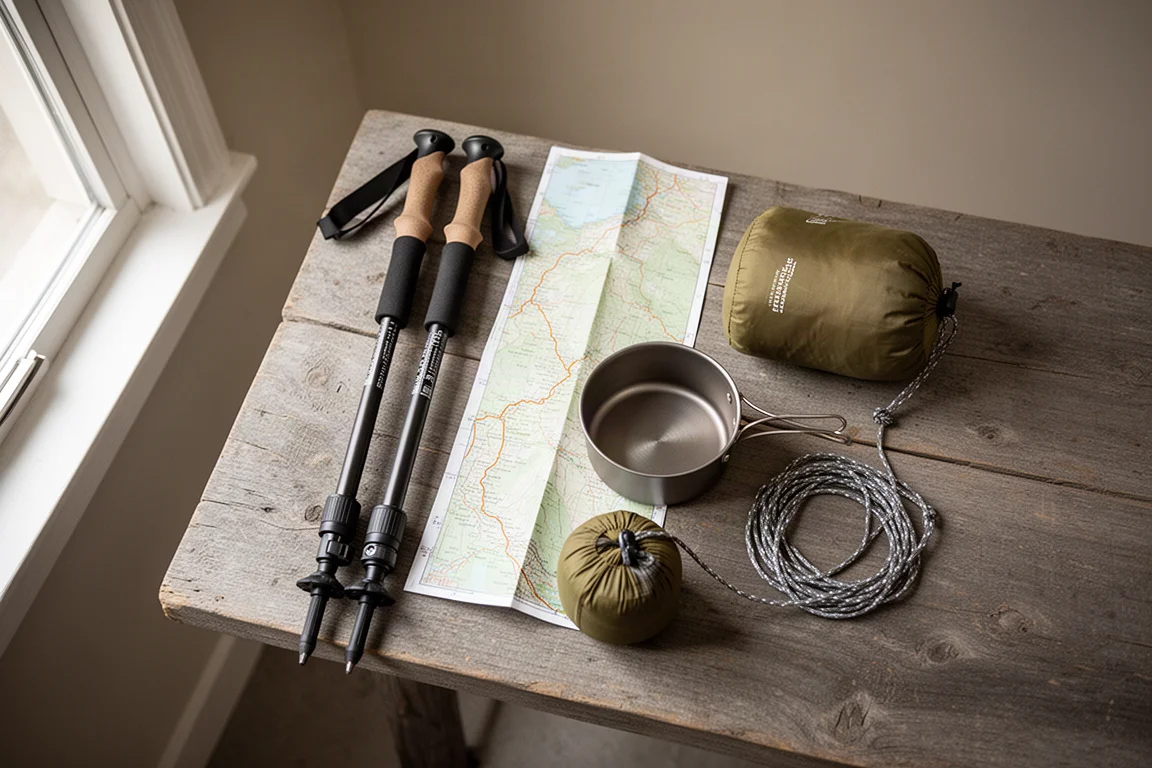
The real obstacle is stock. This tent is rarely available, and buyers typically join a waiting list through the brand’s email list before they can order. If you want one, sign up early rather than waiting until a trip is on the calendar, and be prepared to wait a while before your turn comes around.
Conclusion
The Durston X-Mid 1 Person Tent earns its reputation. It pitches quickly, handles serious wind without fuss, offers generous vestibule space for a one-person shelter, and stays comfortable inside thanks to clever offset geometry. The trade-offs are a minimalist interior, a stiff waterproof zipper, and the practical reality that buying one takes patience. For backpackers who already carry trekking poles and want a dependable three-season shelter at a fair price, it is an easy recommendation.
Product link
View more details for Durston X-Mid 1 Person Tent
This product is mentioned in the review. Check the specifications, options, and compatibility before buying.
View more details for Durston X-Mid 1 Person TentFurther reading
Related Reviews
Tents
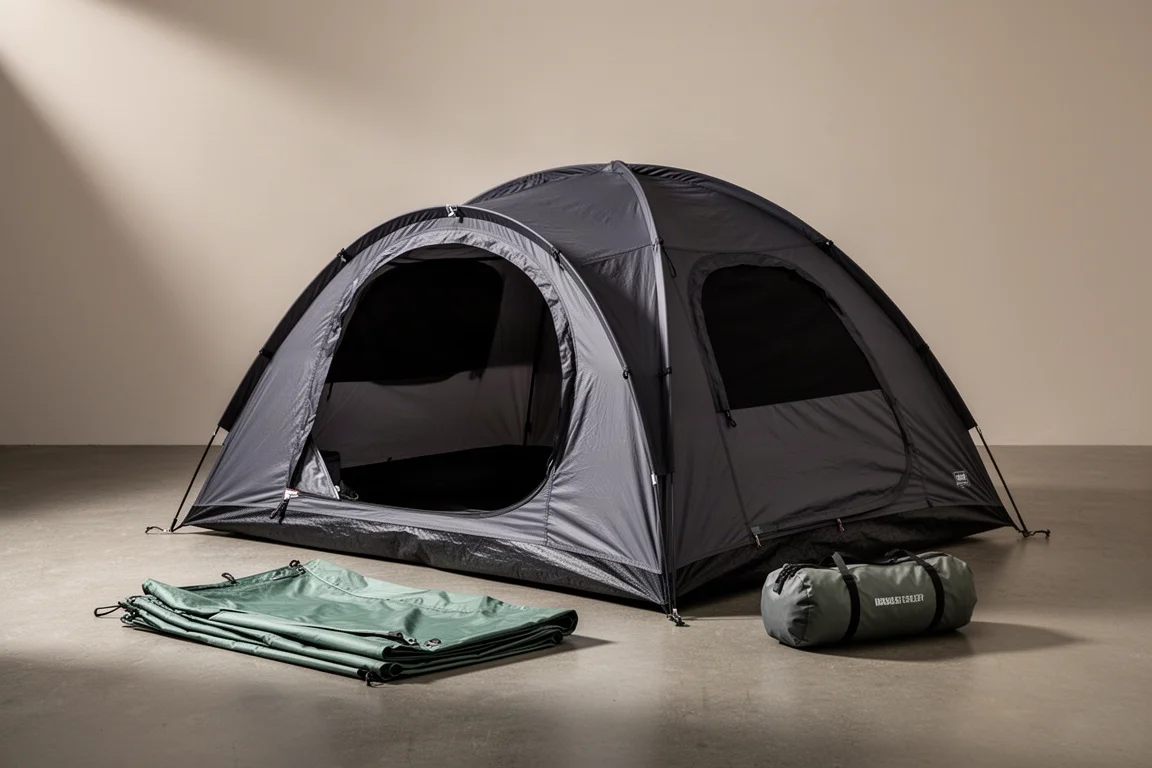
Black Dog Instant Setup 5 to 8 Person Tent Review: Fast Pitch, Serious Weather Problems
A quick-pitching Black Dog tent that goes up in seconds, but wet-weather testing revealed seam leaks, an overstated capacity claim, and awkward doors.
Tents
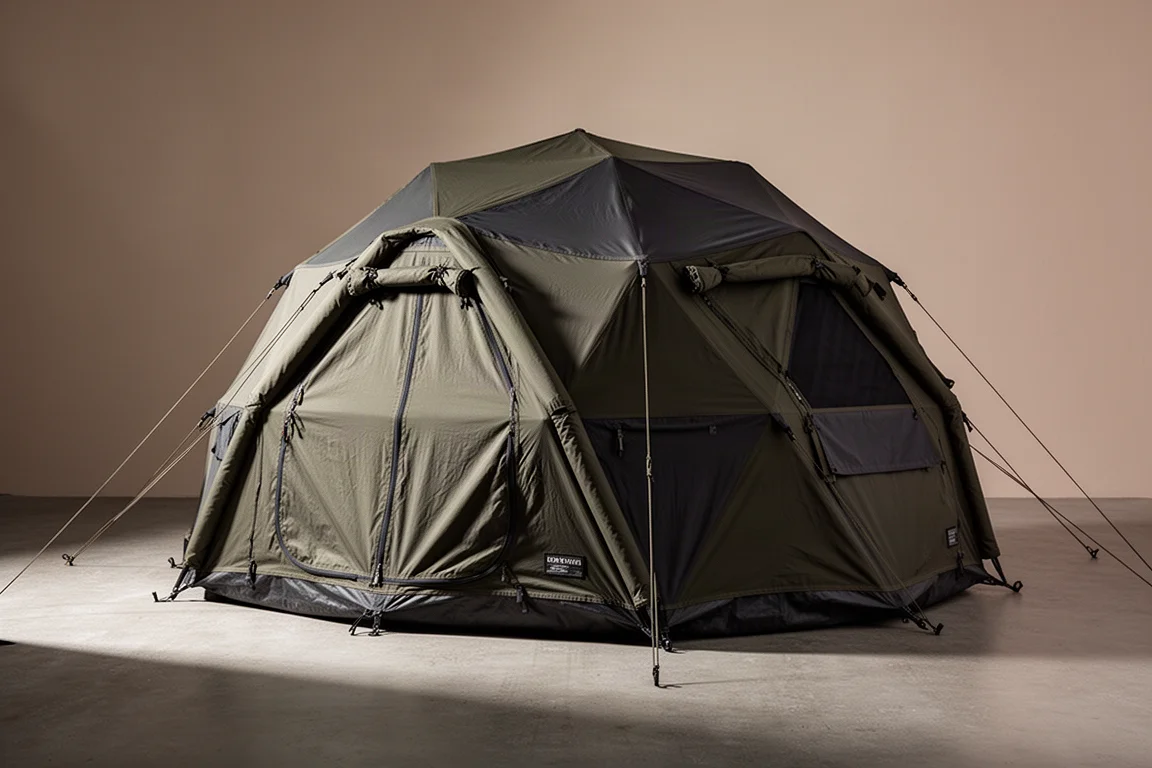
Lightfighter Dragoon Review: An Eight-Person Four-Season Military Shelter
The Lightfighter Dragoon is a 57-pound, eight-person expedition tent built for extreme weather. Here is what its materials, size, and setup demands mean for real buyers.
Tents
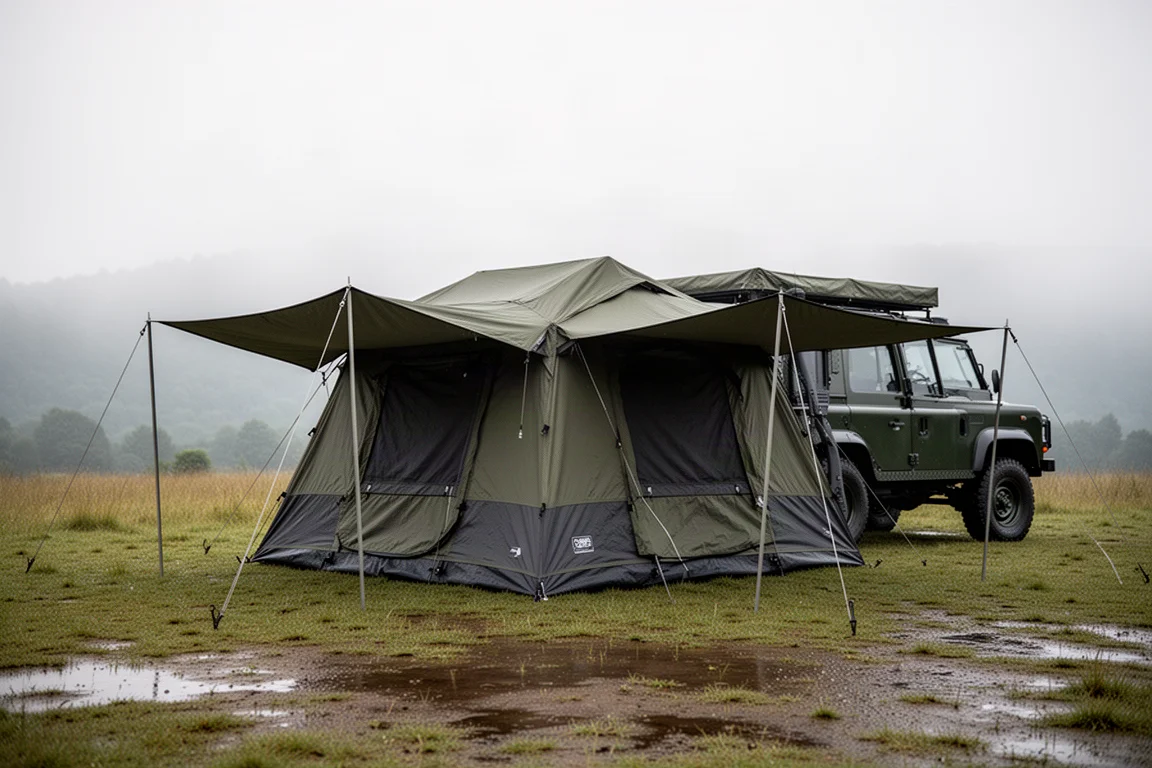
Lone Rider Motorcycle Tent Review: A Big Shelter That Stays Dry
A double-wall motorcycle tent with two large awnings, two entry points, and enough interior height to stand up, plus the pack size trade-off to weigh first.