Headphones
Drop + HiFiMan HE-R7DX Review: A Closed-Back Headphone That Sounds Open
A closed-back, dynamic-driver headphone priced around $120 that is easy to drive, spacious in its presentation, and light on bass by design.
Introduction
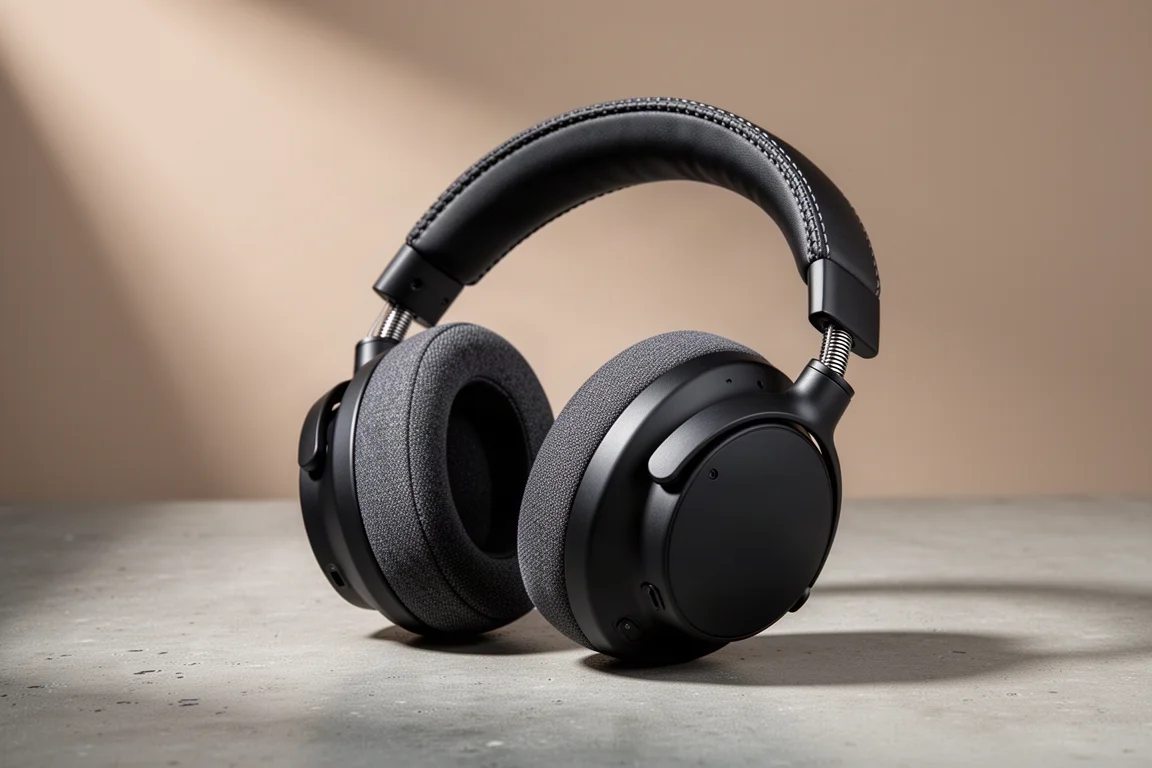
The Drop + HiFiMan HE-R7DX is a closed-back headphone built around a dynamic driver, rated at 101 dB sensitivity and 16 ohm impedance, with a frequency response of 20 Hz to 20,000 Hz. That combination is worth noting because HiFiMan is best known for open-back planar magnetic designs. The HE-R7DX goes the other direction entirely: a sealed ear cup and a moving-coil driver. It sells for around $120, or roughly $130 when bundled with a Lightning to 3.5 mm adapter.
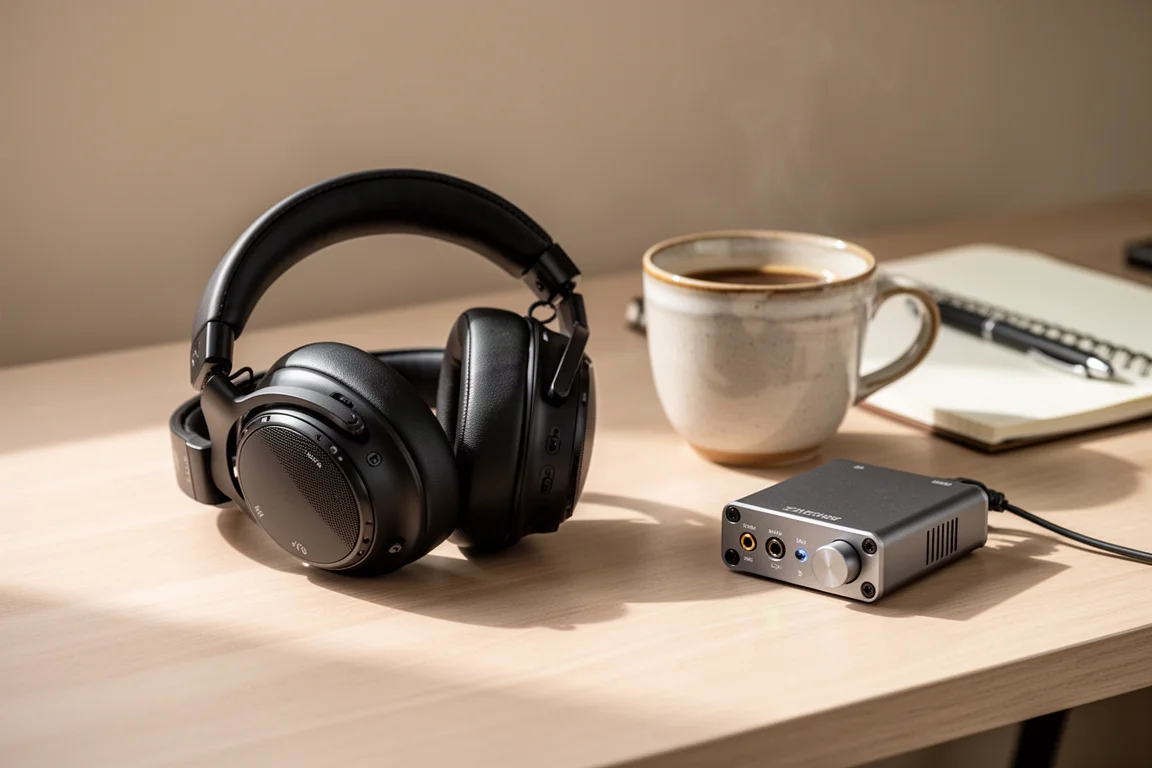
The interesting part is what that sealed design does to the listening experience. Instead of the intimate, boxed-in presentation many closed-backs deliver, this one creates a noticeably large sense of space. If you need isolation but do not want to feel sealed off from the recording, that is the whole argument for this headphone.
Who This Product Is For
This is not a headphone for listeners who want a heavy low end. Bass is present but deliberately understated, so anyone chasing sub-bass weight should look at other options. What the HE-R7DX does well is clarity, instrument separation, and space, and it does it in a closed-back design that can travel.
That makes it a good fit for portable listeners who use a phone with a dongle or a small battery-powered amplifier, and for anyone sharing a room who cannot use an open-back headphone. It is also a reasonable pick for gaming, where accurate imaging and a wide soundstage matter more than bass quantity. Listeners who prefer an articulate midrange and natural-sounding cymbals over a warm, thick signature will feel at home here.
Main Strengths
The strengths here are practical rather than decorative: it is efficient, comfortable, and unusually spacious for a sealed headphone, all at a price that leaves room for a portable source.
Design and Build
The headband uses spring steel with hand-stitched padding, and the shape engages a wide area of the head, which reduces the chance of pressure hot spots during long sessions. Adjustment runs on metal sliders with a friction fit rather than detents, and the ear cups rotate slightly on their yokes. The cups are deep enough that the ear does not press against the interior of the driver, which is not always guaranteed at this price. A six-foot rubberized cable connects with 2.5 mm plugs into each cup, terminates in 3.5 mm, and ships with a 6.35 mm adapter.
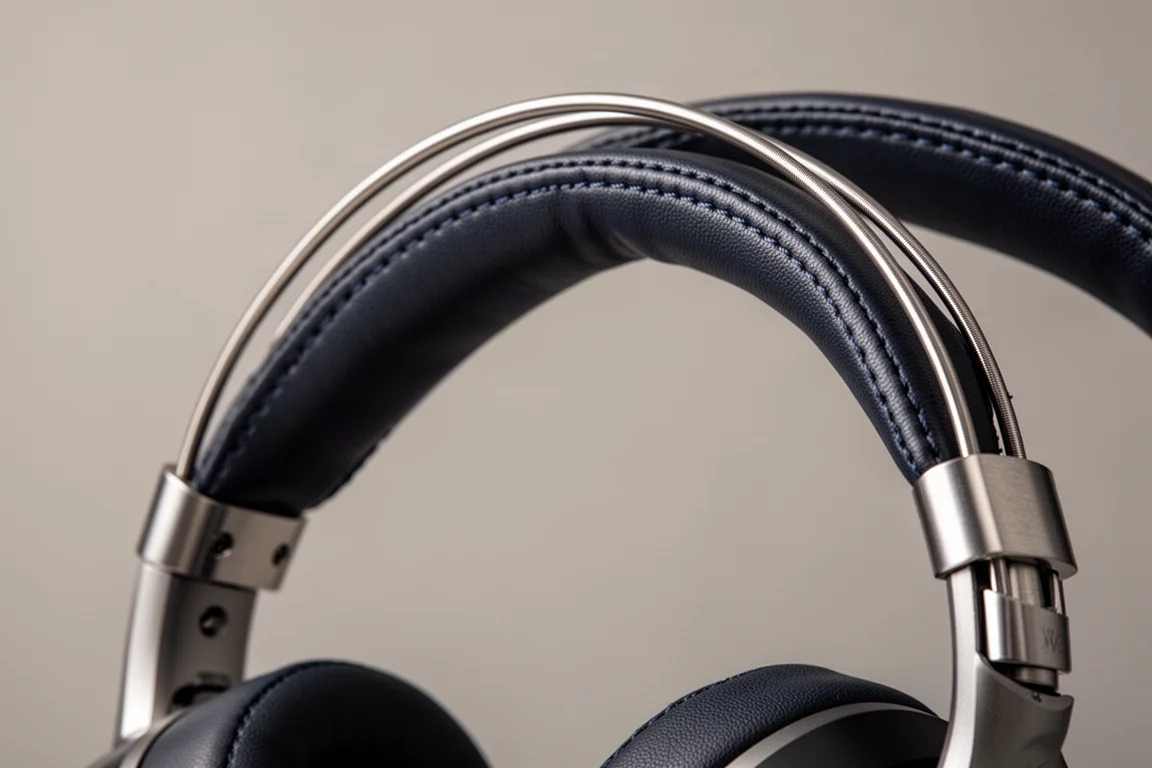
The housing is plastic and the finish is plain, so this does not feel like a luxury object. It feels like a working tool, and the ear pads are glued to a plastic frame, which makes third-party pad swapping uncertain. For listeners who care more about sound than materials, that trade-off is easy to accept.
Sound Quality
The driver uses what the company calls a topology diaphragm, in which nanoscale particles are applied to the diaphragm in layers of assorted shapes and patterns to shape the sound. The concept comes from research by HiFiMan’s founder into how different nanomaterials have different structures.
In practice, the tuning lands close to a closed-back version of the Sundara, without matching that model’s airiness or low-frequency extension. Bass is not emphasized. Vocals lean slightly cool but stay believable rather than thin. The midrange is notably clean and free of smearing, with harmonies easy to separate into distinct voices. Treble is very detailed and can feel forward between roughly 2 kHz and 4 kHz, though cymbals and tambourines retain a natural character instead of turning into white noise. A modest equalizer adjustment below 1 kHz, with a small cut around 2 kHz and 4 kHz, is enough to shift the balance toward a more relaxed curve without touching the upper treble.
Efficiency and Amplification
With 101 dB sensitivity and 16 ohm impedance, this headphone is easy to drive. It ran without strain from an Apple Lightning to 3.5 mm adapter, a Hidizs S9 Pro, an EarStudio M100 Mark II, and an SMSL SU-6 with SH-6 stack. That means you can carry it without also carrying an expensive portable amplifier, which is a meaningful part of the value.
Imaging and Soundstage
Imaging and soundstage are the standout qualities. While watching a science fiction series full of spacecraft creaks and distant metal groans, effects arrived far enough behind and beside the head to prompt a glance toward the hotel room door. The layering is genuinely convincing, and it is rare to hear this much space from a sealed cup. Cymbals, tambourines, and background percussion sit in their own places in the mix rather than blurring together.
Compared with other closed-backs at this price, the HE-R7DX stands out for detail retrieval, separation, soundstage, and imaging. Competing models can offer more bass, but their elevated top end can sound unnatural. If space, air, and clarity are the priorities in a closed design, this is a compelling answer.
Things to Consider Before Buying
Bass quantity is the main compromise. Even with equalization adding a few decibels below 1 kHz, this is not a bass-forward headphone, and flat listening will feel light to anyone who wants low-end emphasis.
Treble is forward in the presence region, which can seem bright on brighter recordings or to listeners who are sensitive in that area. The build and finish are utilitarian, with plastic housing and pads bonded to a frame, so buyers who want premium materials will find the presentation plain. Finally, the seal matters: settling the cups properly on the head restores some low-end weight, and pad changes could shift the balance further, though compatible third-party pads are not clearly established.
Buying Advice
At around $120, or about $130 with a Lightning to 3.5 mm adapter, the HE-R7DX covers a lot of ground for the money. Pairing it with a neutral open-back like the Sennheiser or Drop HD6XX gives you two complementary signatures for well under $400 total, one for isolation and space, one for reference listening at home.
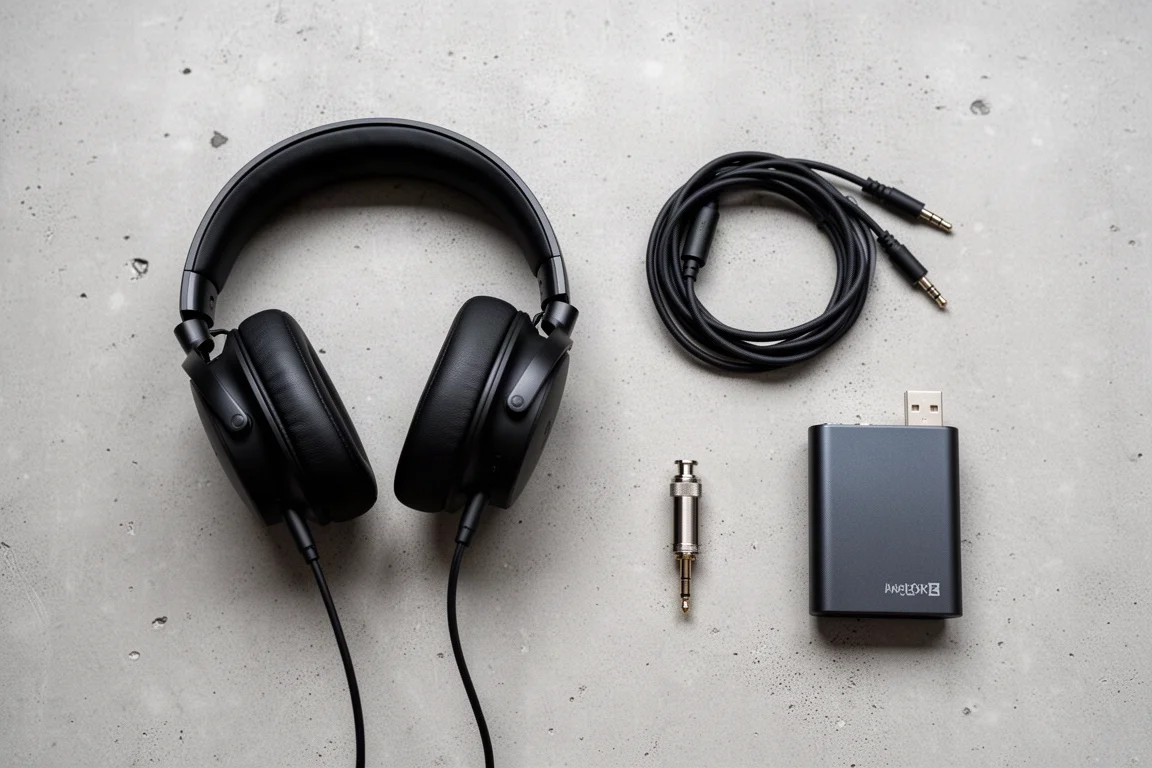
Budget for the source, not an amplifier. A simple phone dongle is enough to get going, and a small portable player with a built-in equalizer will let you fine-tune the low end and tame the upper midrange if you want to. Skip this one if deep bass is a priority, and give it serious consideration if you want a closed-back headphone that sounds considerably more open than its price suggests.
Conclusion
The Drop + HiFiMan HE-R7DX takes an unexpected route for its maker: closed cups, a dynamic driver, and a modest price. The reward is a headphone that is easy to drive, comfortable over long sessions, and remarkably spacious, with strong imaging and clean separation. It is not for bass enthusiasts, and its treble asks for a little care, but for listeners who value clarity, space, and instrument placement in a sealed design, this is one of the strongest values in its class.
Product link
View more details for Drop + HiFiMan HE-R7DX
This product is mentioned in the review. Check the specifications, options, and compatibility before buying.
View more details for Drop + HiFiMan HE-R7DXFurther reading
Related Reviews
Headphones
Apos Audio Caspian Review: Warm Bass, Solid Build, and a Detail Trade-Off
The Apos Audio Caspian is an easy-to-drive open-back headphone with standout bass and a warm, relaxed tuning, though mid-range and treble detail trail the competition.
Headphones
Audeze LCD-X vs LCD-XC vs LCD-3: Which High-End Headphone Fits Your Setup
A practical comparison of three Audeze planar magnetic headphones under $2,000, covering the open-back LCD-X, the closed-back LCD-XC, and the wood-ringed LCD-3.
Headphones
Audeze LCD-X vs HiFiMan Edition XS: Two Open-Back Headphones Compared
A practical comparison of the Audeze LCD-X and the HiFiMan Edition XS, covering build quality, comfort, sound signature, and which listener each one suits.