Headphones
Drop + Beyerdynamic DT 177X GO Review: A Closed-Back Tuned for Fun
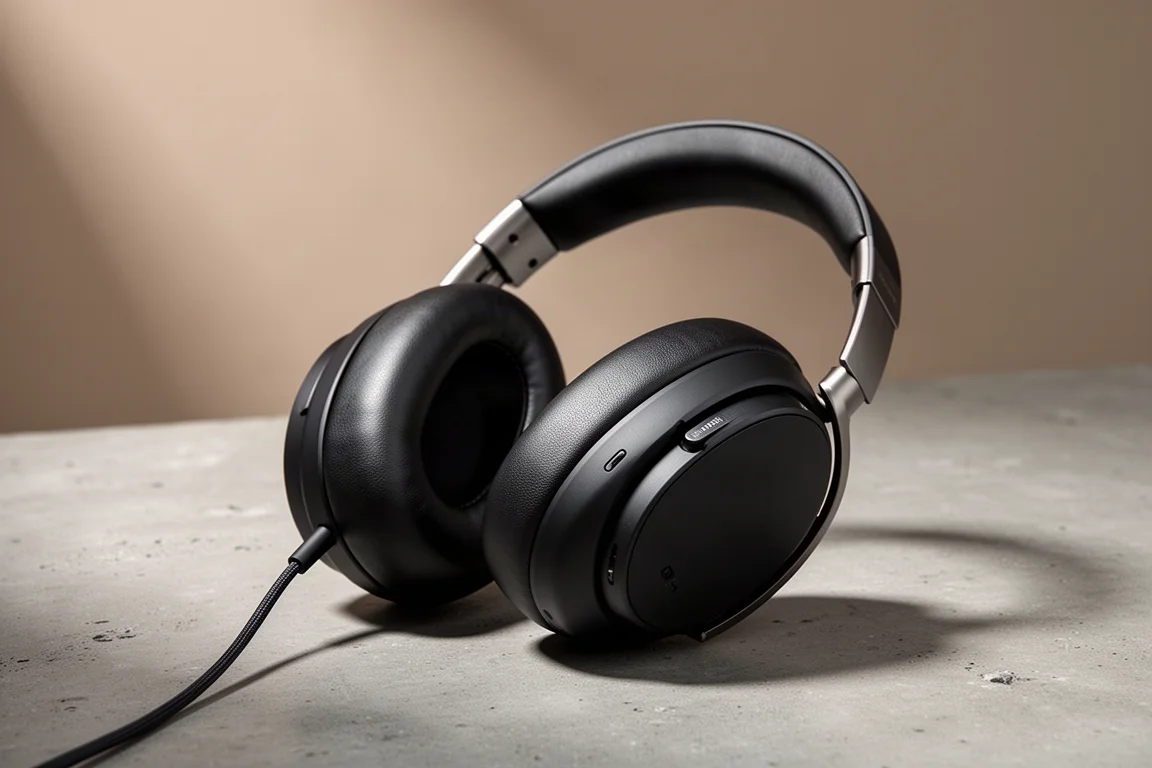
A close look at the Drop + Beyerdynamic DT 177X GO: a 32-ohm closed-back headphone with a bass-forward, treble-lifted tuning built for rock and metal listening.
Introduction
The Drop + Beyerdynamic DT 177X GO is Drop’s take on the Beyerdynamic DT 1770 Pro, a closed-back over-ear headphone that has been reworked with a different tuning and a lower, 32-ohm impedance. The result is a headphone that is easier to drive from ordinary sources and clearly voiced for listeners who want energy and low-end weight rather than a strictly neutral presentation.
It sells for around $450, which places it in the upper mid-range of closed-back headphones. The build quality suggests a long-term purchase rather than a short experiment, and the supplied accessories cover more ground than most headphones in this class.
Who the DT 177X GO Is For
This is a headphone for listeners whose library leans toward rock, metal, and other guitar-driven music. The tuning places emphasis at both ends of the frequency range, which gives drums and distorted guitars a sense of drive that more even-sounding headphones can miss. If your playlists are built around those genres, the character of the DT 177X GO tends to feel like an asset rather than a colouration.
It is also a sensible option for anyone who needs a closed-back design. The sealed cups keep sound in and outside noise out, and the 32-ohm impedance means the headphones can be driven directly from a smartphone. A small USB dongle DAC still makes a worthwhile difference, adding headroom and a firmer grip on the low end, and compact dongles have no trouble driving these.
The one group that should look elsewhere is listeners who want an absolutely flat, straight-line presentation. The DT 177X GO is not that headphone, and the emphasis built into the tuning is present on every track.
Design, Build, and Comfort
The structure is reassuringly solid. The headband and the sliding yokes are metal, and the padded headband is wide enough to spread pressure across a large part of the head. That matters more than it sounds: a narrow headband concentrates weight in one spot on top of the skull, which becomes uncomfortable quickly. The wider curve here avoids that hotspot entirely.
Other sections, including parts of the cup housings, are plastic, but they feel dense and well finished rather than cheap. The cups pivot freely on their mounts, and the left and right markings are clear enough to remove any doubt about orientation.
The cable uses a single-entry design that plugs into one cup with a small multi-pin connector, and it only fits one way. That makes third-party cable shopping harder than it is on headphones with more common connectors, although the supplied cable is genuinely good: roughly seven feet long, with a quarter-inch plug and a threaded adapter for 3.5 mm sockets. The jacket is rubbery, and after some use it relaxes out of its factory coil and lies flat.
Sound Signature and Tuning
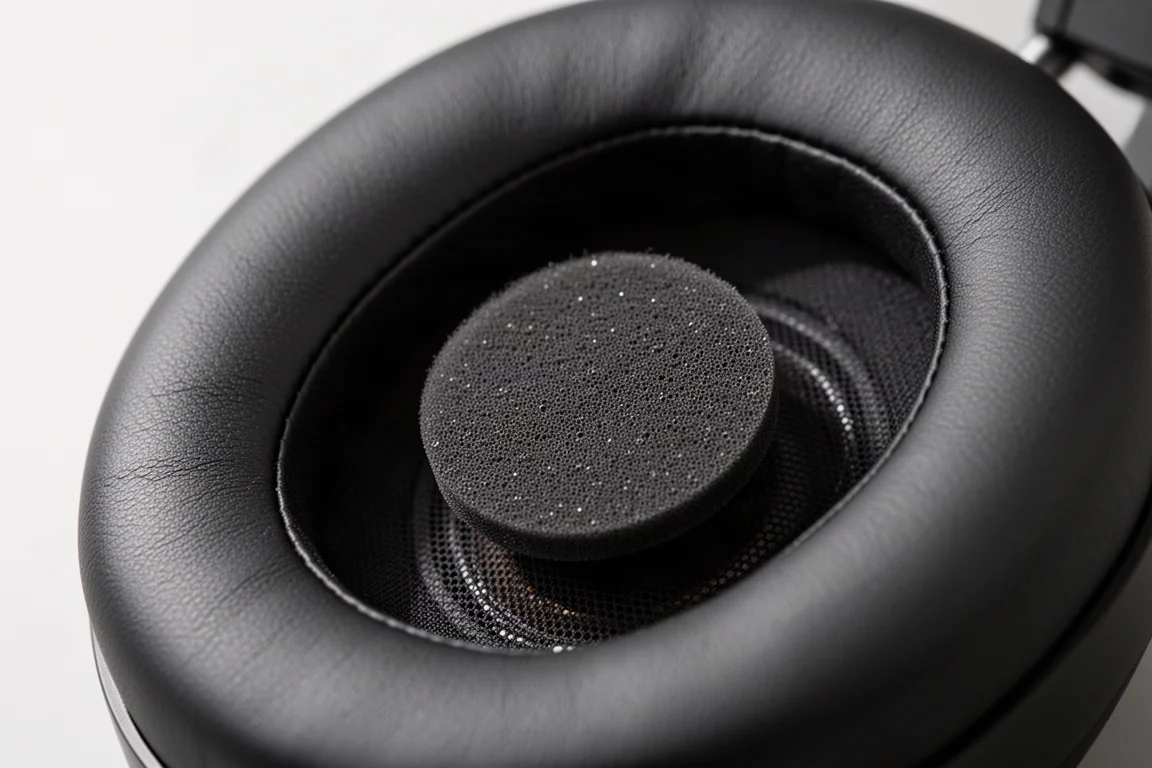
The DT 177X GO is a V-shaped, or U-shaped, headphone: bass and treble are both lifted relative to the middle. Compared with the DT 1770 Pro it is based on, the top end has been calmed down noticeably. A foam disc sits inside each ear pad in front of the driver, and that damping is part of why the treble sounds less aggressive than the original model.
There is a little extra energy around 300 Hz. A small cut of two or three decibels in that region, applied with a parametric equaliser, brings a surprising amount of midrange detail back into focus. Nothing needs to be boosted in the middle; it is mostly a matter of trimming that one area.
Voices come through clearly but sit slightly behind the bass. On acoustic material, the lower range of an acoustic guitar and lower male vocals can lose some definition when a big bass note lands at the same time. Listeners whose library is not centred on rock or metal may prefer a modest midrange lift to balance things out.
The treble lift is well judged. Cymbal decay sounds natural rather than clipped or splashy, and it does not feel artificially sharp. For a closed-back design, the soundstage is wide, and only one other closed-back in this comparison sounded wider.
Ear Pads, Fit, and Long Listening Sessions
Two sets of ear pads are included: one in vegan leather and one in velour. The vegan leather pair is the better choice for sound. The velour pads are comfortable, but with them fitted the bass steps back and the midrange becomes noticeably less clear. Everything else here assumes the vegan leather pads are in place.
The cups are generous. They are deep enough and wide enough to sit around the ear rather than on it, which keeps the earlobe from being pinched, a common annoyance on smaller closed-backs. The trade-off of that size is that the lower edge of the cup can press lightly against the jaw. It is easy to reduce by adjusting the headband position.
Over long sessions the wide padded headband does its job, and the clamping force is moderate rather than tight. Between the headband shape and the roomy cups, this is a headphone that can be worn for hours.
How It Compares with Other Closed-Backs
Against other closed-backs in the same conversation, the DT 177X GO leans toward enjoyment rather than neutrality. The Dan Clark Audio Aeon Closed RT keeps a more even balance, and its removable tuning pads let owners add brightness when they want more energy, but the Drop model felt more detailed at the top end and more immediately engaging. The Focal Elegia is the one closed-back here that sounded wider, yet its sound signature was less appealing overall. Set against the Beyerdynamic DT 1770 Pro it is based on, the DT 177X GO keeps the same closed-back character while taming the top end that some listeners found excessive.
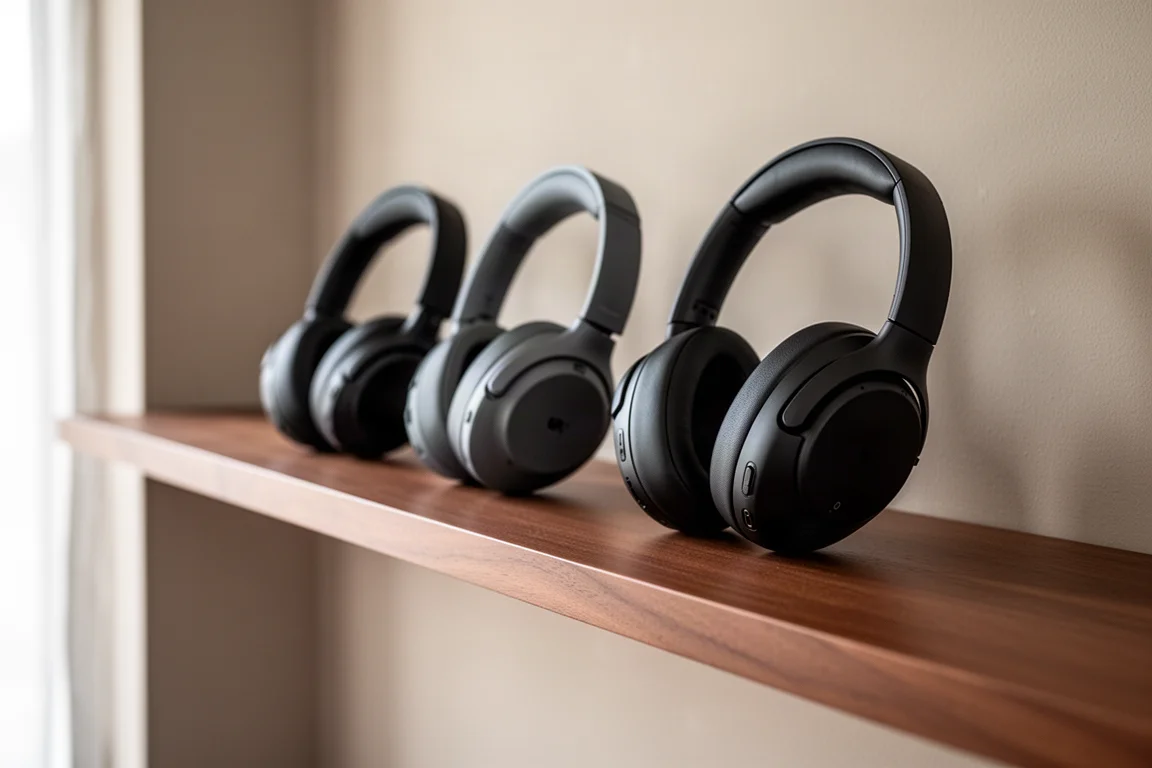
The practical takeaway is simple. If you want one closed-back that makes energetic music feel energetic, the DT 177X GO is the pick of this group. If your priority is an even, neutral balance across every genre, the Aeon Closed RT is the more logical choice.
Things to Consider Before Buying
- The tuning is deliberately coloured. Big bass hits can briefly mask detail in the lower midrange.
- The single-entry connector is uncommon, so aftermarket cables are harder to find.
- The velour pads change the sound noticeably, and the vegan leather pads are the ones to use.
- The large cups can press against the jaw on some listeners.
- Around $450 is a real commitment, though it is not unusual for a dynamic closed-back in this class.
- A small parametric EQ cut around 300 Hz improves midrange clarity for listeners who want it.
Buying Advice
At around $450, the DT 177X GO sits in the upper mid-range of closed-back headphones, and the build quality supports the price. Metal in the headband and yokes, a well-padded band, pivoting cups and a genuinely usable stock cable all point to a headphone that should hold up over years of use.
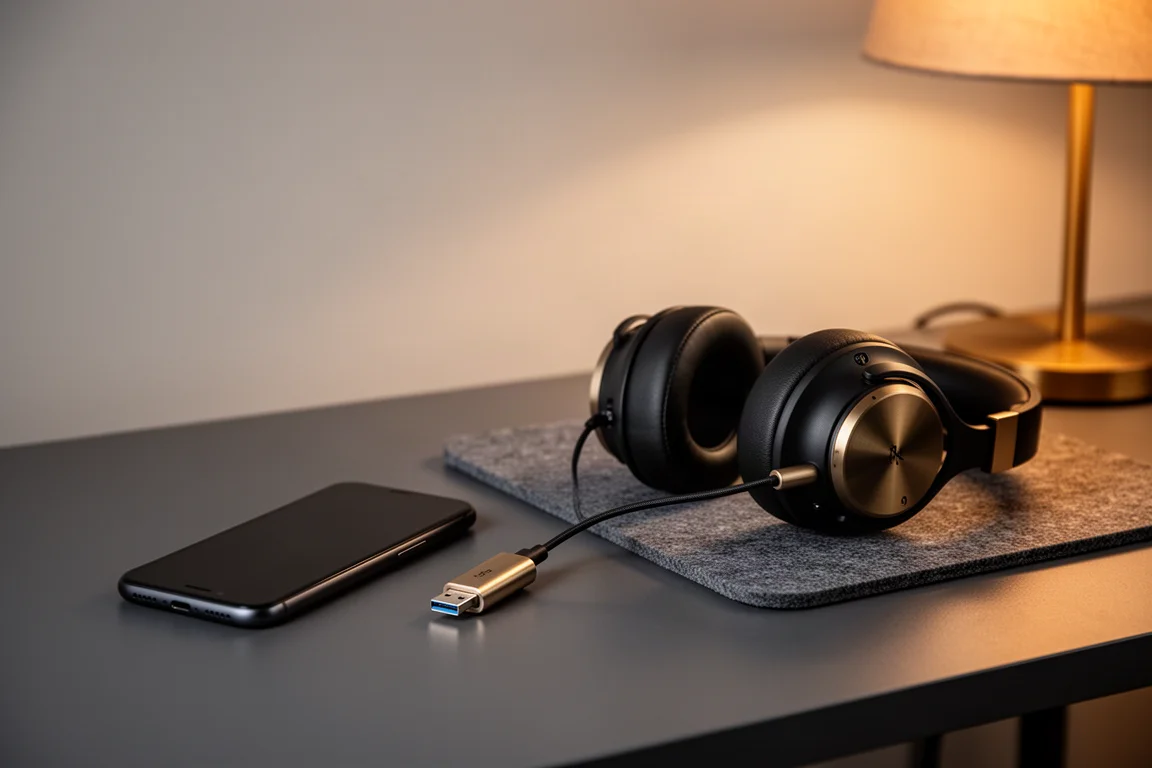
Buy it if your library is built on rock, metal and similarly energetic music, or if you simply want a closed-back with a bit of extra weight in the low end. Use the vegan leather pads, drive it from a phone if that is all you have, and add a compact dongle DAC when you want a little more control. If what you actually want is a neutral, uncoloured monitor, this is not the headphone for that job.
Conclusion
The Drop + Beyerdynamic DT 177X GO is a closed-back that knows exactly what it is. It is well built, comfortable over long sessions, easy to drive, and tuned for listeners who want bass weight and a lively top end. The compromises, a coloured midrange, a small loss of clarity when bass hits hard, and an uncommon cable connector, are real but manageable. For rock and metal listeners in particular, it is an easy recommendation.
Product link
View more details for Drop + Beyerdynamic DT 177X GO
This product is mentioned in the review. Check the specifications, options, and compatibility before buying.
View more details for Drop + Beyerdynamic DT 177X GOFurther reading
Related Reviews
Headphones
Apos Audio Caspian Review: Warm Bass, Solid Build, and a Detail Trade-Off
The Apos Audio Caspian is an easy-to-drive open-back headphone with standout bass and a warm, relaxed tuning, though mid-range and treble detail trail the competition.
Headphones
Audeze LCD-X vs LCD-XC vs LCD-3: Which High-End Headphone Fits Your Setup
A practical comparison of three Audeze planar magnetic headphones under $2,000, covering the open-back LCD-X, the closed-back LCD-XC, and the wood-ringed LCD-3.
Headphones
Audeze LCD-X vs HiFiMan Edition XS: Two Open-Back Headphones Compared
A practical comparison of the Audeze LCD-X and the HiFiMan Edition XS, covering build quality, comfort, sound signature, and which listener each one suits.