Food Comparisons
Driscoll vs Omasi vs Koyo: A Blind Taste Test of American and Japanese Strawberries
We compared American Driscoll strawberries against two premium Japanese varieties, Omasi and Koyo, in a blind taste test covering sweetness, texture, juiciness, and value.
Introduction
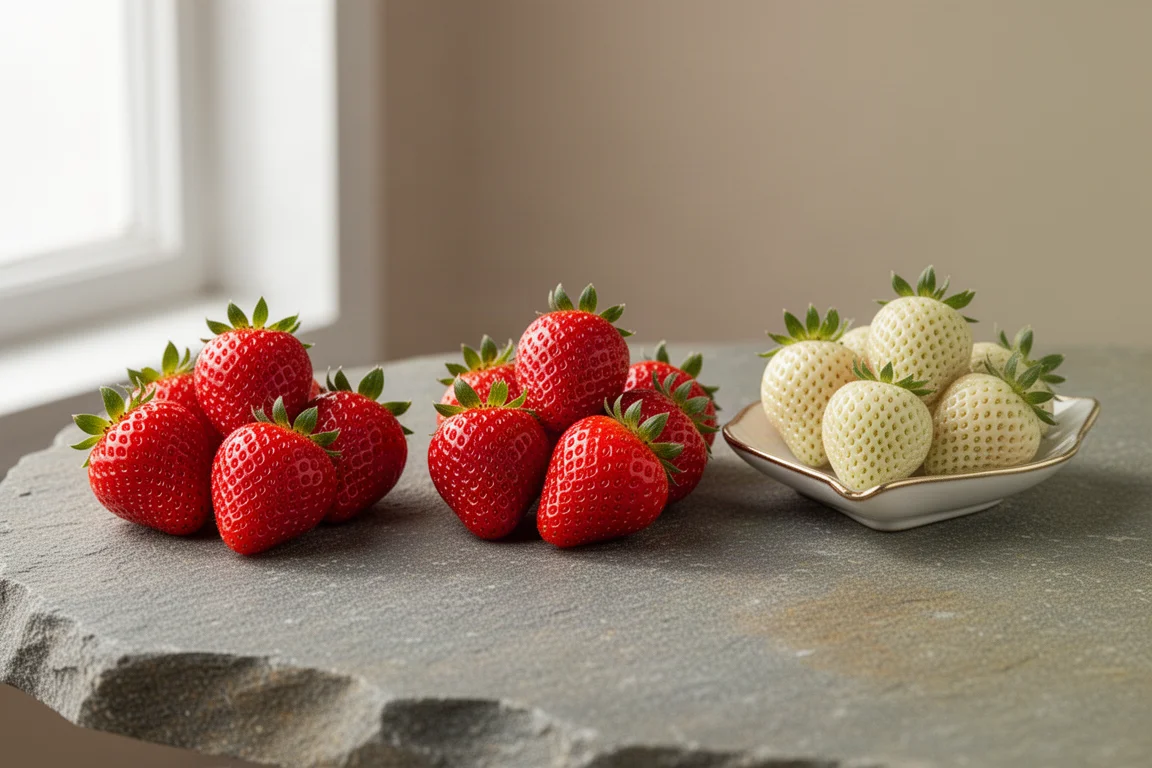
Strawberries are not the fruit most people expect to pay a premium for, but Japanese strawberry culture treats them like luxury goods. In this comparison, American Driscoll strawberries went up against two Japanese varieties: Omasi and Koyo. Converted by weight, the Koyo berries cost around eight times as much as Driscoll, and the Omasi almost ten times as much. The blind tasting set out to answer a simple question: does any of that price difference translate into a better berry?
How the Contenders Were Compared
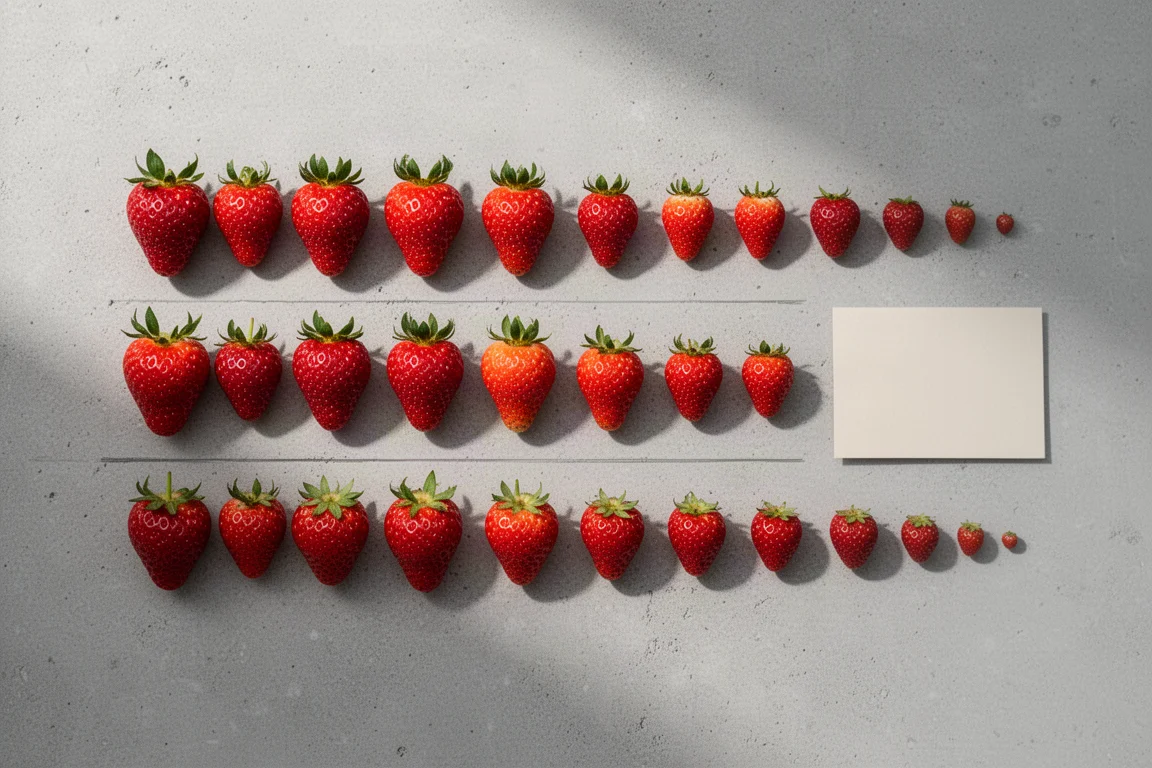
To keep things fair, berries from each variety were hand-selected to be as close in size as possible. The tasting was done blind, back to back, with each berry judged on sweetness, juiciness, firmness, and overall flavor, plus a simple question: would you buy this again if it were available in stores?
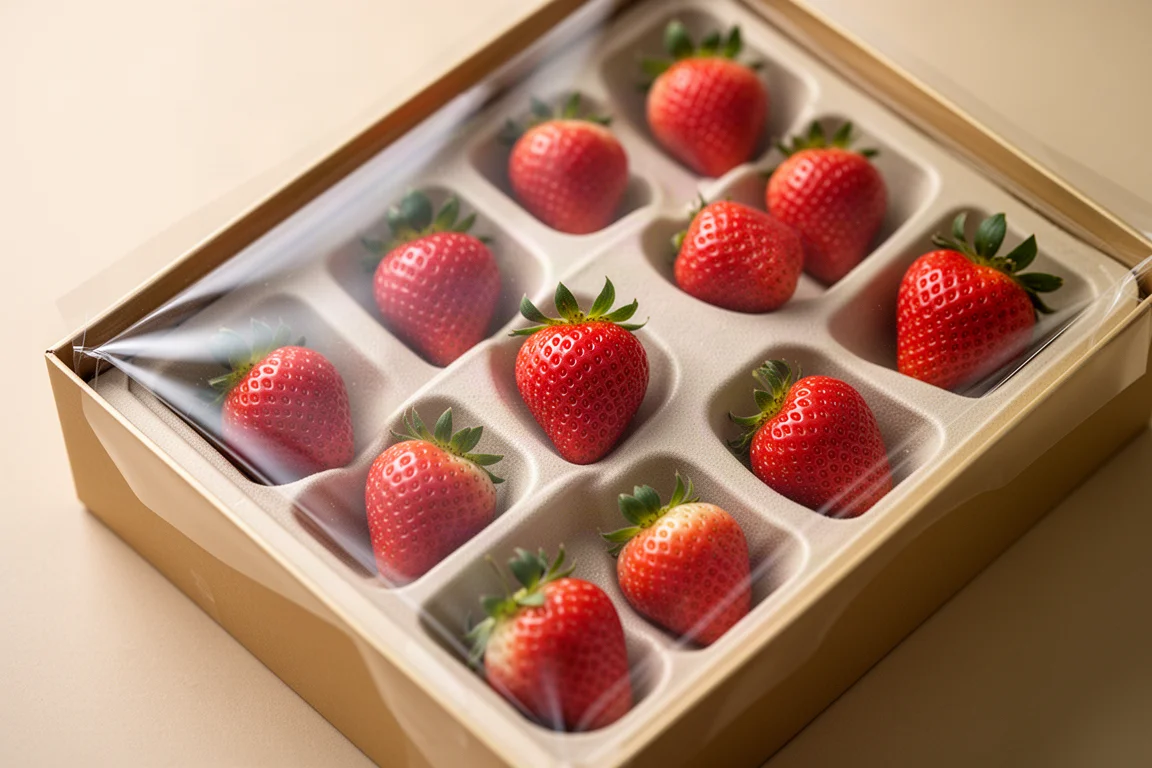
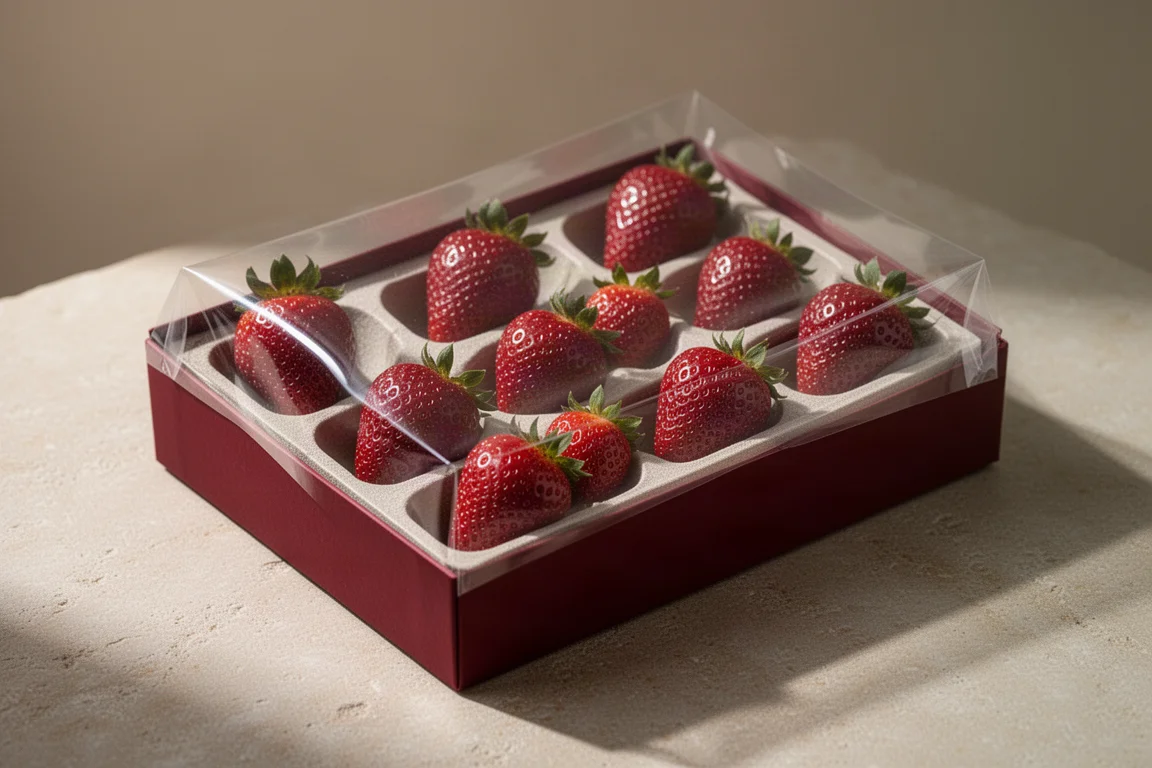
The Omasi berries arrived with serious presentation. Each berry is cradled in its own slot so it does not bruise in transit, sorted one by one and sold in different sizes, then covered with a thin layer of film that helps prevent drying out. With that much care in packaging, they had better be delicious.
Driscoll Strawberries: The Everyday Baseline
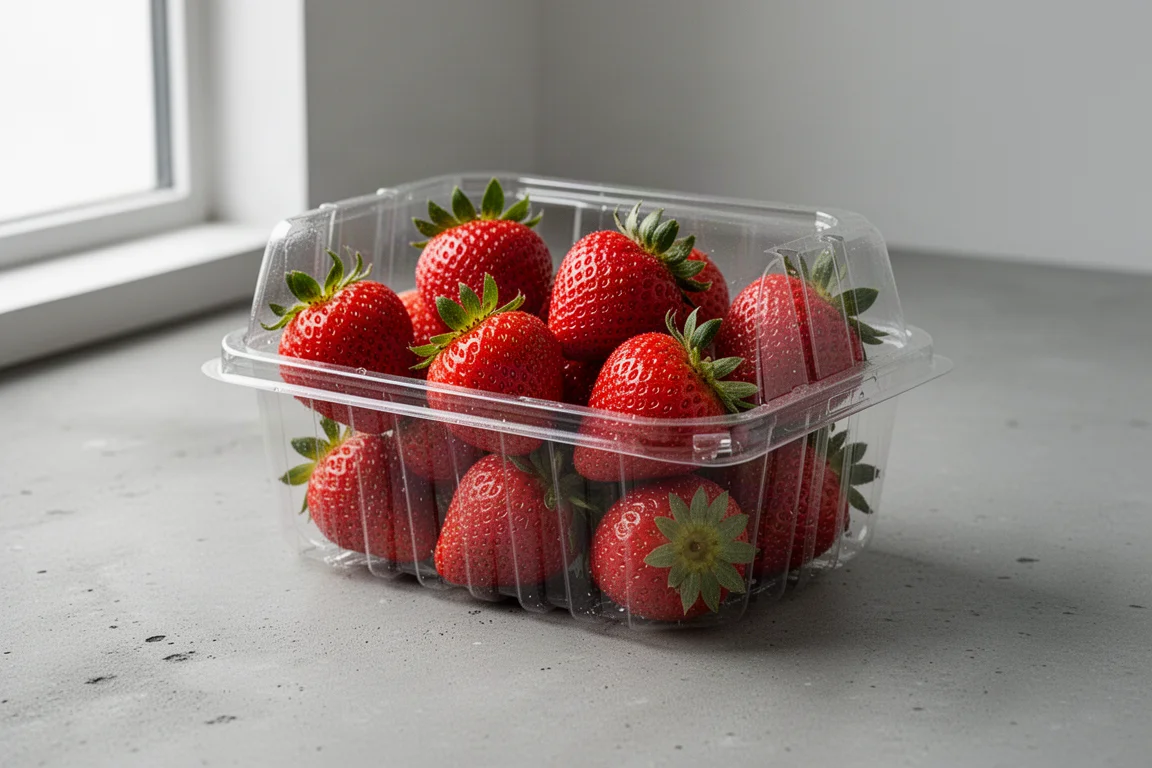
Driscoll, the regular store-bought option, drew mixed reactions in the blind tasting. One taster described the flavor as strong and earthy, not floral, with a sour finish, and still rated it a nine, saying they would buy it again. Another taster was far harsher, calling it faint, sour, and unpleasant enough to rate it a zero, saying they would rather not buy it at all.
That spread of scores is the story of everyday strawberries: quality varies berry by berry, and one moldy or underripe fruit can drag down the whole impression. Still, Driscoll held its own on availability and price, and one taster found it roughly on par with the first premium berry they tried.
Omasi Strawberries: The Overall Winner
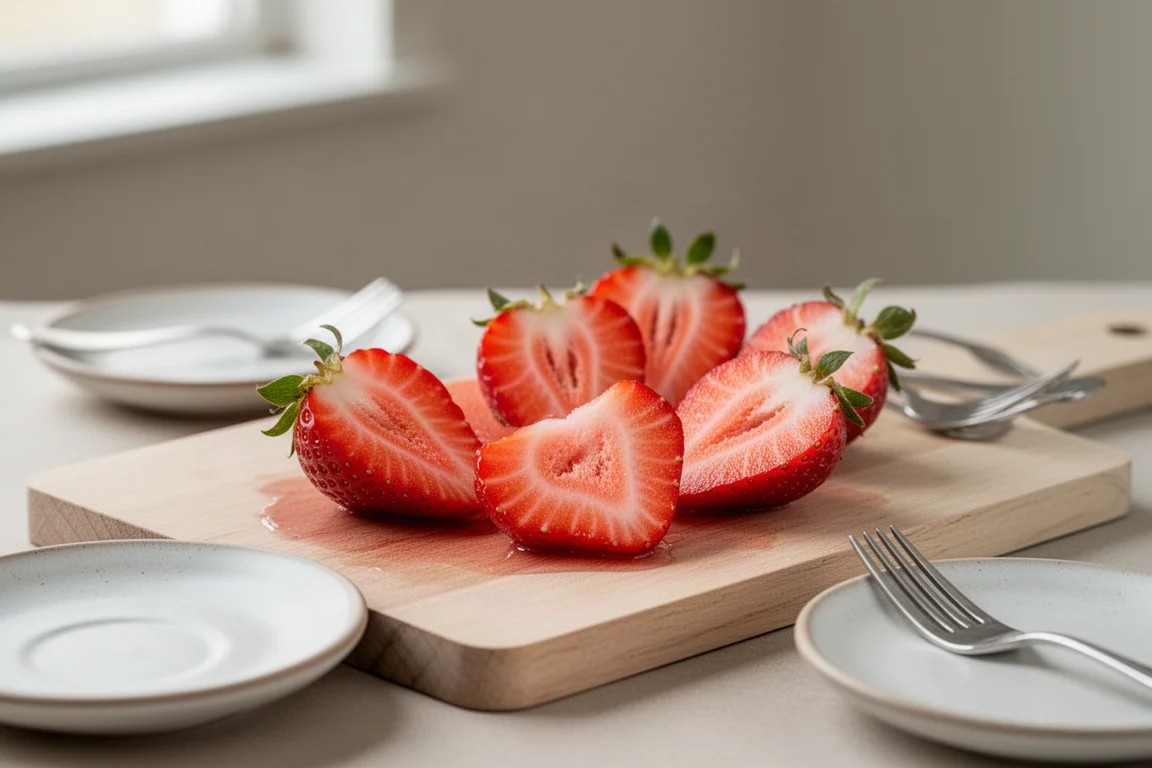
The Omasi was the clear standout of the tasting. Tasters described it as very earthy with low acidity, a little nutty, with outstanding juiciness and outstanding firmness. One verdict summed it up: the texture was great, the juiciness was there, and the flavor was an unusually wide array of everything: floral, fruity, earthy, nutty, and sweet.
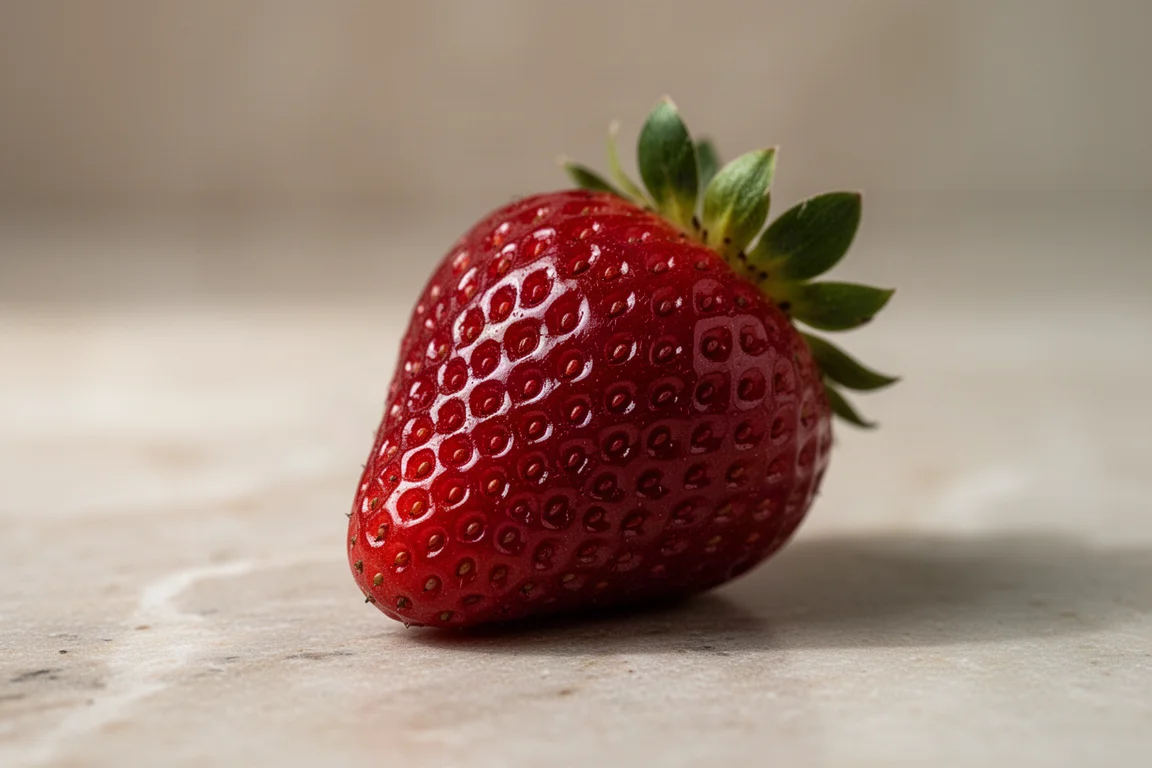
After trying Omasi, one taster declared there was simply no going back, saying the Omasi just tastes so much better than the Koyo. It earned ratings of eight and nine out of ten, and both tasters correctly identified it in the blind lineup, helped by a telltale visual cue: Omasi seeds are almost sunken in, and noticeably tiny.
Koyo Strawberries: Beautiful but Not Sweet
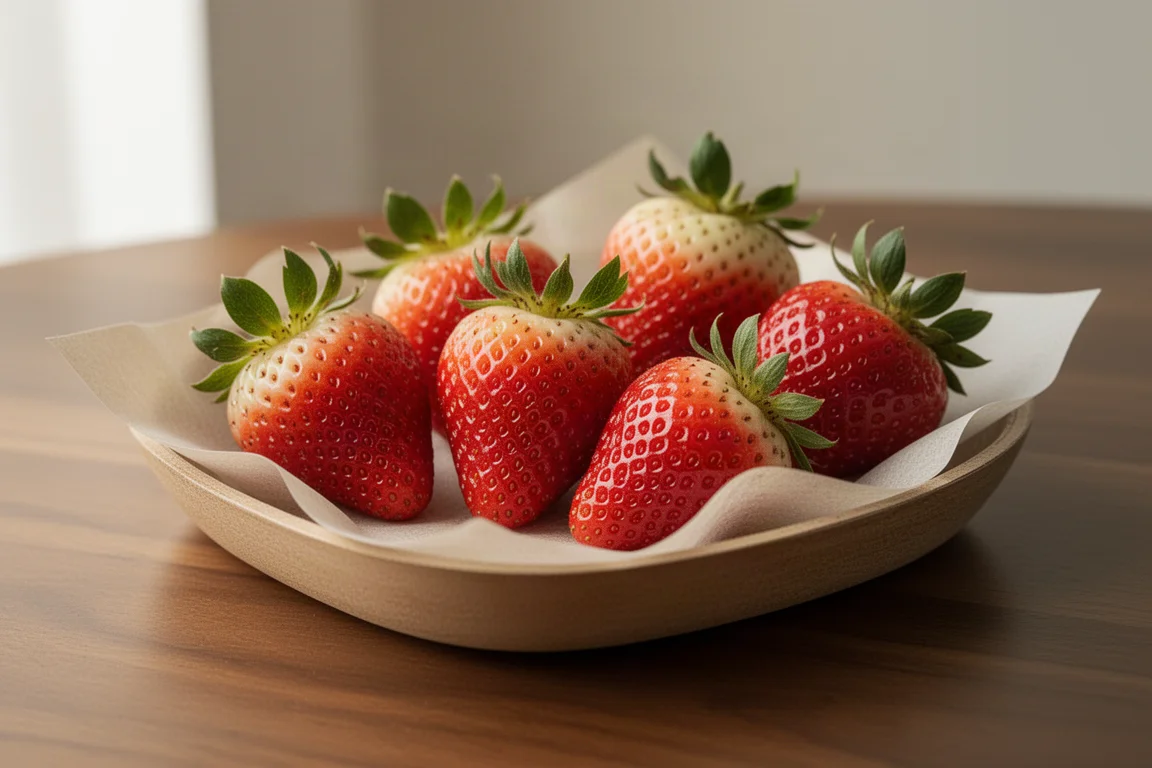
The Koyo, the moderately expensive option, presented a more complicated picture. The packaging alone gives it the appearance of luxury, and one taster picked up faint floral notes and described the berry as floral, sweet, tangy, and earthy, as juicy as can be, awarding it a nine. But the other tasting found the opposite: there is really not that much sweetness to it, with the flavor present but the sugar not.
Texturally, the Koyo also divided opinion. One taster described it as juicy and fruity, almost slimy, while the firm berries felt more like an apple, crunchy. One berry even tasted of perfume, and another, as one taster put it, tasted like the artificial red flavoring of candy without the sweetness, with an unpleasant sour aftertaste. The final verdict: if you are looking for a sweet strawberry, the Koyo is not for you, and at this price, one taster would not buy it again.
Value Verdict: What $50 Worth of Strawberries Gets You
Roughly $50 of berries bought a striking spread of experiences. The Omasi justified its premium with texture, juiciness, and layered flavor. The Koyo delivered luxury presentation and floral notes but inconsistent sweetness, and individual berries varied widely, with one even arriving with a bug on it and one moldy. The Driscoll delivered familiar, variable quality at a fraction of the cost.
The practical takeaway: for everyday eating, Driscoll remains a reasonable choice if you pick carefully. For a special occasion or a genuine taste experience, the Omasi is the one worth seeking out. The Koyo is harder to recommend given its price and uneven sweetness.
For growers curious about the Omasi, its seeds were harvested and germinated, and they are available through the site behind this comparison, with a free vial of seeds offered for the best reader question.
Conclusion
The blind tasting produced a clear hierarchy. Omasi earned the highest scores for flavor complexity, juiciness, and texture, and stands as the premium strawberry worth its price. Koyo looks luxurious and delivers floral notes, but inconsistent sweetness makes it hard to justify at eight times the cost of American berries. Driscoll remains the pragmatic everyday option, provided you accept that some berries will disappoint. If you only try one of these varieties, make it the Omasi.
Further reading
Related Reviews
Food & Beverage
Best American Grocery Store Coffee: A Blind Taste Test Tournament
We ran a 32-coffee blind taste test tournament across five rounds to find the best supermarket coffee brands. Here are the winners and recommendations for light, medium, and dark roasts.
Sports Nutrition
Best Electrolyte Drinks 2026: 13 Products Tested for Taste and Performance
A comprehensive taste test and breakdown of 13 electrolyte products, from powders to tablets, with real-world performance insights for runners and endurance athletes.
Coffee Reviews
Best Grocery Store Coffee Brands: A Blind Taste Test of Five Major Brands
A comprehensive blind taste test comparing Philz Coffee, Tim Hortons, Caribou Coffee, Dunkin' Coffee, and Starbucks across light, medium, and dark roasts to find the best grocery store coffee.