Backcountry Skis
DPS Pagoda Tour 90 RP Review: A Light 90 mm Touring Ski Built for Soft Snow
The DPS Pagoda Tour 90 RP pairs a lightweight paulownia and ash core with carbon and aerospace foam, then wraps it in RP shaping that floats better than most 90 mm touring skis.
Introduction
A 90 mm waist is one of the most useful places to sit in a touring quiver. It is wide enough to stay composed when the snow turns soft, narrow enough to keep a skin track efficient, and versatile enough to cover everything from lift-assisted sidecountry laps to lower-snow backcountry objectives.
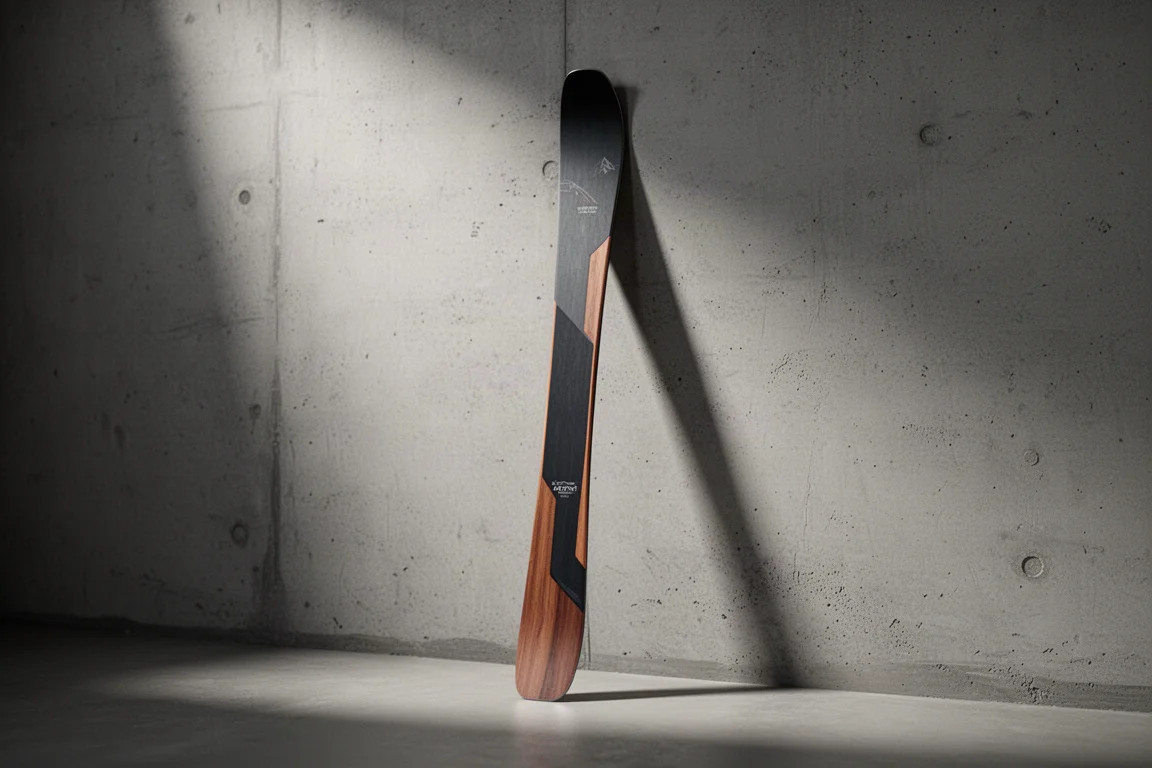
The DPS Pagoda Tour 90 RP is built squarely for that middle ground. It is a lightweight touring ski that carries the same RP shaping DPS uses across its alpine models, backed by a construction mix of paulownia, ash, carbon, and aerospace foam. The result is a ski that stays light on the climb while keeping enough flex and surface area to perform on the way down, particularly in softer snow.
Who the DPS Pagoda Tour 90 RP Is For
This ski is aimed at the touring-exclusive skier. That is the rider who wants to be genuinely efficient on the uphill and is not willing to give up much on the descent to get there, especially when conditions turn soft.
The 90 mm platform covers a broad range of touring applications. It works for resort-based touring and for backcountry days in lower-snow conditions. Where it starts to run out of room is in deeper, fresher snow, where a wider ski is the more natural choice.
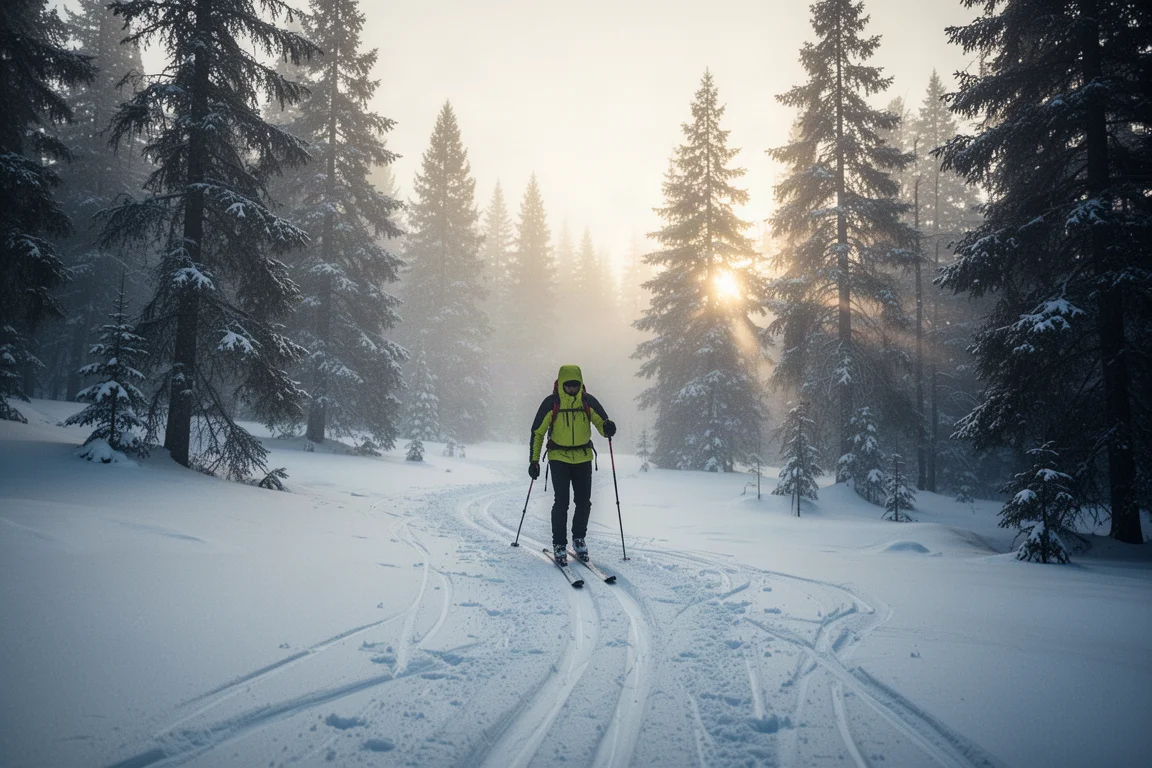
If your seasons are mostly spent chasing powder, a wider touring ski will serve you better. If your days are a mix of long approaches, spring corn, and occasional soft snow, a 90 mm ski is a genuinely comfortable place to be, and this one is shaped to sit at the floatier end of that category.
Construction and Materials
The core is paulownia, chosen because it is light, snappy, and energetic. Running through the middle of that core are ash stringers. Ash is denser than paulownia, so those stringers add structure and a more grounded feel without loading the ski up with unnecessary weight.
Carbon is layered in as well, which is a consistent theme across the brand’s lighter skis. It keeps the build light and easy to handle while preserving a flex profile that still supports higher-performance skiing.
There is also a polyurethane-family material used in two places at once: as the sidewall, and as a strip running through the centre of the ski. Alongside it sit stringers of aerospace foam, a notably strong foam that holds up well under load. Together these layers give the ski a mixed-material build rather than a single-density core, which is part of why it can stay light without feeling thin or vague.
Shaping and Ride Character
RP stands for resort powder, and the shaping carries over from the brand’s alpine skis into this tour model. Every RP-shaped ski is built around a 15 metre turn radius, with rocker and taper adjusted per length to keep that radius consistent across the size run.
Underfoot there is camber. In the 179 length, achieving that 15 metre radius means the rocker starts relatively far forward, producing a moderate to fairly aggressive splay at the front. The transition is gradual rather than abrupt, so the tip stays predictable when you load it.
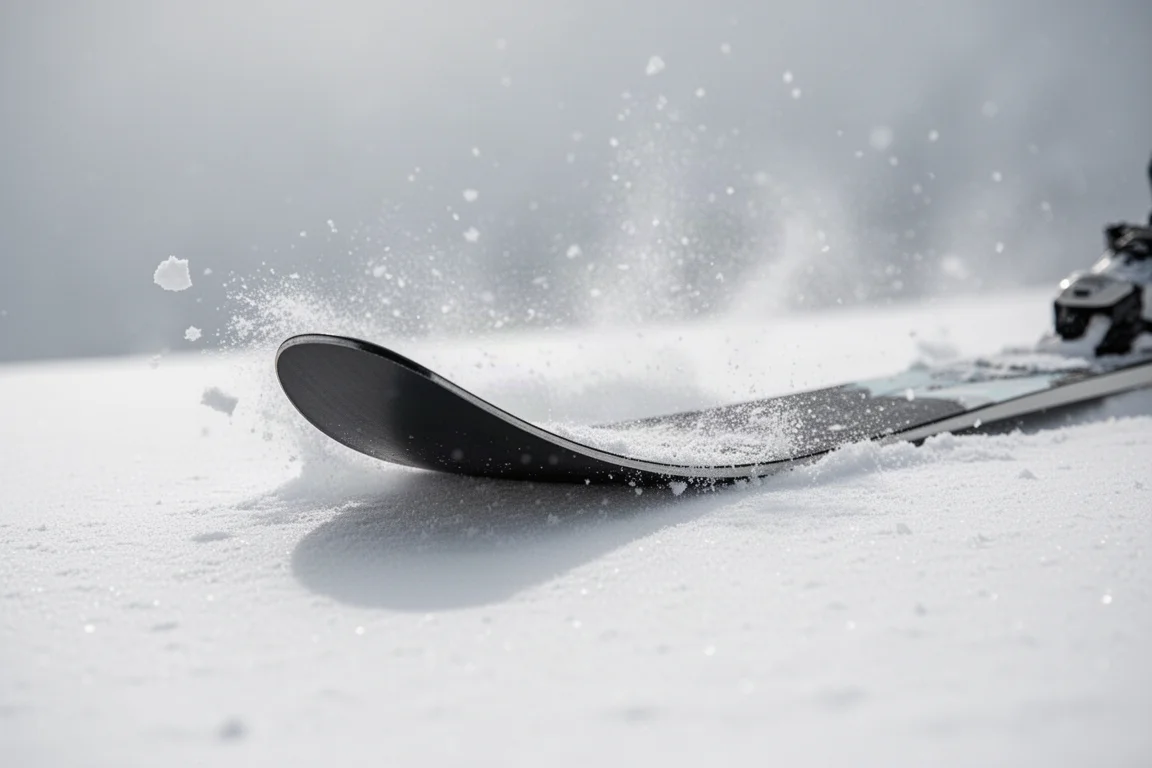
From a taper perspective, this is close to a five point side cut. The widest part of the ski sits well down into the forebody rather than at the very tip, which gives the ski noticeable pop out of the snow. The tail follows similar logic: a longer rocker with relatively low splay, and the same narrow-wide-narrow taper, with the widest point positioned toward the back.
The practical effect is a smooth entry and a smooth release into deep snow. That shaping is the main reason this ski floats better than most other 90 mm underfoot touring skis, even though the waist width itself is modest.
Main Strengths
The strongest argument for this ski is the balance it strikes between uphill efficiency and downhill capability. It is light and easy to use on the climb, and it retains a flex that supports more aggressive skiing than its weight suggests.
Float is the second standout. The RP taper and rocker profile give it more surface engagement in soft snow than the 90 mm waist would imply, so it does not feel like a compromise width when the snow is good.
The third is versatility. With a 90 mm platform and a consistent 15 metre radius across the size run, it covers a wide spread of touring scenarios rather than being tuned for one narrow niche.
Things to Consider Before Buying
Width is the main thing to weigh. A 90 mm ski is a strong all-round touring choice, but if your priority is deeper, fresher snow, a wider ski will deliver more float and more confidence in the steep, deep days.
The downhill strengths are also most pronounced in softer snow. That is where the shaping does its best work, and it is worth being honest about how much of your season happens in those conditions versus firmer or more variable surfaces.
Finally, this is a touring-first design. It is built around efficient travel, so riders whose priority is lift-served, hard-charging resort skiing may find a dedicated alpine model a more natural fit.
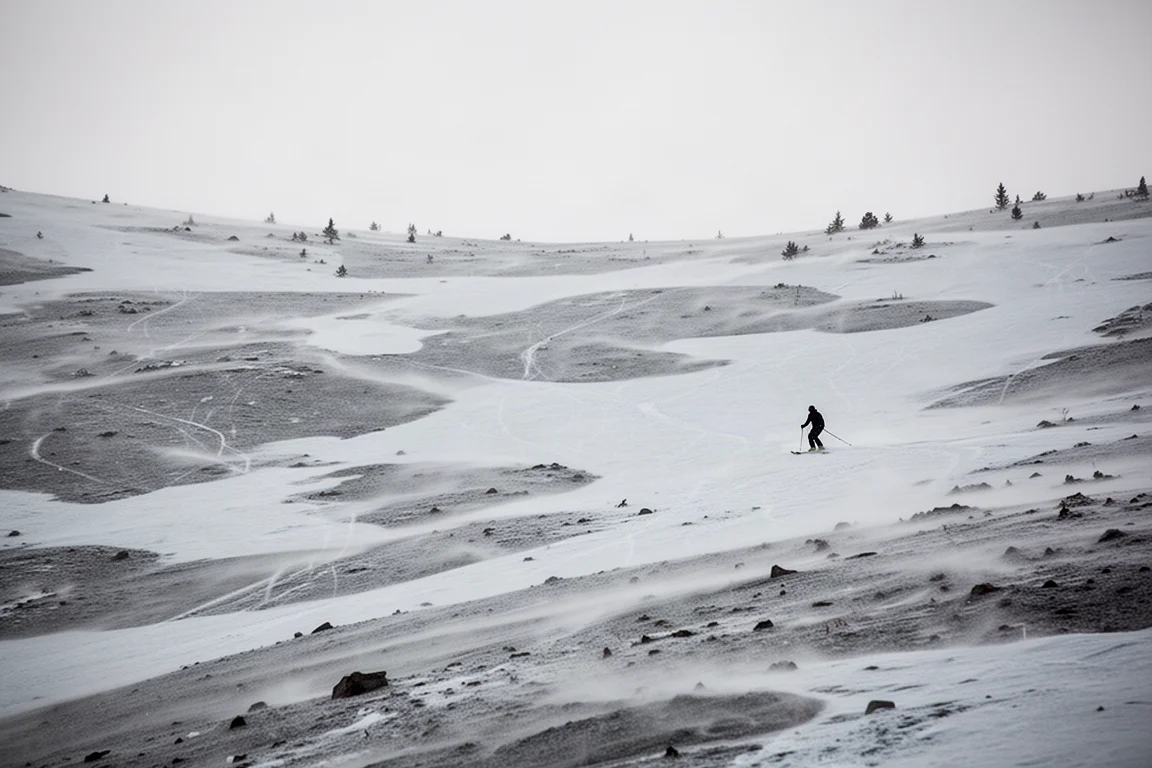
None of these are flaws so much as fit questions. The ski does exactly what its design intent describes, and the buying decision comes down to whether that intent matches your typical day.
How the RP Shaping Scales With Length
The RP family is unusual in how it handles sizing. Rather than keeping the shape constant and letting the radius change, the brand holds the 15 metre turn radius across the range and adjusts rocker and taper per length to get there.
The practical consequence is that the longer you go in these skis, the more dramatic the rocker profile becomes, and the lower the taper shape is brought down. Shorter lengths carry a more restrained profile. That means length selection changes the character of the ski more than it does on a conventional touring model, so it is worth thinking about the ride feel you want, not just the length that matches your height.
Buying Advice
Start with conditions. If most of your touring happens in soft snow with occasional deeper days, this ski fits neatly. If your calendar is dominated by deep powder, step up in width instead.
Then think about the terrain you ski most. The 15 metre radius and the taper placement make for a ski that turns willingly and releases cleanly, which suits riders who like a smooth, connected feel in soft snow rather than a stiff, demanding platform.
Finally, treat length as a tuning choice. Because the rocker and taper scale with size, going longer makes the ski more pronounced in profile, while going shorter keeps things more measured. Pick the length that matches the feel you are after, and this ski becomes an easy, efficient companion for a wide range of touring days.
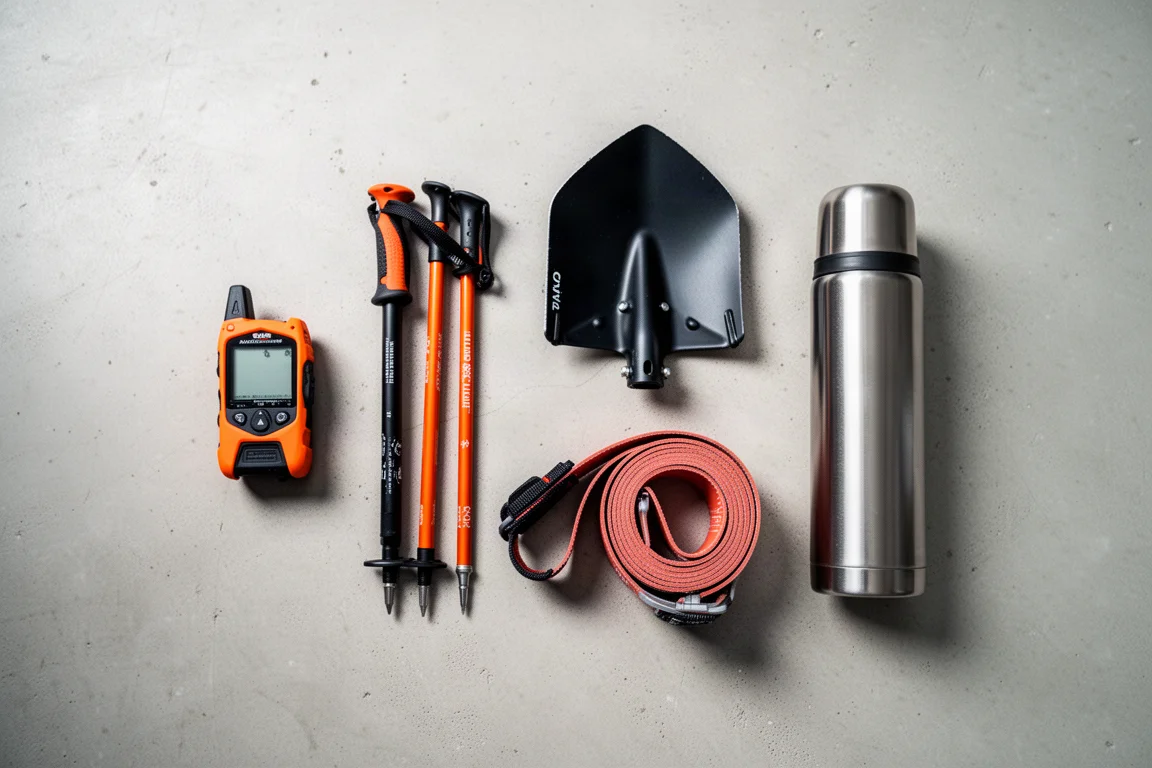
If you already own a wider powder touring ski, this is a sensible second slot for longer approaches, spring missions, and lower-snow backcountry objectives.
Conclusion
The DPS Pagoda Tour 90 RP makes a clear case for itself: a lightweight paulownia and ash core, carbon and aerospace foam reinforcement, and RP shaping that gives a 90 mm touring ski more float than its width suggests. It is an efficient climber and a smooth, capable descender in soft snow, and it covers a broader range of touring applications than its waist width might imply. Buy it if you want one touring ski that travels well and performs in the conditions most touring days actually deliver.
Product link
View more details for DPS Pagoda Tour 90 RP
This product is mentioned in the review. Check the specifications, options, and compatibility before buying.
View more details for DPS Pagoda Tour 90 RPFurther reading
Related Reviews
Backcountry Skis
Armada Locator 96 Review: A Lightweight Touring Ski Built for the Uphill
A practical look at the Armada Locator 96, a lightweight backcountry touring ski with a karuba wood core, carbon stringers, and a titanal binding platform.
Backcountry Skis
DPS Pagoda Tour 100 RP Review: A Lightweight Backcountry Ski Built to Turn
The DPS Pagoda Tour 100 RP takes a proven all-mountain shape and rebuilds it for touring. Here is how the construction, weight, and RP shaping come together.
Backcountry Skis
DPS Pagoda Tour 106 C2 Review: A Light Touring Ski With Alpine DNA
A close look at the DPS Pagoda Tour 106 C2, a 106 mm backcountry ski built on a proven alpine shape with a lightweight touring core.