Road Bikes
Do You Really Need a Superbike? What Range-Topping Road Bikes Actually Buy You
Range-topping road bikes promise maximum speed, yet the same frame shapes and design cues now appear far down the range. Here is how to judge the real-world value of a superbike.
Introduction
Six range-topping road bikes have been released in the past six months, and brands are pushing them out at a steady rate. The pitch behind every launch is broadly the same, that everyone should be riding a carbon fibre rocket ship. The case against buying one is real, and it may not be the argument you expect.
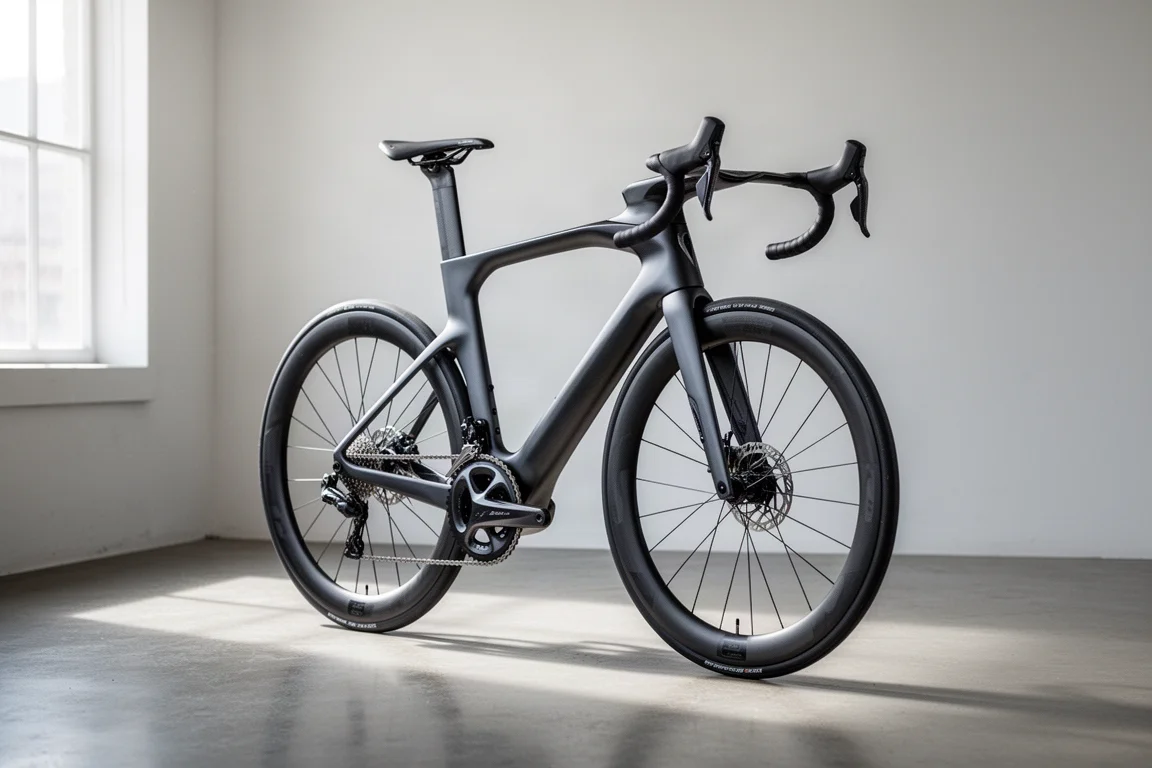
It helps to be clear about what a superbike actually is. The label fits machines at the cutting edge of technology, recently released and often raced by professionals. The Specialized Tarmac, Giant Propel and Colnago V4RS all sit in that group. They also tend to carry a hefty price tag, and at this tier that usually means a five-figure number.
These bikes are built with one goal in mind, to be the fastest thing on the road, saving as many watts as possible and turning a rider’s effort into speed.
How This Guide Judges a Superbike
The hallmarks of the category are consistent. Expect deeply sculpted high-grade carbon frames, deep-section wheels and a range-topping groupset such as Shimano Dura-Ace, SRAM Red or Campagnolo Super Record. Watt-saving details are part of the package too, including oversized pulley wheels, integrated cockpits and ceramic bearings. Those features are what separate a very good bike from a superbike.
For buyers, the more useful question is how far those features travel down a brand’s range. Frame shapes and design cues are shared far more widely than flagship pricing suggests. Drop seat stays are a good example. They are used to improve comfort and aerodynamics, and they now appear on bikes costing around £1,000. Design innovation does make its way down to the lower tiers.
Specialized Tarmac: The Benchmark Race Bike
The Tarmac is one of the models that defines the superbike category. It sits at the cutting edge of technology, has been released recently, and is the kind of platform that can be raced at professional level. It also reflects the price reality of this class, where flagship machines commonly land in five-figure territory.
For anyone shopping within the same brand, the important detail is that the frame shape and the design language carry down the range. The top-end model is defined by its specification and its uncompromising build, not by a silhouette that is exclusive to the flagship.
Giant Propel: Aero Speed at the Flagship Tier
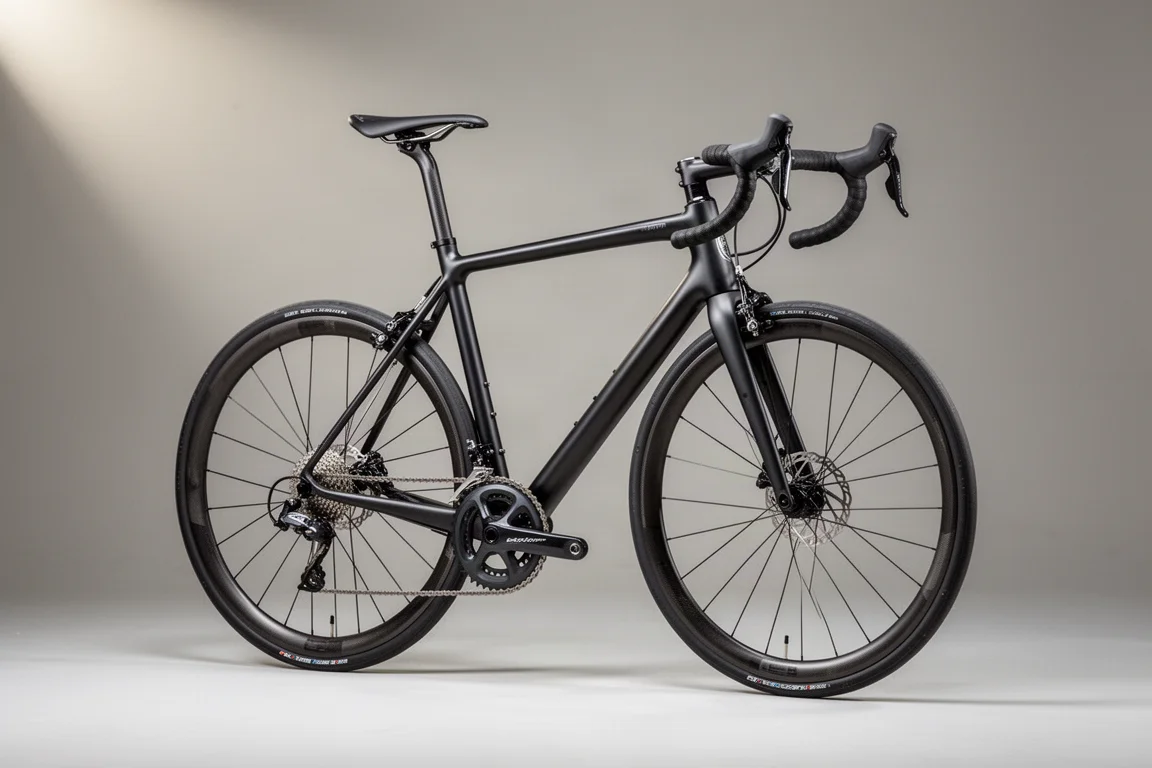
The Propel belongs to the same elite group. It is a recently released, technology-led race bike of the kind that professionals may ride, and it carries the flagship price tag that comes with that positioning.
Riders considering the Propel should look at the wider range as well. The design cues, and often the frame shape itself, appear on lower-priced models, which means much of the visual character and a large part of the real-world speed are available further down the line-up.
Colnago V4RS: Italian Race Craft
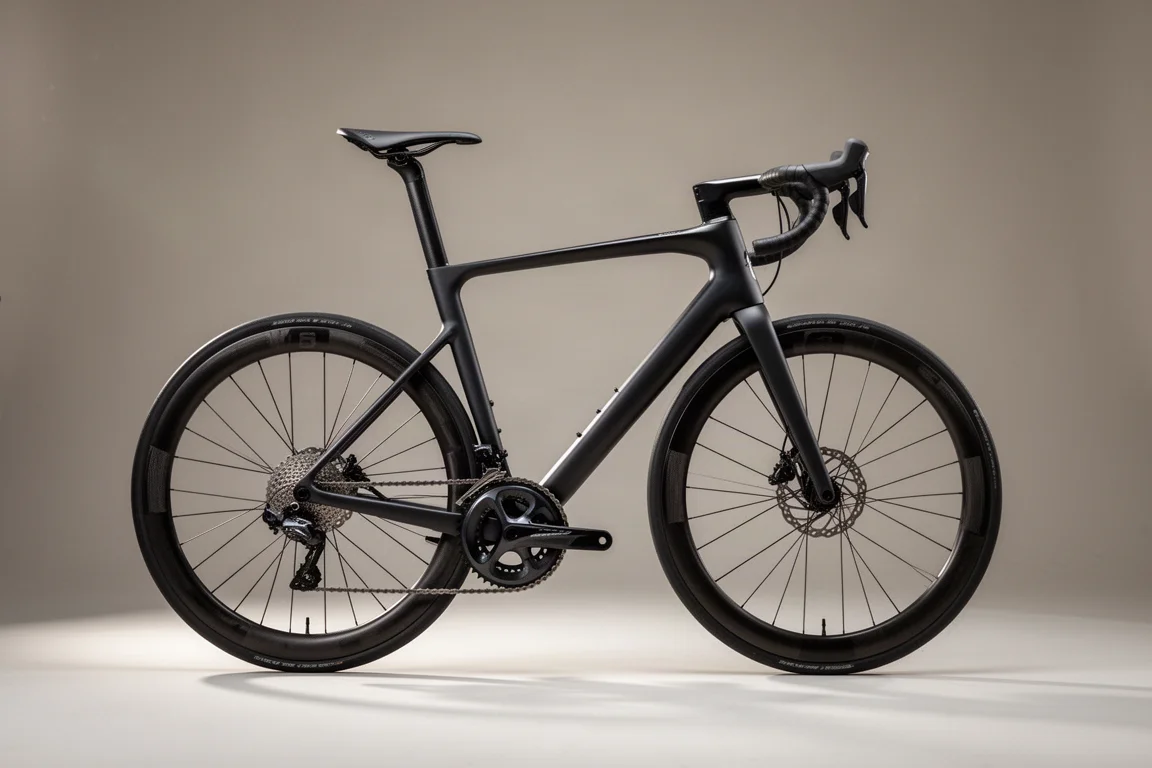
The V4RS is the third of the obvious reference points in this class. Like the others, it is a recently released, cutting-edge race machine that could be raced by professionals, and it sits at the top of the price ladder.
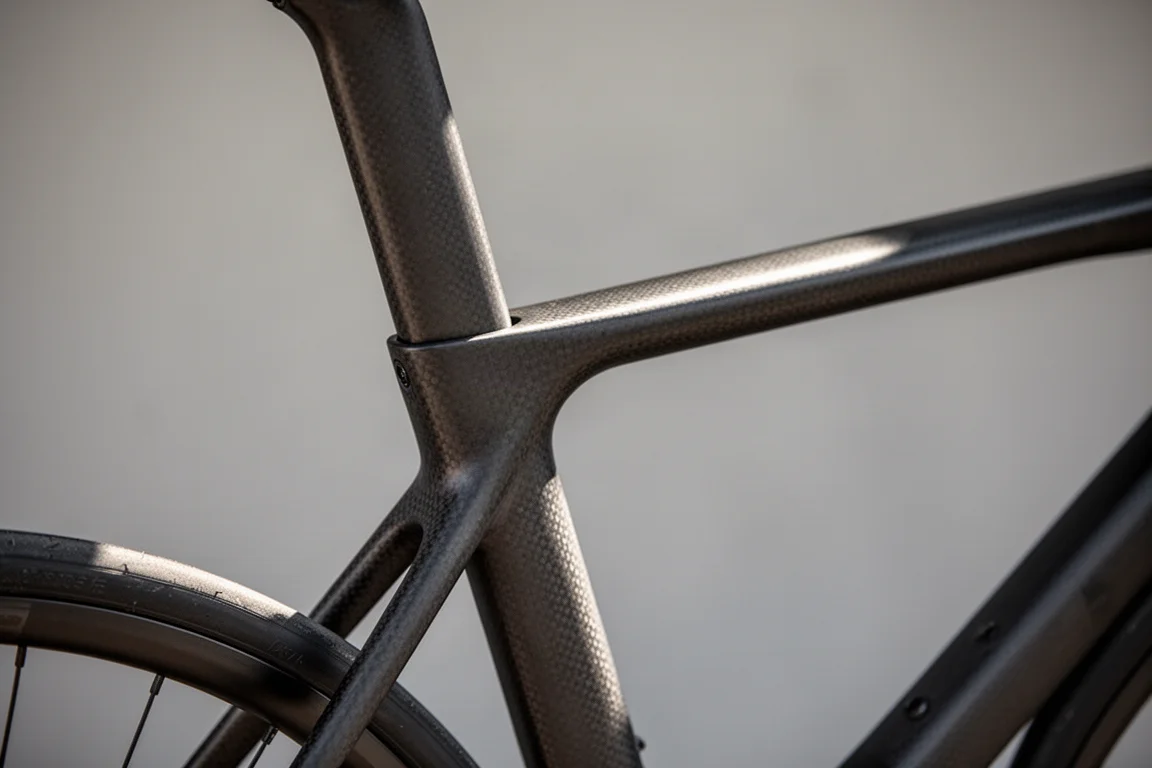
That positioning matters when the servicing bill arrives. A superbike of this type uses the most intricate routing and the most specialised components, and both add time and cost to routine maintenance. The frame shape and the design cues, however, are not exclusive to the flagship.
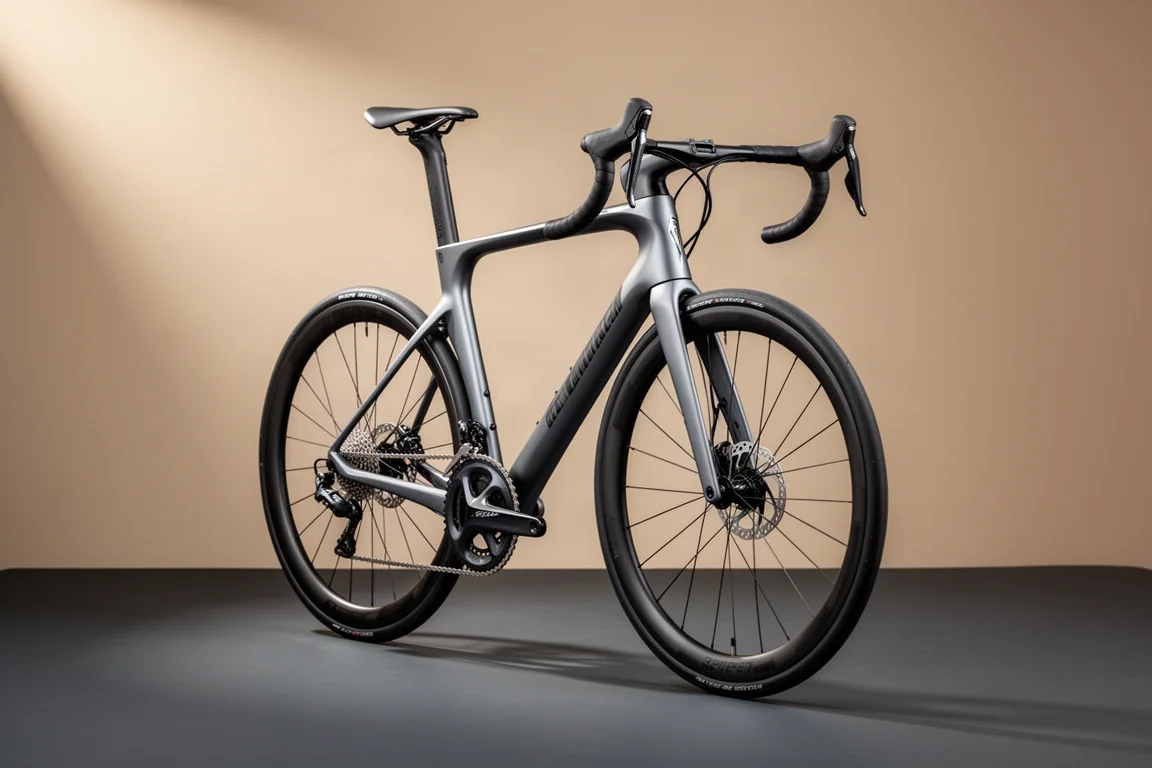
Canyon Ultimate CFR: The Range-Topping All-Rounder
The Ultimate CFR shows how a flagship is positioned at the very top of a range. It costs nearly £11,000 in the UK and comes with the full superbike specification, including Zipp 353 NSW wheels and the lighter carbon layup that the top tier commands.
The comparison that matters, though, is with the model directly below it in the same range.
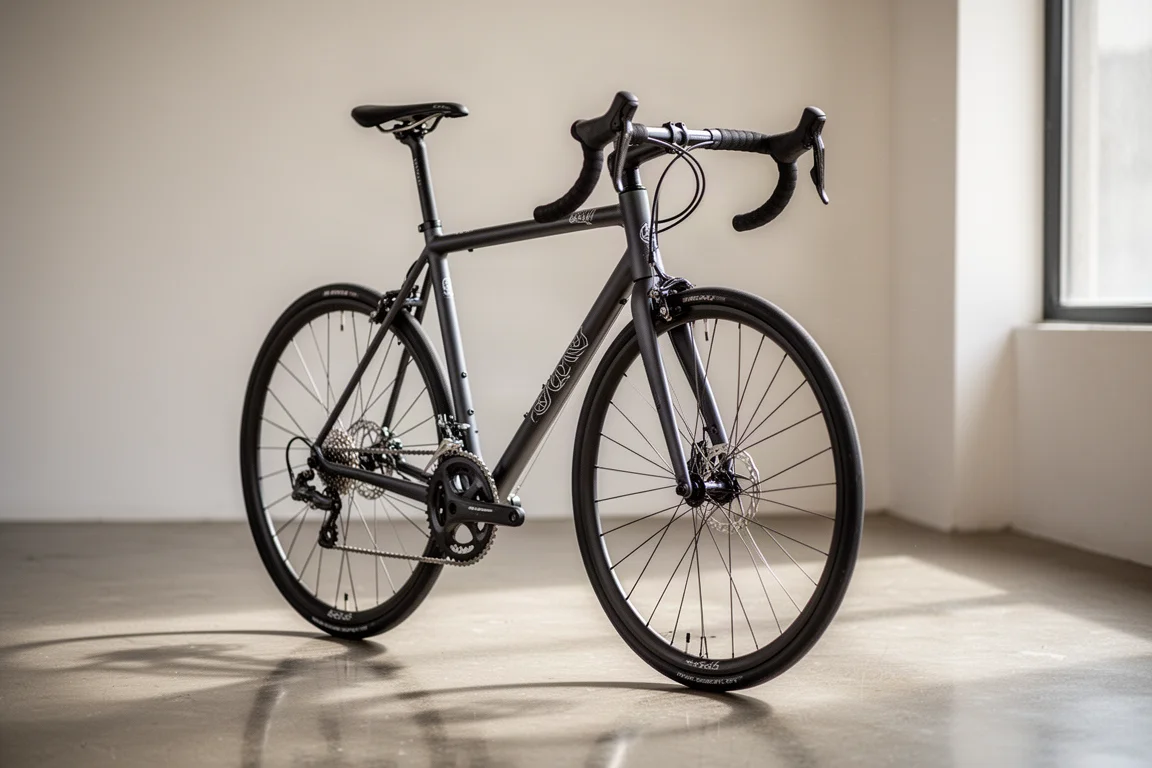
Canyon Ultimate SLX: Most of the Speed for Less
The Ultimate SLX costs nearly £6,500 in the UK, which is around 40 percent less than the CFR. What that money buys is remarkably close to the flagship experience. The frame shape is the same, the handlebars are the same, and the bike still runs deep-section wheels.
There are differences. The carbon layup is different and the SLX is about 480 grams heavier. Its wheels are more standard than the Zipp 353 NSW set found on the CFR. Against that, the SLX includes a power meter, a second-tier electronic 12-speed groupset and the same latest design cues as its bigger brother. The difference in real-world speed is not large.
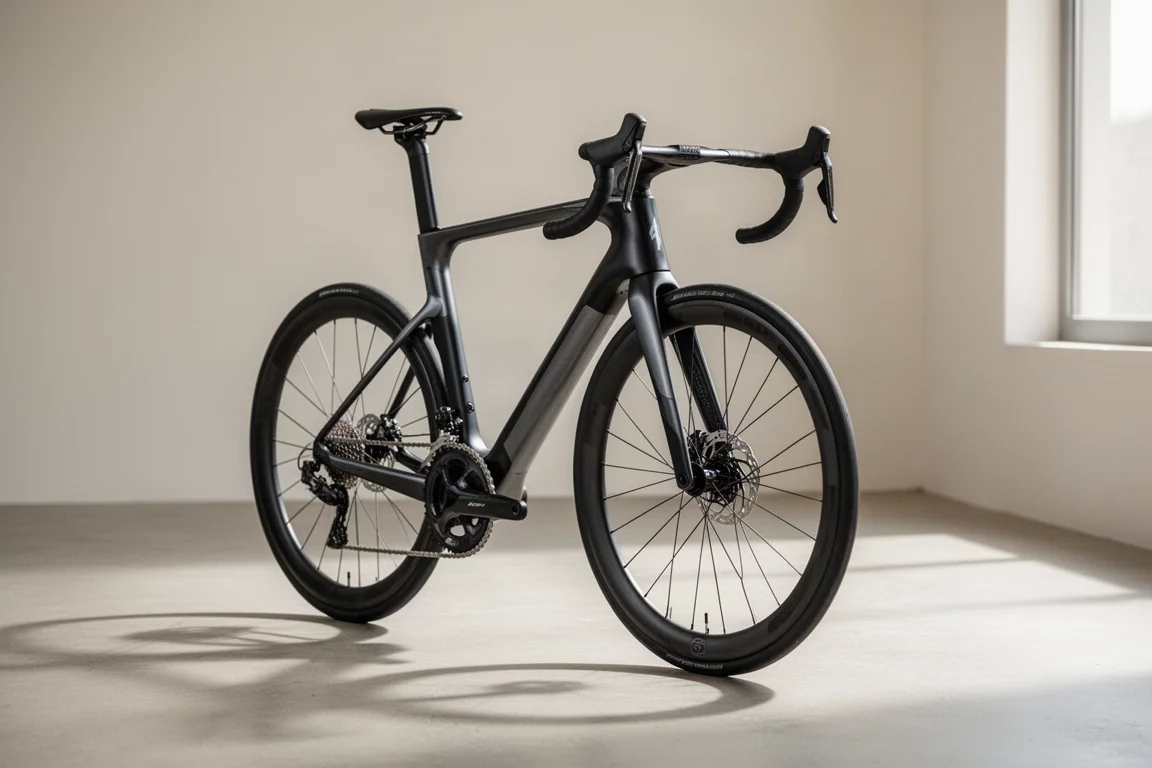
Shimano Dura-Ace: Flagship Drivetrain Performance
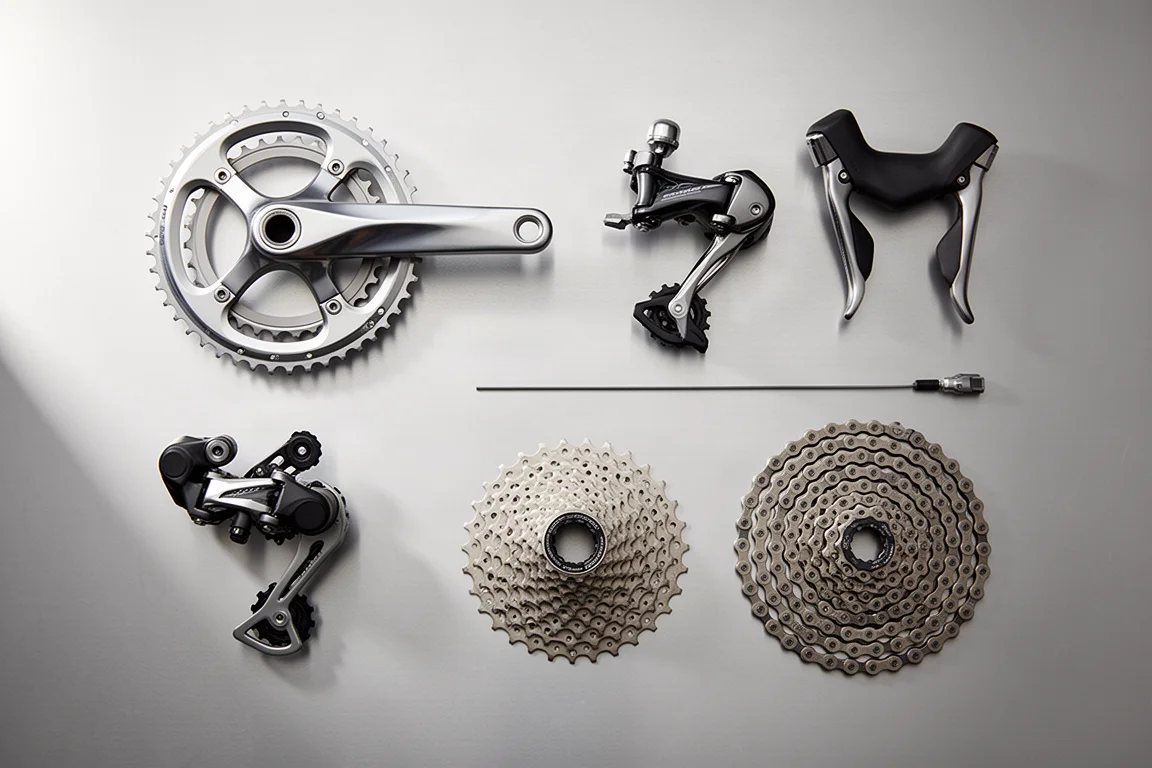
Dura-Ace is the range-topping groupset that defines the top of many superbike builds, and it is a reminder that speed is not only about the frame. Components are engineered to be lighter, stiffer, more aerodynamic and more efficient, and the flagship drivetrain is where much of that work is concentrated.
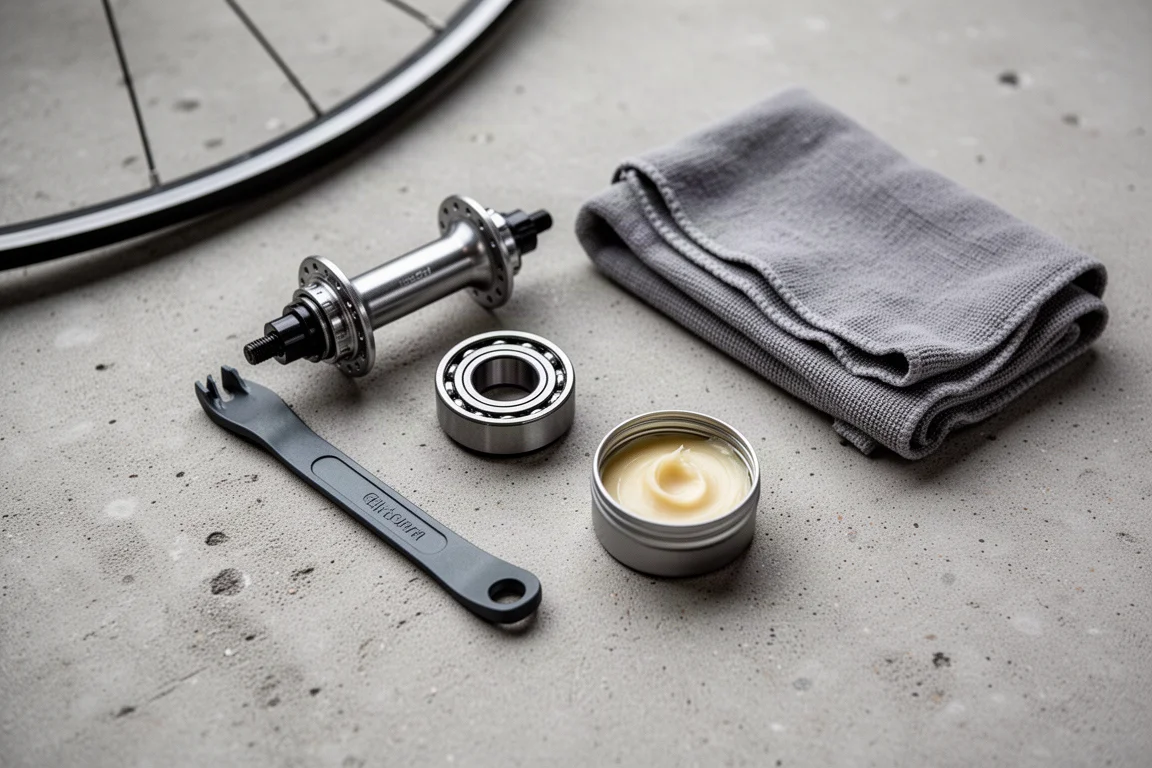
Ownership costs deserve attention here. Replacing a Dura-Ace rear derailleur can set a rider back around £700 in the UK, and a fresh set of wear components can approach £400. Superbikes can also use more intricate routing for hosing, which adds labour time when work is needed. If a rider would be happy to fit Ultegra as a replacement, buying Ultegra from the start avoids that initial outlay altogether.
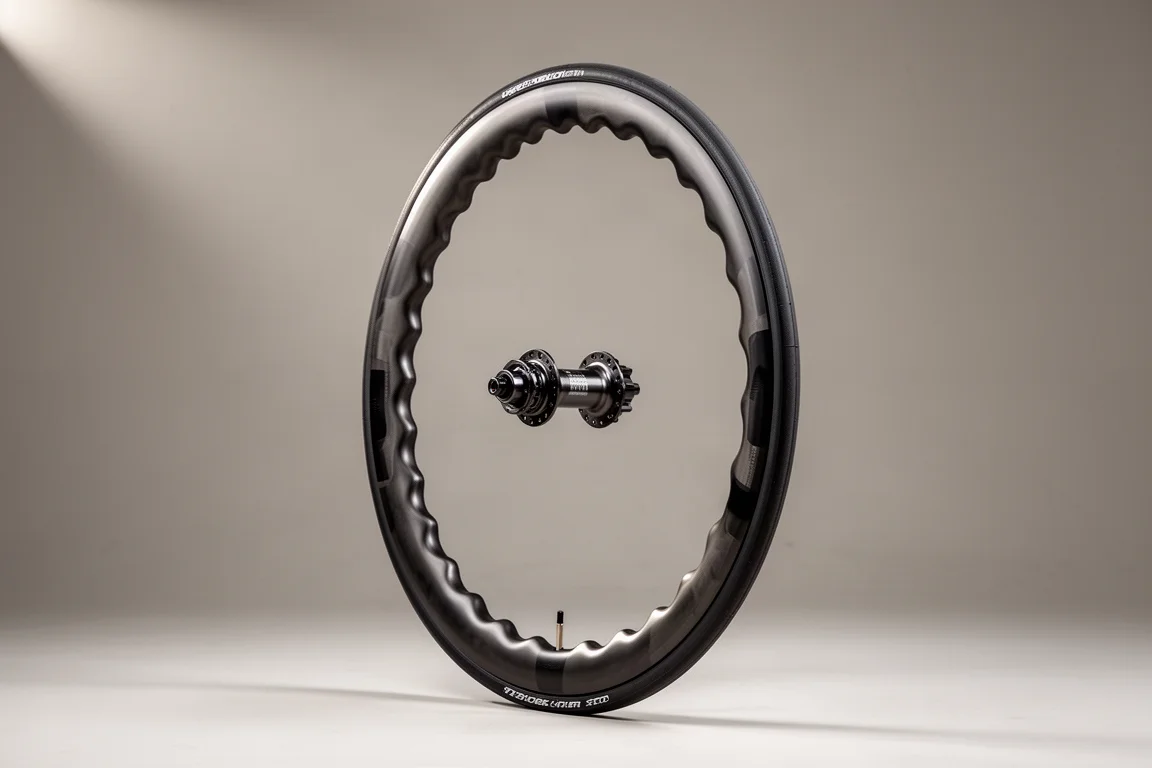
Zipp 353 NSW: Deep-Section Speed
Deep-section wheels are one of the defining features of a superbike, and the 353 NSW is the set that the Canyon Ultimate CFR ships with. Wheels at this level are part of the same pursuit of saved watts, and they noticeably change the character of a bike.
Ceramic bearings are a common upgrade in this part of the market. They can make a wheel spin seemingly forever, but they do not have the same longevity as standard bearings, and they perform best in optimal conditions such as dry roads and warm sunshine.
Shimano 105 Di2: Where the Value Sits
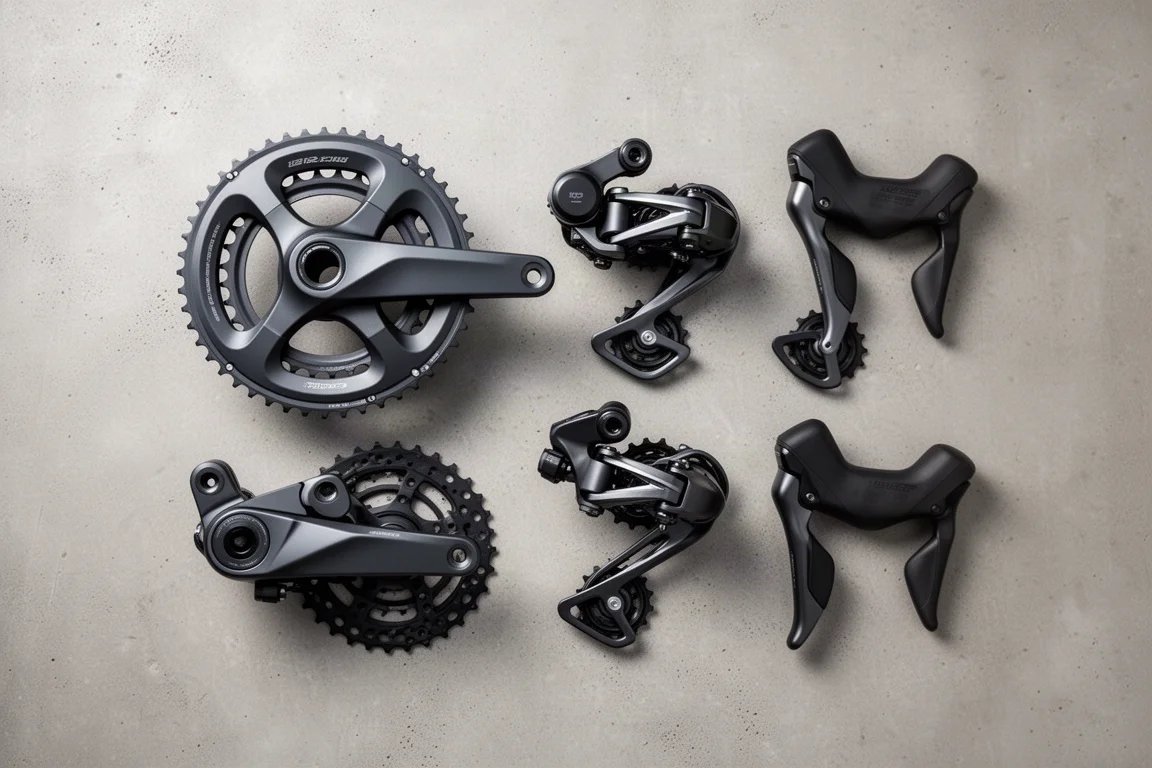
Not every rider needs the flagship tier. Shimano’s third-tier 105 Di2 is a strong illustration of why. It looks every bit as good as the more expensive options, and with unmarked 105, Ultegra and Dura-Ace groupsets placed side by side, telling them apart is genuinely difficult.
That reframes what a superbike purchase is actually buying. In some instances the more affordable technology holds a candle to the best, and the rider keeps the same frame, the same geometry and much of the same experience.
Buying Advice: Where Real-World Speed Actually Comes From
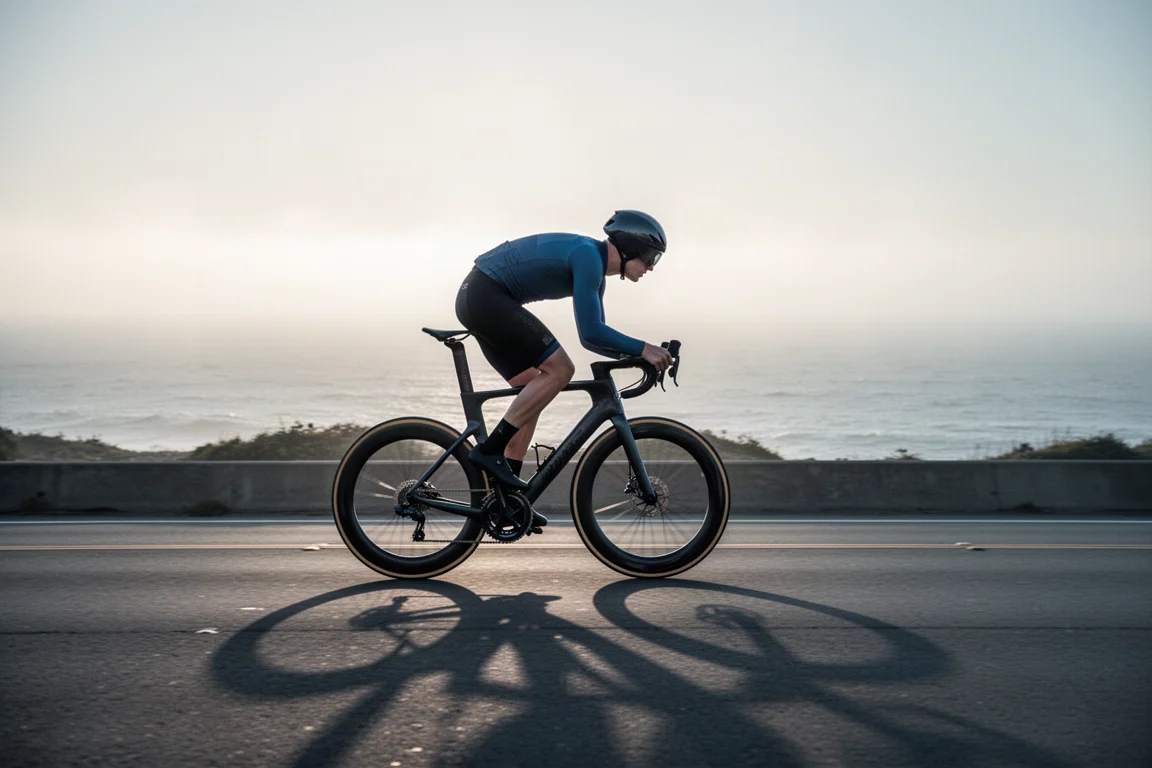
Superbikes are designed and tested in the wind tunnel in the most aerodynamic position, which is also the most aggressive one. Professionals spend a great deal of time training flexibility and core strength and can hold that position for hour after hour. Most riders cannot, and end up riding in a more upright position.
That raises a fair question about how much of the aerodynamic benefit a rider actually receives when the bike is not being ridden as it was designed. It is not only about aerodynamics either. Handling and response are fine-tuned from the slammed-stem position, and sliding headset spacers onto the steerer tube alters the geometry and the feel of the bike.

The practical answer is to have a bike fit before buying. That way the bike matches the rider’s flexibility and body size, and the position can sit as close as possible to the one the bike was designed around. Trying to make a bike fit after purchase tends to end with a great bike that does not feel great. Endurance bikes take a different approach, with taller head tubes and slacker angles that reduce the need for spacers and shorter stems.
Longevity is the other consideration. Range-topping tyres may be incredibly fast, but they are prone to punctures and do not last long. Ceramic bearings spin beautifully in dry, warm conditions and less so elsewhere. The cost of saving watts is often paid in durability.
Finally, speed is not only a hardware problem. Kit choice, nutrition and training plan are all within a rider’s control, and consistency and discipline in those areas will deliver greater rewards than a superbike alone. A superbike makes most sense as a final piece of the puzzle, a way to unlock whatever speed remains, rather than as the starting point.
Conclusion
Range-topping road bikes are extraordinary machines, and the six released in the past six months are among the fastest and most refined the category has offered. They are also the most expensive to buy and to keep running, and their advantages shrink when the rider cannot hold the position they were designed around.
The good news is that the design cues, the frame shapes and much of the real-world speed now live further down the range. Options at half the price, or less, will still propel a rider down the road at a serious rate of knots. Buying a superbike is a choice worth making deliberately, with eyes open on fit, longevity and servicing costs.
Further reading
Related Reviews

Road Bikes
10 New Road Bikes Worth Watching: Aero, Titanium, Steel and Endurance Standouts
A practical roundup of 10 new road bikes, from aero flagships chasing single-watt gains to titanium, steel and endurance platforms built for real roads.
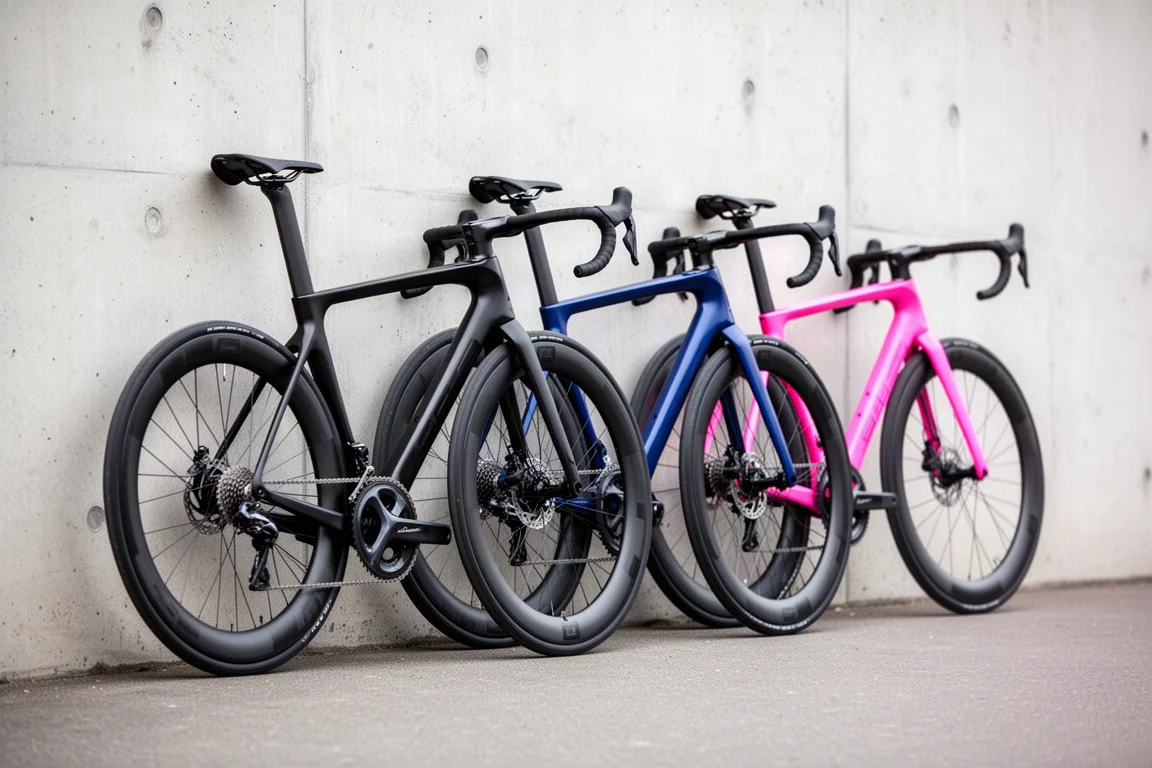
Road Bikes
2026 Tour de France Road Bikes: Six Race Machines Worth a Closer Look
Six race bikes from the 2026 Tour de France grid, reviewed for paint, silhouette, wheels and the specification details that matter to buyers.
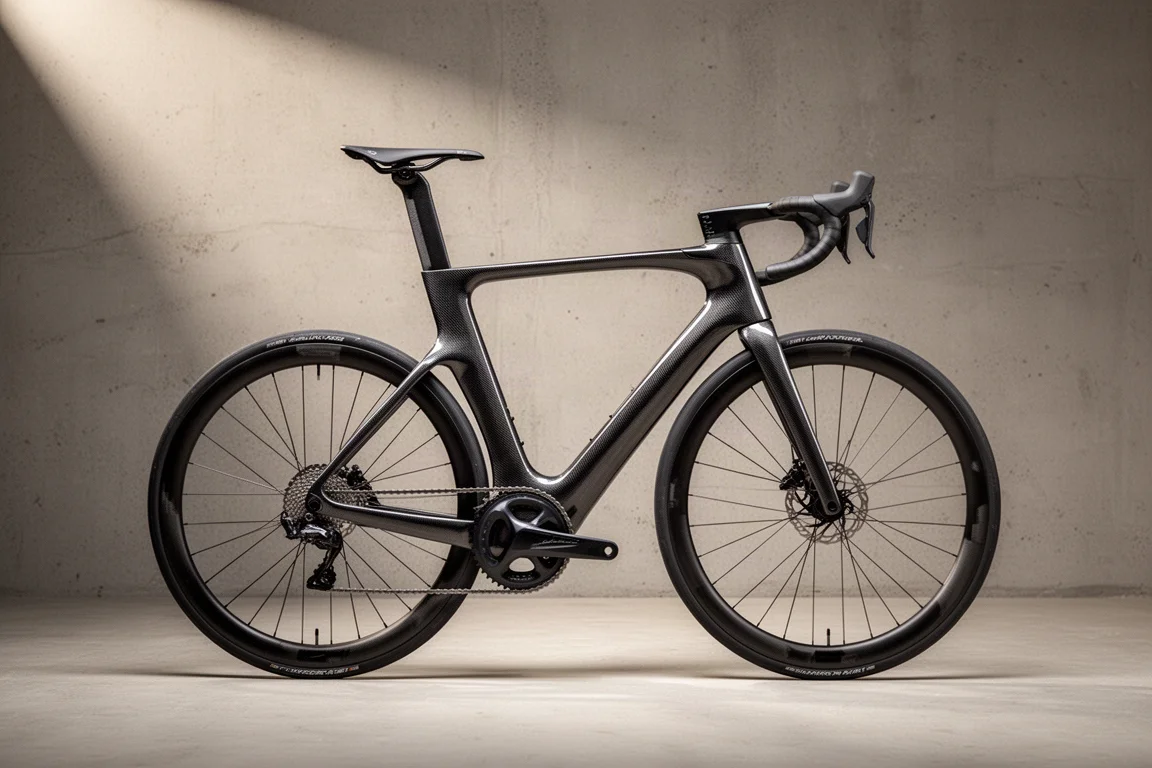
Road Bikes
3T Strada Italia Review: A Radical Aero Road Bike That Rides Smooth
A made in Italy carbon aero road bike with a deep head tube, wide tire clearance and a genuinely comfortable ride. Here is what to know before buying.