Drone Accessories
DJI RC Now Works With the Mavic 3: A Hands-On Look at What Changes
The DJI RC gained Mavic 3 support through a firmware update, and you can finally buy it on its own. Here is how it performs and where it falls short of the RC Pro.
Introduction
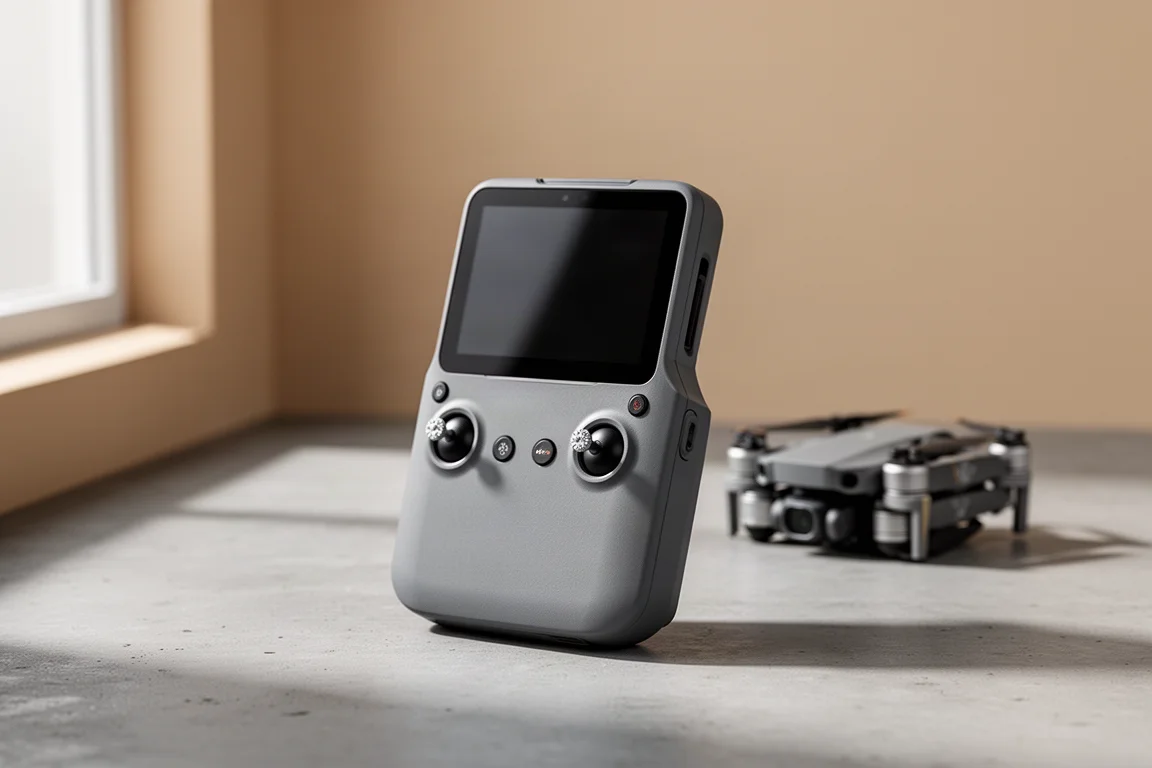
For a long time, the DJI RC lived in an awkward spot. The screen-equipped controller only worked with the lightweight Mini 3 and Mini 3 Pro, and you could not even buy it on its own. That has changed. A firmware update brought Mavic 3 compatibility to the DJI RC, and the controller is now sold separately, at a price well below the DJI RC Pro.
After flying the Mavic 3 with the DJI RC for a couple of months, the short version is this: it works almost exactly like you would hope, with a few limitations worth knowing before you buy.
What Changed and Why It Matters
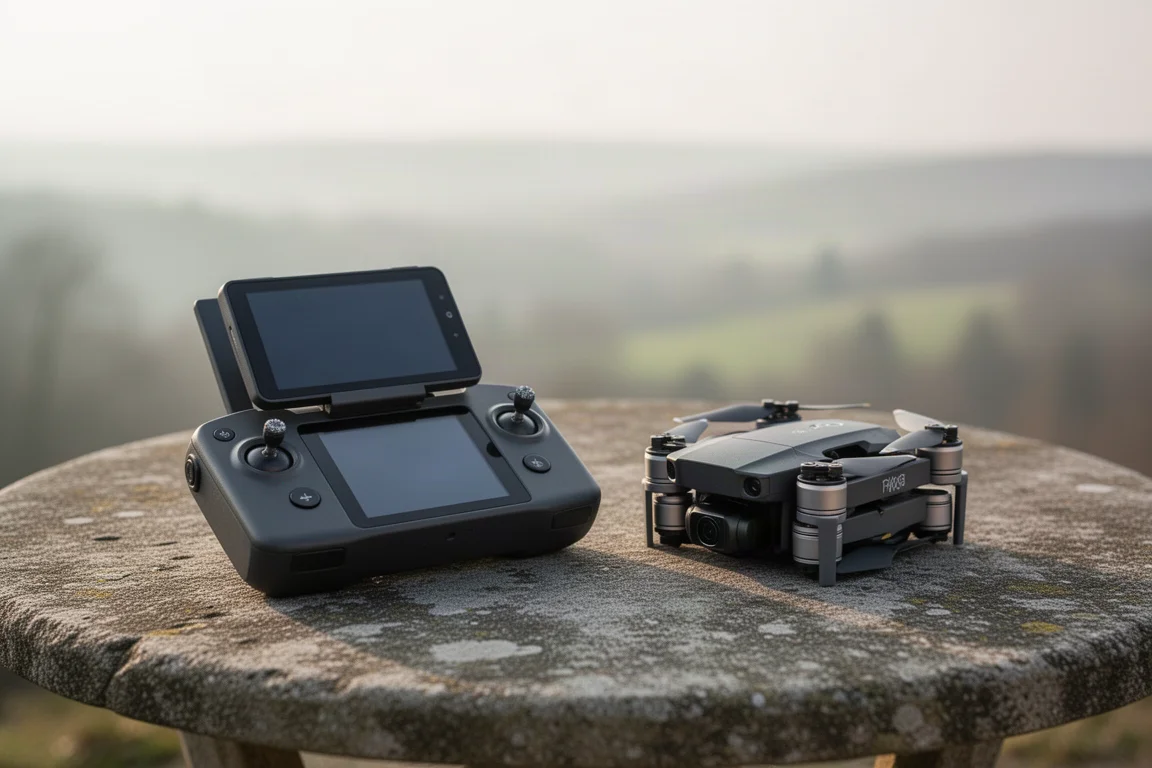
The update matters for two groups of people. First, anyone who already owns a DJI RC with a Mini 3 or Mini 3 Pro can now pair it with a Mavic 3, which adds flexibility over which controller to bring along. Second, buyers who want a built-in screen no longer need to pay RC Pro money to get one.
Weight is the other big draw. The DJI RC is roughly half the weight of the RC Pro, which makes a real difference if you are traveling light. Pairing is straightforward: open the connection guide in the lower right corner of the screen, power on the drone, and hold the back button on the controller for four seconds to enter pairing mode. It finds the aircraft almost immediately.
One practical note before flying: make sure the controller is running the latest firmware, especially if it came bundled with a Mini 3.
Everyday Flying Experience
In day-to-day use, the DJI RC behaves like a dedicated Android device running the same app you would use with your phone connected to a standard controller. That means photography modes, Air Sense, and the usual flight features all work as expected. The overall experience feels identical to the standard setup.
There are two gaps to be aware of. Live streaming is not available on the DJI RC, though it works on the RC Pro or on a phone connected to a standard controller. Also, you cannot transfer footage directly to the controller; quick transfer between the drone and your phone is the workaround.
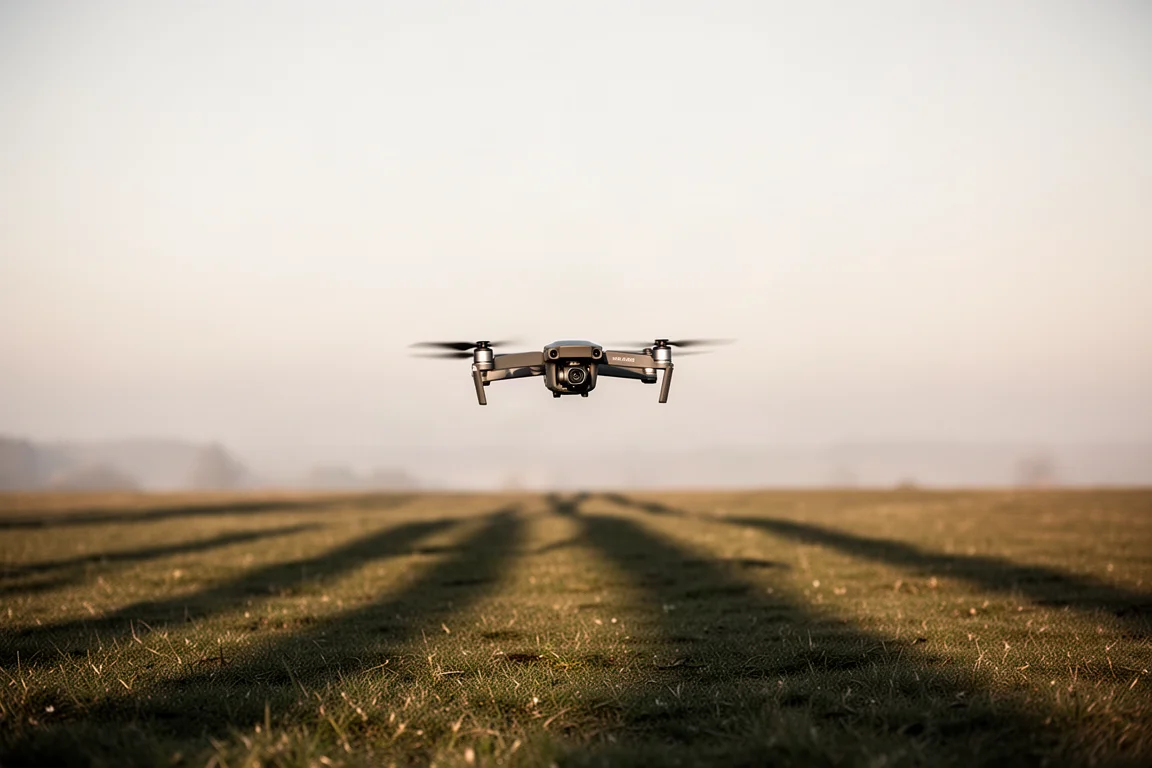
You do get a lower-resolution stream copy on the controller itself, and there is a micro SD card slot at the bottom for storage. On range, flying to roughly a thousand meters presented no problems, which comfortably covers most recreational and sports shooting within visual line of sight.
DJI RC vs DJI RC Pro: The Key Differences
Screen size and resolution are the same on both controllers. Brightness is where the RC Pro pulls ahead: on a bright beach, the RC Pro screen is noticeably easier to read, though a phone warmed up in the sun performs about the same as the DJI RC, making that comparison roughly a wash.
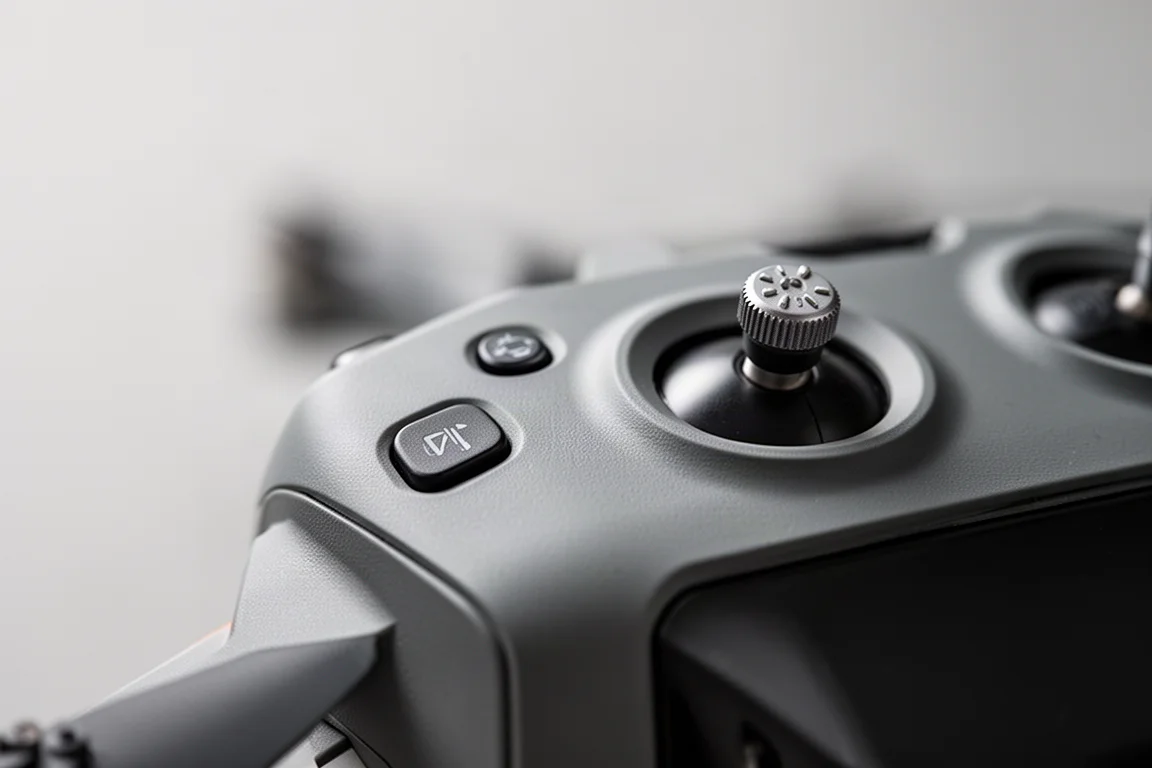
Elsewhere, the DJI RC wins in surprising ways. Battery life is longer at about four hours versus three on the RC Pro, and the weight is roughly half. It still has customizable back buttons, and the same core controls, though the RC Pro offers more customization up front with its 5D button.
The RC Pro’s advantages are real, though. It supports third-party app installation thanks to its larger internal storage, while the DJI RC has only about two usable gigabytes of its built-in storage and cannot install extra apps. The RC Pro also has an HDMI output; the DJI RC has none, and neither of its USB-C ports works with HDMI adapters. Screen recording resolution is also lower on the DJI RC, which mostly matters if you publish screen captures.
Who Should Buy the DJI RC
For most people, the value case is hard to argue with. It is lighter, less bulky, runs longer on a charge, and costs a fraction of the RC Pro while covering nearly every everyday need. For weight-sensitive trips, such as a multi-day hike where battery conservation matters, having everything consolidated in one compact unit is a genuine advantage.
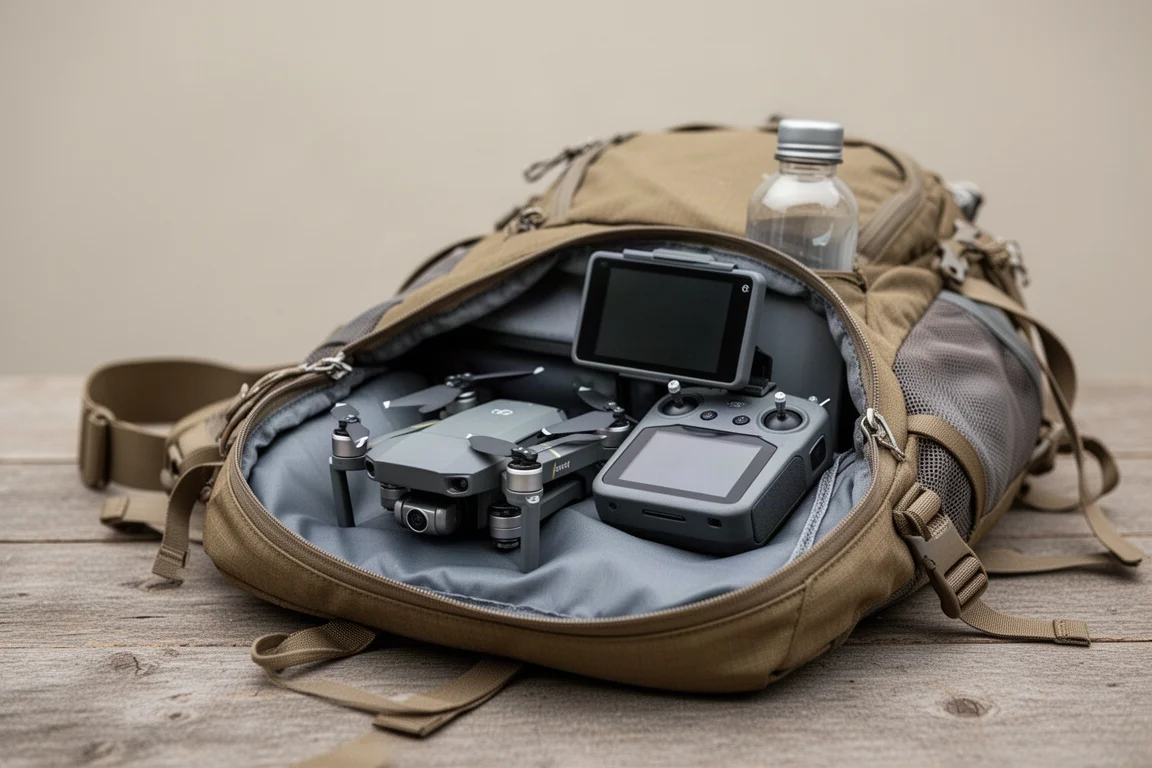
The RC Pro still makes sense in specific situations: if you need HDMI output for a second person on set, want to install third-party apps, or need the brighter screen for harsh daylight work. If none of those apply, the DJI RC is the easier recommendation.
Conclusion
The Mavic 3 compatibility update turns the DJI RC from a Mini 3 accessory into a genuinely flexible controller option. It is not as bright, as expandable, or as output-capable as the RC Pro, but for everyday flying it delivers the same core experience at far less weight and cost. If your needs are straightforward, it is an easy controller to recommend.
Product link
View more details for DJI RC
This product is mentioned in the review. Check the specifications, options, and compatibility before buying.
View more details for DJI RCFurther reading
Related Reviews
Drone Accessories
DJI Mini 3 Accessories Under $25: What's Worth Buying and What to Skip
A practical list of budget-friendly DJI Mini 3 accessories that genuinely earn their place in your bag, plus three accessory categories to skip.
Drones
DJI Avatar 2 FPV Drone Review: Built-In Battery and Beginner-Friendly Flight
The DJI Avatar 2 improves on its predecessor with integrated goggle batteries, a larger sensor, and intuitive flight modes that make FPV accessible to newcomers.
Drone Reviews
DJI Mini 3 Review: Budget Drone with Surprising Performance
The DJI Mini 3 delivers impressive flight time, wind resistance, and video quality at an entry-level price, making it a strong choice for both beginners and experienced pilots.