Drones
DJI Avatar 2 FPV Drone Review: Built-In Battery and Beginner-Friendly Flight
The DJI Avatar 2 improves on its predecessor with integrated goggle batteries, a larger sensor, and intuitive flight modes that make FPV accessible to newcomers.
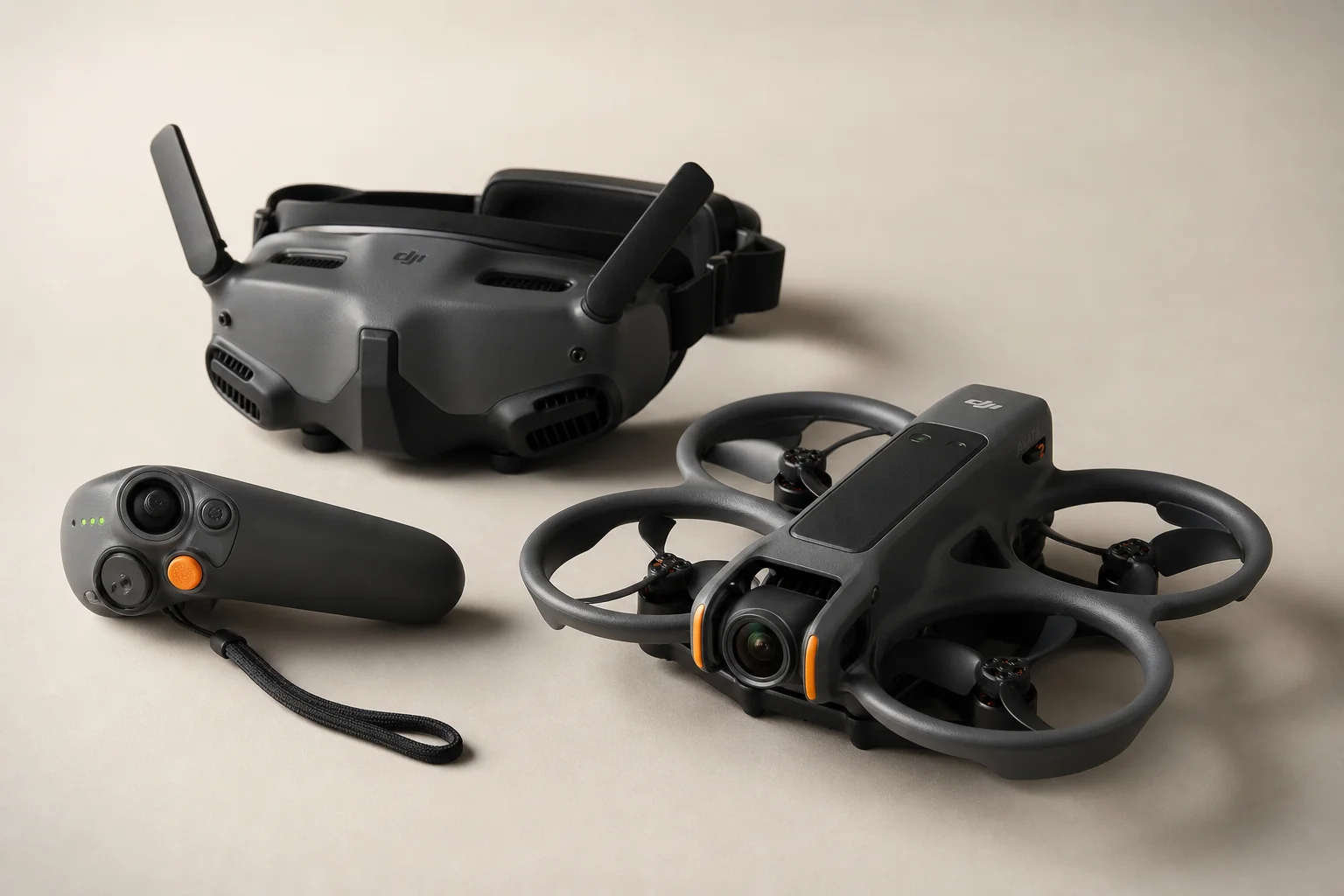
Introduction
The DJI Avatar 2 builds on the original Avatar platform with meaningful improvements that make FPV flying more accessible to newcomers. The addition of an integrated battery in the goggles, a larger sensor, and simplified flight modes removes friction from the learning curve without sacrificing the capability that experienced pilots expect.
Integrated Battery and Goggle Design
The most obvious upgrade is the built-in battery in the goggles themselves. On the previous Avatar, the battery connected via cable and required careful management of where the cable sat, often ending up in a pocket or creating awkward bulk. The new design integrates the battery directly into the goggle unit, which also serves a practical purpose: the battery weight counterbalances the goggle optics, creating a more comfortable wearing experience.
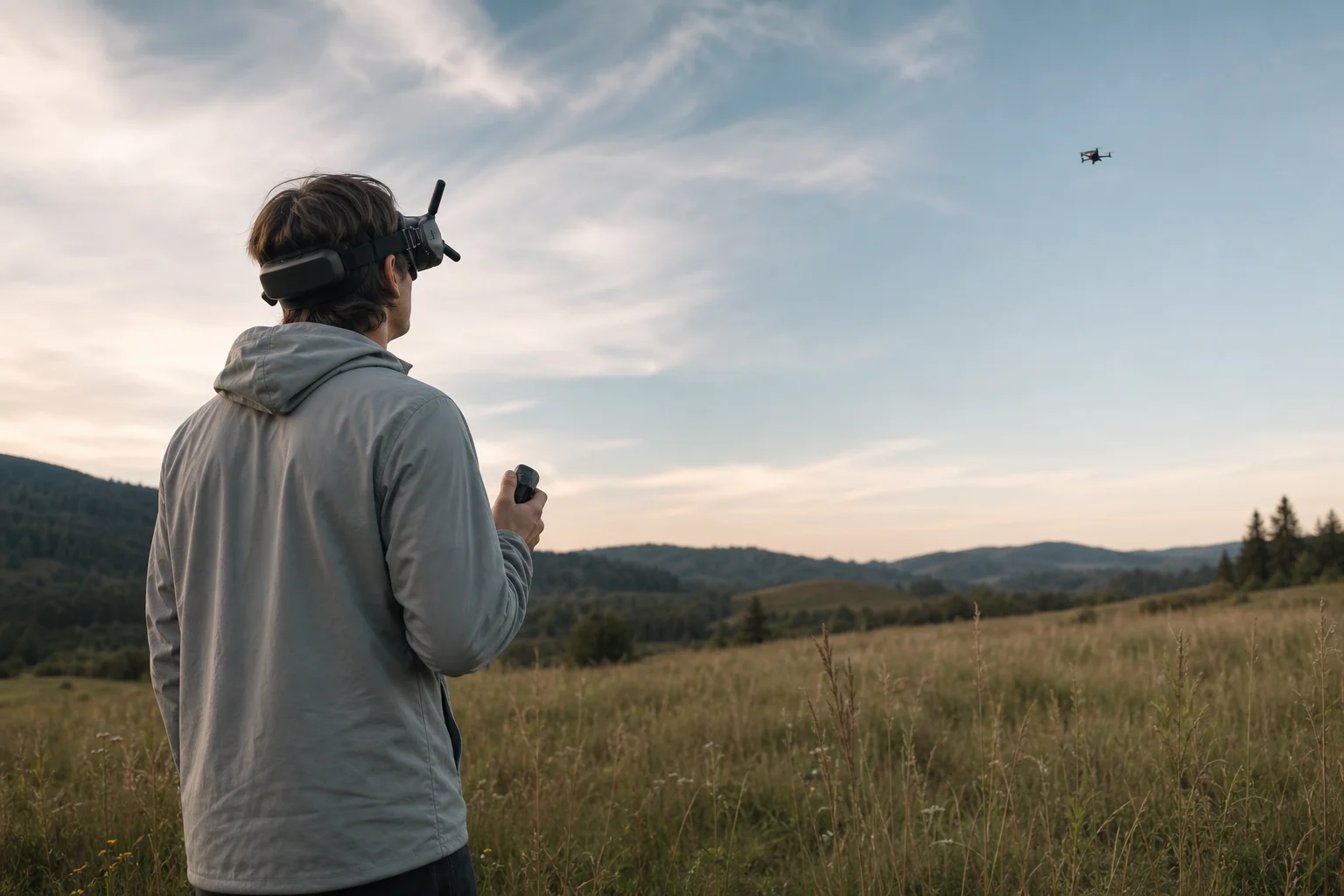
The goggles retain a familiar form factor but now feel more balanced on the head. The integrated approach eliminates cable management entirely, making the system feel more refined and easier to use out of the box.
Motion Controller and Intuitive Controls
The motion controller is where the Avatar 2 truly shines for beginners. Rather than juggling two traditional drone sticks, the motion controller uses a single joystick that handles ascent, descent, and lateral movement. The trigger button controls forward acceleration, making the input model far more intuitive than conventional FPV remotes.
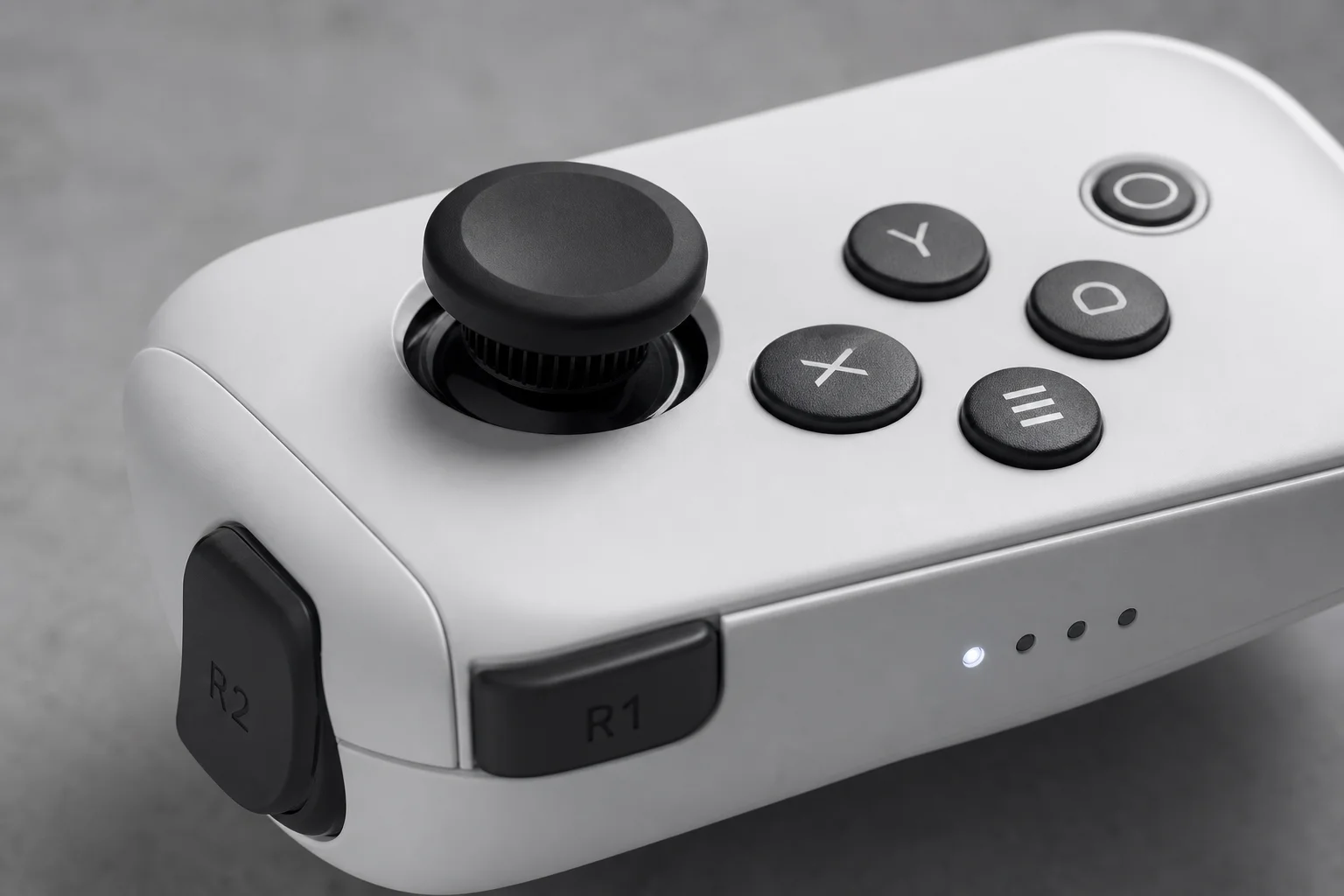
For newcomers, this single-joystick approach removes a significant cognitive load. You do not have to mentally map two independent stick axes to drone movement; instead, the controller mirrors natural hand movements. Push the joystick up to climb, pull it down to descend, tilt it left or right to move sideways. The trigger controls speed.
Beginner Mode and Confidence Building
Beginner mode is where the Avatar 2 excels at onboarding. When enabled, the drone limits speed and responsiveness, allowing new pilots to develop muscle memory without the risk of sudden, uncontrollable acceleration. The goggles display a wide, unstabilized view in real time, while the actual recording is automatically straightened and stabilized, so even shaky early flights produce clean footage.
The mode strikes a careful balance: it restricts the drone enough to prevent catastrophic mistakes, but allows enough freedom that you feel genuine control and progress. As confidence builds, disabling beginner mode reveals the full performance envelope. The difference is immediate and striking. The trigger suddenly has real bite, and the drone responds with speed and agility that feels genuinely powerful.
Easy Acro Mode and Automated Flight Features
Once beginner mode is off, the Avatar 2 offers Easy Acro mode, which lets you perform flips, rolls, and 180-degree drifts with a single flick of the directional stick. This feature is deceptively valuable: it allows relatively inexperienced pilots to execute maneuvers that would normally require precise stick coordination, instantly making footage look more professional.
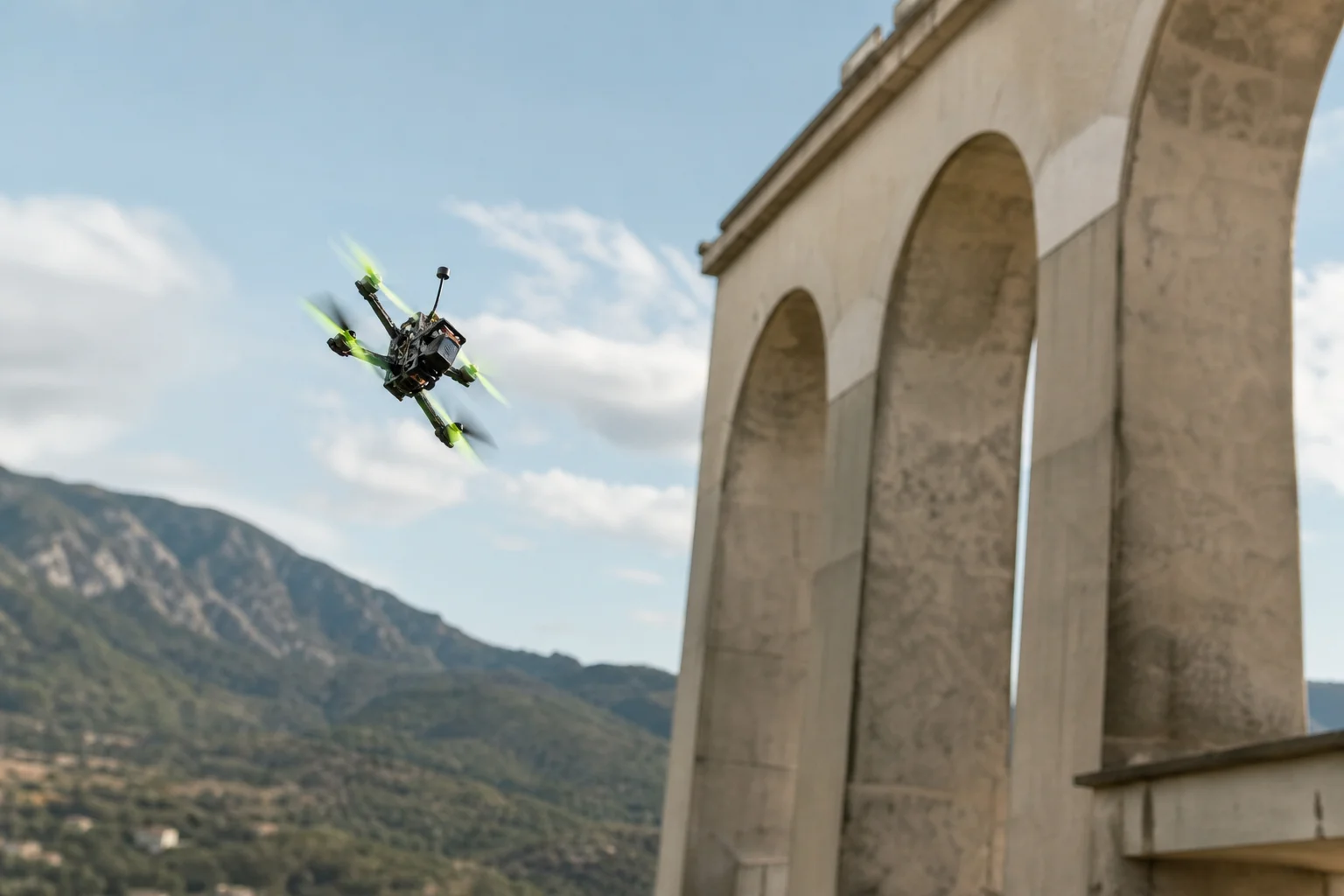
The larger sensor compared to the original Avatar captures more light and detail, which translates to noticeably better video quality, especially in variable lighting. Combined with the automated stabilization and the simplified control scheme, even a pilot in their first few flights can produce footage that looks intentional and polished.
Real-View and Situational Awareness
The goggles include a Real View feature that activates front-facing cameras, allowing you to see the ground and surrounding environment without removing the goggles. This is useful for takeoff, landing, and maintaining situational awareness in crowded or complex environments. Tapping the right side of the goggles toggles between FPV view and Real View, making it easy to switch context without removing the headset.
Wind Handling and Real-World Performance
In real-world conditions, the Avatar 2 demonstrates solid wind resistance. The drone can feel wind pushing it around, but the flight controller compensates well enough that even a relatively inexperienced pilot can maintain control. The larger sensor and improved optics make it easier to judge distance and speed, which helps with precision flying in gusty conditions.
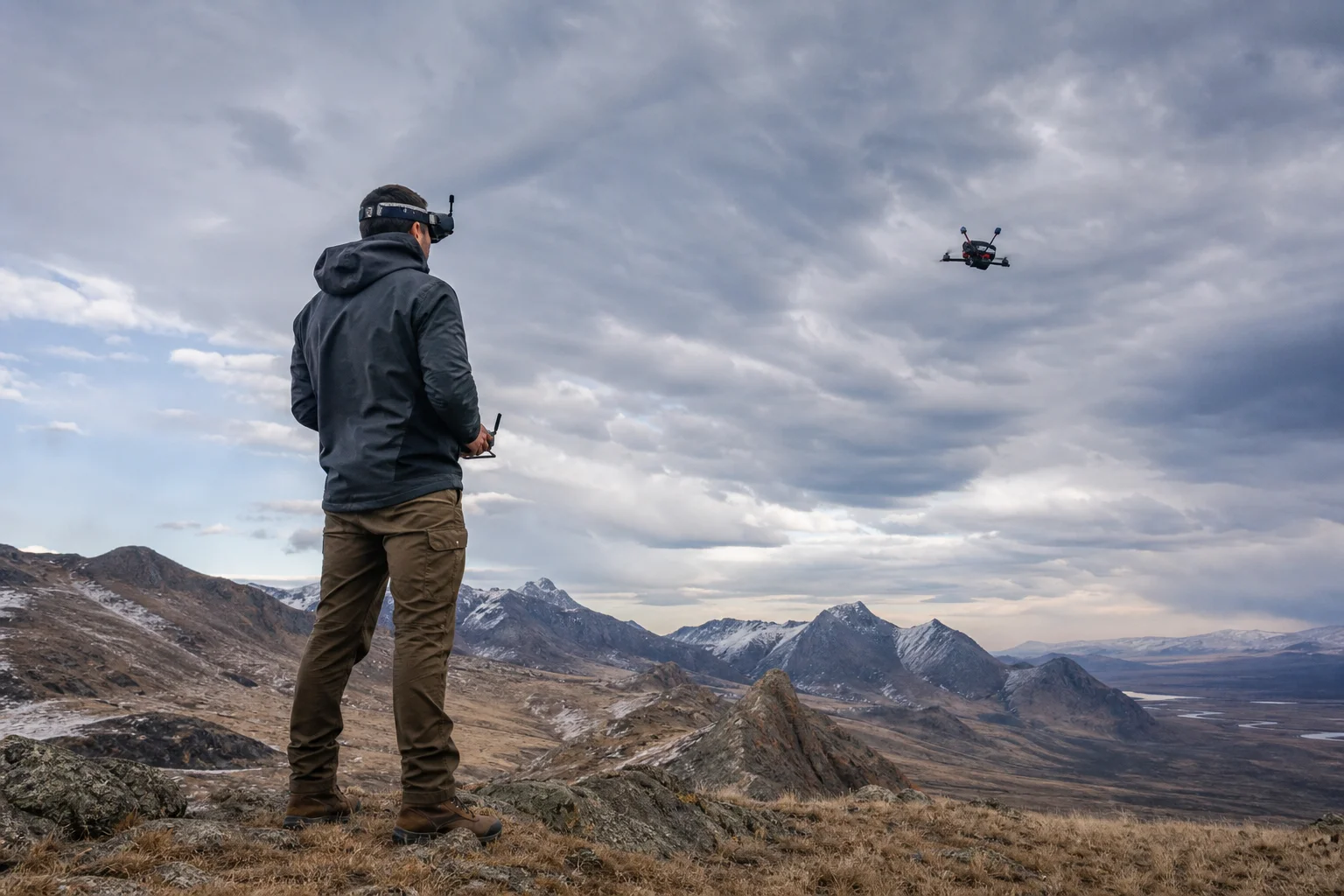
The combination of intuitive controls, automated features, and responsive flight dynamics means that the Avatar 2 feels more forgiving than traditional FPV setups. You can make mistakes and recover without panic, which is exactly what a learning platform should offer.
Conclusion
The DJI Avatar 2 is a thoughtful evolution that removes unnecessary complexity from FPV flying. The integrated goggle battery, motion controller, beginner mode, and Easy Acro features work together to lower the barrier to entry without compromising the capability or the quality of the footage you can produce. For anyone curious about FPV but intimidated by the traditional learning curve, the Avatar 2 is a genuinely compelling option.
Product link
View more details for DJI Avatar 2
This product is mentioned in the review. Check the specifications, options, and compatibility before buying.
View more details for DJI Avatar 2Further reading
Related Reviews
Drones
Best Budget Camera Drones Under 3000: Five Practical Options for Video and Photography
Five affordable camera drones with HD video capability and stable flight performance, each suited to different needs and budgets.
Drones
Best Budget Drones Under $200: Five Practical Options for 2026
Five budget-friendly drones with GPS, 4K cameras, and FPV capabilities. Real strengths and trade-offs to consider before buying.
Drones
Best Drone Cameras Under $500: Five Options for Different Needs
A practical guide to five drones under $500, covering portability, flight time, camera quality, and key features to help you choose.