Drone Reviews
DJI Mini 3 Review: Budget Drone with Surprising Performance
The DJI Mini 3 delivers impressive flight time, wind resistance, and video quality at an entry-level price, making it a strong choice for both beginners and experienced pilots.
Introduction
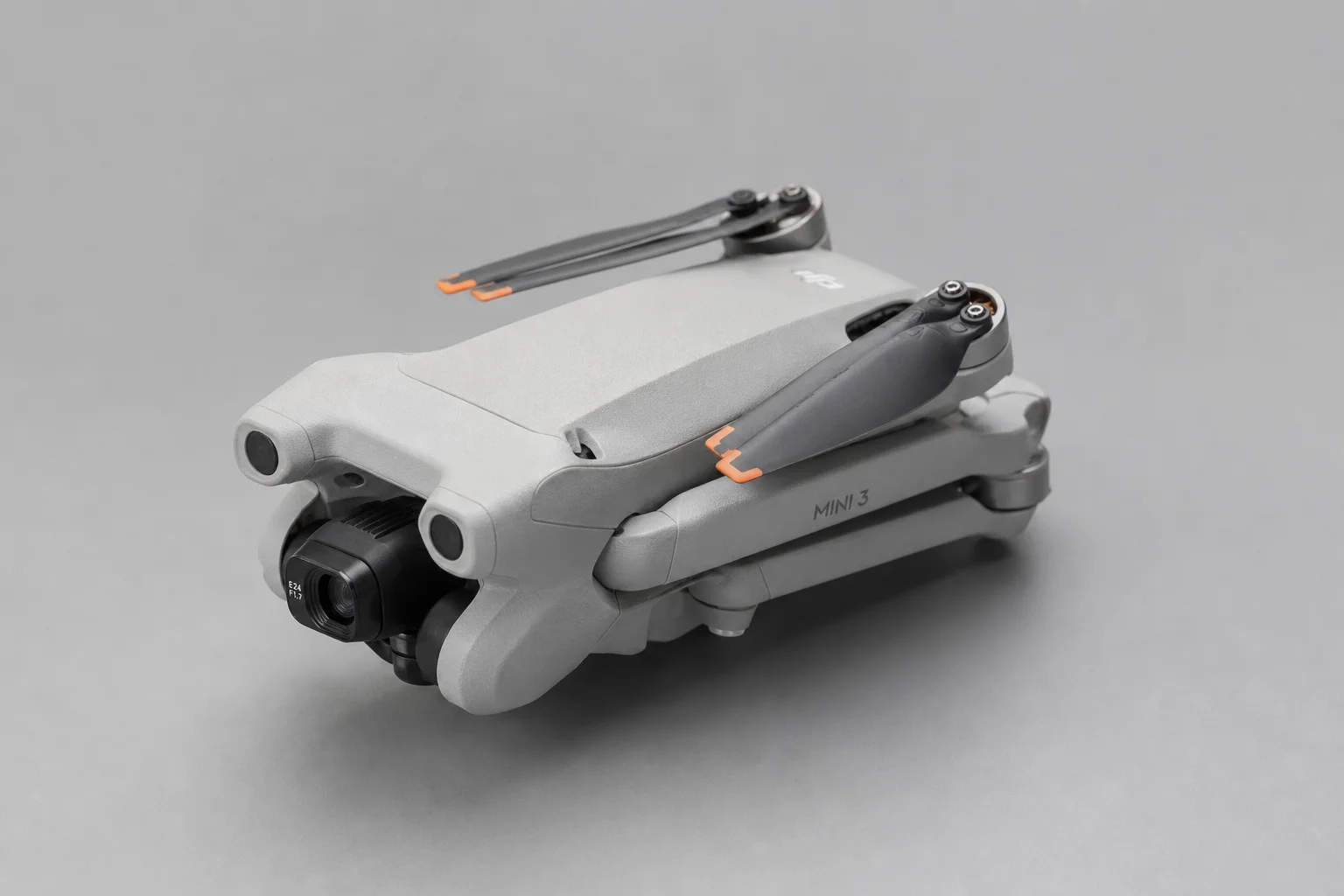
The DJI Mini 3 arrives as a compelling entry-level drone that challenges the traditional budget-versus-performance trade-off. Released alongside the more expensive Mini 3 Pro, the standard Mini 3 inherits many of the Pro’s best features while maintaining a significantly lower price point. At 519 pounds for the basic kit, it offers a genuine alternative for pilots who want serious capability without the premium cost.
Design and Build
The Mini 3 shares the same distinctive bulldog profile as its Pro sibling, with a front-heavy weight distribution that gives it a purposeful stance. The drone weighs just under 249 grams, a critical threshold that opens access to many flying locations where heavier drones face regulatory restrictions. This lightweight design is immediately noticeable when handling the aircraft, and the compact form factor makes it ideal for travel and backpacking trips where camera bag space matters.
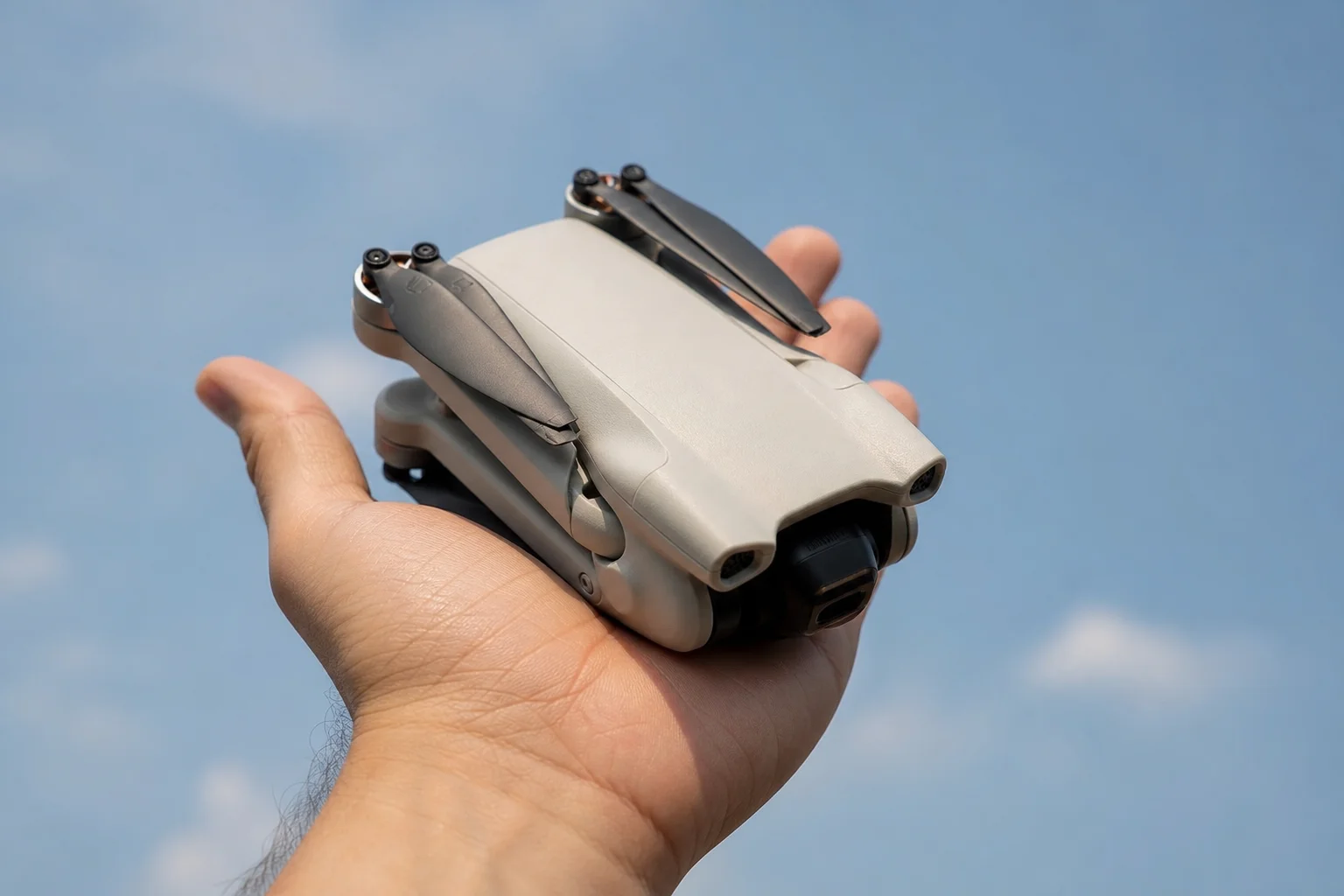
One of the most striking aspects of the Mini 3 is how quiet it operates. At 15 to 20 feet away, the drone is barely audible, a significant advantage over larger models like the Air 2S, which produces a noticeable buzzing sound. This quietness makes the Mini 3 particularly useful when discretion is important or when flying near people who might be disturbed by drone noise.
Flight Performance and Wind Resistance
The Mini 3 matches the Pro version’s flight speed of 16 meters per second in sport mode, equivalent to 24 miles per hour. This is three meters per second faster than the original Mavic Mini and only three seconds slower than the Air 2S, a much larger and more expensive drone.
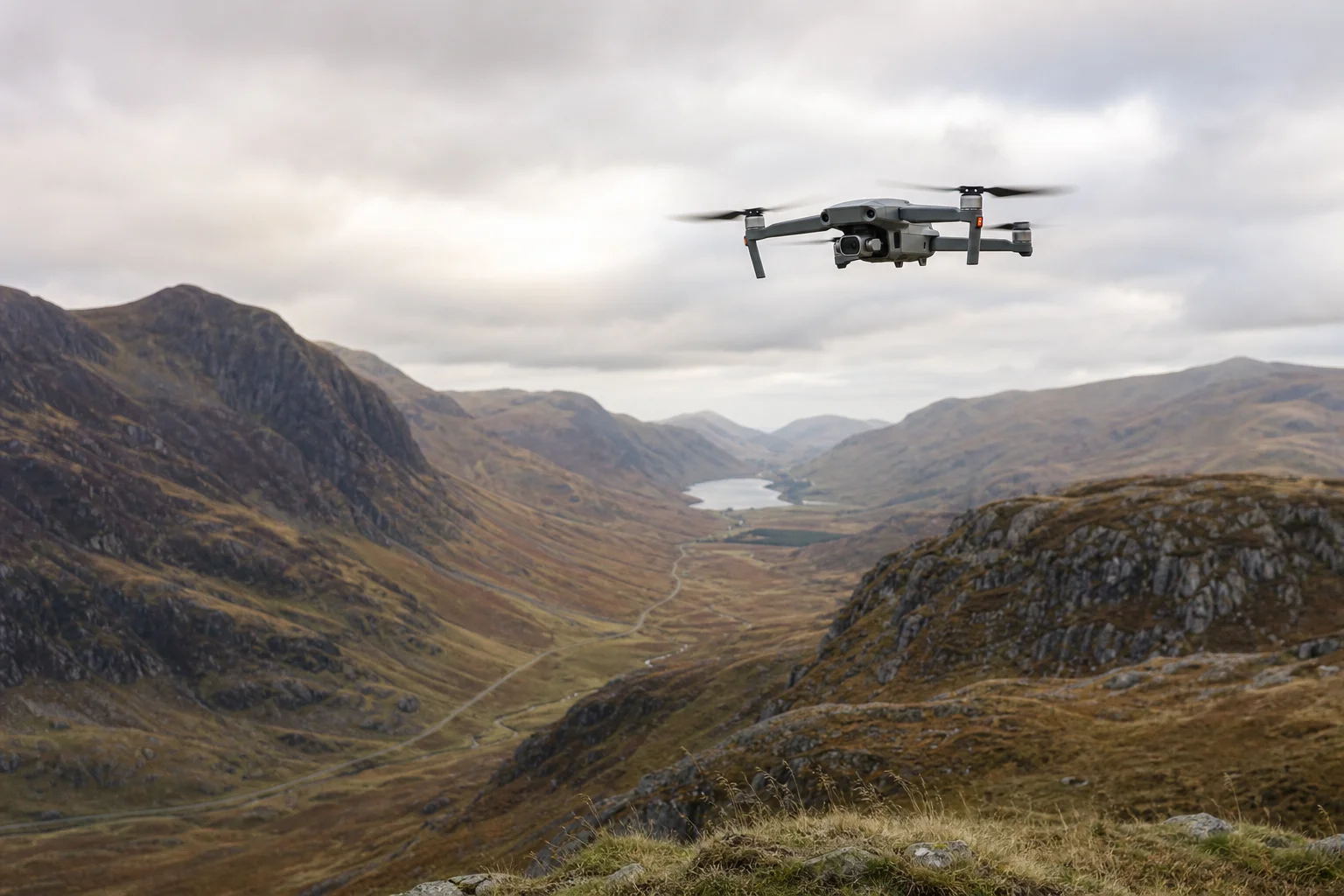
Flight time represents one of the Mini 3’s strongest selling points. The drone achieves 38 minutes of flight time with intelligent batteries, four minutes longer than the Mini 3 Pro despite costing 200 pounds less. Real-world flight times would typically be three to four minutes shorter than advertised, but the advantage remains significant. Wind resistance matches the Pro at around 10.7 meters per second, which is remarkable considering the Air 2S, a much larger drone, has identical wind resistance. The original Mavic Mini could only manage 8 meters per second, making the improvement substantial for flying in variable conditions. Hovering accuracy is virtually identical to both the Pro and Air 2S models.
Video and Photo Capabilities
The Mini 3 shoots 4K video at 30 frames per second with a bit rate of 150 megabits per second, producing clean, detailed footage even in low-light conditions. The camera features a dual native ISO range with a base ISO of 100 and a high base of ISO 500, combined with an F1.7 aperture lens that captures one stop more light than the previous generation. This makes evening and night shooting practical without excessive noise.
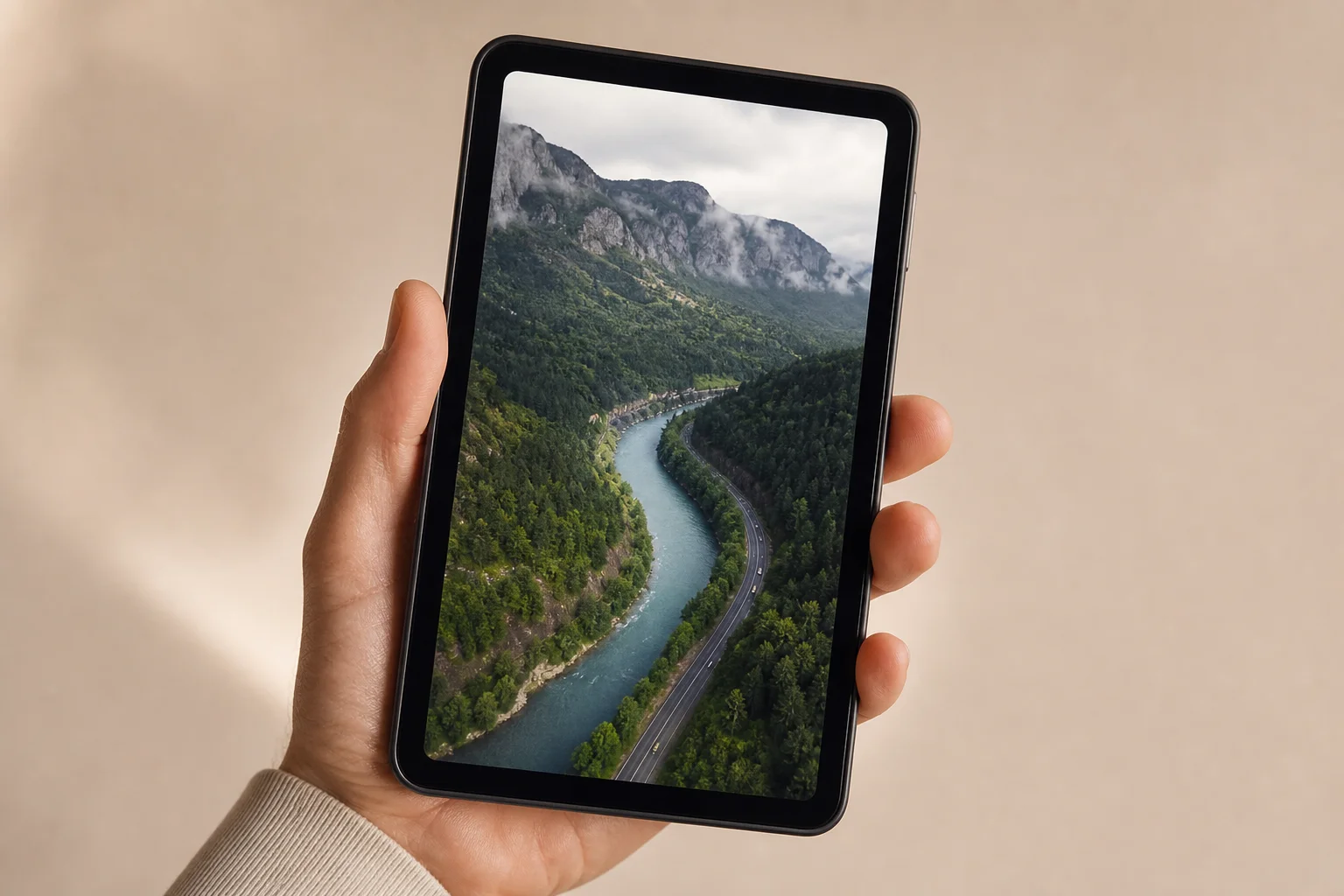
A major addition shared with the Pro is true vertical shooting mode, allowing native portrait-format video capture for social media without cropping. The drone can also shoot upwards past level horizon, enabling climbing shots and low angles that neither the original Mavic Mini nor Mini 2 could achieve. The Mini 3 can manage 60 frames per second at 2.7K resolution, which remains respectable for a drone of this size.
The still camera shoots in both JPEG and RAW formats at 12 megapixels with HDR image capture in single-shot mode. The 12-megapixel resolution is unchanged from the Mini 2 and represents a step down from the Mini 3 Pro’s 48-megapixel sensor, limiting cropping flexibility. The camera includes all the quick-shot modes: Dronie, Helix, Rocket, Circle, and Boomerang.
Notable omissions include the lack of 4K 60fps video recording (the Pro offers this), no active track subject-following capability, and no hyperlapse mode. The Mini 3 also lacks front and rear obstacle-avoidance sensors, though it retains downward sensors for landing. For experienced pilots comfortable with manual flight control, this is a minor trade-off; for beginners, the Pro’s additional sensors may provide more confidence.
Controller and Connectivity
Both the Mini 3 and Pro connect to the new DJI RC controllers, which represent a significant usability improvement over phone-based systems. The integrated screen eliminates the need to attach a smartphone, manage cables, or spend time on setup. The controller transmits across 10 kilometers in unobstructed conditions, though real-world range in built-up areas typically drops to two to three kilometers, which is more than adequate for most flying scenarios.
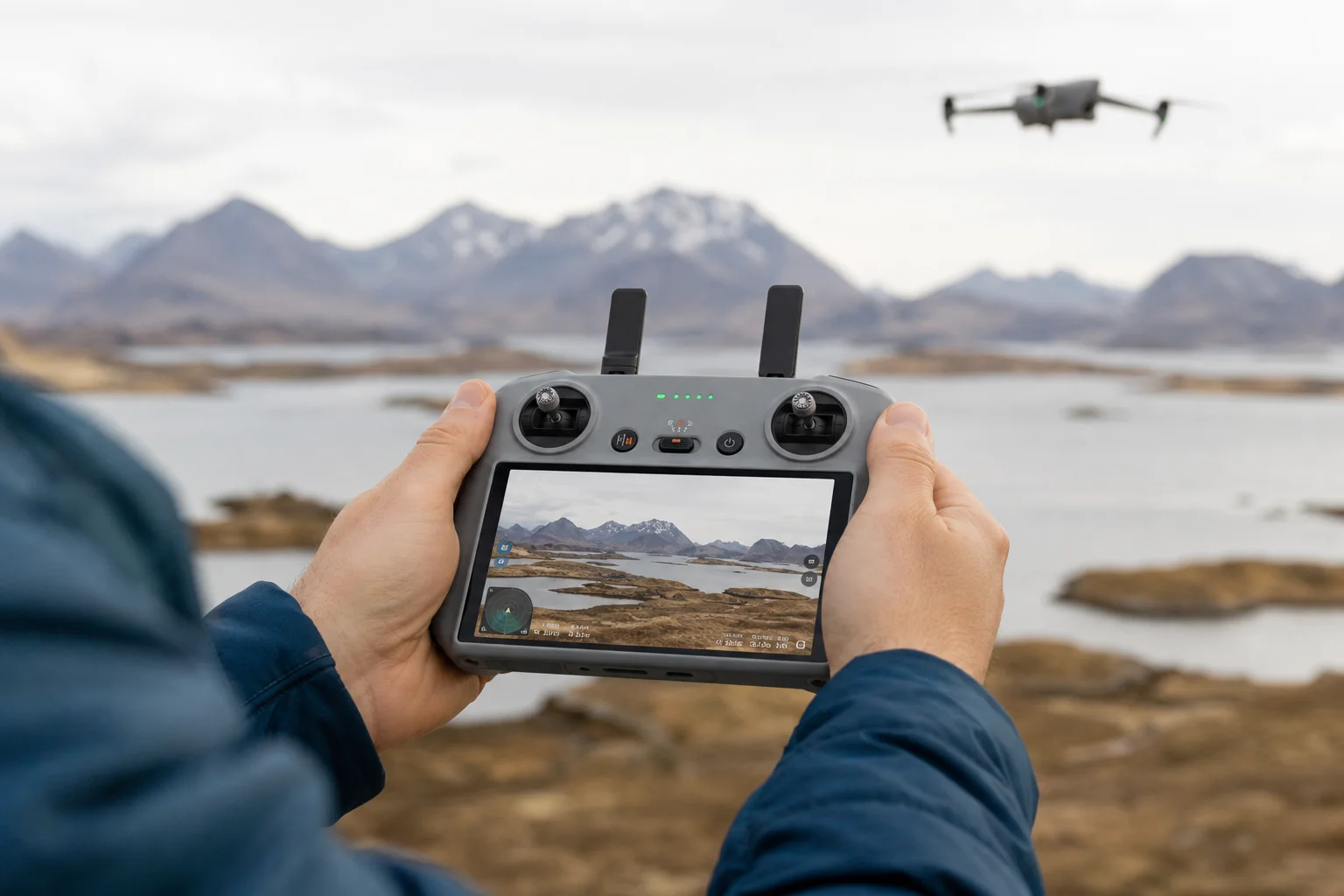
The base 519-pound price includes the older RC-N1 controller. The new screen controller is sold separately at a higher price point. The new RC controller features intuitive access to shooting modes, vertical orientation toggle, and 2X zoom capability directly from the interface.
Who Should Buy the DJI Mini 3
The Mini 3 suits several audiences effectively. Beginners benefit from the straightforward controls and forgiving flight characteristics, while the 249-gram weight opens access to locations where heavier drones cannot operate. Experienced pilots and content creators appreciate the flight time, wind resistance, and video quality relative to the price. Photographers on backpacking trips will value the compact size and minimal weight impact on camera bags. Anyone upgrading from the original Mavic Mini or Mini 2 will notice significant improvements in flight time, wind resistance, and video quality.
Comparison with Other Models
The Mini 3 Pro offers additional features including 4K 60fps video, a 48-megapixel still camera, active track subject following, and front/rear obstacle sensors, justifying its 200-pound premium for pilots who need those capabilities.
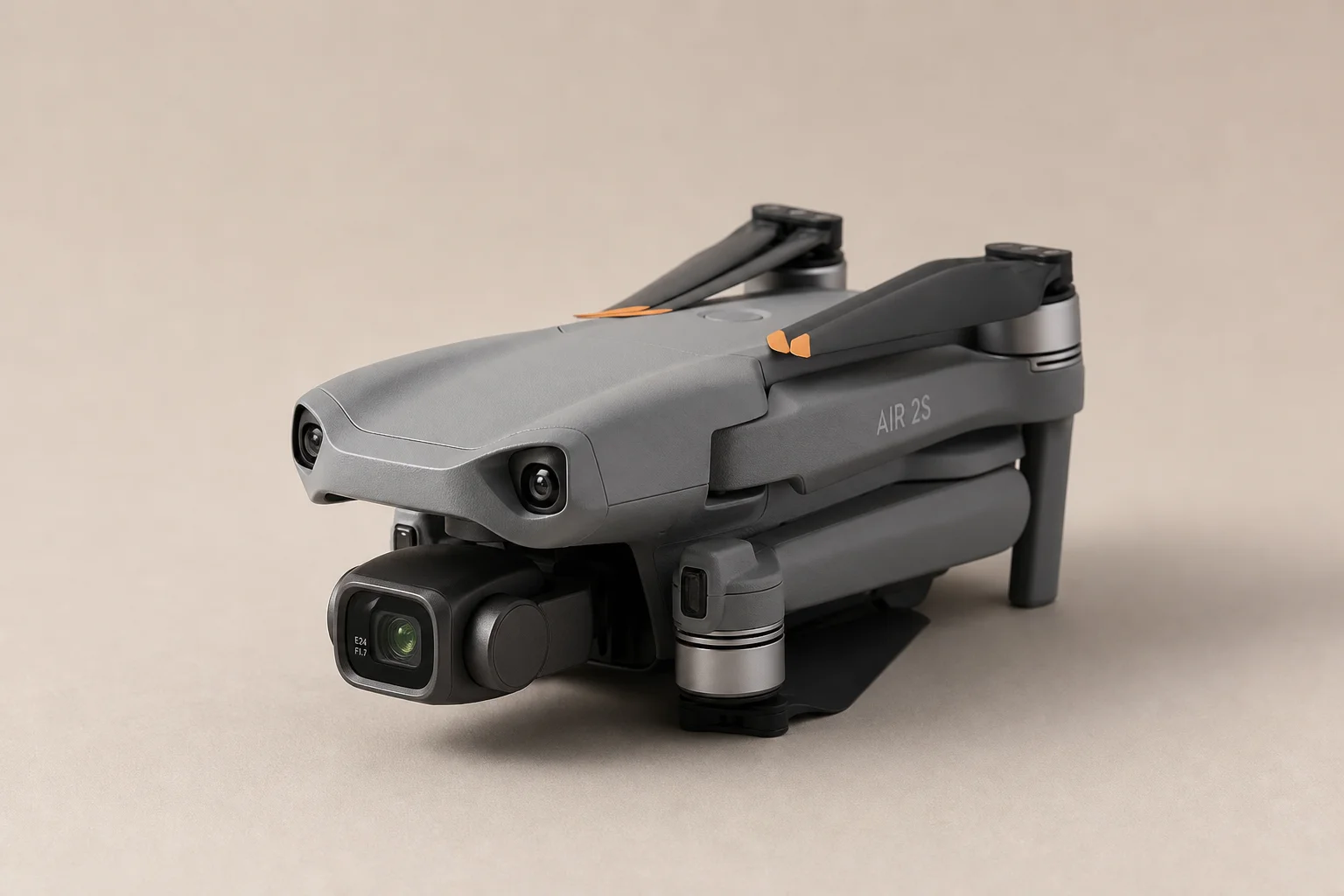
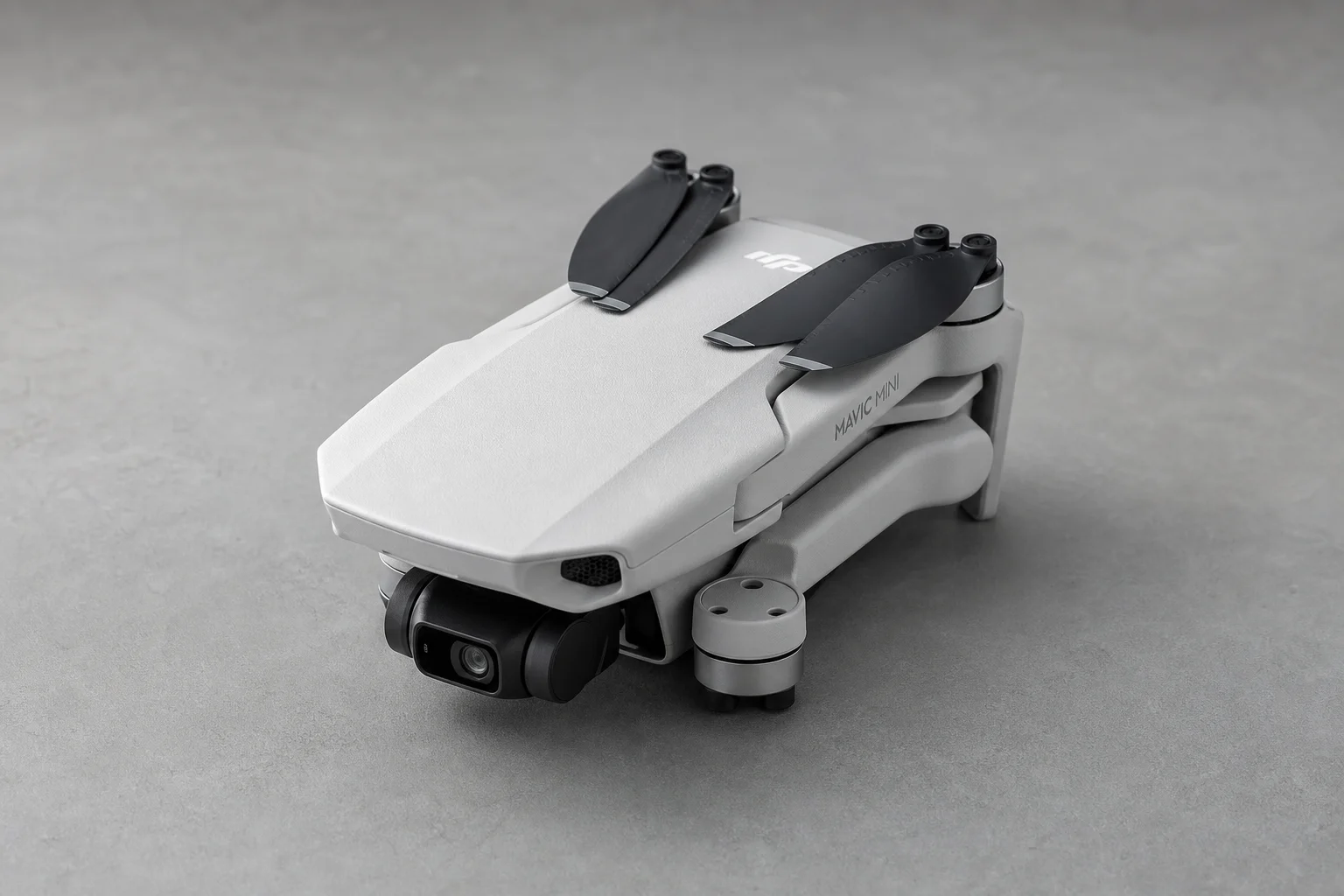
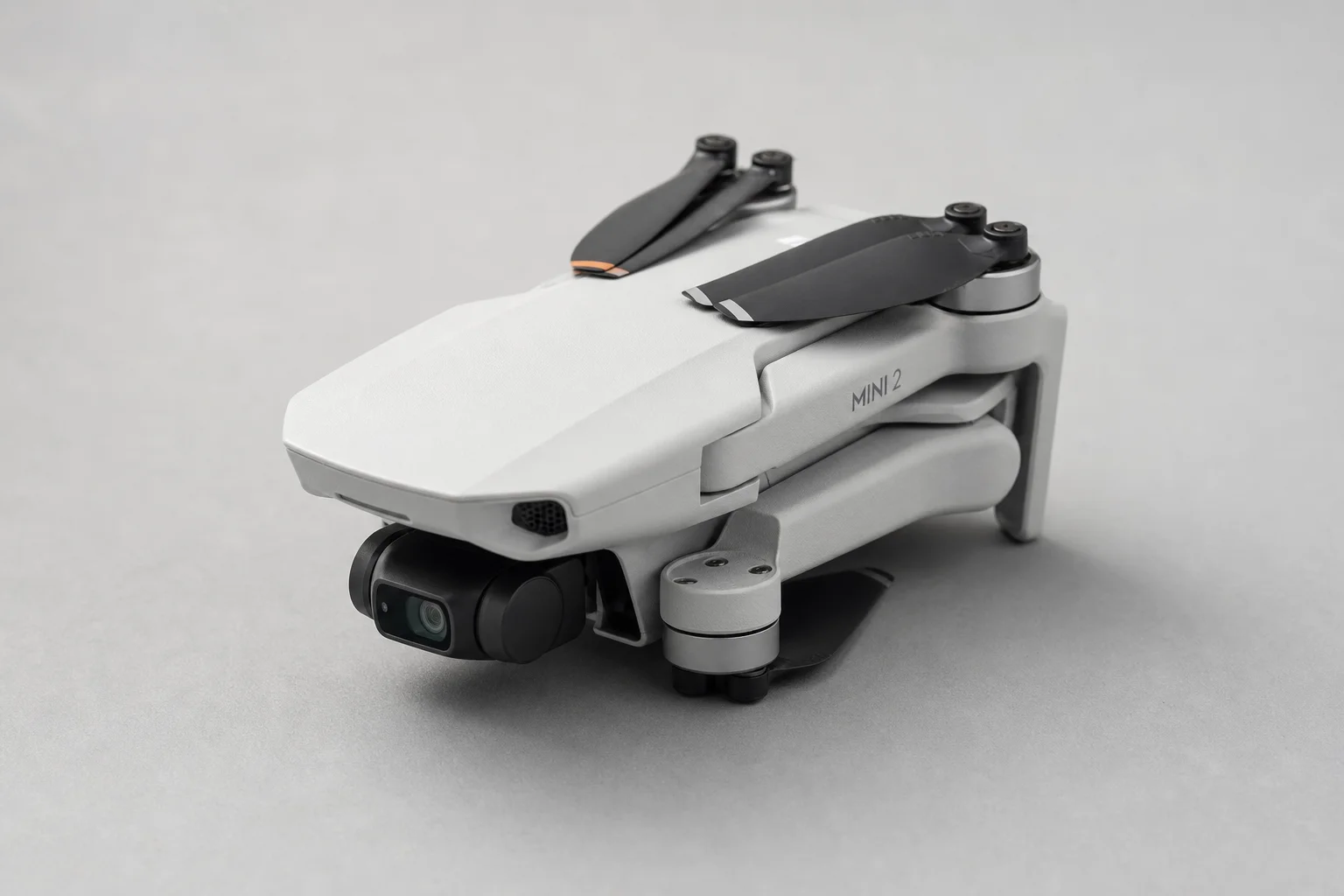
The original Mavic Mini and Mini 2 represent older technology with reduced flight time, lower wind resistance, and less advanced video features. The Mini 3’s improvements in these areas make it the stronger choice for new purchases.
Conclusion
The DJI Mini 3 represents excellent value in the drone market. It delivers flight performance, video quality, and reliability typically associated with more expensive models, all while maintaining the regulatory advantages of sub-250-gram weight. The 38-minute flight time, strong wind resistance, and quiet operation make it practical for real-world use rather than just casual flying. For anyone seeking a capable aerial camera without premium pricing, the Mini 3 deserves serious consideration.
Further reading
Related Reviews
Drone Reviews
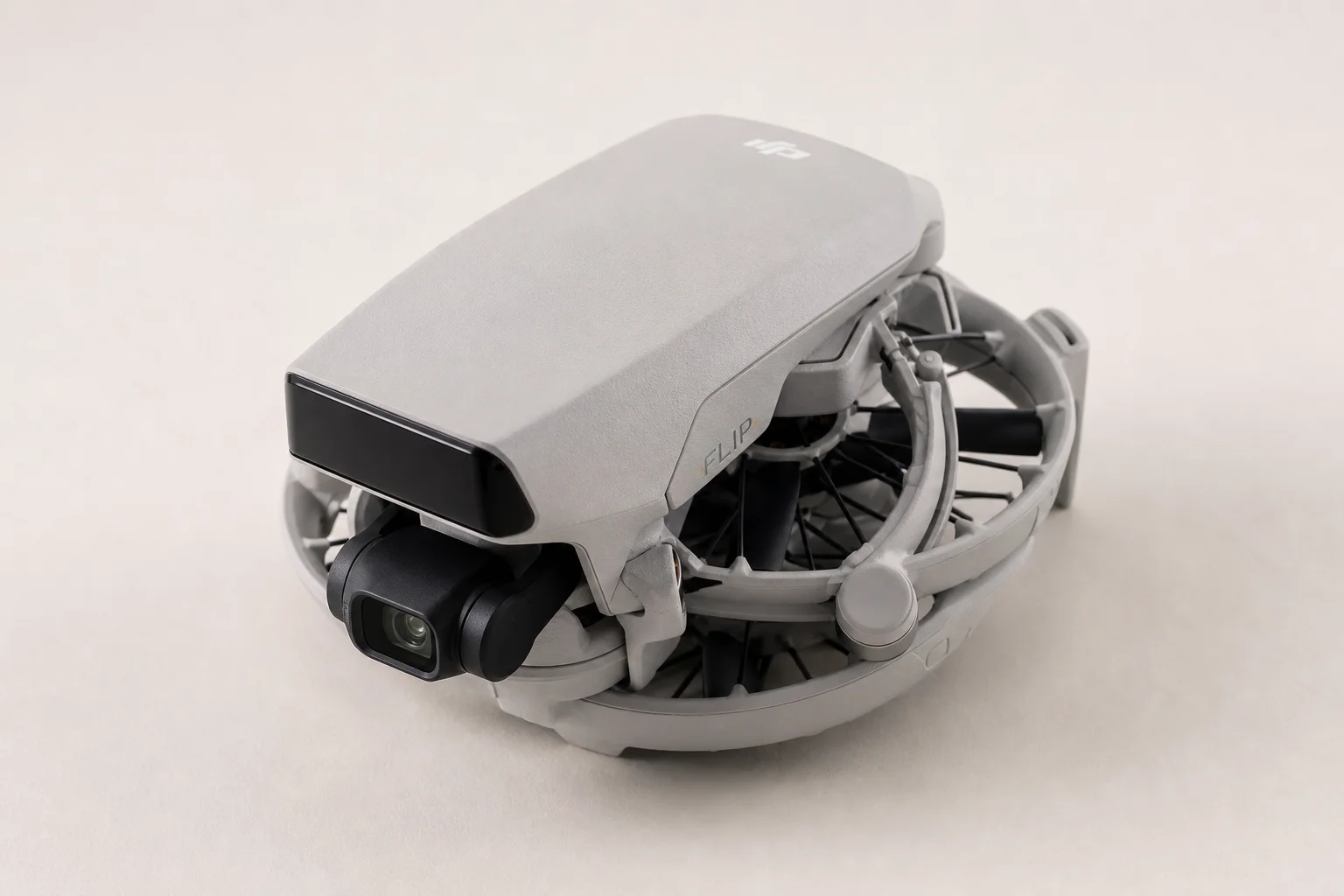
DJI Flip Review: A 249g Drone That Might Be the Only One You Need
The DJI Flip combines autonomous flight, intelligent human tracking, and 4K video quality in a compact, beginner-friendly package with built-in propeller guards and hands-free operation.
Drone Reviews
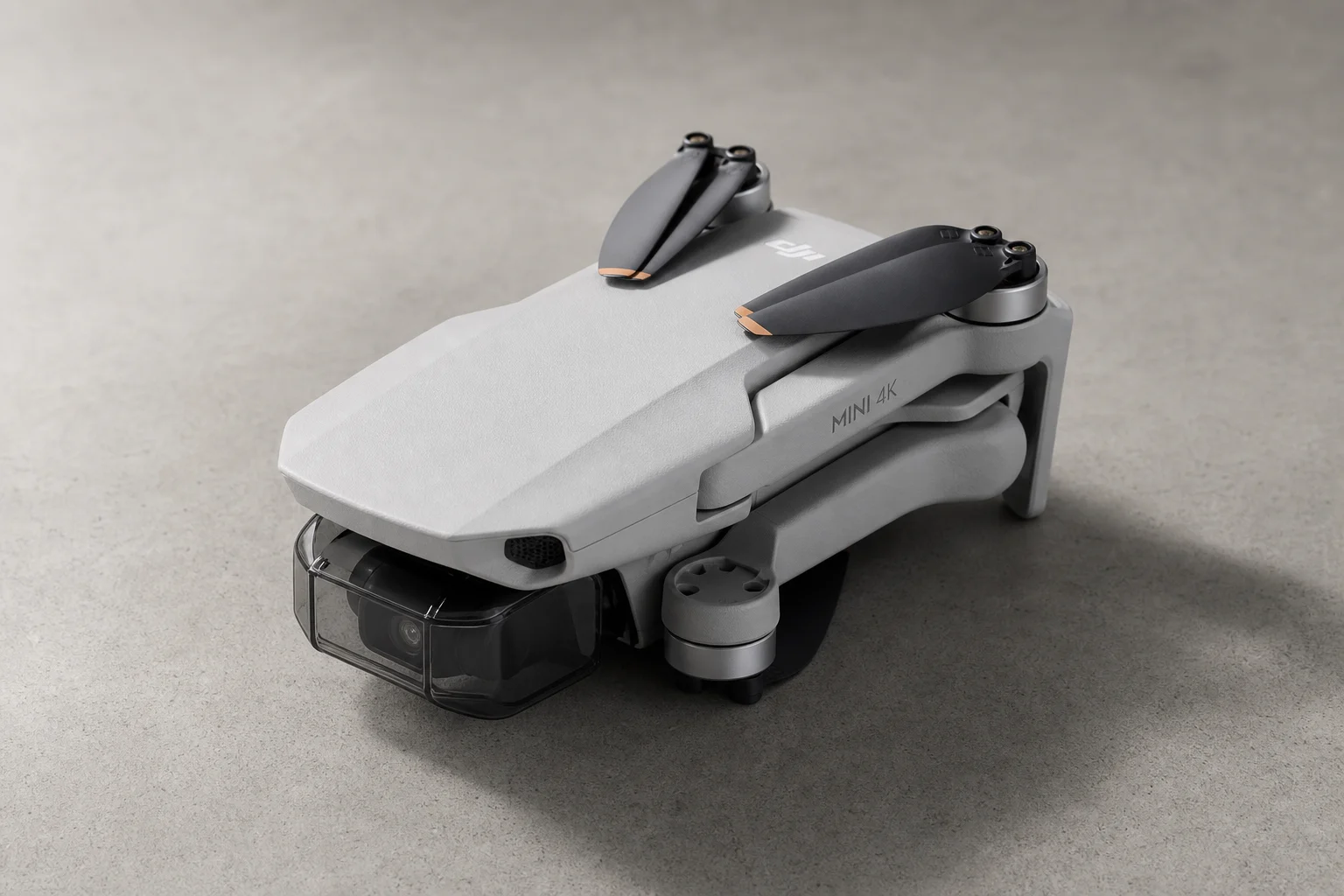
DJI Mini 4K Review: A Compact 4K Drone for Beginners and Travelers
The DJI Mini 4K delivers 4K video, 31-minute flight time, and reliable stabilization in a sub-250g package at an accessible price point. A practical entry-level drone for aerial photography and filmmaking.
Drone Reviews
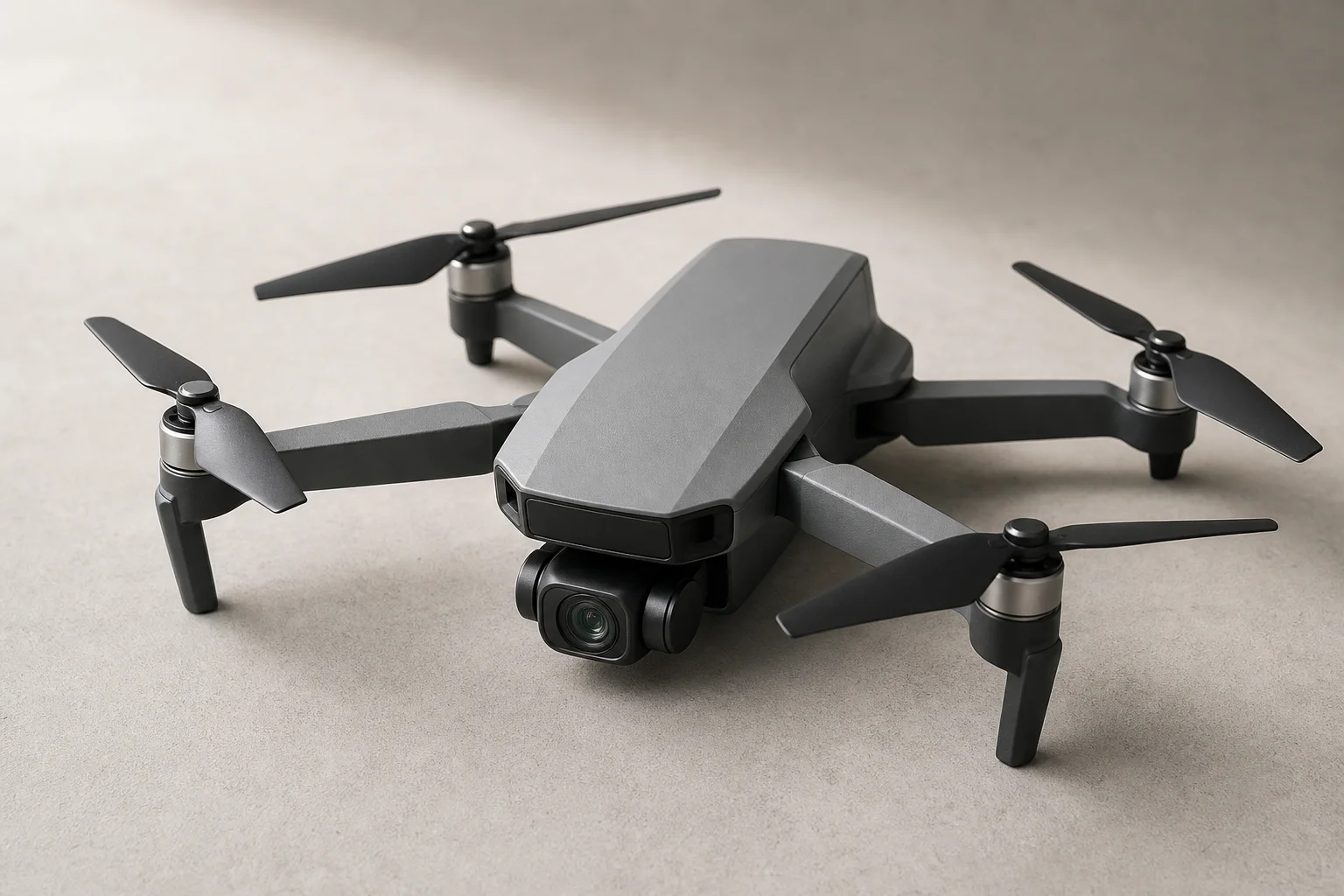
GT3 Camera Drone Review: Budget-Friendly Flight with Solid Stability
The GT3 offers impressive stability, 180-degree camera control, and obstacle avoidance at a fraction of premium drone prices. A practical choice for casual aerial photography.