Action Cameras
DJI Osmo Action 6 vs GoPro Mission One Pro: Which Action Camera Fits Your Style?
Two flagship action cameras compared in real-world daylight, low light, and magic-hour conditions, with lens systems, handling, and pricing weighed up.
Introduction
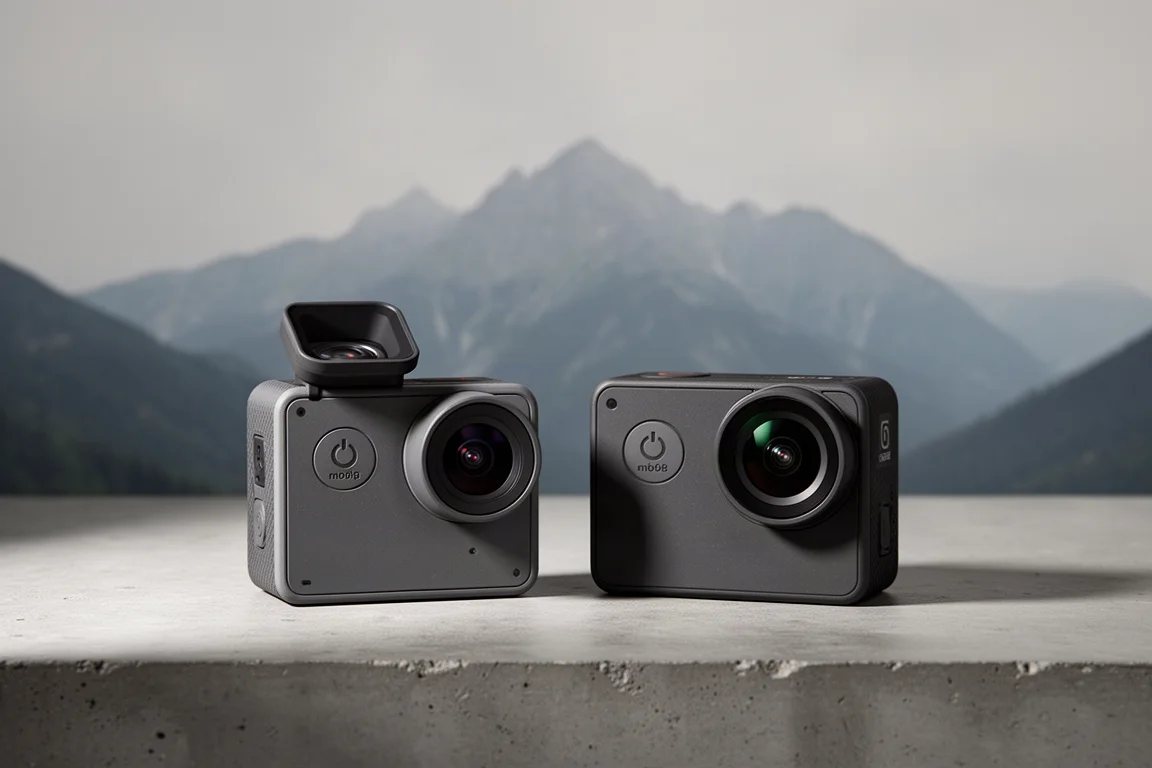
Choosing between flagship action cameras has never been harder, because both of these are genuinely good. The DJI Osmo Action 6 and the GoPro Mission One Pro were compared side by side in daylight, at night, and through the tricky crossover light of magic hour, across small-town streets, river valleys, and mountain overlooks.
One lesson came through repeatedly: specs only get you so far. At the end of the day, neither camera matters if it is not giving you the look you want. Both produce footage worth keeping, but they lean in different directions, and how you shoot should drive the decision.
Real-World Footage: The Look Matters Most
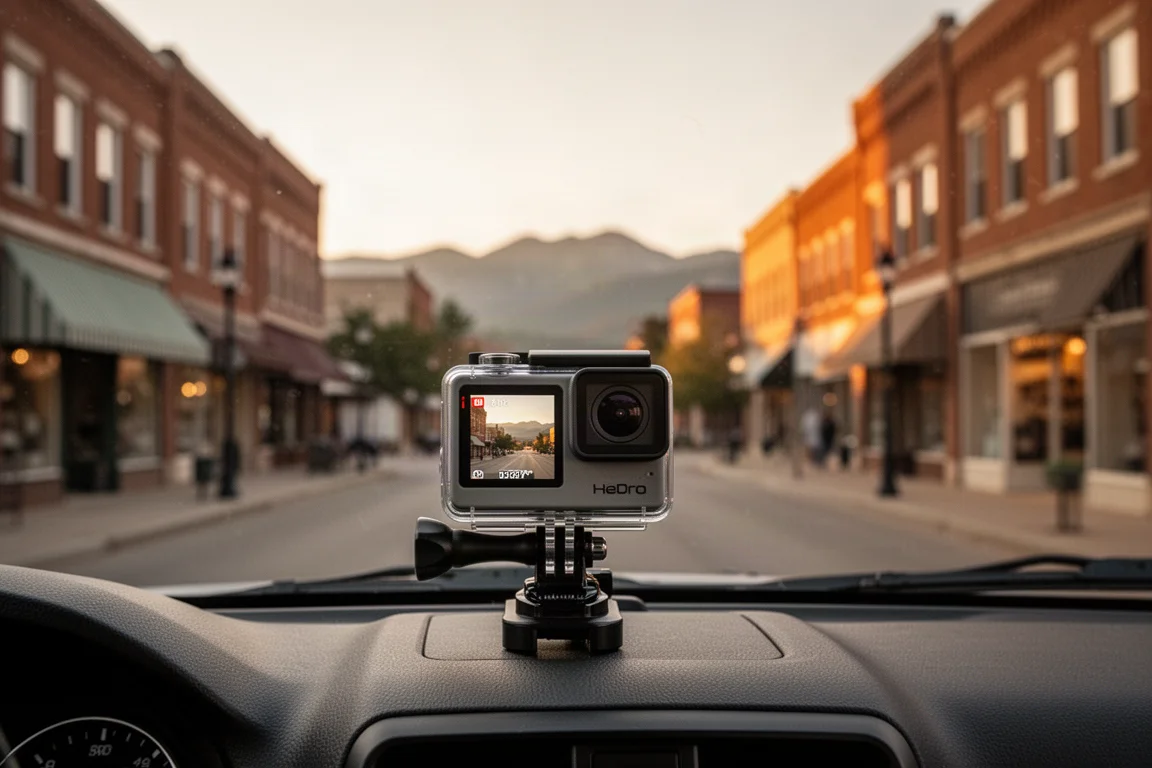
The comparison involved mounting one camera on the left and one on the right and shooting the same scenes: a historic small-town main street in Montana, a famous trout river, a riverside road at dusk, and even high school football under the lights. In many situations one camera looked better in daylight and the other won at night, and the preference often flipped back and forth.
Magic hour turned out to be a genuine differentiator. That crossover light, part bright and part dark, is where some cameras struggle to adjust. One handled the transition gracefully while the other had trouble settling in between extremes.
Lens Systems: Two Very Different Approaches
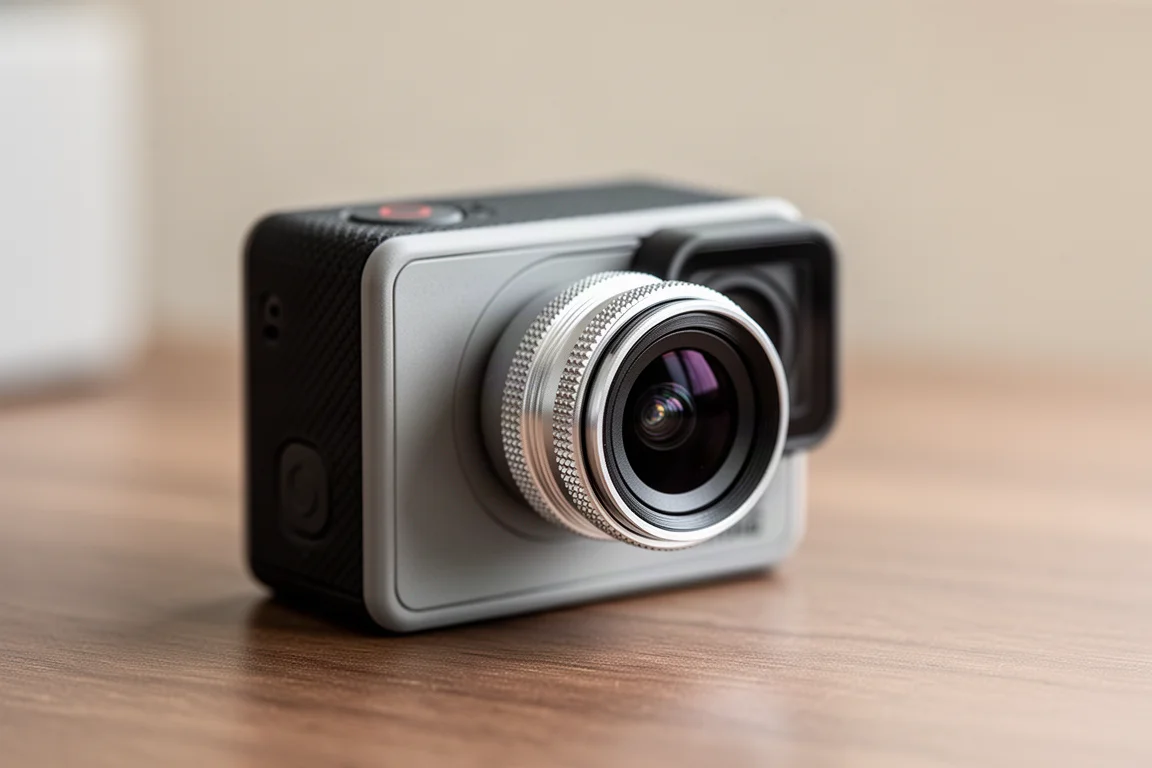
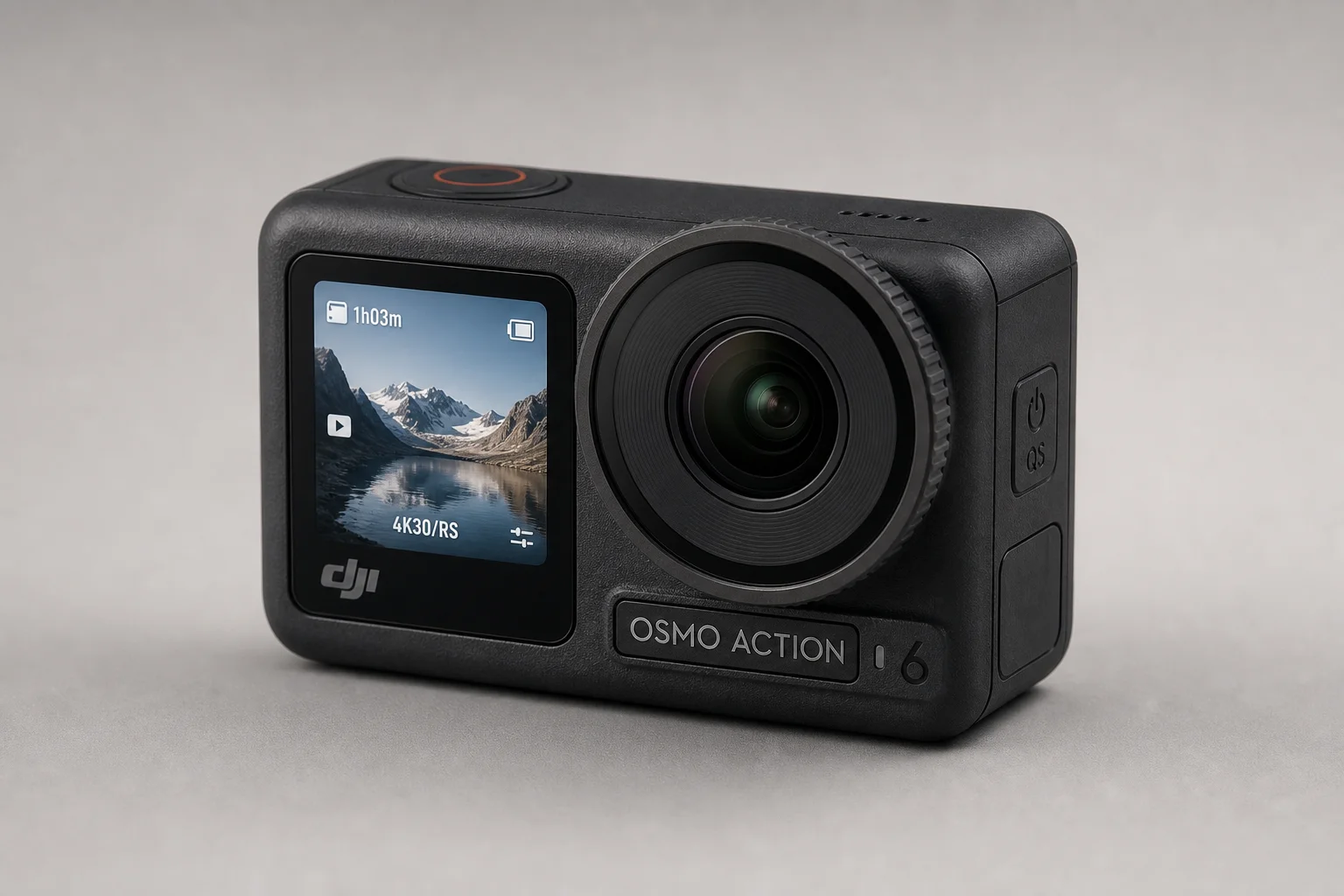
The DJI takes interchangeable auxiliary lenses, and that is where some of the fun begins. The wide-angle lens delivers a 182-degree fisheye-style field of view, and the camera auto-senses it the moment it touches the body, though slow motion is unavailable when the wide angle is attached. The macro lens is adjustable and impressively built: it feels like a real lens rather than a clip-on toy, and the camera detects it on install, warning to avoid underwater shooting to prevent water damage. With the macro attached, the setup is not waterproof; the base camera is waterproof when the lens protector is tightened fully down.
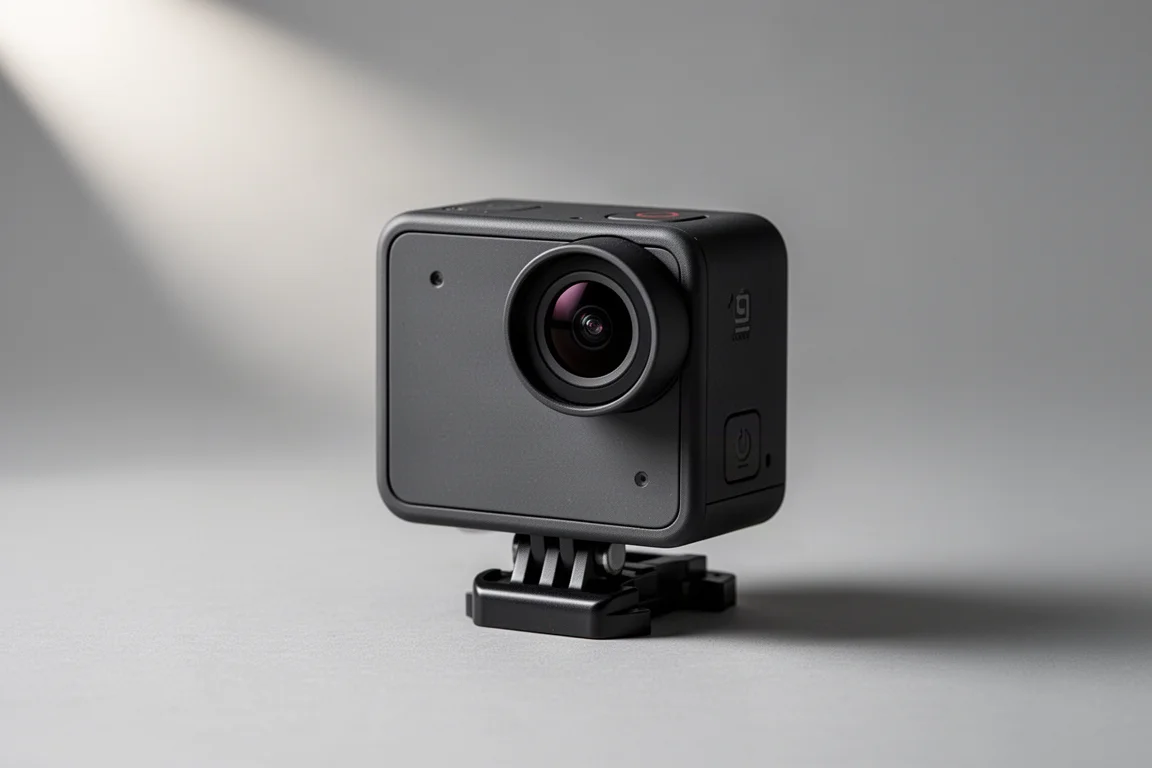
GoPro’s approach is simpler: a fixed lens with a removable glass protector that can be swapped if scratched, but no way to add new lenses. A step-up GoPro model that accepts micro four thirds lenses was mentioned, but it was not clear whether it is out yet.
Handling, Screens, and Everyday Usability
The Osmo Action 6’s front-facing screen is a clear win: larger, brighter, and full widescreen, which makes framing vlog-style walking shots far easier. On the rear screens, the two felt roughly the same, with interesting color differences: the GoPro panel looked warmer in person, while the reverse was true in recorded footage. That is correctable in editing, but worth knowing.
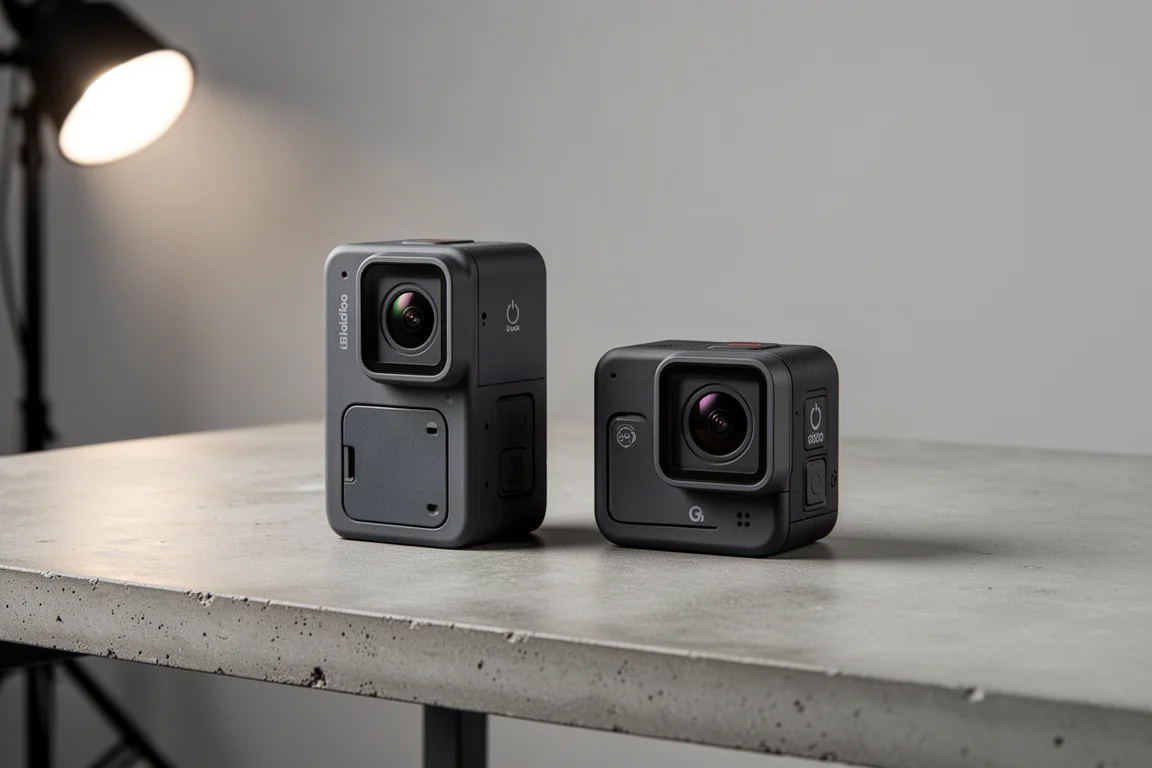
Ergonomics split cleanly. GoPro’s buttons are outstanding: easy, clickable, and satisfying, and noticeably better than DJI’s when wearing gloves. GoPro also wins with built-in mounting tabs and a standard photography thread, plus a magnetic mount strong enough for static shots, though not strong enough to trust at highway speed.
DJI counters with better doors. Its battery and SD card door slides and folds open smoothly, while the GoPro door requires a pull-down-and-flip-out maneuver that is a genuine frustration, gating access to the SD card, battery, and USB all at once. The Action 6 is slightly larger than its predecessor, big enough that it would not fit a dual mount system.

Data Transfer: A Practical Deal-Breaker
One long-standing frustration deserves mention. GoPro cameras are famously picky about cables for data transfer, and in testing, multiple high-speed cables, including a top-tier cable from a professional cinema camera, failed to connect. Pulling the SD card ended up being the only reliable way to get footage off. For anyone who shoots a lot and offloads often, that workflow friction matters more than any spec sheet line.
Pricing and Value
Pricing is where the DJI pulls ahead. The Osmo Action 6 essentials combo sits at $426, with the macro lens at $150 on sale, and the wide-angle field of view boost accessory at $100. The GoPro Mission One Pro runs $700, and notably, the lens-equipped step-up GoPro version is also $700.
Two company considerations are worth knowing before you spend. DJI faces some government scrutiny, though its action cameras have not been a focal point of that. GoPro recently merged with an industrial-focused optical company, which has some observers wondering about its long-term consumer commitment, although the CEO has publicly stated the company will not abandon consumers. Neither point settles anything definitively; both are simply factors to weigh for yourself.
Battery life also favored DJI in testing: after a full day of filming, the GoPro needed a recharge for evening shots while the DJI kept going.
Final Verdict
If you want flexibility, longer battery life, easier data offload, and a lower entry price, the DJI Osmo Action 6 is the stronger all-rounder, especially with the macro and wide-angle lenses available. If you prioritize clicky buttons, built-in mounting, and a distinctive low-light look, and you can live with the door and cable quirks, the GoPro Mission One Pro earns its place. Pick the one that gives you the look you are after.
Conclusion
Both cameras are capable, and the real choice comes down to shooting style. The DJI wins on lenses, screens, battery, and price; the GoPro wins on buttons, mounting, and low-light character. Choose the tool that disappears into your workflow rather than fighting against it.
Further reading
Related Reviews
Action Cameras
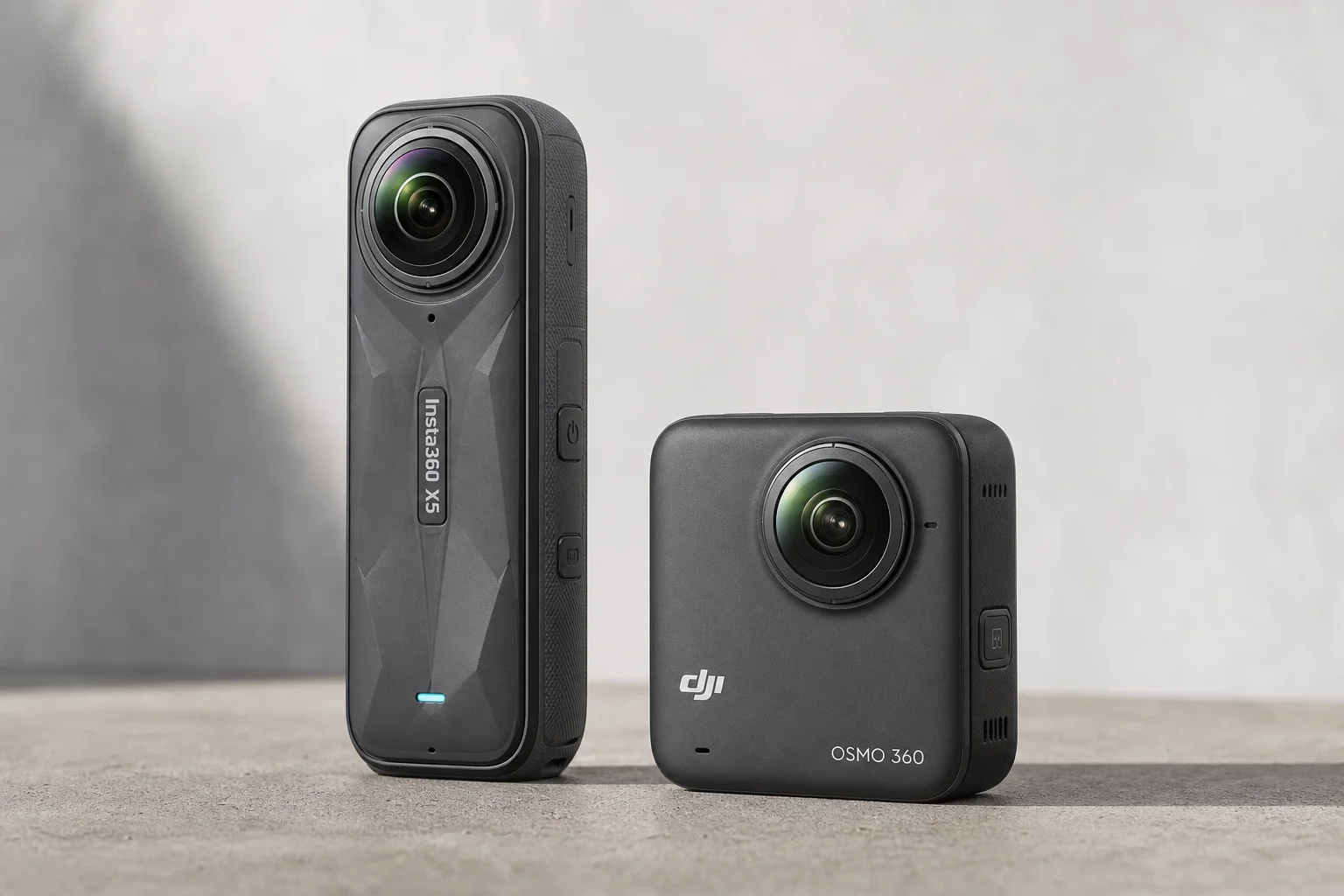
360 Cameras for Adventure Motorcycling: Insta360 X5 vs DJI Osmo 360
Two 360-degree action cameras designed for off-road and adventure riding. A detailed comparison of features, stabilization, and real-world performance for motorcycle touring.
Action Cameras
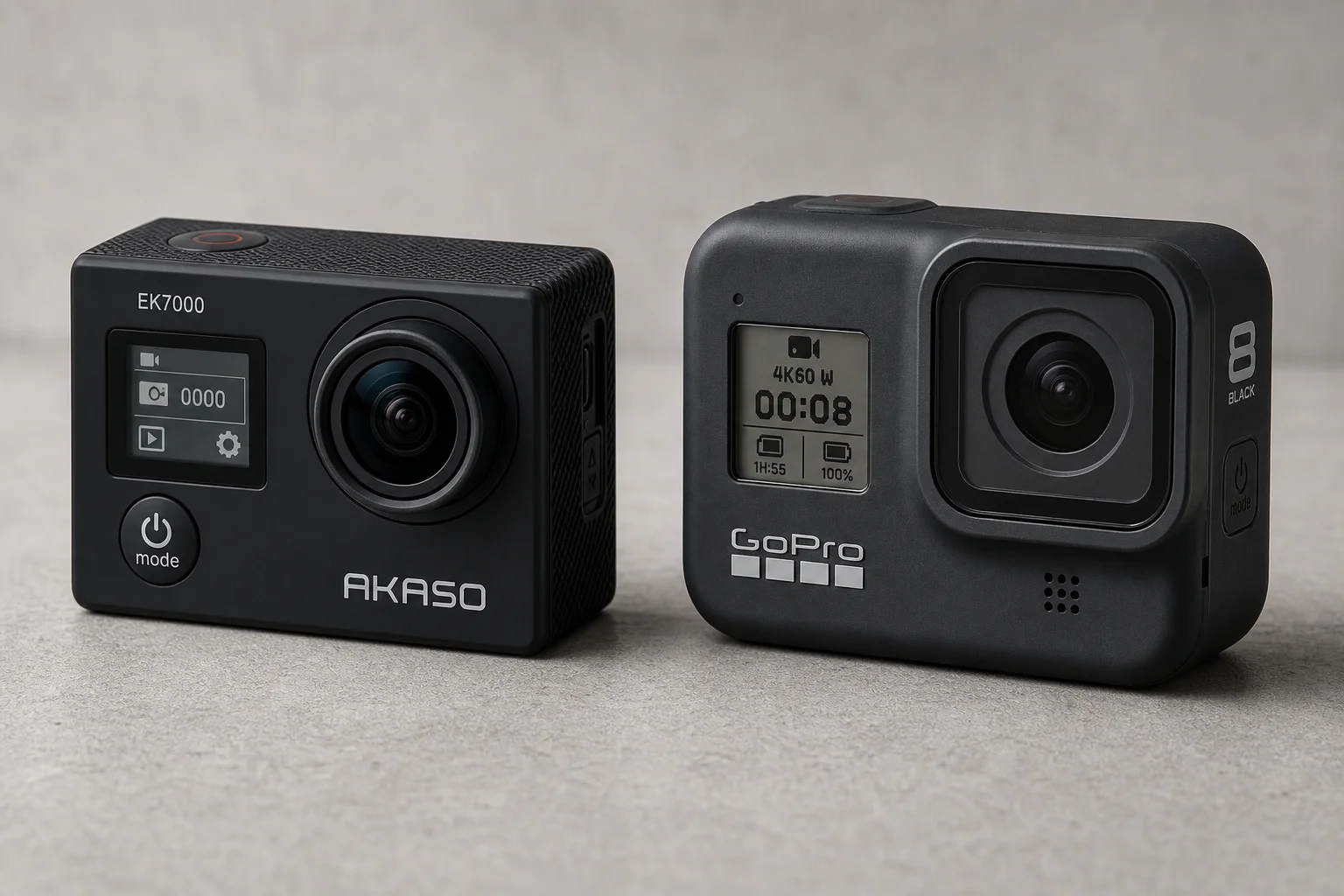
Akaso EK7000 vs GoPro Hero 8 Black: Budget Action Camera Tested
A $50 budget action camera faces off against the GoPro Hero 8 Black. Here's how the Akaso EK7000 really performs in video, audio, and photo quality.
Action Cameras
Best Action Cameras 2026: Five Top Picks Ranked
A comprehensive ranking of five action cameras from budget-friendly to premium, covering durability, video quality, stabilization, and low-light performance.