Action Cameras
DJI Osmo Action 3 vs GoPro Hero 11: Four Action Cameras Compared
The DJI Osmo Action 3 focuses on practicality: fast charging, a wider lens, better heat management, and a clever charging case. Here is how it stacks up against the GoPro Hero 11 and the cameras it replaces.
Introduction
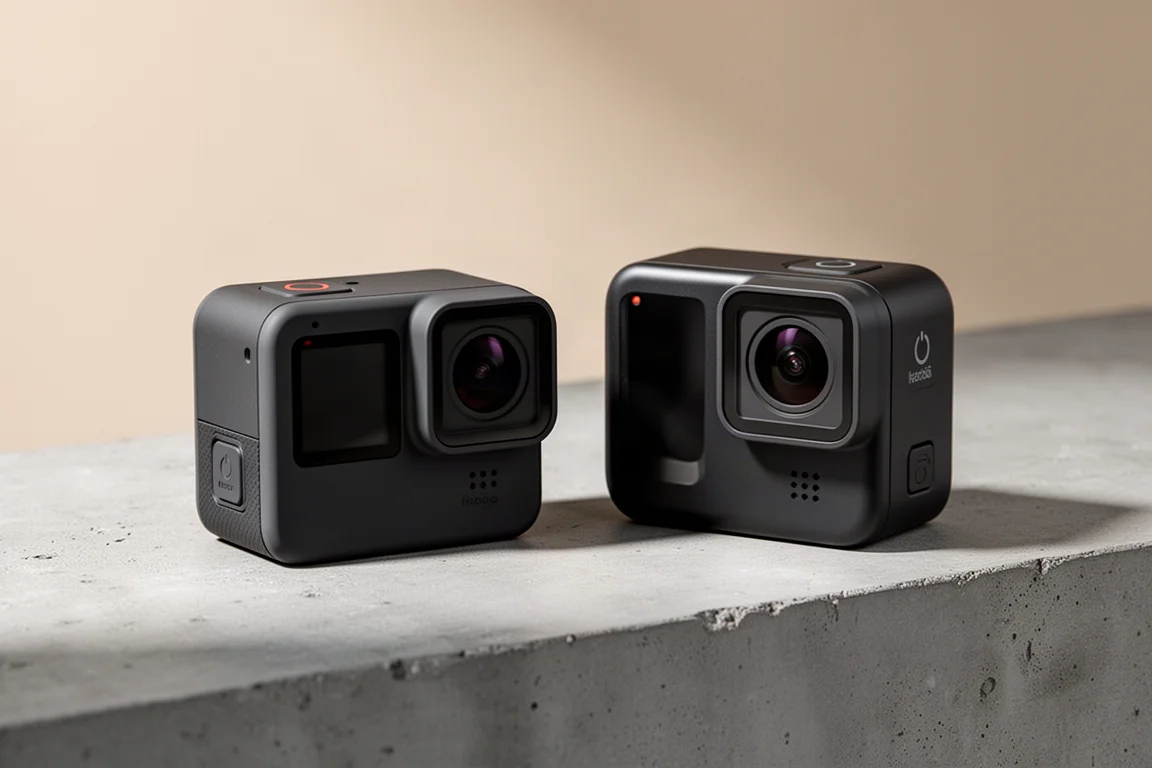
The DJI Osmo Action 3 arrives with a clear goal: not to out-spec GoPro, but to fix the wrongs of the earlier Osmo Action models and add genuinely useful practicality features. DJI has put it through extensive testing against the Osmo Action 2 and the GoPro Hero 11, and the picture that emerges is of a camera that finally feels like a complete product. The price is $329 for the Osmo Action 3, or $439 for a full bundle with the accessories included. That positioning tells you a lot about where DJI sees itself in the market, and this comparison walks through what the Action 3 does well, where the GoPro Hero 11 still holds the advantage, and why the Action 2 and Hero 10 are now the models to beat by their own successors.
Fast Charging Changes the Game
Before any resolution or frame rate talk, the headline feature is fast charging. The battery inside the Osmo Action 3 can charge from zero to 80 percent in 18 minutes according to the official claim. In real testing, a fully drained battery reached 85 percent in 20 minutes flat. That is dramatically faster than competing cameras, and it sets the tone for everything else about this launch: most of the improvements are practical rather than flashy, but they genuinely add up in daily use.
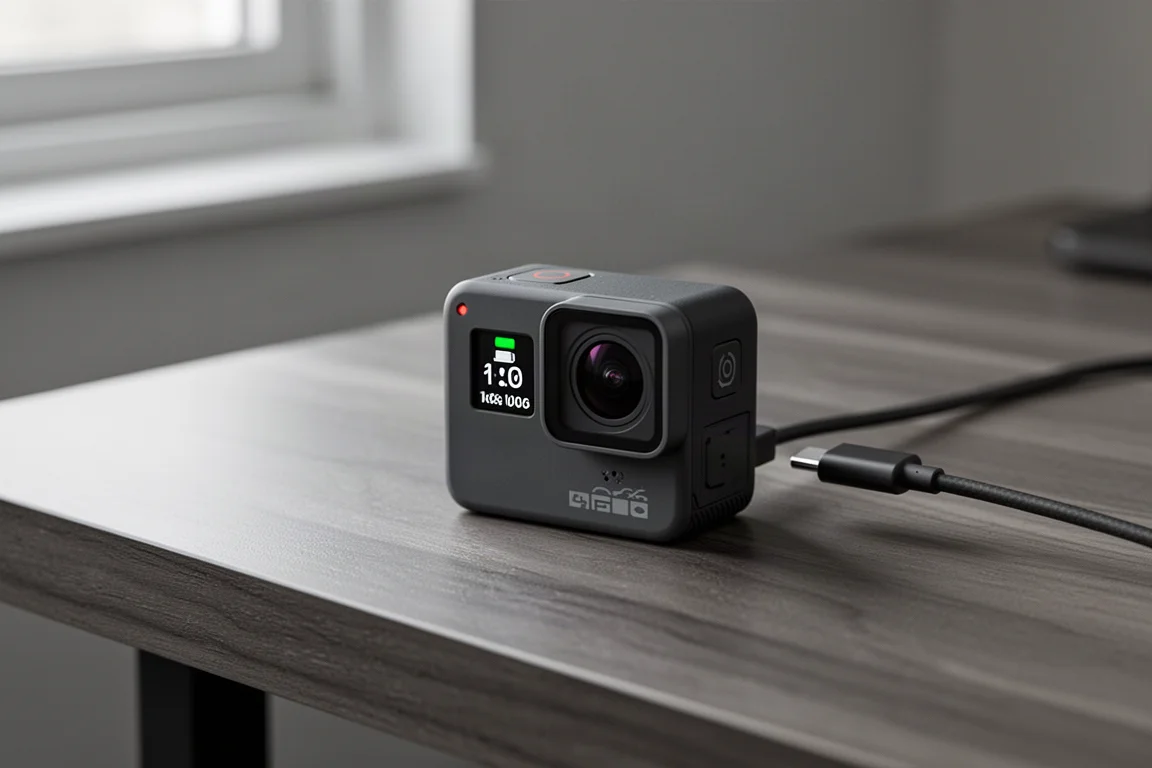
This is arguably the single most impressive thing about the camera. If you shoot in short bursts throughout the day, the ability to top up quickly changes how you plan your shooting.
Screen and Sensor Improvements
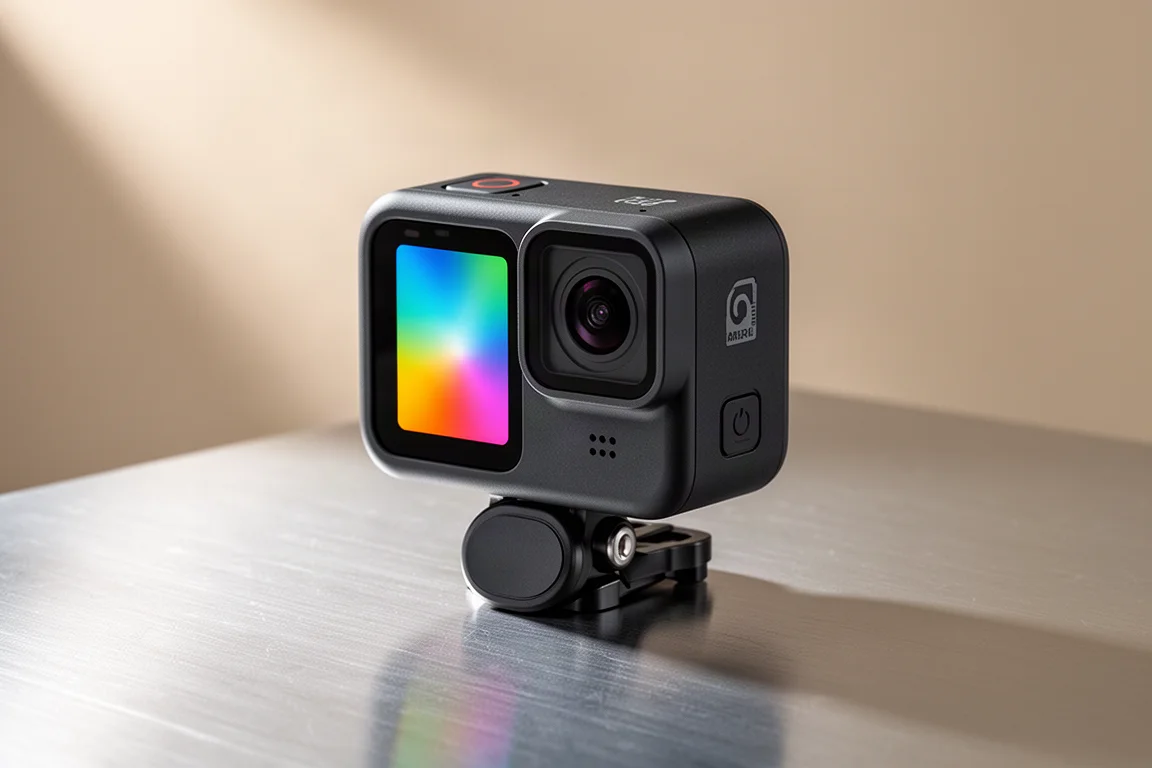
The front screen is now an actual touchscreen, which makes a real difference when the camera is mounted on your chest or gear. You can tap and swipe on the front instead of always flipping the camera around to the rear screen.
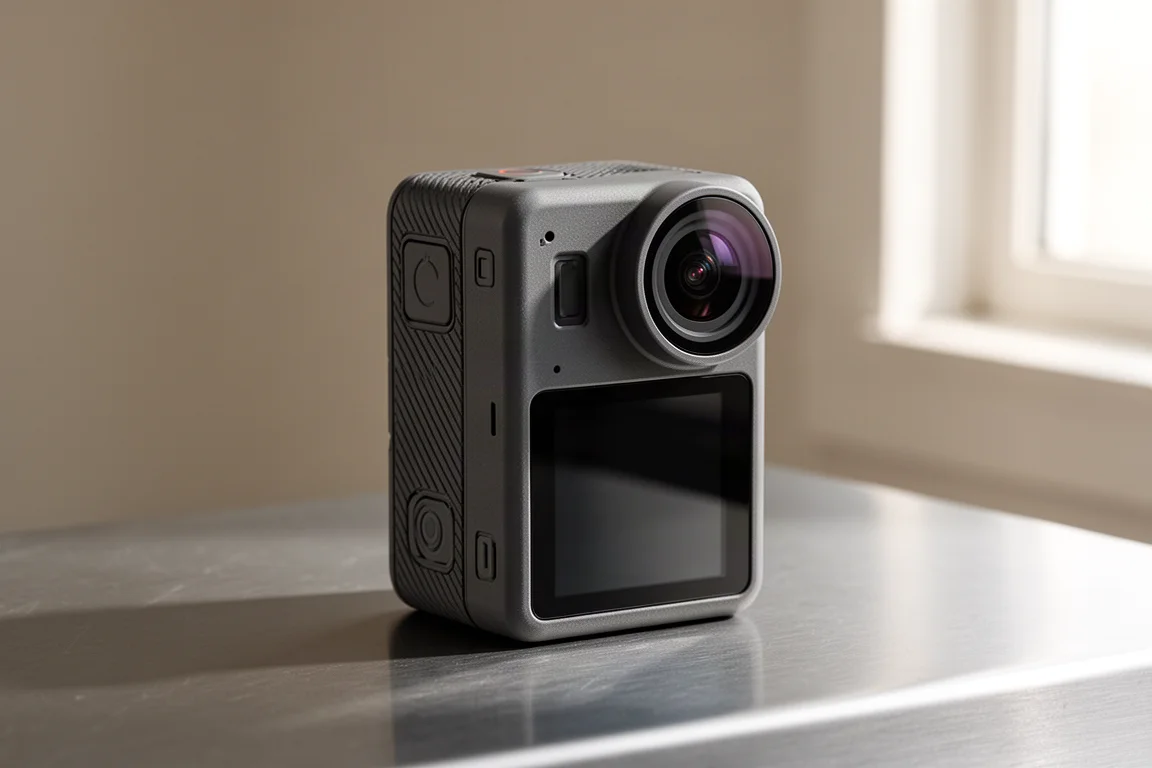
Under the hood, the imaging sensor has been increased to 1/1.7 inches, and the field of view expands to 155 degrees. Previous models managed only 111 degrees horizontally, which was not wide enough for serious action sports. The new lens is genuinely wide, in fact wider than the GoPro Hero 11’s HyperView mode, which is GoPro’s own extra-wide option beyond SuperView.
Heat Management: A Clear Win for DJI
The Osmo Action 2 had a notorious overheating problem, overheating in as little as four to six minutes depending on settings. DJI addresses that head-on with a bold claim for the Action 3: it will not overheat in an indoor, windless scenario in 4K 60, and will keep recording until the battery dies. The 60 frames per second part of that claim is the important piece.
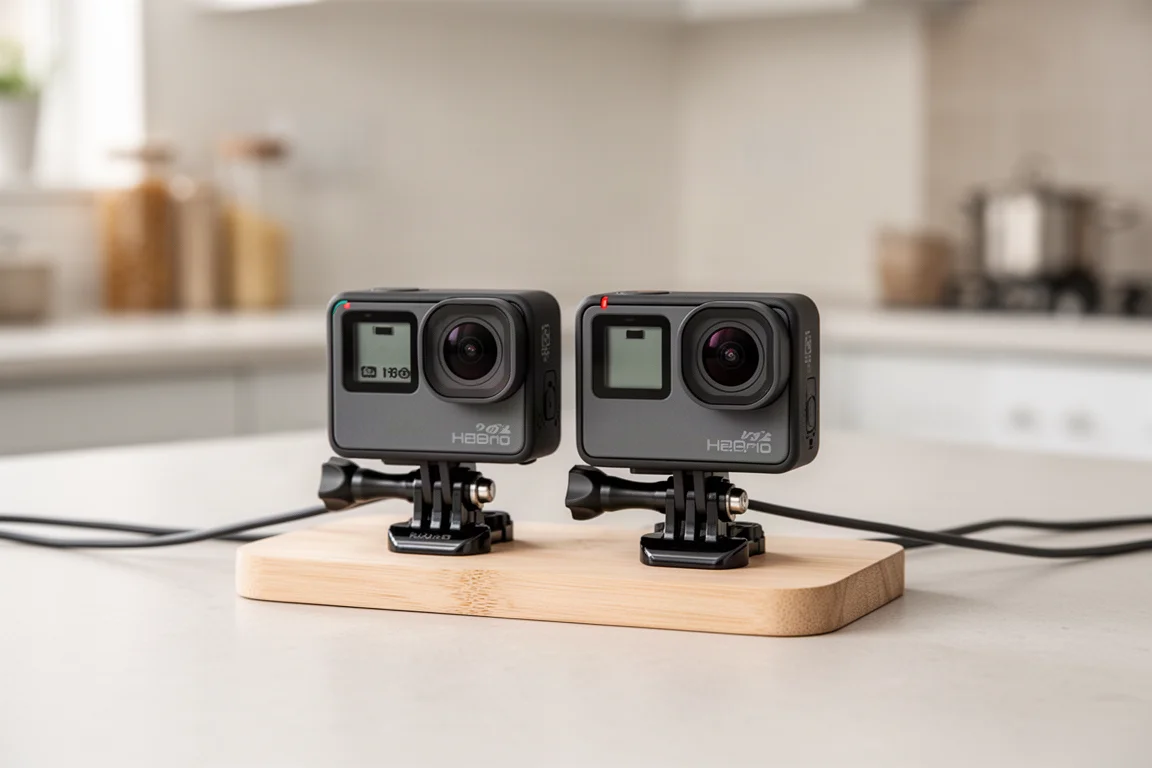
The claim was put to a direct test alongside the GoPro Hero 10 and Hero 11, all recording at 4K 60 at room temperature with no airflow. The Osmo Action 3 recorded for the full 80 minutes until the battery died. Both GoPro units, with their heat management modes and Boost enabled plus stabilization running, overheated about 30 or so minutes into the test. Whatever DJI had to do to make this work, it worked.
Battery Life and the Charging Case
DJI claims 160 minutes of recording at 1080p 30 at 77 degrees in a static, windless environment on the stock battery. There is only one battery type here, marketed as the Extreme battery, so there is no standard-versus-Enduro split like GoPro’s setup.
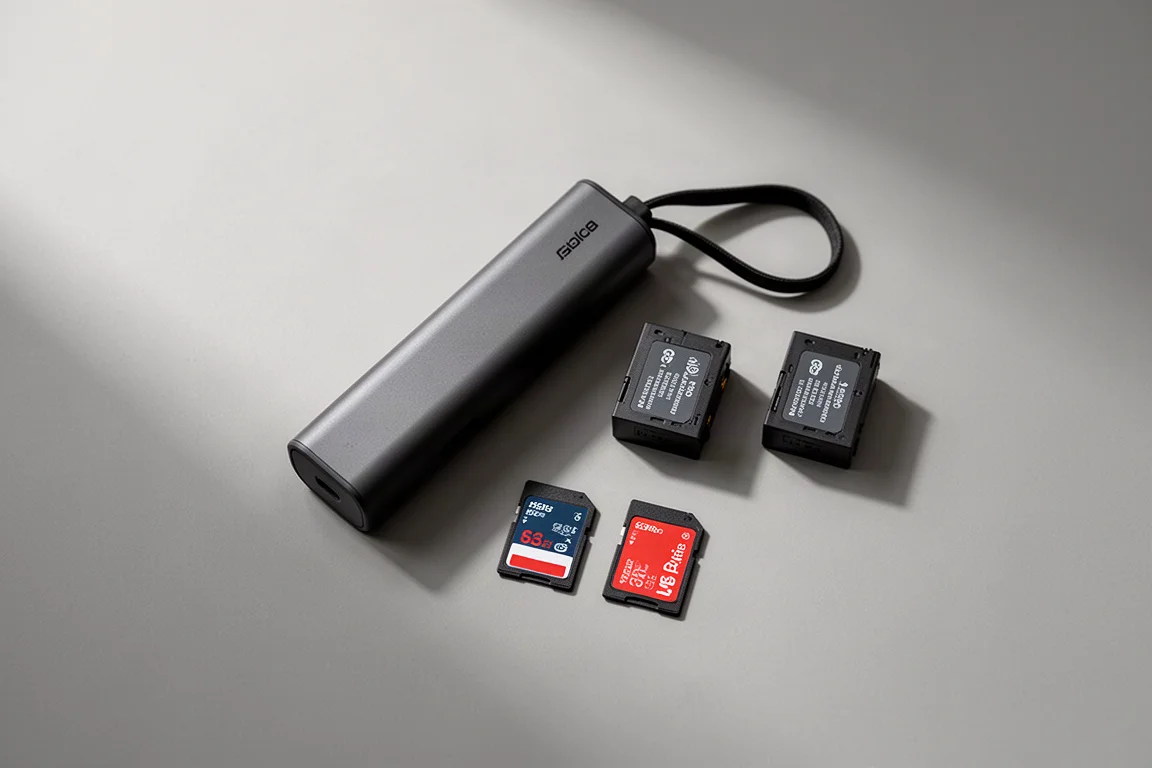
The combo kit adds a slim charging case with three battery slots and room for two SD cards at the top. What makes it special is the USB-C port on the side: the case can act as a power bank, so three spare batteries can also charge your phone at the end of the day. Unlike bulky third-party alternatives, this case is slim enough to slip into a pocket. It is arguably the most exciting part of the entire launch, and competitors have some catching up to do here.
Stabilization and Horizon Features
Three related features round out the video toolkit. HorizonSteady keeps the image steady even if the camera rotates a full 360 degrees, a concept pioneered by 360 cameras and now offered natively on both the Hero 11 and the Action 3. Note that on the Action 3 this is limited to 2.7K, which is lower than most other cameras.
HorizonBouncing takes the RockSteady stabilization and keeps the horizon level up to 45 degrees of tilt, snapping upright beyond that. This mode works up to 4K 60 but only in D-Warp mode, the linear non-fisheye look, not in wide or ultra-wide modes.
RockSteady 3.0, the core stabilization algorithm, is now supported all the way up to 4K at 120 frames per second. That frame rate matters most when you want clean slow-motion playback of fast action like a cliff dive.
Mounting, Audio, and Waterproofing
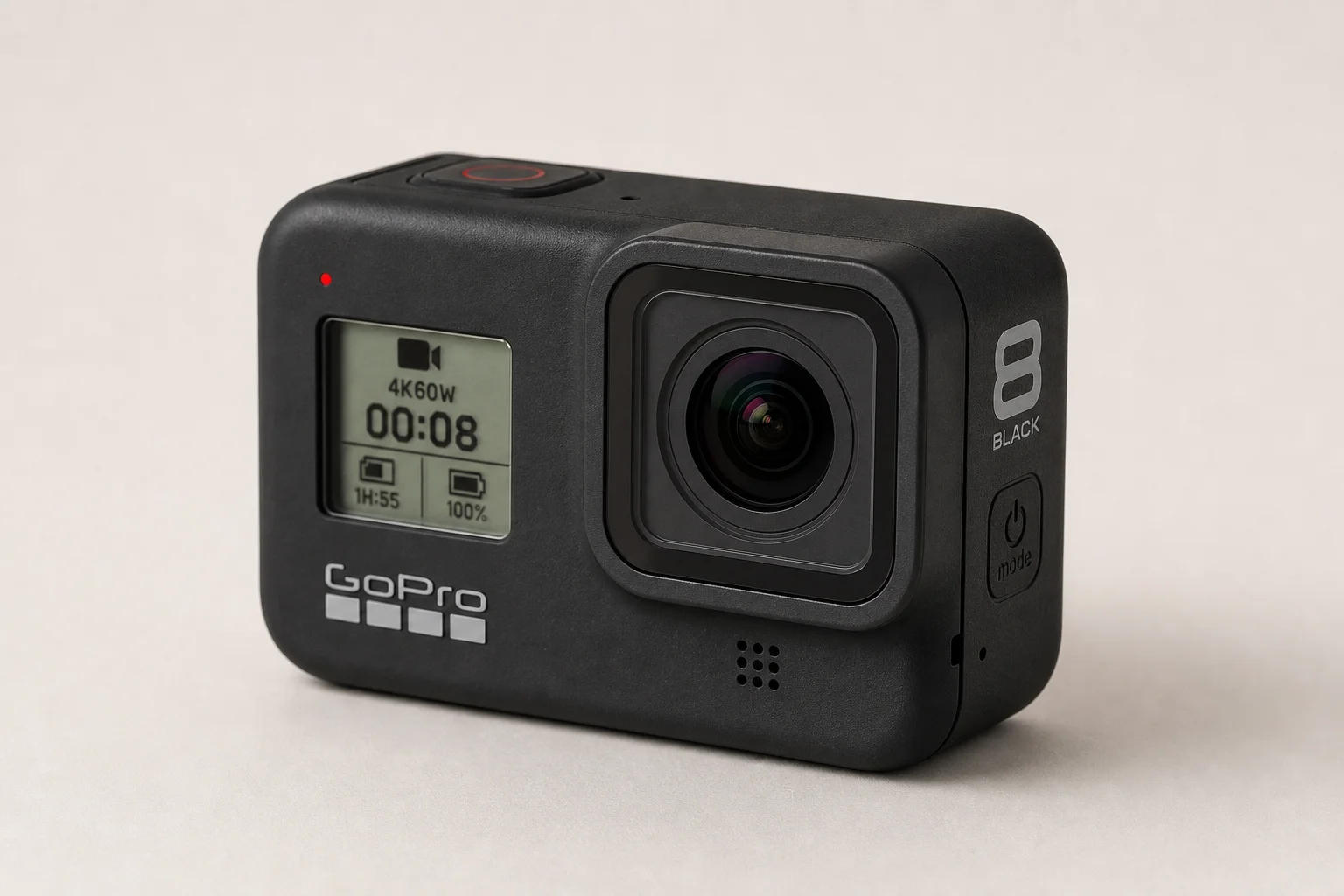
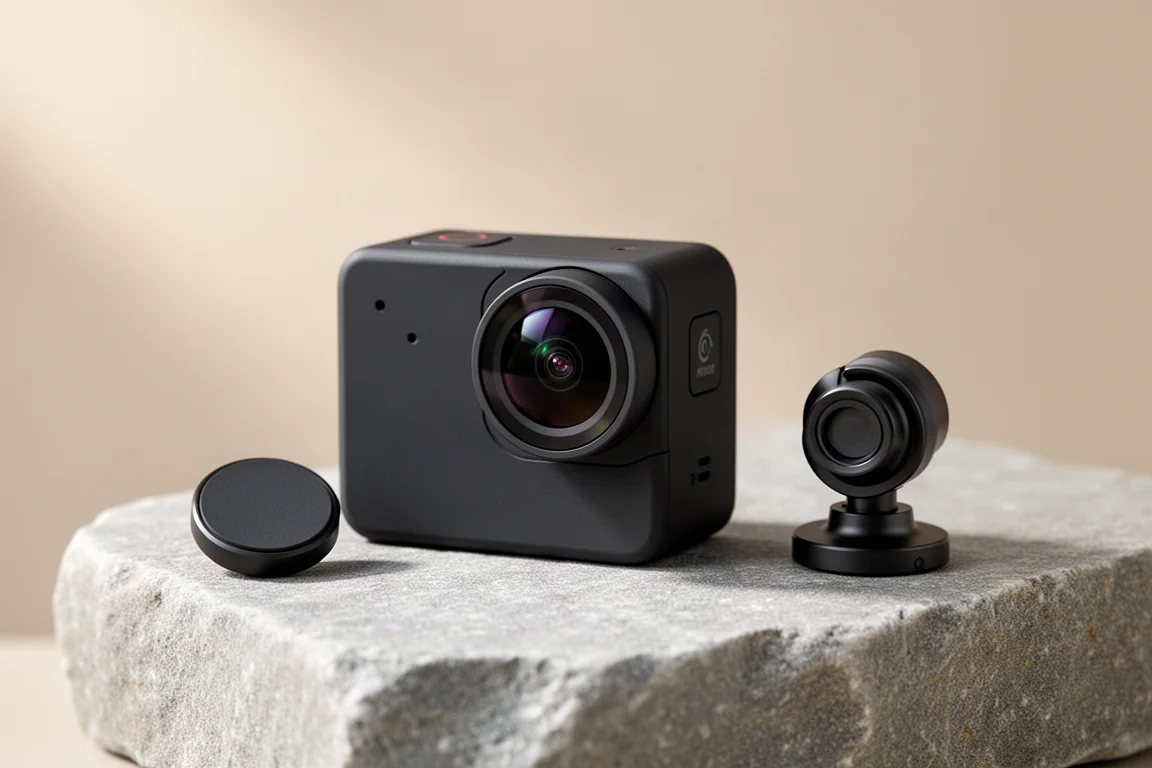
The new mounting system mirrors the Osmo Action 2’s magnetic clip, which snaps into a GoPro-style adapter included in the box. The included case enables vertical mounting while keeping access to the bottom mount. Cases are not for everyone since they can get in the way of the battery compartment, but having one in the box for free is a nice touch.
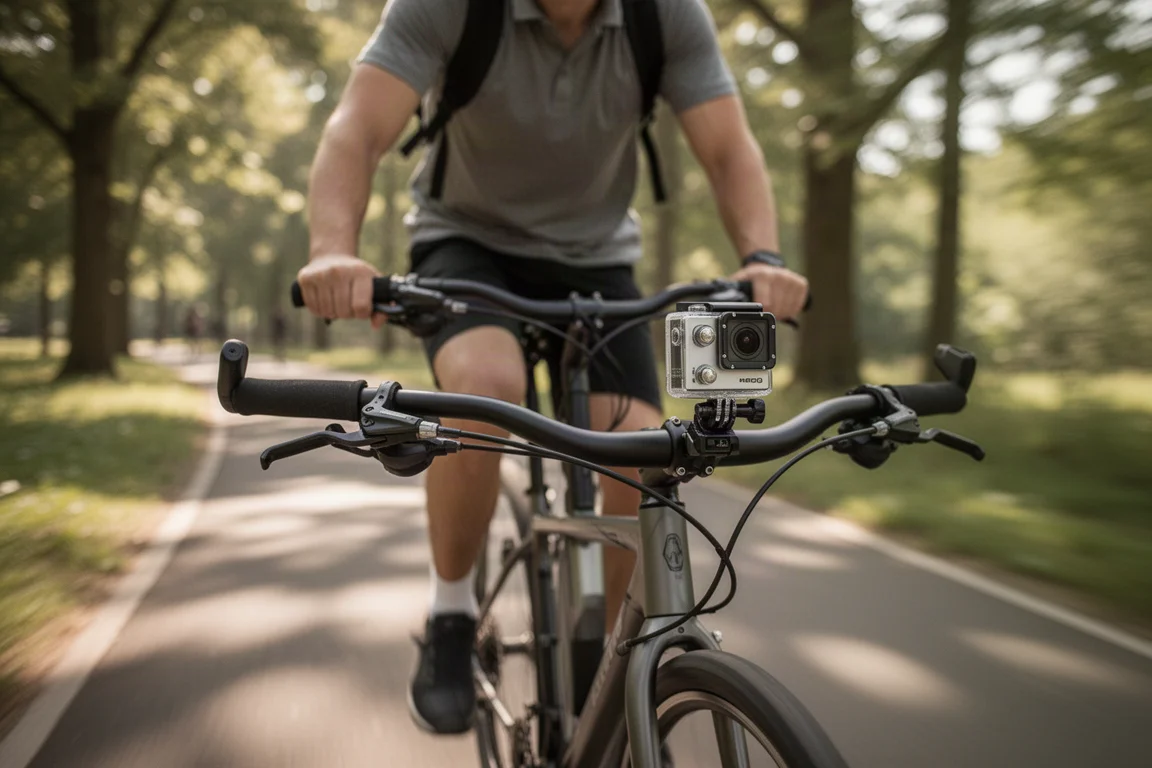
Audio sees a meaningful upgrade with three microphones in clever locations, two on the front and one below the base plate, working together to cancel wind noise and deliver noticeably clearer sound. Waterproofing increases to 16 meters from the previous 11 meters, and a scuba diving mode has been added, though divers should note that 16 meters still requires a case. For snorkeling it is more than fine.
Extra Practical Touches
Two quick additions: the camera can work as a standard webcam, and Wi-Fi live streaming now goes up to 1080p from the previous 720p. The streaming interface is slick, and if a stream drops you can resume the existing stream with a single tap rather than spawning a new one.
There is also a new voice prompt that announces which mode you are in, useful if the camera is mounted where you cannot see the screen. The wishlist here would be even more detail, such as announcing the resolution and frame rate, but the concept is a good start. A bonus feature, Naming Management, lets you change the folder and file names directly on the camera, which is genuinely useful if you run multiple cameras. GoPro offers something similar but it requires more configuration.
Is It Better Than the GoPro Hero 11?
The short answer is no, and DJI clearly knows that, which is why it is priced lower. But it does not need to be better on raw specs. It needs to be good enough and better on user experience, and for many people saving roughly $100 while getting fast charging, better heat management, and a smarter charging case is a trade worth making. The Action 3 fixes the narrow lens of the original Osmo Action, the overheating of the Action 2, and finally comes into its own as a complete product.
Conclusion
The DJI Osmo Action 3 is the practicality-focused action camera that many shooters have been waiting for: fast charging, a genuinely wide lens, class-leading heat management, and a cleverly designed charging case. The GoPro Hero 11 still wins on pure specs, but the Action 3 is the first DJI action camera that makes a genuinely easy recommendation for riders, divers, and creators who value convenience as much as image quality.
Further reading
Related Reviews
Action Cameras
360 Cameras for Adventure Motorcycling: Insta360 X5 vs DJI Osmo 360
Two 360-degree action cameras designed for off-road and adventure riding. A detailed comparison of features, stabilization, and real-world performance for motorcycle touring.
Action Cameras
Akaso EK7000 vs GoPro Hero 8 Black: Budget Action Camera Tested
A $50 budget action camera faces off against the GoPro Hero 8 Black. Here's how the Akaso EK7000 really performs in video, audio, and photo quality.
Action Cameras
Best Action Cameras 2026: Five Top Picks Ranked
A comprehensive ranking of five action cameras from budget-friendly to premium, covering durability, video quality, stabilization, and low-light performance.