Action Cameras
DJI Osmo Action 3 Review: A Strong Step Forward, But Not a GoPro Killer
4K 120fps shooting, a dual-screen design, and much better cold weather performance make the Osmo Action 3 a solid action camera, with a few trade-offs to weigh first.
Introduction
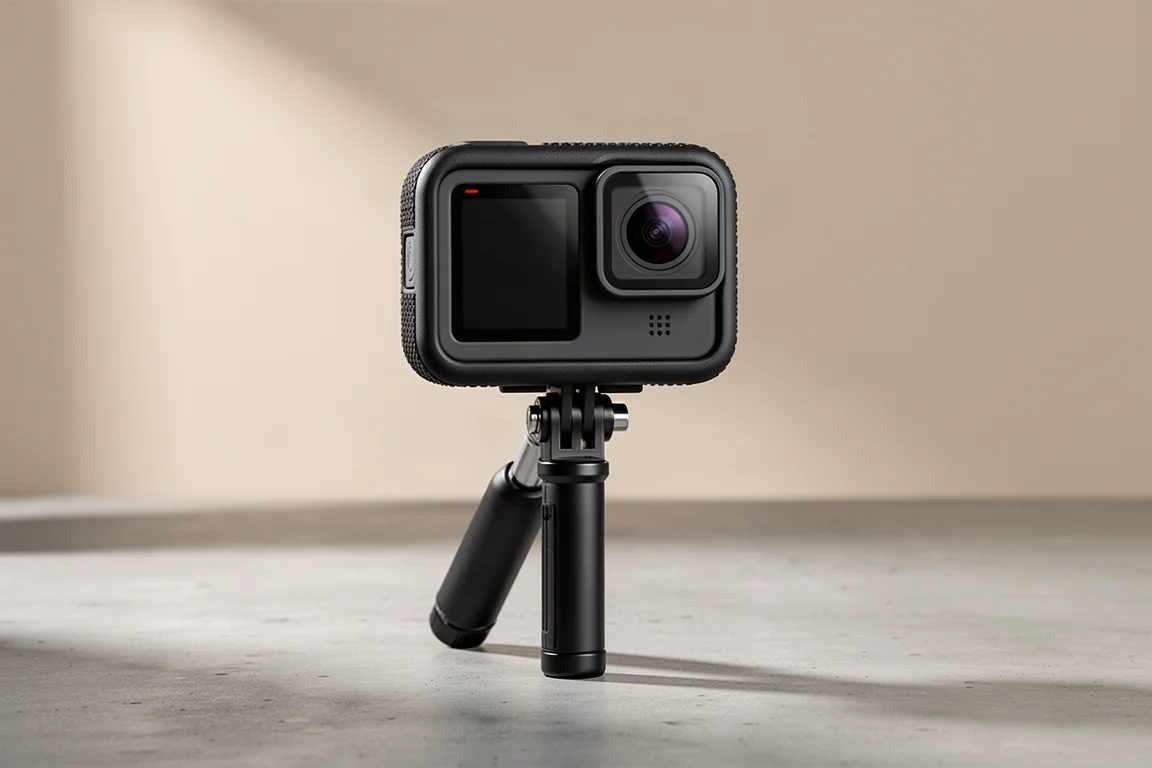
The DJI Osmo Action 3 arrives with 4K recording at up to 120 frames per second, a dual-screen design, and a major improvement in cold weather performance. For anyone shopping for an action camera, that combination raises an obvious question: is this finally the DJI action camera worth switching for? After putting it through real-world use on runs and vlogs, the honest answer is that it is a very good camera and a clear step in the right direction for DJI, but it is not a GoPro killer. Here is where it shines and where it falls short.
Who This Camera Is For
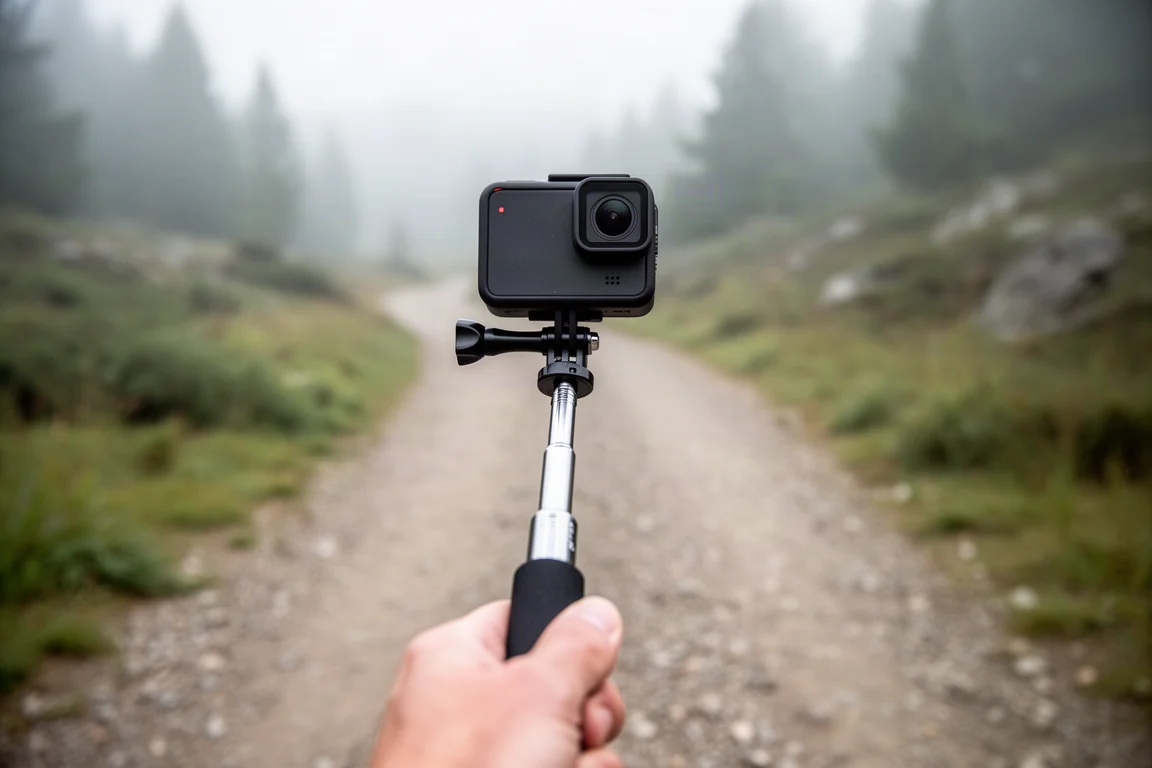
This camera makes the most sense for creators who shoot themselves while moving: runners, vloggers, and anyone filming handheld or on a selfie stick. If you spend most of your time shooting video rather than photos or timelapses, the Action 3 covers the essentials well.
It also helps to know where the reviewer is coming from with any camera comparison, so for transparency: this evaluation comes from a long-time GoPro user, and every camera referenced was purchased personally with no manufacturer involvement.
Image Quality and Field of View
The Action 3 uses the same resolutions, frame rates, and sensor size as the previous model, shooting up to 4K at 120 frames per second. Image quality is genuinely good: footage looks immersive, and colors are vibrant for the most part. For anyone who loves slow motion, that 120fps capability is a headline feature and it delivers.
There are two caveats worth understanding. First, dynamic range suffers when shooting backlit scenes, which means faces or subjects can get lost when the light is behind the camera. Second, the field of view is very wide, almost fisheye-wide, and even with the built-in de-warp mode enabled, edges of the frame stay noticeably distorted. That distortion makes footage less flexible: with a GoPro you can shoot wide in 4K with minimal edge distortion, then crop to vertical for social media while keeping the footage usable in both formats. The Action 3 gives you the total pixels you need, but the warping limits how much you can reframe.
Cold Weather Performance
The biggest year-over-year improvement here is cold weather reliability. DJI says the camera now works in temperatures as low as -4 degrees Fahrenheit, around -20 degrees Celsius.
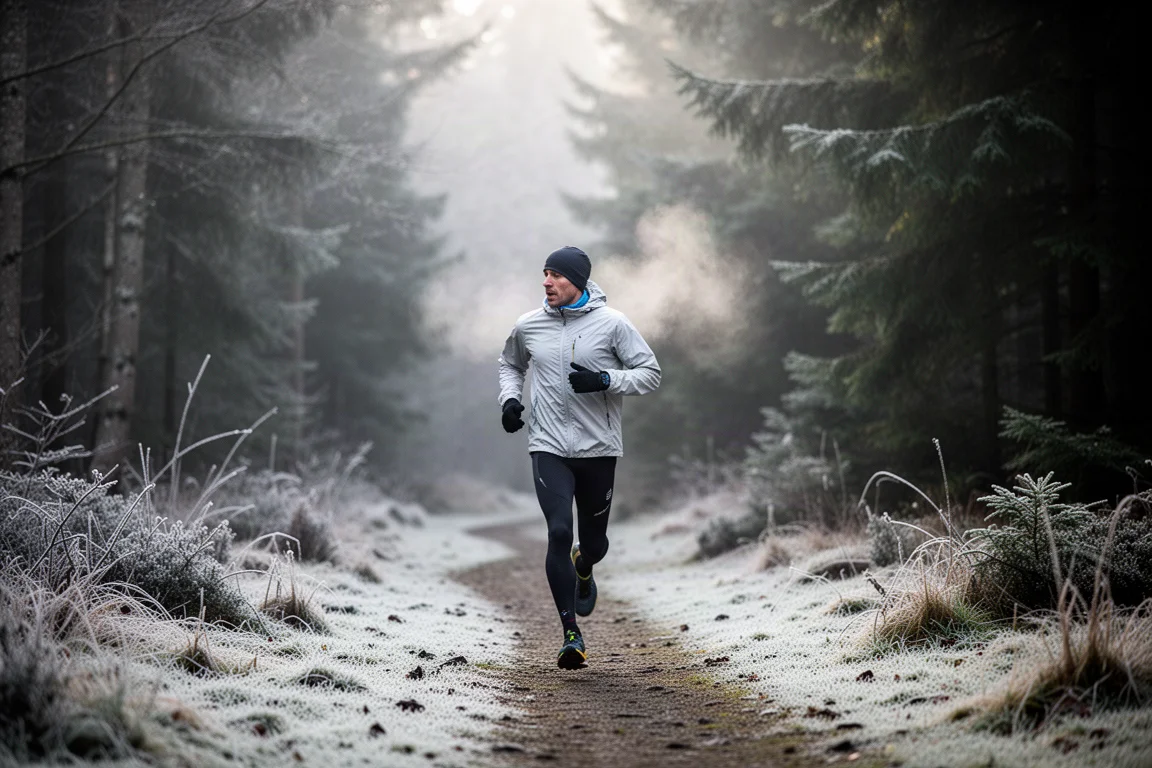
Even in temperatures well short of that extreme, the difference is obvious. The previous Action 2 would suffer in conditions that were not even below freezing: screens refusing to turn on and frames dropping during recording. Under similar conditions, the Action 3 has worked flawlessly. For most people who run or film in cold weather, this problem is essentially fixed.
The Dual Screen Trade-Off
The dual-screen design, a hallmark of the Osmo Action line since the first model, lets you see what the camera is recording whether you are shooting yourself or someone else.
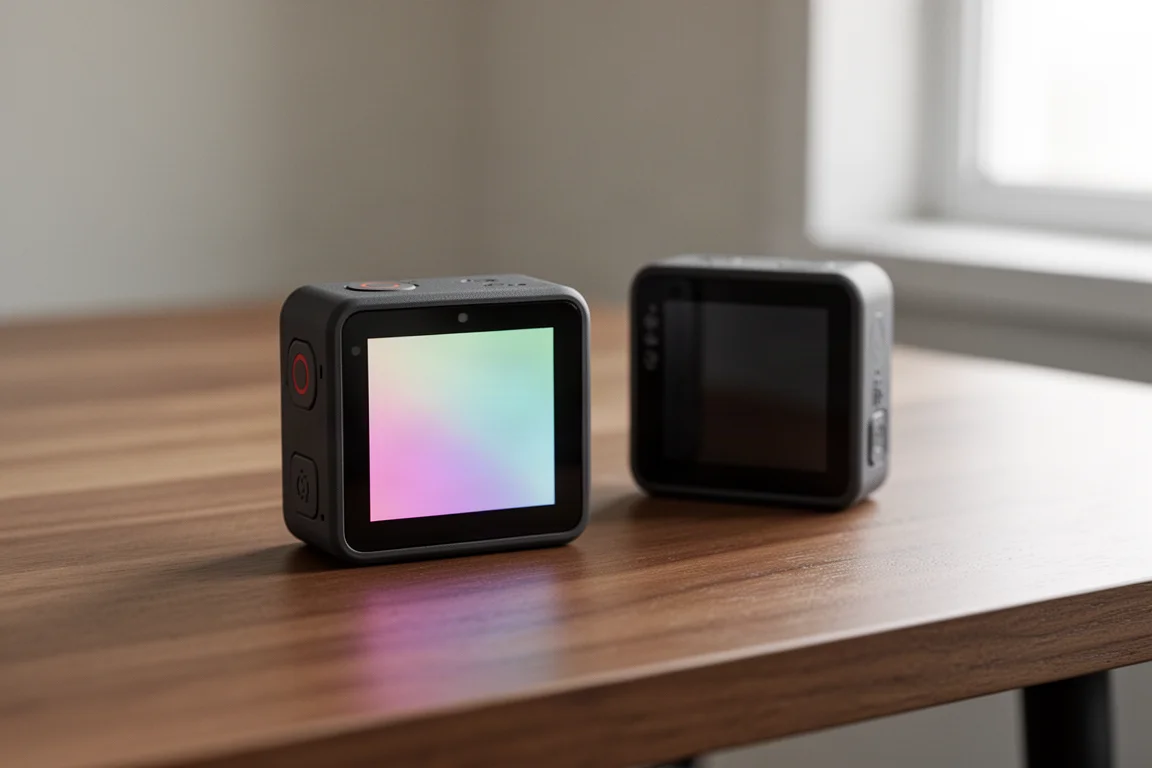
However, there is a significant limitation: when shooting at 4K 120fps, only the rear screen works. The front screen goes dark. Switching which screen is active requires a swipe-up gesture, which is tricky while running even in warm weather, and with running gloves on it is just about impossible. If 120fps self-filming is your main use case, plan around this.
Audio Quality and Accessories
On-board audio is a pleasant surprise. The Action 3 does a good job capturing voice while on the move, picking up only modest wind noise and some mechanical noise from the camera itself. For short talking segments, the built-in audio is usable without additional gear, though a little audio processing afterwards helps.
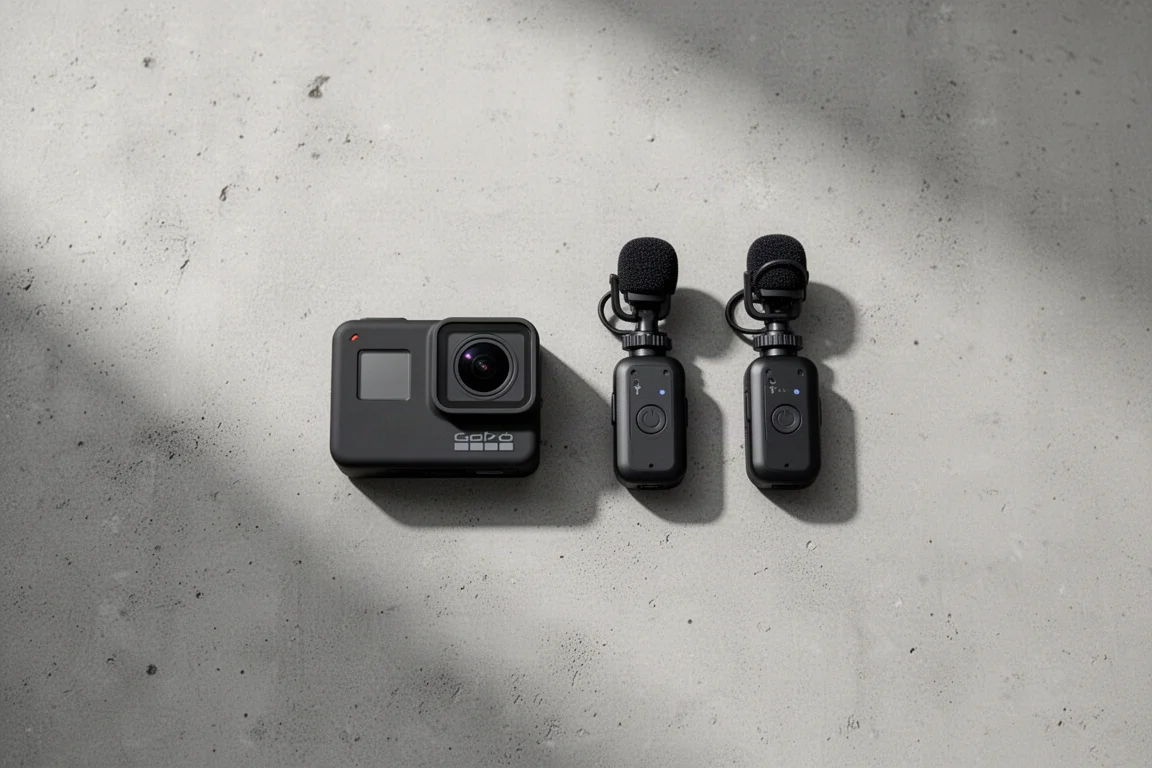
If you need longer spoken segments or interviews, the camera can be paired with the DJI wireless mic system, which includes two wireless microphones for in-camera interview audio. The catch is convenience: connecting requires opening the charging port door to access the USB-C port, and the setup is not something you would want to run with. Two smaller notes: file sizes run large, with DJI footage generally taking up noticeably more space than GoPro footage, and RockSteady stabilization is pretty good, though not quite at GoPro’s level, particularly noticeable at 1x and 0.5x playback speeds.
Buying Advice
The Osmo Action 3 is also positioned about 20 percent cheaper than the latest GoPro, which makes its compromises easier to accept if budget matters. Choose it if you value the lower price, the improved cold weather reliability, and good on-board audio. Look elsewhere first if minimal edge distortion for social cropping, best-in-class stabilization, or a fully usable front screen at 4K 120fps are priorities.
Conclusion
Is the DJI Osmo Action 3 a good camera? Yes. Image quality is good, stabilization is good, and overall usability is good. It is not a GoPro killer, but it is a confident step in the right direction for DJI, and for cold-weather creators on a budget it is an easy recommendation.
Product link
View more details for DJI Osmo Action 3
This product is mentioned in the review. Check the specifications, options, and compatibility before buying.
View more details for DJI Osmo Action 3Further reading
Related Reviews
Action Cameras
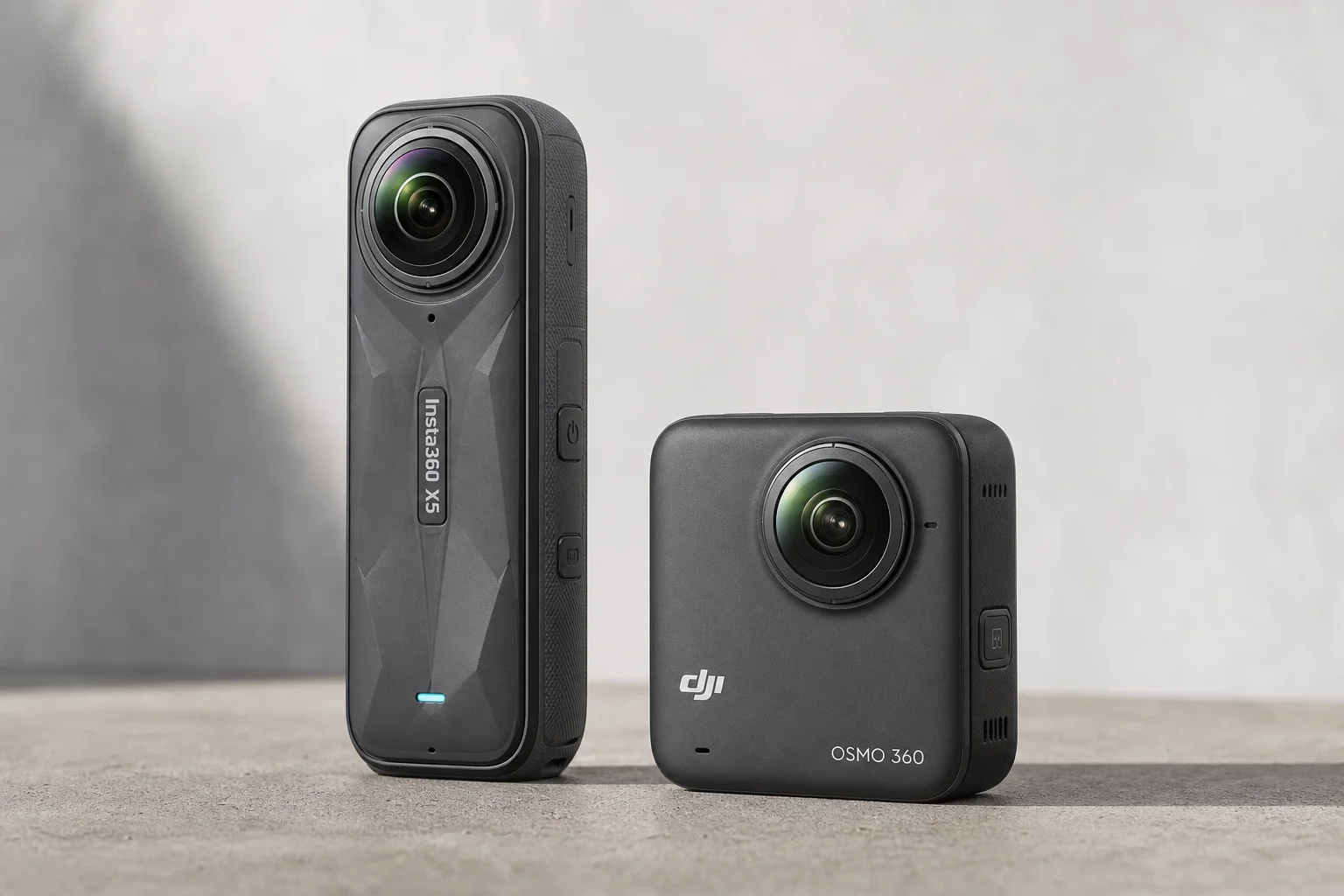
360 Cameras for Adventure Motorcycling: Insta360 X5 vs DJI Osmo 360
Two 360-degree action cameras designed for off-road and adventure riding. A detailed comparison of features, stabilization, and real-world performance for motorcycle touring.
Action Cameras
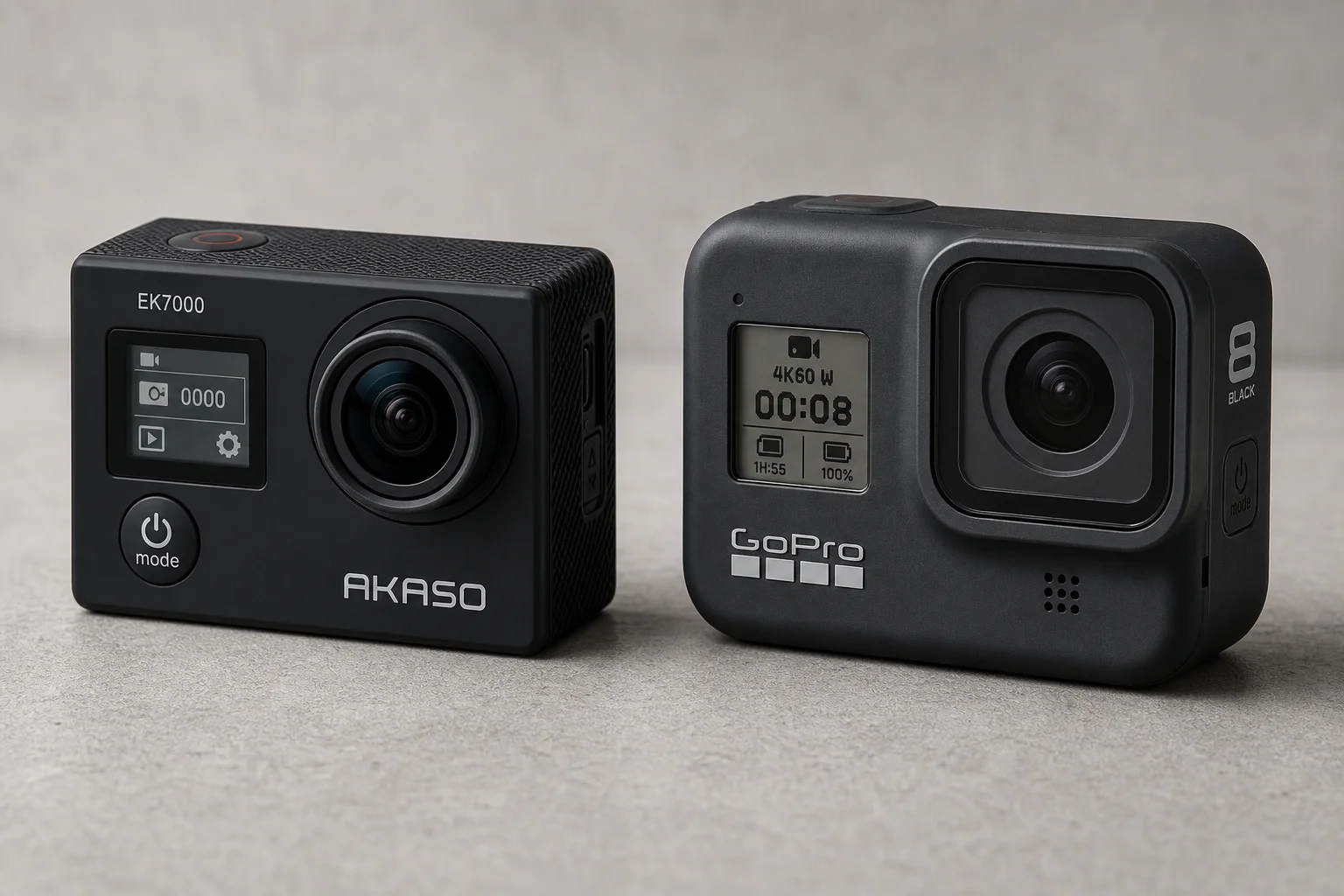
Akaso EK7000 vs GoPro Hero 8 Black: Budget Action Camera Tested
A $50 budget action camera faces off against the GoPro Hero 8 Black. Here's how the Akaso EK7000 really performs in video, audio, and photo quality.
Action Cameras
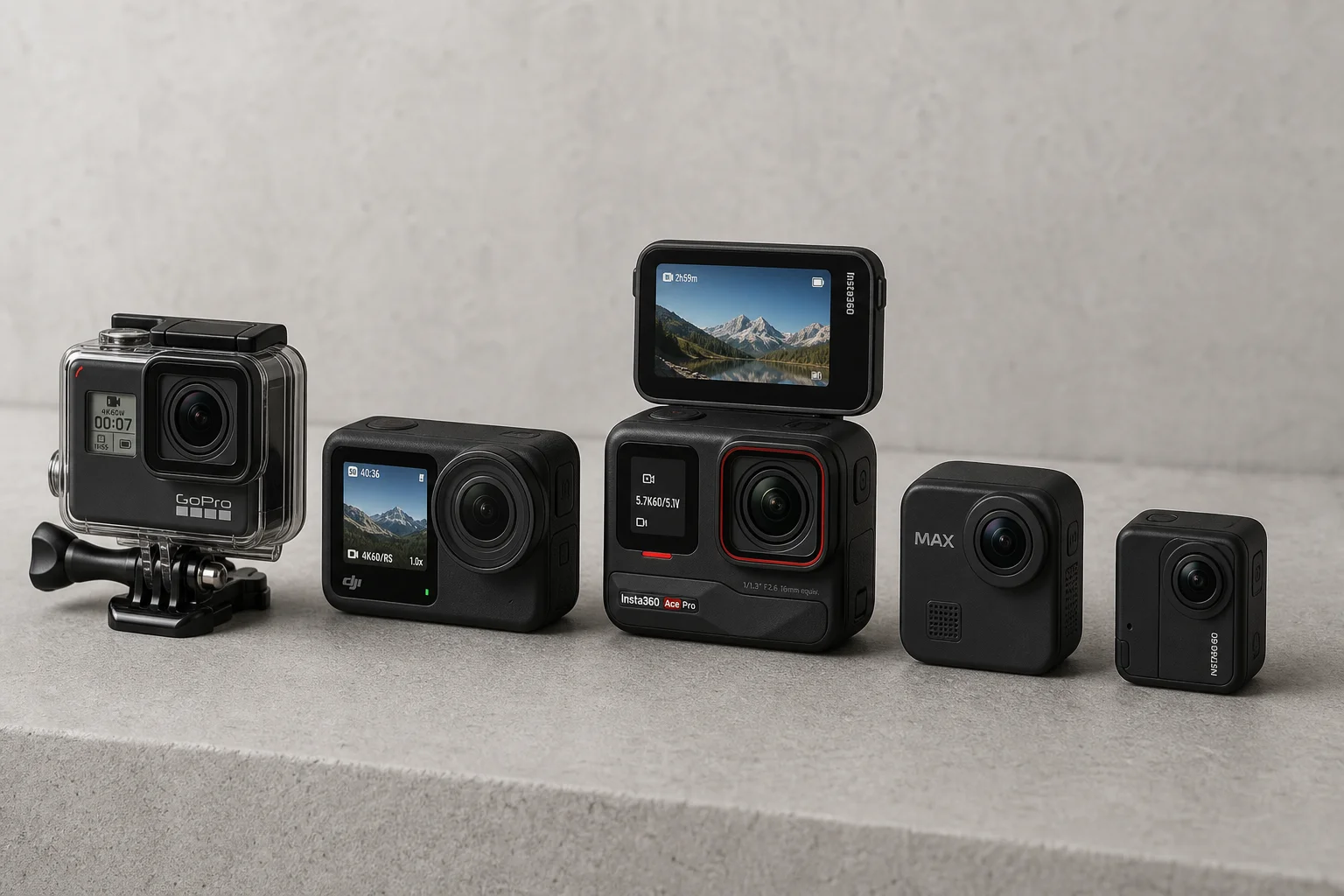
Best Action Cameras 2026: Five Top Picks Ranked
A comprehensive ranking of five action cameras from budget-friendly to premium, covering durability, video quality, stabilization, and low-light performance.