Action Cameras
DJI Action 2 vs GoPro Hero 10: A Tiny Camera With Big Trade-offs
The DJI Action 2 packs a larger sensor, 4K 120fps and a featherweight magnetic design, but cold-weather reliability and a half-finished app hold it back against the GoPro Hero 10.
Introduction
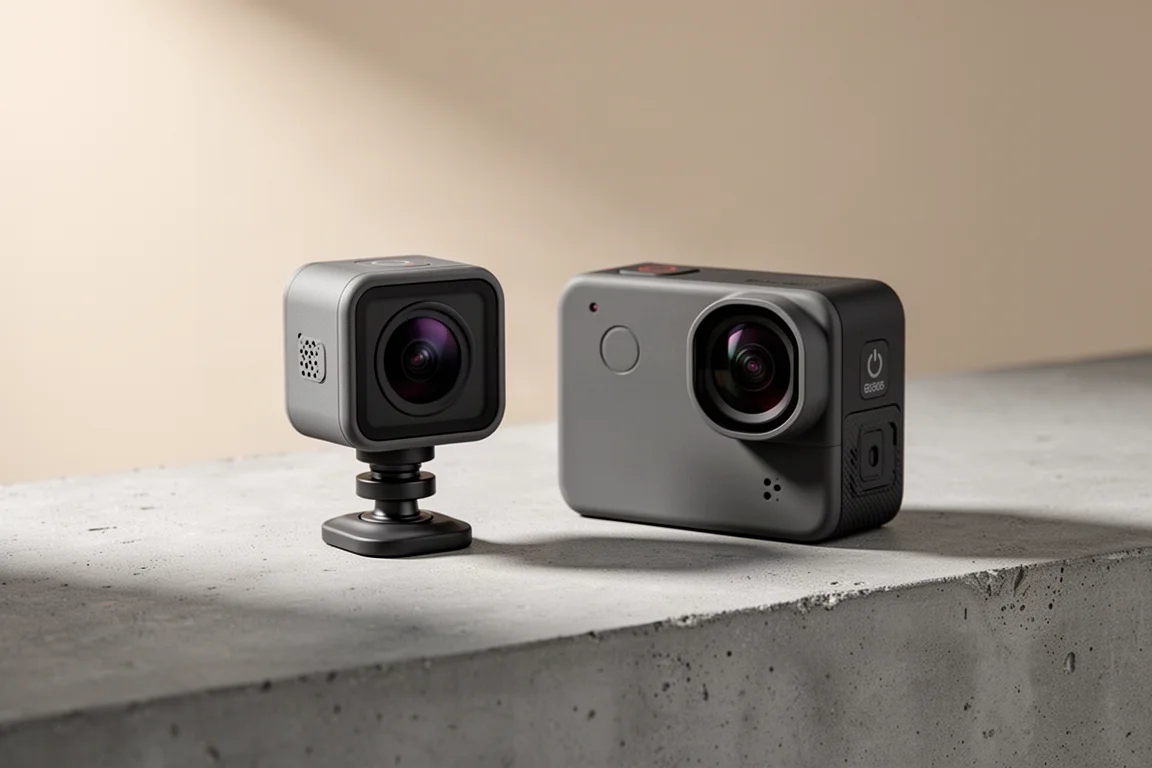
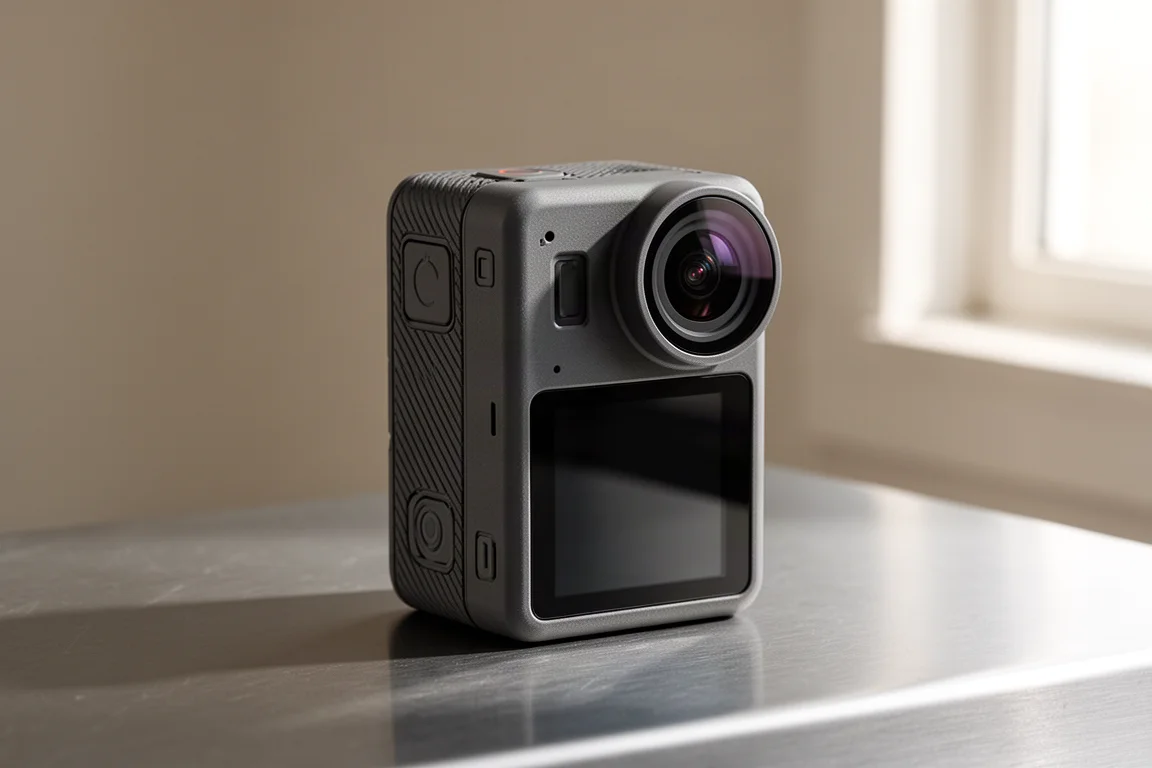
The DJI Action 2 is a tiny camera with a massive spec sheet, and on paper it looks like a genuine threat to the GoPro Hero 10. It takes a modular approach: a small lens unit with a touchscreen that snaps magnetically onto accessories, weighing a fraction of what a traditional action camera weighs. After spending real time with it on runs, at the park, and even at the grocery store, the picture is more complicated. This comparison breaks down where the Action 2 genuinely impresses, where it falls short, and how it stacks up against the GoPro Hero 10 for runners, vloggers, and anyone filming in cold conditions.
DJI Action 2: Specs and Design
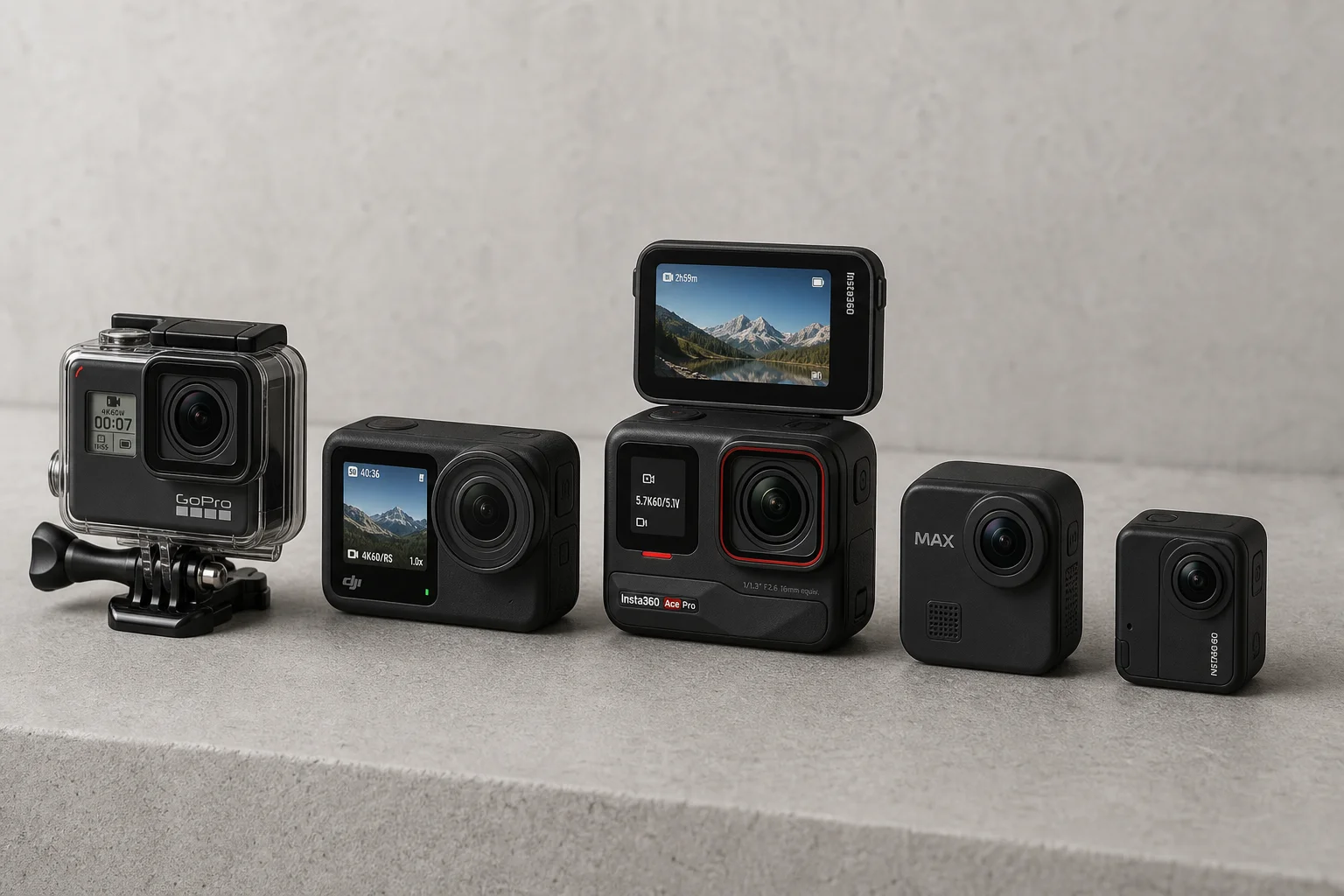
The Action 2 is built as a modular system. The lens unit has a touchscreen on the back and connects magnetically, with latches, to accessories. The Power Module adds roughly double the battery life, an SD card slot, a GoPro mount adapter, a lanyard for chest carry, and a USB-C port for charging. DJI also offers a Front Touchscreen Module that adds a second screen for selfie framing.
The core specs are impressive for something this small: a 1/1.7-inch sensor, larger than what GoPro has been using, an f/2.8 aperture with a 155-degree field of view, and 4K recording at 120 frames per second. It is waterproof to 10 meters, dust-proof, and protected by Gorilla Glass front and back. Stabilization comes in two flavors: RockSteady and Horizon Steady, which keeps the horizon level even when the camera tilts.
Weight is where it really shines. The camera unit itself weighs 56 g and the Power Module 56.6 g, dramatically lighter than the GoPro Hero 10, which comes in at 153 g and is the heaviest GoPro yet. Internal storage is 22.4 GB usable, which translates to roughly 20 minutes of recording at 4K 120fps. The 580 mAh battery in the lens unit can be extended by the 1,300 mAh battery in the Power Module.
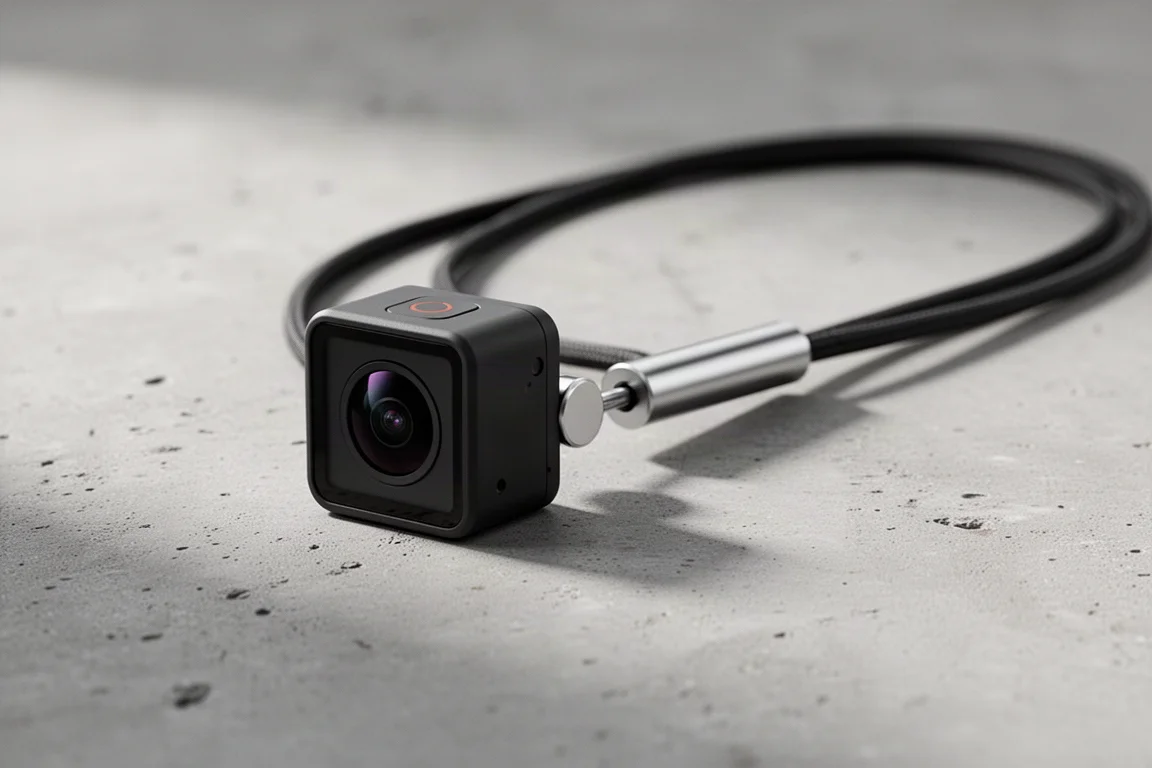
Image Quality: Punchy and Wide
In use, the lightness is immediately noticeable, and the image quality holds up well. The footage is very contrasty with punchy colors, and the wide 155-degree view can be tamed with a standard de-warped field-of-view mode that reduces edge distortion. That means you get a wide look without the fisheye effect, which also helps when cropping horizontal footage to vertical for Instagram Stories or TikTok.
Cold Weather Reliability
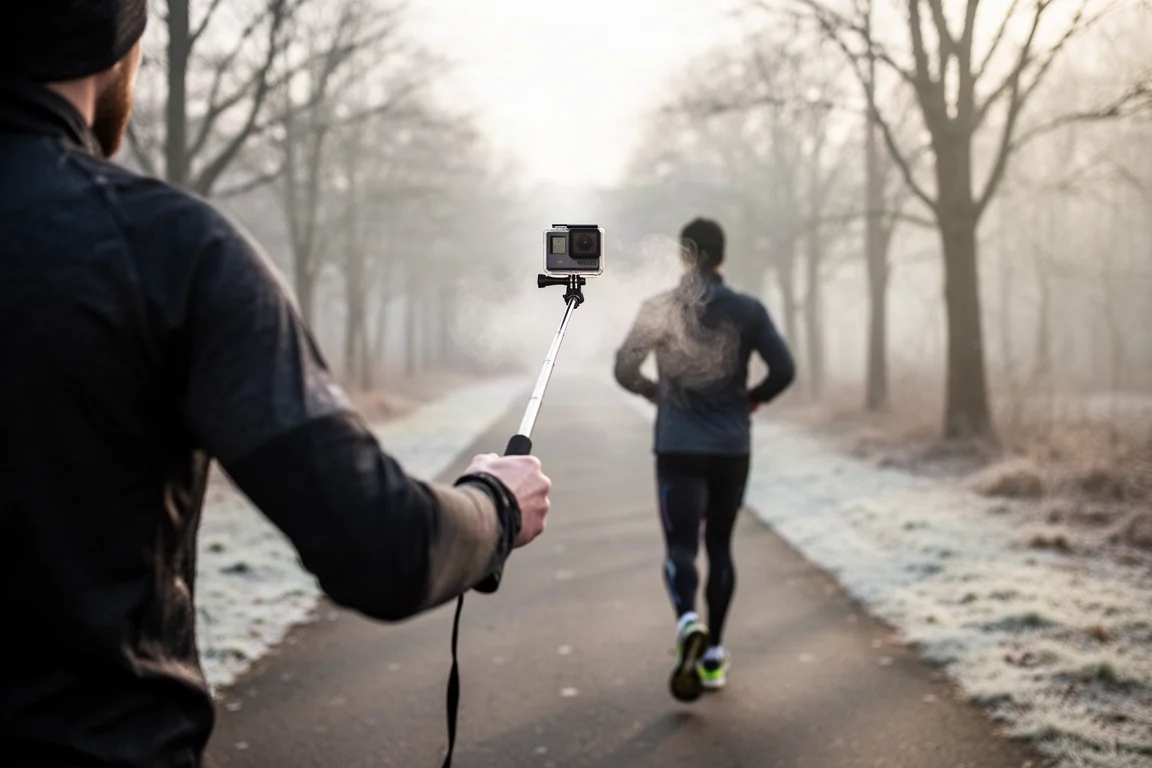
This is where the story turns. The camera struggles to regulate heat: at 4K 120fps and 25 degrees Celsius, the on-screen ticker warns of roughly 4 minutes of continuous recording before the heat cutoff kicks in. It also has trouble maintaining heat. On a 30-degree Fahrenheit run with wind hitting the camera, it dropped into low-temperature mode after about 10 minutes, disabling the rear screen and forcing reliance on a blinking light and a series of beeps to confirm recording.
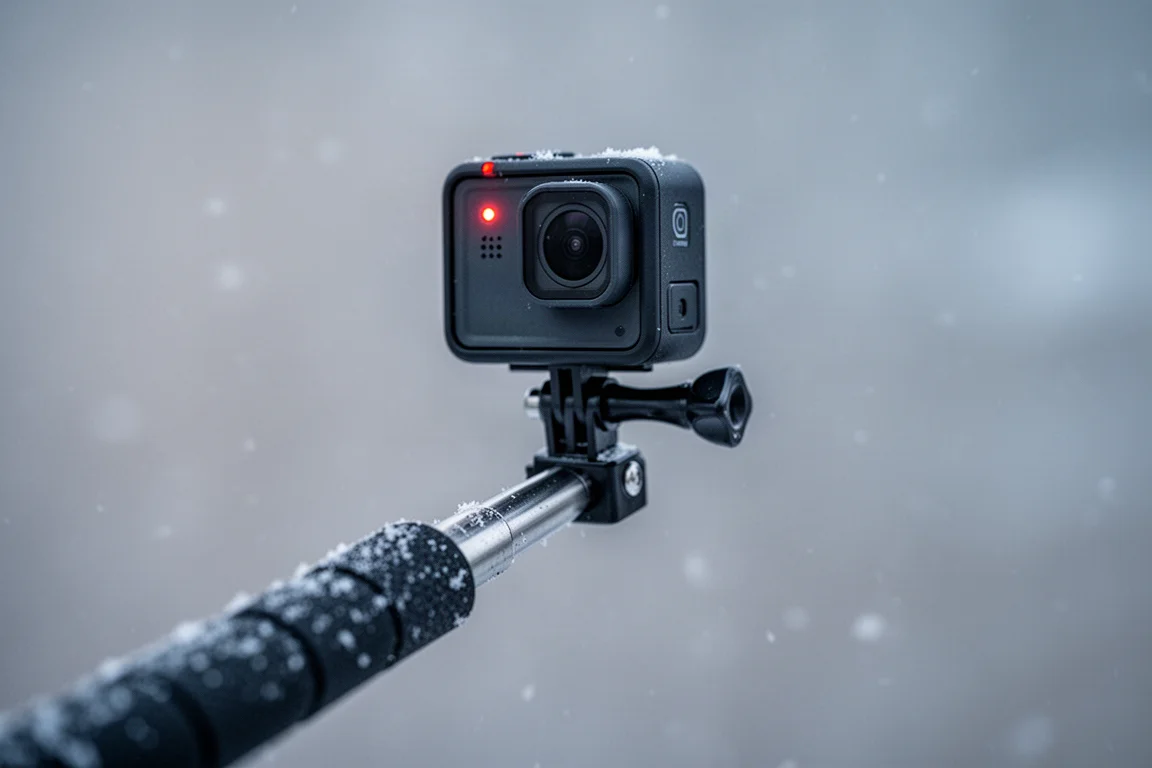
Worse, after more than an hour outside the low-temperature warnings stopped appearing entirely, and the camera began failing to record: clips the user believed were being captured simply were not there, and the footage that did record dropped frames. Most of the important footage from a marathon-pace workout was lost. For anyone running, cycling, or staying outside longer than about 15 minutes in winter, that is a serious reliability concern.
Everyday Vlogging Performance
Away from running speeds and biting wind, the picture improves considerably. About an hour and a half at the park with the camera, warming in a jacket pocket between clips, produced no notable temperature issues. Even children running around with the camera, with no technique for keeping it steady, produced surprisingly smooth footage thanks to the stabilization. The high-contrast, punchy look also made grocery store footage genuinely fun to shoot and edit.

Two problems did surface during casual use: the 22.4 GB of internal storage filled up fast at 4K 120fps, since the file sizes are larger than comparable GoPro files, and at one point the camera half-froze, showing a rotating power icon while the gyros kept working, before eventually restarting after repeated long presses of the power button.
File Transfer and Workflow
Getting footage off the camera takes more steps than it should. Files shot on the lens unit have to pass through the Power Module’s USB-C port to a laptop, and transfer speeds are slow for the large files this camera creates. Alternatively, you can copy files to a microSD card in the menus and then move them to a laptop, which is also slow.
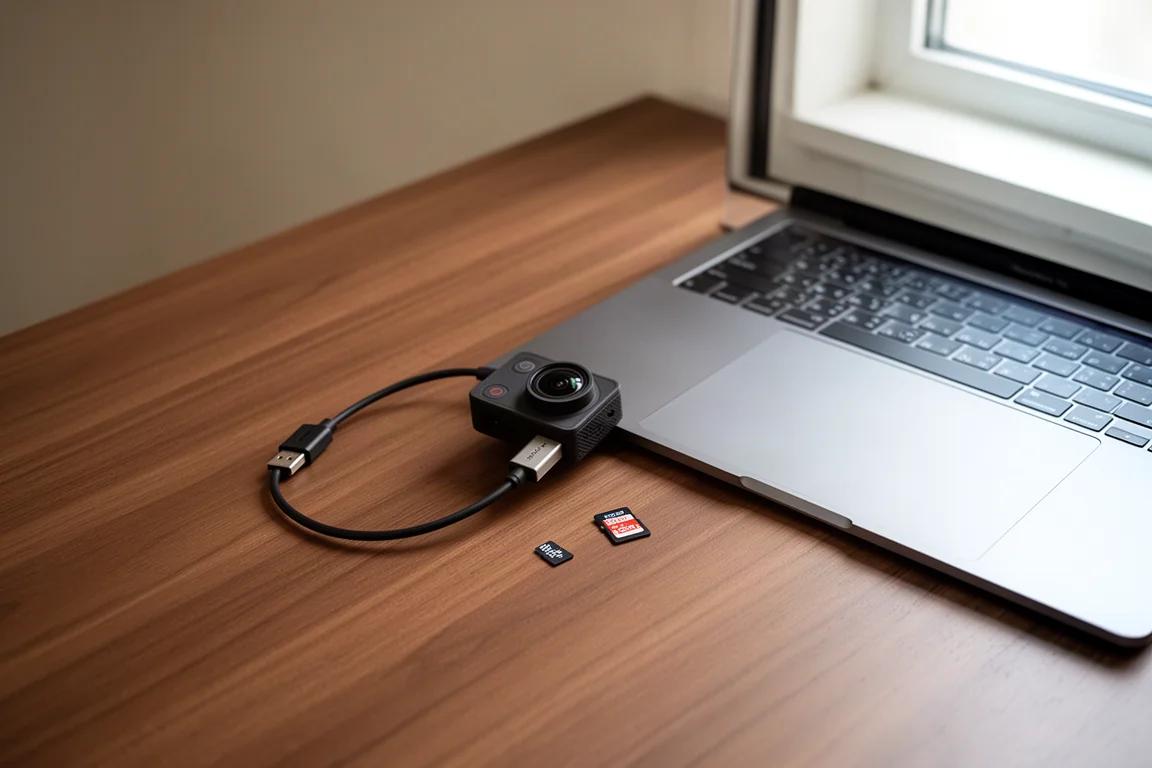
The wireless route via the DJI app is more frustrating still. Low-res previews crash the app when played, downloaded clips land in the DJI app rather than the phone’s photos, and re-exporting to photos often failed on the first try. There is no reframing, cropping, trimming, or frame-rate adjustment in the app, so a typical Instagram Stories workflow meant downloading to the DJI app, exporting to photos, importing into the GoPro app to crop vertical, and exporting again. The GoPro app simply offers far more functionality.
Buying Advice
The Action 2 gets remarkably close to being a category leader. The sensor, stabilization, weight, and image quality are all genuinely excellent. If DJI can fix the temperature regulation in both extremes and finish the app, this would be a standout camera. As it ships, though, the cold-weather failures and the clunky file workflow make it hard to recommend for running, cycling, or any winter outdoor use beyond short clips. For casual fair-weather vlogging it performs well, but if you carry a Power Module plus accessories, the size advantage over the GoPro Hero 10 shrinks to the point where the GoPro’s reliability and mature app start to look like the safer choice. Choose the Action 2 only if its tiny form factor is the deciding factor for your shooting style, and choose the Hero 10 if dependable all-condition recording matters more.
Conclusion
The DJI Action 2 is a genuinely exciting piece of hardware undermined by software and thermal shortcomings. It delivers beautiful, punchy footage from a camera that weighs about a third of its main rival, but unreliable behavior in cold weather, storage that fills up fast, and a half-finished app experience hold it back. The GoPro Hero 10 remains the more dependable pick for demanding outdoor use, while the Action 2 is best suited to fair-weather creators who prize the smallest possible camera.
Further reading
Related Reviews
Action Cameras
360 Cameras for Adventure Motorcycling: Insta360 X5 vs DJI Osmo 360
Two 360-degree action cameras designed for off-road and adventure riding. A detailed comparison of features, stabilization, and real-world performance for motorcycle touring.
Action Cameras
Akaso EK7000 vs GoPro Hero 8 Black: Budget Action Camera Tested
A $50 budget action camera faces off against the GoPro Hero 8 Black. Here's how the Akaso EK7000 really performs in video, audio, and photo quality.
Action Cameras
Best Action Cameras 2026: Five Top Picks Ranked
A comprehensive ranking of five action cameras from budget-friendly to premium, covering durability, video quality, stabilization, and low-light performance.