Speakers
Diptyque DP107 Review: A Planar Magnetic Speaker With No Conventional Drivers
The Diptyque DP107 is a handmade planar magnetic panel speaker that delivers real bass and a spacious soundstage without a single conventional driver.
Introduction
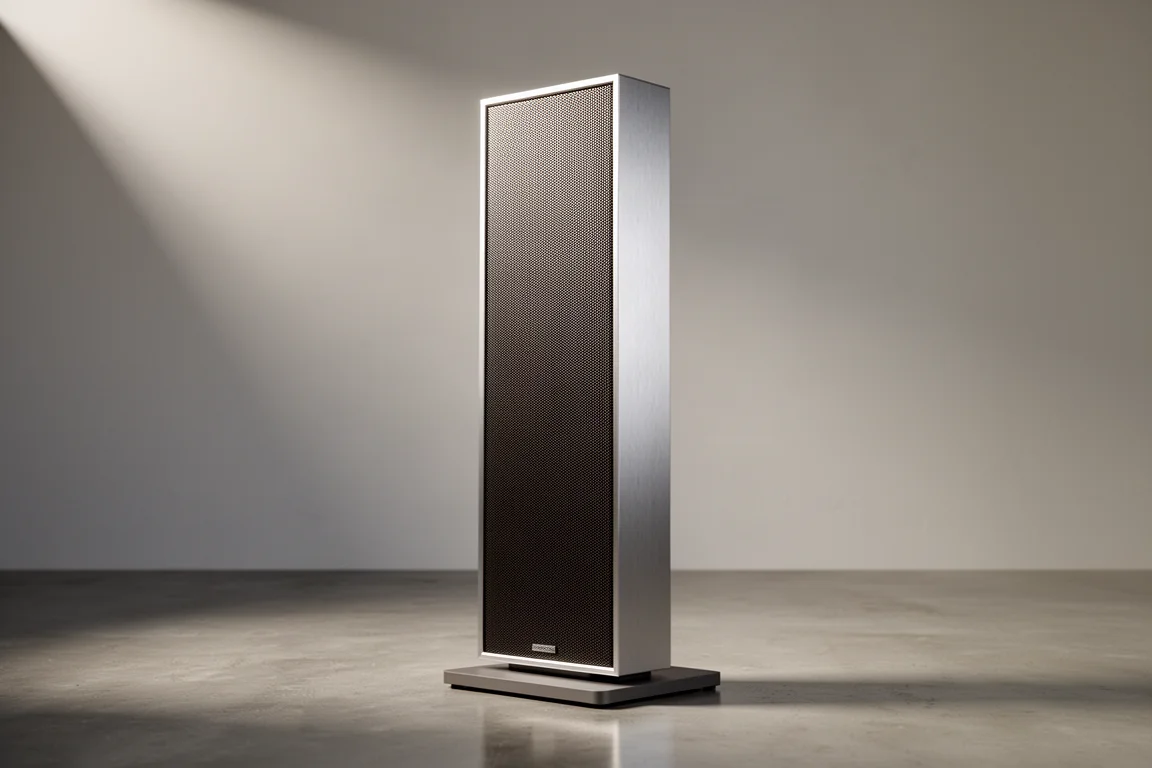
The Diptyque DP107 does not look like most floorstanding speakers. Instead of a box filled with cones and domes, you get a tall aluminium panel, and that panel is the entire sound-producing surface. There are no conventional drivers anywhere in the design.
What makes the DP107 work is planar magnetic technology, a thin membrane suspended inside the panel and driven across its whole area rather than at a single point. It follows the same broad principle used by Magnepan, with Diptyque applying its own approach to how the panel is built and how it behaves in a room. The speakers are handmade in the south of France by a very small company of roughly five people, and the DP107 sits second from the entry level in the range at around $8,000 per pair.
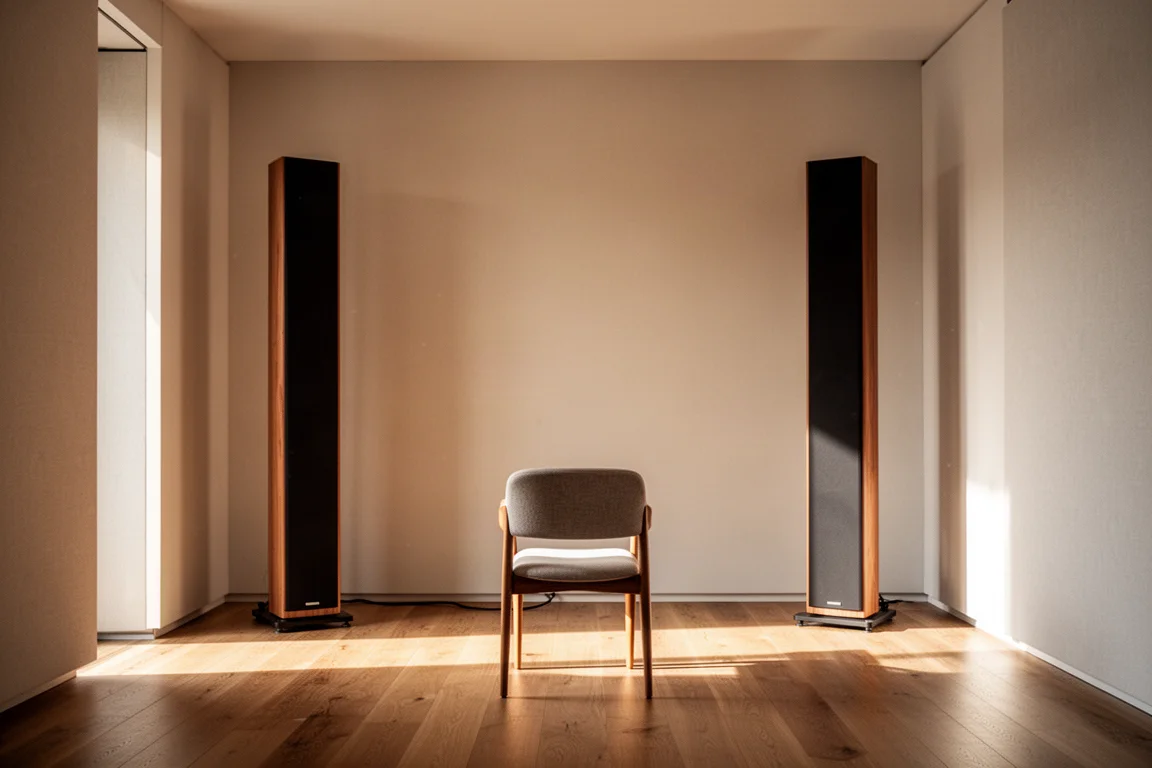
The result of that design is a radiating surface far larger than a typical tweeter or midrange driver, and it shapes everything about how the speaker sounds. There is no separate subwoofer in the picture either. During a demonstration, the DP107 produced bass that most listeners would assume requires a dedicated low-frequency cabinet.
Who This Speaker Is For
The DP107 is aimed at listeners who care about soundstage, imaging, and vocal articulation, and who want low-frequency weight without adding another box to the room. If you have spent time with planar magnetic designs, this is a direct expression of that idea. If you have never heard one, the DP107 is an unusually clear introduction to what a large, driverless panel can do.
It also suits buyers who value craft and small-scale production. A company of around five people making speakers by hand in the south of France is a very different proposition from a mass-market brand, and that shows up in the character of the product.
Because these speakers reach buyers through a dealer network rather than general retail, the practical starting point is a conversation with a dealer and, ideally, a listening session with music you know well.
Main Strengths: Sound Quality and Planar Magnetic Design
The most striking quality of the DP107 is how spacious it sounds. The presentation opens up around and behind the speakers, and the soundstage stretches wide enough that side-wall reflections become part of the experience rather than a distraction.
Vocals are articulate and sit slightly forward in the mix, but not so far that they pull attention away from the rest of the performance. There is no coloration in the voice. Detail across the upper midrange and treble comes through cleanly, and imaging holds together well even in a room that was never designed for critical listening.
Then there is the bass. It is tight, present, and genuinely serious, delivered without a subwoofer anywhere in the room. That combination of depth and control is the part that surprises people most about a speaker with no conventional drivers.
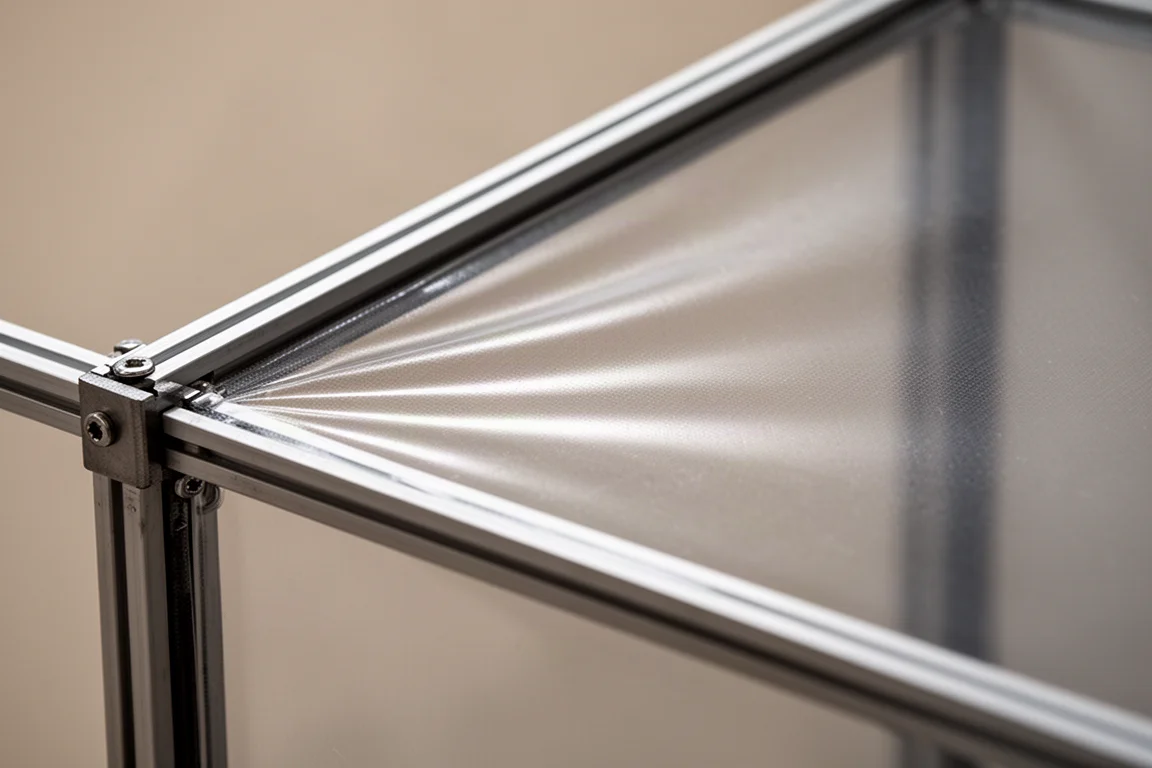
Because the membrane travels in both directions inside the panel, the low end feels quick rather than heavy, and it stays locked to the rest of the music instead of lagging behind it. Watch the speaker while it plays and you can see that movement inside the cabinet, a visible reminder that the whole panel is doing the work.
Design and Build: A Driverless Aluminum Panel
The DP107 is built around an aluminium panel, and that panel is a physically substantial piece of the design. There is no electromagnet inside as there would be in a conventional driver, and no separate external power supply feeding the panel. What moves is a thin membrane suspended within the frame, travelling in positive and negative excursions as the music plays. A grille covers the front of the assembly.
Everything is assembled by hand in the south of France by a team of roughly five people. That scale is worth noting, because it explains both the price positioning and the deliberate, low-volume nature of the product.
Things to Consider Before Buying
At around $8,000 per pair, the DP107 sits firmly in high-end territory, and that price buys a specialised design rather than a general-purpose speaker. It is worth being clear about what you are choosing.
Vocals came across slightly forward in the demonstration. Some listeners will find that quality engaging and immediate, while others will want to hear it for themselves before deciding, since it shapes the character of every recording.
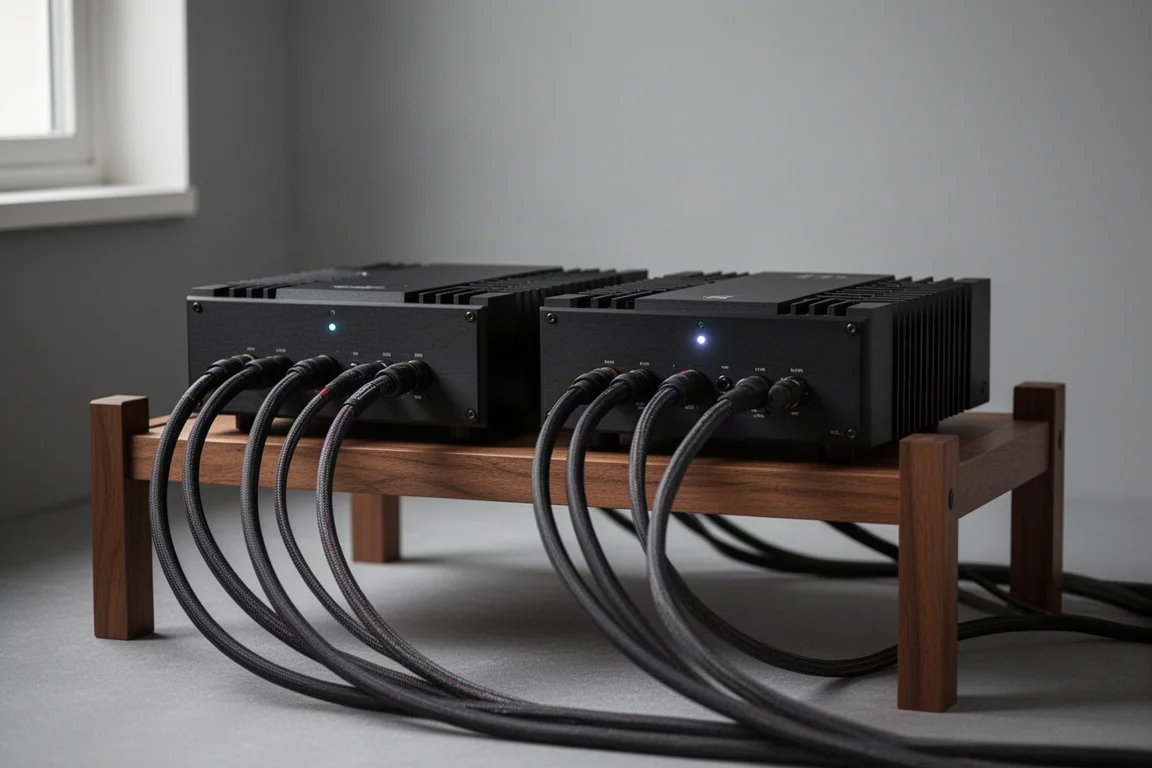
Amplification also deserves attention. The demonstration system used Cyrus Audio monoblocks delivering 308 watts per channel in a Class A/B design, so it makes sense to confirm that your own amplifier is a good match before committing.
Finally, availability runs through a dealer network rather than general retail, and the company behind the speakers is very small. Hearing a pair takes a little planning, and dealer relationships matter more than they would with a large brand.
None of these points are obstacles on their own. They are simply the practical side of buying a low-volume, high-end speaker, and they are all easy to work through with a dealer before you decide.
Setup and Amplification Notes
The DP107 was demonstrated with Cyrus Audio electronics, an English manufacturer known for compact half-chassis components. Two monoblocks supplied 308 watts per channel to the speakers in a Class A/B configuration, a pairing that kept the panel under firm control.
The room itself was far from ideal. It was an untreated space with a television on one wall and a bare wall on the other, the kind of environment that flatters very few speakers. Even so, the DP107 produced a wide soundstage and stable imaging, which is a useful indication for anyone whose listening room is less than perfect.
Buying Advice
At around $8,000 per pair, the DP107 is the second model up from the entry point in Diptyque’s range. A Grand Reference model sits at the top of the lineup for listeners who want the flagship, which makes the DP107 the more attainable way into the brand’s planar magnetic approach.
If you are already a fan of planar magnetic speakers, the DP107 is a natural next listen. If you have never spent time with one, it is a convincing place to start, particularly given the bass response and the sense of space it creates.
Buying runs through the dealer network, so the sensible path is to contact a dealer, arrange a session, and bring reference tracks you know inside out. That is the only reliable way to judge whether the slightly forward vocal presentation and the large panel sound are the right fit for your room and your taste.
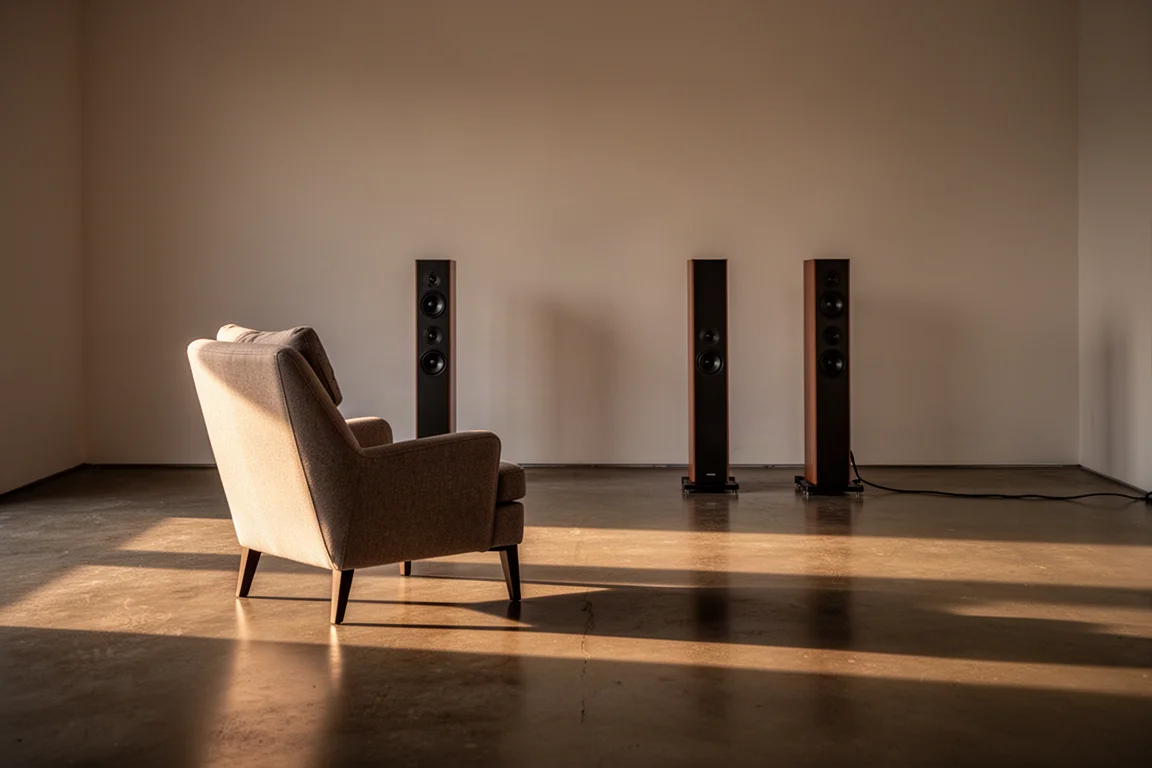
For listeners whose priorities are a wide soundstage, articulate vocals, and bass that does not need a subwoofer, the DP107 makes a strong case. The fact that it achieves all of this without a single conventional driver is what makes it memorable.
Conclusion
The Diptyque DP107 is a genuinely different take on the floorstanding speaker. A handmade aluminium panel, a moving membrane instead of drivers, and real bass without a subwoofer add up to something that does not sound or look like the alternatives.
It asks for a serious budget and a dealer visit, and its forward vocals will not suit every listener. For anyone ready to move beyond conventional box speakers, though, it is one of the more interesting options worth hearing.
Product link
View more details for Diptyque DP107
This product is mentioned in the review. Check the specifications, options, and compatibility before buying.
View more details for Diptyque DP107Further reading
Related Reviews
Speakers
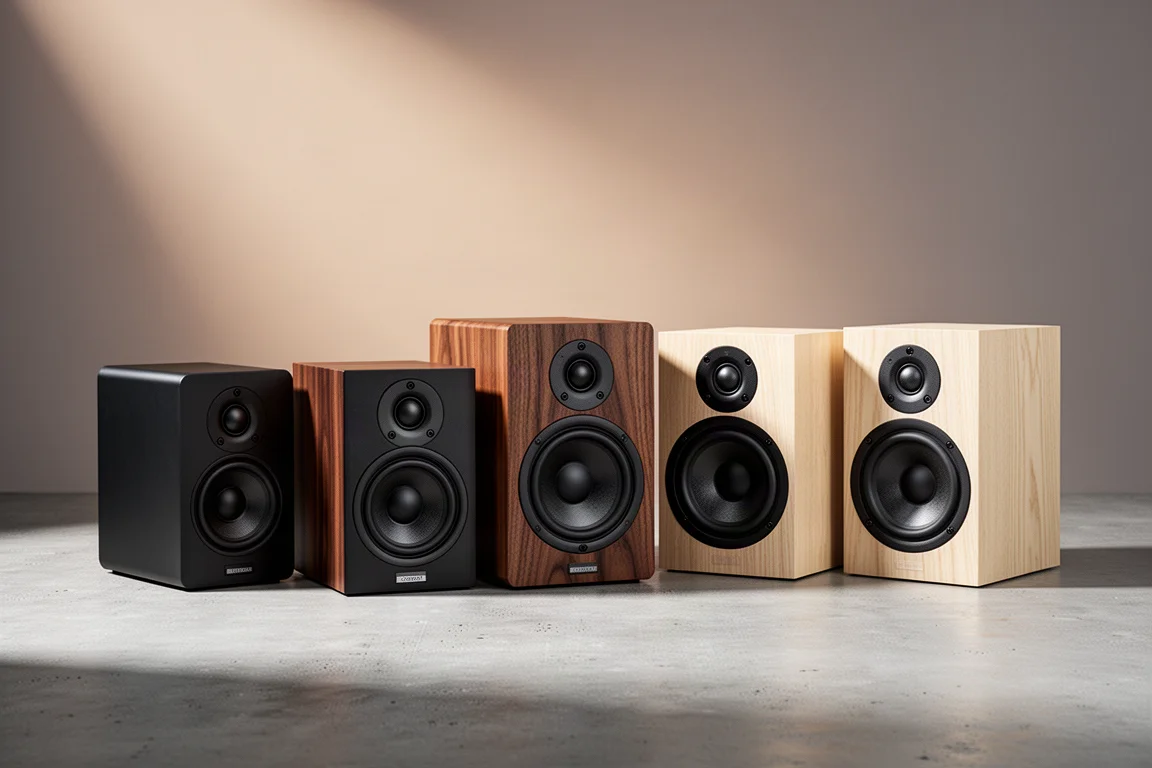
13 Under-the-Radar Speakers Still Worth Buying
Thirteen speakers that quietly stayed in production while newer models took the spotlight, from budget bookshelf pairs to a full-size tower.
Speakers
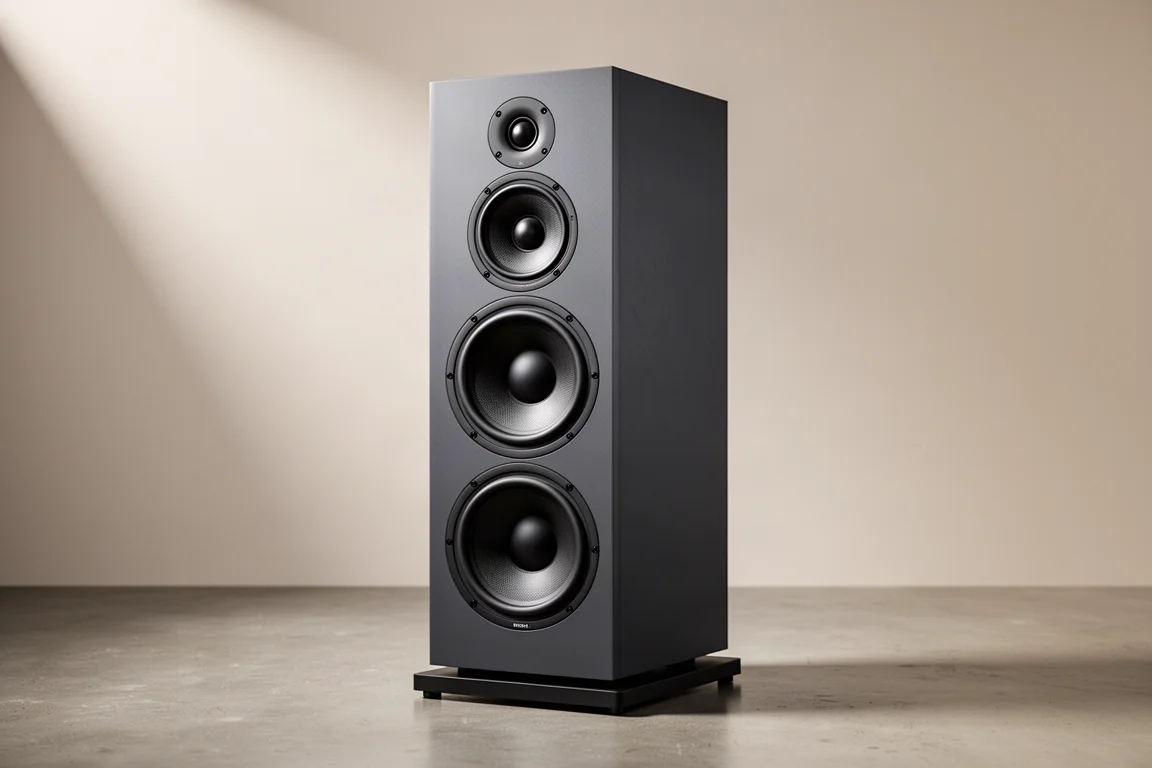
Arendal 1528 Monitor 8 Review: A Three-Way Standmount With Serious Dynamic Headroom
A three-way standmount speaker with extremely low distortion, high output capability, and deep bass for its size, plus the setup details worth knowing before buying.
Speakers
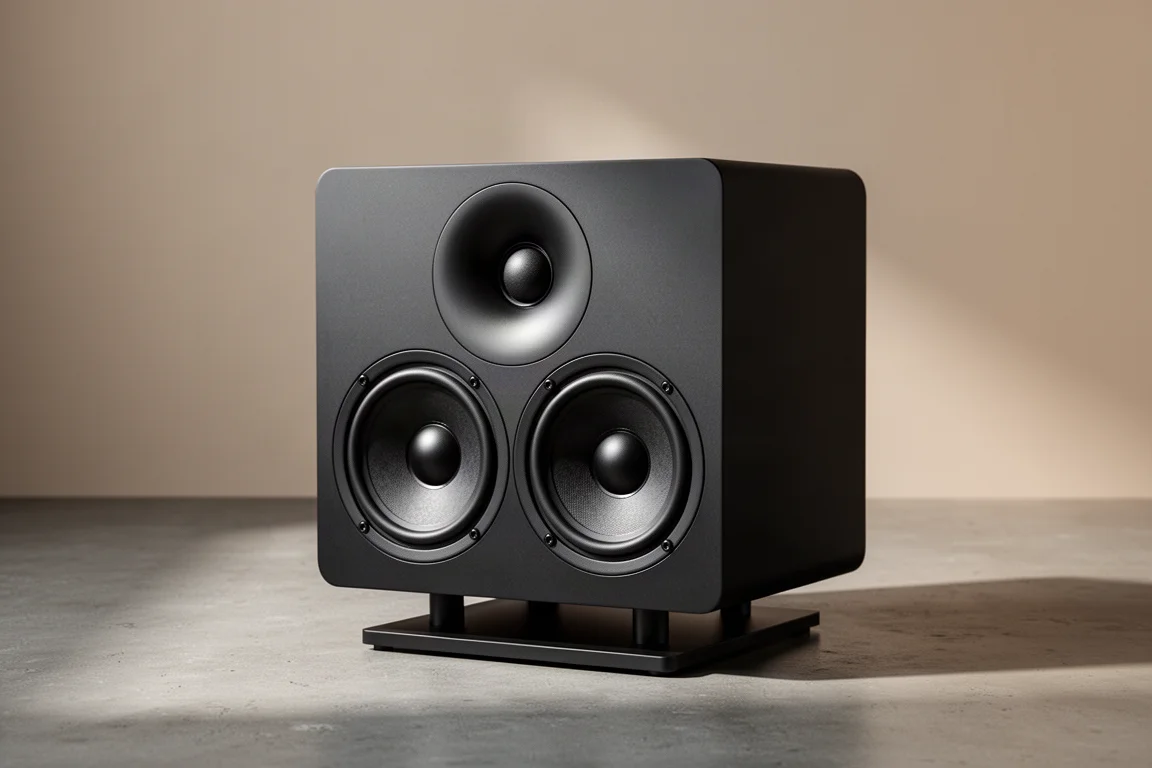
Arendal 1723 Monitor S Review: A Compact Monitor With Serious Ambition
A close look at the Arendal 1723 Monitor S, a compact MTM monitor with a waveguide-loaded tweeter, an HDF cabinet, and flexible ported or sealed operation for music and home theater.