Speakers
Diptyque DP 140 Mark 2 Review: A Planar Magnetic Dipole That Fills the Room
A close look at the Diptyque DP 140 Mark 2, a hand-built French planar magnetic dipole speaker with a 21.5-inch ribbon tweeter, powerful bass, and demanding setup.
Introduction
Most home listeners live with box speakers. Their drivers are arrayed on a front baffle and project sound forward, and that is how most of us hear music at home. A planar magnetic dipole behaves differently. It projects sound forward and backward in roughly equal measure, so what comes out of the front and the back is more or less the same, and the speaker energizes a room in a completely different way. That difference is what makes panel designs, whether planar magnetic, electrostatic, or open baffle, feel closer to the way real instruments fill a space.
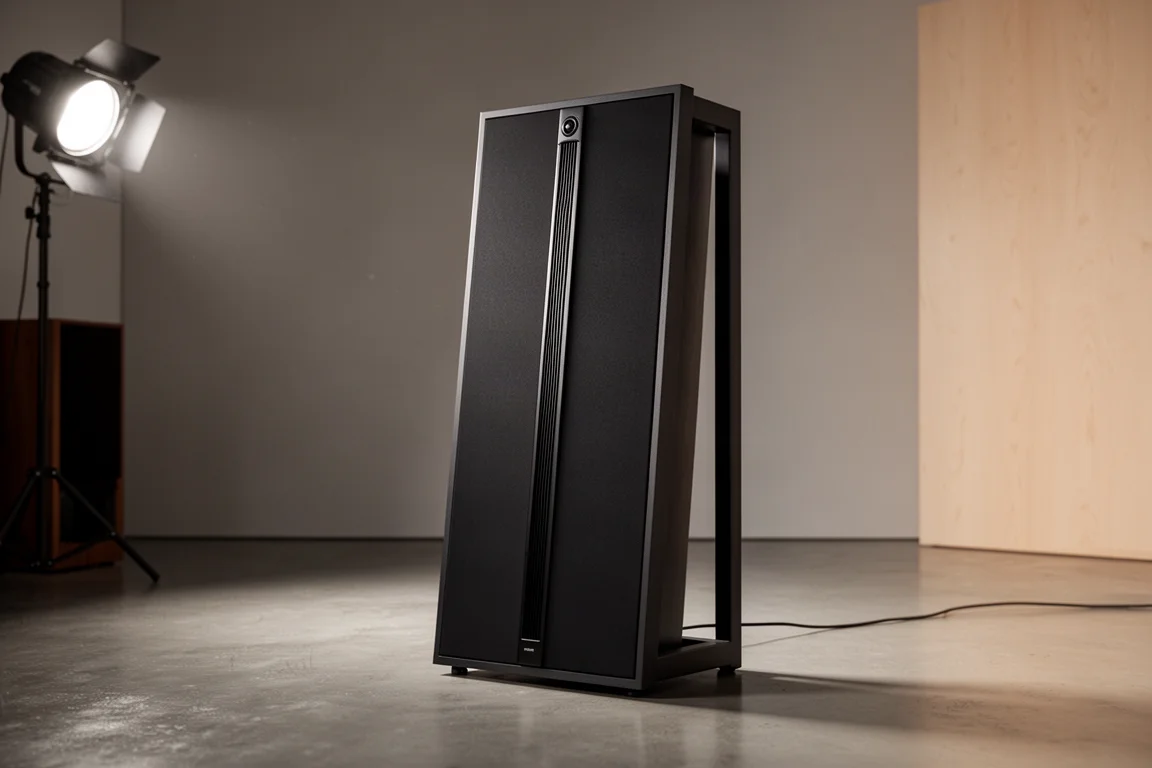
Diptyque is a French company that designs and builds its speakers in France with a small crew, hand-building each one. The DP 140 Mark 2 is a two-way design. It pairs a 21.5-inch dipole ribbon tweeter with a planar magnetic mid-woofer, and the crossover between the two sits at 1.6 kHz. The panel is a sandwich of 2 mm thick steel on the front and rear surfaces with MDF in between, and that MDF platform supports both the ribbon and the planar magnetic driver.
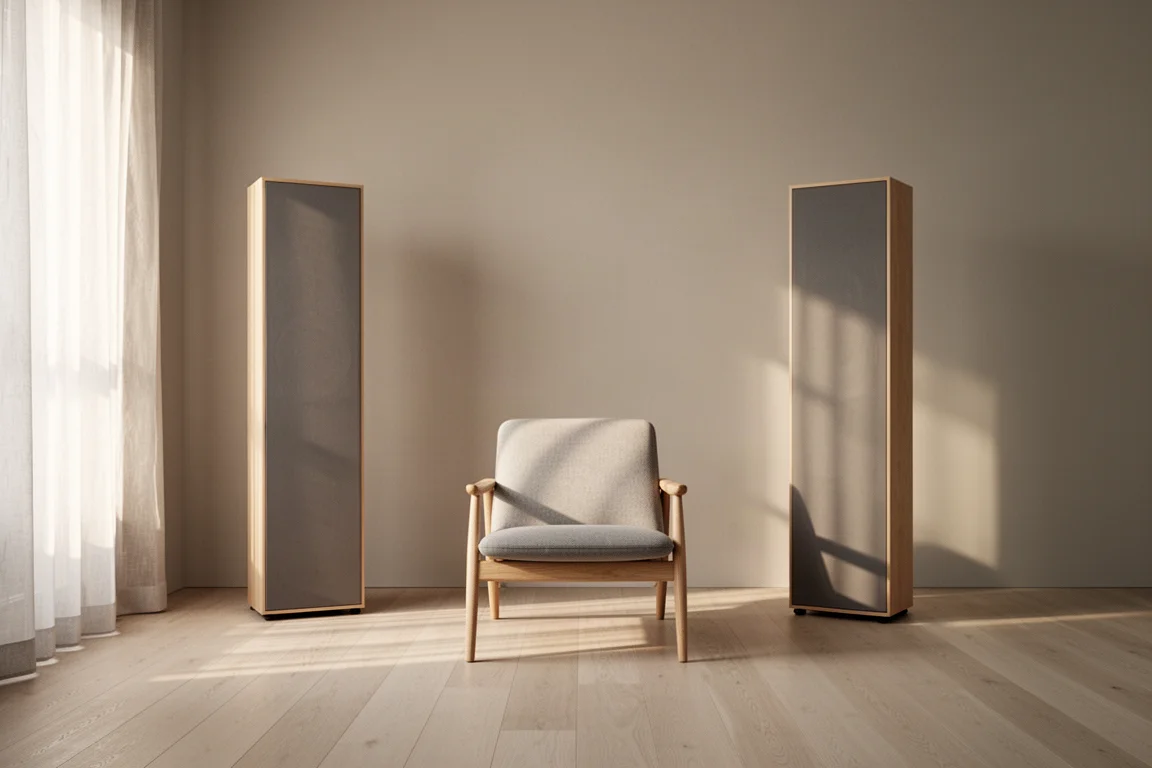
Understanding that forward-and-back radiation is the key to understanding everything else about this speaker, from its sense of scale to its very specific setup demands.
Who This Speaker Is For
The DP 140 Mark 2 rewards listeners whose collections lean toward well-recorded material. Classical, acoustic, jazz, and well-recorded rock all benefit enormously, and good recordings will sound better here than most listeners have ever imagined.
It is also a speaker with a strong point of view about recordings. It is a high-transparency, ultra-clear transducer, which means it reproduces the good and the bad with equal honesty. Bright recordings will sound excessively bright. Compressed, harsh, and heavily processed material will sound compressed, harsh, and processed. Listeners with broad tastes in heavily produced pop may find it a difficult match, while listeners who mostly play well-recorded music will find it an exceptional one.
One practical point matters more than it might seem: this is a sit-down speaker. It sounds best when the listener is seated. Stand up and the ears rise above the height of the tweeter, and the high frequencies begin to roll off, which softens the top end.
Main Strengths
The DP 140 Mark 2 is a powerful, vivid, alive sounding speaker. It delivers plenty of bass quantity and quality, reaching down to roughly 40 Hz in a room, and its soundstage is effortlessly large. With the right recordings, the focus of each instrument within that stage is as good as it gets, and the sense of hearing music from the microphone position is unusually strong.
Ribbon Tweeter Clarity and Extension
The 21.5-inch ribbon tweeter is a dipole design, radiating as much sound from its back as from its front, and it uses neodymium magnets. In listening it comes across as remarkably clear, extended, and pure, with low distortion. It lets a listener hear deep into the high frequencies of a recording with rare precision.

That clarity is a large part of the speaker’s character. It is also the reason the speaker is so revealing of what a recording actually contains.
Bass, Dynamics, and Room-Filling Sound
The planar magnetic mid-woofer uses a push-pull magnet arrangement, with magnets on both the front and the rear of the membrane. Placing magnets on both sides puts the membrane under greater control than a single-sided layout, and that control is audible in the composure of the driver.
There is real drama here. On a live recording, the sense of charged air in a hall before a concert, that electricity of an audience waiting for a favorite band, comes through convincingly. Electric guitars carry their edge and bite. On a well-recorded jazz album played at realistically loud levels, the speaker tracks large and small dynamics happening at the same time, and small details such as a bass player’s fingers on the strings become almost visible in the mind’s eye. Separation of instruments is spectacular, with each one isolable in the way it would be standing close to the players.
Things to Consider Before Buying
Setup deserves serious planning. As with most dipole speakers, the DP 140 Mark 2 was positioned around a meter from the wall behind it, with roughly 10 feet between the speakers center to center and the same distance to the listening position, forming an equilateral triangle. The speakers do need to be toed in toward the listener.
Placement Demands Patience
This speaker is unusually sensitive to small changes in position. Moving the speakers closer together, sitting closer to them, spreading them further apart, and adjusting the toe-in each produced a different sound, and every promising position was marked on the floor with masking tape while the search continued. With most good speakers, patience and experimentation eventually settle into a final position. Here the process took longer and each step changed the sound more.
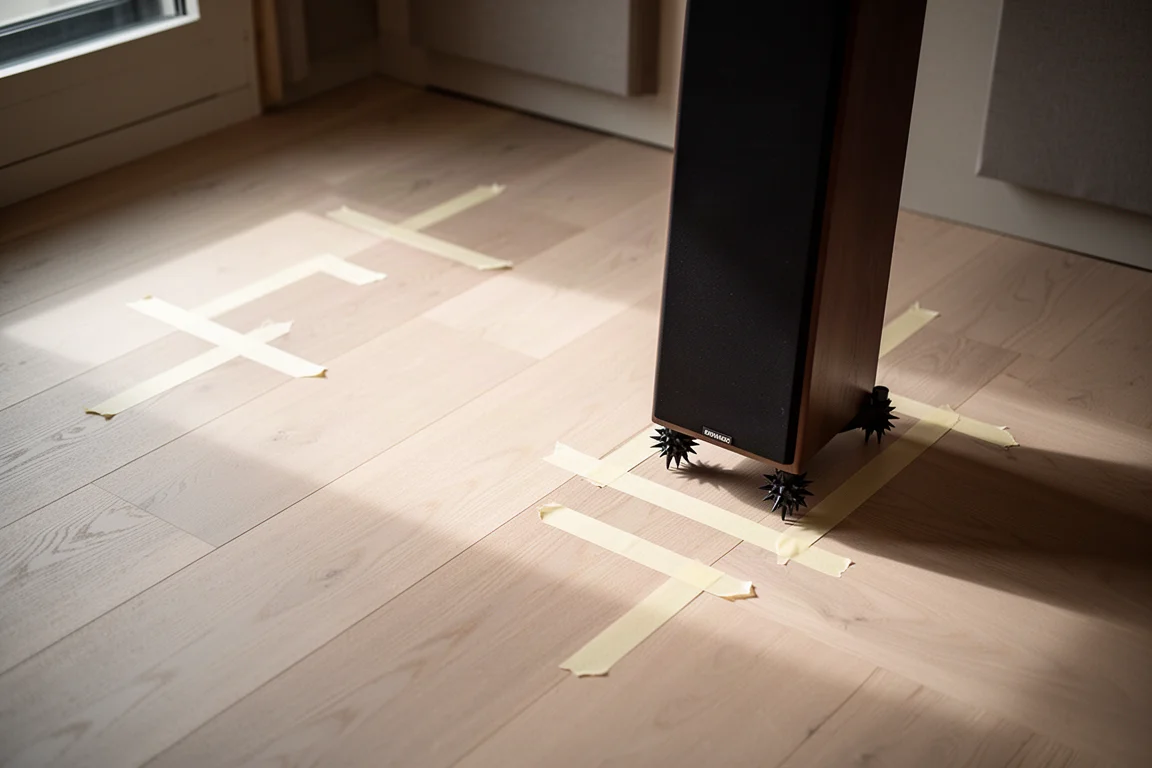
The lesson is not that the speaker is difficult for its own sake. It is that a dipole radiating forward and back interacts with the room in ways a box speaker does not, so the reward for careful placement is correspondingly larger.
Recordings Are Laid Bare
Transparency cuts both ways. The same clarity that makes great recordings thrilling makes poor ones hard to sit through. Bright recordings will be excessively bright, and compressed or harsh material will sound compressed and harsh, with every liability more apparent than it would be through most speakers.
There is some room to manage this. Pairing the speaker with a tube power amplifier smoothed the sound enough that less-than-perfect recordings became easier to live with. It does not change what the speaker is, but it does widen the range of material that stays enjoyable.
Buying Advice
The DP 140 Mark 2 is handcrafted in France and priced at $117,000 a pair, with a three-year warranty. That places it well above the most affordable model in the Diptyque range, the DP 77, which sells for $5,000 a pair.
Ownership is more practical than the price might suggest. The ribbon and the planar magnetic panel are user replaceable, so if the worst happens the speakers do not have to be shipped back to France. The work can be done by the owner or by a dealer.
It is also worth knowing what the alternatives do differently. Planar magnetic speakers from Eminent Technology, the LFT-8B and LFT-8C, use a planar magnetic midrange and ribbon tweeters with 8-inch cone woofers, and cost less than a third as much. They are smaller sounding, cannot fill a room as completely, and offer less bass and less dynamic range, but they remain worth considering at their price.
An open baffle reference such as the Pure Audio Project Duet 15S takes the opposite approach. It costs roughly $110,000 less, and it is the more dynamically alive speaker of the two, with a warmer midrange, less high-frequency information, and richer bass from its 15-inch woofers. What it cannot match is resolution. The DP 140 Mark 2 is far more transparent and see-through, and that gap is the reason to choose it.
Conclusion
More than any other speaker, the Diptyque DP 140 Mark 2 plays the room. It fills a space with music and sound in a way that is difficult to describe until it has been heard, and the drama, liveness, and energy of an original event come through more completely than with most designs. It asks for careful placement, a seated listener, and well-recorded music in return. For listeners who can meet those conditions, it is a remarkable speaker.
Product link
View more details for Diptyque DP 140 Mark 2
This product is mentioned in the review. Check the specifications, options, and compatibility before buying.
View more details for Diptyque DP 140 Mark 2Further reading
Related Reviews
Speakers
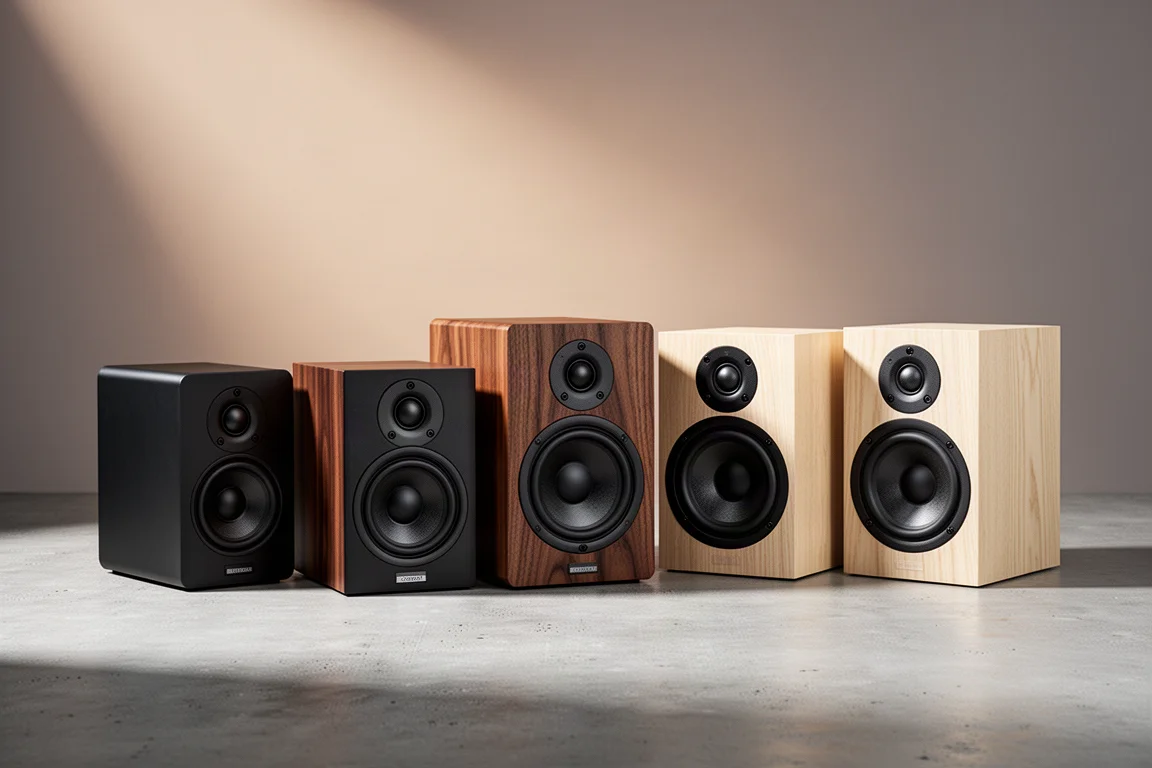
13 Under-the-Radar Speakers Still Worth Buying
Thirteen speakers that quietly stayed in production while newer models took the spotlight, from budget bookshelf pairs to a full-size tower.
Speakers
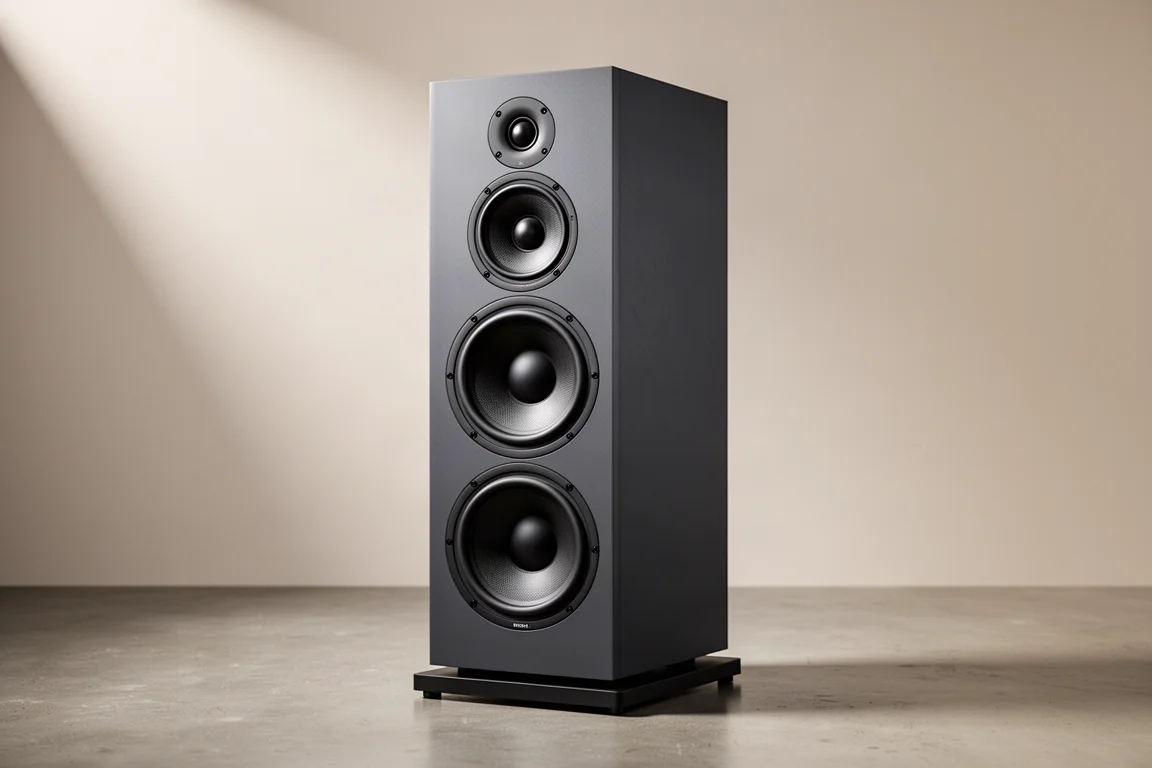
Arendal 1528 Monitor 8 Review: A Three-Way Standmount With Serious Dynamic Headroom
A three-way standmount speaker with extremely low distortion, high output capability, and deep bass for its size, plus the setup details worth knowing before buying.
Speakers
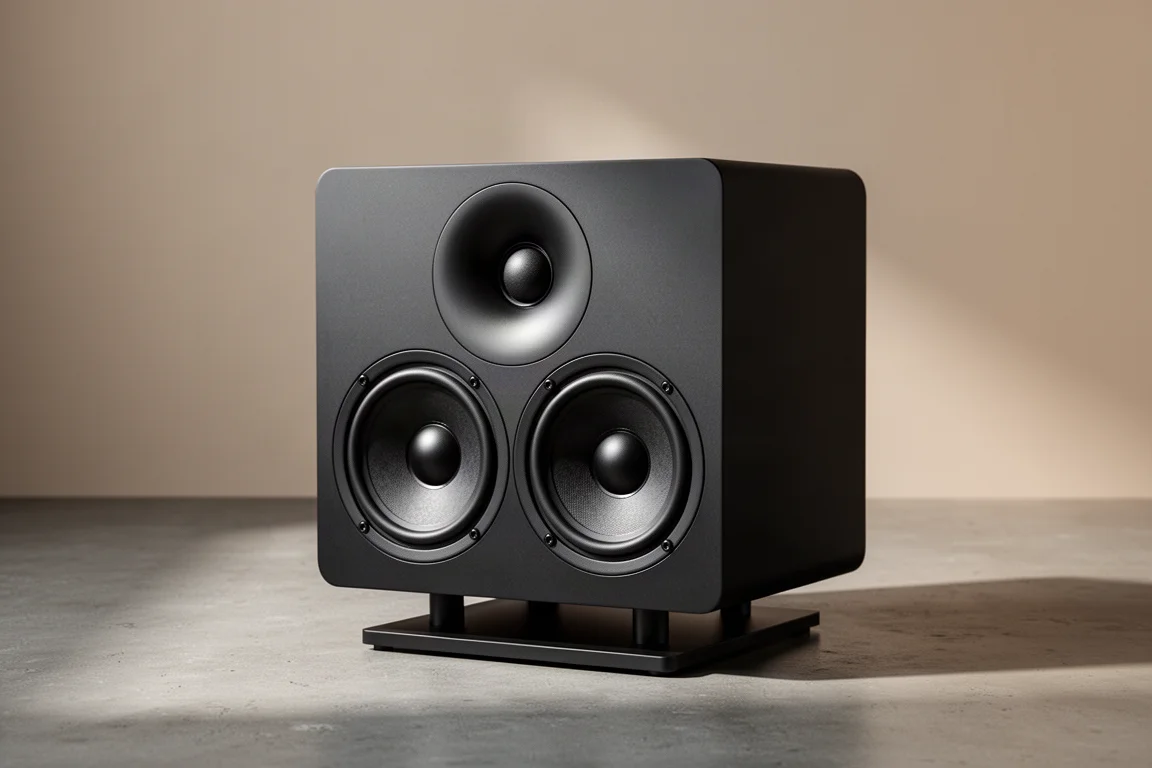
Arendal 1723 Monitor S Review: A Compact Monitor With Serious Ambition
A close look at the Arendal 1723 Monitor S, a compact MTM monitor with a waveguide-loaded tweeter, an HDF cabinet, and flexible ported or sealed operation for music and home theater.