Cookbooks
Dinner by Meera Sodha: First Impressions After Cooking Two Recipes
We read Dinner cover to cover and cooked two dishes from it. Here is what the book gets right, where it frustrates, and who it might suit.
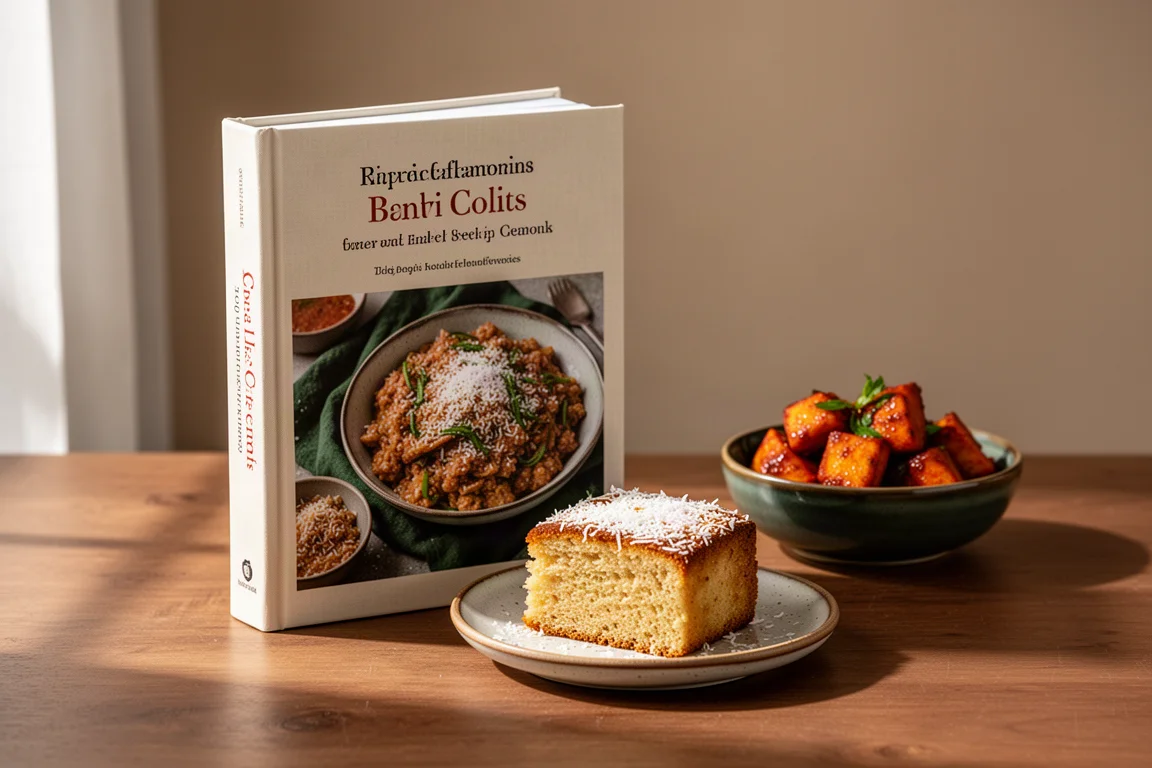
Introduction
Dinner is Meera Sodha’s fourth cookbook, and we approached it the way we handle every first taste: reading it cover to cover, tagging everything that caught our eye, then picking just two dishes to cook for a real weeknight dinner. The goal is a genuine initial impression, not a full week-long review, and it also helps us decide whether a book earns a deeper look later.
The two dishes we chose were the chili paneer, Korean style, and the coconut and cardamom dream cake. Both looked like the kind of recipes that would tell us what this book is really about. The short version: the ideas are excellent, the execution of the recipes left us frustrated in places, and the results were mixed.
Who Is Meera Sodha?
If you know Sodha at all, it is probably from Made in India, her 2014 debut built around her mother’s recipes, many of which had never been written down before. Fresh India followed in 2016, and East arrived in 2019 or 2020. Dinner is her fourth book, arriving about five years after East. She has also written the Guardian’s vegan column, The New Vegan, since 2017.
The backstory matters here. In the book’s introduction she describes a serious stretch of burnout between her third and fourth books, a period where she struggled to feel motivated in the kitchen at all. The recipes that brought her back were deliberately simple ones, documented in what she calls her orange notebook, and that notebook eventually became this book. That origin explains both the book’s greatest strength, its approachability, and one of its weaknesses, which we will get to.
How the Book Is Organized
The title gave us nothing to go on, but the structure is genuinely thoughtful. Most sections are organized around a single ingredient, which reflects how Sodha thinks about dinner: you have an eggplant to use up, so eggplant becomes the focus of the meal. There are also seasonal recommendations and an alternative contents list for when you need something quick, a one-pot or one-pan meal, or a curry. Desserts get their own section, called Happy Endings.
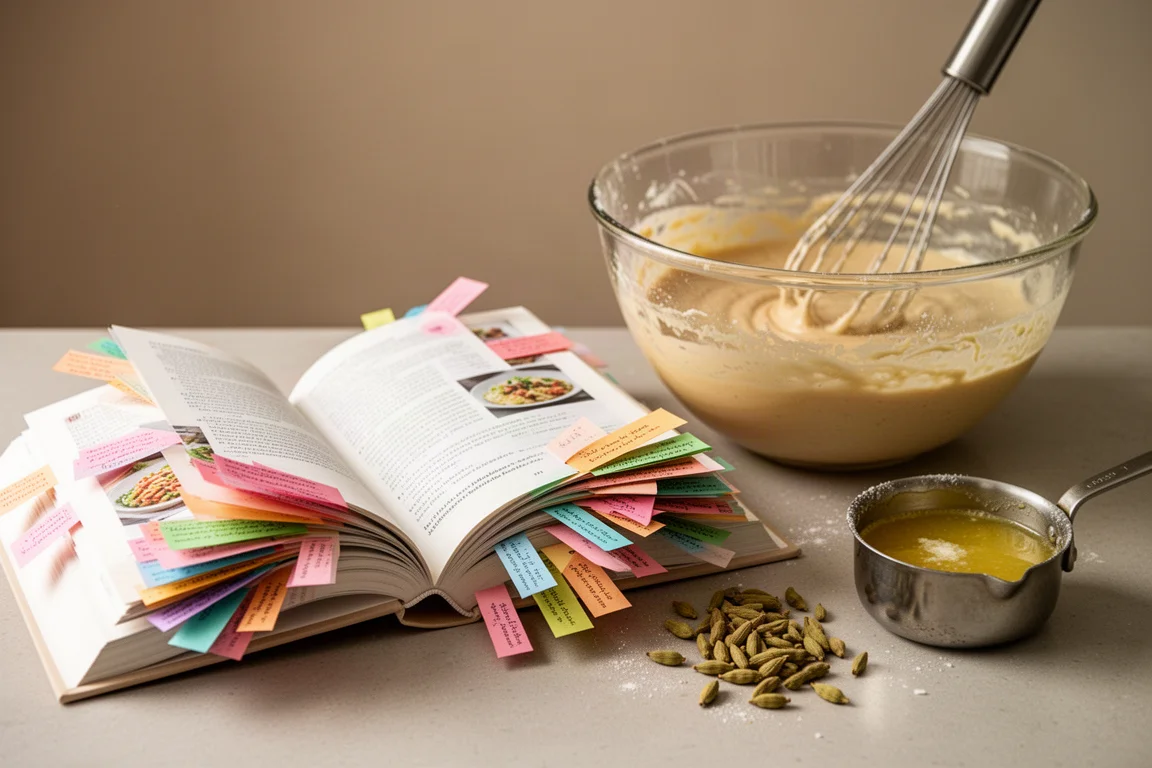
It is worth clarifying one thing up front: this is not strictly a vegan cookbook. It is vegan and vegetarian, and the front of the book includes a helpful key showing which recipes are vegan, vegan optional, dairy-free, gluten-free, or simply vegetarian, with a small marker at the bottom of each recipe. Of the 120 recipes, 108 are marked vegan, 7 dairy-free, and 61 gluten-free. The counting left us slightly puzzled, since vegan recipes are not necessarily counted as dairy-free, but the at-a-glance system itself is one of the more useful navigation tools we have seen in a book like this.
What drew us in most was the cultural range. There is inspiration from Thailand, China, Japan, Egypt, Iran, Singapore, Korea, Pakistan, India, Italy, and France, often applied as a twist on something familiar. Our stack of tags ran three rows deep.
Recipe One: Coconut and Cardamom Dream Cake
We started with the cake because it was the biggest time commitment, and it is where our enthusiasm for the book took its first hit. The recipe calls for whisking eggs and superfine sugar to the ribbon stage, described as thick enough to hold its shape when drizzled back on itself. That description did not match the more common definitions we found elsewhere, and in practice we spent far longer than the stated four to five minutes second-guessing whether we had arrived.
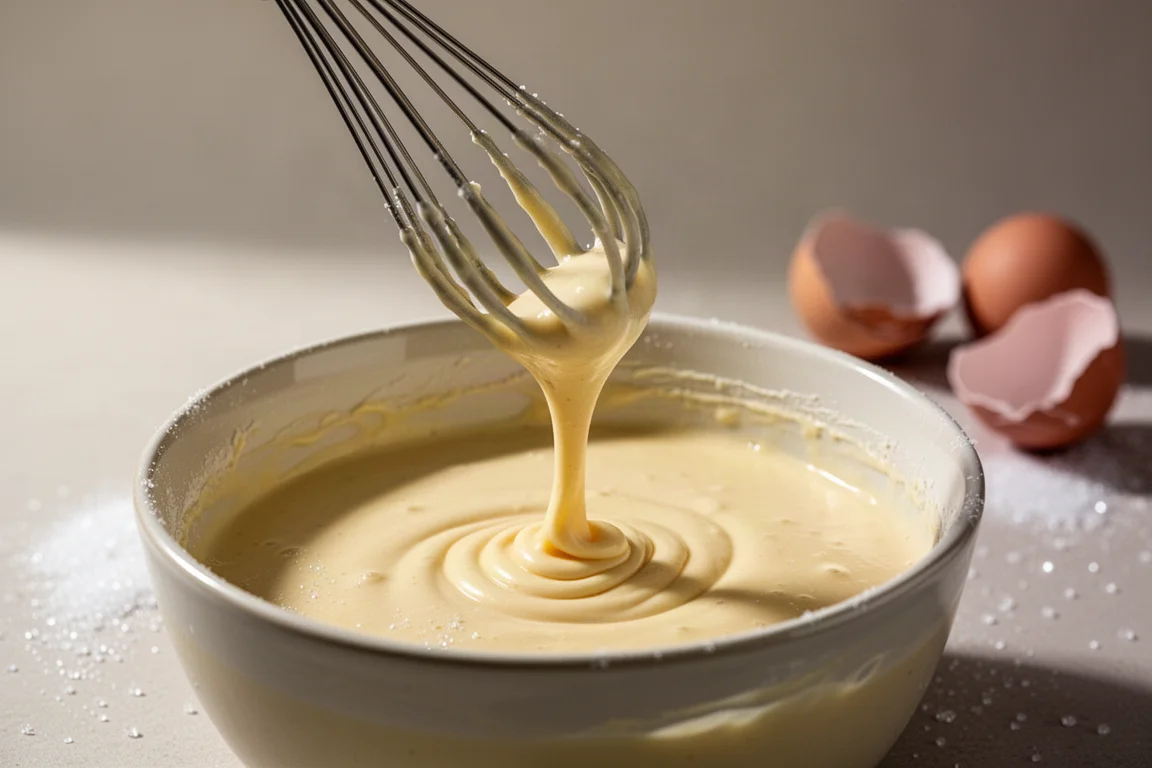
More frustrations stacked up from there. The measurements are given in cups rather than grams, which made the coconut topping feel needlessly fiddly. The recipe specifies an eight and a half inch cake pan, a size we had never heard of and could barely find listed online; we used a nine. The batter came out extraordinarily loose, the melted butter resolidified during folding, the cake began leaking in the oven, and the instructions simply said to bake for a further 25 minutes with no doneness test at all.
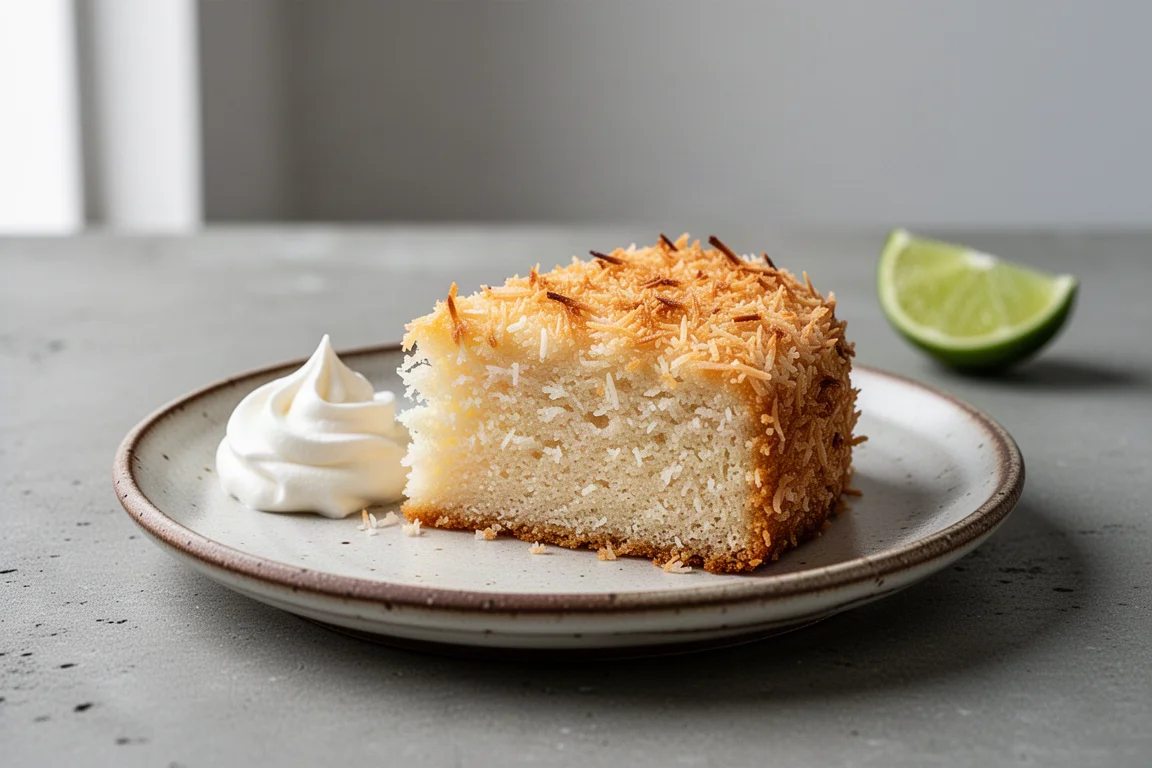
And yet. Once cooled, the cake delivered a crackly, almost caramel-like toasted coconut crust that ran all the way down to the base, and the cardamom came through beautifully. With whipped cream it was genuinely tasty, just under-seasoned on lime. The lime barely registered, and the whole thing leaned heavily toward coconut. We scored it a six out of ten: a light pass with real charm, but a recipe we would tweak, adding more lime or a fruit element, and cook differently next time. The cooling time, close to an hour and a half, is the single biggest scheduling constraint.
Recipe Two: Chili Paneer, Korean Style
The paneer dish was faster and simpler on paper, with a stated cook time of about 25 minutes, and the components themselves worked well. Crispy fried paneer cubes, a sauce built from light soy sauce, water and honey in place of brown rice syrup, garlic fried in the same pan, all finished with a large batch of greens cooked until dark, rich, and oily.
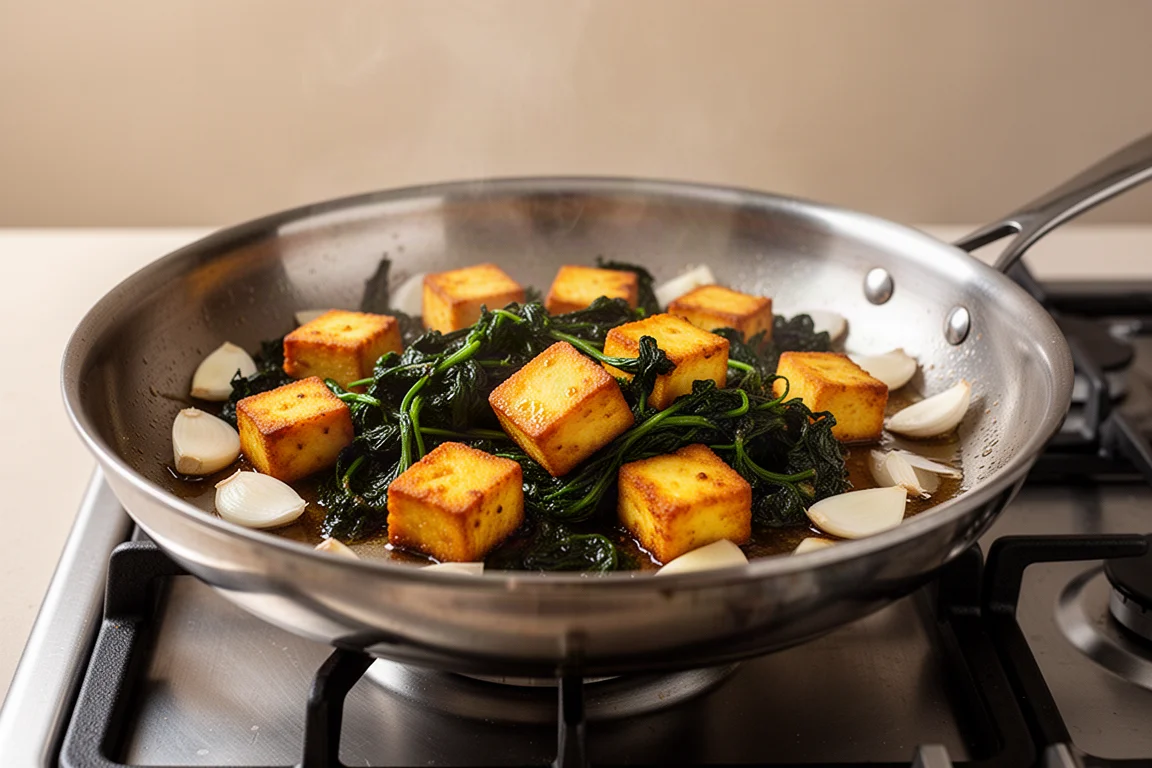
The problem was the greens. Everything on the plate trended bitter: the greens were bitter, the sauce absorbed the bitter greens water, and the whole dish flattened out as a result. The paneer itself was lovely, and bites of cheese with sauce alone were fine, but the moisture from the greens had soaked into everything. We landed on a four out of ten, which stings because the dish looked like seven or eight out of ten potential. Blanching or separately wilting the greens before they hit the pan would likely fix a lot of it.
It was also another case of instructions that read fine on the couch and fall apart in the kitchen. Vague finish points, like what the sauce should look like when it is done, left us guessing. Honestly, the idea is strong enough that we would rather build our own quicker, fresher, more herbal version of it than cook this exact recipe again.
So Who Is This Book For?
After cooking out of it, our feelings shifted in a specific direction: we are more into the ideas than the way the recipes are written. Dishes like the eggplant kofta in tomato and spinach sauce, the chickpea flour pancakes with coconut curry, the shredded salt and vinegar potato salad, the oyster mushroom lop with sticky rice, and the fennel and dill dhal still sound compelling, but we would treat them as inspiration rather than cook them exactly as written.
If you already cook confidently and want a wellspring of vegetarian and vegan dinner ideas with serious cultural range, this book has a lot to offer. If you need precise, reliable instructions as a less experienced cook, this first taste suggests you may hit the same walls we did. Sodha has one more book expected under her original deal, so her catalog is still growing, and many of her recipes are freely available through her Guardian column if you want to sample her cooking before committing.
Conclusion
Dinner by Meera Sodha is a book we admire more than we loved on this first pass. The organization, the vegan and vegetarian labeling system, and the sheer breadth of ideas are genuinely impressive, and the coconut and cardamom dream cake alone earns it points. But the measurement choices, vague finish points, and the bitter outcome of the paneer dish made both recipes harder to cook than they needed to be. This is not a book getting a full review from us soon, but we suspect we will return to it for inspiration, and for the right kind of cook it could still be a rewarding shelf companion.
Product link
View more details for Dinner by Meera Sodha
This product is mentioned in the review. Check the specifications, options, and compatibility before buying.
View more details for Dinner by Meera SodhaFurther reading
Related Reviews
Cookbooks
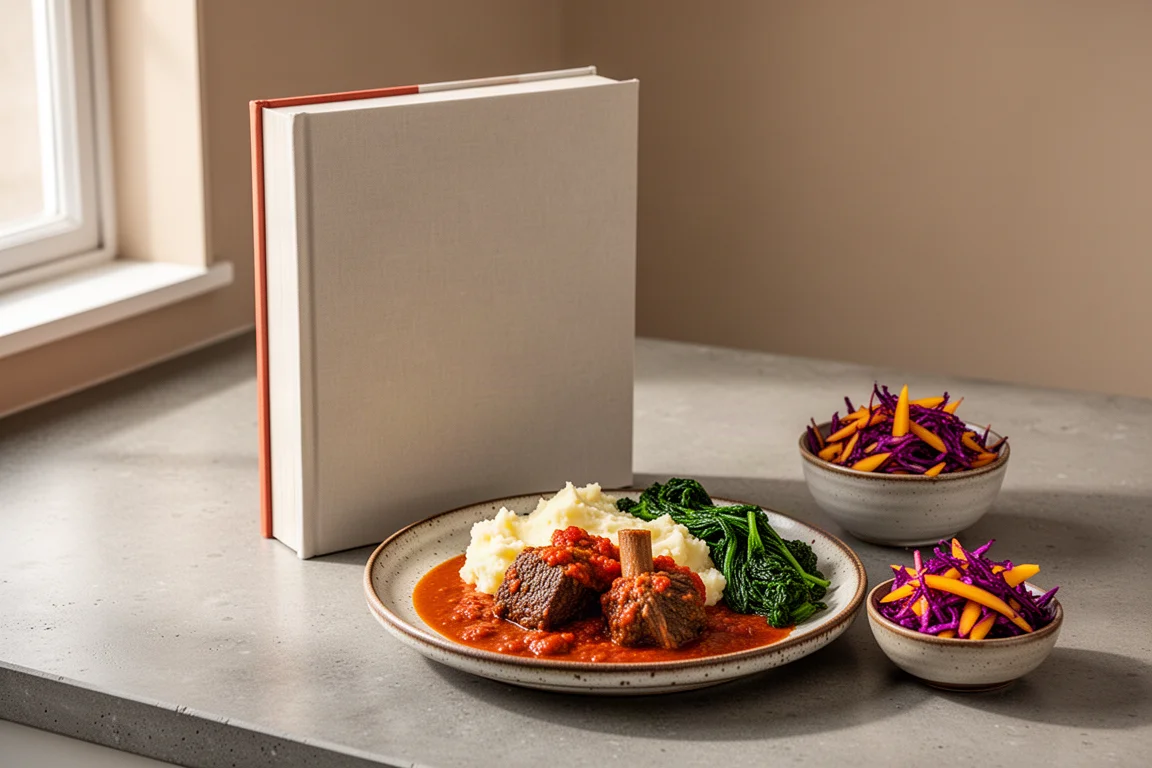
Africana Cookbook Review: A Pan-African Journey Worth Cooking Through
We cooked 13 dishes from Africana by Llorado Umashayor over one week. Here is what worked, what stumbled, and who this beautiful cookbook is really for.
Cookbooks
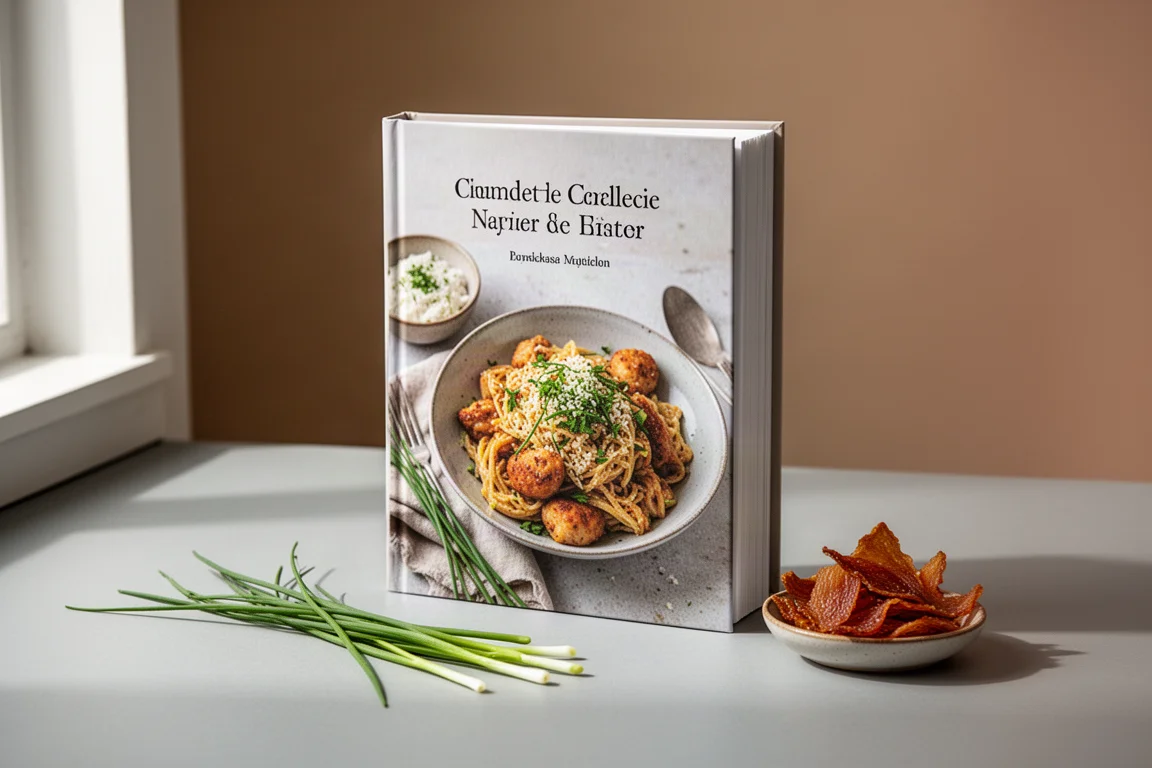
By Heart by Haley Catalano: First Look at a Calm, Practical Cookbook
We cooked two recipes from By Heart by Haley Catalano, including a tomato-based sandwich and chicken fat mashed potatoes, to see if the book's calm, detail-first approach holds up in a real kitchen.
Cookbooks
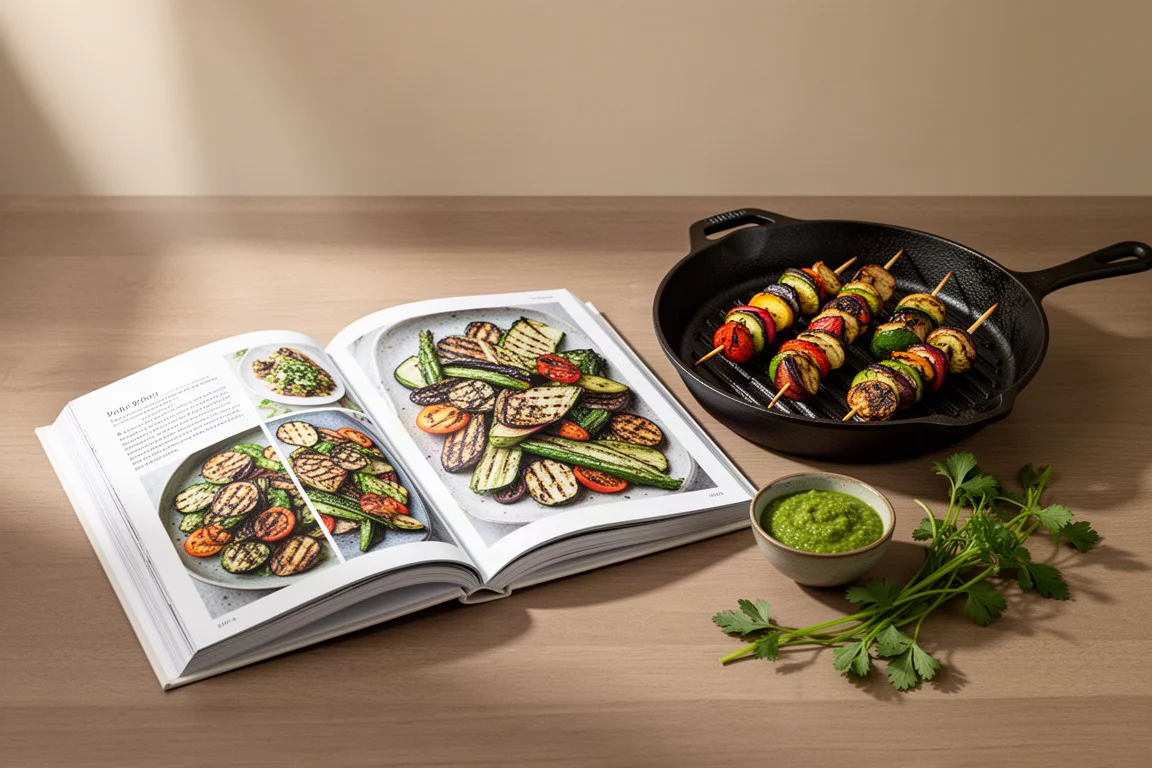
Charred by Genevieve Taylor Review: Vegetable Grilling Beyond Corn and Halloumi
We cooked 11 recipes from Charred over four days. Here is what works, what falls flat, and whether the book earns a spot on your shelf.