Camping Tents
Diamond Brand USMC Combat 2 Tent Review: A Four-Season Military Shelter
A close look at the Diamond Brand USMC Combat 2, a two-person, four-season military dome tent with a reversible fly, burly 70 denier nylon, and a near-10-pound packed weight.
Introduction
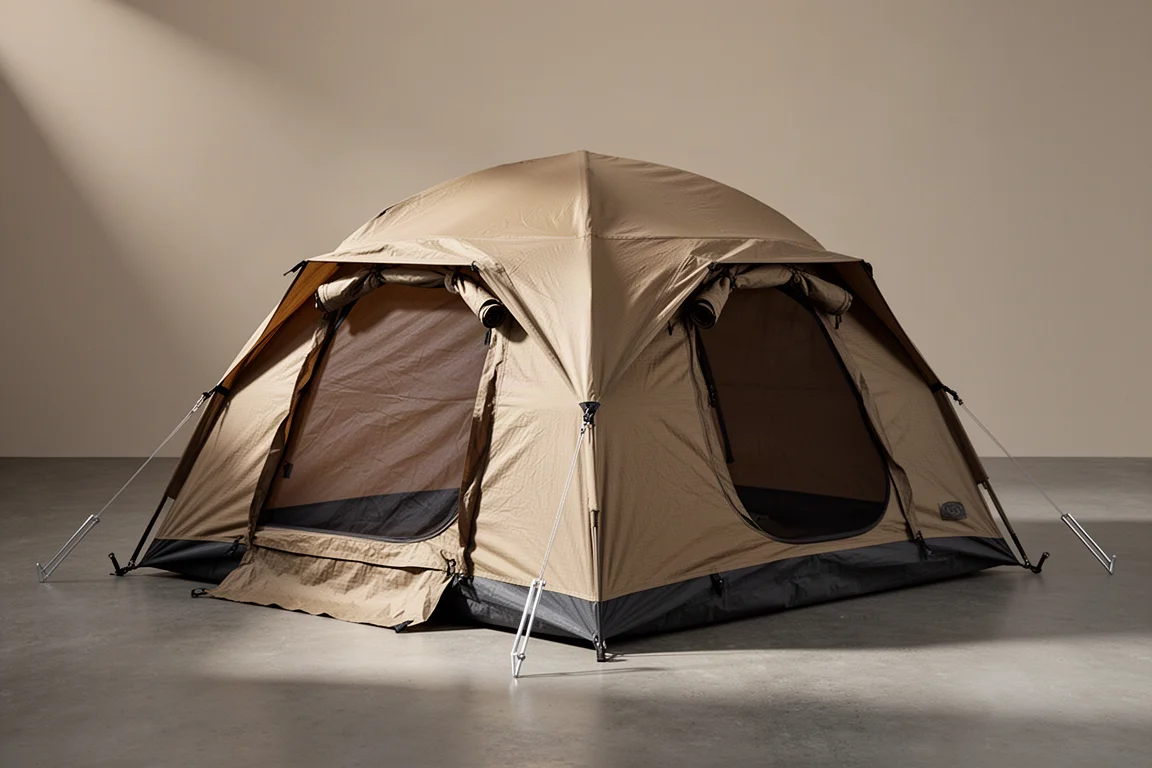
The USMC Combat 2 is a two-person dome tent built for the United States Marine Corps and manufactured by Diamond Brand. It is a four-season shelter with a heavy-duty build, a reversible fly, and interior space that is unusually generous for a tent of this type. At close to 10 pounds and roughly 24 inches long when packed, it is not a lightweight option. It is, however, a serious piece of equipment with a very clear purpose.
This review covers what the tent is made of, how it goes together, how much room it offers, and what the current price picture looks like.
Who This Tent Is For
The Combat 2 is best understood as a roomy, weather-focused shelter rather than a backpacking tent. It measures 84 inches long, 59 inches wide, and 45.5 inches tall, which makes it a genuine two-person tent: two full-size sleeping pads fit comfortably, and both occupants can sit up inside at the same time. There is a pocket at each end and a storage caddy up top, so gear has somewhere to live rather than ending up underfoot.
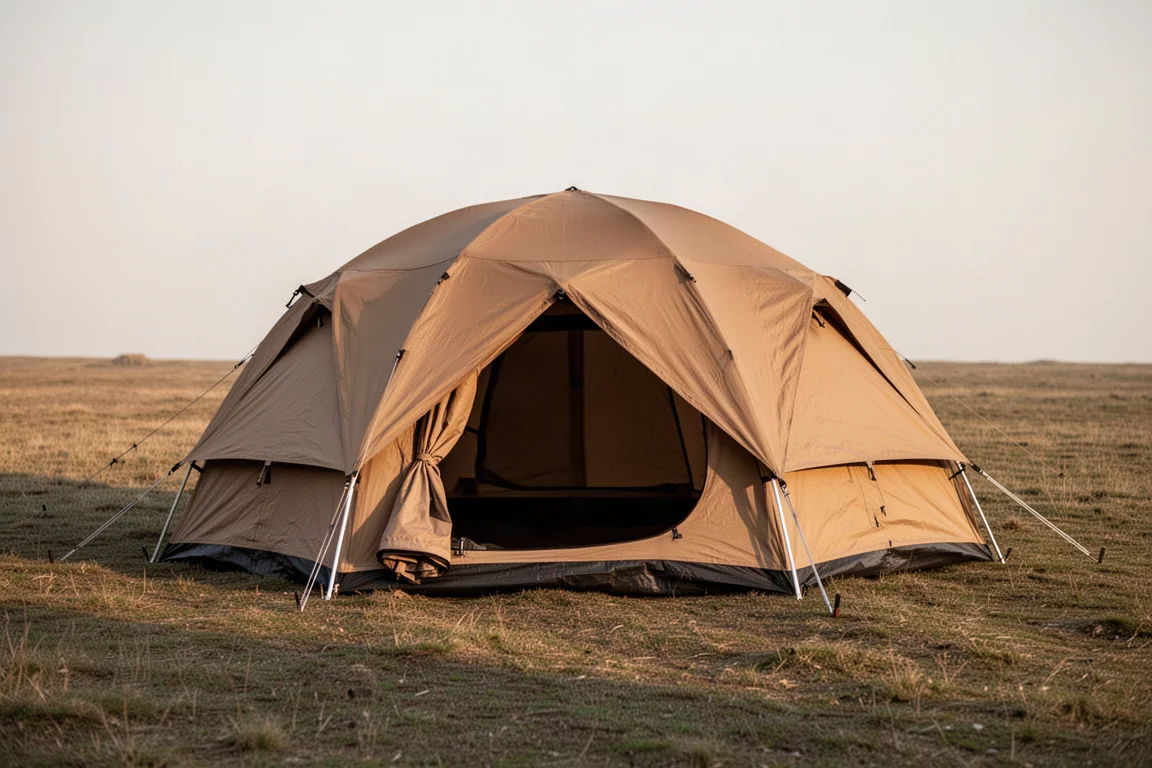
That combination of height, width, and length points to campers who want space and durability more than they want a low pack weight. It also makes the tent relevant for cold-weather and stormy-weather trips, where a tall, sturdy shelter with a full-coverage fly is often worth carrying a few extra pounds for.
Main Strengths
The materials are the headline. Both the fly and the body use 70 denier nylon, and the fly is a ripstop fabric treated with polyurethane. The body uses the same 70 denier nylon but is not polyurethane treated. The result is a tent that feels substantial in hand, with fabric thickness and strength that stand out immediately.
The fly is reversible, which is genuinely unusual. One side is tan and the other is woodland, and the fly is blackout capable. The woodland side includes a rain flap and storm cover over the zipper, while the tan side does not.
Other practical details include taped seams, no-see-um mesh on the doors, aluminum poles, and aluminum stakes. The tent ships with the body, the fly, a fly storage bag, three aluminum poles, 12 stakes, a repair kit, a gear loft, and a main storage bag.
Design and Setup Process
Setup is workable but not quick. The tent uses three aluminum poles, all the same size, which feed through sleeves on the body. Those sleeves are not continuous: there are gaps between segments, and on a tent this large the gaps sit fairly far apart. Threading each pole means maneuvering to reach every gap in turn, which takes time and patience.
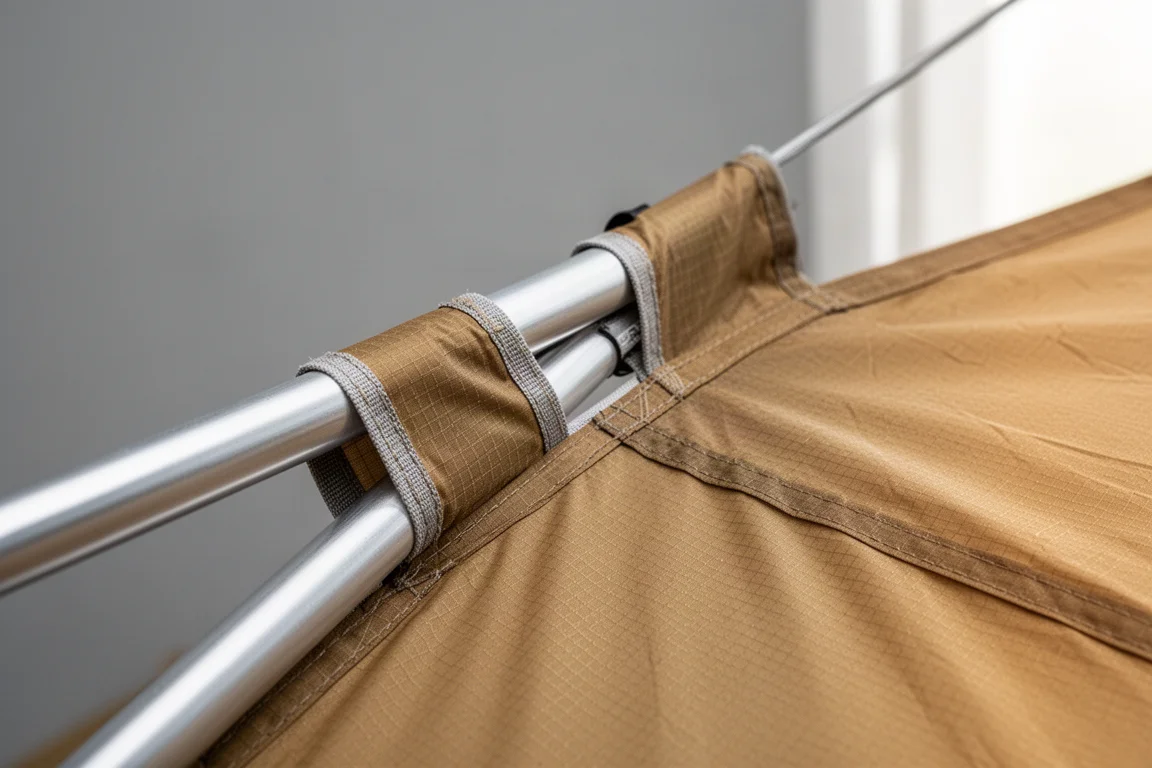
The fly adds another step. Because of the way the tent is designed, the fly has to be oriented a specific way, and getting it wrong means starting over. Velcro straps then connect the fly to the body. None of this is beyond a reasonably experienced camper, but it is a process rather than a quick pitch.
Interior Space and Ventilation
Inside, the scale of the tent is the first thing that registers. It is tall, wide, and long, and it holds two people plus gear without feeling crowded. The doors have mesh sections, and that mesh is the main path for airflow.
There are no dedicated vents on this tent, so in practice most air movement comes through the doors. That is worth knowing if you plan to keep the tent fully closed in warm, humid conditions. The flip side is that the mesh door panels let you keep air moving even when the tent is otherwise hunkered down, and the doors can be closed off when storms or blowing snow make that necessary.
The floor is an aggressive bathtub design, which helps keep ground water out. Its height is worth checking if you have mobility concerns, since stepping over a deep bathtub floor takes a little more effort than a shallow one.
Materials and Weather Protection
The fly is a 70 denier ripstop nylon with a polyurethane coating, and the seams are taped. The body is the same 70 denier nylon without the polyurethane treatment, so the fly is doing the heavy lifting when the weather turns. Both doors carry no-see-um mesh.
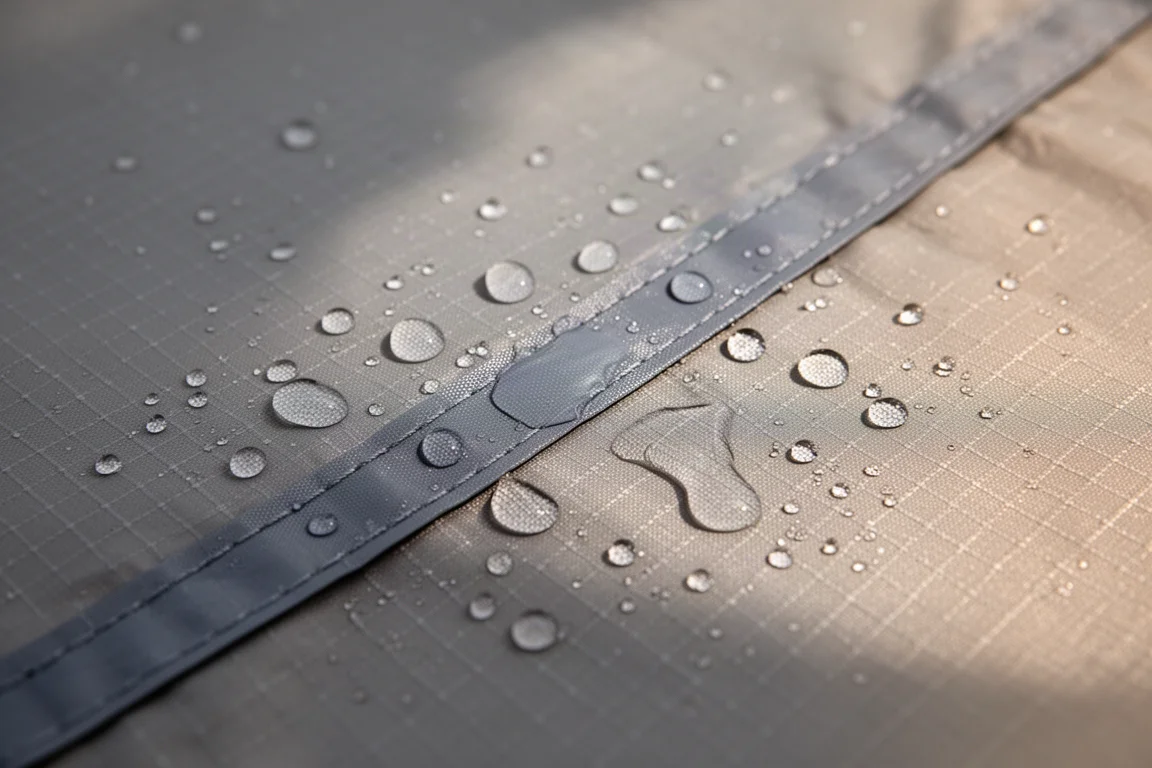
The reversible fly raises an interesting question about weather performance. The woodland side has a rain flap and storm cover over the zipper, while the tan side does not, so the two orientations are not identical in how they shield the zipper. Anyone planning to run the tan side facing out should be aware of that difference.
Things to Consider Before Buying
Weight and bulk are the first trade-off. At close to 10 pounds, packed around 24 inches long with a roughly 7 by 7 inch profile, this is a large, heavy package. It is not a tent you would choose for long-distance backpacking.
Setup time is the second. Partial pole sleeves and a fly that must be oriented correctly make pitching slower than many simpler military and civilian designs.
Third, guy lines are not included. The tent is tall, and in wind it needs to be staked out and tensioned properly. You will want to supply your own cord, and you should plan to use it rather than hope for calm conditions.
Finally, the bathtub floor height and the absence of dedicated vents are both worth weighing against how you actually camp.
Buying Advice
The retail price from Diamond Brand is around $250. The military surplus market for this tent has tightened considerably over the years: where used examples were once easy to find for very little money, a used surplus Combat 2 now commonly sells for around $200, which is close to the cost of a new one. At that spread, buying new is worth serious consideration.
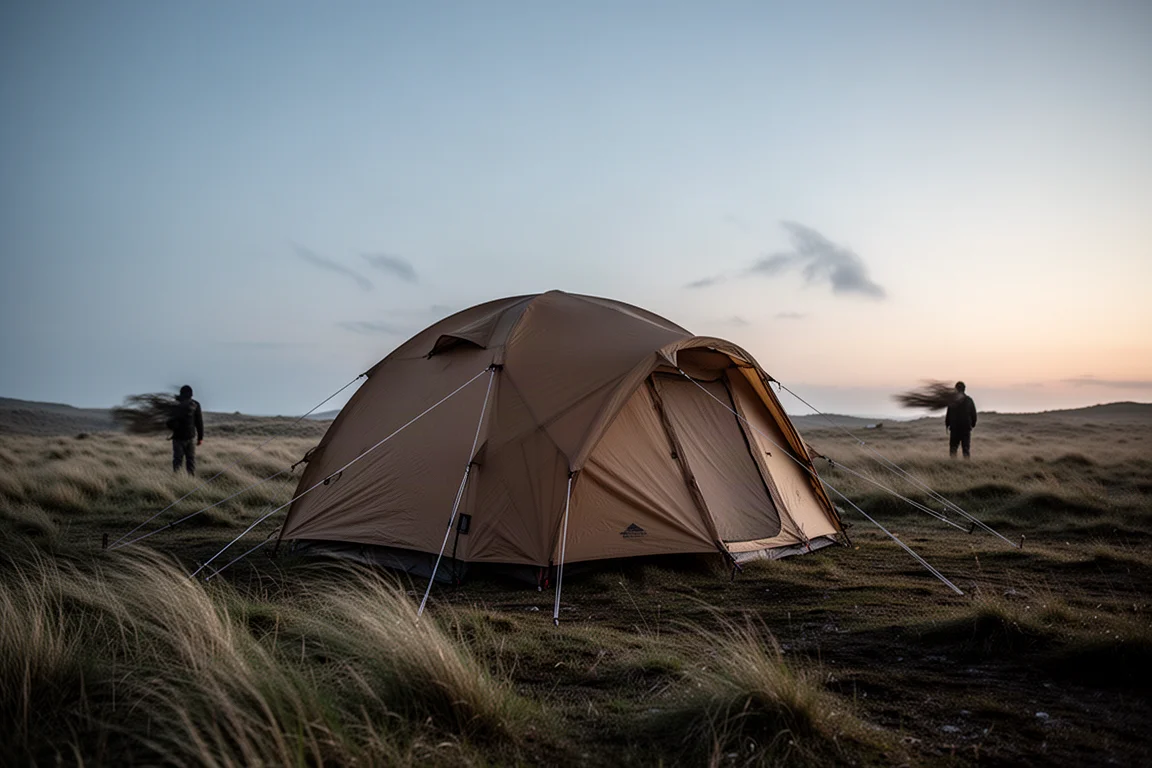
It also helps to know that the design has had more than one manufacturer. The military owns the intellectual property, and the government periodically seeks companies to produce the tent. Eureka has made Combat 2 tents, Diamond Brand has made them, and Light Fighter is a current maker. From what is known, the versions are virtually the same, with very little difference between them. If you find a used example from another maker, it is likely to behave much like this one.
Conclusion
The Diamond Brand USMC Combat 2 is a big, heavily built, four-season two-person dome tent with a reversible, blackout-capable fly and genuinely roomy interior. It asks for patience during setup and a willingness to carry nearly 10 pounds, and it expects you to bring your own guy lines and use them.
For campers who prioritize space, thick 70 denier fabric, and storm-ready coverage over pack weight, it is a coherent choice. For anyone counting ounces or wanting a fast pitch, the trade-offs are real and worth taking seriously before you buy.
Product link
View more details for Diamond Brand USMC Combat 2 Tent
This product is mentioned in the review. Check the specifications, options, and compatibility before buying.
View more details for Diamond Brand USMC Combat 2 TentFurther reading
Related Reviews
Camping Tents
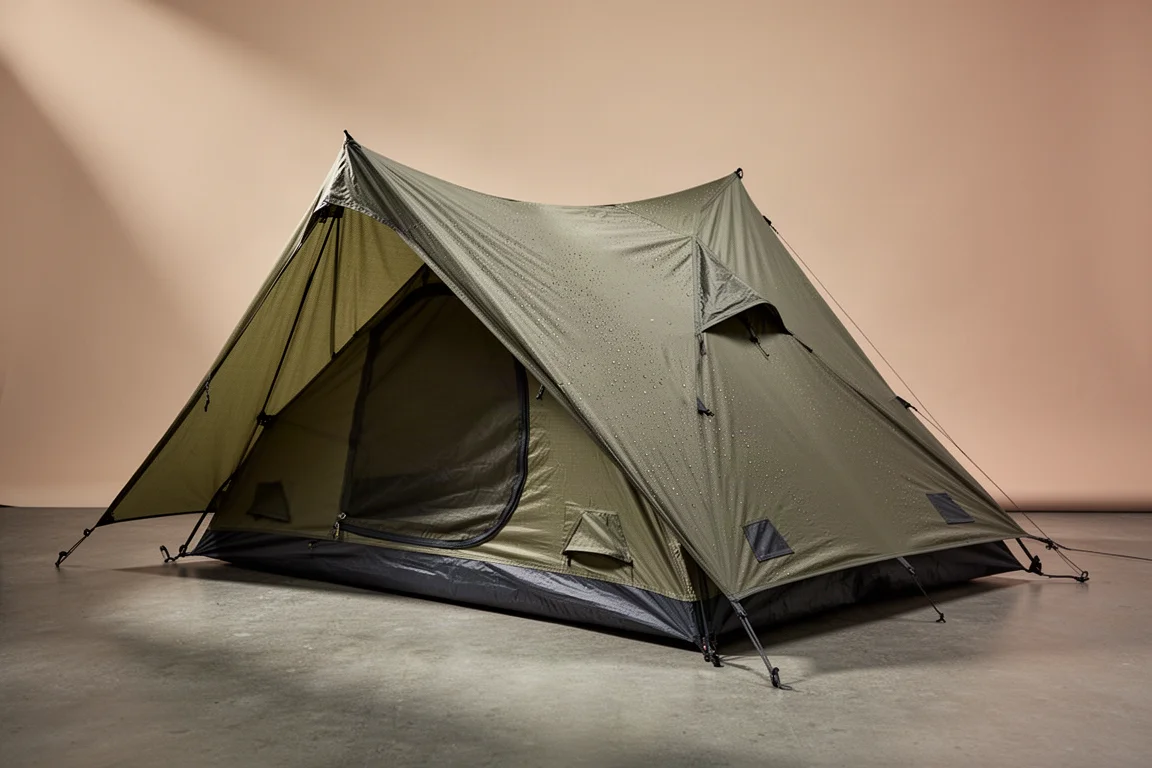
3F UL Gear Taiji Two-Person Tent Review: Field Waterproofing Results and Buying Advice
The Taiji pairs an attached fly with a removable inner, but sustained rain exposed untaped vent seams that need sealing before this shelter can be trusted.
Camping Tents
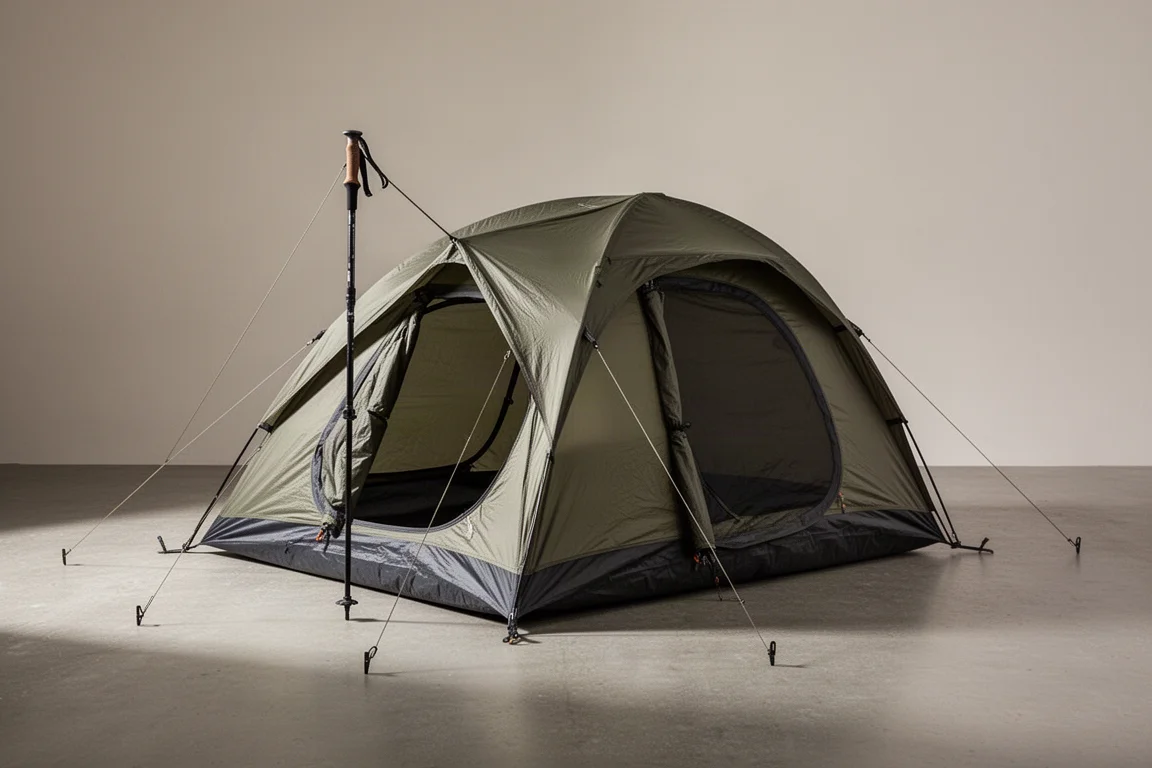
3FUL Gear Lanshan 2 Pro 4-Season Review: A Sub-$200 Single-Wall Trekking Pole Tent
An early look at the 3FUL Gear Lanshan 2 Pro 4-Season, covering its straightforward pitch, generous interior space, and the condensation and seam-sealing questions that come with any single-wall shelter.
Camping Tents
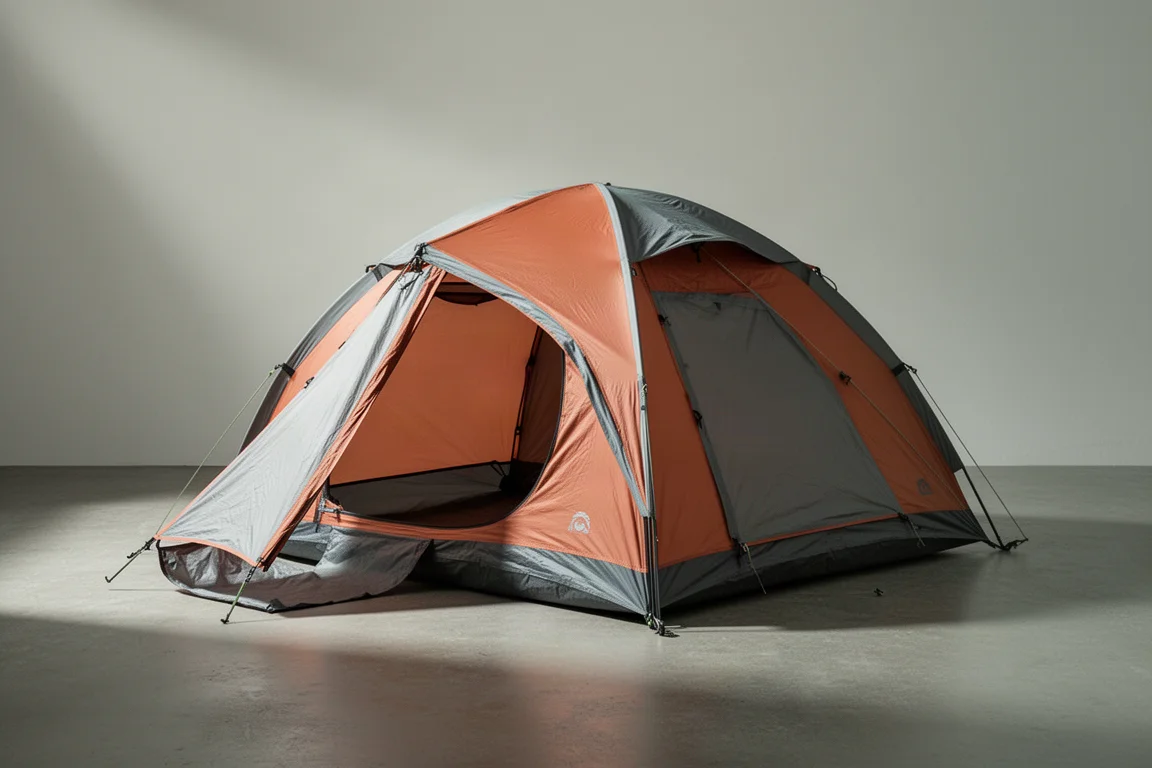
Alps Mountaineering Lynx 1-Person Tent Review: Big Value in a Small Budget Tent
A close look at the Alps Mountaineering Lynx 1-Person Tent, covering real interior dimensions, materials, setup time, ventilation limits, and who should buy it.