Power Tool Batteries
DeWalt PowerStack vs 5.0Ah Battery: How They Handle Heat Under Load
Two DeWalt batteries put through a hot-weather stress test reveal clear differences in power delivery, cutout behavior, and where each one dumps its heat.
Introduction
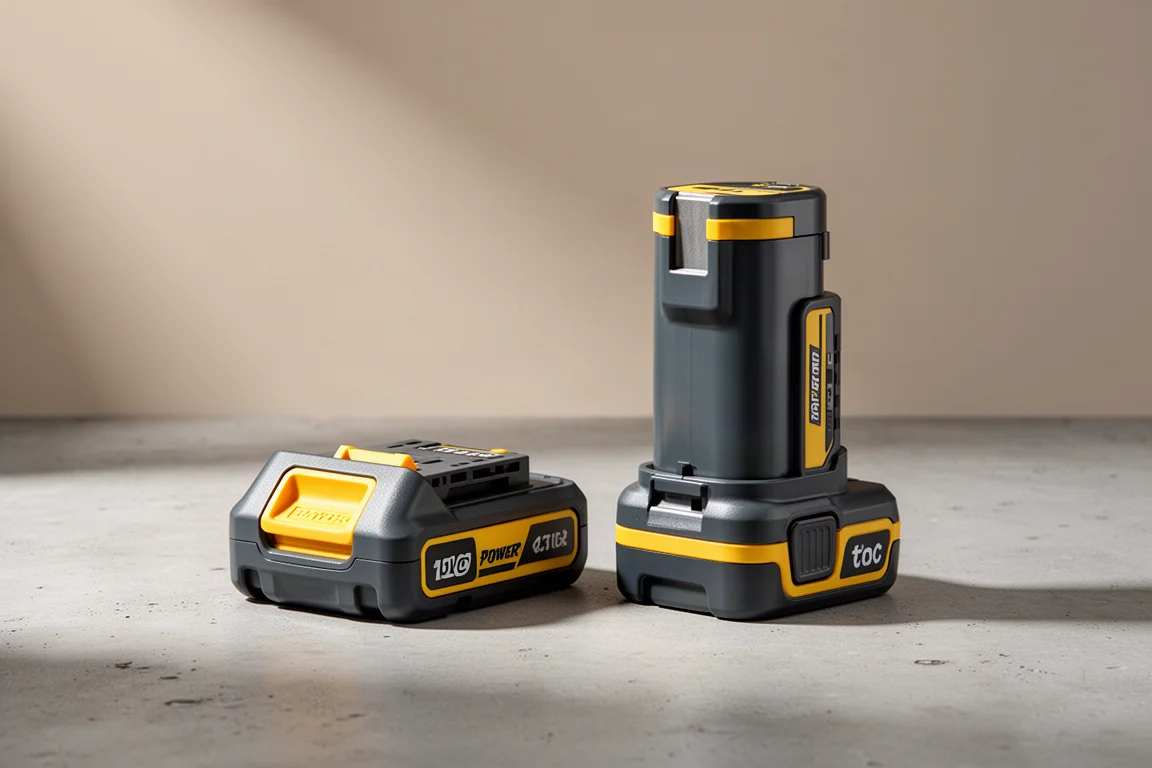
The DeWalt PowerStack has earned attention for delivering the same power output as a 2-pack 5.0Ah battery in a far smaller package, though it gives up some runtime to do it. Earlier testing showed the two batteries match on power and perform almost identically in cold conditions. The remaining question was heat: what happens when both packs are genuinely hot and then asked for maximum output?
The Heat Test Setup
To answer that, both batteries were baked in an enclosed box until their internal temperature reached roughly 110 degrees, with the exterior climbing to around 160 degrees. This simulates a worst-case scenario, like pulling a pack out of a car that has been baking in the sun all day. From there, each battery was run on drills already proven to handle heavy spade-bit work, with thermal readings taken throughout.
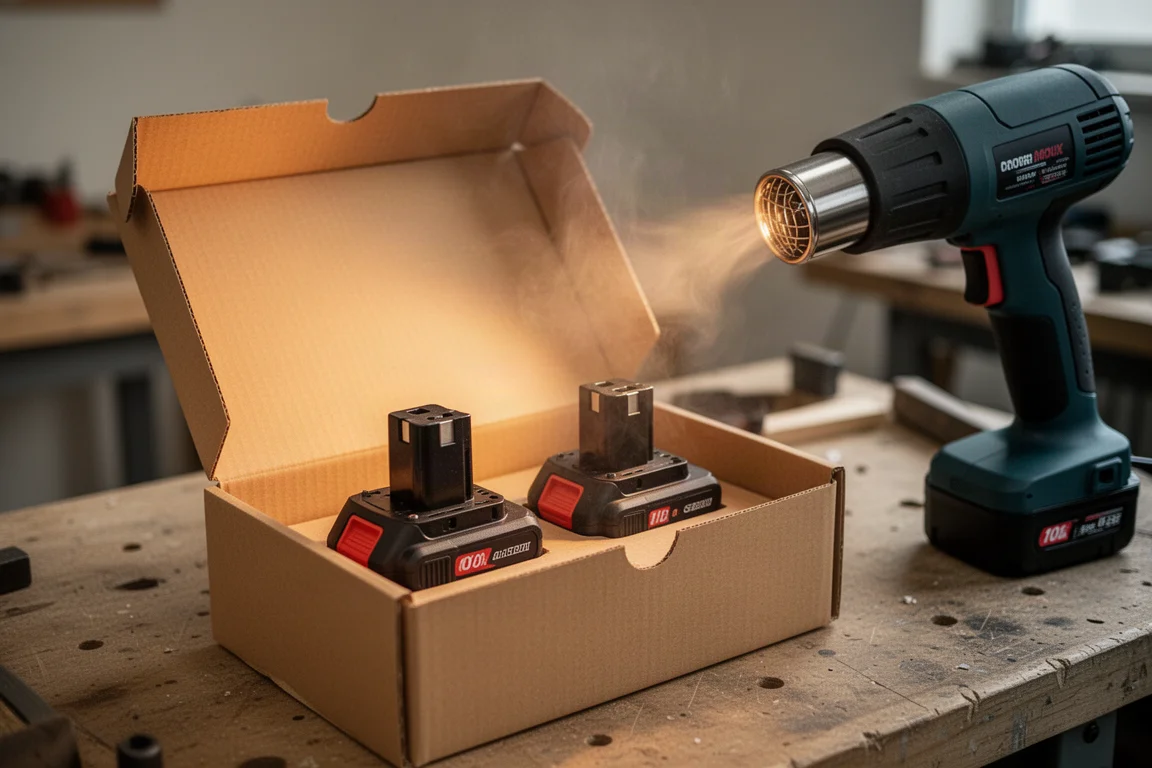
Neither drill cut out during testing, confirming the batteries themselves were the limiting factor once hot.
How the PowerStack Handled Heat
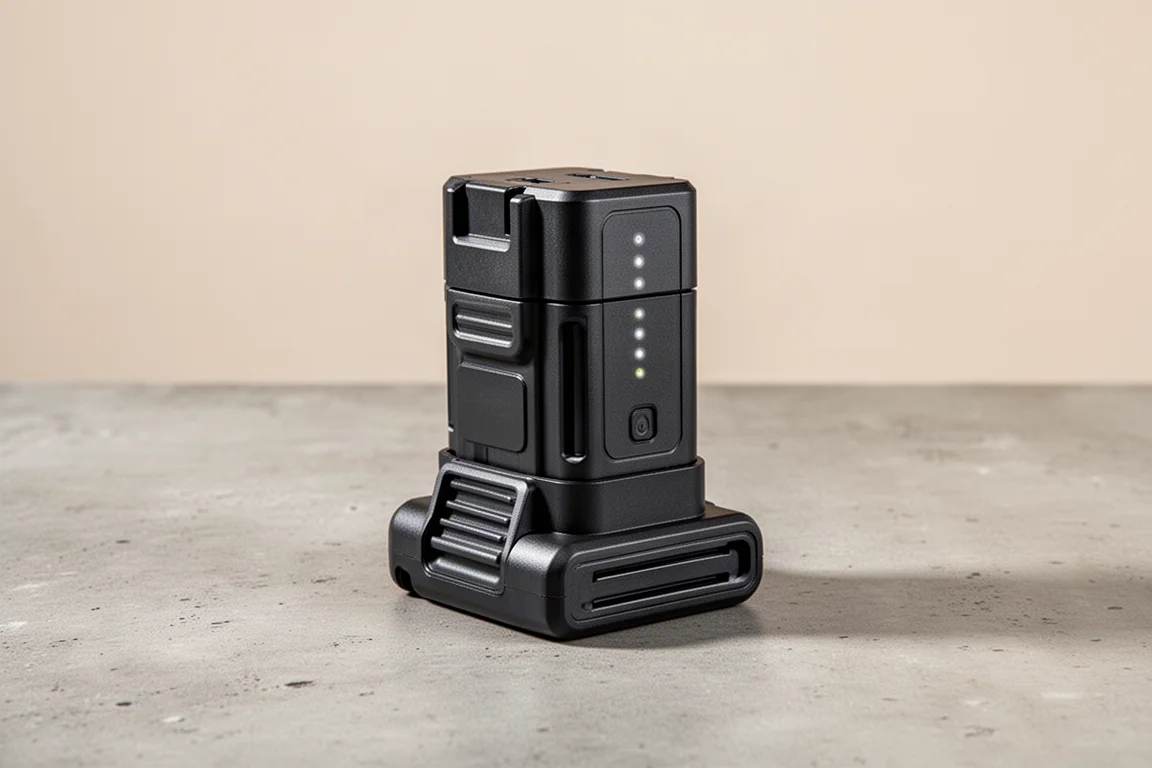
The PowerStack surprised by surviving the bake with a full charge and usable power, but its output dropped noticeably once hot. Repeated heavy drilling triggered cutouts, and the pack behaved best with a rhythm of hard work followed by short rest periods. Its compact size and high power output remain real strengths, but sustained, back-to-back heavy cutting is not what this pack is built for. It is aimed at smaller tools such as drills, impacts, and impact wrenches, where short bursts of power matter more than continuous load.
How the 5.0Ah Battery Held Up
The traditional 5.0Ah pack, with its cylindrical cells, also showed power reduction and cutouts when hot, but it recovered better in the later drilling rounds. Interestingly, it also felt physically warmer than the PowerStack during the run, with heat concentrated along its sides rather than the bottom.
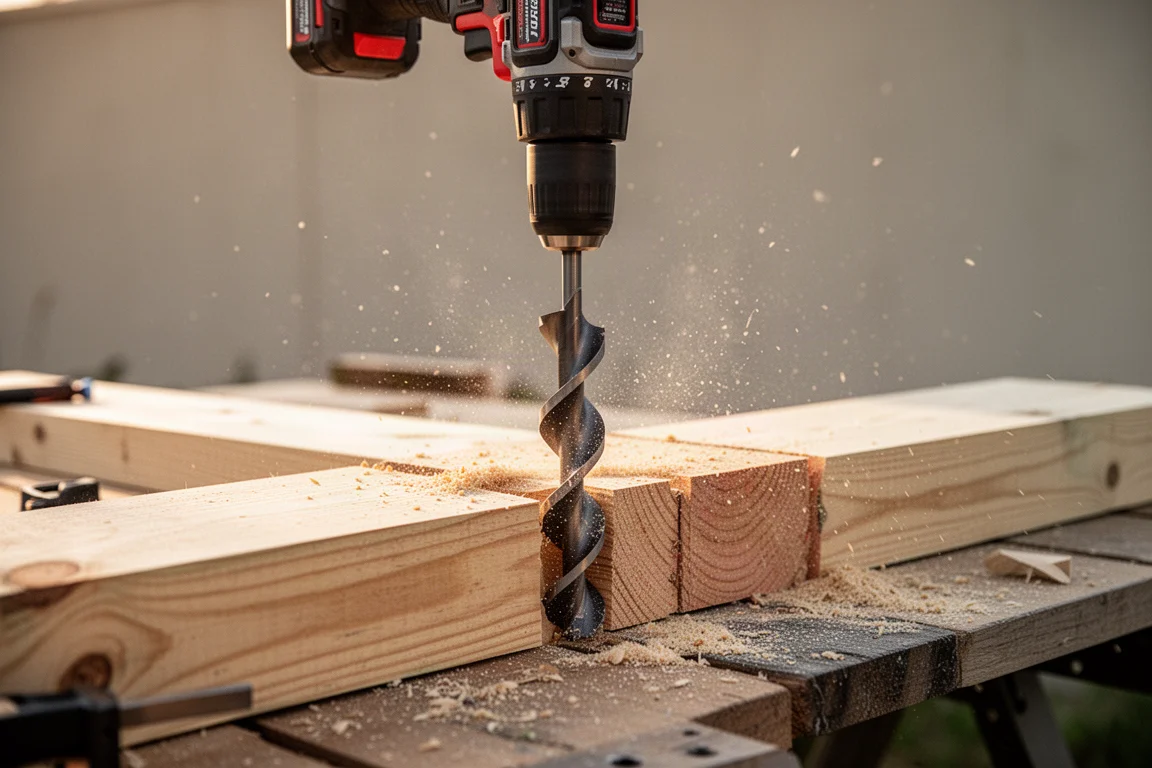
The older cell technology performed similarly overall, just in a much larger form factor, reinforcing that the PowerStack trades runtime and sustained-duty tolerance for size and peak power.
Where Each Battery Releases Heat
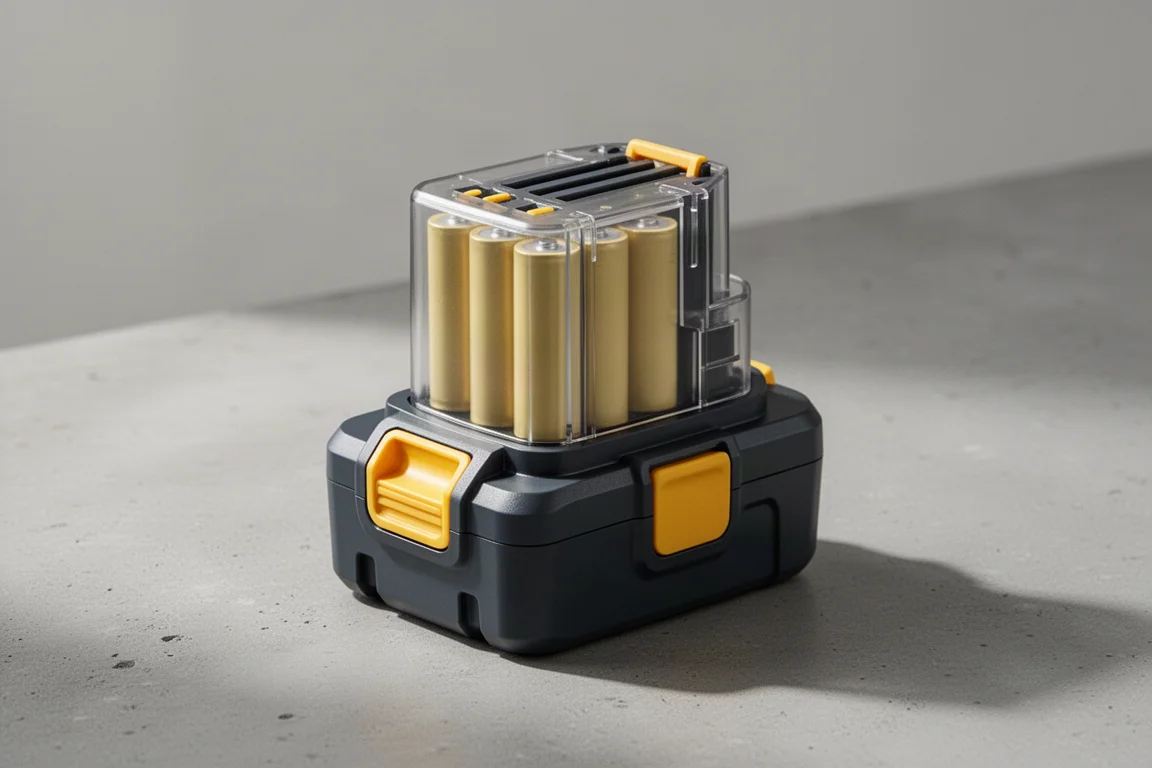
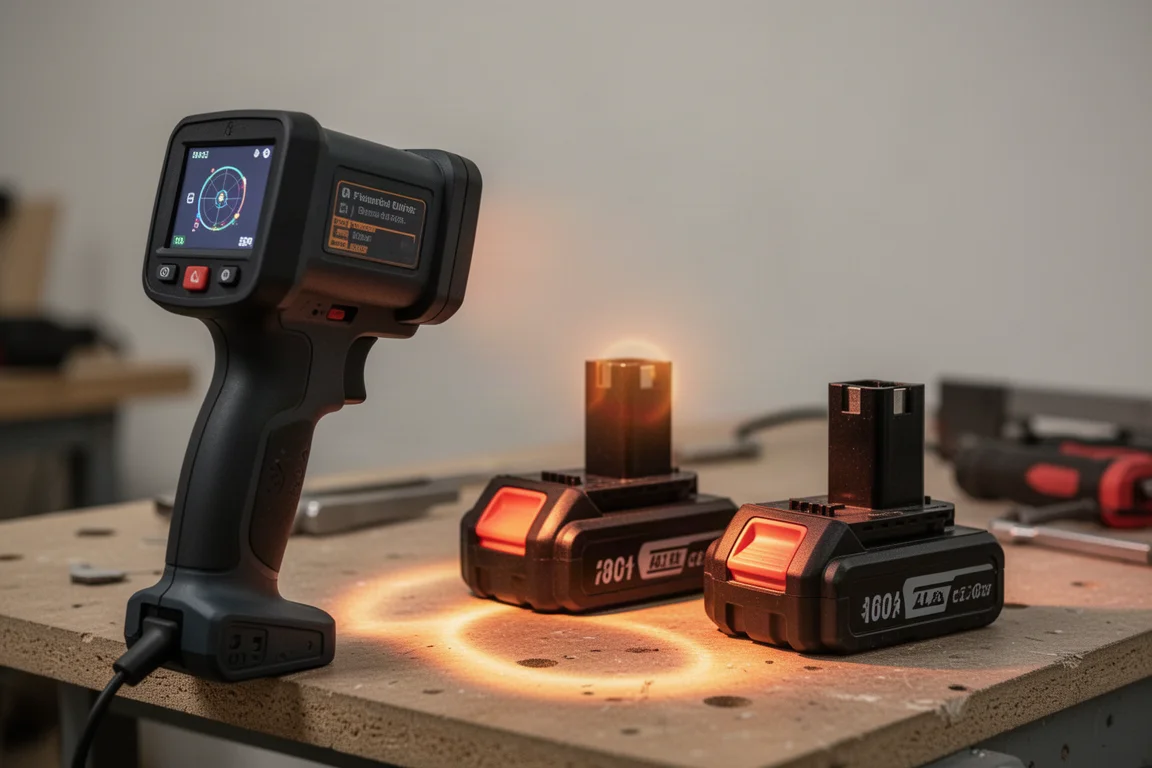
Thermal imaging revealed a practical difference worth knowing. The PowerStack vents its heat primarily from the bottom, with the hottest cell sitting near the release lever. The 5.0Ah pack gets hot along its sides. Setting either pack down on a surface blocks the area where it naturally sheds heat, so how you rest your tool between cuts matters more than you might expect.
Practical Advice for Hot-Weather Work
If you use the PowerStack heavily, rest the tool on its side so the battery’s bottom surface can dissipate heat, rather than standing it upright where the hottest area gets smothered. The 5.0Ah pack benefits from the same treatment, since its heat comes out the sides and an angled or upright position keeps them exposed. Both packs would benefit from airflow after hard work, and it would not be surprising to see cooling fins on larger future packs to help heat escape.
Conclusion
Under extreme heat, both batteries kept working, which is genuinely impressive. The PowerStack delivered 2-pack-level power from a tiny pack but wants rest between bursts, while the 5.0Ah pack tolerated the sustained work better at the cost of size. For small tools and short, punchy tasks, the PowerStack remains the compelling choice; for longer stretches of heavy drilling, the larger pack still makes sense.
Further reading
Related Reviews
Power Tool Batteries
9Ah M12 Batteries Tested: Which Aftermarket Pack Is Actually Worth Buying?
We measured real capacity, voltage sag, and tool performance from four aftermarket 9Ah M12 batteries against Milwaukee's XC 5.0 High Output pack. One budget option stands out.
Power Tool Batteries
DeWalt DCBP520 5Ah PowerStack Battery Review: Big Power in a Pouch-Cell Pack
The largest PowerStack battery yet promises pouch-cell output with 5Ah of capacity. We break down its size, weight, voltage sag, and real tool performance.
Power Tool Batteries
DeWalt PowerStack 5Ah vs XR 5Ah: What a Heat Gun Runtime Test Revealed
Two DeWalt 5Ah batteries ran a DeWalt heat gun back to back. Same capacity, very different power delivery, heat, and voltage behavior.