Plumbing Tools
DeWalt DCE400 vs Milwaukee 2532: Which 1-Inch PEX Expander Makes More Sense?
Two closely matched cordless PEX expanders go head to head on build quality, lighting, kit contents, and expansion speed.
Introduction
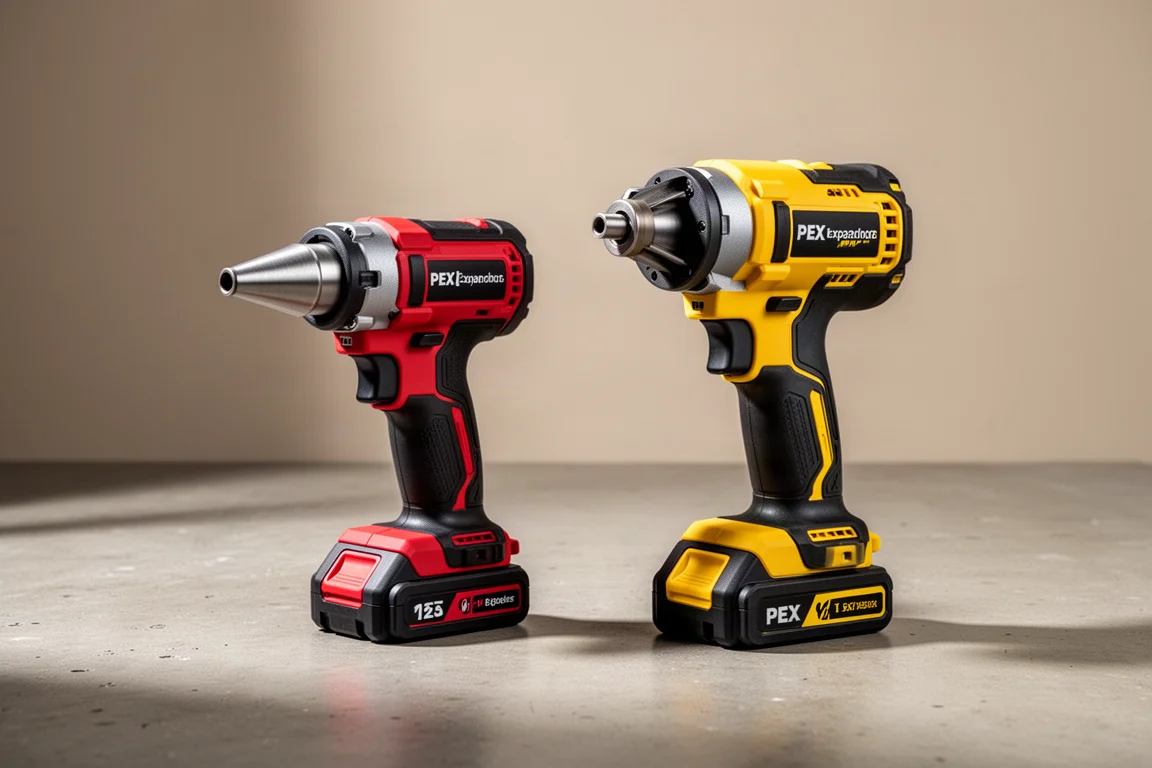
PEX expansion tools are the kind of purchase you make once and live with for years, so it matters when two brands compete this closely. The DeWalt DCE400 and the Milwaukee 2532 are both 1-inch class cordless PEX expanders that cover 3/8-inch to 1-inch PEX pipe, and after weighing, timing, and handling both, the differences turn out to be surprisingly small but genuinely useful for deciding which one fits your kit.
This comparison looks at where they match, where they diverge, and which kit configuration is actually worth buying.
What These Two Expanders Share
Set the two tools side by side and they are almost twins in practical terms. Both expand 3/8-inch up to 1-inch PEX pipe, both weigh just under 4 pounds without a battery, and both use a similar trigger and a reversible belt hook. Each brand claims to be the fastest at expanding 3/8-inch to 1-inch PEX, and in back-to-back testing with 3/4-inch PEX-A and fully charged batteries, both delivered the same result every time: 10 pumps to complete an expansion, repeated across three runs per tool.
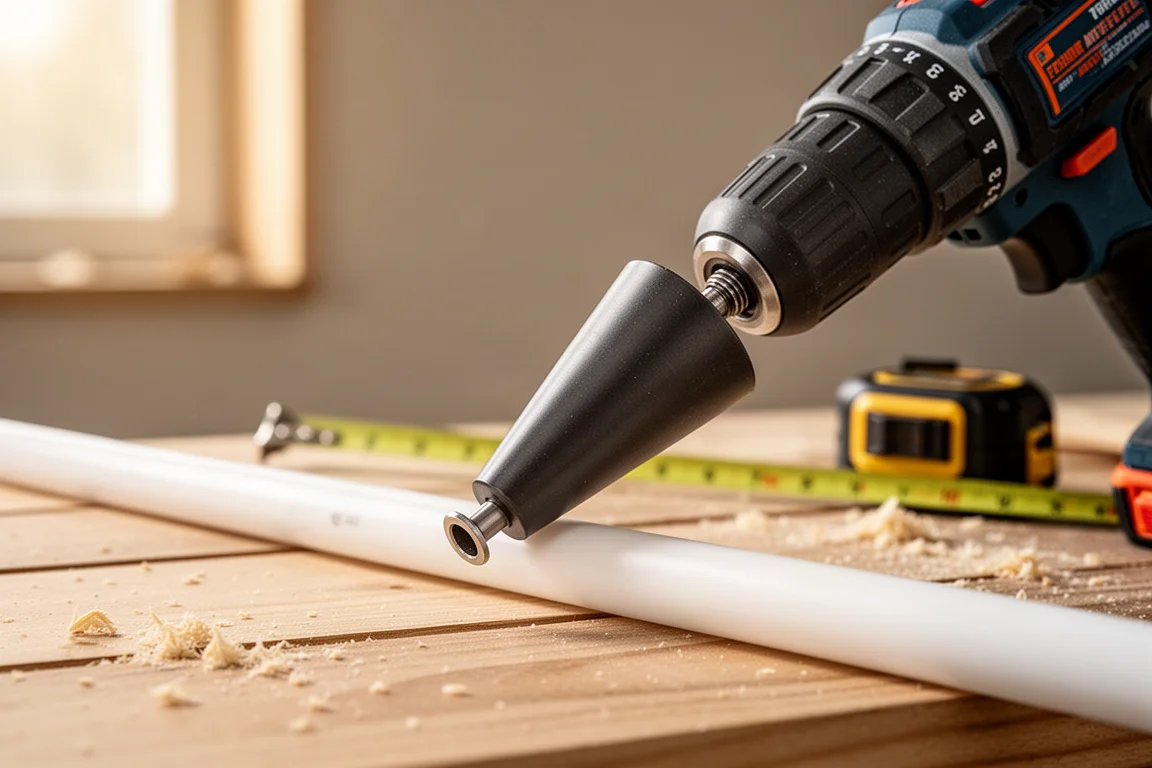
In other words, if speed is your deciding factor, neither tool has a meaningful edge. The real differences sit in build feel, lighting behavior, and what comes in the box.
DeWalt DCE400: The Brushed Veteran
The DCE400 is a brushed tool, so it does not carry DeWalt’s XR label, and it has been on the market for more than five years. DeWalt has since released a brushless expander covering 1 and 1/4-inch and larger, so a 1-inch brushless version from DeWalt may arrive at some point to compete with Milwaukee’s brushless 2532.
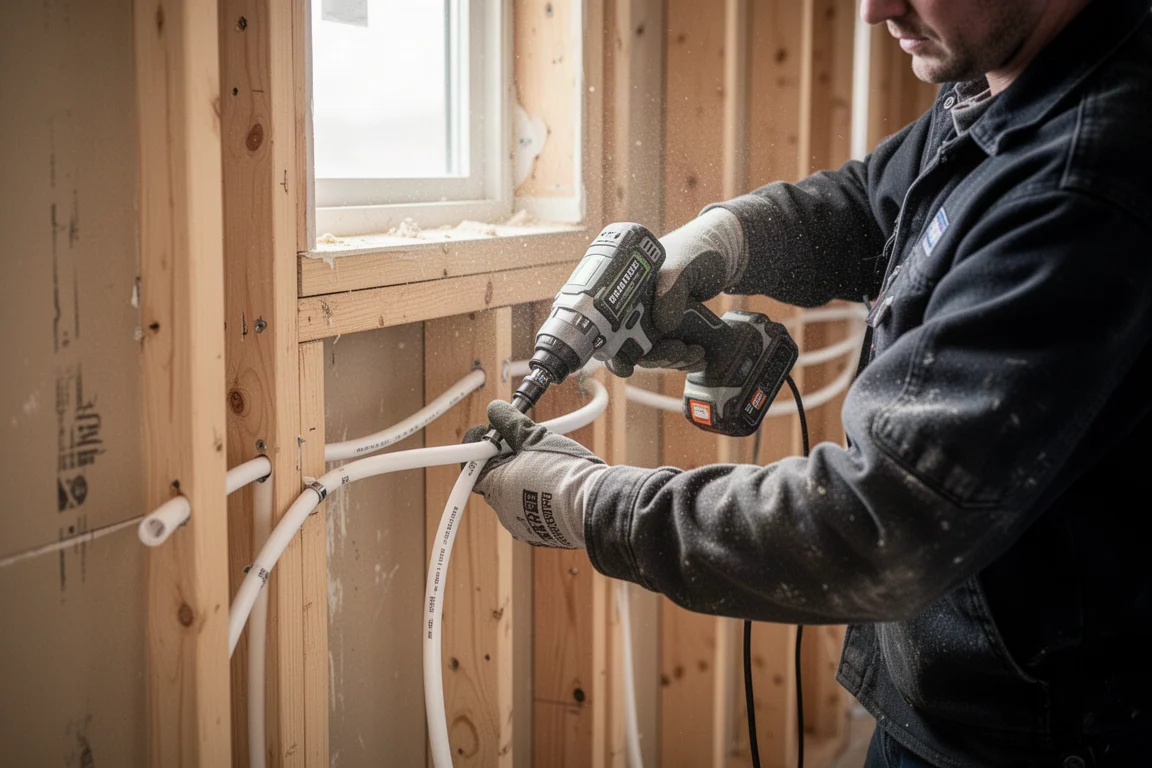
What the DCE400 has going for it is build quality. In hand, the connection between the body and the head is tight, with no play at all. That is a real contrast to the Milwaukee, where even tightened screws could not eliminate a noticeable wobble between head and body. Over a long working day, that solidity makes the DeWalt feel like the better-built tool of the pair.
Milwaukee 2532: The Brushless Challenger
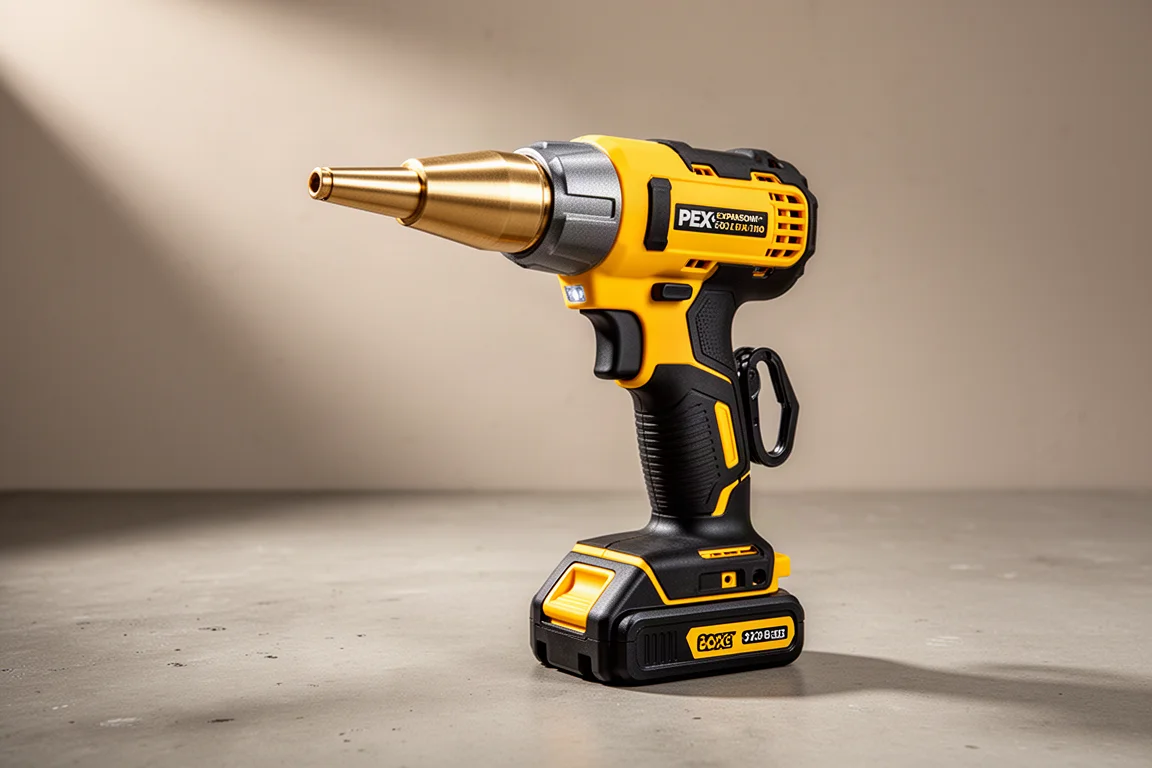
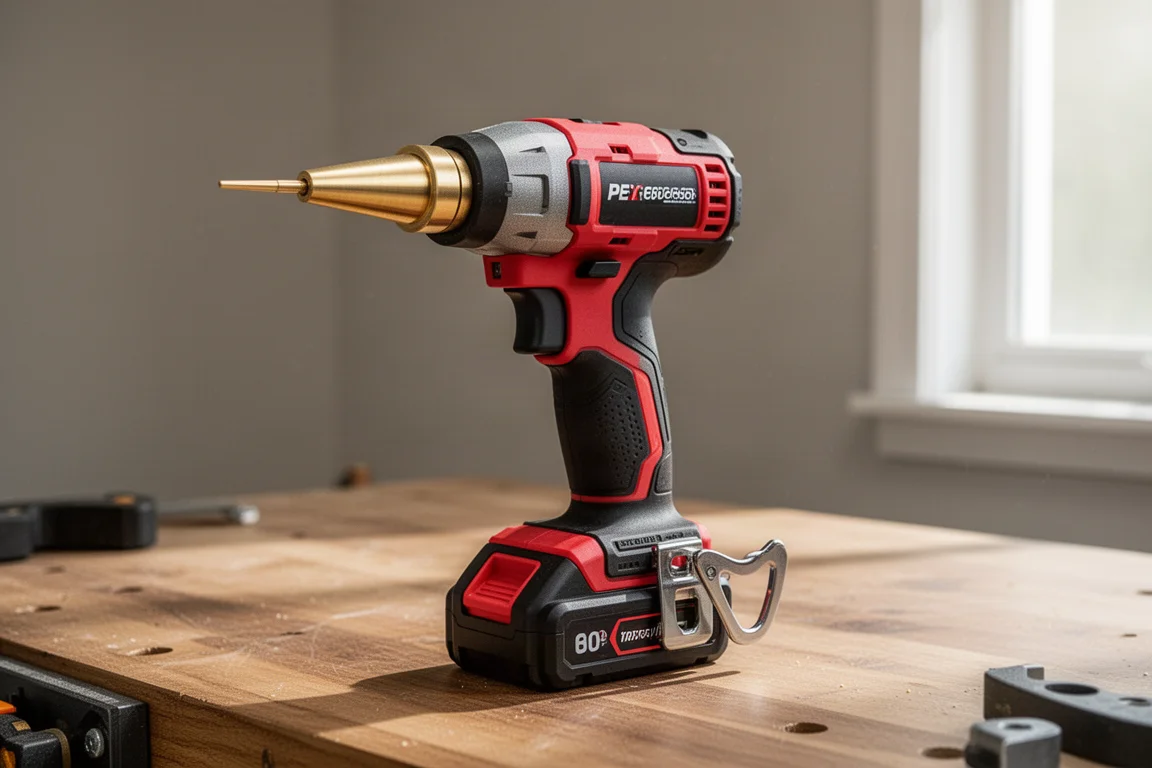
The 2532 is Milwaukee’s 1-inch brushless PEX expander, covering the same 3/8-inch to 1-inch range. Physically it mirrors the DeWalt almost exactly: similar trigger, reversible belt hook, and the same weight within a fraction of a pound. The brushless motor is the headline difference, and it positions the 2532 as the more modern platform.
The main concession is fit and finish. The play between the head and the body is noticeable even after tightening the screws, and it does not fully go away. It does not appear to affect function, but it is the kind of detail that separates a tool that feels solid from one that feels assembled.
Lighting: A Bigger Difference Than You’d Expect
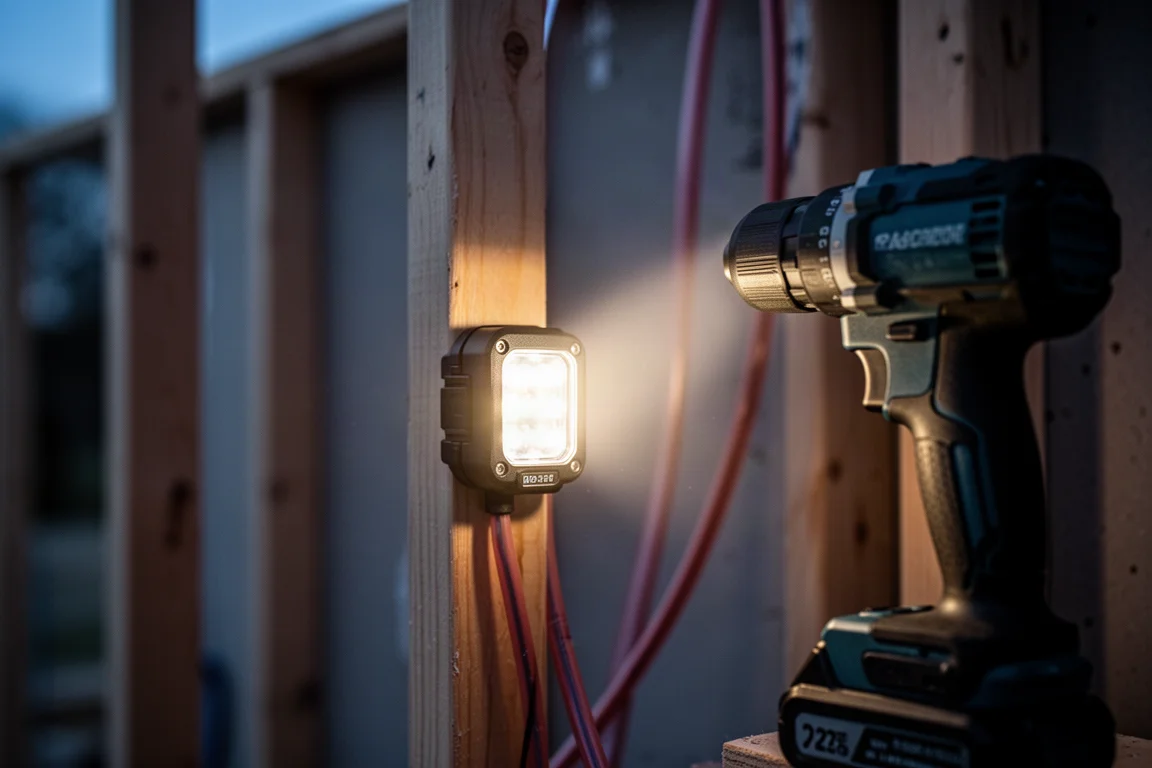
The work light is where the two tools genuinely part ways. The DeWalt’s light is, frankly, very bright, and it stays at full brightness for 2 and a half minutes before stepping down to a lower level for another 30 seconds. The Milwaukee sits just under the point of feeling too bright and shuts off after 11 seconds. There is no way to adjust brightness on either tool, so you are stuck with the behavior you get.
If you work in tight mechanical rooms or early-morning job sites, the Milwaukee’s shorter, gentler light will be less distracting. If you want maximum illumination that lingers while you line up your next connection, the DeWalt delivers it whether you asked for it or not.
Buying Advice: Kits, Cases, and Battery Math
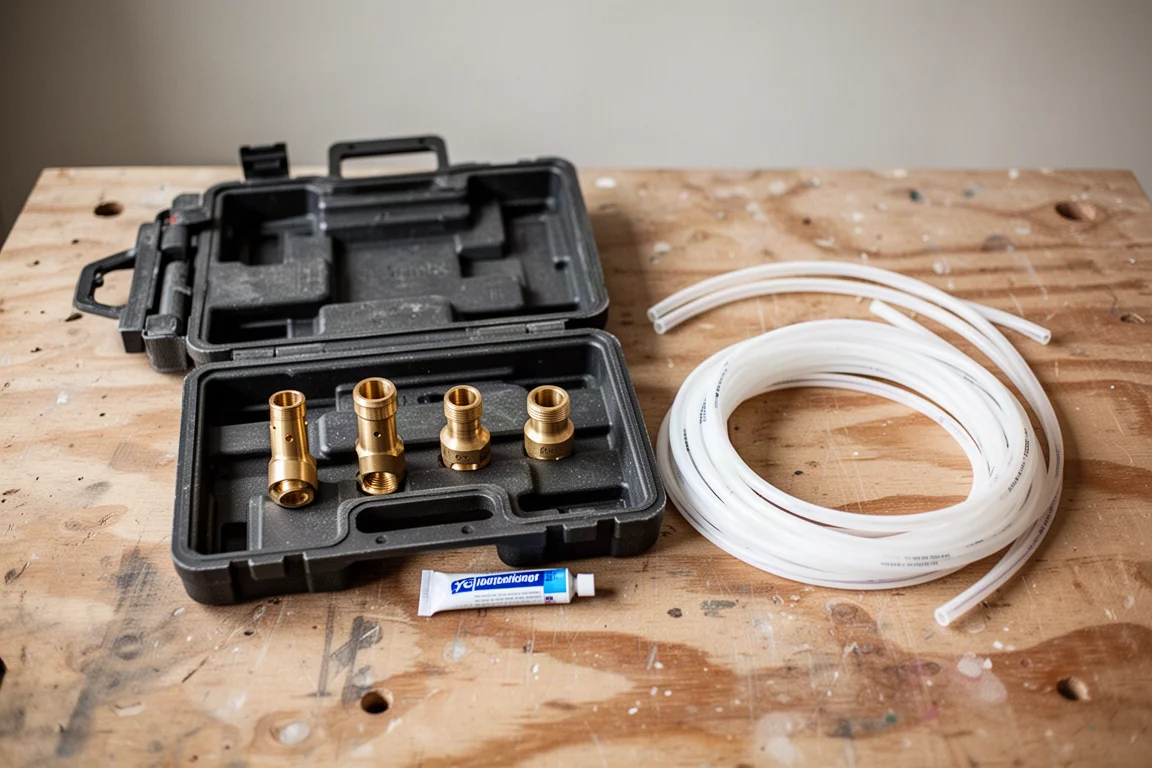
Kit selection matters as much as brand here. The bare-tool DeWalt DCE400B ships with a case, three expansion heads, and a tube of expansion grease for the cone, letting you supply your own batteries and charger, which is generally the smarter buy. Avoid the DCE400D1 configuration: it includes only two expansion heads (1/2-inch and 3/4-inch), a single 2Ah battery, and a modest 2-amp charger. The DCE400D2 adds two batteries and a 4-amp charger, but the bare tool remains the cleanest path if you already own DeWalt batteries.
For Milwaukee, the same logic applies: check exactly which expansion heads and battery configuration a specific SKU includes before ordering, since head count and charger tier vary between kits.
Conclusion
Both of these expanders do the job at the same measured speed, weigh the same, and share the same ergonomic layout. The DeWalt DCE400 wins on build solidity with its tight head-to-body connection, while the Milwaukee 2532 counters with a brushless motor and a less intrusive work light. Choose the DeWalt if tool feel matters most to you, or the Milwaukee if you want the more current motor platform. Either way, buy the bare tool when you can and supply your own battery and charger.
Further reading
Related Reviews
Plumbing Tools
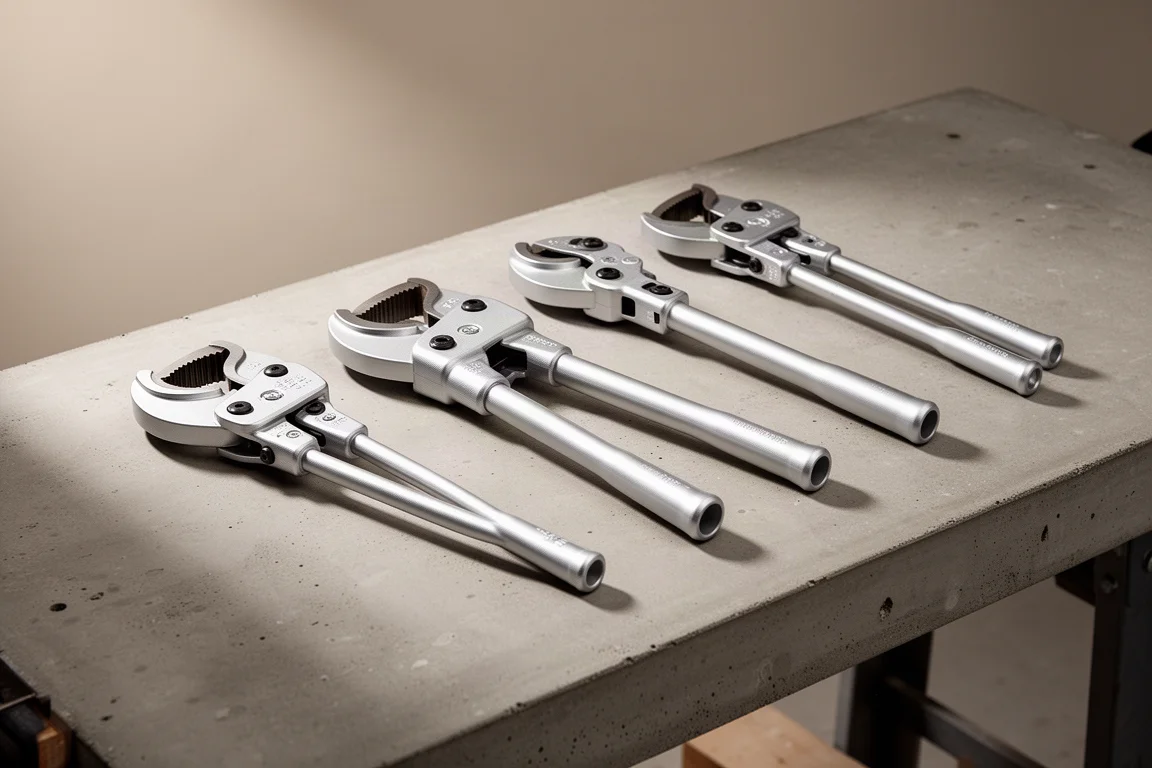
Best 2-Inch Ratcheting PVC Cutters Compared: Husky, Ridgid, Waterline and Pasco
Four 2-inch ratcheting PVC cutters tested side by side on Schedule 40 pipe, with clear winners on straight tracking, blade changes and build quality.
Plumbing Tools
Best PEX A Tools and Fittings: Four Options for Faster Plumbing Connections
From expansion systems to push-to-connect fittings, here are the four tools and fittings worth knowing for PEX A plumbing work.
Plumbing Tools
Best PEX Cutters Tested: 5 Ratcheting Cutters Compared
Five PEX cutters put through real cuts on PEX B and Schedule 40 PVC, with clear strengths, weak spots, and an overall favorite.