Plumbing Tools
Best PEX A Tools and Fittings: Four Options for Faster Plumbing Connections
From expansion systems to push-to-connect fittings, here are the four tools and fittings worth knowing for PEX A plumbing work.
Introduction
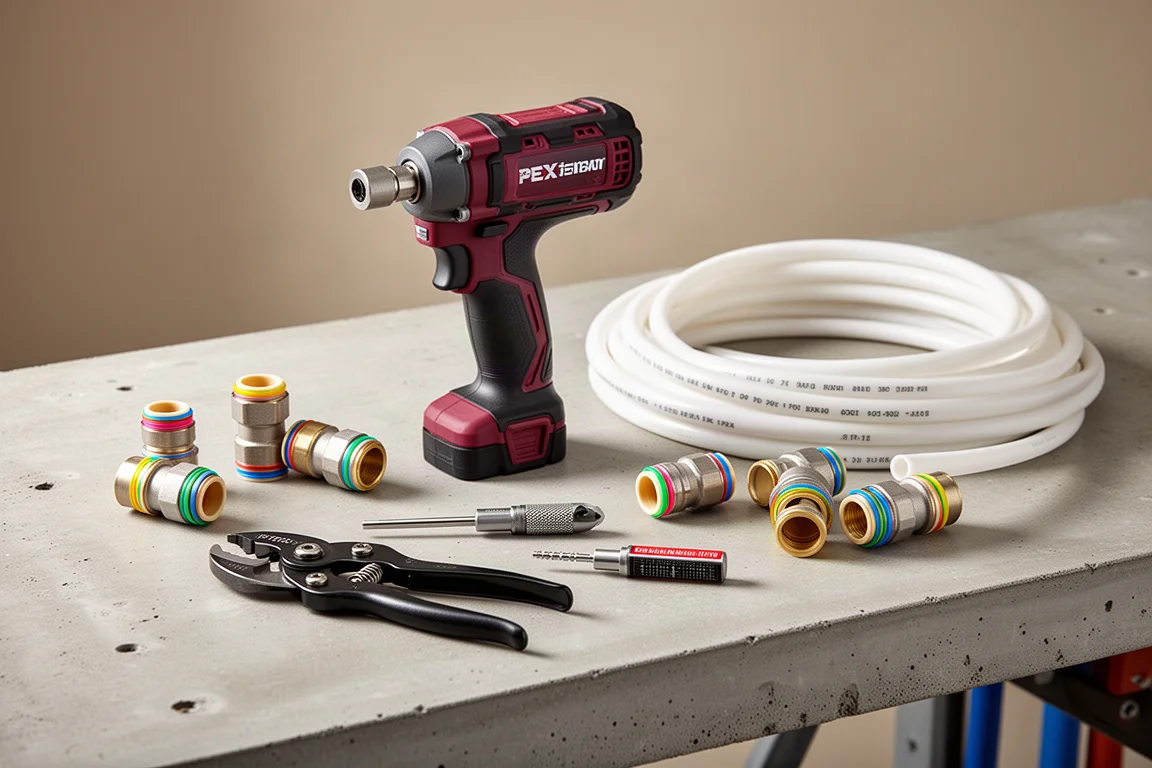
PEX A gives you more connection options than almost any other supply piping material, and picking the right combination of fittings and tools makes a real difference in speed and reliability. This guide covers four approaches we recommend, from the slim and fast Milwaukee expansion tool to the depth-and-deburr workflow that makes SharkBite Max push-to-connect fittings so convenient. Whatever fitting you choose, one rule applies every time: always make a square cut before making the connection.
SharkBite Max Push-to-Connect Fittings
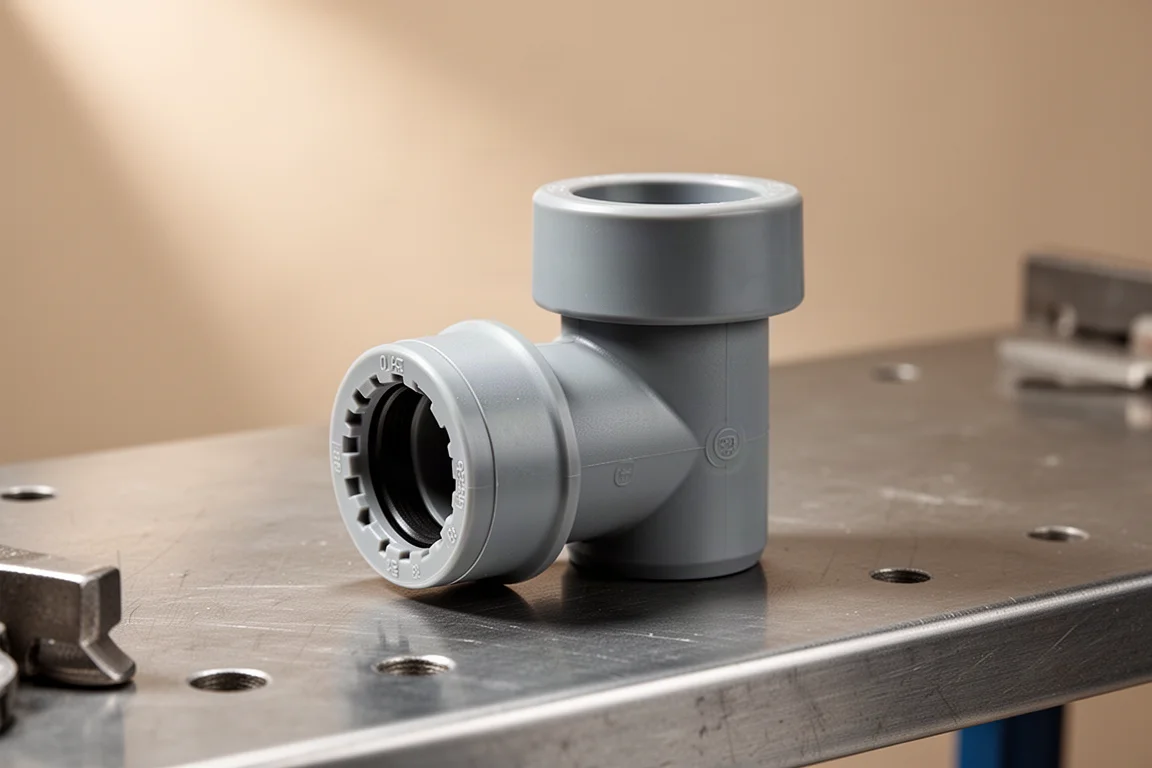
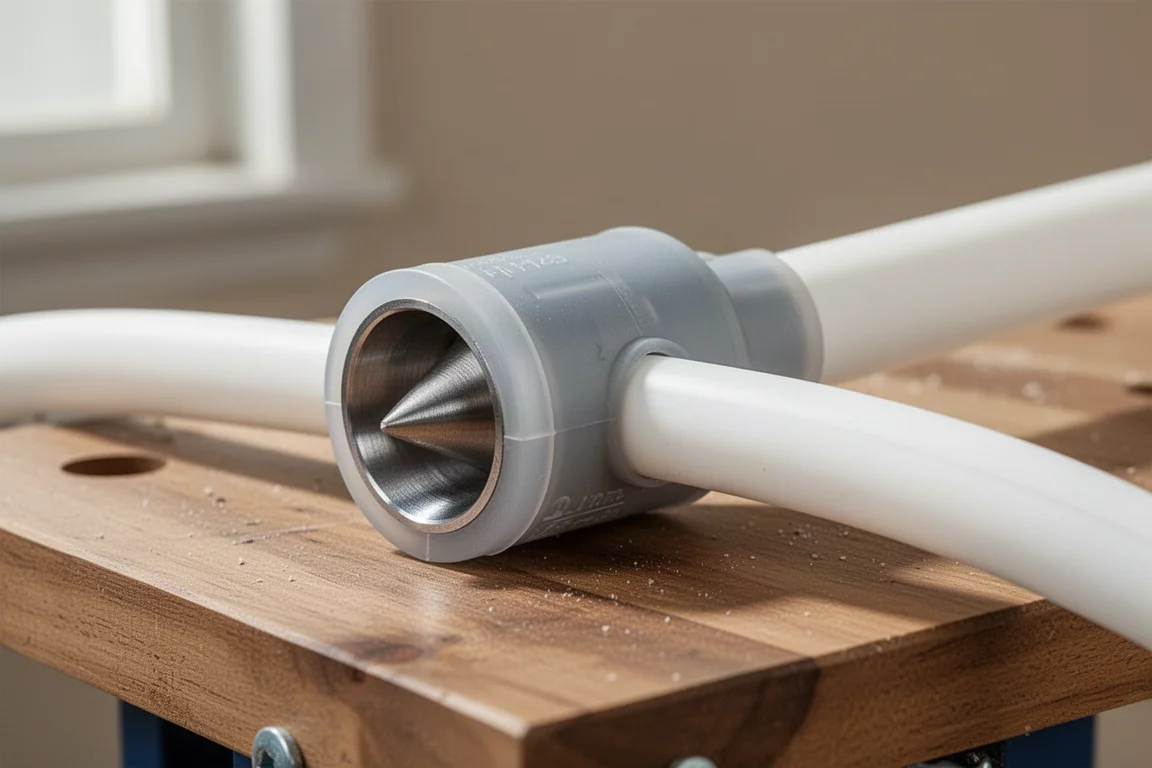
Push-to-connect fittings are the option most people already know, and SharkBite Max earns its place in the lineup. Before connecting, mark the insertion depth using a depth and deburring tool, then simply push the fitting on. The SharkBite Max elbow is rated up to 400 PSI, which is impressive for a push-fit connection, and it will spin freely around PEX A tubing while you position the run.
These fittings shine in certain circumstances where speed matters or where a torch or press tool is impractical. Combined with a good deburring tool to mark depth and clean the pipe end, they make secure connections about as simple as plumbing gets.
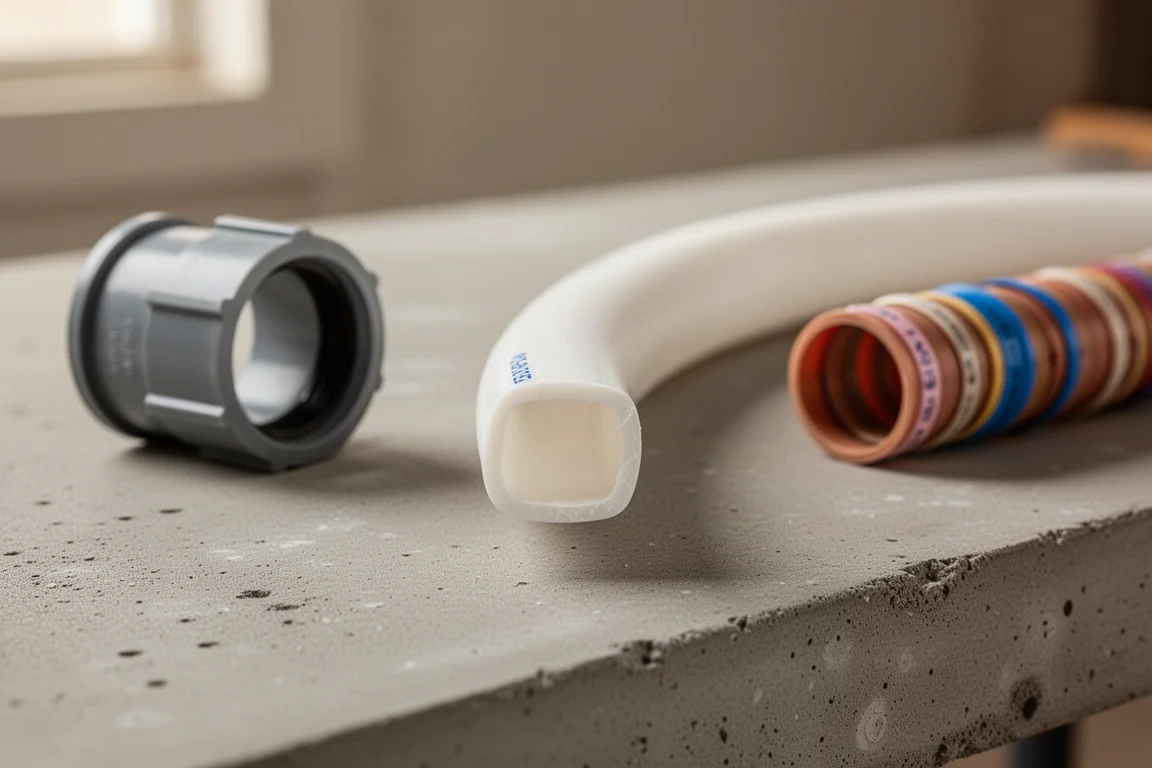
There are many fitting types available, including elbows and tees, which makes the system genuinely flexible for everyday repairs and reroutes.
Milwaukee PEX Expansion Tool
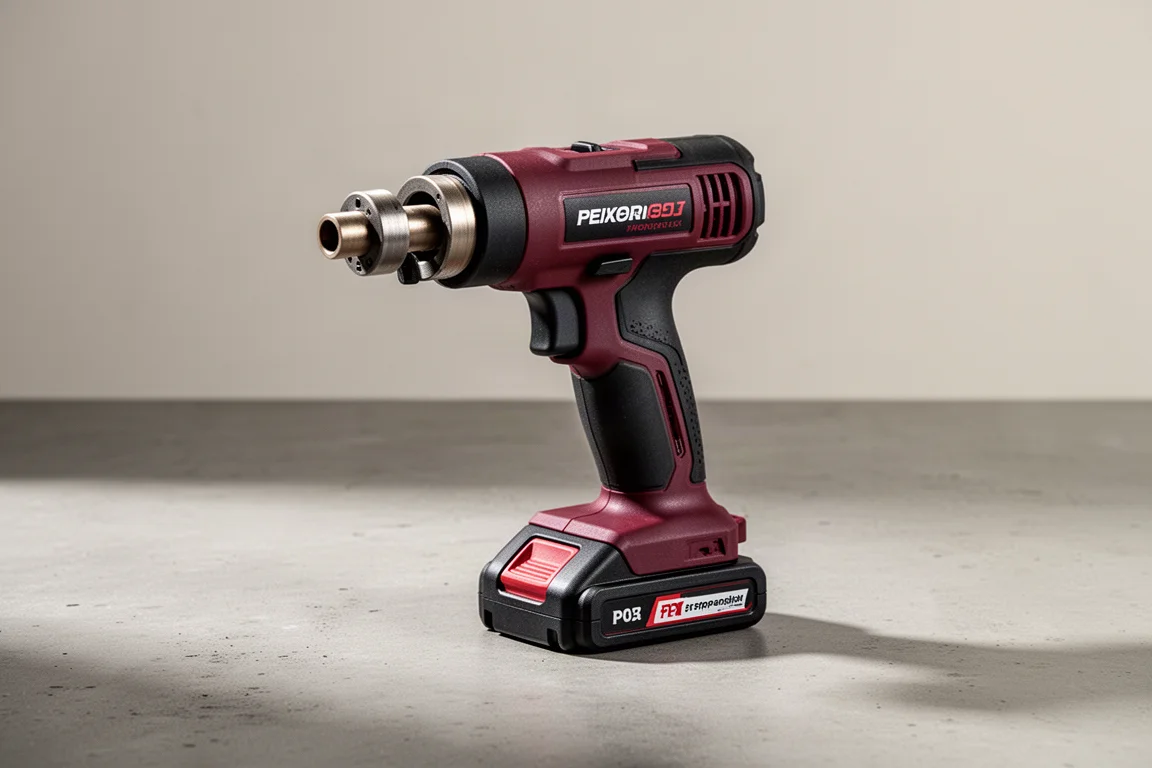
For expansion connections, the Milwaukee PEX expansion tool is the favorite for good reason. The workflow is straightforward: slide a SharkBite poly elbow with an expansion sleeve onto the tubing, expand the sleeve five to six times for half-inch PEX A, then slide the fitting in up to the stops. The sleeve’s built-in stop is a nice touch, especially when the PEX A ends have been chamfered so it slides on cleanly.
What sets this tool apart is its slim profile. It fits inside studs and joist bays where bulkier tools struggle, and the expansion method produces a slightly larger fitting than PEX B alternatives, which matters if you want to maximize water flow. Expansion fittings are available in poly if you prefer that over brass, but expansion sleeves are required for this system.
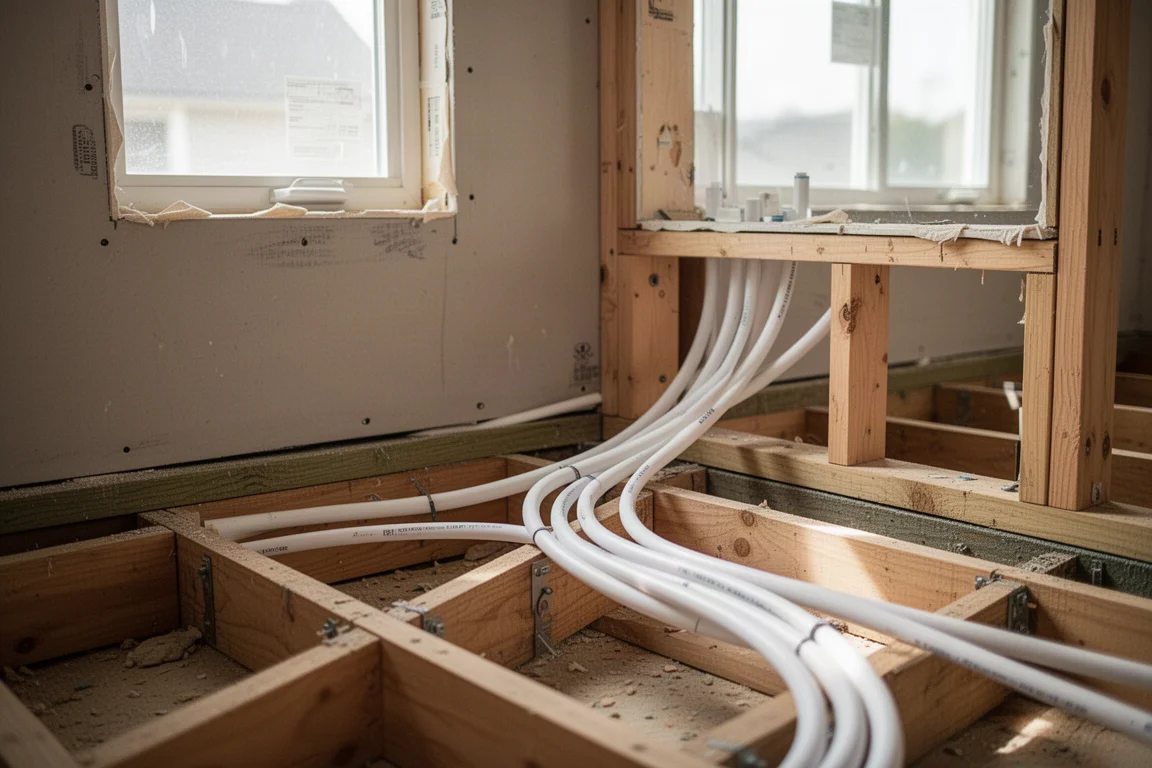
Of all the connection methods available for PEX A, this is the one worth building your kit around.
SharkBite PEX A Deburring Tool
The SharkBite deburring tool does two jobs in one: it marks the insertion depth and deburrs the PEX A end, and it works on PEX B as well. That dual function makes it one of the most-used tools in the kit, since a properly marked depth and a clean, chamfered pipe end are the foundation of any reliable connection, whether you are using push-to-connect, expansion, or crimp fittings.
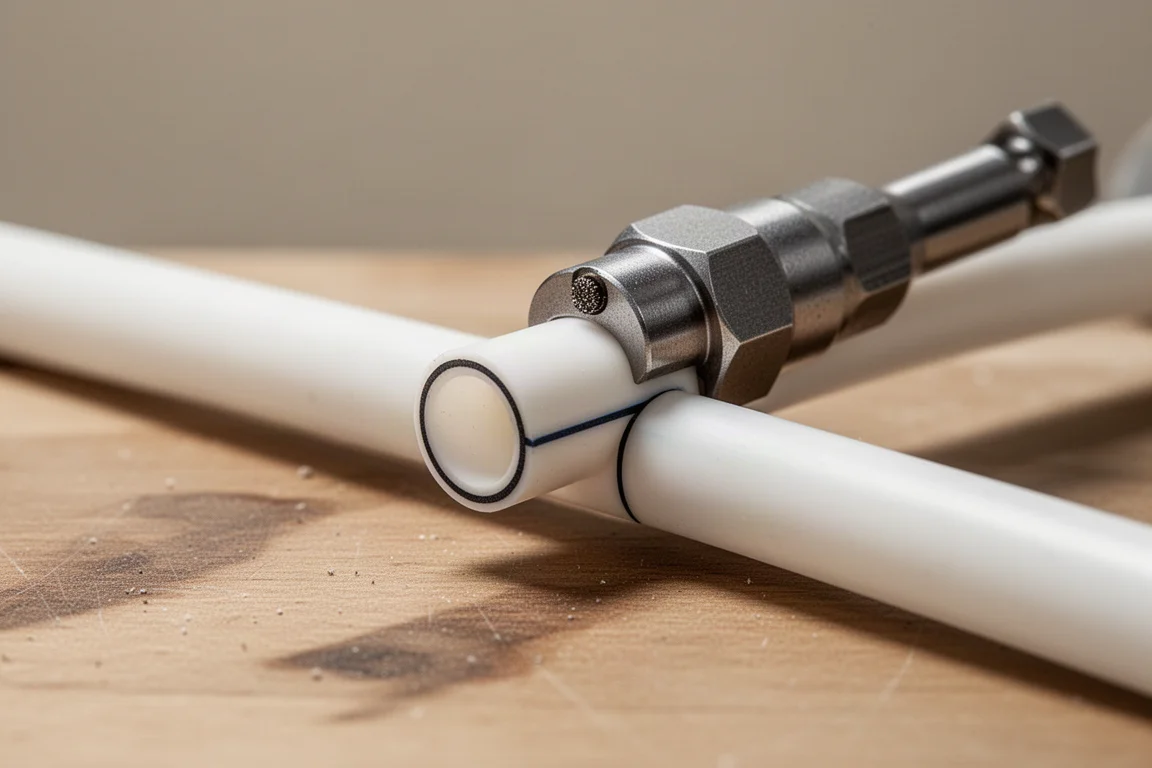
It is inexpensive, it earns its spot in the bag every single day, and it removes the guesswork from push-fit insertion depth.
SharkBite PEX A Cutters
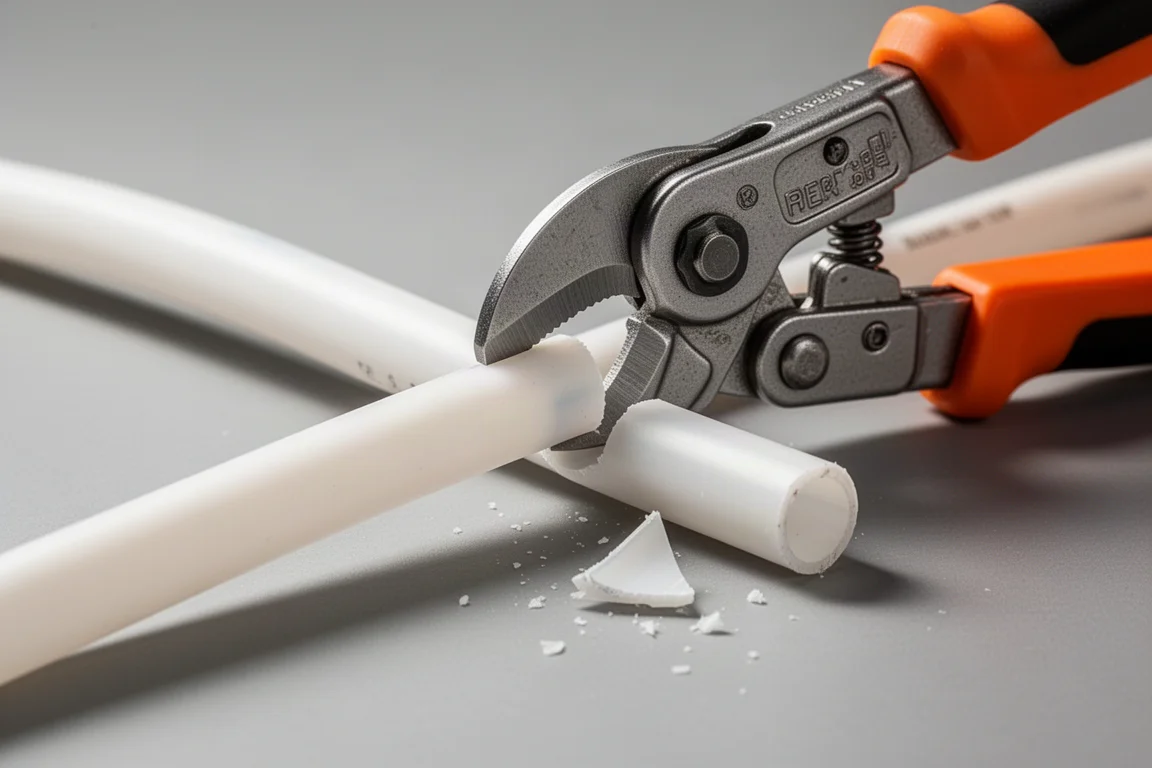
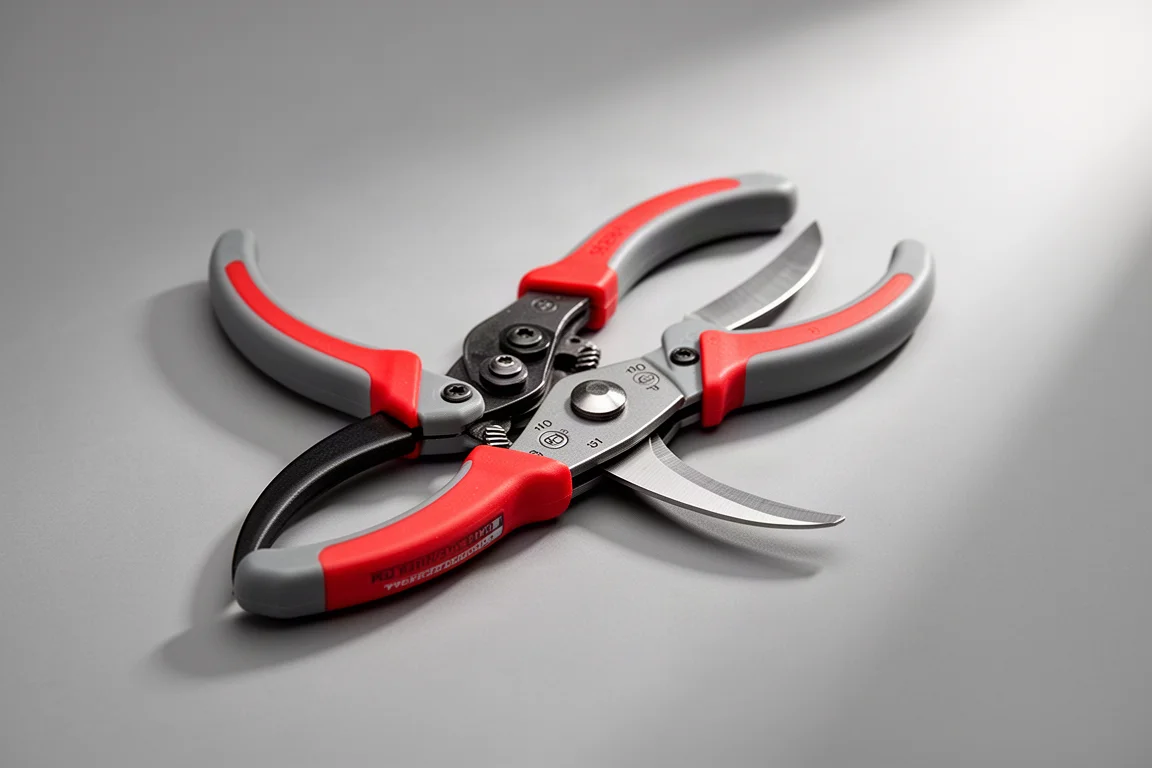
Every good connection starts with a square cut, and the SharkBite PEX A cutters deliver exactly that. A square cut ensures the tubing seats properly against fitting stops and seals evenly, which is why this is the first step before any connection method.
These cutters pair naturally with the deburring tool and the rest of the SharkBite ecosystem, and they handle flexible PEX A tubing without crushing or deforming the pipe.
Alongside the cutters and deburring tool, the SharkBite Max fitting range covers the elbows, tees, and other shapes you need for a complete job.
Buying Advice
If you are starting from scratch, the expansion system built around the Milwaukee tool is the strongest all-around choice: it is slim enough for tight framing, fast to use, and its larger fittings help water flow. If you want the fastest possible connection with the least equipment, pair SharkBite Max push-to-connect fittings with the deburring tool and cutters, and you are ready to work. One thing to note: press systems and PEX B crimp systems also exist and both are compatible with PEX B, which can be useful in mixed-use homes, but the press tool route is typically the most expensive option.
Conclusion
A square cut, a marked depth, and the right fitting for the job will carry most PEX A work. The Milwaukee expansion tool remains the standout for frequent use, while SharkBite Max push-to-connect fittings, the deburring tool, and the PEX A cutters round out a kit that handles almost any residential plumbing task with confidence.
Further reading
Related Reviews
Plumbing Tools
Best 2-Inch Ratcheting PVC Cutters Compared: Husky, Ridgid, Waterline and Pasco
Four 2-inch ratcheting PVC cutters tested side by side on Schedule 40 pipe, with clear winners on straight tracking, blade changes and build quality.
Plumbing Tools
Best PEX Cutters Tested: 5 Ratcheting Cutters Compared
Five PEX cutters put through real cuts on PEX B and Schedule 40 PVC, with clear strengths, weak spots, and an overall favorite.
Plumbing Tools
Best PEX and PVC Pipe Cutters: Four Ratcheting Options Compared
Four pipe cutters tested on PEX, PVC, and non-metallic conduit, from a simple affordable design to a precision ratcheting model worth the upgrade.