Mountaineering Backpacks
Deuter Expedition Ultra 60 Review: A 60L Dyneema Pack at Just 820g
A close look at the Deuter Expedition Ultra 60, a Dyneema expedition rucksack that pairs 820g weight with serious durability and an adjustable carry system.
Introduction
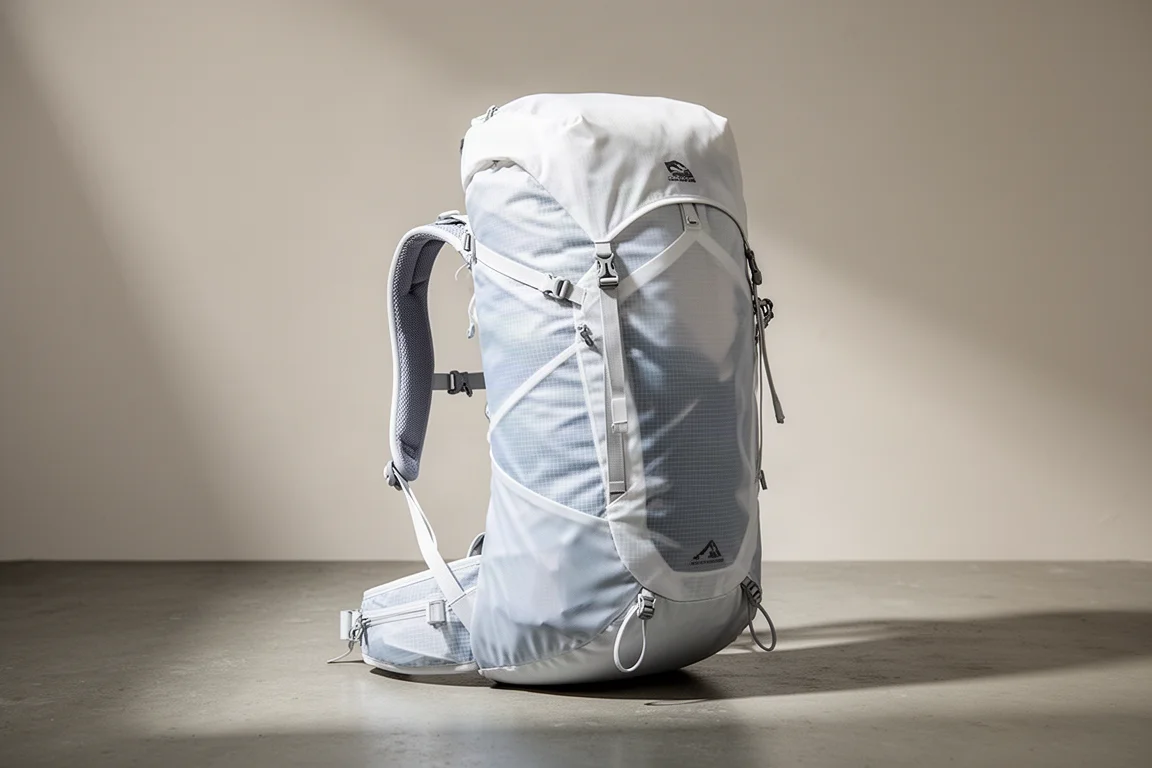
Deuter has been building rucksacks for 127 years, and the brand’s mountaineering heritage runs deep: Heckmair carried a Deuter rucksack on the first descent of the North Face of the Eiger. The Expedition Ultra 60 applies that experience to a very modern idea, a 60 litre expedition pack that weighs just 820 g and uses a Dyneema fabric more commonly found in climbing slings than in load-carrying packs.
Light, tough, and comfortable are usually three qualities you trade against one another. This pack is designed so you do not have to.

The weight can be stripped further to around 750 g by removing the back frame and other removable parts. There is also an SL version, short for slim line, which is lighter again and adjusts the shoulders and hip belt mainly for the female form.
Who This Backpack Is For
Deuter positions the Expedition Ultra 60 for expeditions, and that shapes everything about it. On a big trip you may walk for a couple of days before you even reach the climb, so the pack has to work as a load hauler as well as a climbing pack. That dual role is exactly where this design makes sense.
It suits climbers heading out for long days or multi-day objectives, and walkers who value a light pack that carries weight well. The 60 litre capacity is more than most people need for a single winter climbing day in Scotland, but because the pack is lighter than many alternatives and compresses so effectively, the extra volume is easy to live with. Rope, crampons, and the rest of the kit can go inside rather than strapped across the outside.
Dyneema Fabric: Light, Tough, and Weather Resistant
The bright white fabric is the pack’s most obvious talking point, and it is the main reason the weight is so low. Dyneema is about as abrasion resistant, durable, and strong as a pack fabric gets, at very low weight, which is why it appears so often in climbing equipment. It also handles UV exposure well, so the white shell does not degrade in the sun the way some lightweight fabrics can.
Field use in winter climbing, including dragging the pack up a chimney behind a partner on a pitch, left far less wear than expected. Scuffs and abrasion that would shred a lighter nylon shell barely registered.
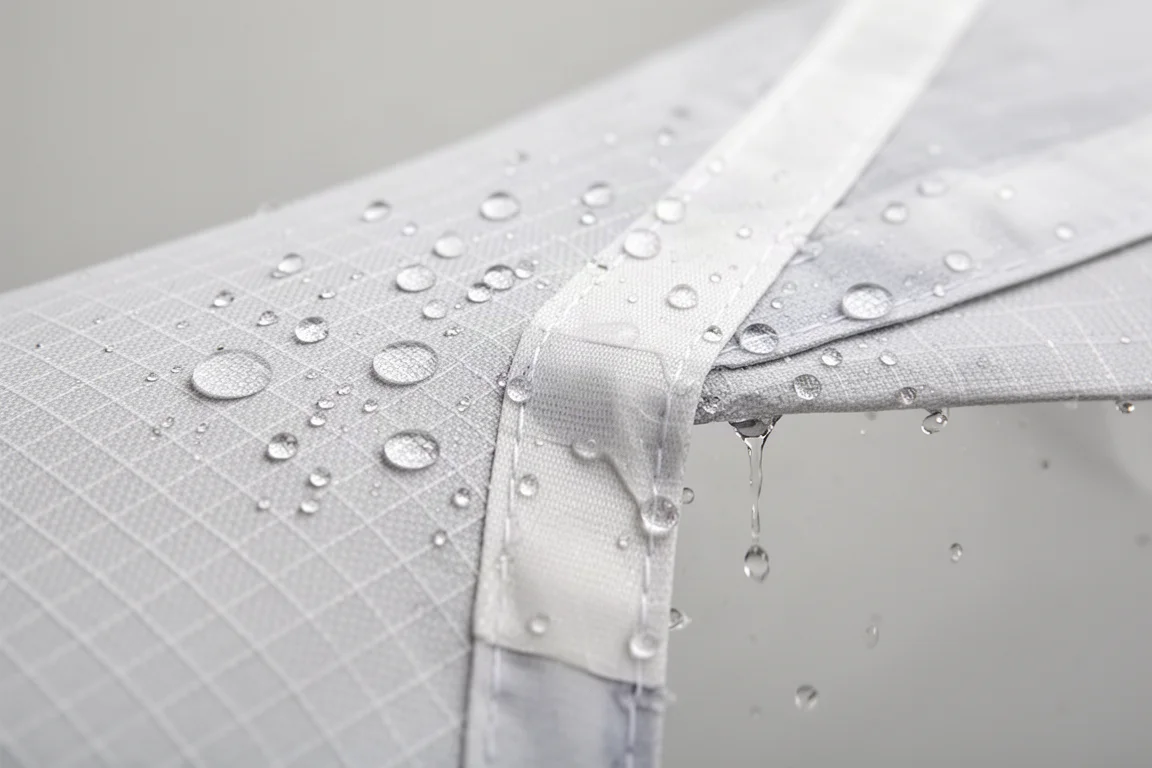
Water resistance is another strength. The pack is not marketed as fully waterproof, but it feels close to it in practice, with taped seams and an IPX4 rating that means it stands up to rain without drama. For a winter climbing pack that will be rained on and covered in snow, that is meaningful protection for everything inside.
Metal buckles replace the plastic hardware found on many packs. Slam one in a car door on a long trip and the difference becomes obvious.
Carry Comfort and Load Transfer
Deuter’s line for this pack is “taking comfort to the extremes”, and the back system earns it. The setup is stripped down and light but fully adjustable, with tension straps up top that let taller and shorter users tune the fit. You can pull the load in close for climbing or let it sit out a little for flatter walking, where carrying the weight on the hips is more comfortable.
The hip fins are thin, which keeps them out of the way on a harness. They can be left in place rather than folded around the back, and they did not interfere with a harness at all. That helps the pack feel secure while climbing.
Weight transfer to the hips runs through a simple, nearly wired frame that is completely removable. The frame is part of why the pack carries heavy loads well, since it rises above the shoulders, but it can also catch on a helmet while climbing. Pulling it out takes seconds, and you can leave it at the base or loose inside the pack so the back can curl around your shoulders.
Padding in the shoulder area and a lumbar support panel keep the lower back comfortable, and the back panel sheds moisture rather than holding it. After a sweaty walk-in followed by snow on the climb, the pack stayed essentially dry against the body.
Storage, Access, and Closure Design
A roll top closure is easy to operate with big gloves on, extends when the pack is full, and keeps spin drift and snow out of the main compartment. The roll top clip can be buckled back down to the side strap, which is genuinely useful for compressing a partly loaded pack.
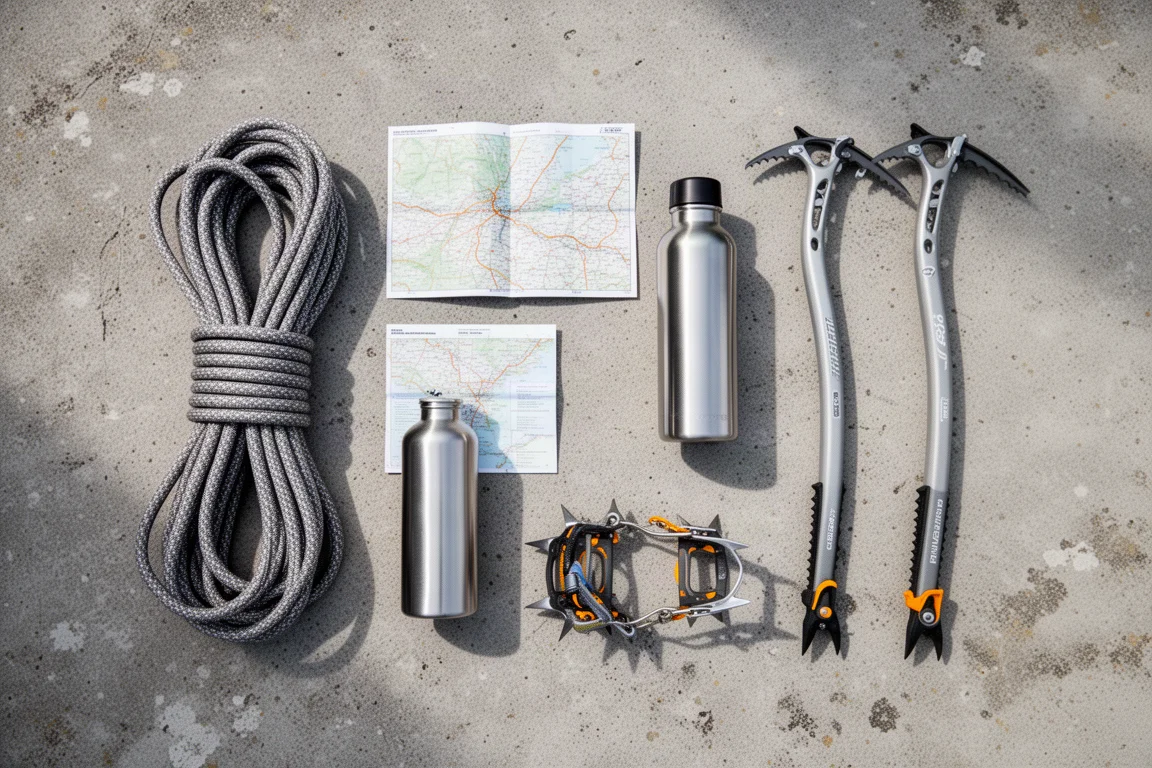
Access is better than most climbing packs. A zip on the side opens the main compartment, so you can reach something that has settled at the bottom without unpacking everything, or pull excess rope out on an alpine route. The front pocket is huge, effectively the whole front panel, with a water resistant zip running down the side for easy entry. It holds a map or guidebook comfortably and includes a key clip.
There is also an elasticated external pocket that sits flush when empty, so it does not snag while climbing, yet keeps a water bottle reachable on the walk in. An ergonomic handle makes the pack easy to grab and move around when it is heavy and full. For rope carry on the outside, a top strap with two attachment points can be pulled down tight, and dedicated ice axe attachment points keep tools secure on the approach.
Because the white Dyneema is translucent, finding gear inside is straightforward. You can see contents through the shell and through the front panel, which removes a lot of rummaging. Straps are adjustable and removable, attached with a larksfoot loop, so the pack can be stripped down further if you want to save weight.
Things to Consider Before Buying
The 60 litre capacity is the first thing to think about. It is more room than most winter climbers need for a single day, so the pack makes the most sense if you want one bag for big days and multi-day trips rather than a dedicated day pack.
The removable frame is a design compromise worth knowing about. It carries weight well, but it can catch on a helmet while climbing until you take it out.
The bright white fabric is also a practical consideration. It is part of what makes Dyneema so effective here, and it makes gear easy to find, but a white pack will show dirt and marks over time.
Buying Advice
This is a specialist pack built around a specific idea: expedition capacity at a weight that many 30 litre day packs would struggle to match. If your trips involve long approaches followed by climbing, the combination of a light shell, a comfortable adjustable back system, and a compressible body is hard to argue with.
If you mainly climb single winter days close to the car, the SL version and smaller options in the range may suit better, and the SL fit is tailored mainly for the female form. For anyone planning multi-day objectives or long alpine approaches, the Expedition Ultra 60 is a well-rounded choice that works as a walking pack and a climbing pack without forcing you to pick one.
Conclusion
Deuter has spent 127 years refining rucksacks, and the Expedition Ultra 60 shows where that experience leads when the brief is light, tough, and comfortable at the same time. At 820 g for 60 litres, with Dyneema durability, taped seams, and an adjustable back system, it is a compelling option for climbers and walkers who want one pack that can handle the whole trip.
Product link
View more details for Deuter Expedition Ultra 60
This product is mentioned in the review. Check the specifications, options, and compatibility before buying.
View more details for Deuter Expedition Ultra 60Further reading
Related Reviews
Mountaineering Backpacks
Montane Valen 40+5 Review: A Light, Hard-Wearing Mountaineering Pack
A stripped-back 40+5 litre climbing pack with 200 denier Raptor Grid fabric, 360 degree compression, a roll top, and a removable aluminium back stave.

Backpacking Gear
Building a 10 lb Base Weight: An Ultralight Backpacking Gear List
A practical walkthrough of the ultralight pieces behind a 10 lb base weight, from a 765 g pack and a roomy one-person tent to a full camp chair and a dependable water filter.

Road Bikes
10 New Road Bikes Worth Watching: Aero, Titanium, Steel and Endurance Standouts
A practical roundup of 10 new road bikes, from aero flagships chasing single-watt gains to titanium, steel and endurance platforms built for real roads.