Colored Pencils
Derwent Chromaflow 72 Set Review: A Soft-Core Contender That Finally Makes Sense
Derwent extended Chromaflow to a 72-pencil palette, and the range finally has the depth to compete in the soft-core space. Here is what the pencils do well and where they fall short.
Introduction
Derwent launched the Chromaflow range with 12- and 24-pencil sets, and at the time it was hard to see the point. A soft-core pencil meant to sit alongside the kind of palette Prismacolor fans enjoy, limited to 24 colors, could not realistically break into that audience. With the new 72-pencil set, that problem is largely solved. The Chromaflow now has a comprehensive, well-balanced palette, and it finally earns a place in the conversation around soft-core pencils.
The core idea behind the range has not changed. Derwent built Chromaflow for artists who like a soft, creamy, silky core in the Prismacolor mold, but who live in markets where Prismacolor is not always easy to find. The core sits very close to Prismacolor on a softness scale: if you imagine Prismacolor as the softest core and Derwent Artist as the hardest, with Polychromos near the middle, Chromaflow lands at roughly a two out of ten. It is a genuinely soft pencil.
Pencil Design and Build
Each Chromaflow pencil has a 3.5 mm core inside a slim 7.2 mm barrel, which Derwent did deliberately to keep the pencil feel nimble in the hand. The barrel is black, carrying the “Made in Britain” marking, the Derwent Chromaflow name, and the individual pigment name and number. The end of the barrel carries the familiar diagonal flash with the pigment identifier, so pencils lined up on a desk are instantly recognizable as Derwent.
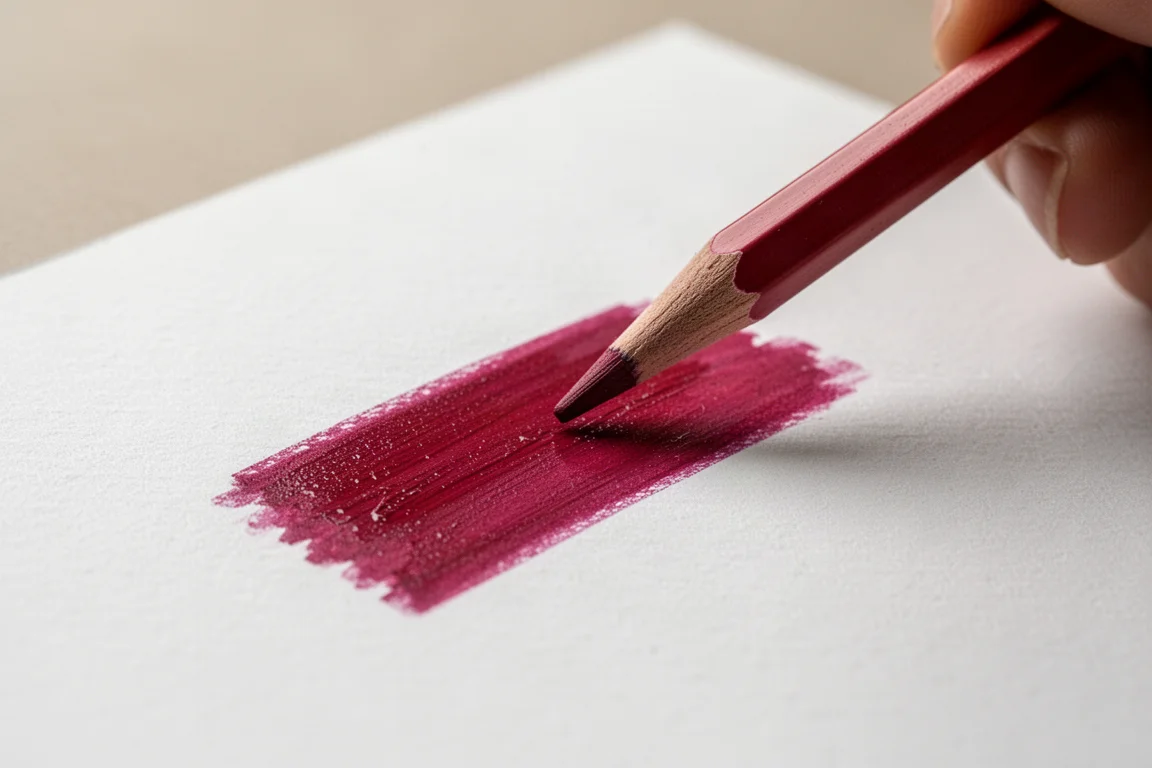
In the hand it is a comfortable, slimline pencil, and the soft core glides easily onto the page. The core has a glossy, silky quality rather than the drier feel of Derwent Coloursoft, and it applies, layers, and blends with very little effort.
There is one caveat worth knowing before you buy. A couple of pencils in the 72 set showed splintering and fibrous wood around the core when sharpened with a handheld sharpener, even with a fresh blade. Derwent confirmed the range is made with a fine-grade pine suited to the slimmer barrel, and noted that wood choices can change over the lifetime of a range. The damaged pencils recovered fine in a hand-crank sharpener, but it is a real characteristic of this type of pencil rather than a one-off defect.
Layering and Blending Performance
The soft core is where these pencils shine. On a lightly textured Bristol vellum surface, layering held up cleanly through five layers with no resistance, no tackiness, and no sign the paper was rejecting more pigment. On a more textured 70% cotton watercolor-style paper, the pencils still performed well, with the test suggesting even more layers would have been possible.
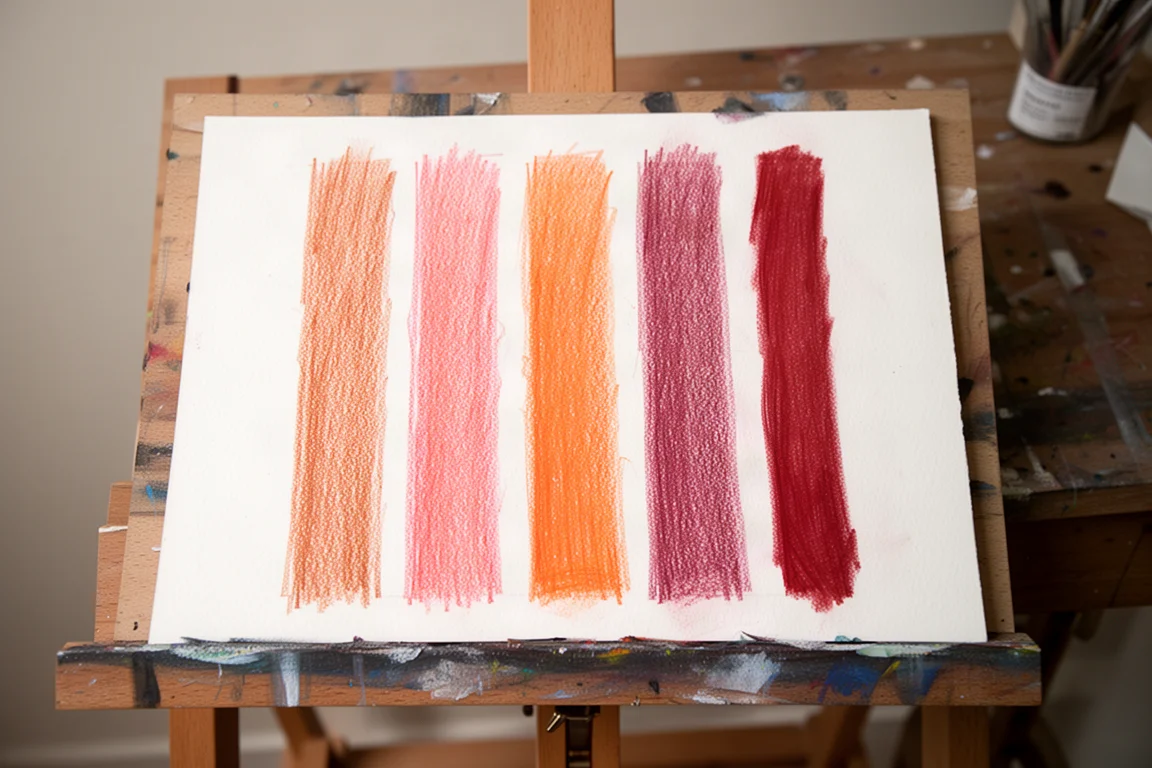
Pigment density is excellent. Holding the pencil at the very end of the barrel and letting its own weight apply the color produced rich, vibrant coverage, which is a good indicator of how heavily pigmented the cores are. A single heavy application delivers a bold, saturated result.
Blending also works well. Mixing blue and yellow produced a clear, clean green, yellow and red gave a convincing orange, and the red-and-blue purple, often the hardest blend to pull off, came out as a pleasant, usable violet. With a soft, heavily pigmented core on the right paper, creating third colors is genuinely achievable.
For artists who use odorless mineral spirits, the pencils do react with solvents, breaking down the layers so they settle into the paper tooth and fill white gaps without damaging the surface. The reaction is serviceable rather than spectacular, and results will improve when more layers are down before application.
The Palette
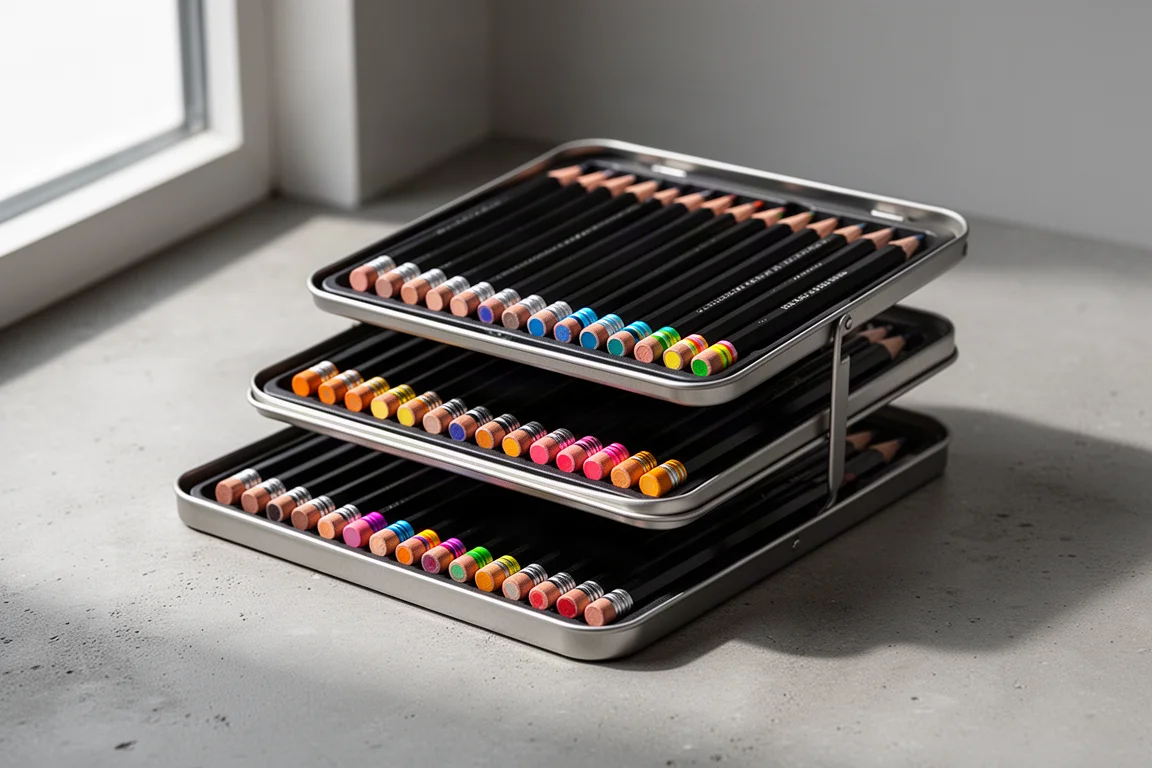
The 72-color palette is arranged in three tiers within a compact tin, similar in format to other large sets. What stands out is the balance. There is no oversaturation of one hue with a lonely pair of greys at the end. The yellows, oranges, and peaches flow smoothly into reds and pinks, then into purples and a solid run of blues, aquas, and a particularly attractive set of greens, including a lovely pastel mint and a distinctive cactus green.
The earthy browns and deep reds are strong, and the greys may be the best part of the palette: storm grey, lavender ash, carbon grey, pebble, and morning mist give a wide working range. Overall, this is a palette flexible enough for fan art, wildlife, landscape, and botanical work alike.
Opacity on Dark Paper
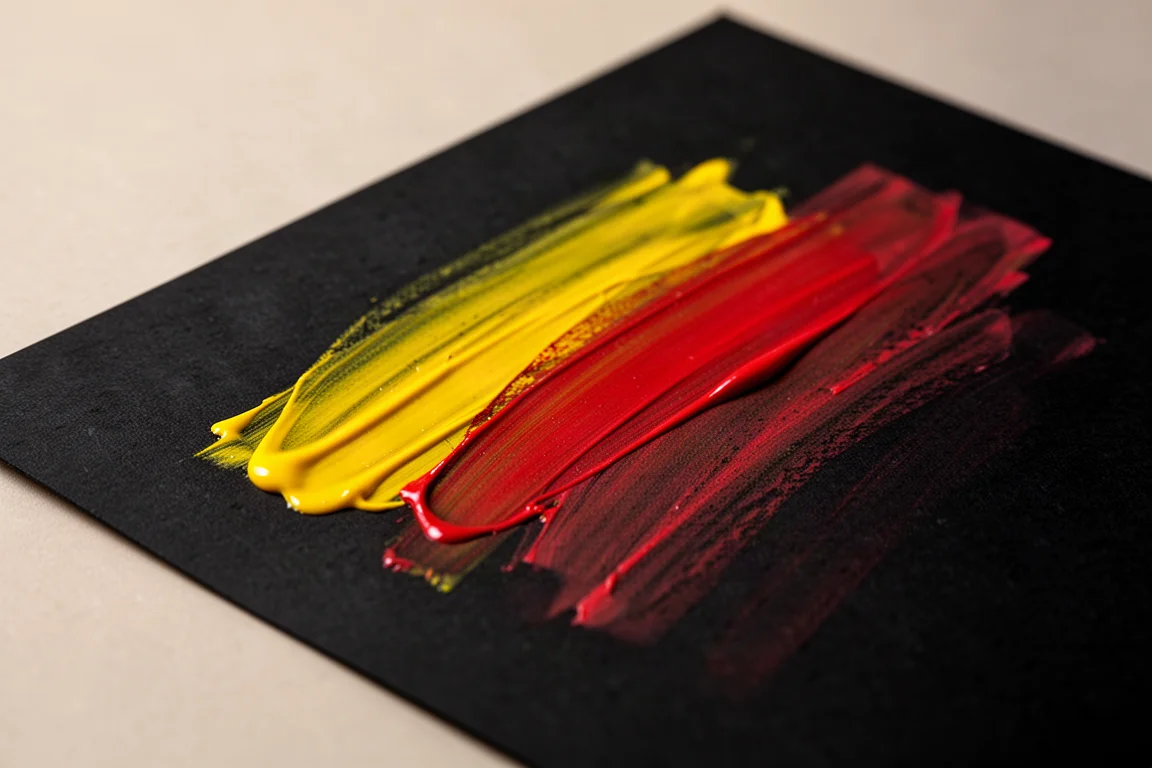
On black paper, the Chromaflow showed thick, opaque coverage across the colors tested, with the dark surface barely visible beneath the pigment. This matters most if you work on tan or dark papers regularly: an opaque core keeps colors clean and bright, while a translucent core gets muddied by the paper underneath. This trait does not define whether a pencil is good or bad, but if you enjoy dark-ground work, the Chromaflow handles it confidently.
Lightfastness: Know What You Are Buying
Derwent is upfront that these pencils are not aimed at professional artists selling originals or commissions. Around 60 of the 72 colors have been lightfast tested so far, landing in the six to eight range on the Blue Wool Scale, which is solid for a soft-core pencil, but the company has not positioned the range around archival work. Derwent’s professional options, the Derwent Lightfast line, sit in a different tier entirely.
If you draw for the pleasure of drawing, color in adult coloring books, or fill folders with artwork for yourself, this matters little. If you sell originals, look elsewhere in the Derwent range or at dedicated professional lines.
Who Should Buy the Chromaflow 72 Set
Adult colorists and crafters are the natural audience here, and the reasoning is straightforward: most coloring book paper is smooth and lightly textured, and a highly pigmented soft-core pencil performs better on that kind of surface than a harder core. The effortless layering and blending make casual drawing feel forgiving and enjoyable.
For professionals, the lightfastness limits are the deciding factor. For everyone else, the extension to 72 colors has genuinely elevated the range from a curious experiment into a pencil worth taking seriously.
Buying Advice
Availability varies by region. The 36 set has been easier to find in the US than the 48 and 72 sets, and some UK retailers have sold out, with Derwent aiming to have the full range available across the US, Canada, the UK, and Europe, and Australia following somewhat later. Open stock pencils are also available.
On price, expect movement. New pencil releases typically see prices ease within a month or two of hitting shelves, though current shipping costs have pushed everything up across the industry, so treat any drop as a bonus rather than a guarantee. The sharpening quirk is worth factoring in too: if you love soft-core pencils, occasional difficulty sharpening comes with the territory, and a hand-crank sharpener resolves most incidents cleanly.
Conclusion
The 72-pencil expansion is what the Chromaflow always needed. The palette is comprehensive and well balanced, the core is silky, creamy, and heavily pigmented, and the pencils layer and blend with real pleasure. Sharpening splintering on a couple of pencils and the lightfastness positioning are the honest trade-offs, neither of which undermines the core appeal for colorists and casual artists. A 120-set would be welcome, but as it stands, the Chromaflow 72 is a confident, well-executed soft-core option that deserves a spot beside Prismacolor on the shortlist.
Product link
View more details for Derwent Chromaflow Colored Pencils 72 Set
This product is mentioned in the review. Check the specifications, options, and compatibility before buying.
View more details for Derwent Chromaflow Colored Pencils 72 SetFurther reading
Related Reviews
Colored Pencils
Deli Colored Pencils 72-Set Review: A Budget-Friendly Polychromos-Style Alternative?
A 72-color budget set with vibrant, saturated pigment, a thick 3.7mm core, and surprisingly good durability. Here is how the Deli colored pencils performed across swatching, blending, and solvent tests.
Colored Pencils
Marco Refine Pro Review: A Soft, Colorful Budget Pencil That Struggles to Justify the 'Pro' Label
A closer look at the Marco Refine Pro 100 set: soft cores, rich color laydown, great layering, but no lightfastness data to back up the professional name.
Colored Pencils
Phoenix Color 100 Colored Pencils Review: Genuinely Beautiful, Genuinely Good
A 100-pencil Chinese set with gorgeous layered box art and gold barrel designs that also happens to layer, blend, and dissolve surprisingly well.