Tube Amplifiers
Decware ZMA Review: A Handmade Tube Amplifier Benchmarked Against the Marantz 8B
A detailed look at the handmade Decware ZMA tube amplifier, from its no-compromise parts list to its vintage-leaning sound, plus how it compares with the collectible Marantz 8B.
Introduction
The Decware ZMA has become one of those amplifiers people talk about long before they hear one. It is a handmade tube amplifier built one unit at a time, with a waiting list that runs well past a hundred orders, a wood and hardware specification chosen by the buyer, and a full-size hard flight case with the owner’s name on it.
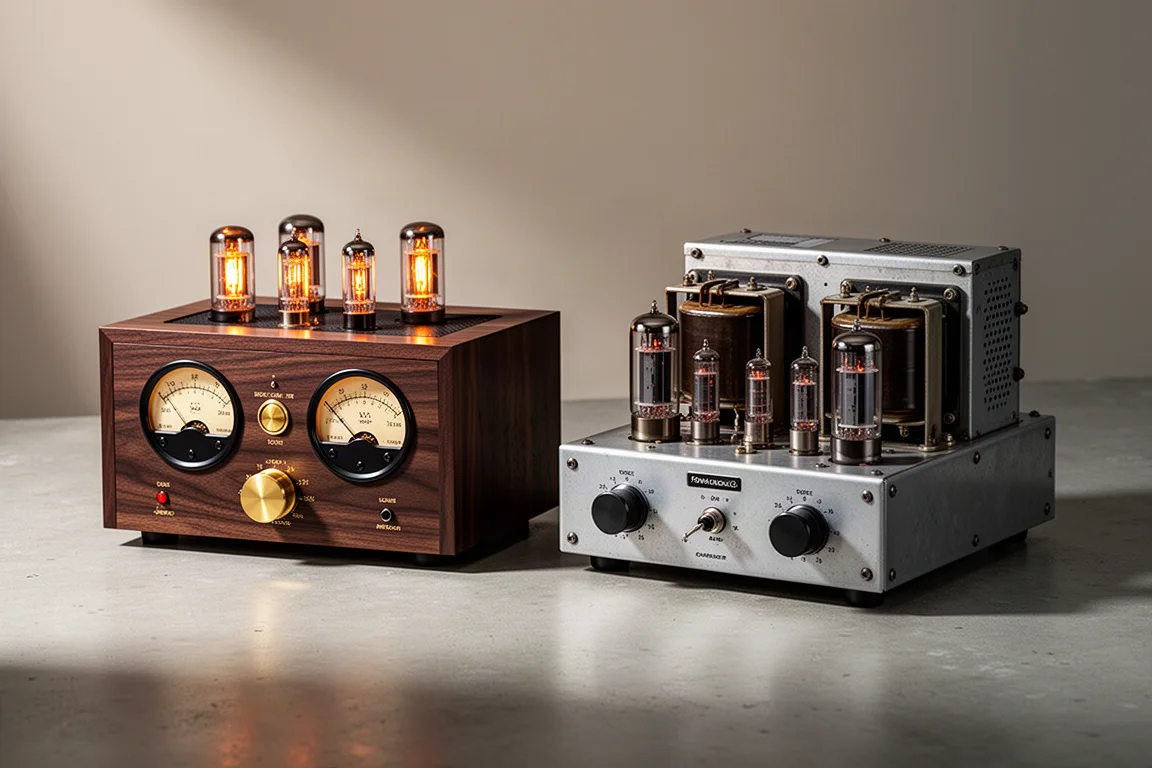
This review covers what the ZMA is, how it is built inside and out, and how it sounds. It also places the amplifier next to a genuine vintage benchmark, the Marantz 8B, because that comparison explains more about the ZMA than any list of specifications.
Why the Decware ZMA Draws So Much Attention
The ZMA is a 40 watt per channel tube amplifier with output taps for 4, 8, and 16 ohm speakers. Those numbers look modest next to the big solid-state figures buyers are used to, but the amplifier never feels limited in practice. It behaves like a far more powerful design, with headroom that does not run out on demanding material.
Decware builds the ZMA by hand, one unit at a time, and the queue reflects it. Orders reportedly sit behind well over a hundred other builds, so a new order should be planned as a long-term purchase rather than a quick delivery.
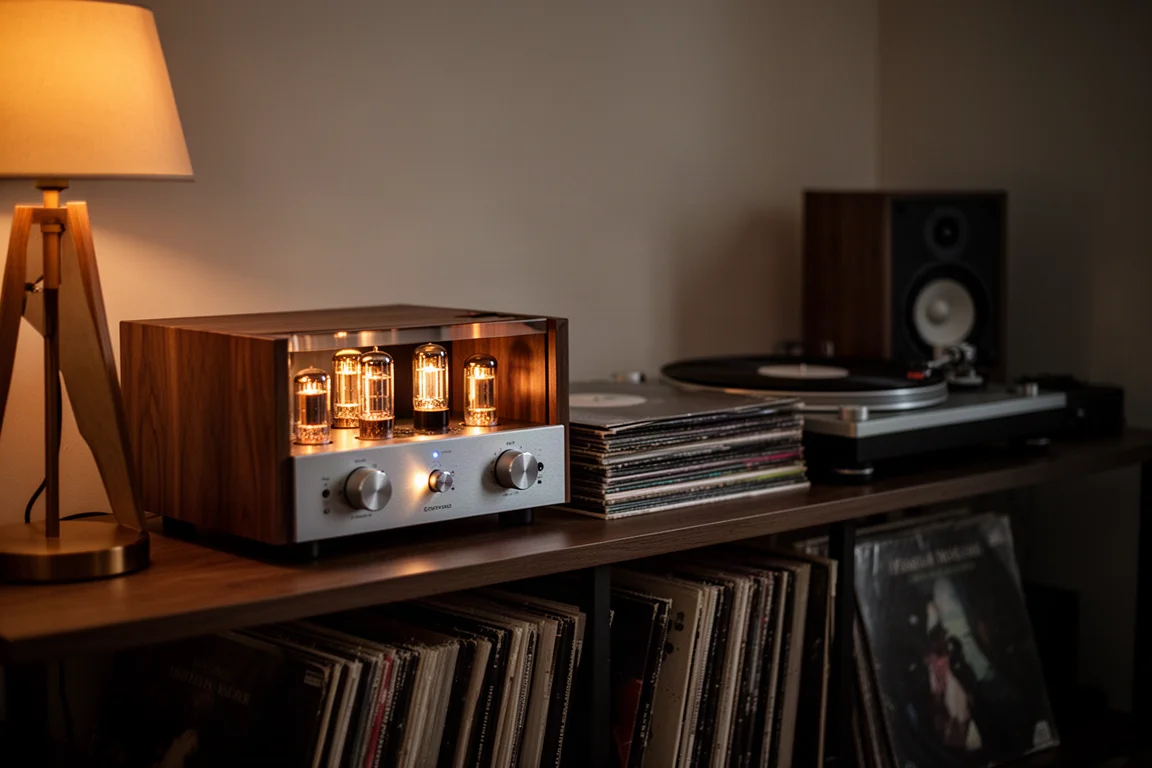
The design is treated as a no-compromise project, with nothing spared on parts, and the same thinking carries into the finish. Buyers choose the wood and the hardware, and this unit uses a dark walnut case with a brass volume control, both of which can be specified differently at order time.
The ZMA also sits below the company’s monoblock models in price, and it was the model recommended for the speakers it was bought to drive. Even the packaging is a statement: a full-size hard flight case with the owner’s name on it, rather than a cardboard box.
Build Quality, Woodwork, and Internal Parts
The exterior is deliberately classic. The wood case is available in dark walnut, cherry, and other species, and the volume control can be specified in brass or wood. The result reads as old-school tube gear in the best sense, rather than a modern amplifier dressed in retro styling.
Inside, the parts list is where the no-compromise claim is easiest to verify. The signal path uses beeswax copper foil capacitors, the white components visible across the board. These sit a step above the high-grade film capacitors found in plenty of respected high-end gear, and components of this quality are genuinely rare at this price point.
Two large meters on the front panel show bias for each channel, and the amplifier ships with a manual that walks owners through adjustment. No tools are needed, and bias can be set by hand in a few minutes.
The ZMA also supports a set of anniversary modifications, four in total on this build. Specifying all of them adds a little over $1,000 to the price of the amplifier.
Decware ZMA Sound Character
The midrange and the top end are where this amplifier earns its reputation. Vocals, guitar strings, and saxophones come through with a liquid midrange and a sweet, refined high frequency. The presentation has a vintage character, without the sharp edges that some modern tube designs add in an attempt to sound more like solid state. This is a true tube amplifier in the classic sense, and it does not pretend otherwise.
The soundstage is the other headline. It is holographic, three-dimensional, and it expands deeper and wider than the physical size of the amplifier suggests. At the same time the amplifier is quiet, detailed, and nuanced, which is what makes the staging easy to hear rather than merely impressive.
Bass is good rather than spectacular. With efficient speakers it is textured and extends low, and there is little to complain about, but it is not the tightest low end you will hear and it is not a solid-state substitute in that region.
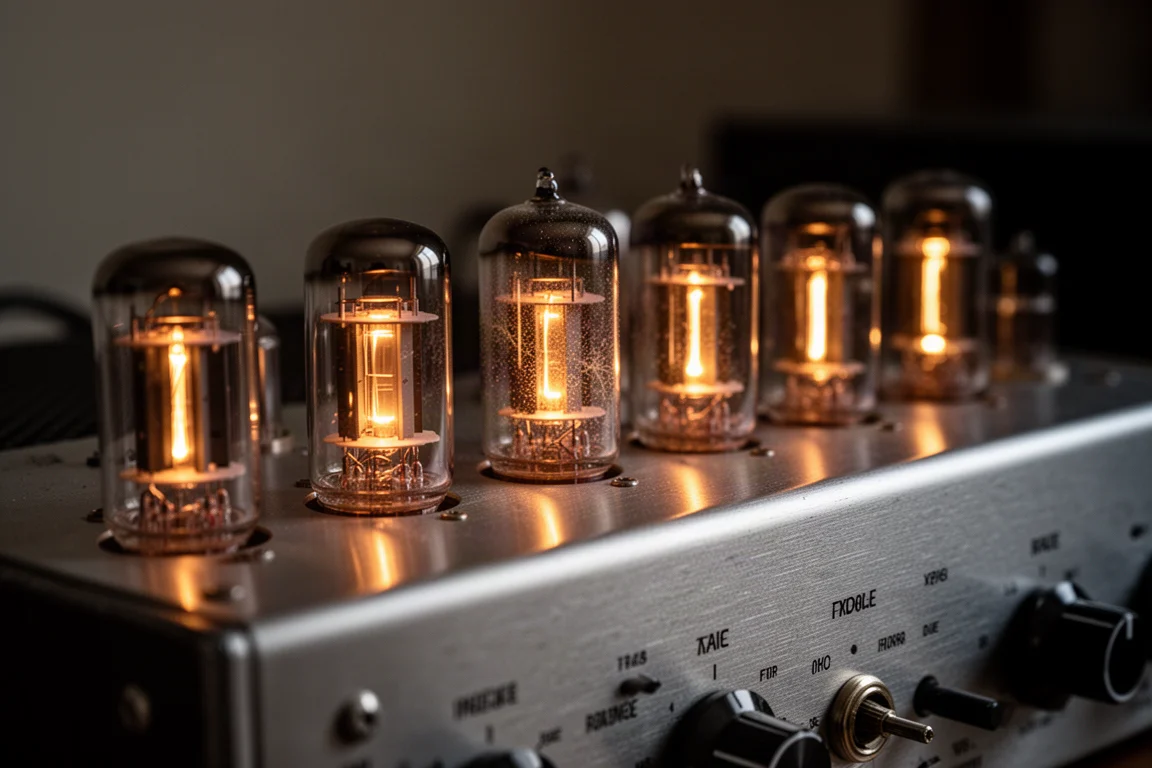
Taken together, the ZMA is best described as a beautifully executed vintage sound rather than a hybrid of old and new. Anyone who has missed the tone of classic tube gear, but wants modern quietness and detail alongside it, will find both here.
Marantz 8B as a Vintage Reference Point
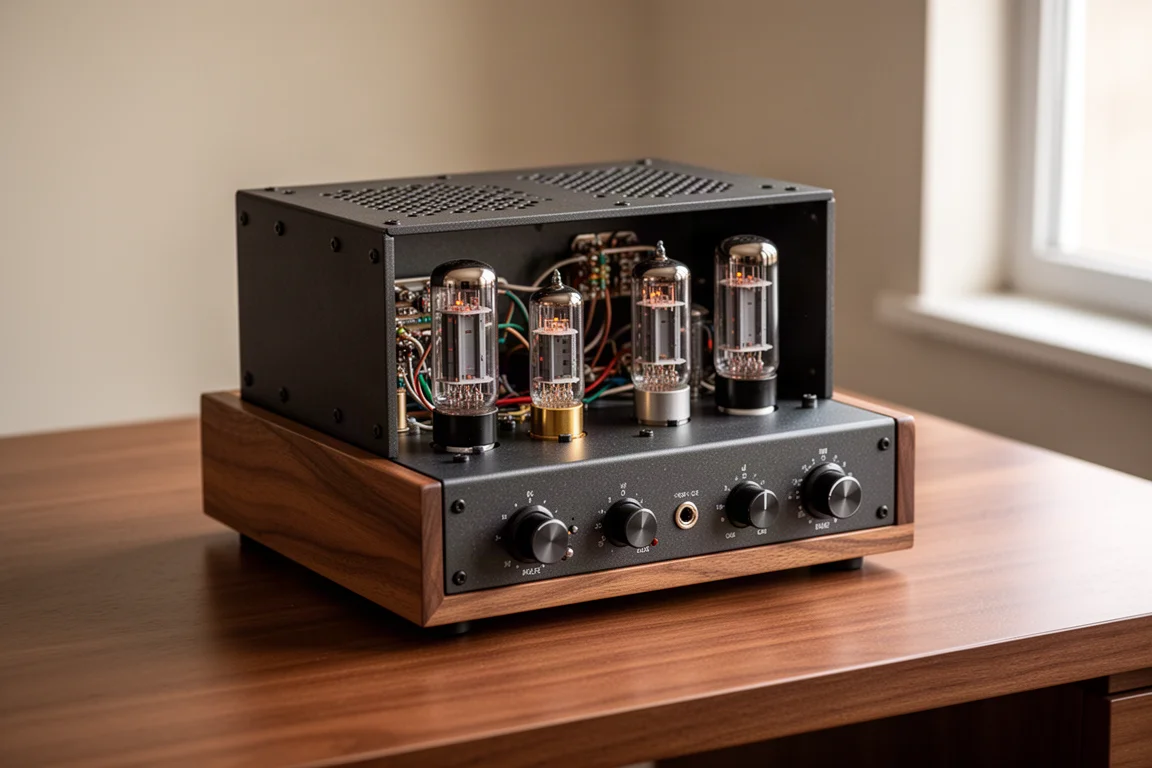
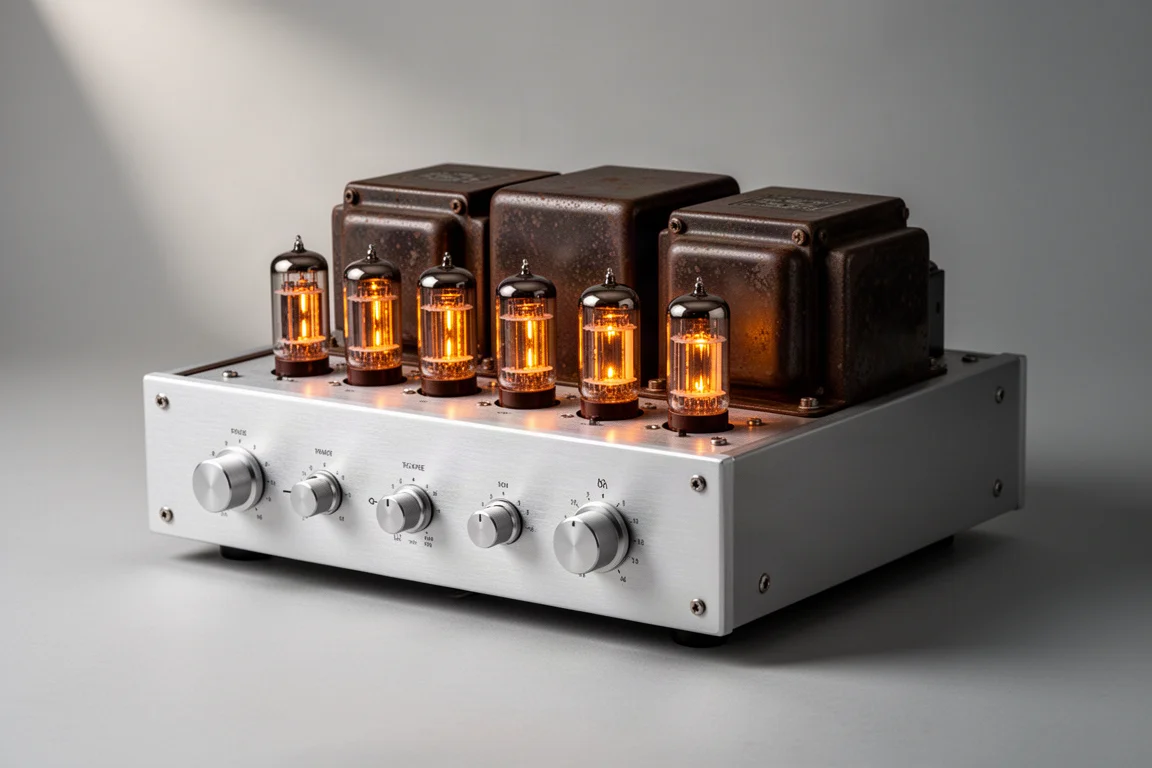
The Marantz 8B dates back to around the 1960s and is one of the legendary tube amplifiers of that era. It is collectible, and used examples commonly sell for somewhere between $8,000 and $10,000, which places a vintage piece in the same spending bracket as a modern high-end tube design.
Heard side by side, the ZMA comes out ahead in most of the ways that matter. It is cleaner overall, more holographic, and its soundstage expands deeper and wider. Its midrange and high frequency are cleaner and more balanced, and it is quieter, more detailed, and more nuanced. Smoothness is roughly comparable between the two, which is a strong result for the newer amplifier.
For a buyer deciding between a collectible vintage amplifier and a modern handmade one, that is a clear outcome, although the 8B keeps its appeal as a piece of tube-era history.
Pairing the ZMA With the Right Speakers
Speaker matching matters more with the ZMA than with most amplifiers, and it is the single decision that determines whether the sound lands where you want it. With efficient speakers, the bass is perfectly fine: textured, extended, and free of obvious faults.
The trade-off appears with speakers that carry a pronounced mid-bass character. Driven by the ZMA, that bump flattens out, and the tonal balance shifts toward something more linear, more neutral, and more reference-like. Listeners who wanted exactly that will be delighted. Listeners who chose their speakers for that extra mid-bass energy may find that a capable solid-state amplifier preserves the original character more faithfully.
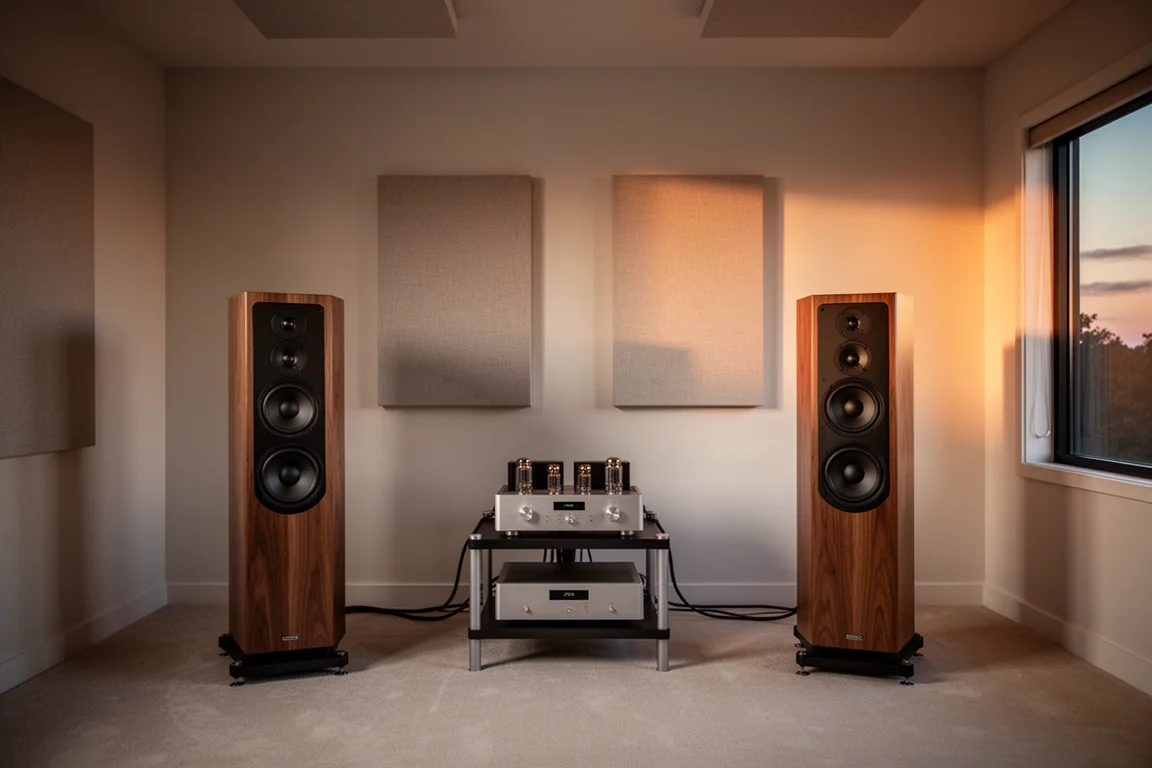
The practical takeaway is straightforward. If your speakers are efficient and you already like their tonal balance, the ZMA has very little to prove. If your speakers rely on a warm mid-bass lift for their personality, think the pairing through before you commit.
Customization, Tube Rolling, and Long-Term Ownership
The ZMA ships with a KT66 output tube and is designed for tube rolling, so the character of the amplifier can be tuned over time by trying different glass. Bias adjustment is handled from the front-panel meters using the supplied manual and no tools, which makes experimentation practical rather than intimidating.
Order-time customization extends beyond tubes. Wood species, the volume control material, and the anniversary modifications are all specified when the build is placed, so the amplifier arrives as the version you actually asked for.
Ownership also means patience. The build queue is long and the amplifier is made one at a time, so the wait is part of the purchase rather than an inconvenience around it.
Buying Advice
The ZMA makes the most sense for listeners with efficient speakers who care about midrange and high-frequency refinement, a holographic soundstage, and a classic tube-era aesthetic. It also suits buyers who want a handmade product they can specify themselves, and who are comfortable waiting for it. Budget for the anniversary modifications if you want the fullest version of the amplifier, since those add a little over $1,000.
The Marantz 8B remains a compelling option for collectors and for anyone who wants a piece of vintage tube history, but in a direct comparison the ZMA is the cleaner and more holographic amplifier. If you already own speakers with a pronounced mid-bass character and you love that sound, plan on a different amplifier pairing or accept that the ZMA will move the system toward a more neutral balance.
Conclusion
The Decware ZMA is a handmade tube amplifier that lives up to the attention it receives. Its parts quality is genuinely rare at this price, its midrange and high frequency are among the best you will hear, and its staging is holographic in a way that few designs manage. Its bass is textured rather than tight, and its waiting list is long, but neither of those is a fault in the amplifier itself. Match it to efficient speakers, decide on the finish and modifications you want, and the ZMA is money well spent.
Further reading
Related Reviews
Tube Amplifiers
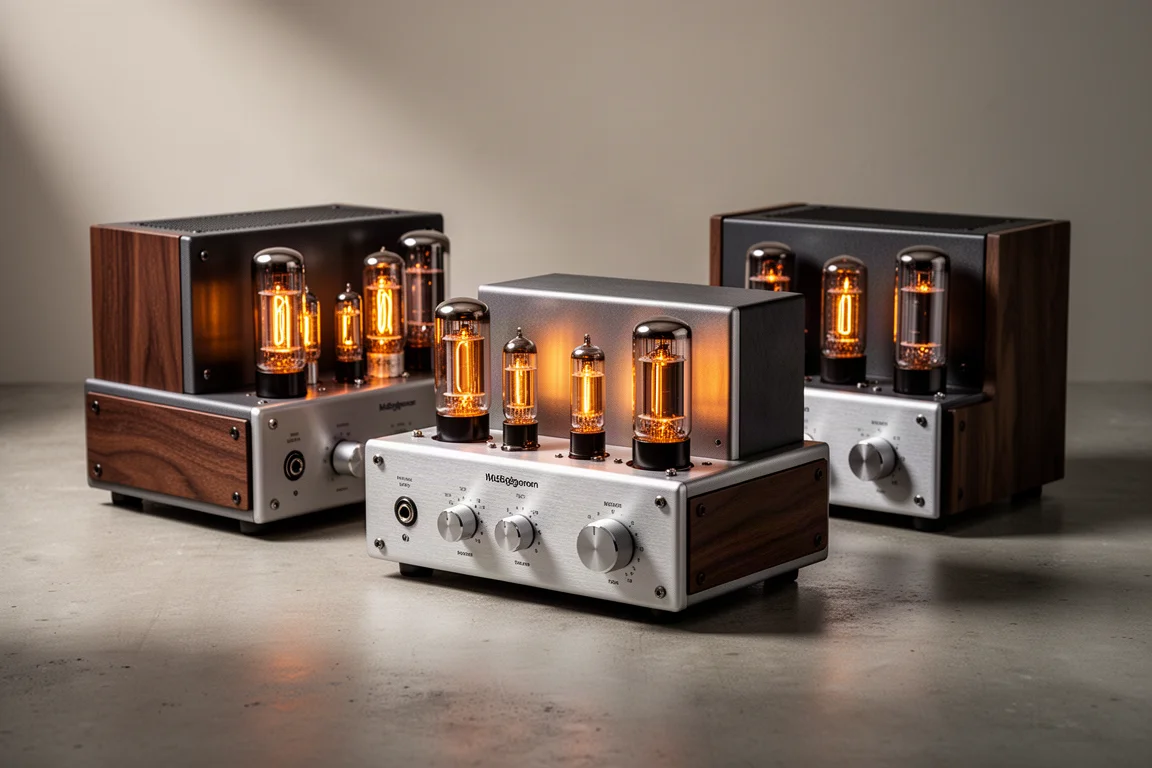
Three Standout Tube Amplifiers: Marantz 8B, Decware ZMA, and Convergent Audio JL2
A close look at three tube amplifiers with distinct strengths, from vintage sweetness to modern mid-range refinement and heavyweight bass authority.
Tube Amplifiers
Black Ice Audio FX10 Review: A Real Tube Amplifier at a Realistic Price
The Black Ice Audio FX10 pairs EL84 tubes with a glass enclosure and a $625 price tag. Here is what it does well, what to check first, and who should consider it.
Tube Amplifiers
Brunoco Terra Integrated Amplifier Review: 20 Watts of Vintage RCA Character
A purist 20W tube integrated amplifier built in Korea around vintage RCA circuit ideas, with a musical, expansive sound and a few practical trade-offs.