Loudspeakers
Decware Zen Master Series Review: The Case for Open Baffle Speakers
An open baffle loudspeaker built around 15-inch full-range drivers, with no crossover, very high sensitivity, and a level of neutrality that is hard to argue with.
Introduction
Open baffle loudspeakers sit in a strange corner of high-end audio. They remove the cabinet that most speakers are built around, and that single change alters almost everything about how the speaker behaves in a room. The Decware Zen Master Series is a textbook example of the approach, and it makes a persuasive case for why some listeners never go back to box designs.
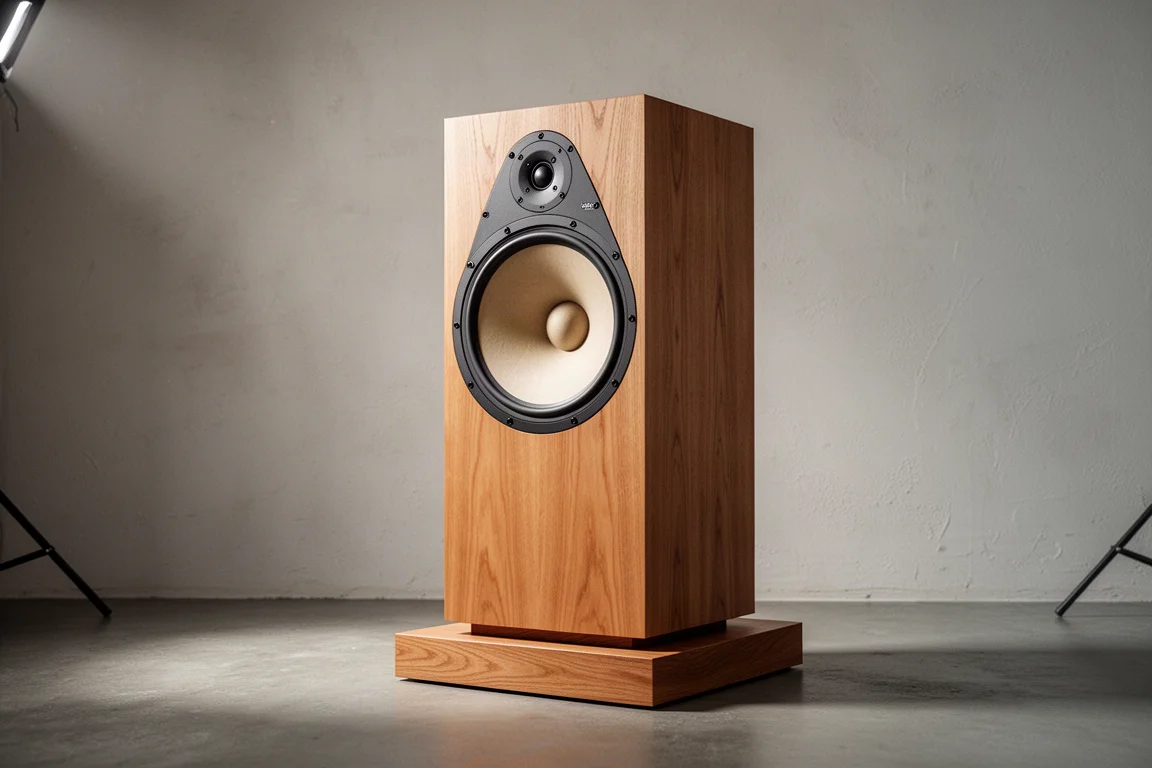
The Zen Master Series is built around a pair of 15-inch full-range drivers. There is no tweeter and no woofer to hand off to, which means there is no crossover network at all. The voice coil of each driver connects directly to the amplifier.
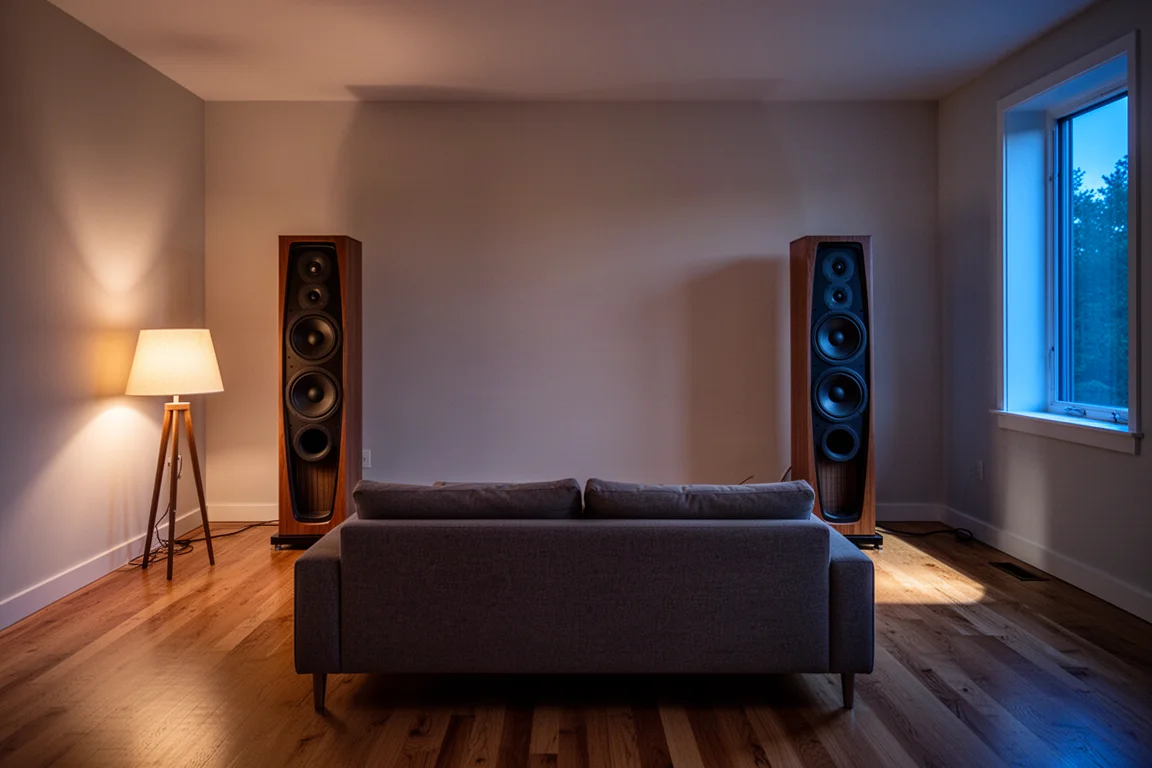
That one decision shapes everything that follows, from the speaker’s efficiency to the way it handles dynamics and detail. It also means the speaker asks more of the room and the listener than a conventional box loudspeaker does.
Who the Zen Master Series Is For
This is a speaker for listeners who value transparency above everything else. Because there is almost nothing between the amplifier and the driver, the Zen Master Series avoids the boxy colorations and cabinet resonances that shape the sound of most loudspeakers.
It suits people who listen to acoustic music, classical ensembles, jazz, and singer-songwriter material. Those are the genres where an uncolored mid-range matters most, and it is where this speaker is at its most convincing.
It is also a natural fit for anyone who already owns a low-powered amplifier. The claimed sensitivity of 100 dB at 1 watt and 1 meter means concert-level volume is achievable with only a handful of watts on tap.
Conversely, it is a poor match for listeners who want deep bass without adding a subwoofer, or who need a speaker that can be dropped into a room and then left alone.
Design and Build: Open Baffle, Full-Range Drivers, and Hardwood
The driver complement is deliberately minimal: a pair of 15-inch full-range units, with the F-15 driver specified for this design. Published response figures for that driver are fairly linear from roughly 50 Hz to nearly 20 kHz, with output rolling off quickly below 50 Hz.
The Zen Master Series is available in a range of solid hardwoods, and the maple version is one of the options. Pricing varies with the hardwood and finish selected, though every version uses the same 15-inch driver.
The large front baffle is not a styling exercise. Its size and shape influence both the sound and the soundstage. The same applies to the substantial plinth that extends behind the speaker: it adds stability, reinforces bass, and gives the driver a reflection point that contributes to the speaker’s sense of space.
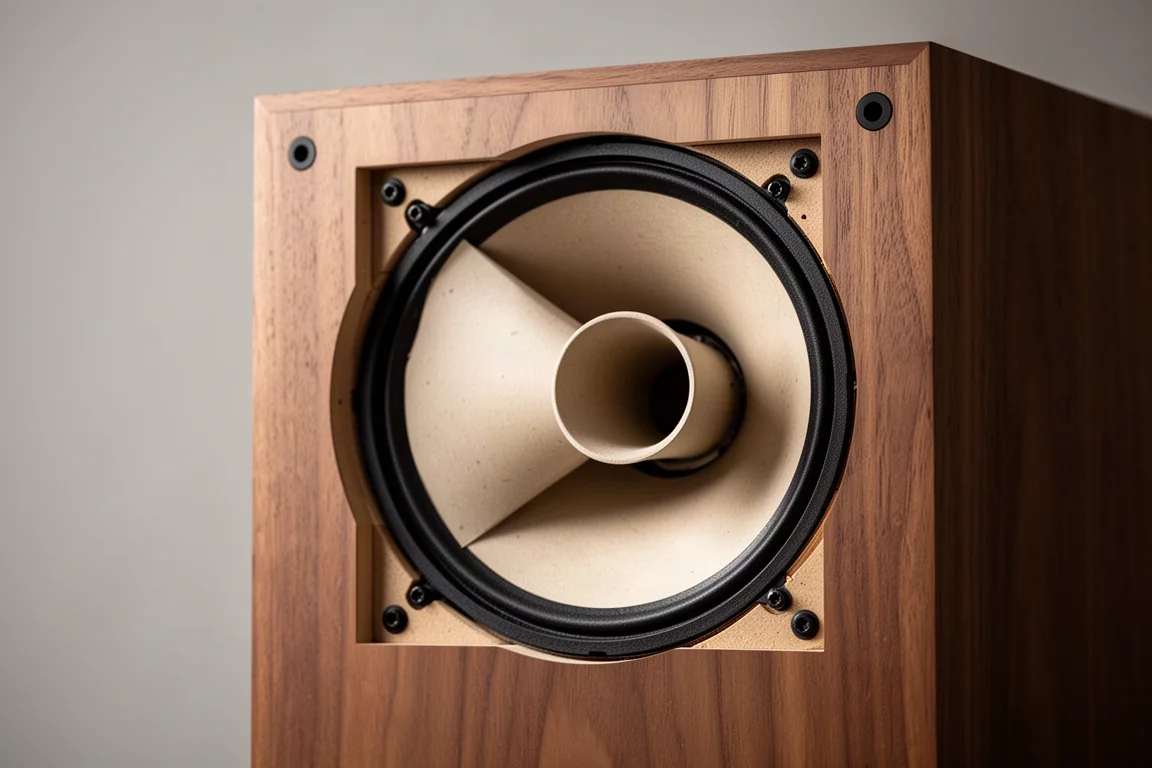
Decware also offers risers that lift the front of the speaker to a preferred height. A crossbar that tilts the drivers upward is not part of the standard package, but it is worth requesting, because the speaker sounds noticeably better with some upward tilt and the risers preserve that flexibility.
Listening Impressions: Bass, Mid-range, and Highs
Bass is where expectations need adjusting first. The drivers roll off substantially around 50 Hz, so this is not subwoofer territory on its own. With a little boundary or room reinforcement, it is possible to live with the Zen Master Series without a sub and still come away satisfied with the low end.
What the bass lacks in depth it makes up for in speed. Drum kits sound like actual drum kits, and low-frequency information arrives fast, textural, and highly detailed. Adding a subwoofer can undercut that quality: even when carefully dialed in with custom EQ, a sub never felt as quick as the speakers running on their own. Giving up some depth to keep that speed is a reasonable trade.
The mid-range is the heart of the design. It is unusually uncolored, with none of the chestiness or boxy coloration that cabinets introduce. Compared directly against a box speaker in a similar price bracket, the difference is stark. For acoustic music, small ensembles, jazz, and vocal-led recordings, this is among the most lifelike presentations available at any price.
The highs are solid but not the most extended. That is an obvious consequence of having no tweeter. What you gain instead is seamless coherence from the bass through the mids and into the treble. Nothing sounds shouty or fatiguing over long sessions, which makes the speaker easy to live with across every genre. Listeners who rely on upper-frequency energy to pick out fine detail may find the top end a touch soft, though tilting the drivers upward and toeing them in helps bring more energy out of the driver.
Soundstage, Dynamics, and Placement
Placement matters more here than with a traditional box speaker. In practice, the speakers needed to sit about 30 inches out from the front wall, measured from the back of the driver to the wall. Pushed closer, back reflections muddied the bass and blurred the soundstage until it sounded vague and uninspiring.
Moving them out reduced bass weight slightly but sharpened the rest of the presentation and produced a notably holographic stage. Toeing the speakers in so the center of each driver aimed at the listening position delivered the most detailed treble and upper mid-range.
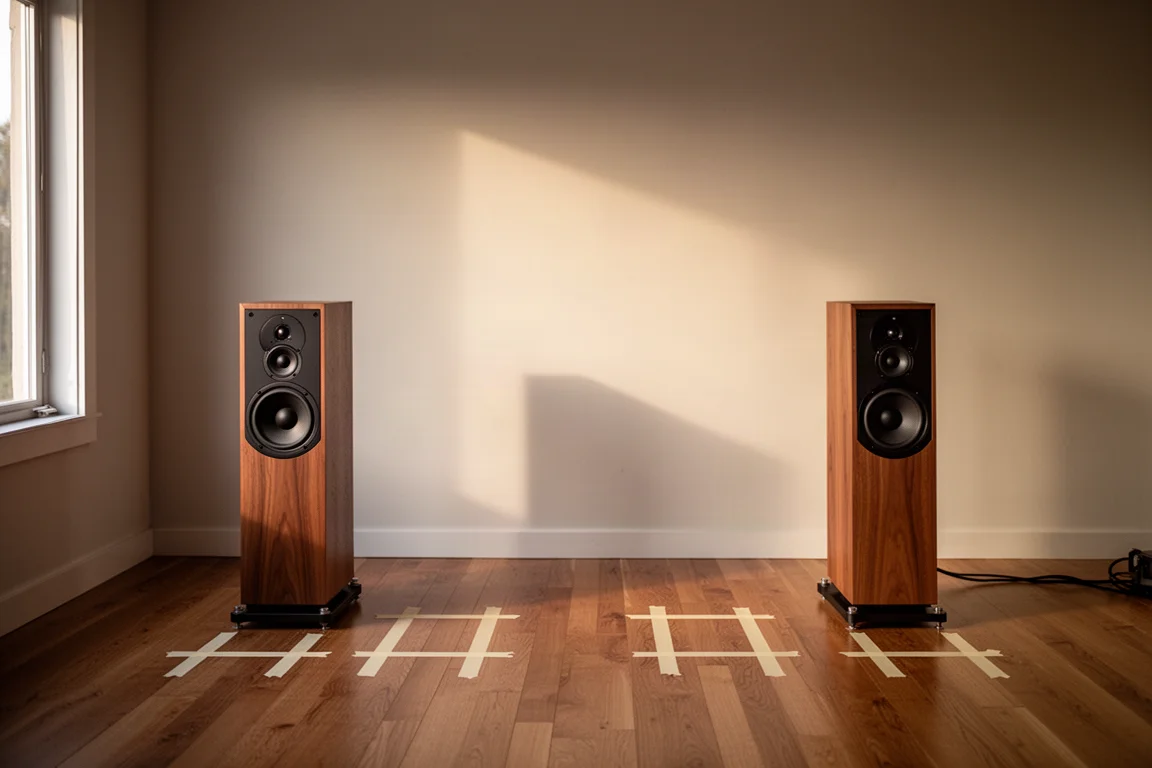
The stage itself is broad in both width and depth, with strong center focus and clear separation between instruments. There is a distinct sweet spot: turning your head or sitting off axis pulls the sound toward whichever side you are facing. Aiming the speakers straight ahead reduces that effect but softens center focus and treble articulation, producing a more mid-range-centric sound. Placement ultimately comes down to which presentation you prefer.
Dynamically, the Zen Master Series is remarkably immediate. There is no sense of the speaker ramping up or thirsting for power before it delivers impact. A soft hand clap and a hard one illustrate the point: the change in intensity is instant, and it is not colored by cabinet resonances or port noise. At everyday listening levels, this speaker trades blows with far larger horn-loaded designs.
How the Zen Master Series Compares With Other Speakers
The most direct comparisons are with Klipsch heritage models. Against the Heresy IV, the Zen Master Series is the more neutral loudspeaker. Against the Forte IV, it is better from the mid-range upward, while the Forte clearly wins on bass depth. Both the Forte and the Zen need physical space around them to perform at their best, so the setup demands are similar.
The closest match in character is the La Scala. The Zen Master Series shares that speaker’s immediacy, but without the horn-like effects that become more noticeable on the La Scala as volume rises, effects this speaker never exhibited. The La Scala still holds the advantage in overall scale and appearance, and it sits in a far higher price bracket. For listeners who routinely listen between roughly 60 and 80 dB, the Zen Master Series offers a similar experience in a smaller, considerably less expensive package.
Against open baffle designs such as Magnepan, the Zen Master Series is more transparent, far easier to drive, and considerably more dynamic. Planar speakers can be excellent when set up correctly, but getting them right demands substantial investment elsewhere in the system. This speaker does not.
Things to Consider Before Buying
Space is the first requirement. This speaker needs room to breathe, and a small room with limited placement options will hold it back no matter how good the rest of the system is.
Patience is the second. Setup is a process of small adjustments measured in inches, and the payoff only arrives once placement is right. This is not a set-and-forget component, and it rewards listeners who are willing to experiment.
Bass expectations need managing too. For genuine authority below 40 Hz, a subwoofer is required, and it should be integrated with care so that it does not spoil the coherence and speed that make the speaker special in the first place.
Finally, the top end is not for everyone. Listeners who need a bright, extended treble to follow fine detail may prefer a design with a dedicated high-frequency driver.
Buying Advice
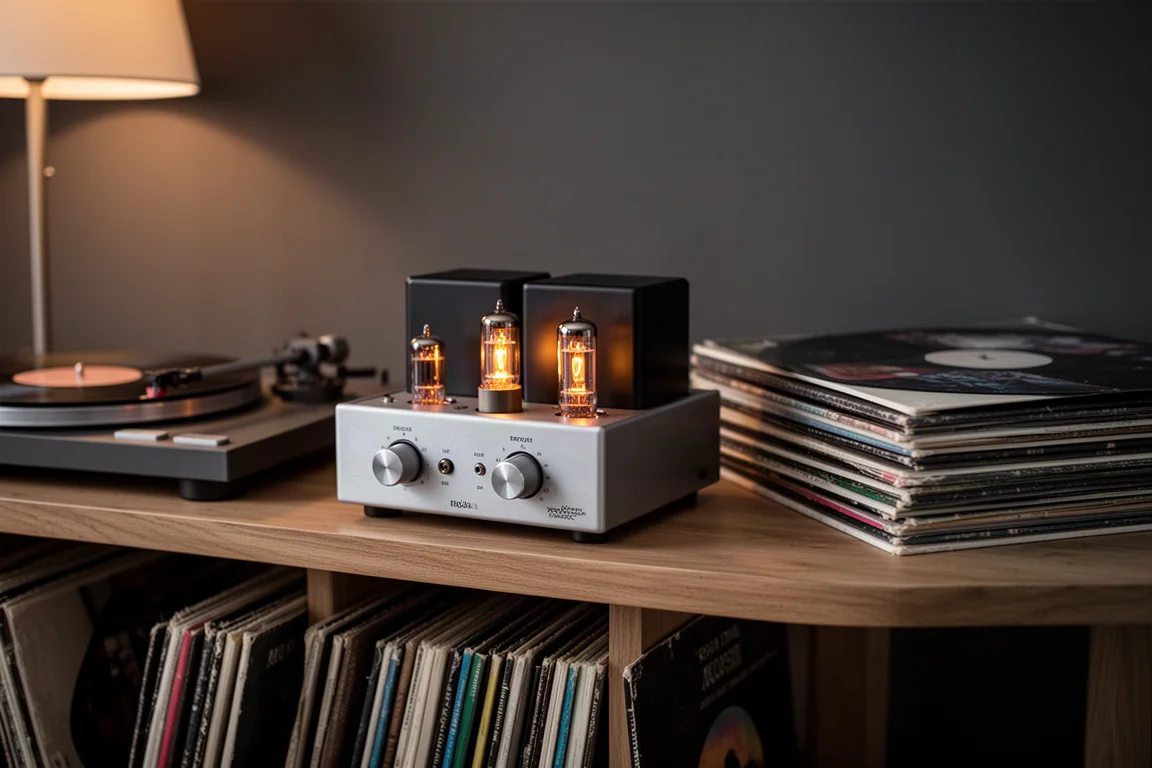
The amplifier pairing matters. A two-watt-per-channel Decware Zen amplifier proved to be the most satisfying match, and it is the combination worth building a system around. That amplifier is minimal by design: two inputs, no built-in DAC, and no remote control. In exchange, it costs less than several comparable integrated amplifiers and it suits the speaker’s efficiency perfectly. A turntable with a quality phono preamp or a dedicated music streamer completes the chain.
Request the crossbar or risers when ordering. The ability to tilt the drivers upward is a genuine tuning tool rather than an accessory, and it is the simplest way to add flexibility to the setup. From there, budget for the hardwood and finish you actually want, since both affect the final price, and plan for a source chain that matches the speaker’s resolving character. Buyers who want a forgiving, plug-and-play speaker should look elsewhere; buyers who enjoy dialing in a system will find the effort worthwhile.
Conclusion
The Decware Zen Master Series is a speaker with almost no sound of its own. It is neutral, coherent, and dynamic, and it is extraordinarily easy to drive to high volumes. Its limitations are real but specific: bass extension stops short of true full-range performance, the top end is restrained rather than brilliant, and it needs space and careful placement to reach its potential.
For listeners who can give it that space, and who favor acoustic, jazz, and vocal material, those trade-offs buy something rare. This is a speaker that gets out of the way and lets the recording speak for itself.
Product link
View more details for Decware Zen Master Series
This product is mentioned in the review. Check the specifications, options, and compatibility before buying.
View more details for Decware Zen Master SeriesFurther reading
Related Reviews
Loudspeakers
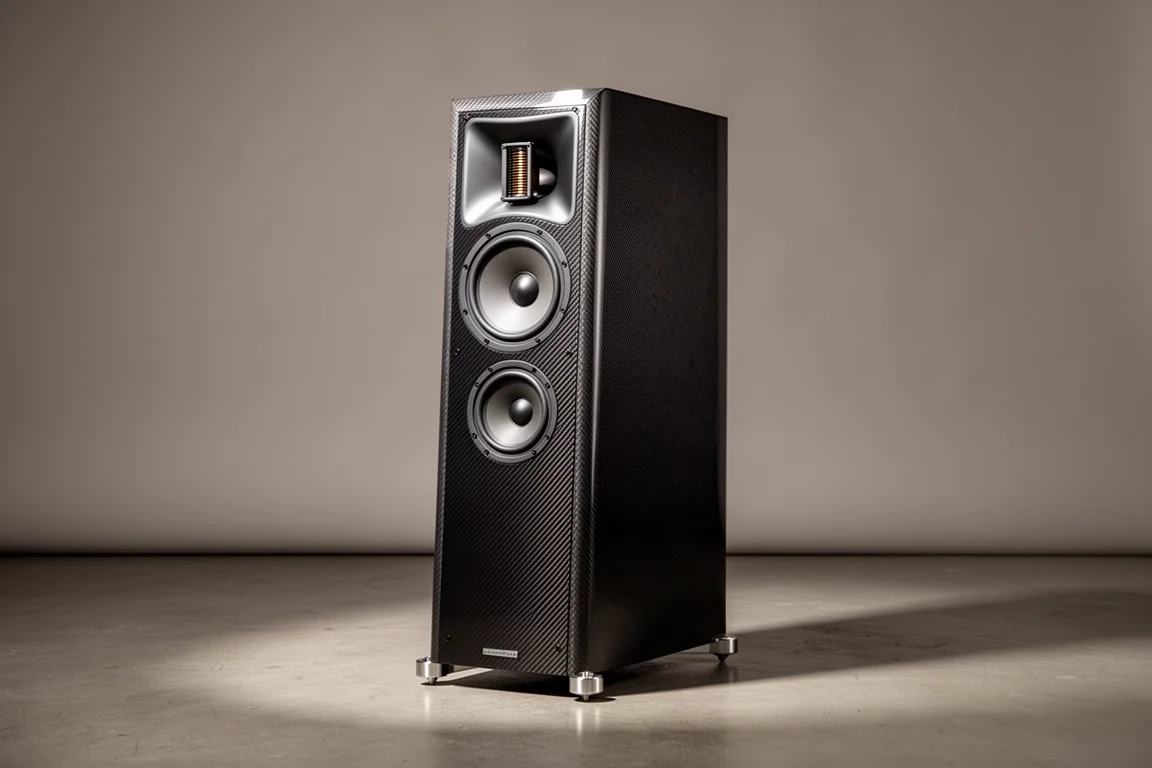
Borresen X2 Review: Deep Bass and a Warm Balance From a Slim Floorstander
A close look at the Borresen X2 loudspeaker: ribbon tweeter and carbon fiber drivers, bass below 30 Hz without a subwoofer, and how it behaves with solid state, integrated and tube amplification.
Loudspeakers
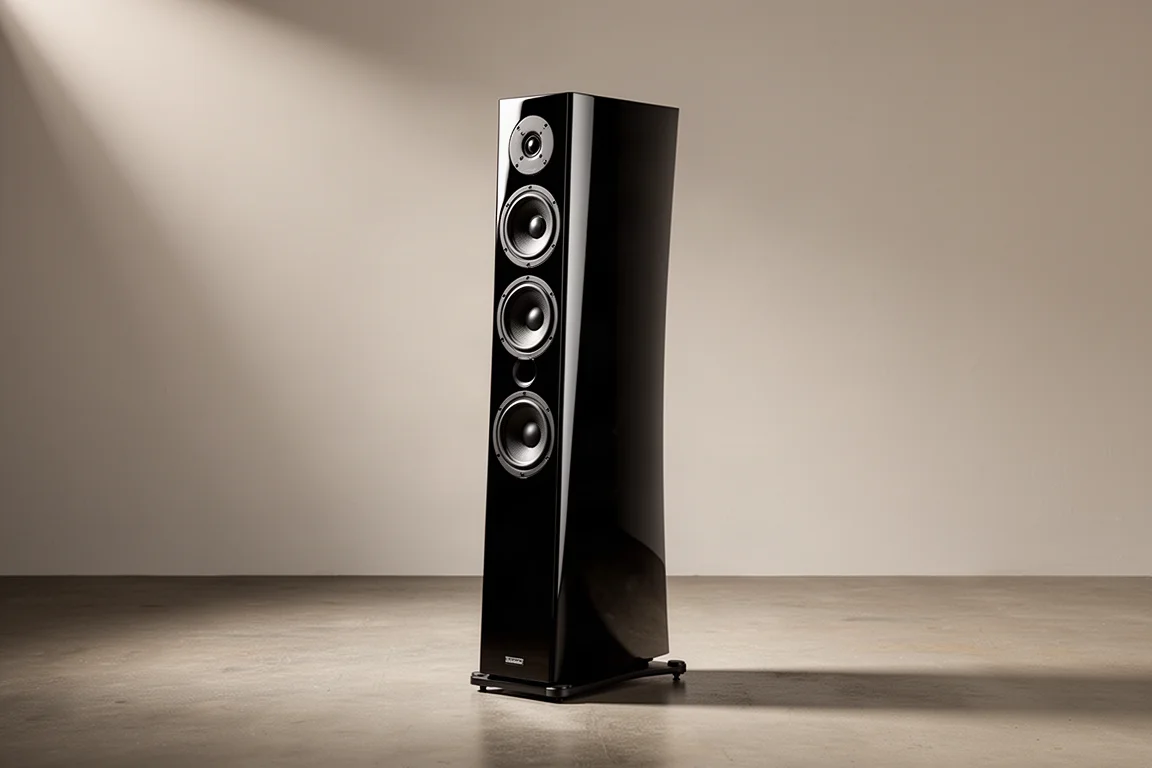
Borresen X3 Review: A Danish Floorstander Built Around Soundstaging
The Borresen X3 pairs a true ribbon tweeter and a slim Danish cabinet with remarkable imaging, fast transients, and a few practical trade-offs worth knowing before you buy.
Loudspeakers
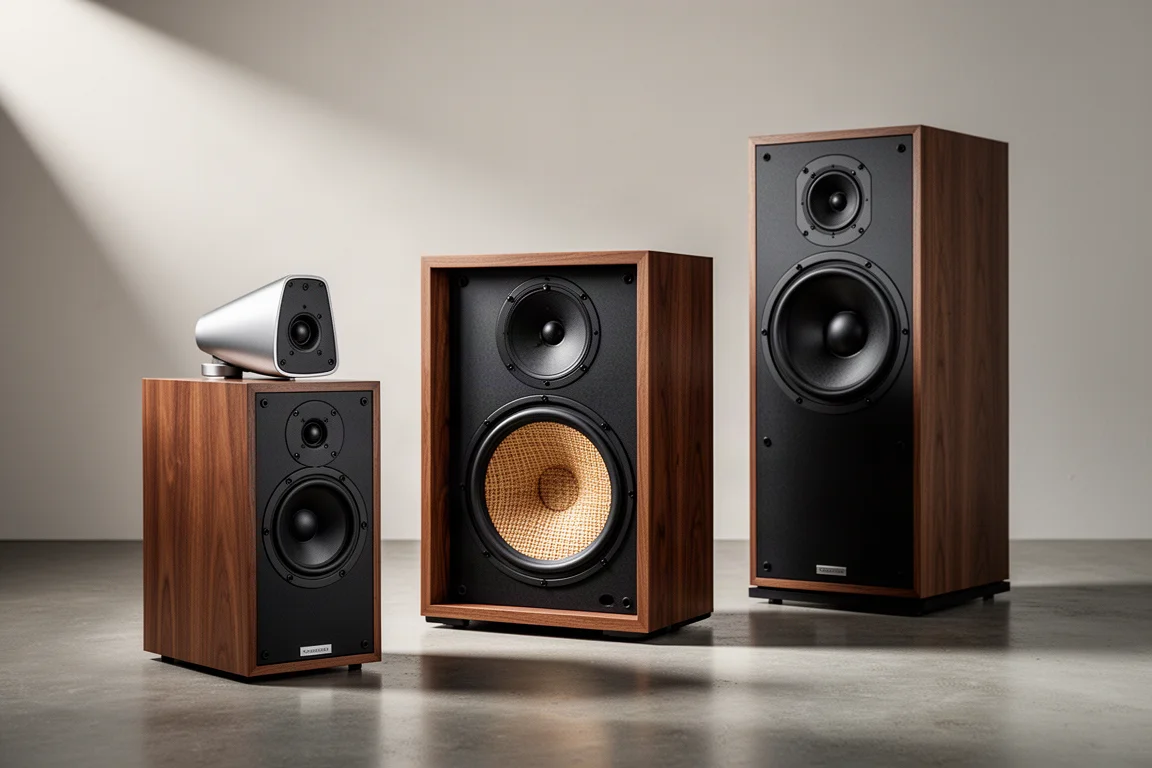
Bowers & Wilkins 705 S3 vs Wharfedale Linton vs Zu Audio DWX: Three Standmount Speakers Compared
A three-way standmount loudspeaker comparison covering the detail-led Bowers & Wilkins 705 S3, the value-focused Wharfedale Linton, and the dynamic Zu Audio DWX.