Down Jackets
Decathlon MT100 Review: A $100 Down Jacket That Earns Its Place
A practical look at the Decathlon MT100 down jacket: real-world warmth, a 10.2 oz packed weight, two years of durability, and the trade-offs worth knowing before you buy.
Introduction
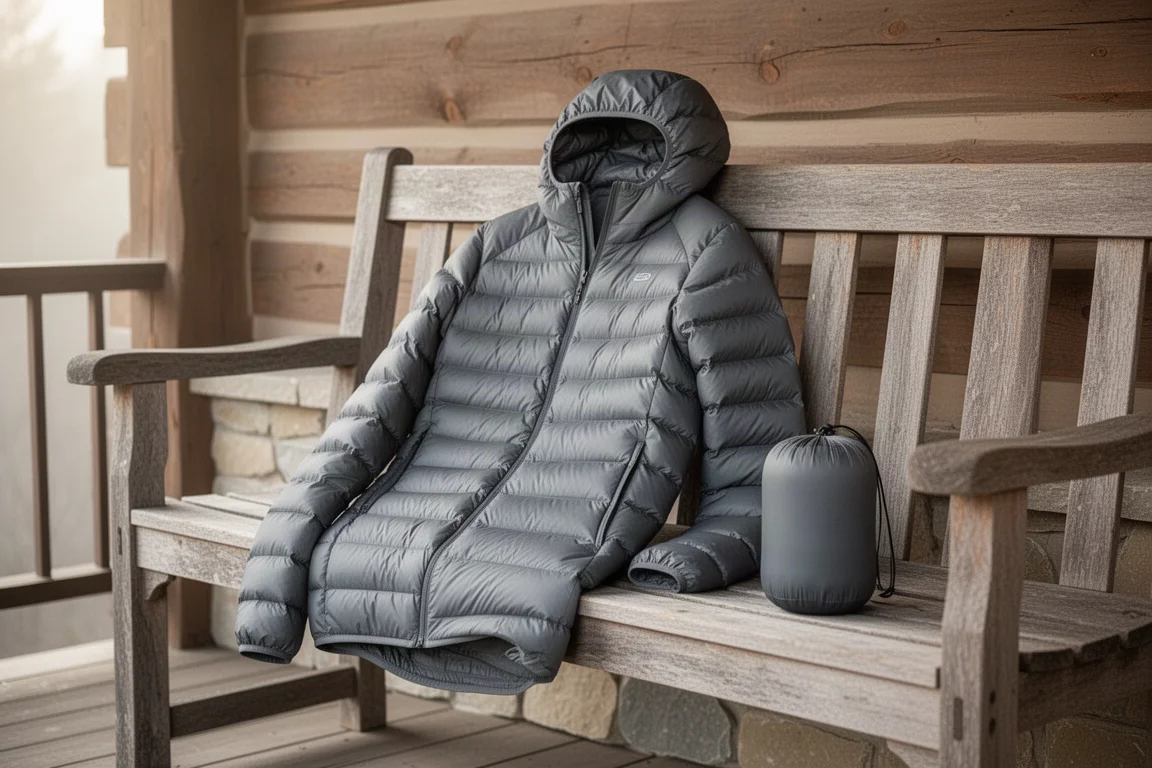
A down jacket is one of the few pieces of backpacking gear that earns its keep off the trail too. It has to be light enough to disappear into a pack, warm enough to matter when the temperature drops, and packable enough that you never think twice about bringing it along. Pockets, hoods, and zippers matter, but they come second to those three priorities.
The Decathlon MT100 sits at the entry point of that conversation. It was previously sold as the Trek 100, has since been renamed, and now sells for around $100, up from roughly $80. That price buys genuine down insulation rather than a synthetic-fill compromise, which leaves room in the budget for the rest of a kit.
This review covers what the MT100 does well, where it makes compromises, and who should consider buying it.

The short version: it is warm for its weight, it packs into its own pocket, and after two years of regular use it still looks new.
Who This Jacket Is For
The MT100 is aimed at people who want real down insulation without spending a large share of their gear budget. That covers three-season backpackers who need a warm layer for camp and cold mornings, travelers who want something compact enough to stuff into a daypack, and anyone who wants a jacket that works as well on a winter commute as it does on a trail.
It also suits people who are hard on their gear. The MT100 has been scraped, scratched, and carried on long hikes, and it has held up without visible wear.
It is less suited to two groups: hikers who need the warmest possible jacket for the least weight, and anyone who wants a fully adjustable hood. The hood on the MT100 uses elastic trim rather than a drawcord.
Warmth, Weight, and Packability
The MT100 uses RDS-certified 800 fill duck down, with roughly 3.07 oz of fill inside. In a large, the jacket weighs 10.2 oz (290 g), which is light enough to carry without thinking about it. In practice, it stays comfortable down to around freezing with just a t-shirt underneath, as long as you are moving.
Packability is the other half of the story. The MT100 stuffs into its own pocket, so it compresses into a bundle small enough to live at the bottom of a pack until it is needed.
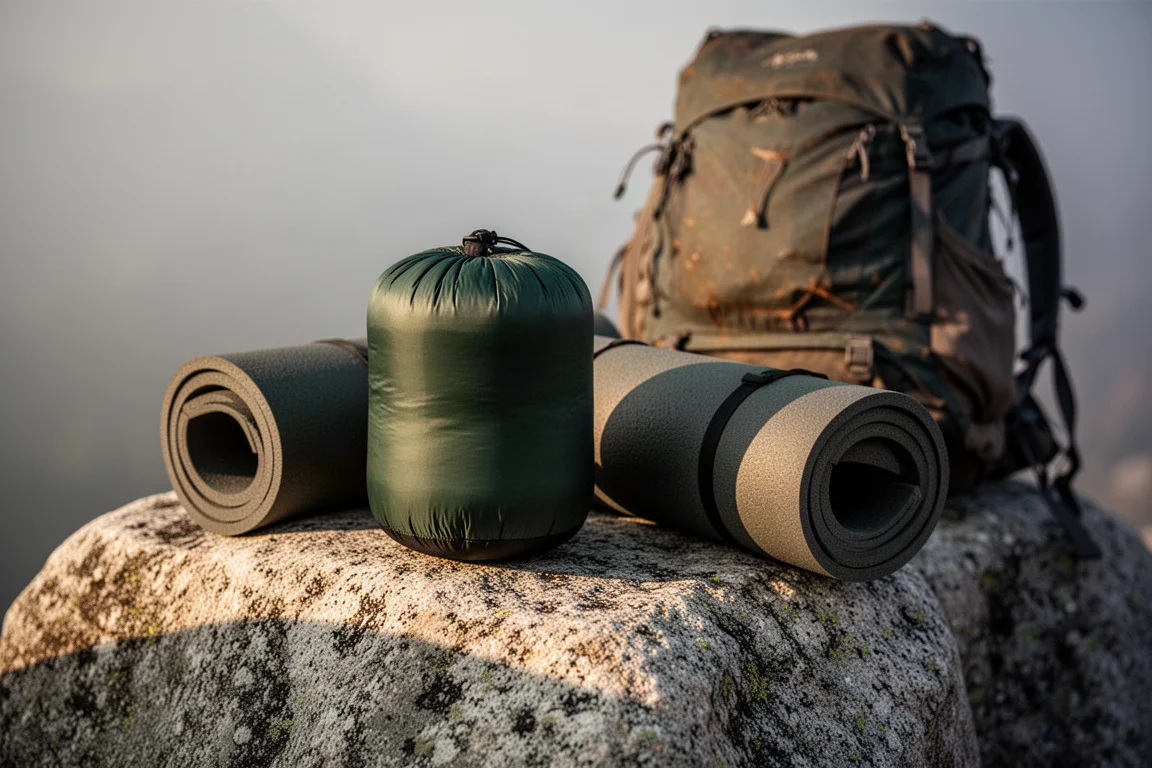
The fill is duck down rather than goose down. Goose down is generally more expensive and a slightly better insulator overall, but the practical difference is nominal. The 800 fill rating describes the loft of the individual down clusters: a higher number means puffier clusters, which trap more air for the same weight, and 800 fill remains a high-end specification.
Weight is worth putting in perspective as well. Compared with lighter jackets, the difference on a hike is small enough that it is easy to overlook.
Build Quality and Design Details
The shell and lining are 15 denier nylon. That is thin by everyday clothing standards, but it has proven durable in real use: two years of trips, scrapes, and scratches, and the jacket still looks essentially new.
The baffles run straight across the body and are sewn through. That construction can create small cold spots along the stitch lines, where there is no down between the layers, though it is the same approach used on the vast majority of down jackets. The MT100 also includes an internal flap behind the main zipper, which blocks drafts through the closure.
Other details are sensible for the price. Elastic sits inside the cuffs, folded in roughly 1.5 to 2 inches, which keeps air from travelling up your sleeves. The hem has a drawcord to seal out drafts from below, and the hand pockets are zippered. The hood uses elastic trim to stay snug around the head without a drawcord.
One quirk worth knowing before you order: the main zipper is left-handed, a common layout on European-made jackets. It takes a moment to get used to.
Fit and Sizing Notes
The MT100 runs slim. In a US large, it fits close to the body, and anyone who prefers a roomier fit or plans to layer underneath should consider sizing up. Check the US sizing on the product page before ordering, since the jacket follows Decathlon’s own size scale.
The published specifications, including the 10.2 oz (290 g) weight, refer to the large size, so that is the number to compare against other jackets.
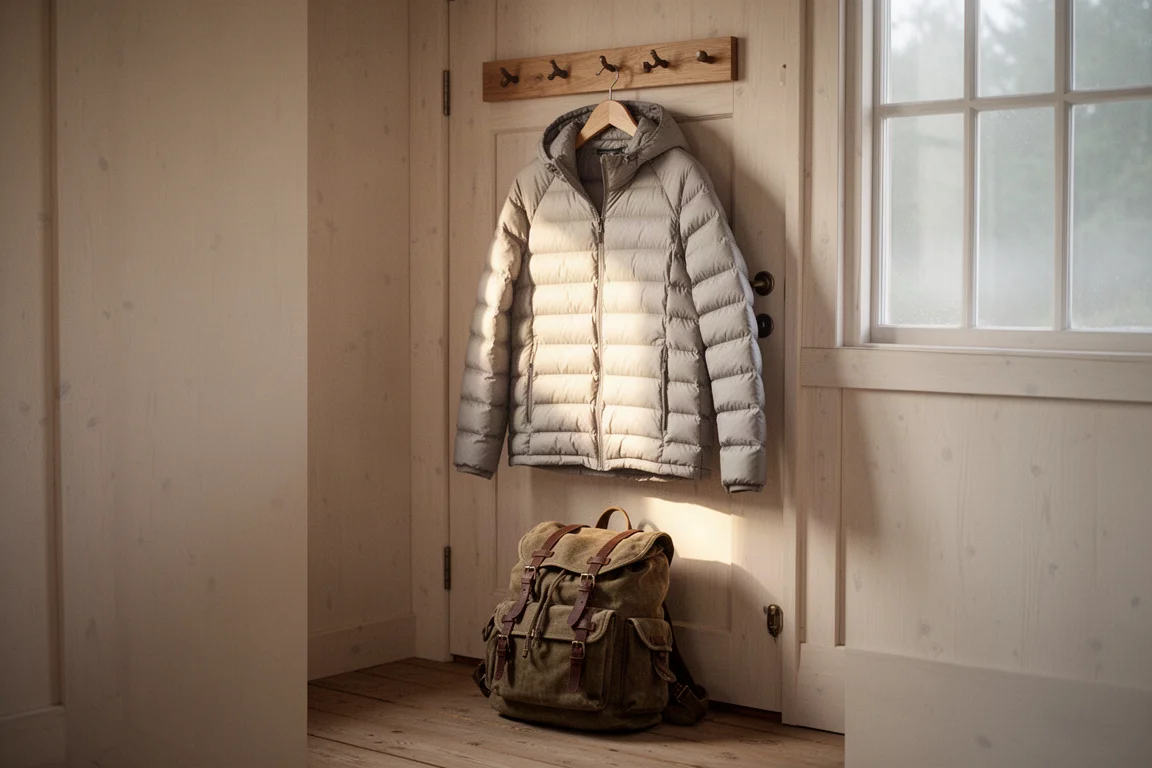
If you are between sizes, or you plan to wear the jacket over a mid layer, going up one size is the safer choice.
Things to Consider Before Buying
The MT100’s compromises are minor and mostly structural. The sewn-through baffles mean cold spots are possible along the stitching, and the hood cannot be cinched down the way a drawcord hood can. The zipper runs the opposite way from most jackets sold in the US, and the fill is duck down rather than goose down.
It is also not the warmest jacket on the market. Premium jackets built around 1,000 fill goose down carry noticeably more loft and warmth, cost several times as much, around $479 before shipping and taxes, and often use far thinner shell fabrics that trade durability for weight savings. For most buyers, that is more jacket than three-season conditions require.
Buying Advice
At around $100, the MT100 is the jacket to buy if you want down insulation without paying specialty prices. It covers three-season backpacking, cold-weather travel, and everyday winter wear, and it does so with a build that has already proven durable over two years of use.
If budget is not a constraint and the goal is maximum warmth for minimum weight, premium 1,000 fill options deliver more loft. The trade-offs are a much higher price and a more fragile shell fabric.
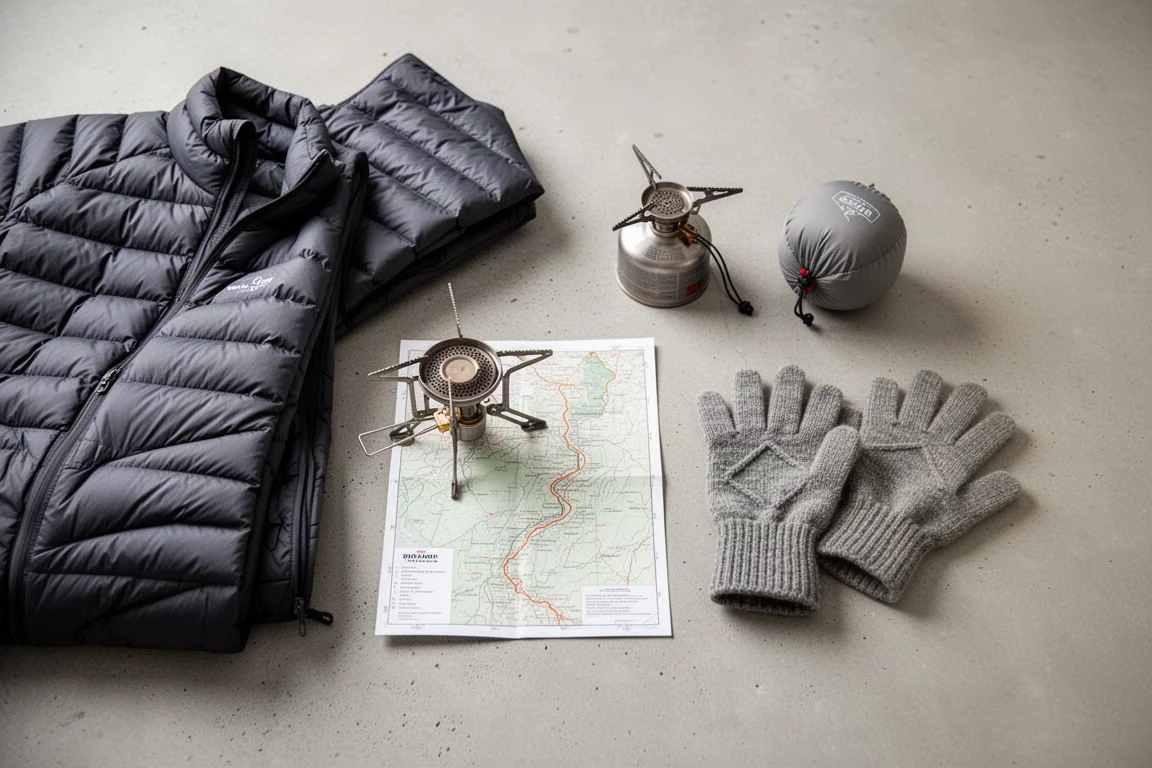
For everyone else, the more practical move is to buy the MT100 and put the difference toward the rest of the kit, or toward a lightweight mid layer that adds versatility across a wider range of temperatures.
Conclusion
The Decathlon MT100 is a rare thing: a down jacket at a budget price that does not feel like a compromise. It is warm to around freezing with a t-shirt underneath, light at 10.2 oz in a large, and it packs into its own pocket. The sewn-through baffles, the left-handed zipper, and the slim fit are all worth knowing about before you buy, but none of them are dealbreakers.
If you want the best warmth-to-weight ratio money can buy, premium options exist and they are excellent. If you want to stay warm for around $100 and keep the rest of your budget for the trip itself, this is the jacket to get.
Product link
View more details for Decathlon MT100
This product is mentioned in the review. Check the specifications, options, and compatibility before buying.
View more details for Decathlon MT100Further reading
Related Reviews
Down Jackets
Best Budget Down Jackets 2026: Three Picks Worth Considering
A practical look at three budget down jackets between $80 and $150, compared on warmth, features, build quality, and weight.
Down Jackets
Best Down Jackets 2026: From Budget Warmth to Extreme Cold
Nine technical jackets compared by warmth, weight, price, and availability, from an affordable $120 layer to a 537 g expedition jacket worn down to -30°C.
Down Jackets
RAB Mythic G vs Decathlon MT500: What a $525 Down Jacket Actually Buys You
Two down jackets with similar warmth on paper and a price gap of nearly $400. Here is where the money goes and which one suits which kind of buyer.