Camping Sleeping Pads
Decathlon Forclaz Trek 700 Short Sleeping Pad Review: A Lightweight Summer Half Mat
A practical look at the Decathlon Forclaz Trek 700 Short sleeping pad, covering its low weight, $45 price, comfort in warm weather, and the grip and noise trade-offs to know before buying.
Introduction
Short sleeping pads, often called half mats, are one of the simplest ways to cut pack weight on warm-weather trips. The logic is straightforward: keep the pad under your torso and hips, where your body weight actually rests, and let your legs extend past the end. That saves material, saves grams, and keeps the packed size small.
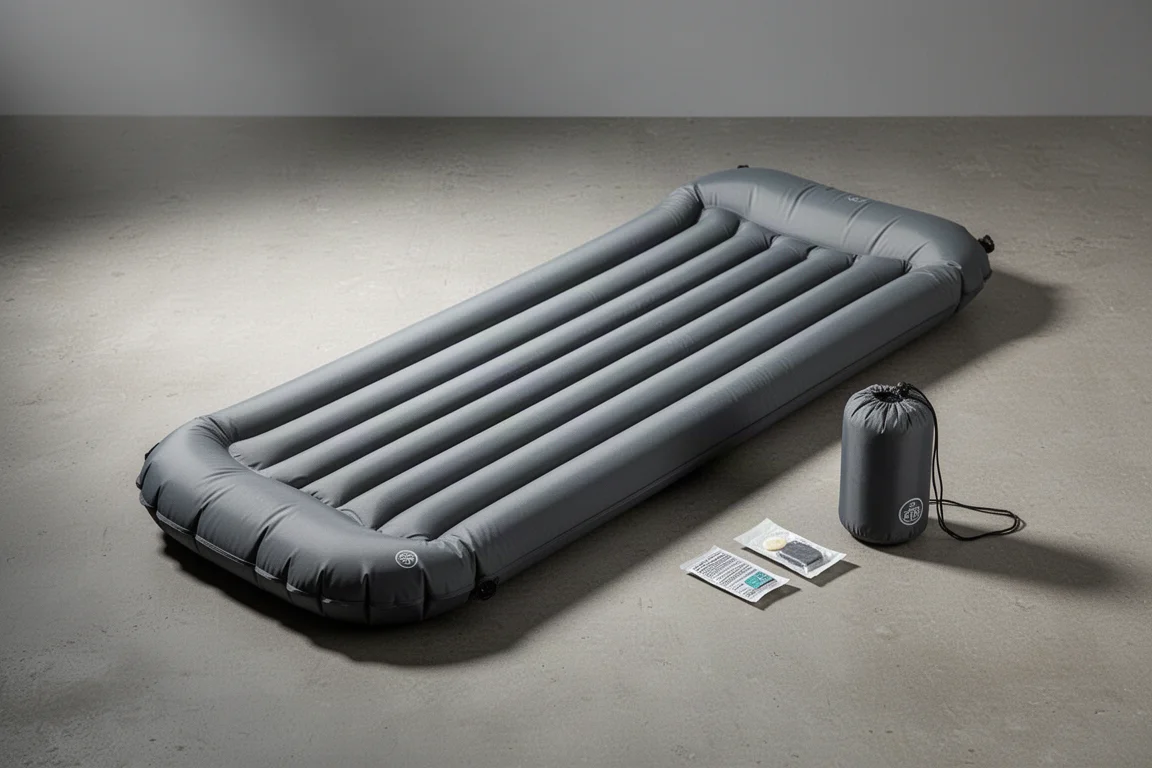
The Decathlon Forclaz Trek 700 Short follows exactly that formula. It measures 47.2 inches long and 20.5 inches wide, offers 2.2 inches of cushion, and weighs 13.3 ounces with the included storage bag, or roughly 12 ounces without it. For a summer pad at this weight, the numbers are competitive.
What makes it worth a closer look is the combination of a modest price and a design that genuinely gets your body off the ground. It is not without quirks, and two of them matter enough to plan around, but the overall package is easy to recommend for the right kind of camper.
Who This Product Is For
This pad is aimed at warm-weather backpackers and campers who count ounces. Because your legs hang off the end, you carry less material than a full-length pad, and in summer that missing coverage is not a comfort penalty. Many campers find that having their feet on the ground is not uncomfortable at all, and the coolness of the ground against their legs is welcome on a hot night.
It also suits side sleepers and stomach sleepers who move around during the night. The tapered shape keeps the pad narrow at the shoulders and feet, which helps it fit into compact tents, and the vertical chamber layout is what holds your body clear of the floor.
The one group it does not suit is cold-weather campers. With an R-value of 1.6, this is a summer-specific design, and it is best paired with temperatures above 50 degrees Fahrenheit. Below that, a longer pad with more insulation is the better tool.
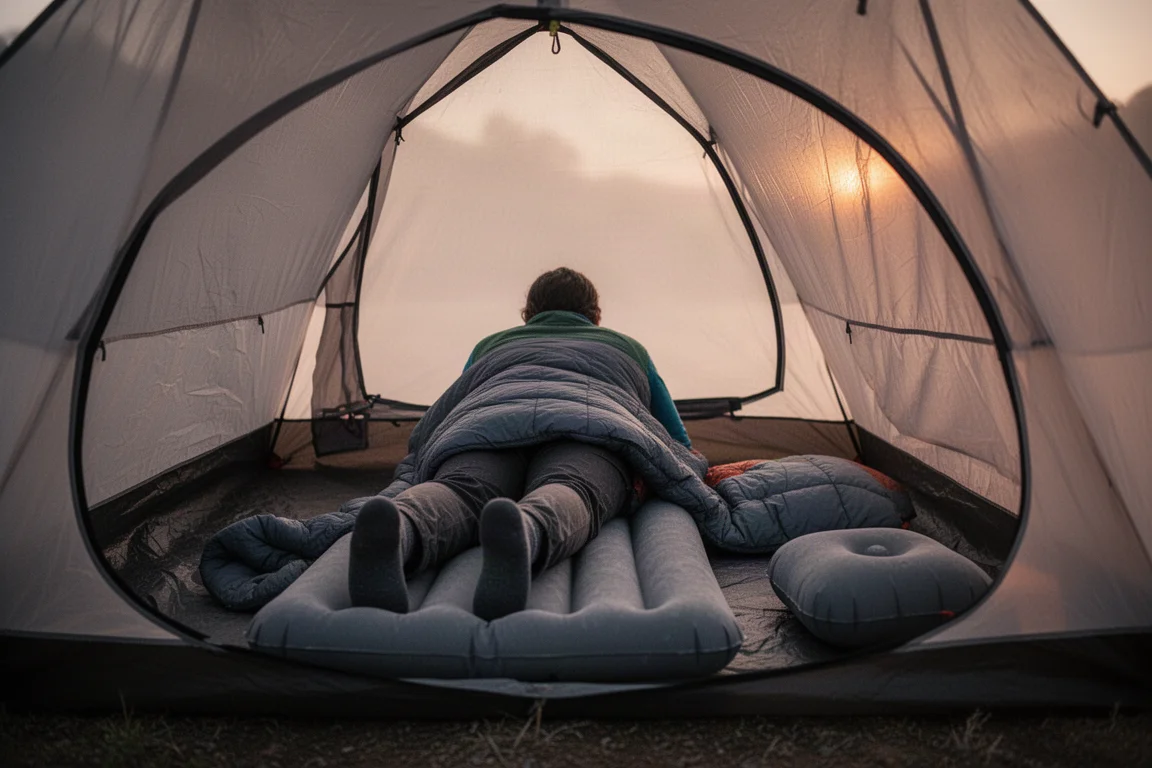
If you mostly camp in mild conditions, the value case is easy to make: the Forclaz Trek 700 Short covers the part of your body that carries the load, and it does so at well under a pound.
Main Strengths
The first strength is price. At around $45, this pad undercuts most ultralight half mats by a wide margin. Lighter pads exist, but they typically start near $100 and climb from there, so paying this little for a pad under one pound is unusual.
Build quality is the second strength. The cut is clean, the seams are tidy, and there have been no leaking issues. For the money, the construction feels well above what the price suggests, which matters on a product whose entire job is holding air overnight.
Weight and packed size round out the list. Rolled up, the pad takes up very little room in a pack, which makes it easy to justify on trips where every litre of volume counts. The valves also work exactly as intended, and the pad is quick to inflate, quick to deflate, and simple to roll back up.
Comfort and Real-World Sleep
Inflating the pad takes about seven breaths, and once it is up, the comfort is better than the 2.2-inch specification suggests. That is down to the chamber design: eight vertical air chambers distribute your weight and lift you clear of the ground in a way that thicker pads sometimes fail to do.
In practice, that means you can rotate from side to side, lie on your stomach, and settle a pillow wherever you prefer without bottoming out. Pads with two and a half or even three inches of cushion do not always achieve this, because thickness alone is not what keeps you comfortable. Chamber geometry and how the air is divided do more of the work.
Your legs hanging off the end is a deliberate part of the experience rather than a compromise. There is no pressure point, no hard edge digging into your calves, and the pad still supports the heaviest part of your body through the night.
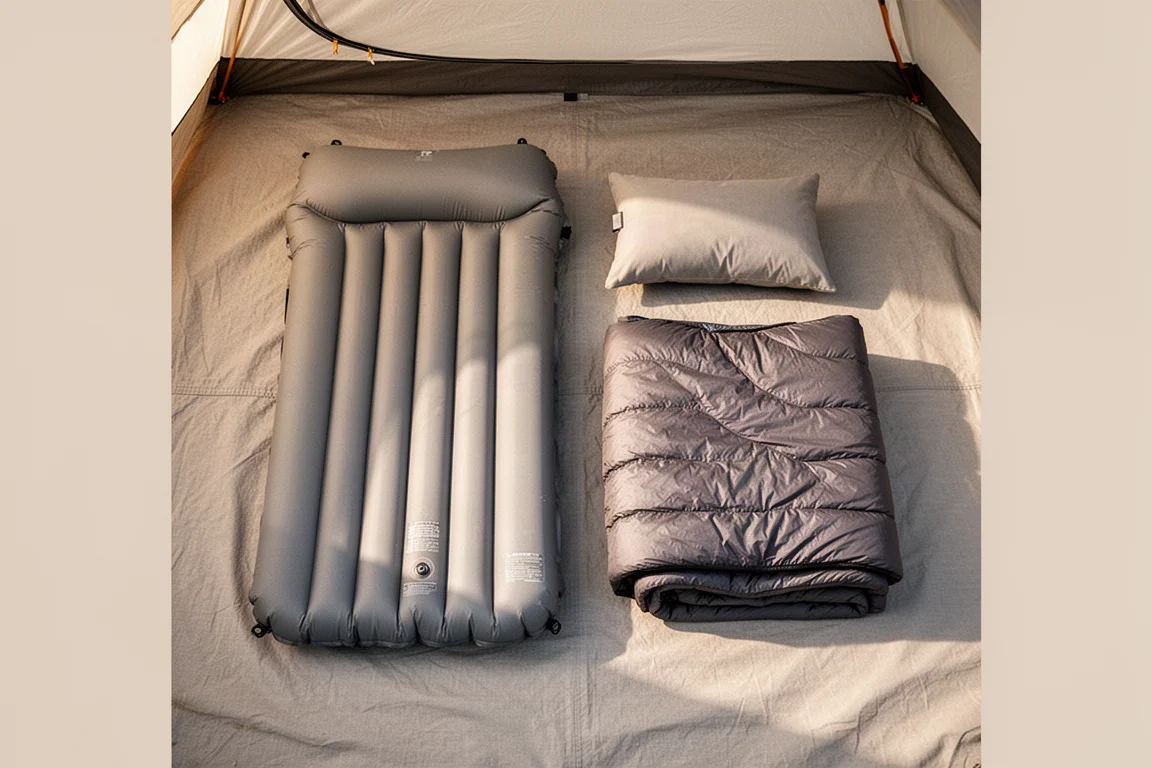
For a short mat, the sleep quality is genuinely solid. It does what it was designed to do, and it does it without the fuss that usually comes with very light gear.
Inflating, Deflating, and Packing
The valve setup is one of the better details here. There are two valves: a one-way valve for releasing air, and a two-way valve that lets you inflate without air escaping, while also allowing you to press the nozzle to let a little air out and soften the pad. That second function is genuinely useful for fine-tuning firmness at night.
Setup and pack-down are both quick. Open the valve, inflate with roughly seven breaths, and you are done. To pack it away, open the nozzle, fold the pad, roll it, and it is ready to go back in the bag. The rolled form factor is small enough to disappear into a pack.
The pad ships with a repair kit, a storage bag, and the pad itself. The bag is the weakest part of the kit: it is tight, and the stored dimensions come in around 3.3 inches wide by 8.3 inches long, which makes repacking a chore. A simple alternative is to skip the bag entirely, secure the rolled pad with a rubber band or strap, and save a little weight in the process.
Things to Consider Before Buying
The silicone grip patches are the biggest issue. They are placed on both the top and the bottom of the pad, and the ones on the sleeping surface are aggressive. As you turn during the night, they can pull at your clothing, tug at a sleeping bag, and on a hot night with no shirt they can pull at hair. That can be uncomfortable enough to wake you up.
The workaround is simple and effective: flip the pad over and sleep on the underside. Even with the valve sitting up near your head, that surface is more comfortable, and it works well with a quilt or blanket. Anti-slip patches on a sleeping pad are not unusual, but they normally sit on the bottom to stop the pad sliding around inside a tent, not on the surface you sleep on.
Noise is the second thing to know. As you move, air shifts between the chambers and produces a rustling sound, not unlike a bag of chips. Light sleepers who wake at small sounds may find it distracting, though it is a non-issue for many people.
Finally, this pad comes in one size and one colour, gray. There is no extra-wide version, so if you want more surface area you will need to look at a different model.
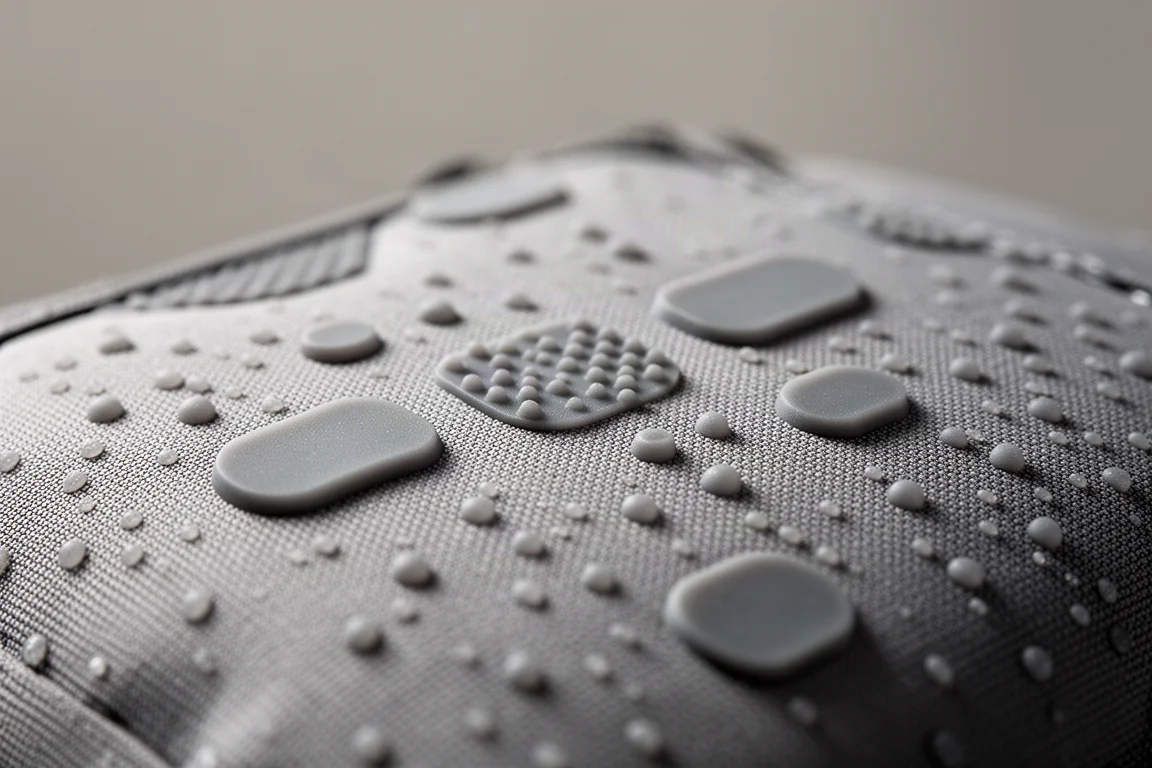
None of these points are dealbreakers, but they are the details that separate a good purchase from a disappointing one, and they are easy to plan around once you know about them.
Buying Advice
For summer use above roughly 50 degrees Fahrenheit, the Forclaz Trek 700 Short is an easy recommendation. The value is strong, the quality is strong, and the comfort is good when you use it the way that suits you best. If you want a lightweight pad without spending ultralight money, this is one of the more sensible options available.
If you sleep cold, camp in shoulder seasons, or simply prefer full coverage, spend the extra on a longer pad with a higher R-value. A short pad with an R-value of 1.6 is a warm-weather tool, and no amount of clever chamber design changes that.
One practical tip before ordering: Decathlon’s site search can be inconsistent. Searching for a sleeping pad may surface sleeping bags, and searching for an air mat may surface foam mats, so it helps to search by the product name directly. If you like this design and want the extra coverage, the full-size version of the same pad is worth a look as well, and it weighs only a little more.
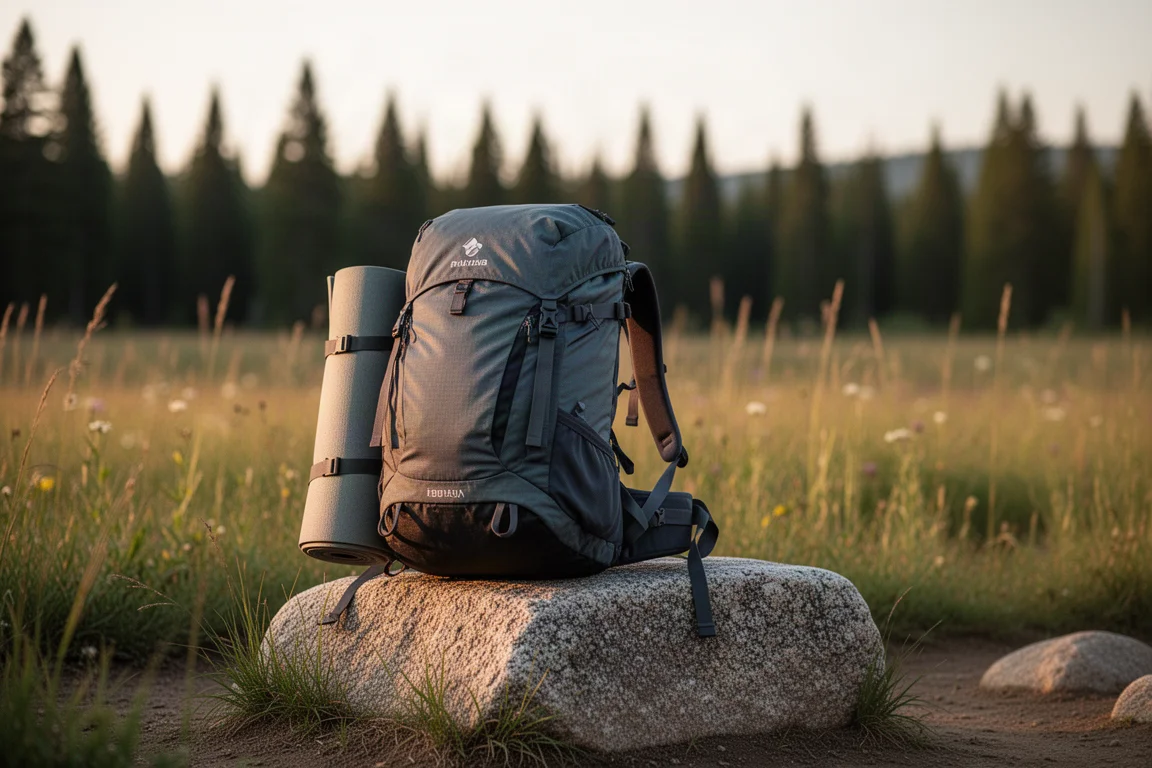
Either way, this is a pad that delivers on its core promise: less weight, less bulk, and a comfortable night’s sleep in mild conditions.
Conclusion
The Decathlon Forclaz Trek 700 Short gets the fundamentals right. It is light, compact, well made for the price, and comfortable enough to sleep on through a warm-weather night, provided you are willing to flip it over and sleep on the smoother side. At around $45, the value is hard to beat.
Buy it if you want a summer half mat that saves weight without a premium price tag. Skip it if you camp in the cold, need an extra-wide surface, or are sensitive to rustling sounds at night. For everyone in between, it is a smart, low-risk addition to a lightweight summer kit.
Product link
View more details for Decathlon Forclaz Trek 700 Short Sleeping Pad
This product is mentioned in the review. Check the specifications, options, and compatibility before buying.
View more details for Decathlon Forclaz Trek 700 Short Sleeping PadFurther reading
Related Reviews
Camping Sleeping Pads
Best Sleeping Pads 2026: Comfort Awards and Top Picks
A comfort-focused roundup of ten sleeping pads, from budget dimpled designs to thick stretch-top models, with gold, silver, and bronze comfort awards.
Camping Sleeping Pads
Best Ultralight Sleeping Pads 2026: Seven Lightweight Pads Compared
Seven sub-600 g sleeping pads compared on weight, comfort, warmth, and price, with clear picks for cold sleepers, comfort seekers, and budget buyers.
Camping Sleeping Pads
DOD Outdoors Soto Air Mattress Review: Comfort First, at a Price
A thick foam-and-air camping mattress with an 8.3 R-value and a clever inflation system, weighed against a premium price and a tight storage bag.