Cookbooks
Đặc Biệt by Nini Nguyen: A Vietnamese Cookbook Built on Doing a Little Extra
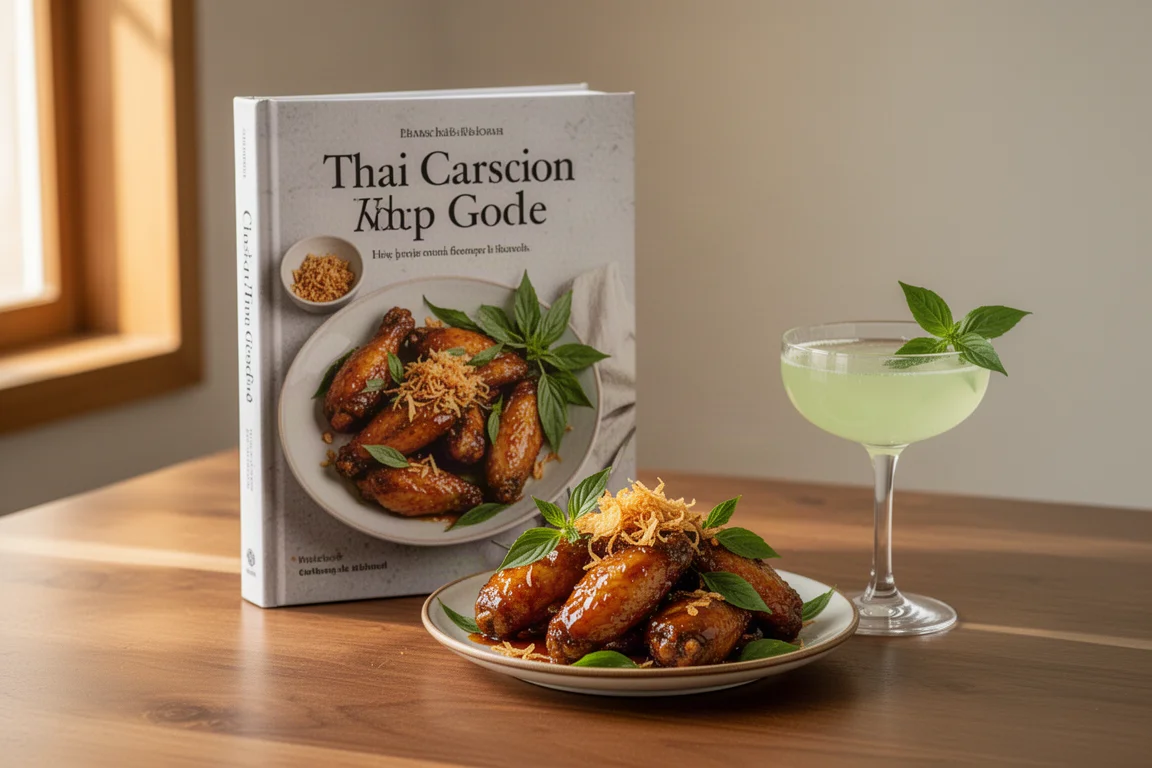
We cooked the crispy fish sauce caramel chicken wings and the Thai basil daiquiri from Nini Nguyen's Đặc Biệt. Here's what the book is about and how the food turned out.
Introduction
Đặc Biệt by Nini Nguyen is a Vietnamese cookbook with a clear point of view: doing something a little bit extra. The word “đặc biệt” translates to special, distinctive, luxurious, extra, and the book treats that idea as a philosophy rather than a gimmick. Butter is đặc biệt because it is harder to come by in Vietnam. Palm sugar instead of plain sugar, makrut lime leaves, finger limes instead of regular limes, shallots and garlic on everything: that is the extra in this book.
We cooked two recipes from it, the crispy fish sauce caramel chicken wings and the Thai basil daiquiri that Nguyen pairs with them, and came away with a strong sense of what this book is trying to do.
The Book and Its Ideas
Nini Nguyen is a New Orleans-based chef you may recognize from season 16 of Top Chef. Her background is serious: she started in pastry, worked her way through respected kitchens, and spent time at Eleven Madison Park in New York. Her culinary story runs through the book itself. She was originally studying to be a pharmacist when Hurricane Katrina hit in 2004, upended her plans, and eventually led her through business school, tailgates, and a string of restaurant jobs that turned into a genuine love of hospitality. She later tried culinary school, quit, and learned on the job instead, always aiming to open her own restaurant.
The book blends New Orleans Creole and Cajun food with Vietnamese food, a pairing that makes real sense given the large Vietnamese community that settled in New Orleans in the 1970s, drawn by its fishing, shrimping, oyster, and crabbing culture. Nguyen’s framing of fusing the Mekong Delta with the Mississippi Delta is one of the more interesting ideas in the book. She also covers the Chinese and French influences in Vietnamese cuisine, from bánh mì baguettes to the shared roots of char siu-style dishes, and treats the multicultural identity of Vietnamese food as something worth celebrating rather than explaining away.
There is a personal layer too. The book is dedicated to her brother, who passed away, and a few recipes in it are dedicated to him. It also grew out of her online cooking school, which she started after converting her in-person cooking school during the pandemic. She noticed many Vietnamese students in her classes who wanted to cook Vietnamese food but had never been taught, since their parents preferred to simply make them food rather than walk them through it. The logic behind the book is straightforward: if everyone knows these dishes, Vietnamese cuisine will find its lasting place in American culture.
What Is Inside
The book contains 128 recipes in total, which is a genuinely generous count. The breakdown includes 14 sauces, 11 drink snacks, 9 what the author calls actual food dishes, 13 noodles, 14 breads, 12 meats, 16 seafoods, 15 “not too sweet” desserts, 15 pickles, and 9 drinks designed to pair with the drink snacks section.
A few sections stand out. The pickle section is mostly quick pickles and easy vinegar brines, flexible enough to be genuinely appealing. The dessert section notes that because Vietnamese family meals are often substantial, dessert can be as simple as fresh fruit paired with chili salt or fish sauce mixed with sugar. She specifically suggests fish sauce with sugar for green papaya and chili salt for green apple.
The recipes we did not cook are worth flagging. The coconut sticky rice “hash browns,” the roasted nuoc cham, the bánh mì bread, crispy noodle crackers with grilled meats, a dry-style chicken fud, a beef stew in coconut water, a French-inspired flaky meat pie, and a scallop crudo with yuzu nuoc cham all caught our attention as things worth returning to.
Cooking the Fish Sauce Caramel Chicken Wings
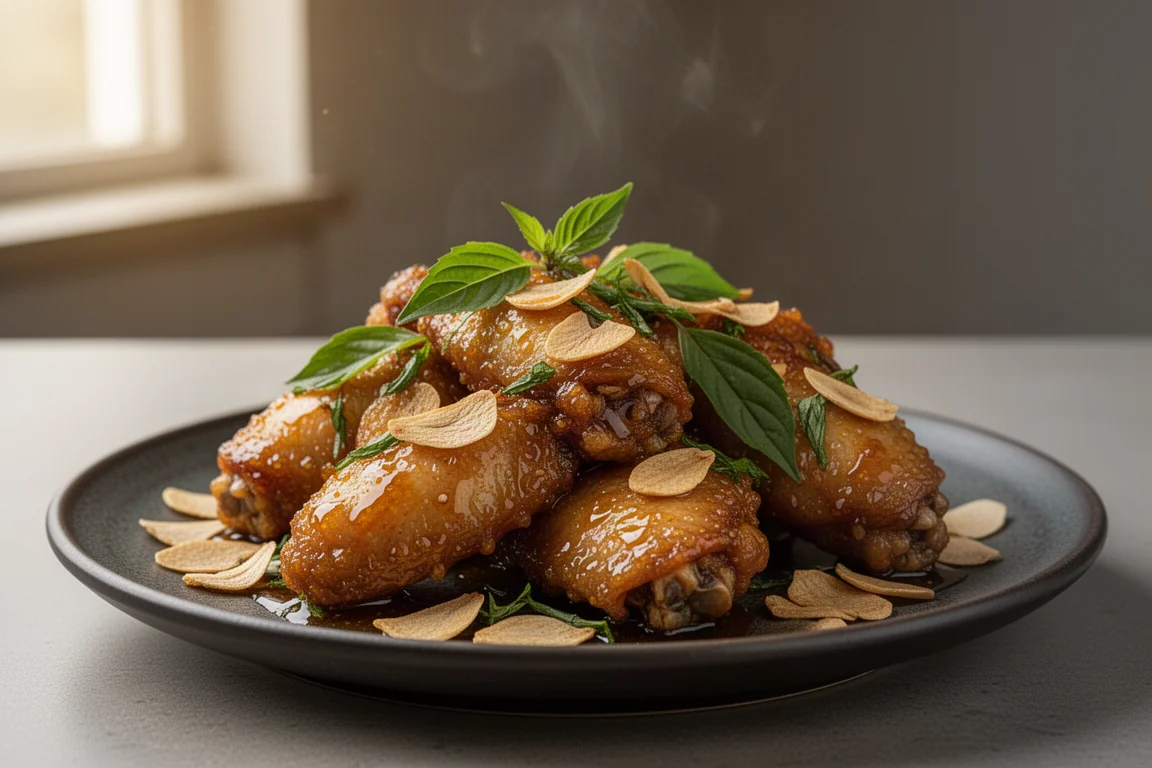
The wings follow a process that rewards attention. The garlic gets minced and soaked in boiling water before frying, which Nguyen explains prevents the garlic from burning and tasting bitter once fried. The marinade uses the soaked garlic water with fish sauce, and the wings marinate for 30 minutes.
On fish sauce, Nguyen offers a practical tip: look for high protein content as the marker of quality. Her favorite brand for cooking is Mega Chef, with Red Boat reserved for dipping or raw applications. If you follow her brand guidance, you will likely have the right bottle for this recipe.

The fish sauce caramel is built from two thirds of a cup of sugar melted until just starting to turn color, then removed from heat and combined with the garlic water mixture before being returned to heat and boiled until the sugar fully dissolves, about 3 minutes. She notes using Italian red pepper flakes throughout the book, though she says Mexican flakes work as long as they are in flake form.
For the fry itself, the wings are dusted in cornstarch. We found the cornstarch coating produces a glassier crust than we expected, closer to the karaage-style wings the recipe is based on, and the fried garlic on top is excellent.
The Thai Basil Daiquiri
The drink that accompanies the wings is a Thai basil daiquiri built on a Thai basil simple syrup. It turned out to be a genuinely pleasant surprise: not too sweet, with the bitterness and sweetness playing off each other well, plenty of acid, and a strong herbal quality. The basil syrup extracts flavor remarkably well, and the simple syrup alone mixed into soda water makes a solid non-alcoholic option, though it benefits from a squeeze of acid to balance the sweetness.
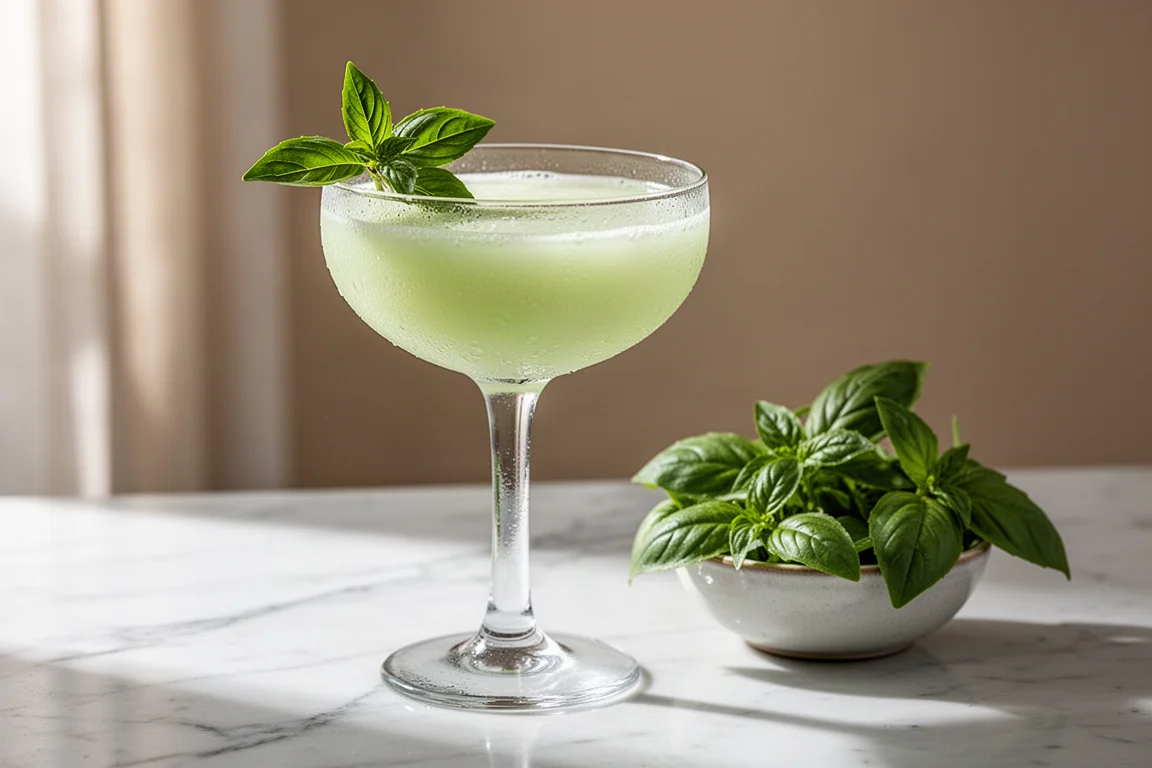
The pairing works because the wings and the drink come from the same drink snacks section of the book, which is exactly the kind of built-in pairing logic that makes a cookbook feel considered rather than assembled.
Verdict on the Recipes We Cooked
The wings landed as sweet, savory, sticky, slightly fishy, and not too spicy. Tasters split on the fish sauce level: some wanted a touch more, others found it exactly right. One note was that the wings came out sweeter than the pock pock wings they were based on, and a bit more lime juice for acid would help balance the sweetness. The marinade did not seem to do much on its own, so the caramel and the fry carry the dish. Thai basil was the right choice of garnish over cilantro, and everyone agreed the wings would be extremely satisfying with a bowl of rice.
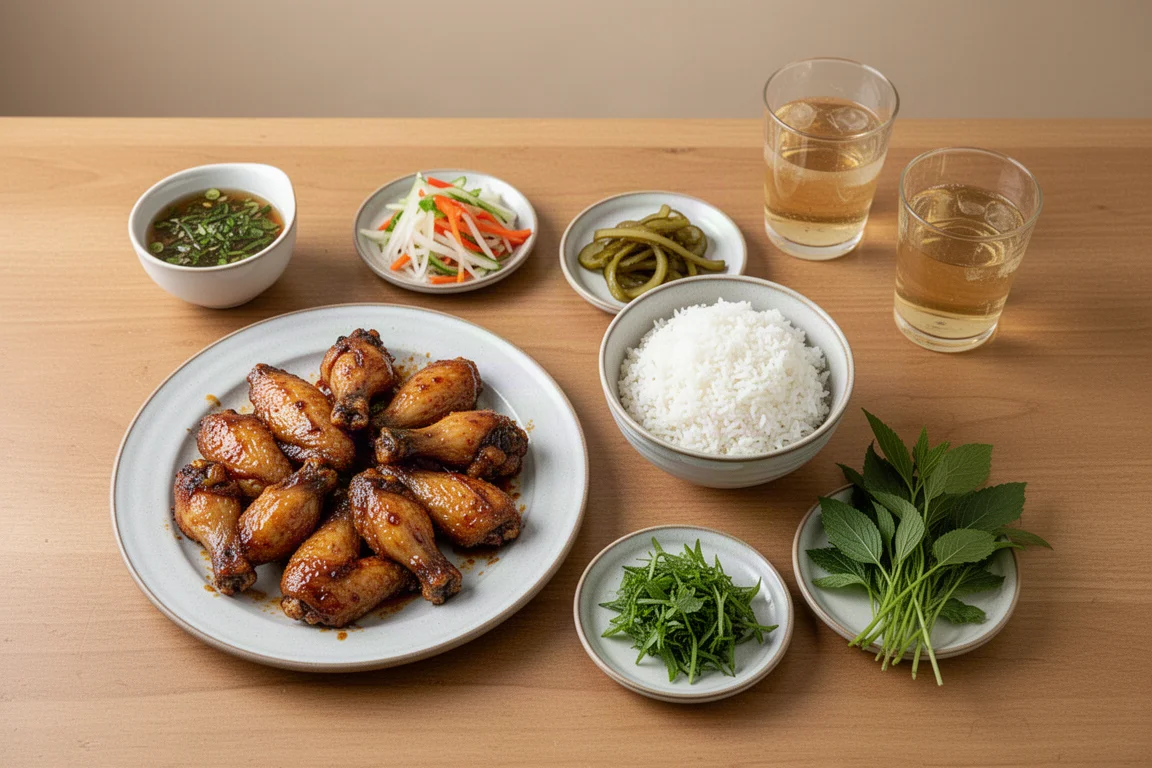
Both dishes earned a positive rating overall, with the caveat that this feels like part of a meal that wants rice and a little more acidity to feel complete. The book also includes a fun aside about the author’s family, most of the women of whom are nail technicians, which explains the elaborate nail art featured in the food photography.
Buying Advice
Đặc Biệt is best for home cooks who want Vietnamese food presented with both tradition and a twist, and who appreciate the small details: soaking garlic before frying, choosing fish sauce by protein content, and pairing drink snacks with matching cocktails. If your main interest is the little components, the sauces, pickles, and breads like the bánh mì loaf, this book has a lot to offer. If you only want canonical traditional dishes, the recipes here are largely familiar with a creative layer on top, so know that going in.
Conclusion
Đặc Biệt is a fun, personal, and generous cookbook. The wings and daiquiri we cooked were very good and made us want to keep eating, which is about the best compliment fried food can get. The sheer recipe count, the thoughtful pairings, and the clear voice behind it make this an easy recommendation for anyone building out a Vietnamese cooking shelf.
Product link
View more details for Đặc Biệt by Nini Nguyen
This product is mentioned in the review. Check the specifications, options, and compatibility before buying.
View more details for Đặc Biệt by Nini NguyenFurther reading
Related Reviews
Cookbooks
Africana Cookbook Review: A Pan-African Journey Worth Cooking Through
We cooked 13 dishes from Africana by Llorado Umashayor over one week. Here is what worked, what stumbled, and who this beautiful cookbook is really for.
Cookbooks
By Heart by Haley Catalano: First Look at a Calm, Practical Cookbook
We cooked two recipes from By Heart by Haley Catalano, including a tomato-based sandwich and chicken fat mashed potatoes, to see if the book's calm, detail-first approach holds up in a real kitchen.
Cookbooks
Charred by Genevieve Taylor Review: Vegetable Grilling Beyond Corn and Halloumi
We cooked 11 recipes from Charred over four days. Here is what works, what falls flat, and whether the book earns a spot on your shelf.