E Ink Monitors
Dasung 13K vs Modos Flow: Which 13.3 Inch Color E Ink Monitor Fits Your Workflow?
A direct comparison of the two main 13.3 inch color E Ink monitors, covering image quality, front light performance, connectivity, and design.
Introduction
Color E Ink monitors occupy a unique niche. They offer the paper-like reading experience of E Ink with the added benefit of color, making them appealing for extended reading sessions, document review, and even some image work. In the 13.3 inch category, two products stand out as the primary options: the Dasung 13K and the Modos Flow. Both are color E Ink panels with front lights, but they take very different approaches to design, software, and connectivity. This comparison puts them side by side to see how they handle real-world use and which one might be the better fit for your needs.
The Two Contenders
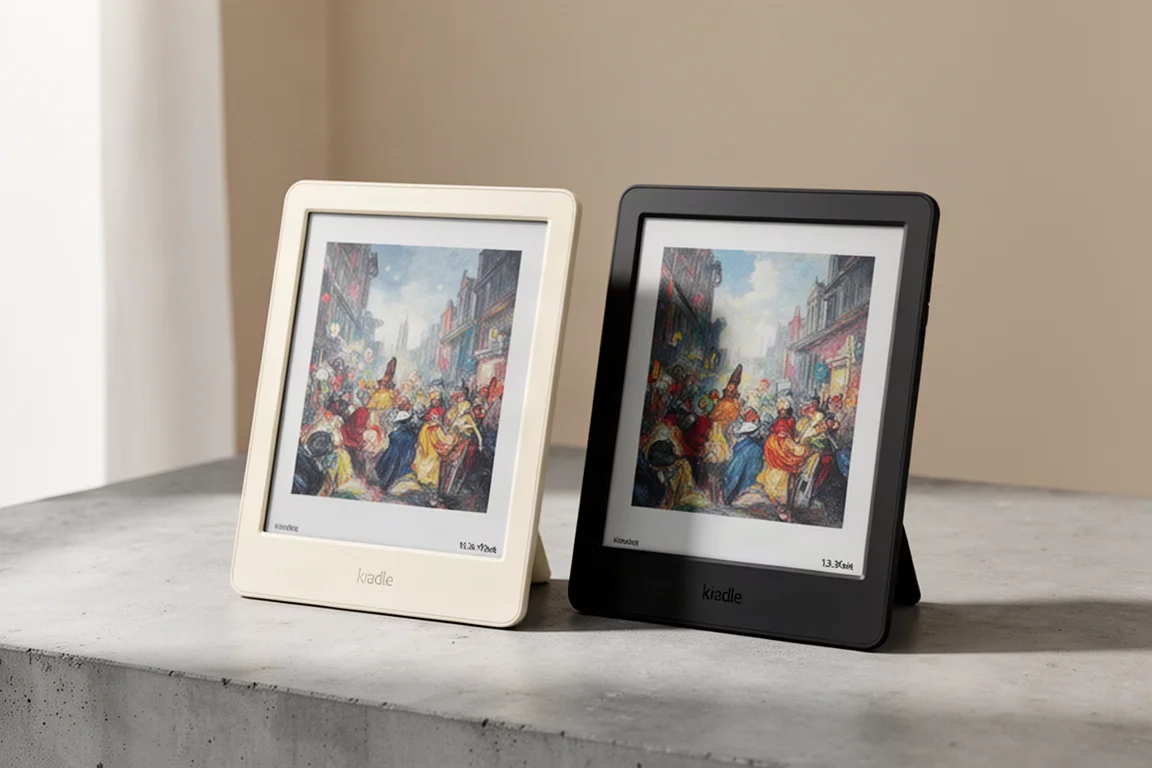
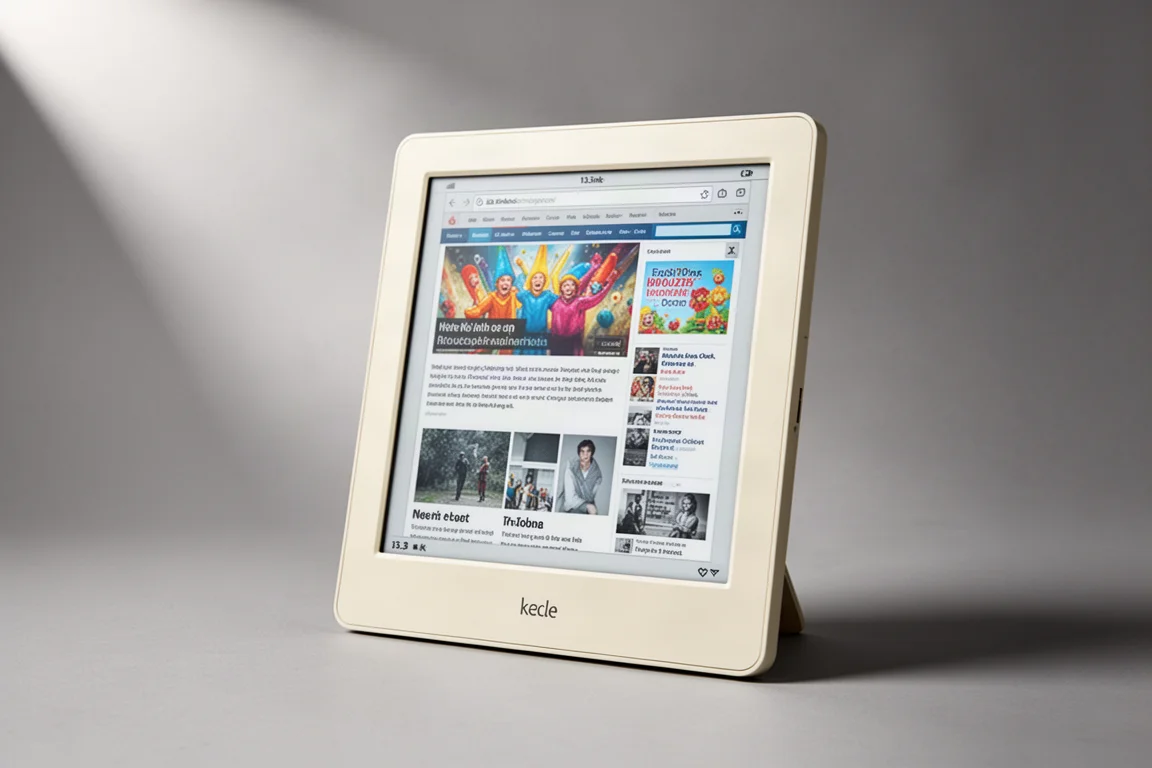
The Dasung 13K is a finished, mature product. It features a cream-colored frame, dedicated physical buttons for controls, and a client software application for advanced settings. It connects via mini HDMI or USB-C for data, but requires a separate AC adapter for power. The Modos Flow, on the other hand, is currently in an alpha firmware stage. It has a sleek black frame, a well-designed on-screen display (OSD) menu, and a focus on self-contained operation without requiring a desktop client. It connects via a single USB-C cable for both power and display, though this limits the refresh rate to 40 Hz.
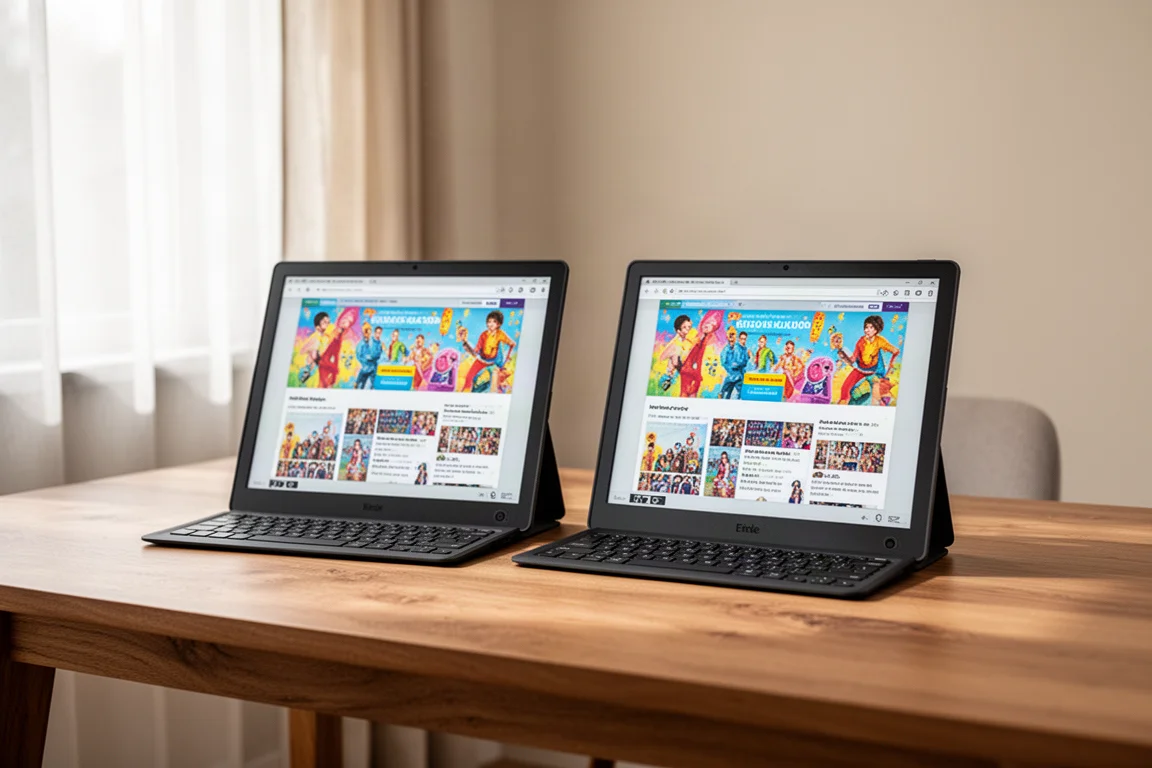
Both monitors are 13.3 inch color E Ink panels with front lights. On the surface, they should be nearly identical. The reality, however, is that they differ significantly in image processing, color calibration, and hardware design. The Modos Flow is advertised as being capable of reaching 60 Hz, but the practical benefit of that speed on an E Ink screen is debatable, especially when it comes at the cost of image clarity.
Image Quality and Refresh Performance
The most important aspect of any monitor is image quality, and this is where the two diverge most clearly. In reading mode, both monitors offer good text readability. The Dasung 13K handles scrolling more elegantly, with cleaner refresh behavior and less ghosting. The Modos Flow, in its current alpha state, exhibits some glitchiness during scrolling and struggles with consistent color interpretation, particularly with blues.
When it comes to mixed content, such as images and text together, the Dasung 13K is the clear winner. It renders colors more accurately, handles dithering better, and produces a cleaner overall image. The Modos Flow can display colors accurately, but its default calibration is off, requiring users to adjust saturation and lightness to extremes to get acceptable results. This inconsistency is a software issue that could be improved with firmware updates, but as it stands, the Dasung 13K provides a more reliable out-of-the-box experience.
Front Light Performance
Both monitors benefit from their front lights, as color E Ink panels are inherently dark. The front light on the Modos Flow, however, is noticeably superior. It offers a more uniform light distribution with no visible bleed, and its color calibration is more pleasant. The fully cold setting on the Modos Flow appears whiter, while the Dasung 13K has a slight violet tint. In fully warm mode, the Modos Flow is also more consistent, with less color bleed across the screen.
This difference in front light quality translates to a more comfortable reading experience on the Modos Flow, especially in dark conditions. The text appears sharper with better separation from the background. While the Dasung 13K’s front light is perfectly usable, the Modos Flow’s superior hardware is a significant advantage that cannot be fixed with a software update.
Color Accuracy and Image Quality
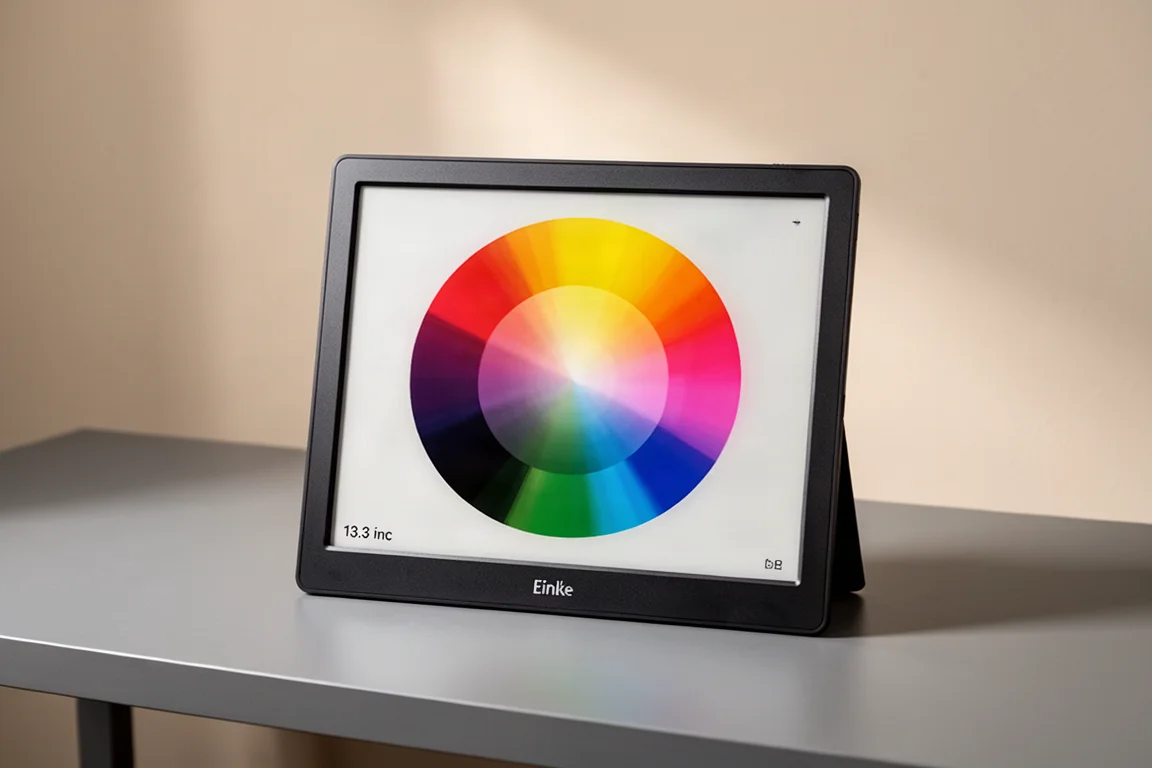
Testing with a color wheel reveals further differences. The Dasung 13K maintains consistent color interpretation across all hues, even as saturation decreases. The Modos Flow, in its default state, gets confused in lighter hues, struggling to distinguish between blues, violets, and greens. However, with significant manual adjustment of saturation and lightness, the Modos Flow can produce a color wheel that is more accurate and consistent than its default. This suggests the panel hardware is capable, but the software calibration is not yet refined.
In writing or image modes, the Dasung 13K is again the clear winner. The Modos Flow’s color interpretation becomes highly inaccurate, and adjusting settings does little to help. The Dasung 13K offers a much better range of colors and contrast in these modes. For users who work with images or need accurate color representation, the Dasung 13K is the safer choice.
Video Playback
Neither monitor is designed for video playback, but both can handle it to some degree. The Modos Flow is noticeably faster, with smoother motion and a higher frame rate. However, this speed comes at a massive cost to image quality. The Modos Flow exhibits severe image degradation, color banding, and a lack of dithering, making the video look messy and distorted. The Dasung 13K, while not as fast, offers a much clearer and more watchable image. Its 30 Hz refresh rate is sufficient for following moving content, and the image remains clean and legible. For video, the Dasung 13K is the more practical choice.
Design and Build Quality
The Modos Flow has a clear advantage in design. Its sleek black frame and smaller footprint make it more portable and modern-looking. The Dasung 13K, with its wide bezels and rounded edges, feels dated in comparison. The Modos Flow also features a built-in VESA mount, which is a must-have for many users, and its repairability is a plus, with screws that allow for easy opening and servicing. This aligns with its open-source firmware approach. The Dasung 13K, in contrast, cannot be opened or serviced, and its firmware is not open source.
Connectivity and Controls
Connectivity is another area where the Modos Flow excels. Its single USB-C cable for both power and display is a huge advantage for portability and ease of use. The Dasung 13K requires a separate AC adapter, which is a significant drawback for a device intended for outdoor or on-the-go use. The Dasung 13K does offer a mini HDMI port, which can be useful for older systems, but this advantage is mitigated by the availability of HDMI to USB-C converters.
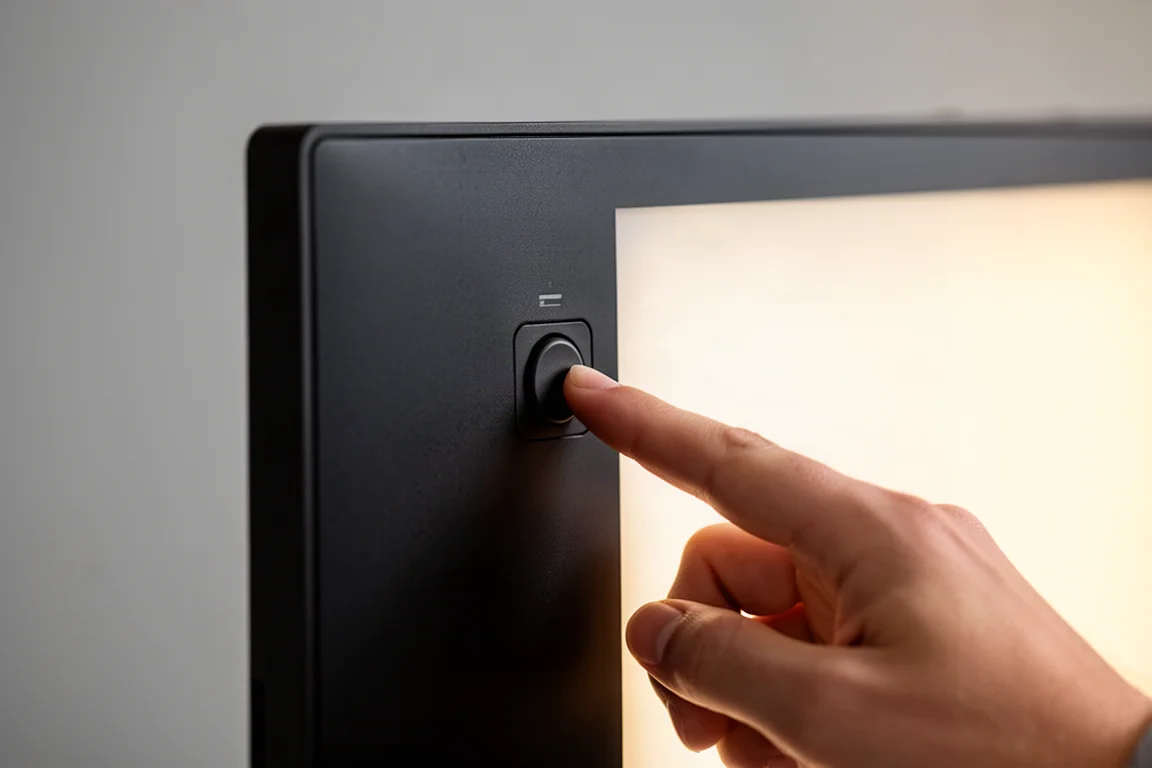
In terms of controls, the Modos Flow’s OSD menu is well-designed and comprehensive, offering customization of update modes, lightness, saturation, front light intensity and temperature, and button assignments. The Dasung 13K relies on dedicated physical buttons and a client software application for advanced control. The client software is required for Mac users and can be difficult to download and install. The Modos Flow’s self-contained approach is more elegant and avoids potential compatibility and security issues.
Overall Buying Advice
Choosing between these two monitors comes down to your priorities. If you want a finished product that works well out of the box, the Dasung 13K is the safer bet. It offers better image quality, more accurate color interpretation, and a more reliable overall experience. It is a mature product that you can plug in and use immediately.
If you are willing to accept some risk and are excited by the potential of an open-source platform, the Modos Flow is the more promising choice. Its hardware is superior, with a better front light, a more modern design, a VESA mount, and repairability. Its software is currently in alpha, with significant issues in color calibration and image processing, but these are all fixable with firmware updates. The Modos Flow is an investment in a platform that could become excellent, but it is not there yet.
Conclusion
The Dasung 13K and Modos Flow represent two different philosophies in the color E Ink monitor space. The Dasung 13K is a polished, finished product that delivers a reliable and high-quality experience today. The Modos Flow is a work in progress with exceptional hardware and a promising open-source future, but its current software holds it back. If you need a monitor that works flawlessly right now, the Dasung 13K is the clear choice. If you are a tinkerer who values hardware quality and is willing to wait for software maturity, the Modos Flow offers more long-term potential.
Further reading
Related Reviews
E Ink Monitors
Modos Enchanter First Impressions: A 13.3-Inch Color E Ink Monitor With Real Promise
A two-person team built a 13.3-inch color E Ink monitor with its own driver board and firmware. Early impressions show impressive speed, clean ghosting, and thoughtful UX.
Monitor Reviews
ASUS ROG Swift PG27UCWM Review: A 27-Inch 4K WOLED With a Serious Price Problem
The ASUS ROG Swift PG27UCWM brings a new RGB stripe WOLED panel to 27 inches, but its $1,200 launch price is hard to justify against cheaper QD-OLED rivals.
Coffee Equipment
BEEM vs Melitta EPOS: Two Automated Pour-Over Coffee Makers Compared
A detailed comparison of two automated pour-over brewers: the budget-friendly BEEM and the feature-rich Melitta EPOS with integrated grinder. Which one delivers better coffee?