Floorstanding Speakers
DALI Rubicon 6 Review: Refined Floorstanding Sound with a Civilized Character
The DALI Rubicon 6 brings flagship-derived driver technology to a £4,499 floorstanding speaker with excellent resolution, a large sweet spot, and a notably polite tonal balance.
Introduction
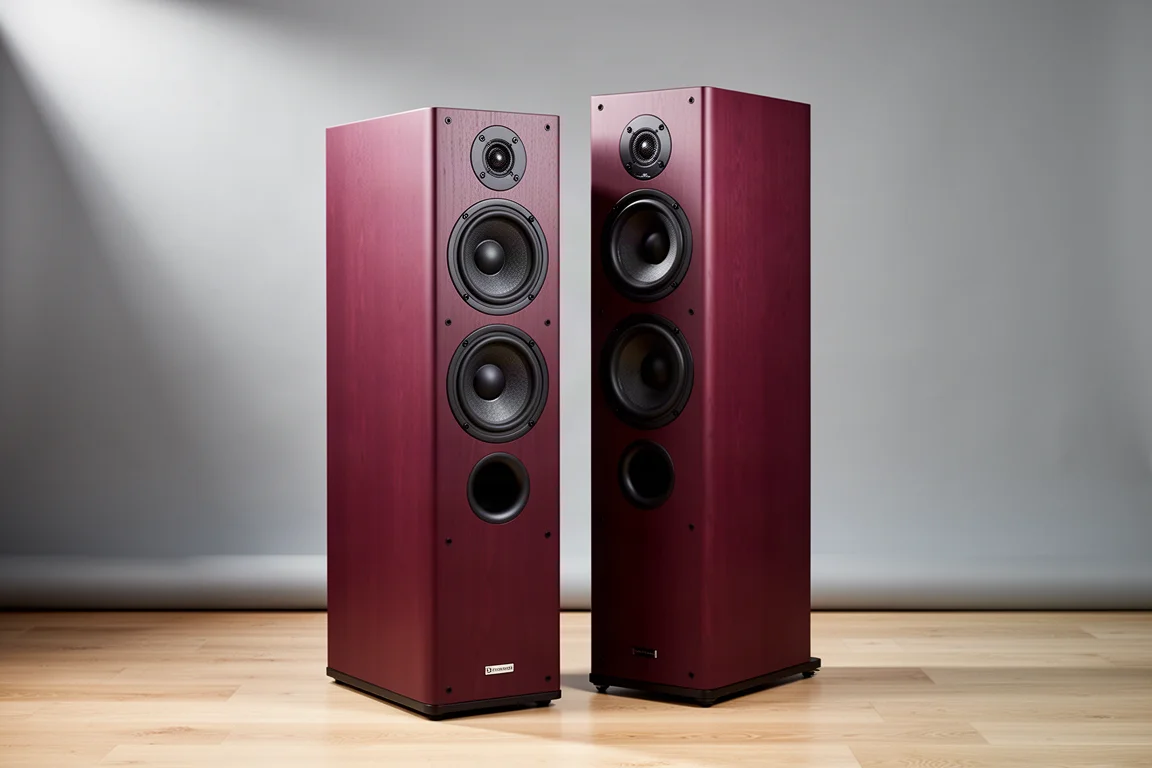
The DALI Rubicon 6 is the floorstanding model at the centre of the Danish manufacturer’s Rubicon series, and it carries a meaningful amount of technology down from the company’s flagship designs. Each cabinet runs a 2.5-way configuration built around two 165 mm woofers, a 29 mm soft dome tweeter, and a 17 x 44 mm planar magnetic super tweeter, with two separate internal enclosures and two flared rear ports.
In the UK the Rubicon 6 retails at £4,499 per pair and is offered in four finishes: high gloss maroon wood, gloss black, gloss white, and natural walnut. This review covers what the speaker does particularly well, where it asks for careful system matching, and which listeners are likely to get the most from it.
Who the DALI Rubicon 6 Is For
The Rubicon 6 makes most sense for listeners who value resolution and a civilized tonal character over sheer attack. If harshness or glare in the upper midrange and treble is something you notice quickly and dislike, this is a speaker that takes the edge off the presentation without smearing detail.
It also suits mid-size rooms. Placed roughly a meter from the wall behind the front baffle in a space of around 4 m by 7.5 m, the speakers stayed stable and easy to work with, and they do not need a large room to breathe.
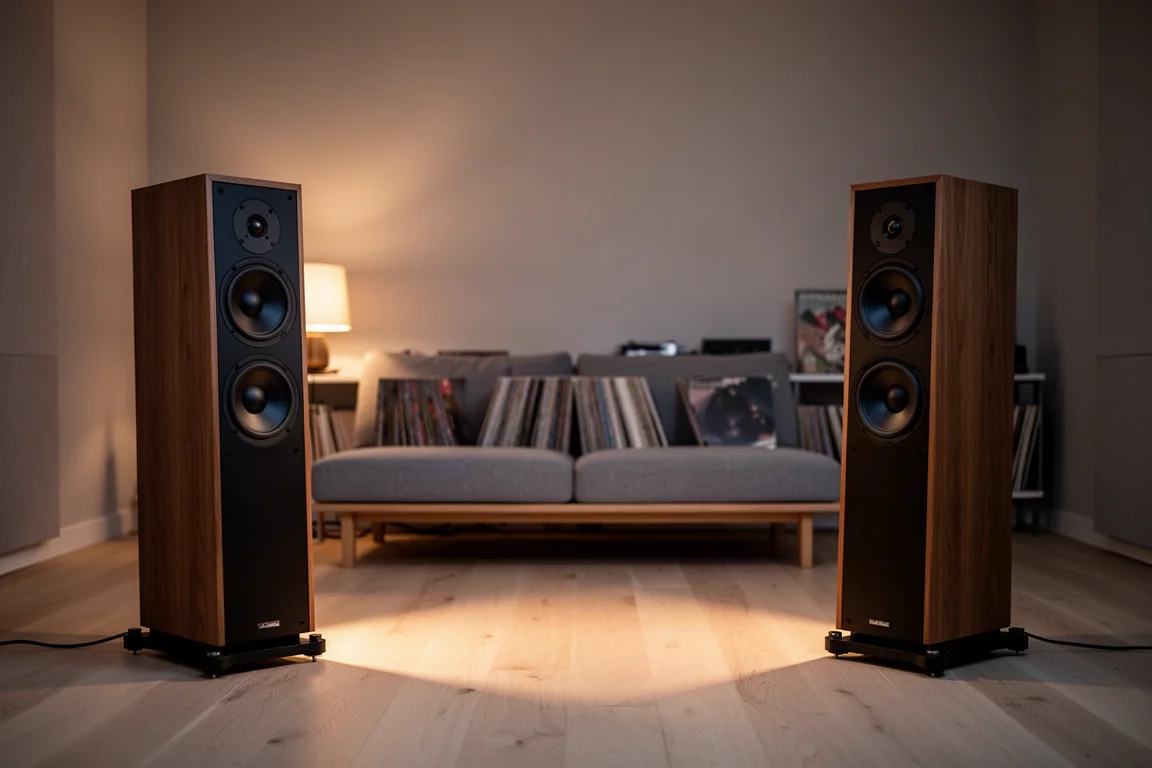
Equally, the speaker rewards owners who are willing to experiment with amplification rather than simply plugging it into whatever is already on the rack.
Design and Build
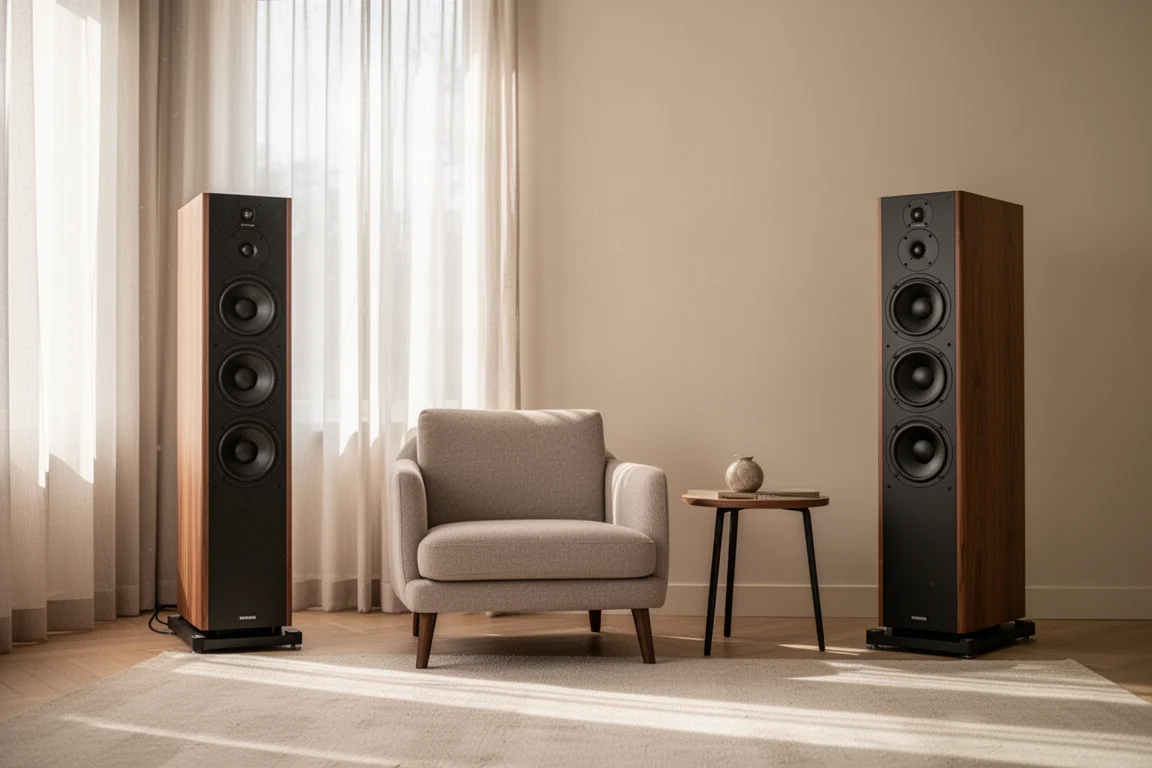
Styling is conventional and understated, but the construction is clearly careful. Each cabinet measures 990 x 200 x 380 mm and weighs 23 kg, with four drivers mounted to a front baffle that carries a slight curvature. Removing the woven fabric grille exposes the full driver array.
At the base, discrete aluminium outrigger feet add stability. The rear panel carries two sets of high quality speaker binding posts to support bi-amping and bi-wiring, alongside two flared ports. DALI manufactures its components in house, down to the screws and the binding posts.
Driver Technology and the Super Tweeter
The two-port arrangement reflects two separate enclosures inside each speaker: one for the top three drivers and another for the bottom woofer, which runs from 800 Hz down to a port tuning of around 38 Hz. The second woofer extends up to 2,600 Hz, where duties pass to the 29 mm soft dome tweeter. At 14,000 Hz the soft dome begins to narrow its dispersion and the planar magnetic super tweeter takes over, extending response well above the audible band to 34,000 Hz.
The point of that super tweeter is not extension but dispersion. By widening the sweet spot, it aims to open up the sound stage rather than simply add air at the very top. The hybrid tweeter uses no ferrofluid cooling, which makes it faster and cleaner in operation, though harder to manufacture.
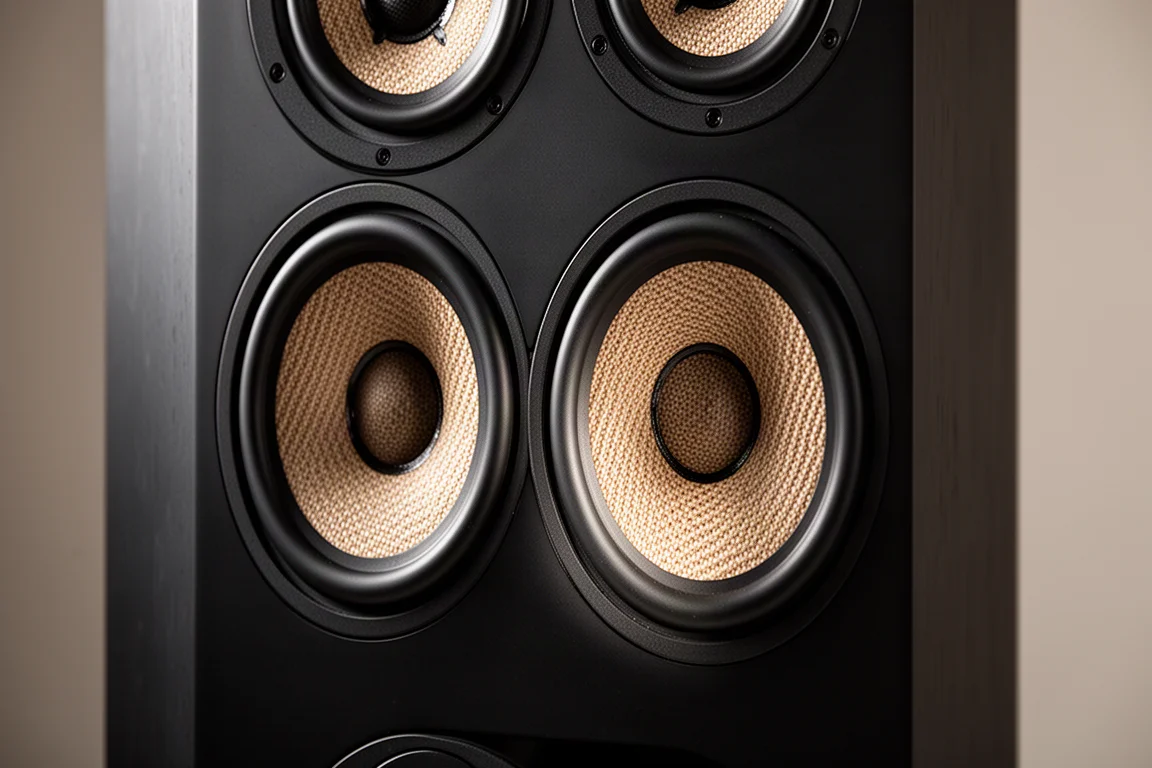
The motor structure uses a soft magnetic composite material, in which each granule of iron is coated before the magnet assembly is formed. This prevents the eddy currents that would otherwise be induced in a conventional iron structure and cause energy losses. DALI’s data indicates that the material significantly reduces hysteresis losses and frequency dependent effects, with third harmonic distortion claimed to fall by as much as 15 dB. The paper pulp cone also adopts a new profile, designed to add damping at the five most resonant points on its surface and so lower distortion and breakup modes for a smoother handover into the tweeter.
Listening Impressions: Resolution, Integration, and Soundstage
Driver integration is one of the speaker’s strongest arguments. Even at close listening distances, the individual units are difficult to pick out as you move up and down, and the sweet spot is generous both horizontally and vertically. The sound stage extends well beyond the outer edges of the speakers, with good depth and secure placement of performers within it.
Resolution is high across the range. Bass arrives with clarity and depth, the midrange has enough body to flesh out vocals and lead instruments while preserving micro detail, and the treble is the standout. The soft dome and the planar magnetic element behave as though they were a single driver, delivering cymbal hits, upper harmonic detail, and ambient information with an airy, refined quality.
Bass, Dynamics, and the Presence Region
Two caveats are worth understanding before buying. The first concerns bass authority. It is clean and deep, but it does not carry the weight of some similarly sized floorstanders. A design such as the ATC SCM 40, with its single 200 mm woofer, delivers a more impactful mid-bass thump, while the Rubicon 6 counters with the more articulate tweeter. Even the smaller Neat Elite Classics, with a single 165 mm woofer, are only a little less capable at shifting air at low frequencies.
The second is a subdued quality in the presence region, roughly between 1,000 and 4,000 Hz. The result is a speaker that can feel a touch too easy listening, and it deals with dynamic swings more like a compact floorstander than a large one. Listeners who know how a trumpet should rasp or how piercing a violin can sound may want a longer audition before committing.
System Matching and Setup Notes
Positioning is refreshingly undemanding. DALI advises against toe-in, though a slight toe-in helps snap the central image into focus, and the speakers worked well about a meter from the front wall. Amplification, however, matters a great deal. A neutral solid state integrated sounded flat and dull, and even a 150 watt amplifier with a very high damping factor did not fare much better. A valve amplifier brought welcome vitality to the presentation.
DALI’s own demonstrations use NAD or Lyngdorf amplification, both of which favour class D topologies. Given the speaker’s slightly recessed upper midrange, a cooler and livelier amplifier is likely to be the better partner than a warm one, and a well-sorted integrated in that mould is worth trying before deciding on electronics.
Things to Consider Before Buying
The Rubicon 6 is not a bass monster, and buyers expecting the physical punch of a large three-way design may find it restrained. Its polite presence region is a deliberate tonal choice rather than a flaw, but it will not suit everyone. Amplifier matching is the single biggest variable, and the difference between a poor and a good pairing is substantial. Finally, the four finish options vary considerably in character, so it is worth seeing the cabinet in person before choosing.
Buying Advice
At £4,499 per pair, the Rubicon 6 sits in premium territory, and it justifies that outlay through engineering depth rather than scale. The flagship-derived motor technology, the new cone profile, and the hybrid tweeter are the reasons the speaker resolves as well as it does, and the in-house manufacturing extends to the smallest parts.
It is the right choice for a listener who wants a revealing, low-fatigue speaker for a mid-size room and is prepared to pair it with a lively amplifier. Those who prioritise deep bass impact or a forward, energetic midrange should compare alternatives at the same price before deciding.
Conclusion
The DALI Rubicon 6 delivers excellent resolution across the frequency range, seamless driver integration, a large sweet spot, and a genuinely impressive treble performance. Its tonal character is civilized rather than thrilling, and its bass is articulate rather than heavy, so the speaker asks for the right amplifier and the right expectations. Buyers who make those two adjustments will find a well-built, well-engineered floorstander that is easy to live with and easy to recommend.
Product link
View more details for DALI Rubicon 6
This product is mentioned in the review. Check the specifications, options, and compatibility before buying.
View more details for DALI Rubicon 6Further reading
Related Reviews
Floorstanding Speakers
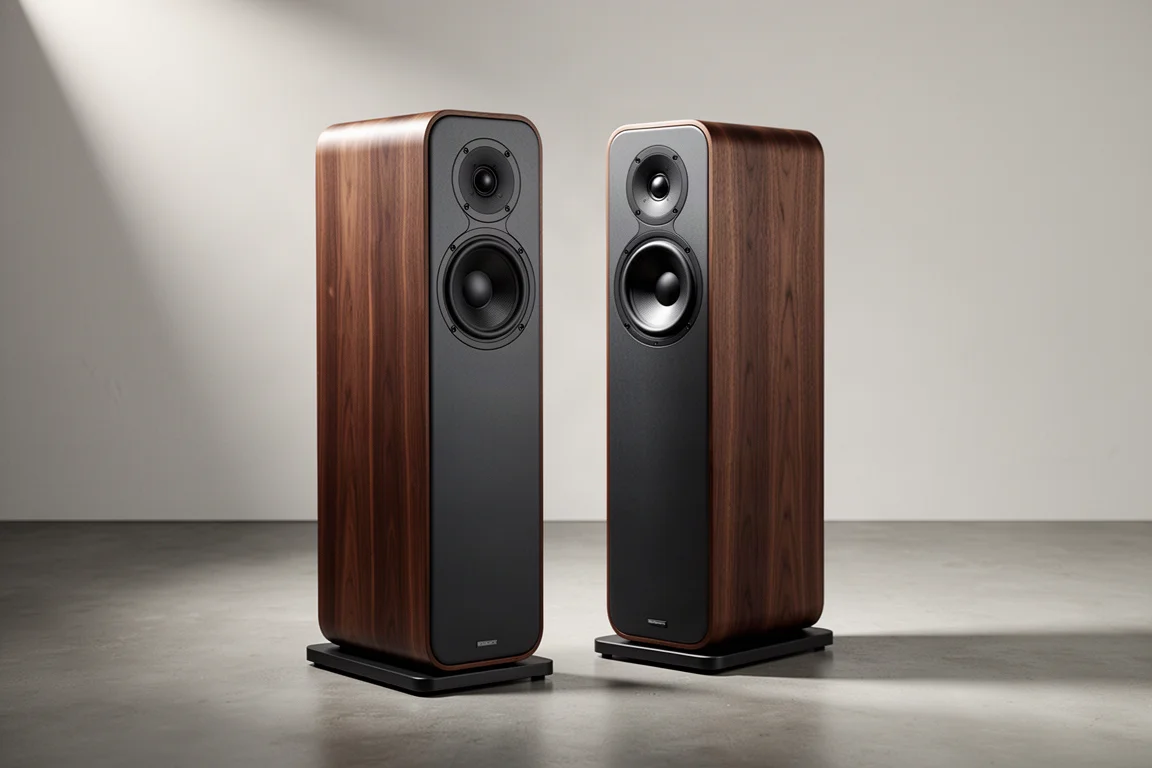
Acoustic Energy AE109 Mark II Review: A Refined Floorstander at £699
The Acoustic Energy AE109 Mark II is a slim, warm sounding floorstander that delivers clarity, midrange body and strong imaging in small to medium rooms.
Floorstanding Speakers
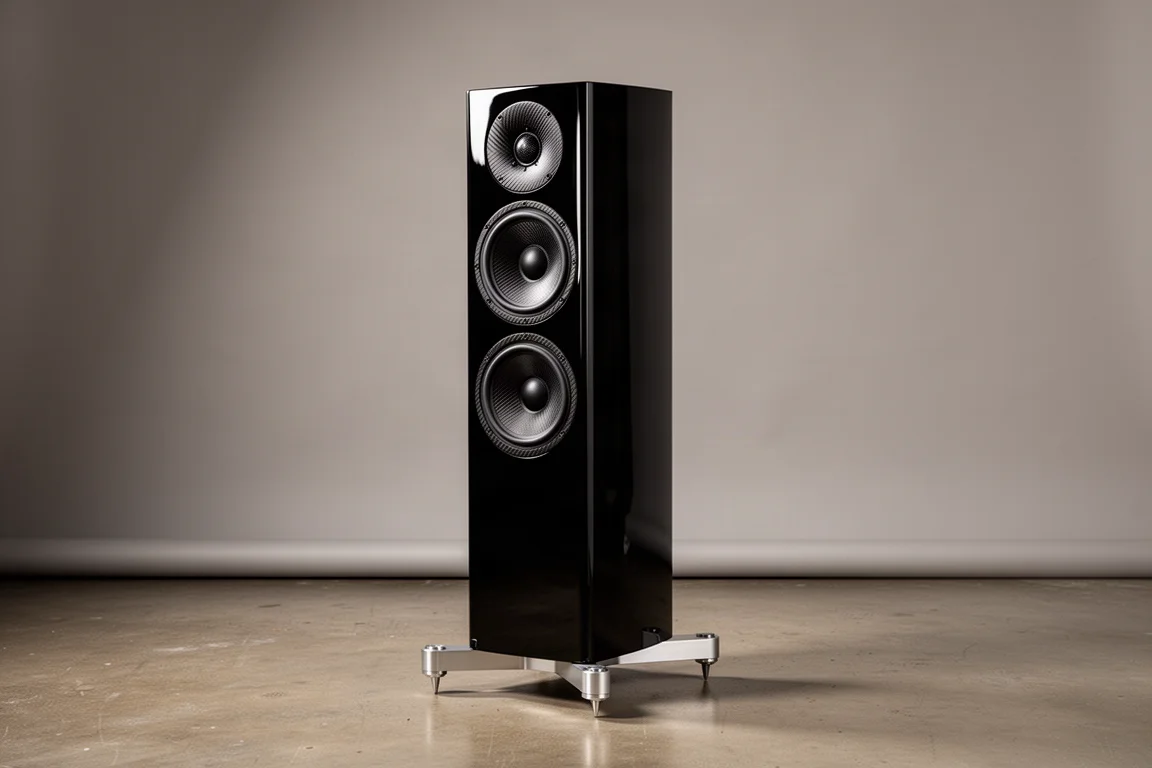
Acoustic Energy AE509 Review: A Slim Floorstander With Deep, Defined Bass
A practical look at the Acoustic Energy AE509, a slim floorstanding speaker with carbon fibre drivers, deep and well-defined bass, and an easy-going character that rewards careful system matching.
Floorstanding Speakers
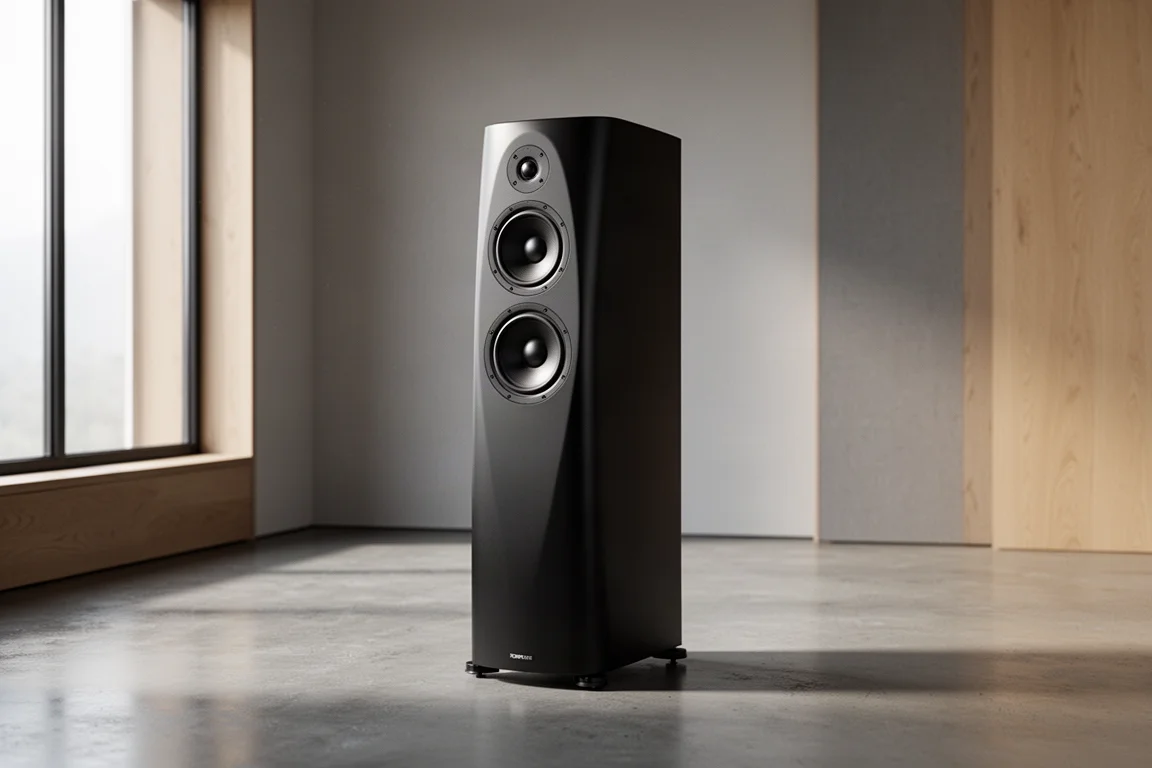
Arendal 1528 Tower 8 Review: Reference Neutrality With Real Demands
A close look at the Arendal 1528 Tower 8, a nearly five-foot, 200-pound floorstander that rewards generous space, serious power, and high listening levels with reference-grade neutrality.