Ski Boots
Dalbello Veloce 130 Review: A Stiff 130 Flex Boot With Room in the Forefoot
A mid volume 100mm last, a 130 flex, and a genuinely tunable stance make the Dalbello Veloce 130 a strong option for strong skiers with wider forefeet.
Introduction
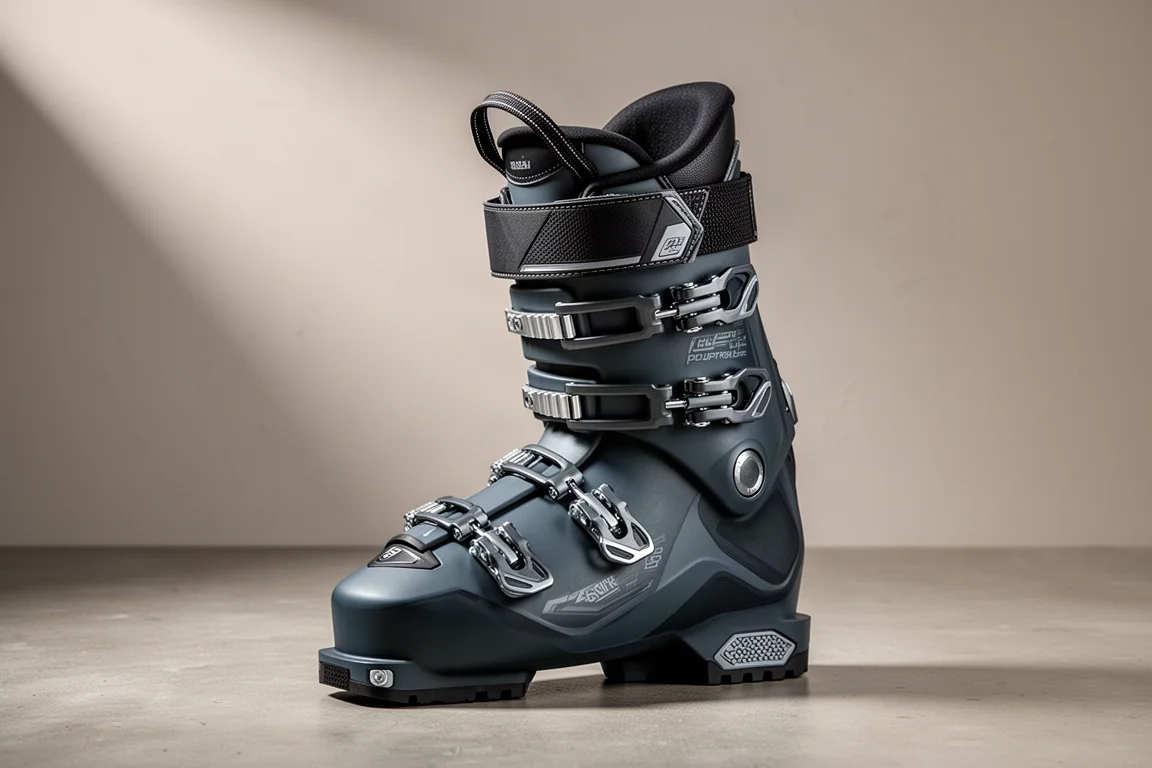
The Dalbello Veloce 130 sits in a useful but slightly overlooked corner of the ski boot market. It pairs a genuinely stiff 130 flex with a mid volume fit, which means a 100mm forefoot last rather than the narrow race last that usually comes attached to this much shell stiffness.
For skiers with a wider or more voluminous forefoot, that combination has historically been hard to find. The usual trade-off has been to accept a softer boot or to spend time punching and grinding a narrow shell. The Veloce 130 is designed to remove that compromise, keeping the precision and performance of a high end flex rating while giving the front of the foot somewhere to sit.
Who the Dalbello Veloce 130 Is For
This is an advanced to expert ski boot. The 130 flex is stiff, and the shell is built to transfer input quickly rather than cushion it. Skiers who drive their skis hard, spend time on edge, and want immediate response from the boot will get the most from it. Lighter skiers or those still developing their technique will likely find the flex unforgiving.
The mid volume 100mm last is the defining feature. It suits a foot that is a little wider through the forefoot or higher in volume than a race fit allows, but it is not a comfort fit. It is still a performance oriented shell that expects a reasonably close match to your foot shape.
If you have been skiing a narrow 98mm boot and living with pressure across the metatarsals, this is the fit category worth trying. If you have a genuinely wide foot, this is still likely to need work from a boot fitter rather than being a plug and play option.
Main Strengths
The headline strength is the combination of a 130 flex with a mid volume last. Both the lower shell and the upper cuff use polyurethane, which gives the boot a consistent, progressive feel through the flex rather than a sudden wall of resistance.
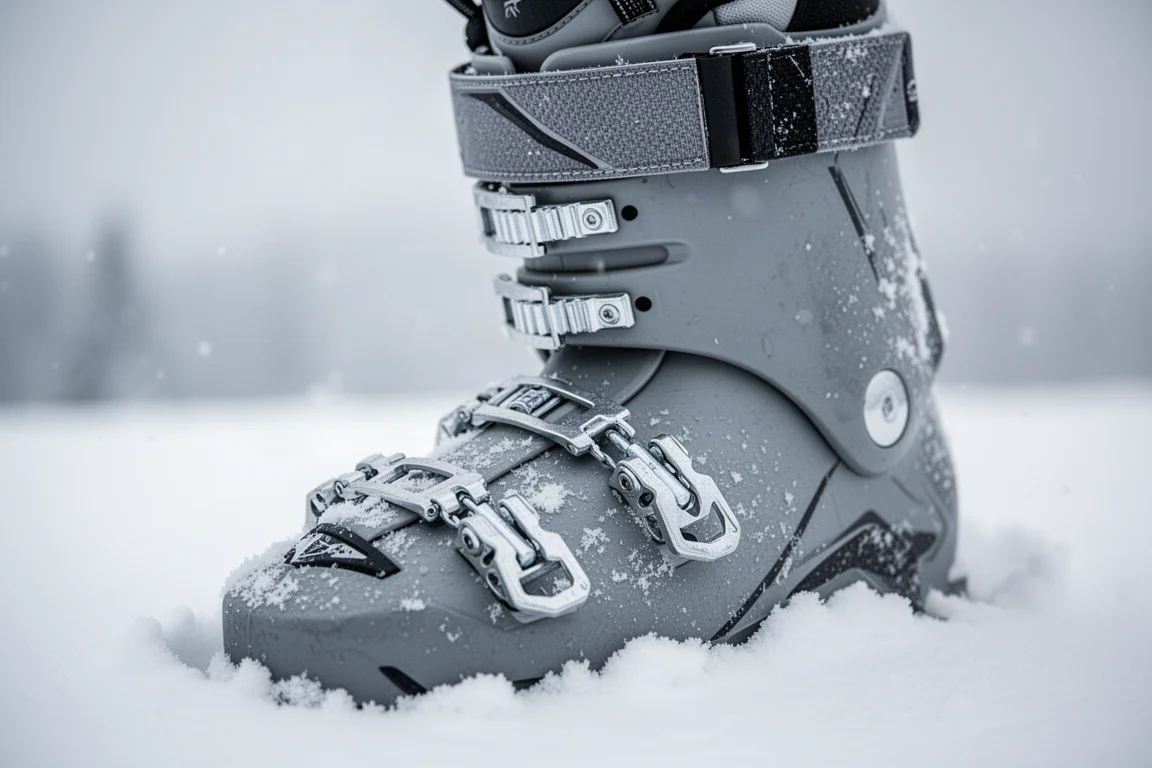
The buckles are well thought out. There are four micro adjustable buckles, and the top two also offer macro adjustment, so they can be repositioned rather than just tightened. That matters on a boot this stiff, because buckle position changes where pressure lands on the instep and shin. The locking power strap is a welcome detail at this flex level. It can be cinched firmly and pulled tight, adding extra support and helping the upper cuff hold the leg when you flex forward.
GripWalk toes and heels come fitted, which makes walking around the lodge and parking area considerably less awkward than a flat alpine sole.
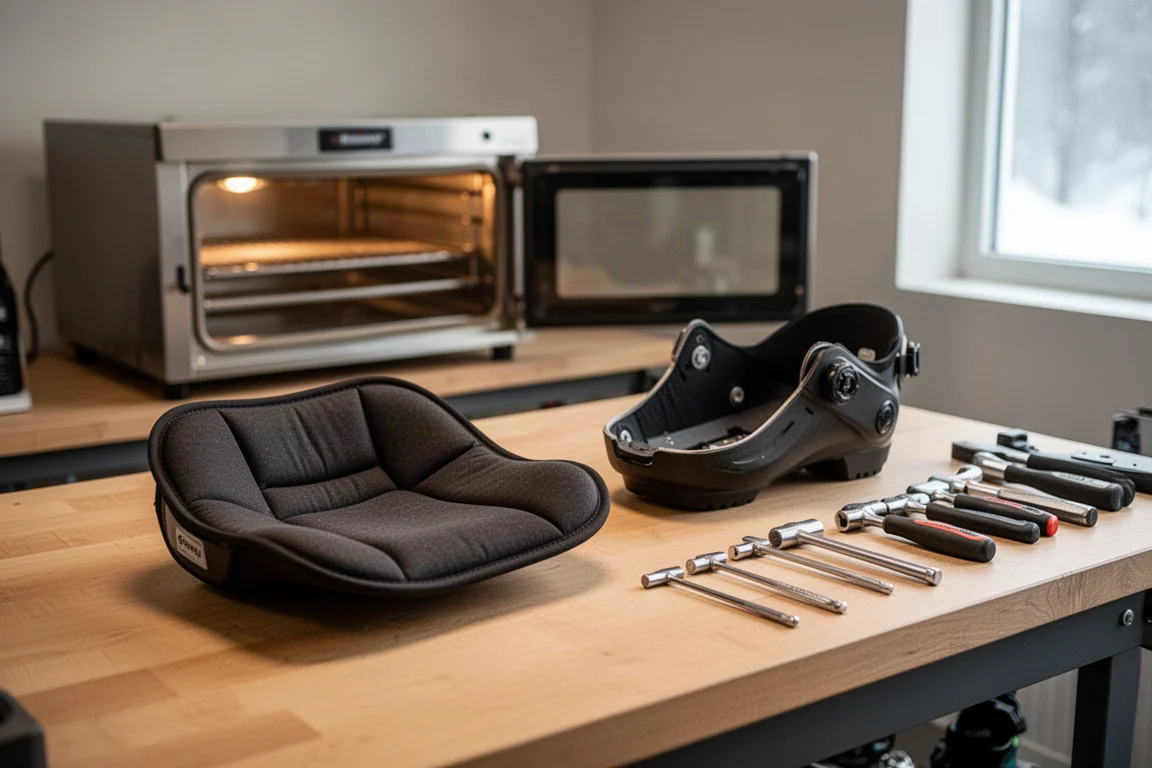
The liner is the other strong point. It is moldable in the ankle area, so a boot shop can heat it and shape it closely to your foot. Combined with the shell, that gives the fitter real material to work with.
Things to Consider Before Buying
A 130 flex is a serious commitment. If you are not already skiing at a high level, this boot will feel like a brick, and a softer flex will usually help you progress faster. Stiffness is only an advantage when you can bend it.
The 100mm last is mid volume, not wide. It is more accommodating than a race fit, but it is not a comfort boot, and some skiers will still need shell work. The rear spoiler adds forward lean, which suits an aggressive stance but may feel like too much angle if you prefer to stand more upright.
The boot also depends on a good fit session. The liner molds well in the ankle, but that is only useful if a qualified fitter does the work. Budget for that appointment as part of the purchase.
Fit, Flex, and Stance Adjustments
What sets the Veloce 130 apart from a straightforward stiff boot is how much of it can be tuned after you buy it. Two flex adjustments sit at the back of the shell, letting a fitter soften or stiffen the feel without changing the boot. Cuff alignment tools allow the upper cuff to be canted to match your leg angle, which affects how flat the ski sits on the snow.
The tongue uses Dalbello’s auto fit design, with different densities of foam layered through it. The practical effect is that it holds the shin firmly in place without creating a hard pressure point, which is exactly what you want when the shell is this stiff.
Together, the flex adjusters and cuff alignment mean the stance and feel can be dialled in rather than accepted as they come out of the box. On a 130 flex product, that level of adjustment is genuinely valuable.
Buying Advice
The Veloce 130 makes the most sense for a strong, experienced skier who has been fighting a narrow boot and wants to keep a stiff flex without the squeeze. In that situation it solves a real problem rather than just adding another option to the wall.
Two things are worth checking before you commit. First, confirm the flex suits your weight, strength, and skiing style, because 130 is at the top end. Second, treat the fit session as part of the product. The moldable ankle liner, the cuff alignment, and the flex adjustments are all designed to be used, and a boot that is set up properly will feel dramatically different from one that is not.
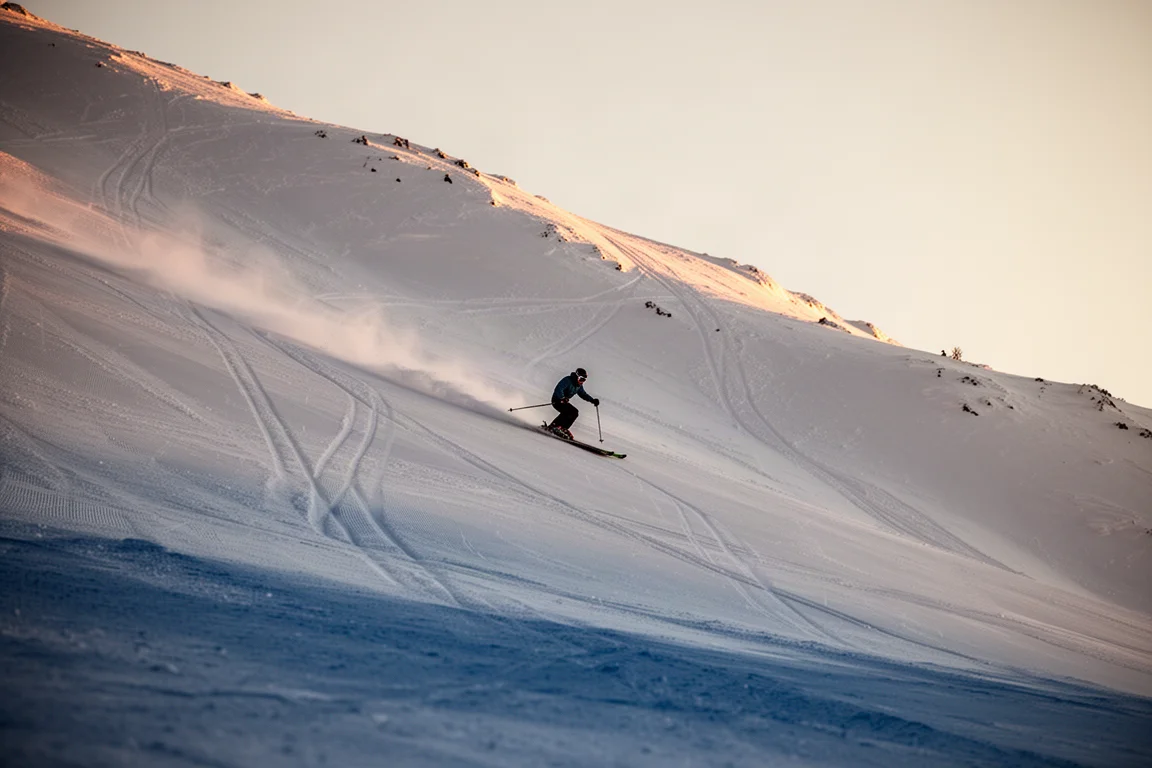
If the mid volume last matches your foot shape reasonably well, this is a boot that can be refined into a very precise fit. If it does not, no amount of adjustment will turn it into a wide comfort boot, and a different last is the better starting point.
Conclusion
The Dalbello Veloce 130 fills a specific gap: a genuinely stiff 130 flex boot with a 100mm mid volume forefoot. Polyurethane construction, GripWalk soles, macro adjustable buckles, a locking power strap, a moldable ankle liner, and both flex and cuff alignment adjustment add up to a boot that rewards a proper fitting. For advanced and expert skiers who want precision without a race narrow last, it is a compelling option to put on your shortlist.
Product link
View more details for Dalbello Veloce 130
This product is mentioned in the review. Check the specifications, options, and compatibility before buying.
View more details for Dalbello Veloce 130Further reading
Related Reviews
Ski Boots
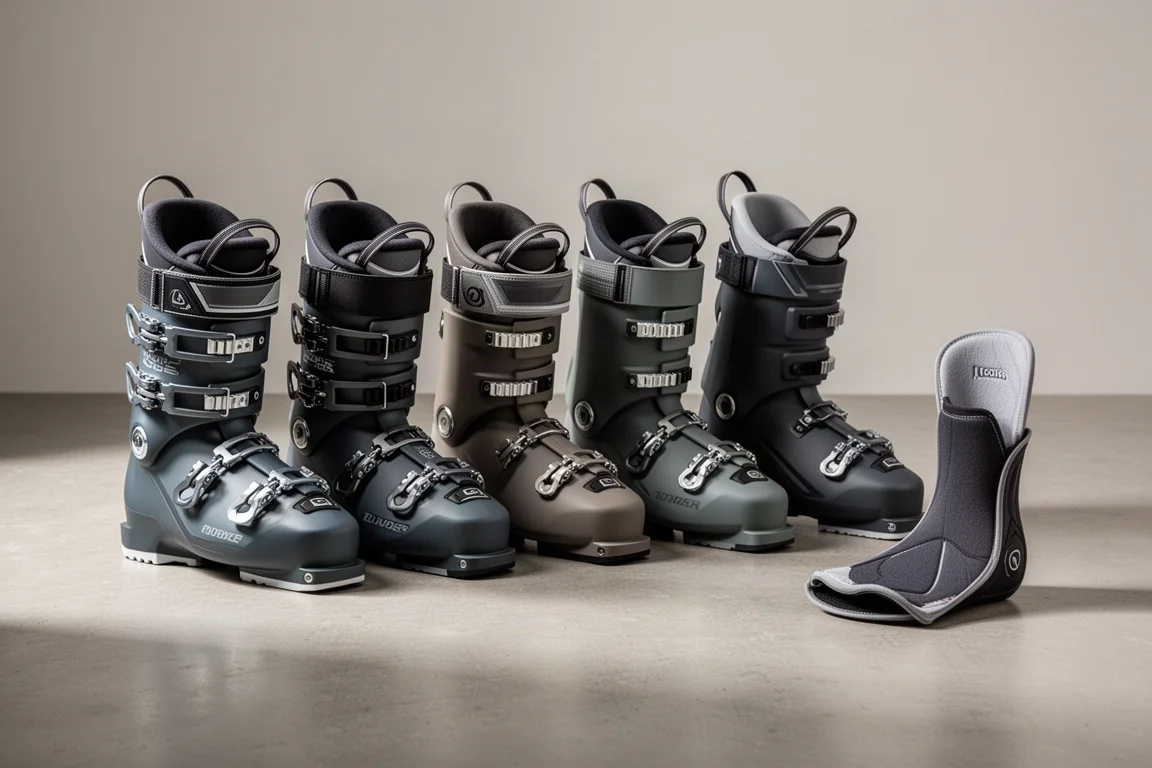
2027 Ski Boot Roundup: Six 130-Flex Boots Worth Knowing
Six 130-flex ski boots for 2027, plus a low-volume liner upgrade, compared on weight, fit, flex feel, and ease of use.
Ski Boots
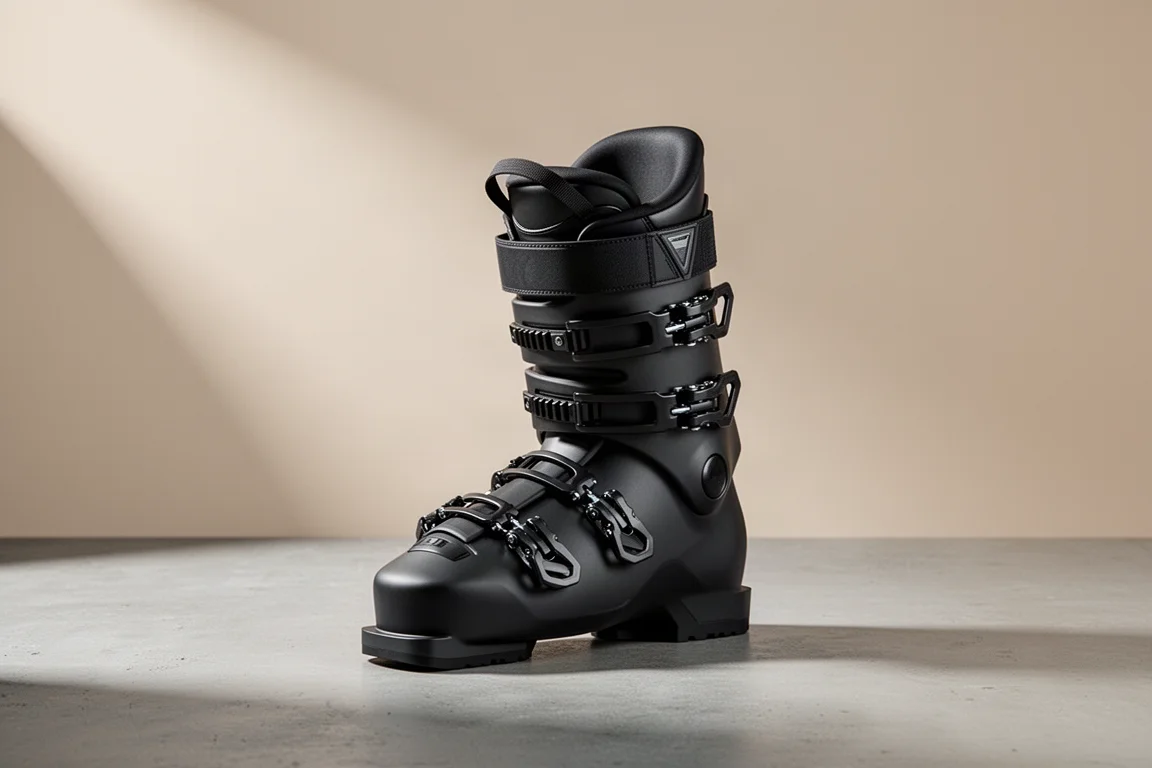
Armada AR One Ski Boot Review: A Three-Piece Cabrio That Finally Gets It Right
Armada's first ski boot blends three-piece Cabrio design with Atomic engineering, a heat-moldable shell, and a 100mm last that fits better than any Cabrio before it.
Ski Boots
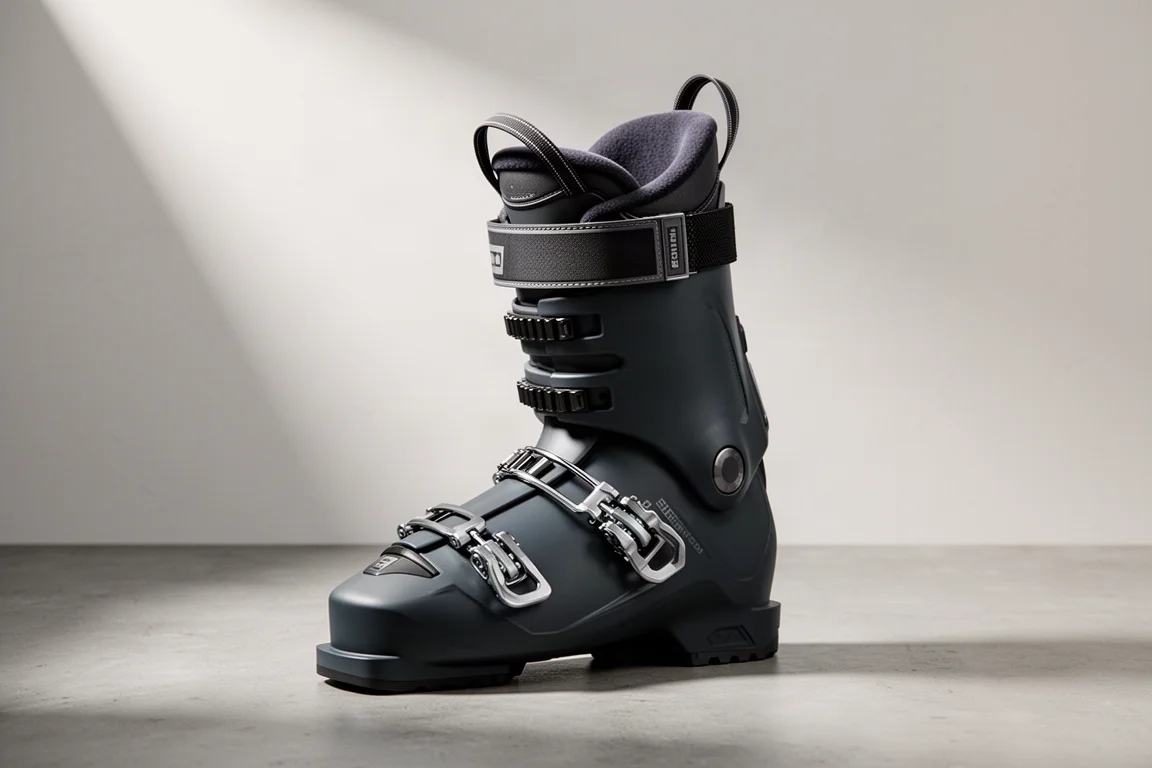
Armada AR1 Ski Boot Review: A Cabrio and Overlap Hybrid for Park and Freeride Skiers
Armada's first ski boot pairs a three-piece cabrio shell with overlap-style buckles and a cable-driven slingshot buckle. Here is where it shines, and what to weigh before buying.