Ski Boots
Dalbello Veloce 120 Mid Volume Review: A Firm 120-Flex Boot for Advanced Skiers
A close look at the Dalbello Veloce 120 Mid Volume, a new 120-flex ski boot with a mid volume fit, extra instep room, and a genuinely adjustable shell.
Introduction
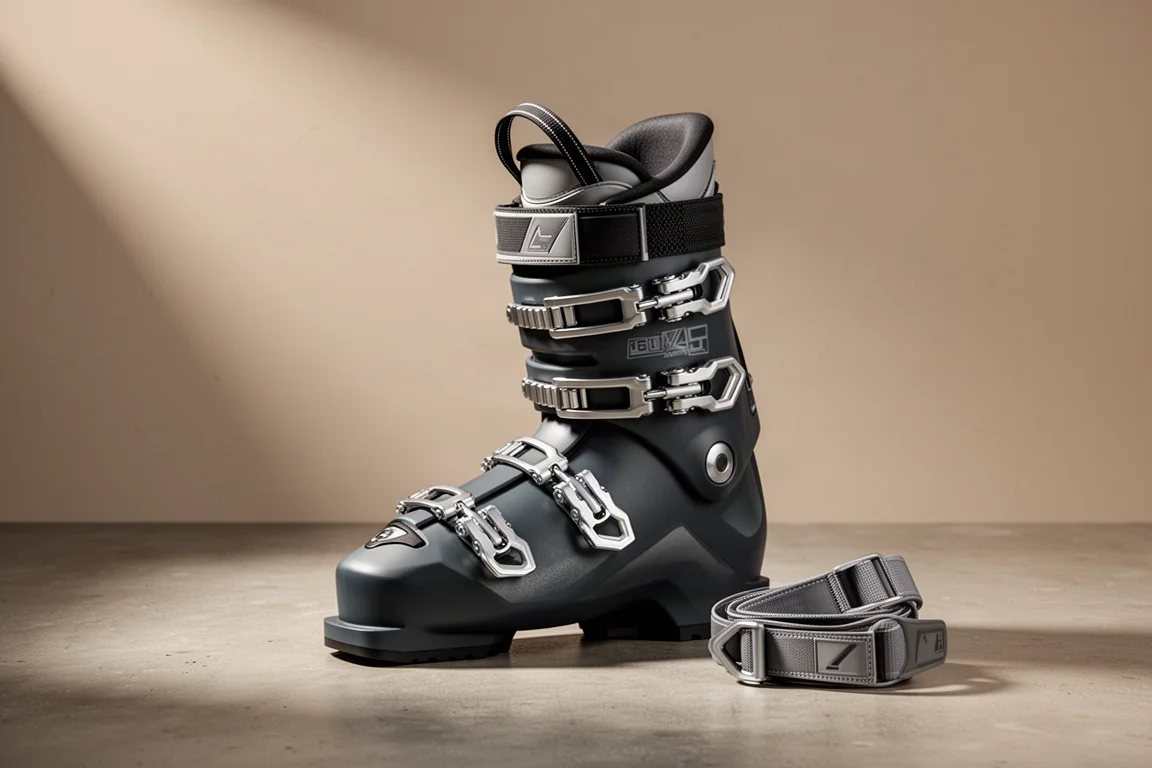
The Dalbello Veloce 120 Mid Volume is a new model in the brand’s boot range, and it lands in a familiar place: a 120 flex shell built on a 100 mm forefoot last with a mid volume fit. What makes it worth a closer look is the shape over the instep. Compared with the outgoing DS line, the Veloce 120 Mid Volume offers more room across the top of the foot, which matters for skiers with a higher instep who often end up sizing up or having shells punched just to find relief.
Everything else about the boot points at a specific kind of skier: strong, technically confident, and looking for a firm, responsive flex that holds up when the terrain steepens or the snow gets rough.
Who This Boot Is For
This boot is aimed at advanced and expert skiers, and the numbers support that. A 120 flex is a firm, performance-oriented rating. It rewards a skier who already drives the front of the boot and wants immediate response, rather than someone still building confidence on gentle terrain.
The mid volume fit and the 100 mm forefoot last are the other half of the story. That combination tends to suit medium-width feet with a fuller instep, and it is the main reason a skier who has fought pressure across the top of the foot should put this boot on a shortlist. On a 100 mm foot with a high instep, the fit was comfortable straight out of the box, which is not something every performance boot manages.
The practical takeaway is that the Veloce 120 Mid Volume is not a soft boot dressed up to look fast. It is a shell designed around a stronger skier who wants a precise fit and a firm platform, with a little more generosity across the instep than the model it replaces.
Skiers with very narrow feet or a very low instep may find the mid volume shape gives away more room than they want, and they are usually better served by a narrower last.
Main Strengths
The strongest argument for this boot is how complete it feels out of the box. The shell includes GripWalk toe and heel pieces, so it is set up for easier walking on mixed surfaces without an aftermarket swap.
Around the shell, the hardware is unusually adjustable for a boot at this level. There are four micro-adjustable buckles, and the upper buckle catches are macro-adjustable, which means you can move them across to dial in more or less tension over the lower leg. A standard power strap sits at the top of the cuff to lock the liner and shell together.
That combination matters over a long season. Buckles that can be repositioned rather than only tightened give you room to adapt the boot as the liner packs out, which is a real advantage for anyone who puts in a lot of days.
Fit, Flex, and Stance Adjustment
This is where the Veloce 120 Mid Volume separates itself from a straightforward fixed-flex boot. A flex adjustment at the back of the shell lets you change how the boot resists forward movement, so the same shell can feel slightly softer or firmer depending on the terrain or on how your legs are feeling that day.
Upper cuff alignment adds a second layer of tuning. Cuff alignment is the adjustment that lets a boot fitter match the cuff angle to the natural angle of your lower leg, which can make a noticeable difference to edge control and to how evenly pressure is spread across the shin. Getting it right is often the difference between a boot that feels neutral and one that fights you.
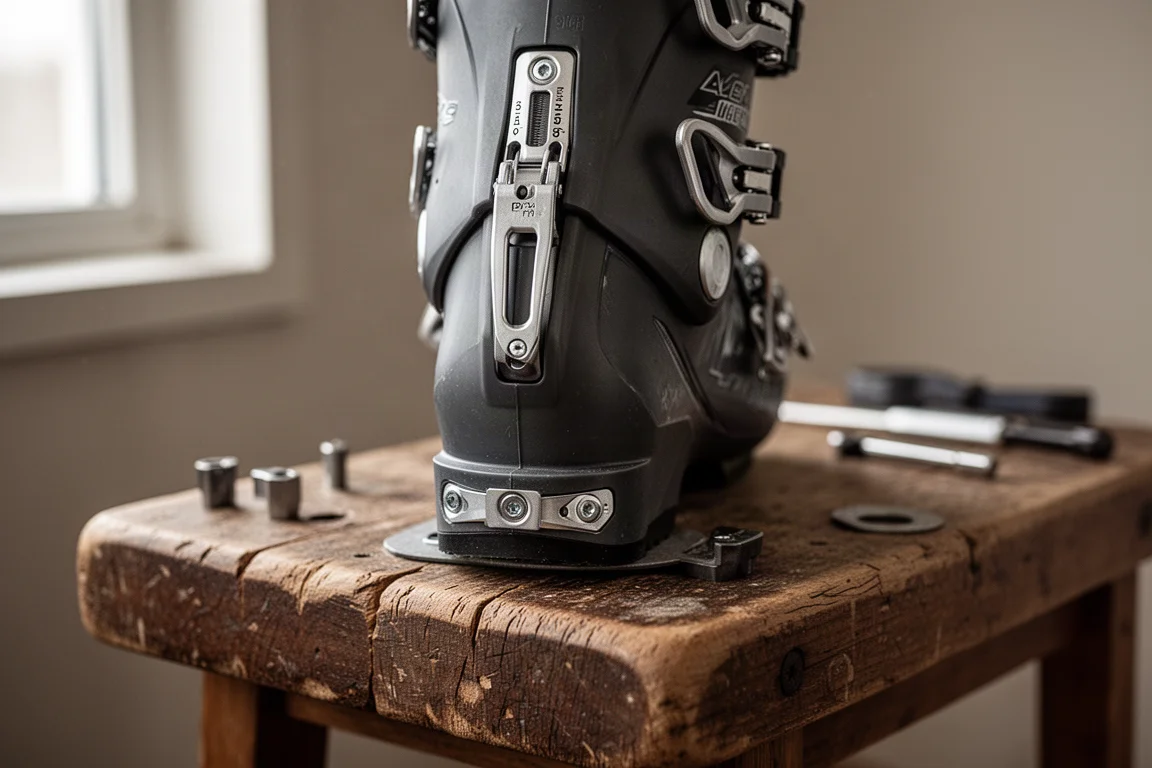
A removable rear spoiler is included as well, and it changes the forward lean of the boot. Leaving it in place creates a more aggressive, forward-leaning stance that suits skiers who like to stay over the front of the ski, while removing it gives a more upright position.
Between the flex adjustment, the cuff alignment and the spoiler, there is more stance and flex tuning here than most skiers will use in a single season, which is exactly the point for advanced skiers who know what they want from a boot.
Liner and Tongue Construction
The liner is one of the more convincing parts of the package. It uses the same custom moldable construction in the ankle pocket area as the brand’s 130 flex model, which means a boot fitter can heat it and mold it closely around the ankle for a more precise hold.
The Auto Fit tongue is built with different densities of foam through its length. In practice that means the tongue stays lined up against the shin, holds the lower leg steady, and avoids some of the pressure points a single-density tongue can create when the boot is buckled firmly.
Things to Consider Before Buying
Flex is the first thing to weigh honestly. A 120 flex is a firm boot, and if you are an intermediate skier who spends most days cruising groomed runs at moderate speed, it may feel like more boot than you need. Advanced and expert skiers are the intended audience.
Fit is the second consideration. The mid volume shape with the roomier instep is a benefit for a high instep, but it is not a universal fit, and narrow or low volume feet are likely to feel loose. No spec sheet can replace trying the boot on.
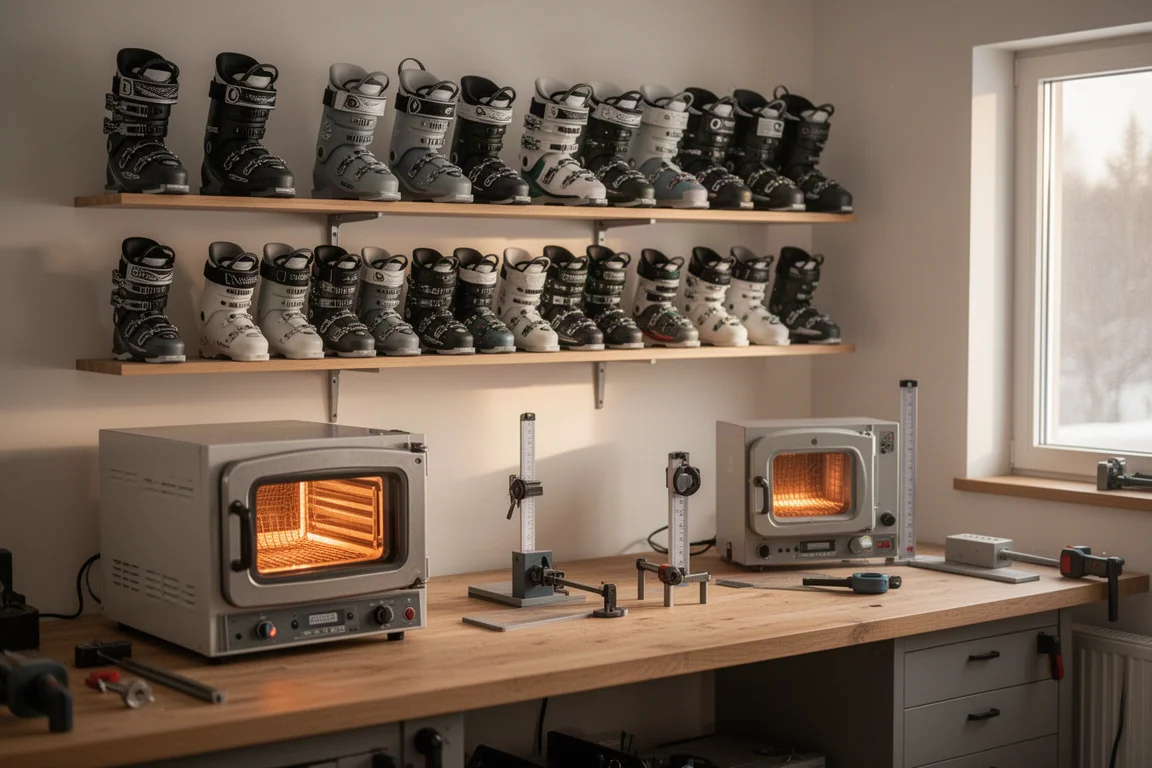
The third point is the moldable liner. It can be skied as it comes and will gradually take on the shape of your foot over time, but having it heat molded at a boot shop gets that process done faster and more predictably. If you are buying this boot, plan for a proper fitting session rather than treating it as a purely online purchase.
How to Get the Best Fit
Start by confirming the shell length with a fitter, then have the liner heat molded with particular attention to the ankle pocket. After that, set the cuff alignment, decide whether to run the rear spoiler, and adjust the flex setting to your preference. Finally, reposition the macro-adjustable upper buckle catches if you need more or less tension across the lower leg.
Small changes to these settings can shift how the boot feels more than most skiers expect, so it is worth revisiting them after the first few days on snow.
Buying Advice
If you are an advanced or expert skier with a medium-width foot and a higher instep, the Dalbello Veloce 120 Mid Volume is a sensible boot to try. It offers a firm 120 flex, a mid volume fit with extra instep room, and a level of adjustability that lets a fitter fine tune both flex and stance.
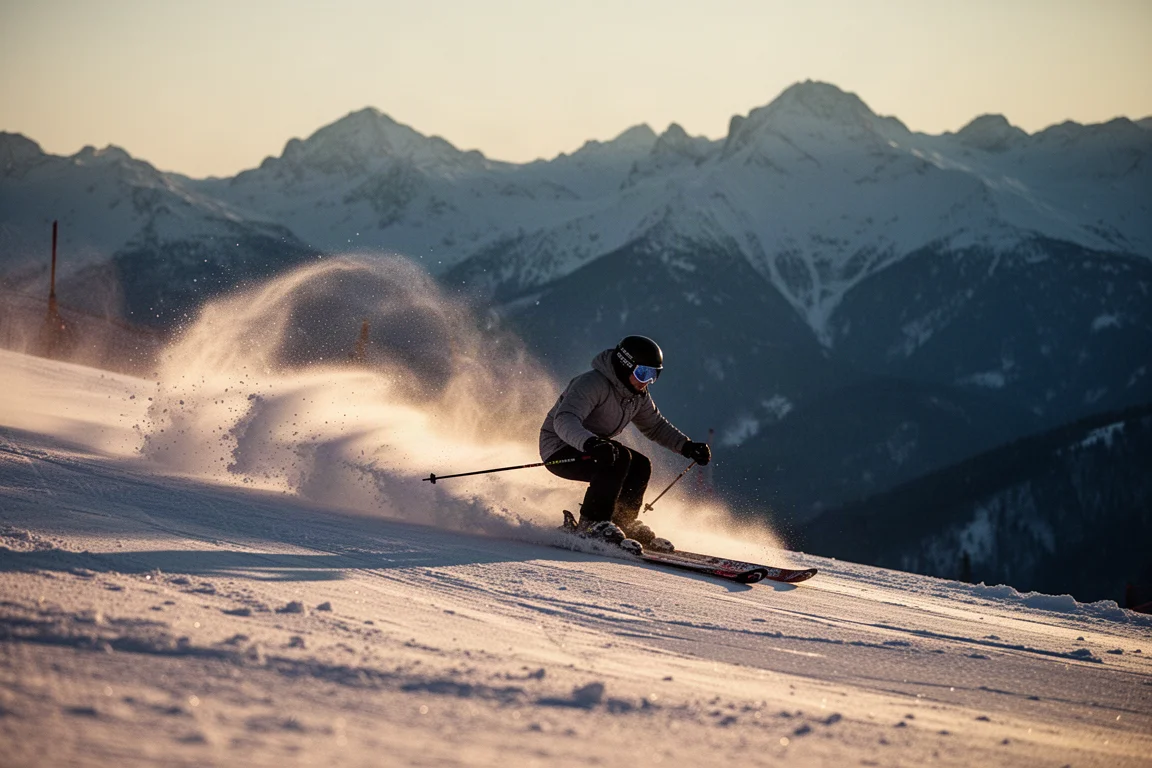
If your feet are narrow or low volume, or if you are still developing your technique, look at a softer flex and a narrower last first. The right boot is the one that matches your foot shape and your skiing, and this model is clear about who it is built for.
Conclusion
The Veloce 120 Mid Volume is a well-equipped performance boot for skiers who know what they want: a firm flex, a mid volume fit that accommodates a high instep, and enough adjustment to dial in stance and flex. Paired with a proper fitting, it is a strong candidate for a long-term all-mountain boot.
Product link
View more details for Dalbello Veloce 120 Mid Volume
This product is mentioned in the review. Check the specifications, options, and compatibility before buying.
View more details for Dalbello Veloce 120 Mid VolumeFurther reading
Related Reviews
Ski Boots
2027 Ski Boot Roundup: Six 130-Flex Boots Worth Knowing
Six 130-flex ski boots for 2027, plus a low-volume liner upgrade, compared on weight, fit, flex feel, and ease of use.
Ski Boots
Armada AR One Ski Boot Review: A Three-Piece Cabrio That Finally Gets It Right
Armada's first ski boot blends three-piece Cabrio design with Atomic engineering, a heat-moldable shell, and a 100mm last that fits better than any Cabrio before it.
Ski Boots
Armada AR1 Ski Boot Review: A Cabrio and Overlap Hybrid for Park and Freeride Skiers
Armada's first ski boot pairs a three-piece cabrio shell with overlap-style buckles and a cable-driven slingshot buckle. Here is where it shines, and what to weigh before buying.