Ski Boots
Dalbello Lupo Pro HD Review: A Hybrid Ski Boot for Uphill and Downhill
A hybrid ski boot built for skiers who split their time between climbing and descending, with a stiff 130 flex, tech inserts, and a narrow 98 mm fit.
Introduction
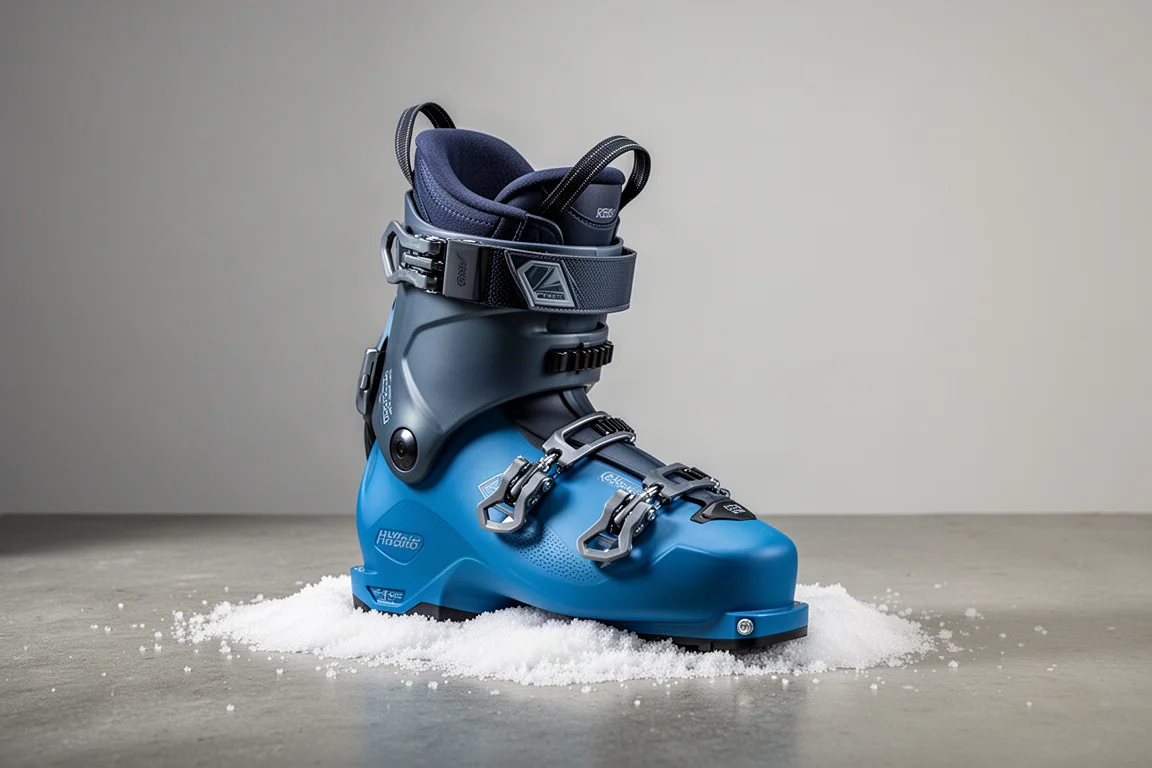
Some ski boots ask you to pick a side: light and flexible for the climb, or stiff and locked in for the descent. The Dalbello Lupo Pro HD is built for skiers who would rather not choose. It is a hybrid design aimed at people who split their time fairly evenly between uphill and downhill skiing, taking the touring boot formula and adding a stiffer lower shell and a narrower fit so the boot still drives a ski hard when the terrain steepens.
That combination shapes everything about the boot. A cabrio three-piece shell, tech inserts in the toe and heel, GripWalk-compatible soles, a 130 flex rating, and a 98 mm forefoot last. The result behaves like a touring boot on the way up and much closer to an alpine boot on the way down.
Who this product is for
This boot is designed for advanced and expert skiers with low-volume feet. The 98 mm forefoot last is a narrow fit, and the stiff 130 flex rewards a skier with the technique and weight to bend it. If your feet run wide, or you prefer a softer and more forgiving shell, this is not the boot that will flatter you.
It also suits skiers who want a single setup for a bit of everything: skinning up, skiing down, and not much time spent deciding which boot to bring.

The real appeal is versatility. You get one pair of boots that can handle a morning of climbing and an afternoon of aggressive descending, rather than a dedicated touring boot that feels vague at speed or a race-stiff alpine boot that punishes every step uphill.
Main strengths
The Lupo Pro HD earns its place through a handful of specific design choices, and they all point in the same direction: keep the uphill manners of a touring boot while adding genuine downhill backbone.
Stiff Lower Shell for Downhill Performance
The lower shell is polyurethane, a stiff blue plastic that adds a little weight compared with lighter touring shells. That weight is not wasted. It comes into its own once you buckle in and point the skis downhill, giving the boot a solid, planted feel and a 130 flex that holds up under an aggressive stance.
For a hybrid boot, that stiffness is the headline. The shell does not fold or collapse when you push hard against the front of the cuff, so the ski responds the way a strong skier expects it to.
Touring Mode and Walk Mechanism
At the rear sits a hinge-point ski and walk mechanism. Flip the lever up and the boot opens into a generous range of motion for skinning. The plastic tongue can also be pulled out and stowed in a pack, which frees up even more range and, combined with the tech toe inserts, gives a friction-free way of getting up the hill. When it is time to descend, the tongue goes back on, the lever locks into ski mode, and the boot is ready.
GripWalk holes with tech inserts in the toe and heel mean the boot works with any tech binding, as well as any alpine binding that is GripWalk capable. That compatibility is a large part of what makes the design so versatile.
Things to consider before buying
The stiffness and the plastic come at a cost. The boot is a little heavier than a dedicated lightweight touring shell, and that is the trade-off you accept for downhill performance. If most of your day is spent climbing and low weight is the priority, a lighter boot may serve you better.
The 98 mm forefoot last is narrow and low volume. It fits a specific foot shape very well and leaves little room for a wider foot, so trying the boot before committing matters.
The removable tongue is another thing to plan for. Pulling it out for the climb means carrying it in a pack and remembering where it is when you transition.
The three-piece cabrio construction also feels different from a conventional two-piece overlap boot. It is designed to help with forward flex, but it is a distinct sensation underfoot, and skiers used to a traditional overlap shell should expect a short adjustment period.
Getting the Fit Right
The liner is fully moldable, which is one of the most practical details here. Any boot shop can put the liner in an oven and mold it to the shape of your foot, so a narrow 98 mm shell does not have to mean a compromise on comfort. The liner also uses a cinch-up lace system that pulls the whole liner snug around the foot rather than relying on buckles alone.
At the top of the cuff there is a power strap rather than a hook-and-loop strap, a detail that reflects the boot’s upper-end intentions and helps hold the upper cuff firmly against the shin.
Buying advice
Buy the Lupo Pro HD if you are an advanced or expert skier with a low-volume foot and you genuinely split your time between climbing and descending. It makes the most sense as a one-boot quiver, where the same pair has to cover long skin tracks and hard-charging runs without feeling like a compromise in either direction.
Pair it with tech bindings or with alpine bindings that are GripWalk capable, and plan on a professional fit session so the moldable liner can be shaped to your foot. If your skiing leans heavily toward long tours and low weight, or if you have a wide foot, a different category of boot will suit you better.

If your priority is a single boot that keeps its composure when you point it downhill, the stiffer shell and 130 flex are exactly what you are paying for. If you rarely ski in bounds and count every gram on the climb, that same stiffness will feel like unnecessary mass.
Conclusion
The Dalbello Lupo Pro HD is a deliberately balanced boot. A stiff polyurethane lower shell and a 130 flex give it downhill manners that most touring boots cannot match, while the walk mechanism, removable tongue, tech inserts, and GripWalk compatibility keep the uphill side genuinely usable. For advanced and expert skiers with low-volume feet who want one pair of boots for a bit of everything, it is a coherent, well-aimed design.
Product link
View more details for Dalbello Lupo Pro HD
This product is mentioned in the review. Check the specifications, options, and compatibility before buying.
View more details for Dalbello Lupo Pro HDFurther reading
Related Reviews
Ski Boots
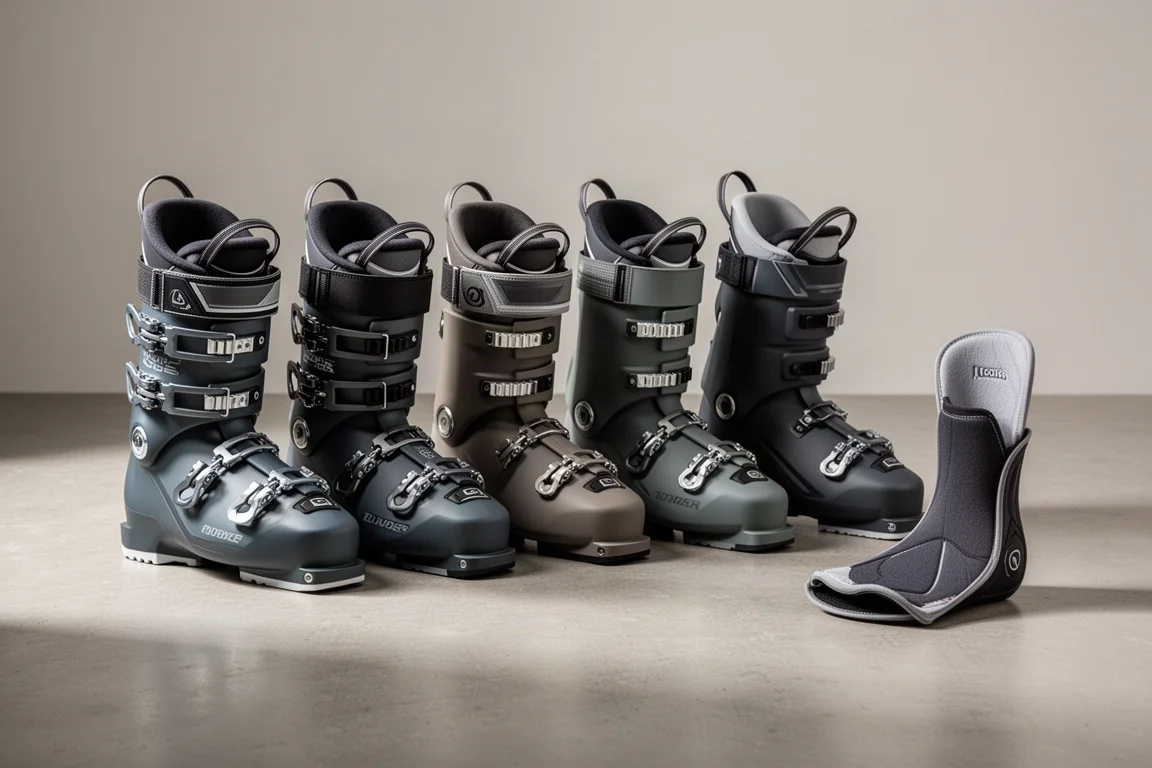
2027 Ski Boot Roundup: Six 130-Flex Boots Worth Knowing
Six 130-flex ski boots for 2027, plus a low-volume liner upgrade, compared on weight, fit, flex feel, and ease of use.
Ski Boots
Armada AR One Ski Boot Review: A Three-Piece Cabrio That Finally Gets It Right
Armada's first ski boot blends three-piece Cabrio design with Atomic engineering, a heat-moldable shell, and a 100mm last that fits better than any Cabrio before it.
Ski Boots
Armada AR1 Ski Boot Review: A Cabrio and Overlap Hybrid for Park and Freeride Skiers
Armada's first ski boot pairs a three-piece cabrio shell with overlap-style buckles and a cable-driven slingshot buckle. Here is where it shines, and what to weigh before buying.