Ski Boots
Dalbello Lupo HD AX 120 Review: A Versatile Hybrid Ski Boot
A 100 mm, 120 flex hybrid ski boot built for medium-volume feet and skiers who split their time between skinning and alpine laps.
Introduction
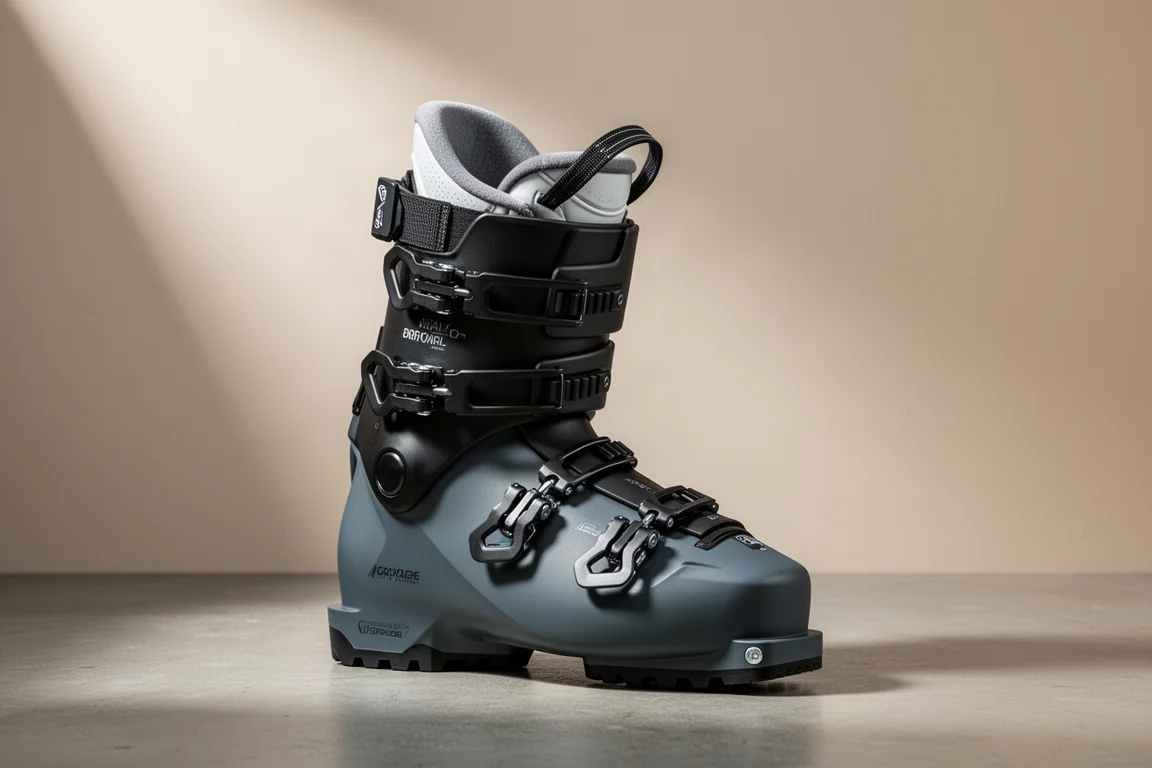
The Dalbello Lupo HD AX 120 is a hybrid ski boot that tries to cover a lot of ground. It uses a 100 mm last and a 120 flex, which makes it a little wider than the Lupo HD Pro in the same line, and it is aimed at medium-volume feet that want a performance feel without a race-tight shell.

What sets the Lupo HD AX 120 apart is how much of the touring toolkit is built in. It comes with GripWalk toe and heel pads, so it walks naturally and still clicks into standard alpine bindings, and it also carries Dynafit tech inserts for use with tech bindings. That combination lets one boot handle a morning of skinning and a normal afternoon of alpine skiing without compromise on either side.
Who the Dalbello Lupo HD AX 120 Is For
This boot is aimed at advanced and expert skiers who split their season between uphill and downhill days. The 120 flex gives the shell a stiffer, more alpine feel, while the touring hardware and walk mode keep it practical when the day starts with skins.
The 100 mm last is the other key number. It suits medium-volume feet well, and the shell is shaped with extra room over the instep, so skiers who usually feel pinched in a low-volume touring boot will often find this one easier to live with. If you want a single pair of boots for lift-served laps, sidecountry laps and longer skin tracks, this is the kind of boot the category was designed for.
Main Strengths
The Lupo HD AX 120 is built as a three-piece cabrio boot. The lower cuff and lower shell use polyurethane, the rear is a composite material, and a plastic tongue completes the assembly. That construction allows a smooth, progressive flex and opens up more space over the instep, which is a large part of why the fit works for so many medium-volume feet.
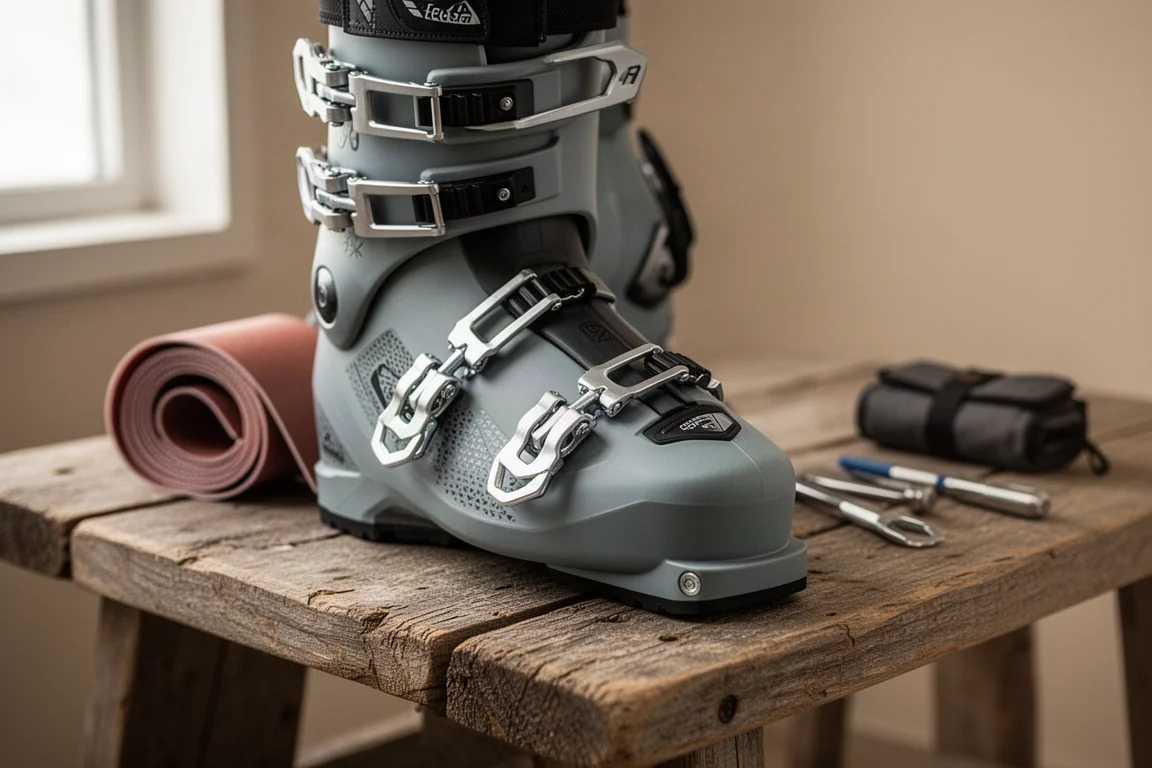
Three micro-adjustable buckles secure the shell, and the liner uses a cinch lace system to hold the foot in place. There is a walk mode lever at the rear: flip it up and the back of the boot flexes freely for striding uphill, clip it down and you get alpine-style support for the descent. Hinge points at the rear and in the tongue add efficiency on the way up and contribute to a generous range of motion.
The tongue itself is removable, which trims weight from your feet on the climb and gives the front of the boot a little more flexibility. The boot is also straightforward to put on and take off, which matters on cold mornings when you would rather not wrestle with a stiff race shell.
Touring Performance and Walk Mode
The touring personality of this boot shows up most clearly in the walk mode. With the lever released, the rear of the shell frees up noticeably, and the hinge points at the back and in the tongue let the boot move with a natural stride rather than fighting it.
Removing the tongue is the second part of that story. It saves weight off the foot and softens the front of the boot for climbing, and it simply goes into your pack until you are ready to ski down. The result is a boot that strides comfortably on the way up and still locks into a supportive, alpine-style platform when you clip the walk mode down for the descent.
Things to Consider Before Buying
Three buckles rather than four means fewer independent adjustment points across the shell, so dialing in a precise, even closure takes a little more care. The buckles are micro-adjustable, but the overall closure feel is simpler than a dedicated four-buckle alpine boot.

The removable tongue is a genuine benefit on the climb, though it has to be carried in your pack while it is out of the boot, and it needs to be refitted before the descent. The liner is moldable, but that work happens at a qualified boot fitter rather than at home. Finally, this boot leans toward the touring side of the hybrid spectrum, so skiers whose priority is maximum downhill rigidity may prefer a shell that is oriented more strictly toward alpine performance.
Fit, Liner, and Customization
The liner is moldable in the lower section, which means the material around the base can be heated at a boot shop and shaped to your foot. For anyone planning to spend long days in these boots, both uphill and down, that custom molding is the single biggest step toward all-day comfort.
Combined with the 100 mm last and the extra room over the instep, the liner gives a fit that starts comfortable and can be refined further. The cinch lace system keeps the foot secure without over-tightening the shell, and the straightforward on and off makes the boot easy to manage in a parking lot or at a trailhead.
Buying Advice
If you are an advanced or expert skier who wants one boot for skinning and alpine skiing, the Dalbello Lupo HD AX 120 is a sensible place to start your shortlist. The 120 flex and 100 mm last give it a stiffer, more supportive feel than a pure touring shell while keeping the comfort that medium-volume feet need.
The practical path is to try it on with a boot fitter who can confirm the shell volume matches your foot and handle the liner molding in one visit. Get the fit right and you end up with a boot that handles GripWalk alpine bindings and tech bindings alike, which is exactly the kind of flexibility that makes a two-part day feel simple.
Conclusion
The Dalbello Lupo HD AX 120 earns its place as a genuinely versatile hybrid boot. A 100 mm last and 120 flex give it an alpine-capable feel, while GripWalk compatibility, Dynafit tech inserts, a free-flexing walk mode and a removable tongue cover the uphill side of the day. For advanced and expert skiers with medium-volume feet who want one pair of boots to do a bit of everything, it is a well-rounded choice worth trying on.
Product link
View more details for Dalbello Lupo HD AX 120
This product is mentioned in the review. Check the specifications, options, and compatibility before buying.
View more details for Dalbello Lupo HD AX 120Further reading
Related Reviews
Ski Boots
2027 Ski Boot Roundup: Six 130-Flex Boots Worth Knowing
Six 130-flex ski boots for 2027, plus a low-volume liner upgrade, compared on weight, fit, flex feel, and ease of use.
Ski Boots
Armada AR One Ski Boot Review: A Three-Piece Cabrio That Finally Gets It Right
Armada's first ski boot blends three-piece Cabrio design with Atomic engineering, a heat-moldable shell, and a 100mm last that fits better than any Cabrio before it.
Ski Boots
Armada AR1 Ski Boot Review: A Cabrio and Overlap Hybrid for Park and Freeride Skiers
Armada's first ski boot pairs a three-piece cabrio shell with overlap-style buckles and a cable-driven slingshot buckle. Here is where it shines, and what to weigh before buying.