Ski Boots
Dalbello Lupo 100 AX W Review: One Boot for Skinning and Lifts
A mid-flex, mid-volume women's ski boot with a composite cabrio shell, GripWalk soles, tech inserts, and a removable tongue for the climb.
Introduction
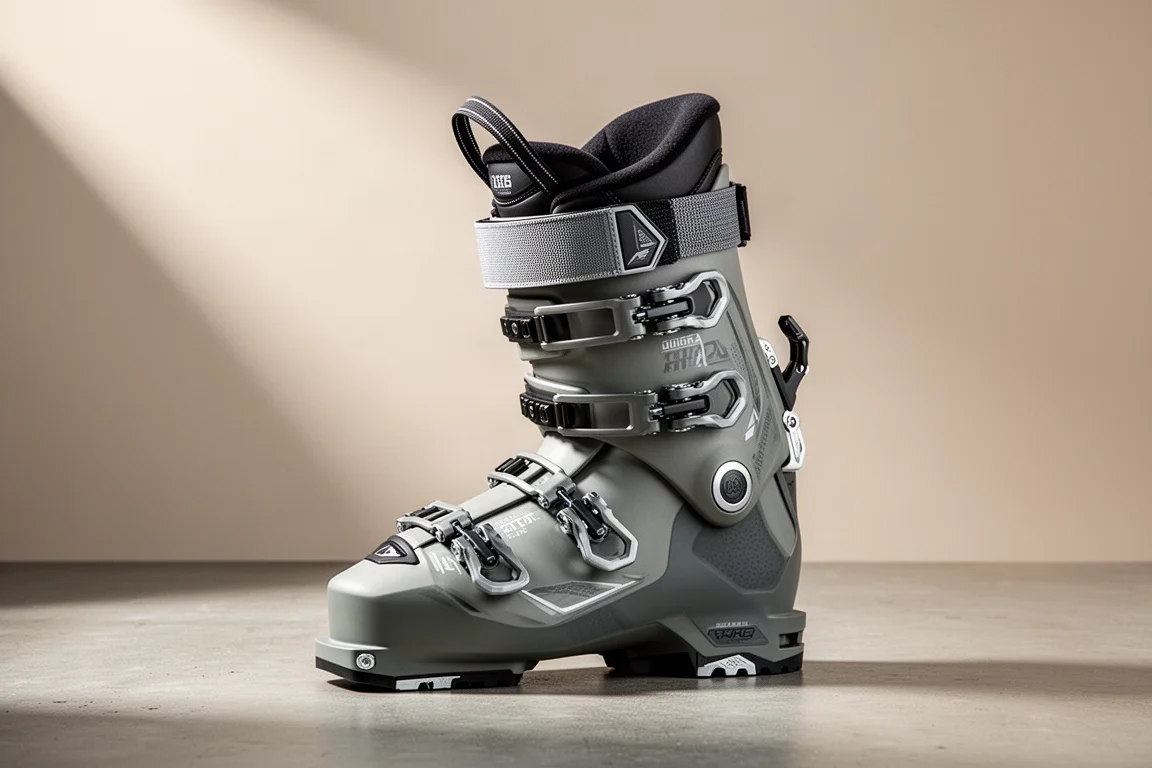
The Dalbello Lupo 100 AX W is a women’s ski boot built for skiers who want to earn their turns and still enjoy the ride back down. Two numbers define it: a 100 flex and a 100 mm forefoot last. That places it squarely in the middle of the range on both stiffness and width, which is exactly what makes it so broadly usable.

That middle ground matters more than it sounds. A boot at this flex and volume can serve a wide variety of skiers, whether the plan is skinning in the morning and riding lifts in the afternoon, touring exclusively, or simply wanting something more comfortable for lift-served days. Rather than pushing the skier toward one discipline, the Lupo 100 AX W leaves the choice open.
This review walks through the construction, the fit characteristics, the touring-specific hardware, and the trade-offs worth understanding before you commit.
Who This Boot Is For
This is a boot for the skier who wants one pair to cover a lot of ground. It suits mid-volume feet particularly well, with a 100 mm last that keeps the forefoot precise without feeling restrictive across the top of the foot.
It also makes sense for women who have found stiffer, heavier boots exhausting on the uphill. The softer flex and lighter build are aimed at real-world comfort rather than maximum stiffness.
If your skiing is almost entirely inbounds and you like a very firm, race-adjacent feel, this is probably not the target. If you want a single boot that can climb efficiently and still hold its own on the descent, it is worth a close look.
Main Strengths
The construction is the first thing to understand. The Lupo 100 AX W uses a composite shell and a composite rear cuff rather than polyurethane, which reduces weight noticeably compared with stiffer men’s versions of the same family. The lighter materials also produce that slightly softer flex, which for many skiers lands right where they want to be.
The three-piece cabrio design is a real strength. It gives a roomier feel over the instep while keeping a precise, mid-volume fit through the forefoot, so the boot stays comfortable on long climbs without sacrificing control.
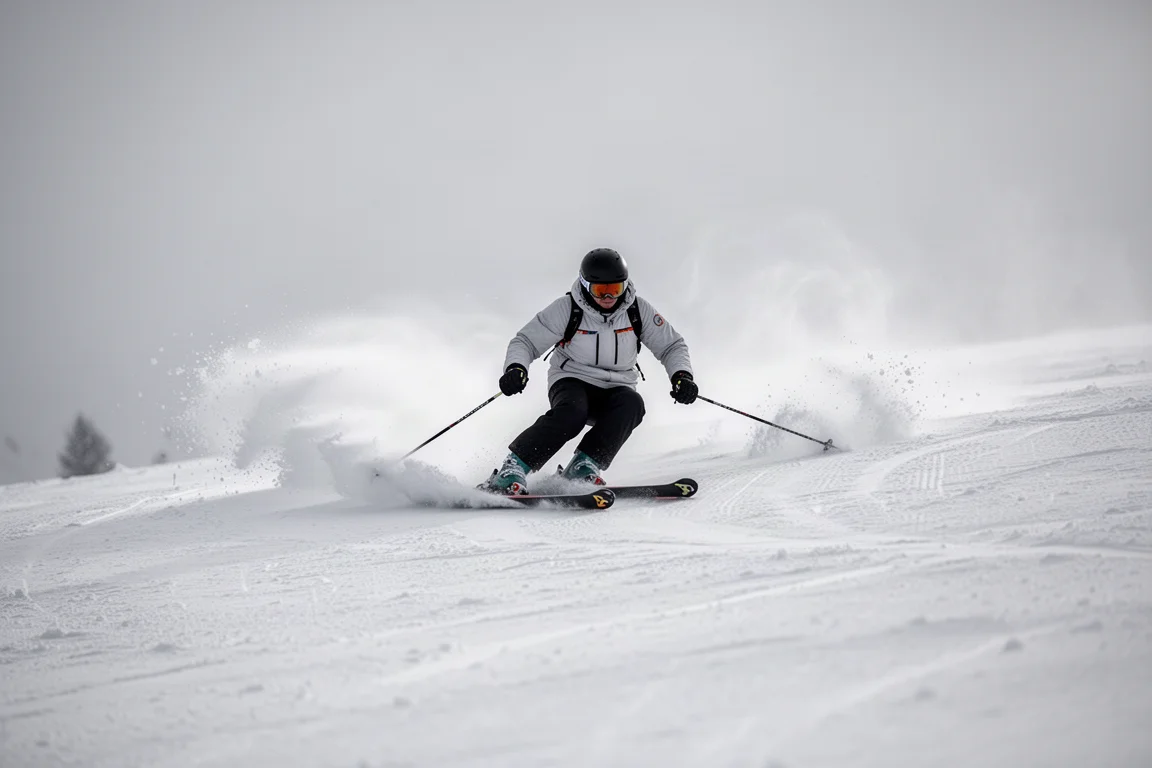
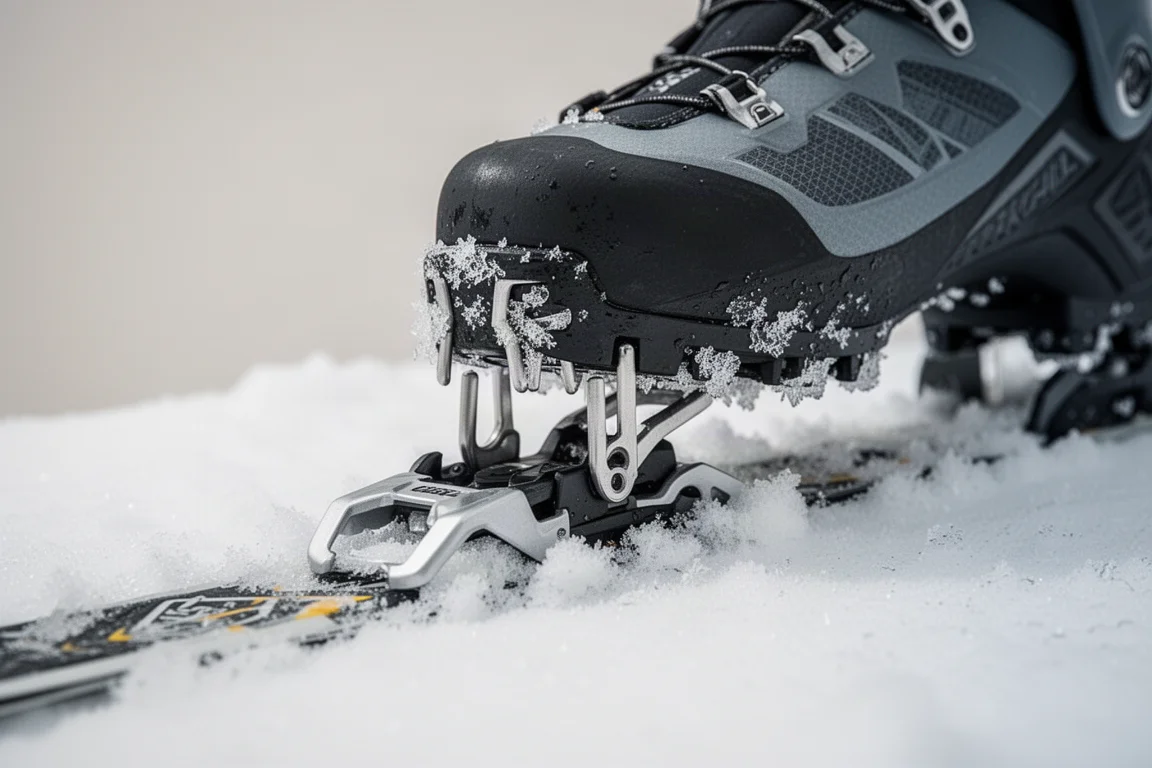
Hardware is thoughtful throughout. GripWalk soles make walking around the lodge and parking area far less awkward, and tech inserts at the toe and heel mean the boot works with lightweight tech bindings as well as GripWalk-compatible alpine bindings.
Fit, Liner and Buckles
The liner is moldable in the ankle areas, so a boot shop can heat it and shape it to your foot for a closer, more comfortable fit. It is also a lace-up liner, which adds another layer of hold around the lower leg and helps keep the heel planted.
Buckles are micro-adjustable, with macro adjustments available both on the top strap and in the buckle zone. In practice that means the closure can be fine-tuned to the shape of your foot rather than being limited to one or two positions.
For a 100 flex boot, the fit is more precise than you might expect. The mid-volume last and the cabrio shell work together to deliver a secure feel through the forefoot, and the roomier instep keeps circulation comfortable during sustained uphill effort.
Touring-Focused Details
The walk mode is simple and effective. It lets the rear cuff move back and forth freely, which supports a natural, efficient skinning stride. Combined with the tech inserts, that makes the uphill side of the day noticeably smoother.
Hinge points in the shell are another touring-specific touch. They help the boot flex where a climbing stride actually needs it, rather than fighting the movement.
The removable tongue is the most distinctive feature. It clips onto the front of the boot for skiing, and it can be pulled off and stowed in a backpack for the climb, trimming weight from your feet on the way up. Reattaching it puts the boot back into ski mode for the descent.
Things to Consider Before Buying
The composite shell is the reason the boot is light, and it is also the reason the flex is softer. Skiers who want a very stiff, demanding boot may prefer a firmer model in the same family.
The removable tongue is a separate piece to manage. It is quick to clip back on, but it is one more thing to keep track of when you transition.
Flex ratings are a guide rather than an absolute. A 100 flex feels different depending on the shell design, the liner, and your own weight and skiing style, so treat the number as a starting point rather than a guarantee.
Finally, the mid-volume 100 mm last is a genuine middle ground. Very wide or very narrow feet may need work from a boot fitter, or a different last entirely.
Buying Advice
Start with your bindings. The Lupo 100 AX W works with lightweight tech bindings thanks to the toe and heel inserts, and with alpine bindings that are GripWalk capable. Confirming that pairing first avoids surprises later.
Then plan on a proper fit session. The moldable ankle zones and lace-up liner are designed to be shaped by a boot shop, and that step is where much of the comfort comes from. Buying the right shell size matters just as much as the flex rating.
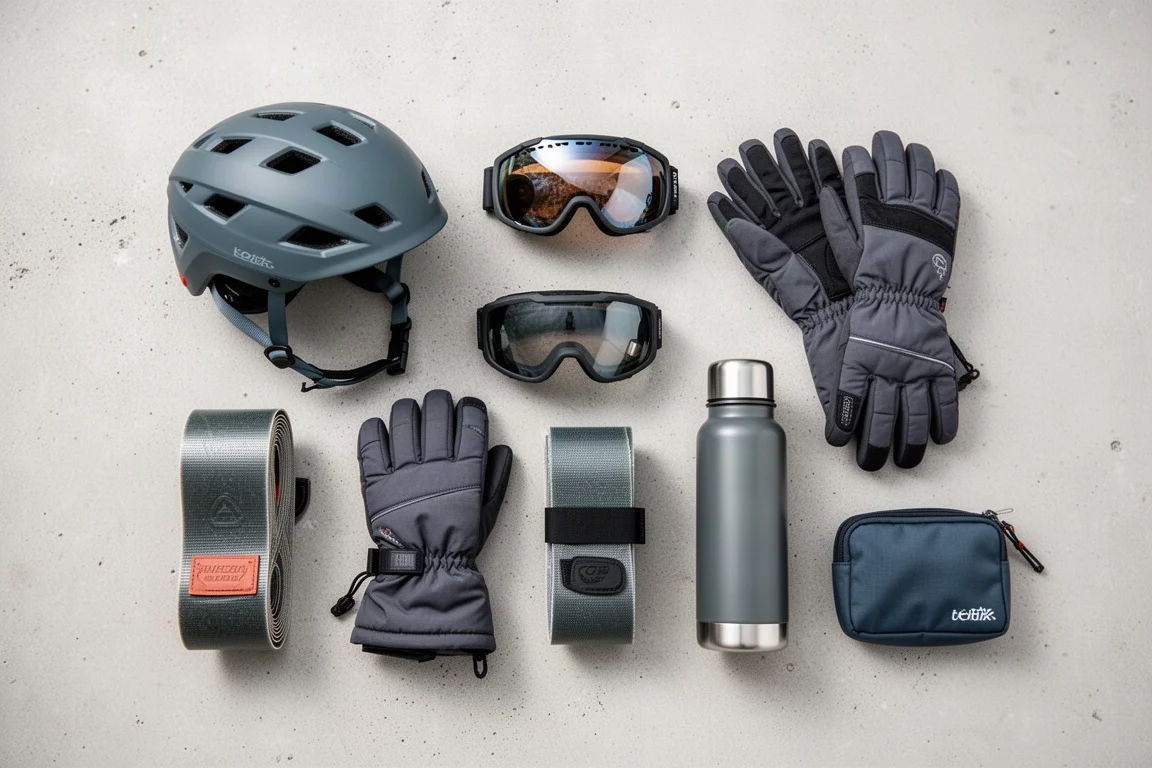
Think about your actual mix of days. If most of your skiing involves skinning, the light composite build, hinge points, and removable tongue will earn their place quickly. If you mostly ride lifts with occasional touring, the same features still make the boot comfortable and easy to walk in, and the 100 flex keeps the downhill side capable rather than compromised.
Match the boot to your foot first, your terrain second, and the spec sheet last. That order tends to produce the happiest outcome.
Conclusion
The Dalbello Lupo 100 AX W earns its place through balance rather than extremes. A 100 flex, a 100 mm mid-volume last, a lightweight composite cabrio shell, GripWalk soles, tech inserts, and a removable tongue all point in the same direction: one boot that handles the climb and the descent without asking you to specialize.
For skiers who want a versatile, comfortable, mid-flex touring boot that still feels precise through the forefoot, it is a well-rounded choice worth putting on your shortlist.
Product link
View more details for Dalbello Lupo 100 AX W
This product is mentioned in the review. Check the specifications, options, and compatibility before buying.
View more details for Dalbello Lupo 100 AX WFurther reading
Related Reviews
Ski Boots
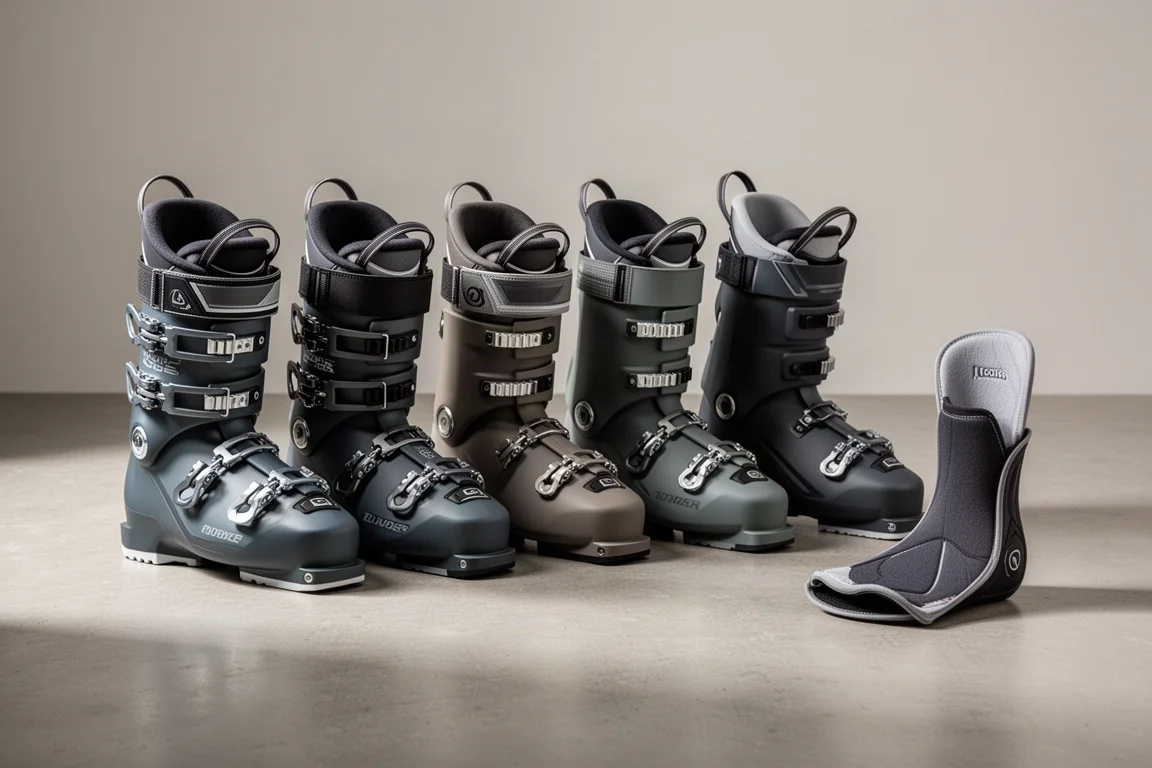
2027 Ski Boot Roundup: Six 130-Flex Boots Worth Knowing
Six 130-flex ski boots for 2027, plus a low-volume liner upgrade, compared on weight, fit, flex feel, and ease of use.
Ski Boots
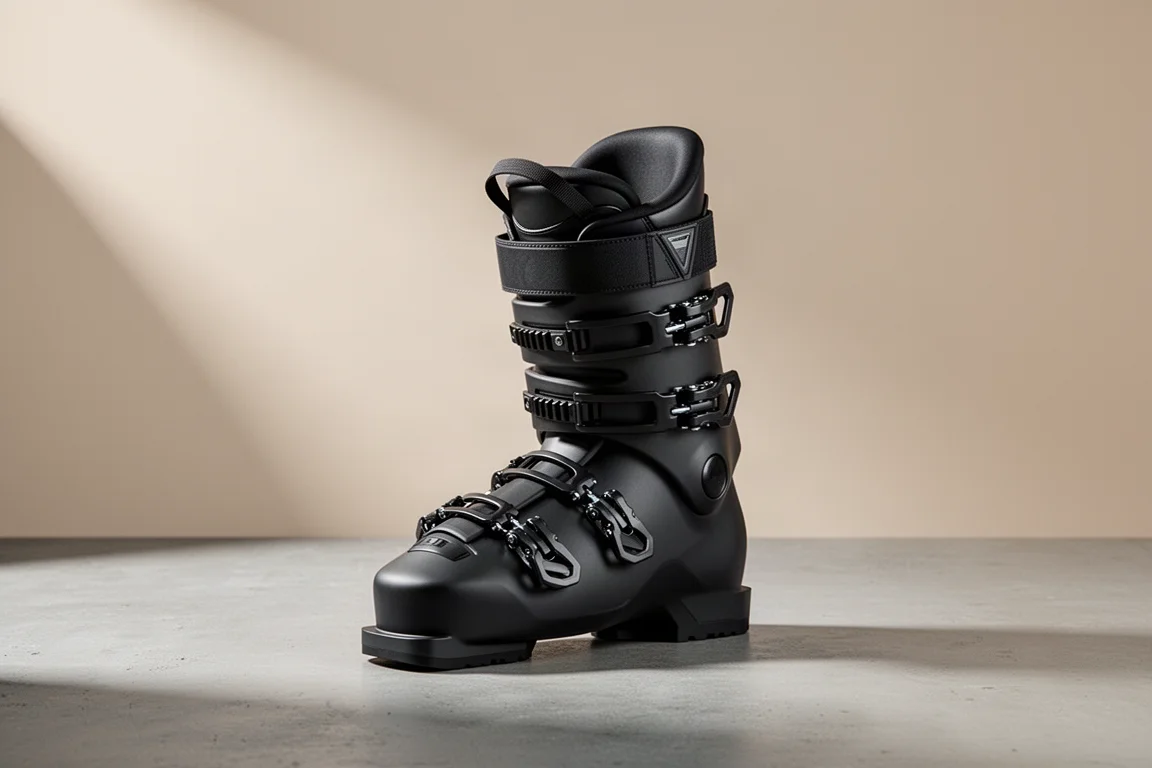
Armada AR One Ski Boot Review: A Three-Piece Cabrio That Finally Gets It Right
Armada's first ski boot blends three-piece Cabrio design with Atomic engineering, a heat-moldable shell, and a 100mm last that fits better than any Cabrio before it.
Ski Boots
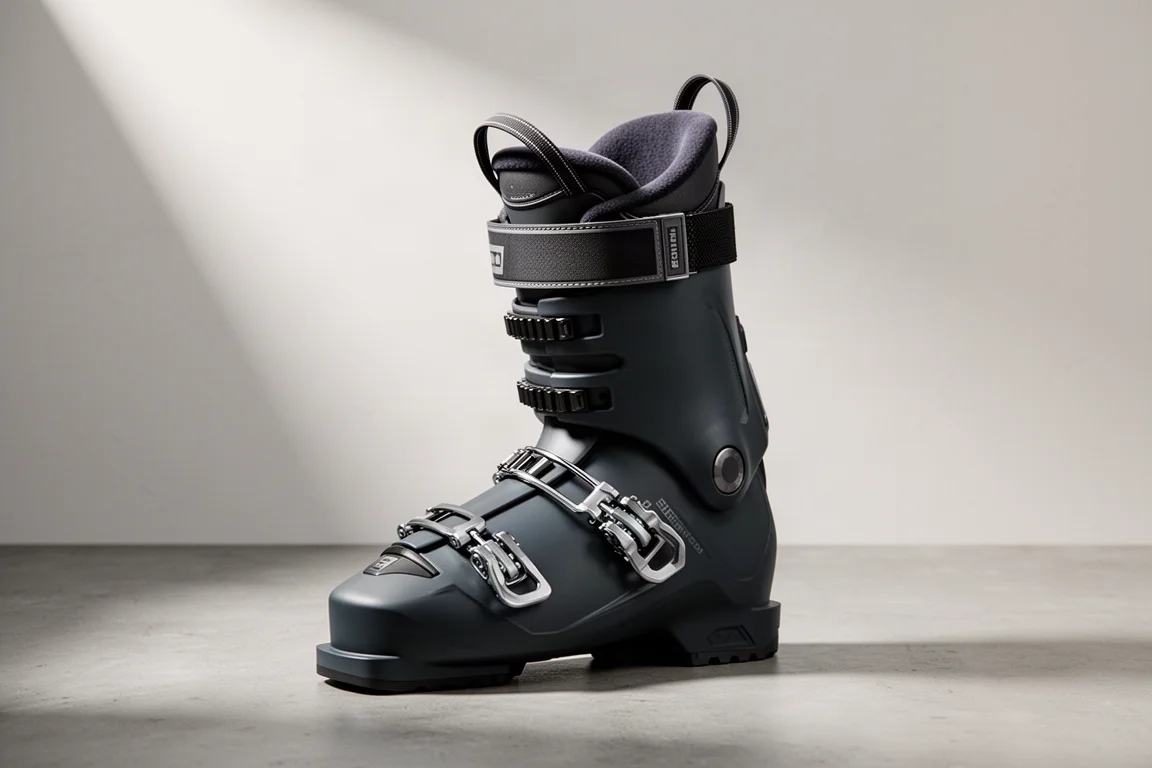
Armada AR1 Ski Boot Review: A Cabrio and Overlap Hybrid for Park and Freeride Skiers
Armada's first ski boot pairs a three-piece cabrio shell with overlap-style buckles and a cable-driven slingshot buckle. Here is where it shines, and what to weigh before buying.