Ski Boots
Dalbello DS MX 75 Review: A Roomy, Comfortable First Ski Boot
The Dalbello DS MX 75 pairs a soft 75 flex with a high-volume 105 mm fit, making it a sensible step up from rental boots for newer skiers.
Introduction
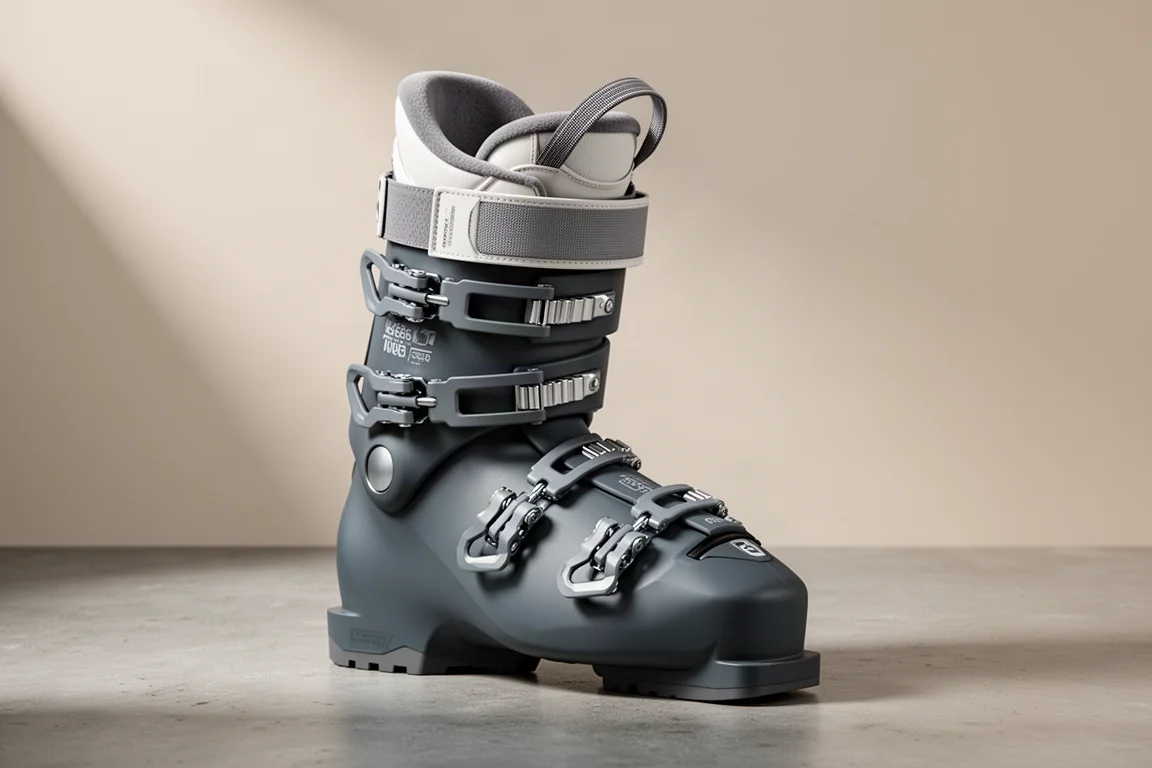
The Dalbello DS MX 75 is an entry-level alpine ski boot built around comfort rather than race-day precision. It uses a 75 flex rating and a 105 mm forefoot width, which places it firmly in high-volume territory. For skiers buying their first pair of boots, or for anyone whose feet have always felt pinched in narrower shells, that combination is the whole point: a softer, roomier boot that is still a clear step up from rental equipment.
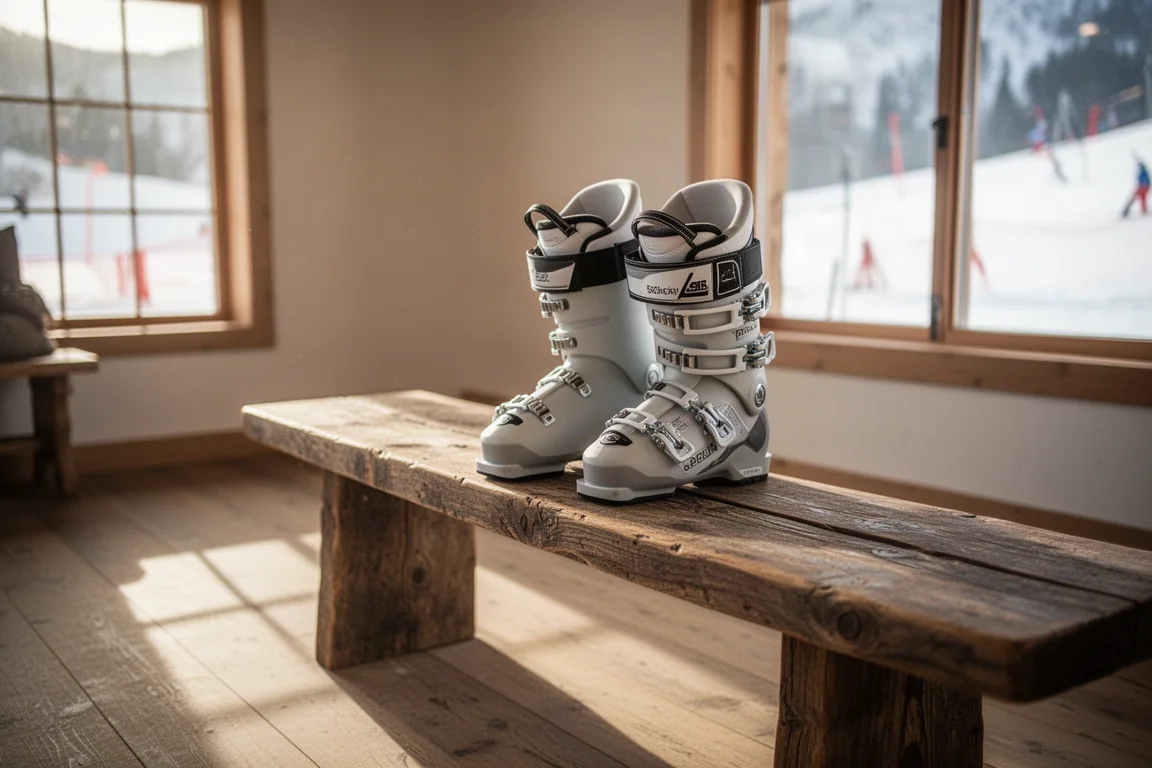
The DS MX 75 sits below Dalbello’s higher-performance Veloce line, so it is not intended to be a stiff, aggressive boot. What it offers instead is familiar, proven ski boot construction: a four-buckle overlap design with a power strap across the upper cuff. The differences are in the flex and the interior volume, and both are deliberate.
Who This Boot Is For
This boot is aimed at beginners and lower-end intermediate skiers. It also suits skiers with a higher-volume foot who have struggled to find a shell that does not press down across the top of the foot or squeeze the forefoot.
If you are shopping for your first pair of boots after a few seasons on rentals, the DS MX 75 is a logical next step. It gives you a boot that fits your foot rather than a boot that fits whoever wore it last, without asking you to manage a stiff, demanding shell while your technique is still developing.
It is not the right choice for advanced skiers chasing maximum edge control, or for anyone with a genuinely narrow, low-volume foot. The 105 mm forefoot and generous interior are the defining features here, and they work against a snug performance fit.
Main Strengths
The 75 flex is the headline number. A softer forward flex lets newer skiers feel the boot bend as they move into the front of the shell, which in turn makes it easier to initiate a turn and hold a carve. Rather than fighting a wall of resistance, you get feedback you can actually use while learning.
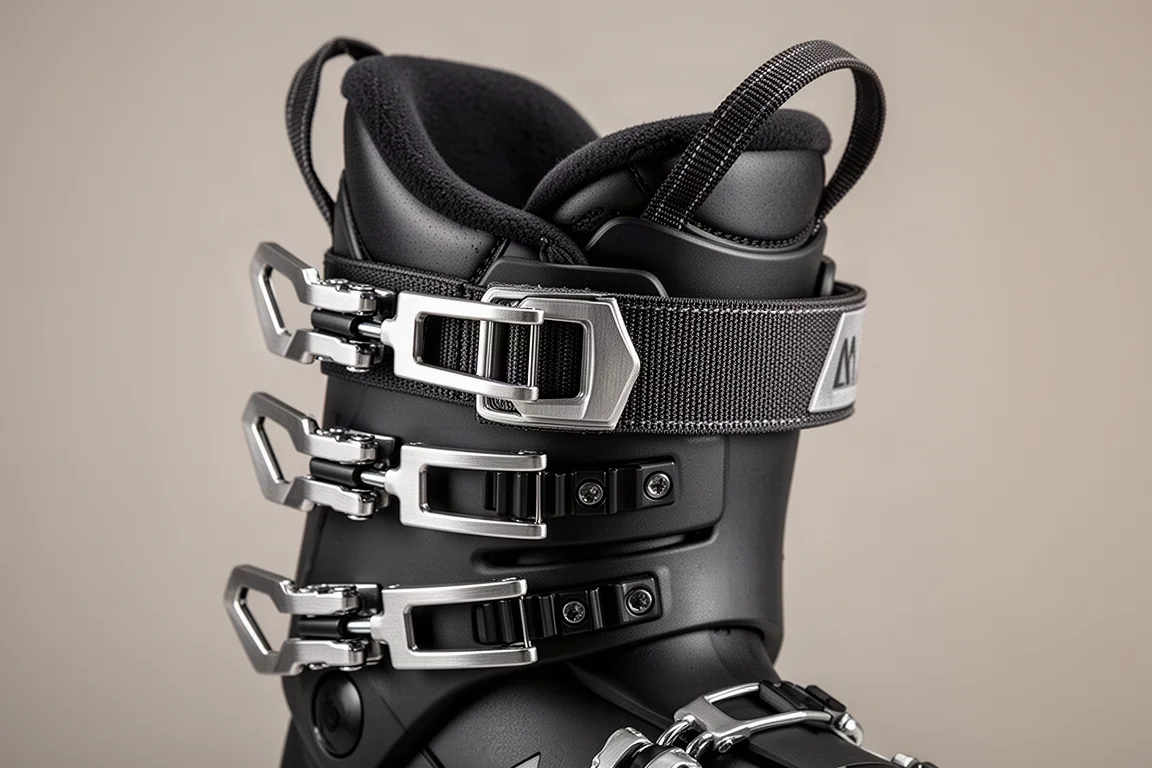
The four buckles are micro-adjustable, so you can spin them tighter or looser to cinch the shell down to your preference. Combined with the power strap at the top of the cuff, that gives you a useful amount of control over how locked-in the boot feels. Four-buckle overlap construction with a power strap is standard, dependable ski boot design, and it is reassuring to see it retained on an entry-level model.
The shell itself is roomy in the forefoot, and the fit through the midfoot is described as high volume. That matters less as a specification and more as a practical outcome: more space for your foot to sit naturally, less pressure across the instep, and a boot you are not thinking about on every lift ride.
Comfort That Keeps You Out Longer
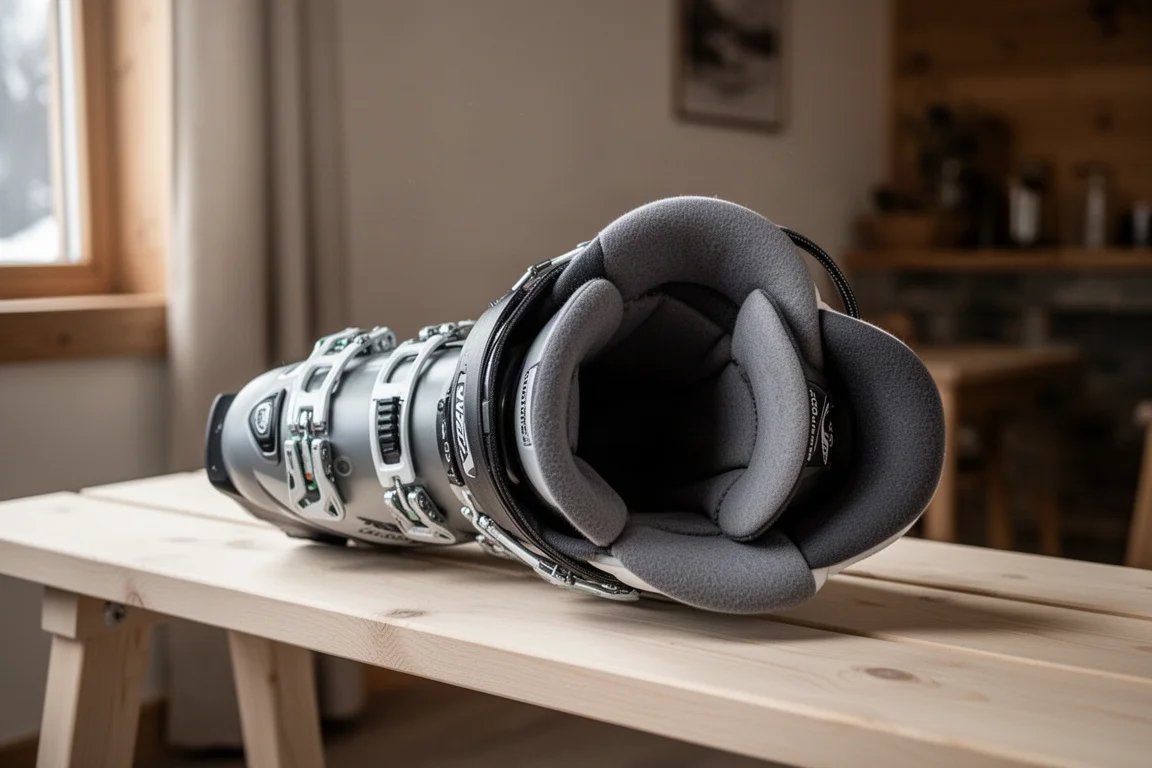
The liner is a firm but conventional padded design for this level of boot, and it is comfortable and warm in use. The interior is more generous over the instep than a performance liner would be, which allows for better circulation and blood flow through the foot.
That is not a minor detail. Cold, numb feet end ski days early, and a boot that keeps blood moving is a boot that keeps you on the hill longer. For a skier building confidence, more comfortable time on snow is worth more than a stiffer shell.
Things to Consider Before Buying
The first trade-off is the flex. A 75 flex is designed to help newer skiers flex forward and carve, but it also sets a ceiling. As your skills and speed increase, you may eventually want a firmer boot, and the DS MX 75 will feel soft rather than supportive at that point.
The second trade-off is volume. A 105 mm forefoot and a high-volume fit are exactly what a wider foot needs, but they are the wrong match for a narrow foot or anyone who prefers a close, performance-oriented hold. If your current boots feel loose rather than tight, this is probably not the shell for you.
It is also worth being clear about positioning. This is a step up from rental boots, not a step into high-performance skiing. Skiers who already ski aggressively will be better served by a stiffer model.
Buying Advice
Buy this boot if you are a beginner or lower-end intermediate skier, if you have a higher-volume foot, or if you are buying your first pair of boots and want comfort to be the priority. In those cases the combination of a soft flex, a roomy 105 mm forefoot and a warm liner is a coherent package rather than a compromise.
Getting the Fit Right
Fit is the deciding factor with any boot at this level. A high-volume shell only helps if your foot actually needs the room, so try the boot with the liner in place and pay attention to pressure across the instep and along the sides of the forefoot. Buckle it up, flex forward a few times, and check that your heel stays settled and your toes are not jammed against the front.
Because the buckles are micro-adjustable, you have room to fine-tune tension after the fact, and the power strap lets you dial in how firmly the cuff holds your lower leg. Take the time to set both properly before your first day out.
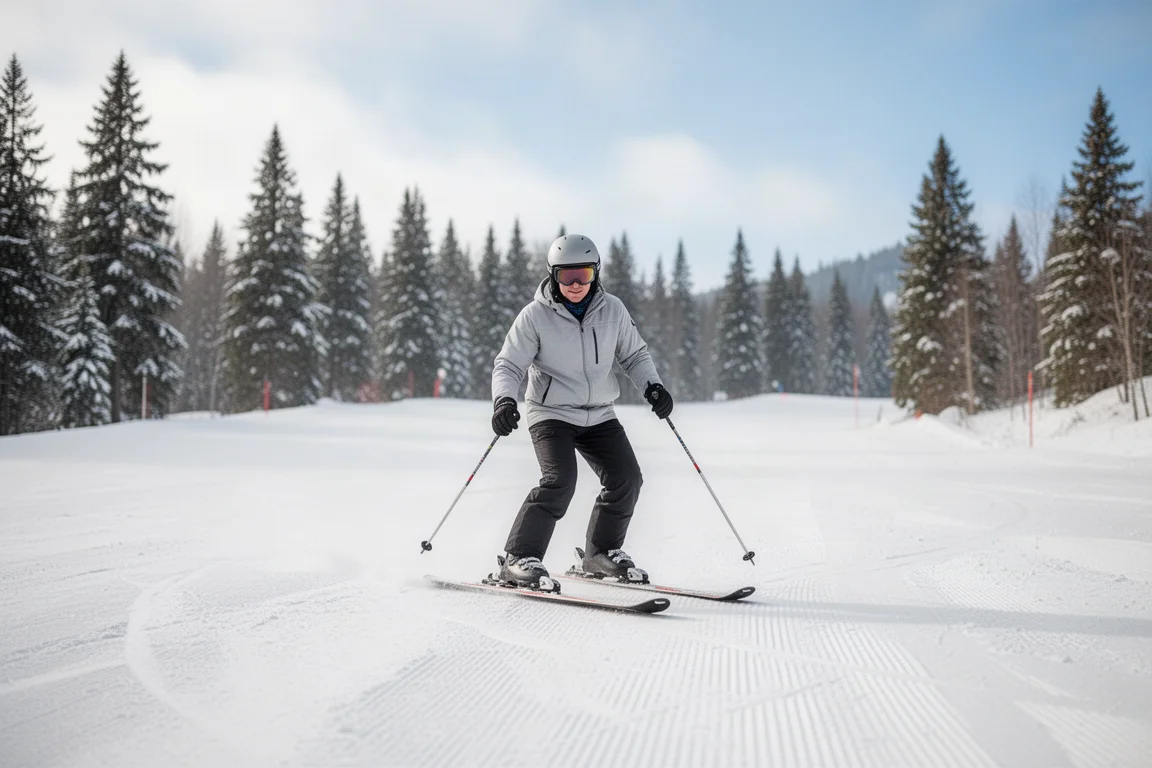
If the shell feels snug rather than roomy across the forefoot, you are likely looking at the wrong model rather than the wrong size. In that case, look at a lower-volume boot instead of sizing up.
Conclusion
The Dalbello DS MX 75 does one job clearly: it gives newer skiers with wider, higher-volume feet a comfortable, forgiving boot that is meaningfully better than rental gear. The 75 flex helps you learn to flex and carve, the 105 mm forefoot gives your foot room, and the four micro-adjustable buckles and power strap let you control the fit. If that describes your skiing and your feet, it is a straightforward and sensible first purchase.
Product link
View more details for Dalbello DS MX 75
This product is mentioned in the review. Check the specifications, options, and compatibility before buying.
View more details for Dalbello DS MX 75Further reading
Related Reviews
Ski Boots
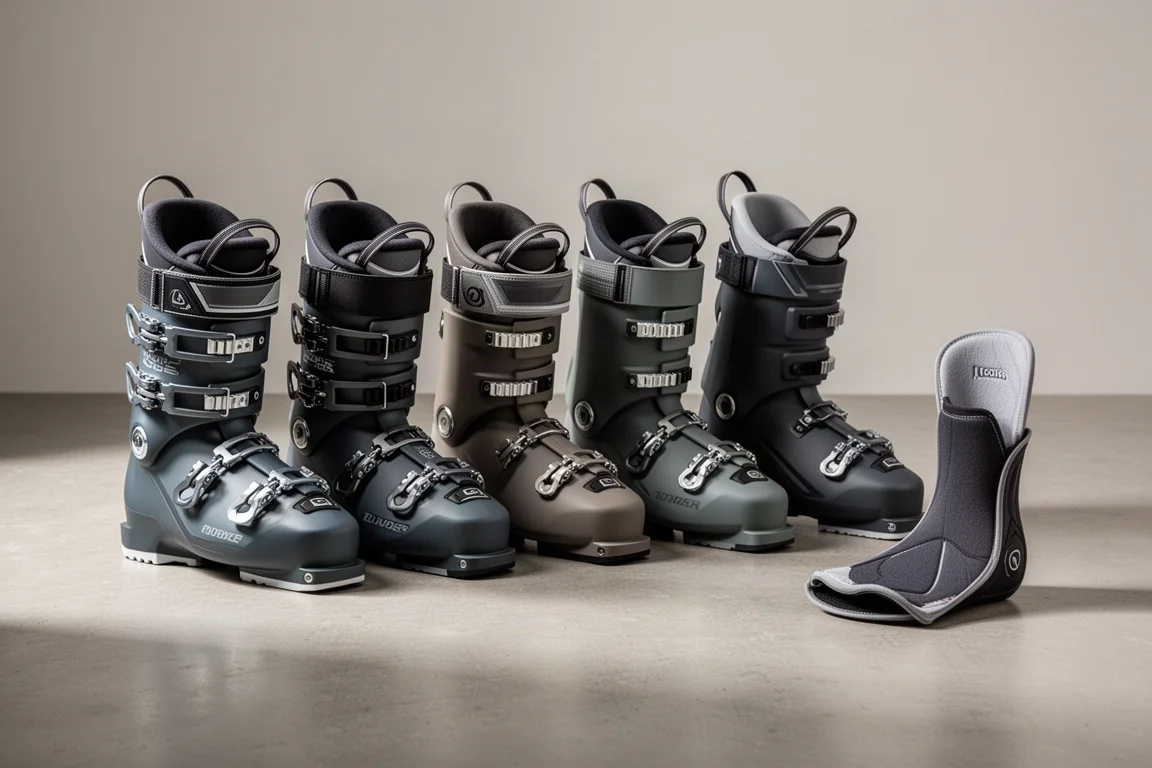
2027 Ski Boot Roundup: Six 130-Flex Boots Worth Knowing
Six 130-flex ski boots for 2027, plus a low-volume liner upgrade, compared on weight, fit, flex feel, and ease of use.
Ski Boots
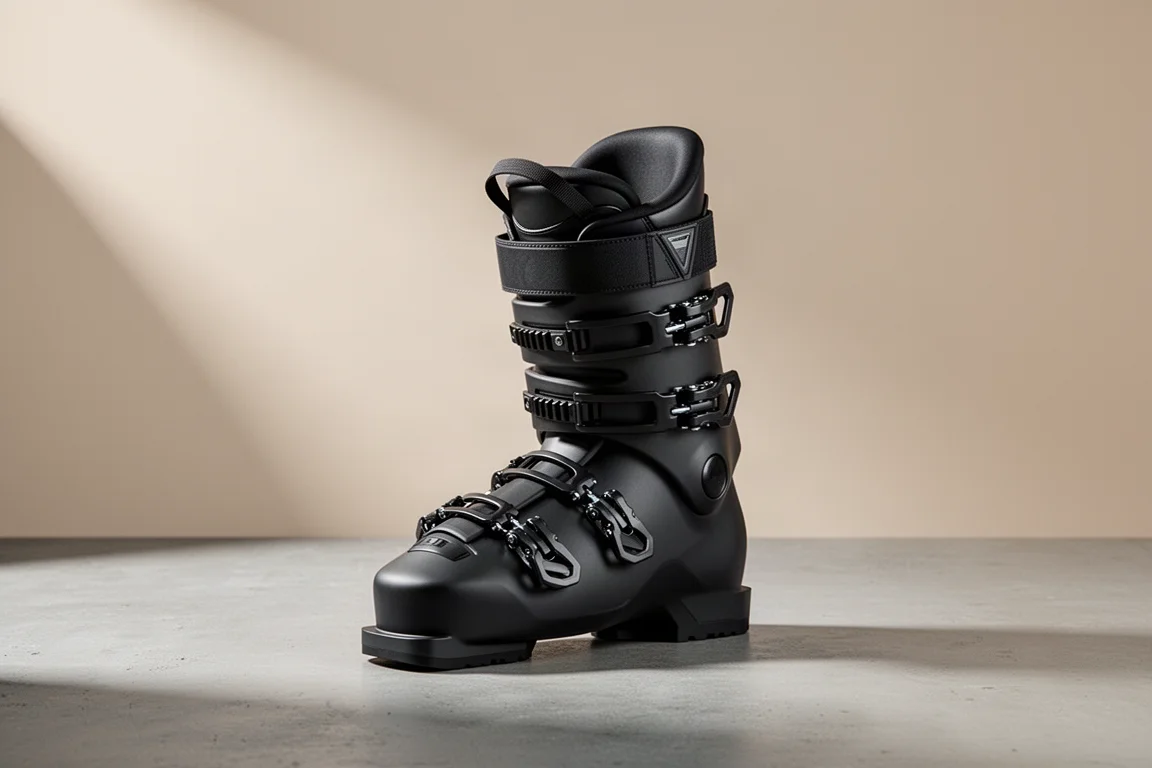
Armada AR One Ski Boot Review: A Three-Piece Cabrio That Finally Gets It Right
Armada's first ski boot blends three-piece Cabrio design with Atomic engineering, a heat-moldable shell, and a 100mm last that fits better than any Cabrio before it.
Ski Boots
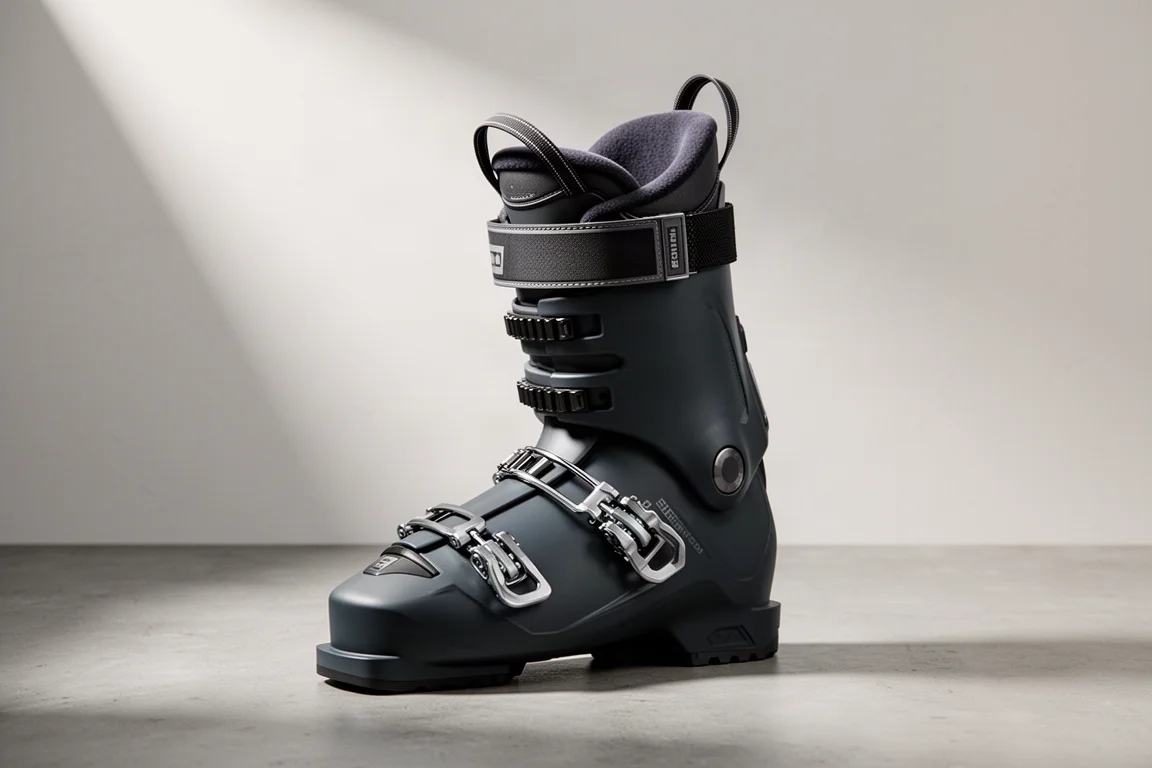
Armada AR1 Ski Boot Review: A Cabrio and Overlap Hybrid for Park and Freeride Skiers
Armada's first ski boot pairs a three-piece cabrio shell with overlap-style buckles and a cable-driven slingshot buckle. Here is where it shines, and what to weigh before buying.