Art Books
Cynthia Knox Painting in Colored Pencil: Colorful Things Review
A detailed look at Cynthia Knox's Colorful Things, the second title in her Painting in Colored Pencil series, covering the projects, teaching style, and who this book is really for.
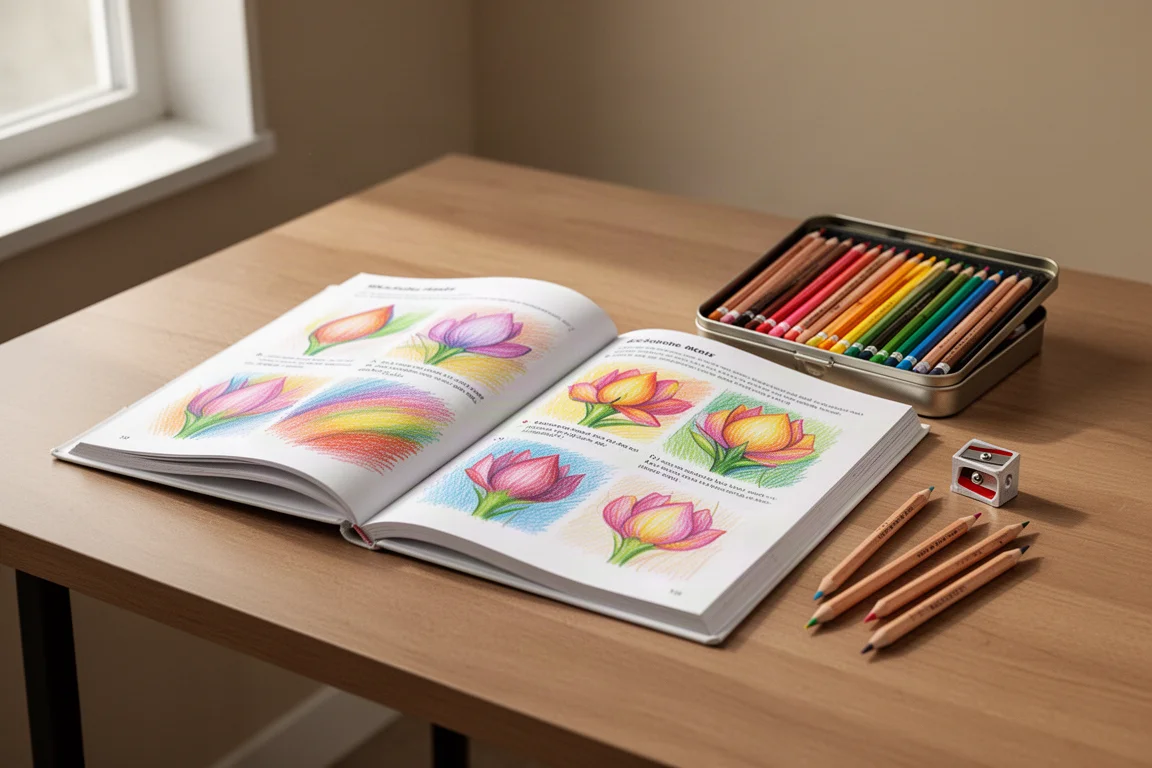
Introduction
Cynthia Knox needs little introduction if you spend any time in the colored pencil world. She has been working in the medium for over 20 years, accumulating awards and a long list of published books along the way, and her teaching style is famously calm and methodical. Her latest release, Painting in Colored Pencil: Colorful Things, is the second entry in a series that began with Sweet Things, and it follows the same recipe: detailed, project-based instruction that walks you through finished artwork step by step.
This review covers what is inside the book, how it teaches, and whether it belongs on your shelf. One honest note up front: a small misprint appears in the front matter, where chapter one is labelled as both the materials chapter and the cardinals project. It should read chapter two for the cardinals. It is trivial and does not affect the content, but it is worth knowing before it throws you off.
Who This Book Is For
If you look at the cover image, you could be forgiven for thinking this book is one giant project about hot air balloons over water. That image looks genuinely complex: a landscape background, vivid balloons, a stretch of sky, and tricky reflections on the water surface. Reflections in particular are something many artists struggle with.
In reality, the balloon scene is just one of several projects, and the book is layered to break each one into manageable steps. It is not aimed at absolute beginners, though. Knox has other books specifically written for complete newcomers, covering paper, pencils, and everything you need to know before attempting work at this level. Colorful Things is best suited to intermediate artists and above, though a motivated relative beginner who follows the instructions closely could still accomplish something worthwhile. If you are starting from zero, pick up one of her beginner titles first and work your way here.
Inside the Book: Materials and Techniques
The book opens with dedications and acknowledgments, followed by a short introduction and the table of contents. Then comes the materials and techniques chapter, which is where the depth of Knox’s experience really shows. Across all of her books, this section has barely changed over the years, which tells you these are the materials she genuinely uses daily rather than filler content.
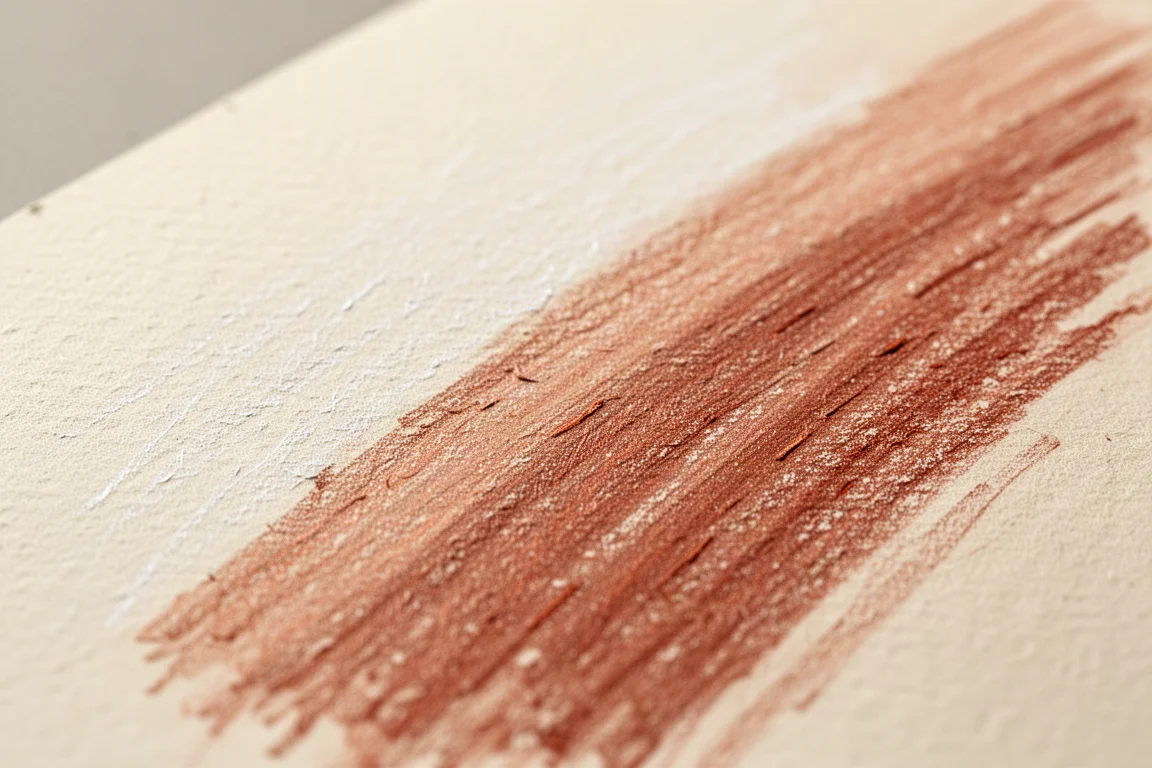
She covers colored pencils, erasers, paper, drawing boards, pencil sharpeners, pencil extenders, drafting brushes, and fixatives. She has also added Pan Pastels to her toolkit in recent years, which many colored pencil and pastel artists have embraced for laying down large background areas, and she explains their application here.
The standout teaching device is her five-level pressure scale. Pressure one is the “whisper stroke”, an extremely light application where the tip barely touches the paper. Level two is moderate, level three is medium pressure similar to writing your name, level four is firm pressure used at the burnishing stage where the paper tooth is flattened, and level five is the very firm “shine stroke”. Throughout every project, Knox tells you exactly which pressure level to use for each section, whether it is feathers, fur, or skin. It is a simple system, and it is what makes her books so followable.
The Five Projects Inside
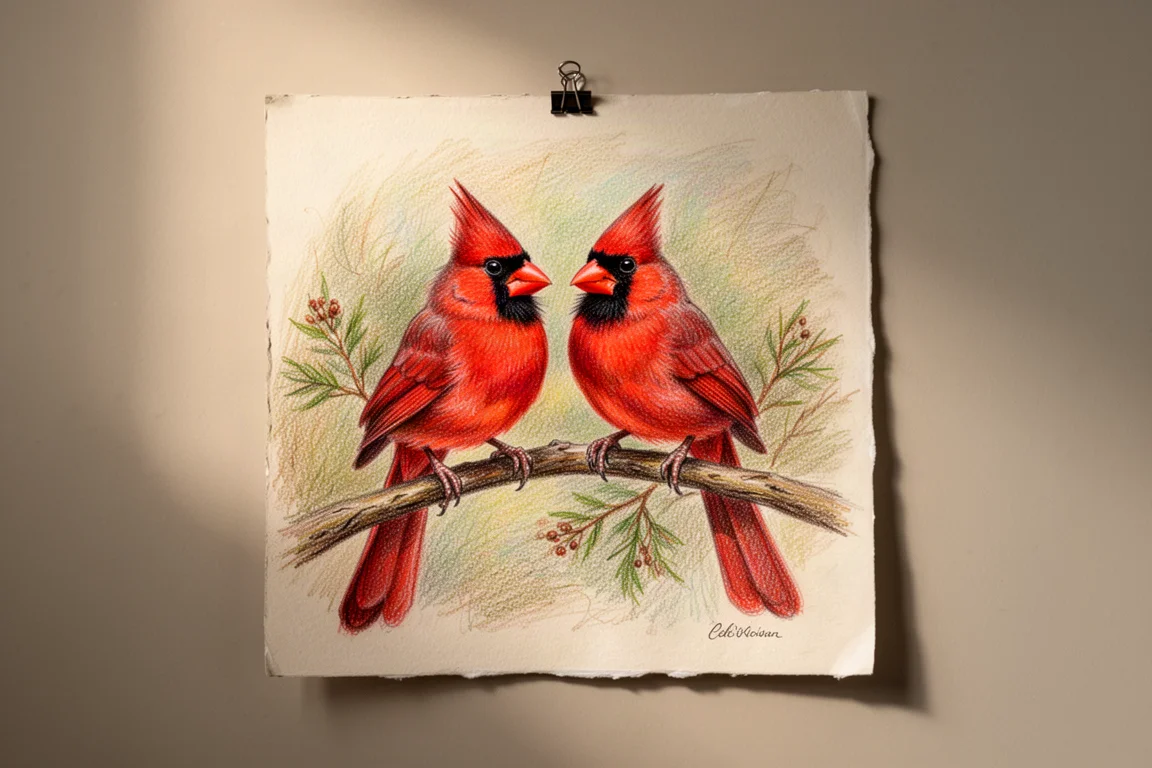
Every project follows the same generous structure: a materials list, additional supplies, a downloadable and printable reference photo, a line drawing you can transfer onto your paper using graphite transfer paper, and the exact colors Knox used for the piece. The paper specified for the cardinals project, for example, is Canson pastelmat, a surface many colored pencil artists now favor for its extra tooth and vibrancy.
The five projects are:
- The Dynamic Duo: two cardinals, broken down section by section through the wings, head, black areas, eye, and branch
- A rose: classic Knox still life subject with rich, layered color
- A still life with a basket and fruit: a genuinely useful study in light and shadow, with darker tones on the right side and light striking the fruit and basket from the left
- The balloon scene: the cover image, with full guidance down to which reds to use and which pressures to apply, including handling the reflections
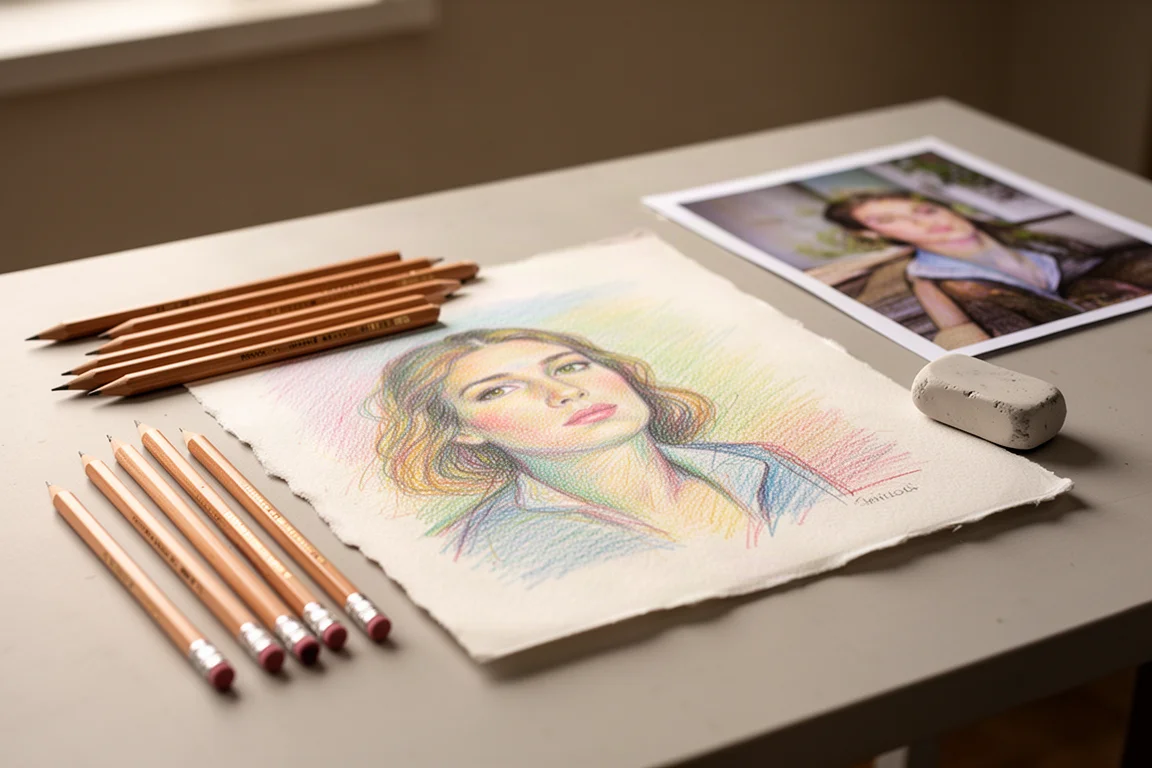
- Caribbean Queen: a portrait of an African woman, lit from the left, with an intricately patterned head scarf that teaches a huge range of techniques
Each project teaches transferable skills. The still life sharpens your understanding of light and shadow, the balloon piece teaches reflections, and the portrait pushes your control over skin tones and intricate detail. These are ambitious images, and nobody should expect to nail them on a first attempt, but the level of hand-holding makes them far more approachable than they first appear.
Things to Consider Before Buying
Two things are worth weighing up. First, this is not a complete beginner book. If you need instruction on paper selection, pencil brands, and basic technique from scratch, start with one of Knox’s beginner-oriented titles instead. Second, there is that small chapter numbering misprint in the front matter, which is cosmetic but could momentarily confuse you when you first flip to the projects.
Neither issue seriously undermines what the book delivers, but they are worth knowing before you buy, and it is the kind of detail a full, honest review should flag.
Buying Advice
One thing that sets Knox apart from many tutorial authors is that she stays present after purchase. If you get stuck on a section of a project, you can contact her through her website or social media, explain where you are, and she will do her best to talk you through it. For a book built on detailed step-by-step projects, that kind of support is genuinely valuable.
Prices fluctuate depending on where and when you buy, in both print and digital formats, so check current listings before purchasing. The book is published by Ann Kullberg, who has published the vast majority of Knox’s titles over the years, so both formats are readily available.
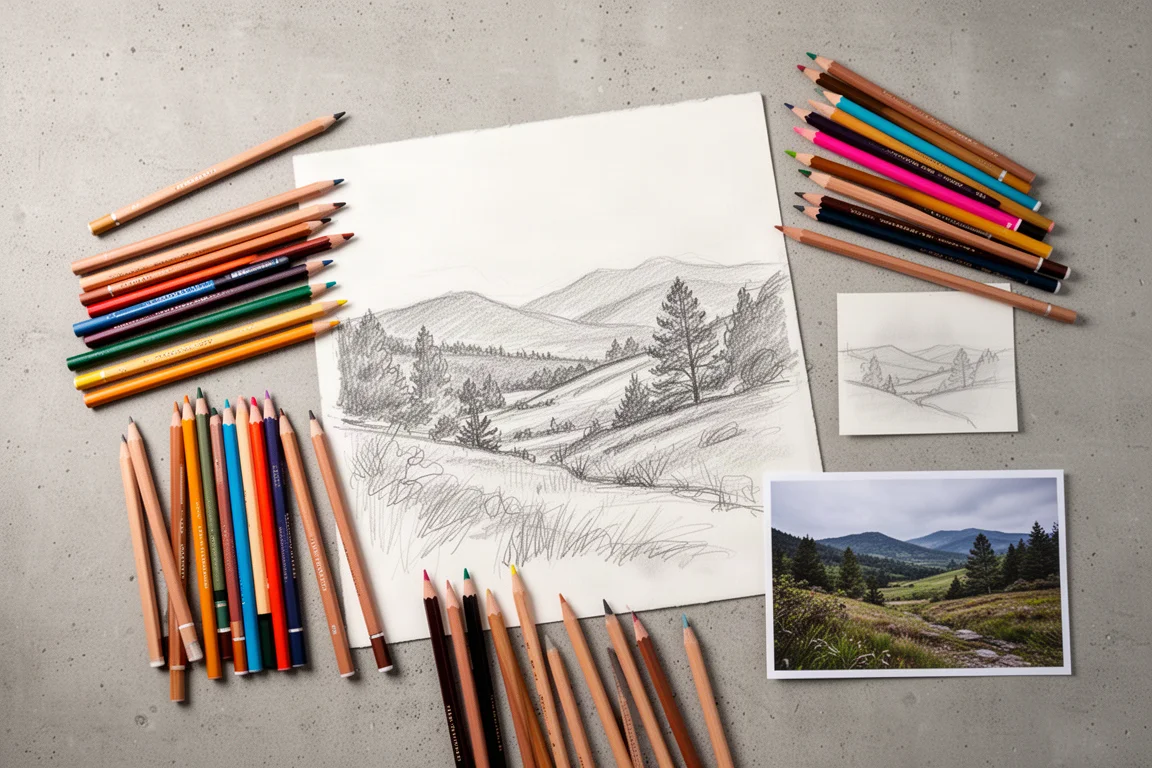
The advice here is simple: pick a project, transfer the line drawing, follow the pressure levels and color guidance, and enjoy the process. You do not have to show anyone your first attempt. Tuck it in a folder, look back at it in a couple of years, and see how far you have come. Knox also loves seeing the work people create from her projects, and the book includes information on how to share yours with her.
Conclusion
Painting in Colored Pencil: Colorful Things is a richly detailed, well-structured follow-up to Sweet Things. Knox packs two decades of experience, including the lessons learned from her own mistakes, into a pressure-based teaching system that makes ambitious subjects feel achievable. It is not the right first book for an absolute beginner, but for intermediate artists who love the medium and want to push their skills with real, rewarding projects, it is an easy recommendation. Get stuck in, work at your own pace, and let the results speak for themselves when you are ready to show them.
Product link
View more details for Cynthia Knox Painting in Colored Pencil: Colorful Things
This product is mentioned in the review. Check the specifications, options, and compatibility before buying.
View more details for Cynthia Knox Painting in Colored Pencil: Colorful ThingsFurther reading
Related Reviews
Art Books
Best Sketching Books: A Field-Tested Guide to the Books Worth Your Shelf Space
From a 1980 classic that shaped modern sketching to pocket-sized urban sketching references, here are the sketching books that earn a permanent place on the desk.
Art Books
The Artist's Guide to Sketching (2025 Reissue): A Field Sketching Classic Returns
James Gurney and Thomas Kinkade's long out-of-print sketching guide returns in 2025 with new high-res scans, color artwork, and fresh insights for a new generation of artists.
Art Books
7 Art Instruction Books That Actually Teach You to Draw and Paint
Seven highly regarded art books covering everything from art terminology to figure drawing, classical technique, watercolor light and composition.