Art Books
Best Sketching Books: A Field-Tested Guide to the Books Worth Your Shelf Space
From a 1980 classic that shaped modern sketching to pocket-sized urban sketching references, here are the sketching books that earn a permanent place on the desk.
Introduction
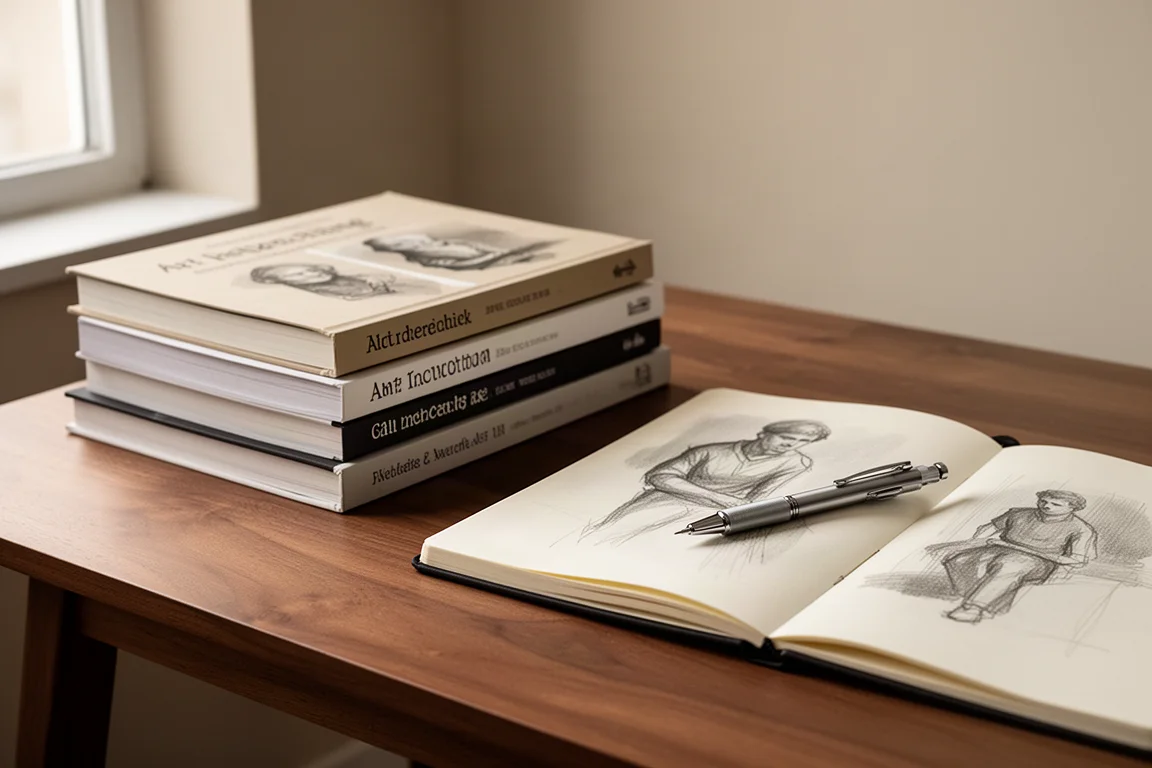
A good sketching book can do more for your progress than a semester of classes, especially when it shows you how working artists actually think on the page. The titles in this guide are drawn from a personal sketching library built up over years of field sketching and teaching, and each one has earned its spot through repeated use as a reference rather than a one-time read.
The selection is deliberately narrow. There is a whole universe of art books out there covering watercolor, oil painting, and drawing, so this guide focuses on books about sketching itself: how to see, how to simplify, and how to build a daily practice.
What Makes a Great Sketching Book
Three qualities separate a keeper from shelf filler. First, multiple perspectives: books that feature many different artists give you far more than one person’s approach, which matters enormously when you are still forming your own style. Second, practical structure: the best titles break techniques down into repeatable processes you can rely on consistently. Third, portability: small formats you can stick in a bag and bring on location get used far more often than heavy tomes that stay home.
The Foundational Classic: The Artist’s Guide to Sketching
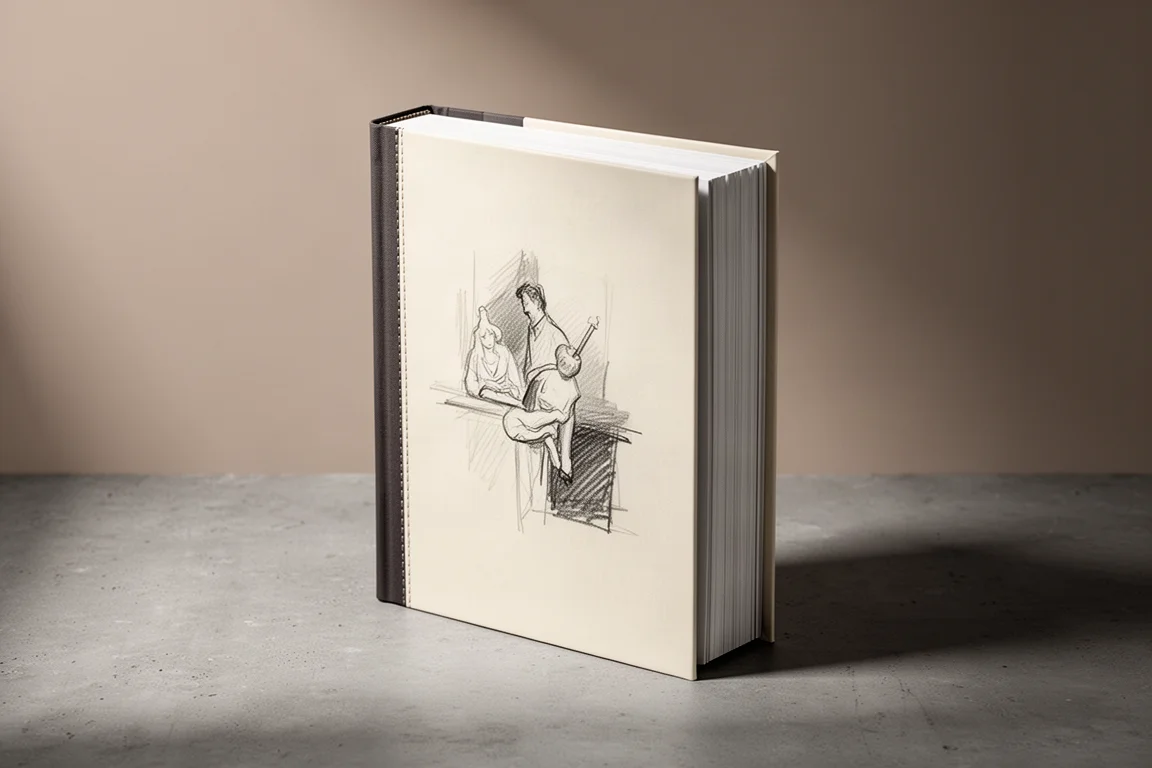
This is the favorite of the entire collection, and with good reason. Originally published in 1980 by James Gurney and Thomas Kinkade, who traveled across the United States by railcar filling sketchbooks along the way, it is widely regarded as the book that seeded the whole modern idea of sketching as its own art form. Nearly every sketching book published since carries some of its DNA.
The current edition is a re-release with all-new scans of the original artwork, made possible with the Kinkade family’s permission, so the images are far better than the aging originals. The content covers capturing motion, drawing with mood, exploring the man-made and natural world, and the deeper experience of sketching as a way of accumulating memories. It explains all of it at a basic, understandable level rather than hiding behind professional jargon. If you buy only one book from this list, this is the one; it may well be the most inexpensive art lesson you will ever take.
An Illustrated Life: Inside Artists’ Private Sketchbooks
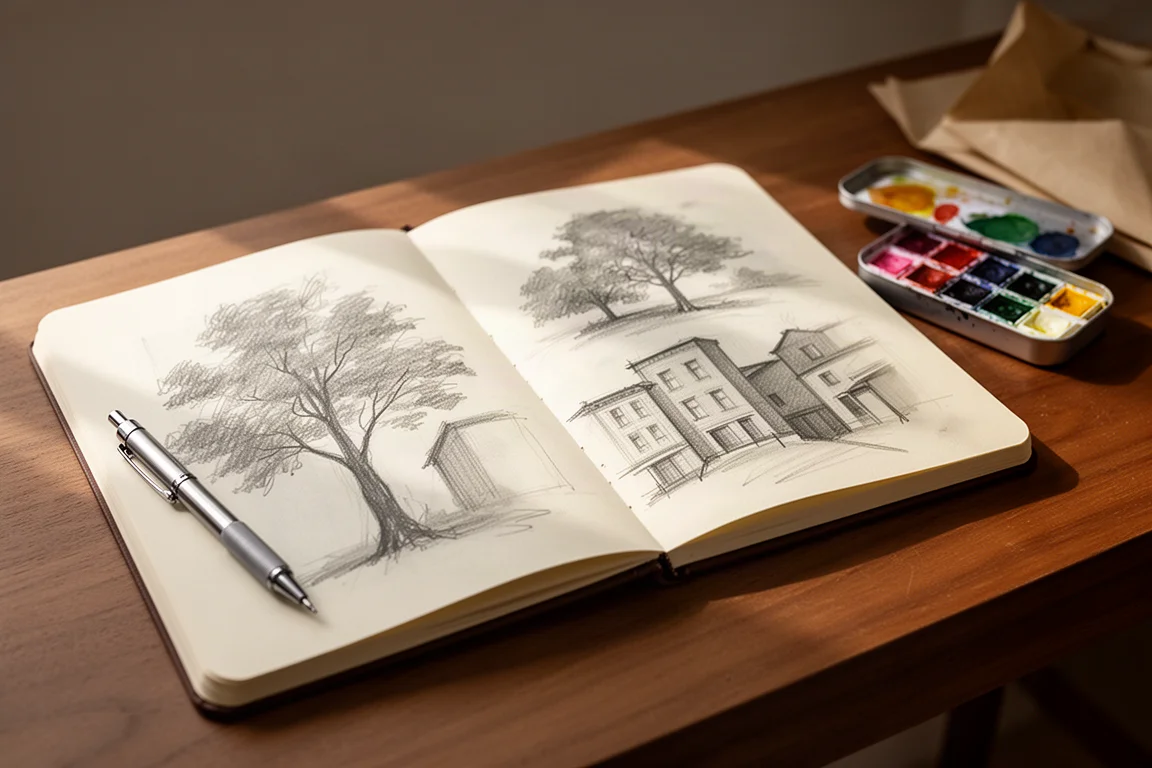
Put together by Danny Gregory and published by How Books, An Illustrated Life draws inspiration from the private sketchbooks of artists, illustrators, and designers. Its great strength is variety: it is filled with artists worth admiring, from Françance Belleville’s confident perspective work to Simonetta Capichi’s delicate landscapes and light brushwork in watercolor and ink.
What sets this book apart is that it shows the sketchbooks themselves, interiors and covers alike, including the wear and tear that proves they are well traveled. You see how artists take things from life and translate them, and the book stays affordable at around twenty dollars.
The Art of Urban Sketching: Drawing on Location Around the World
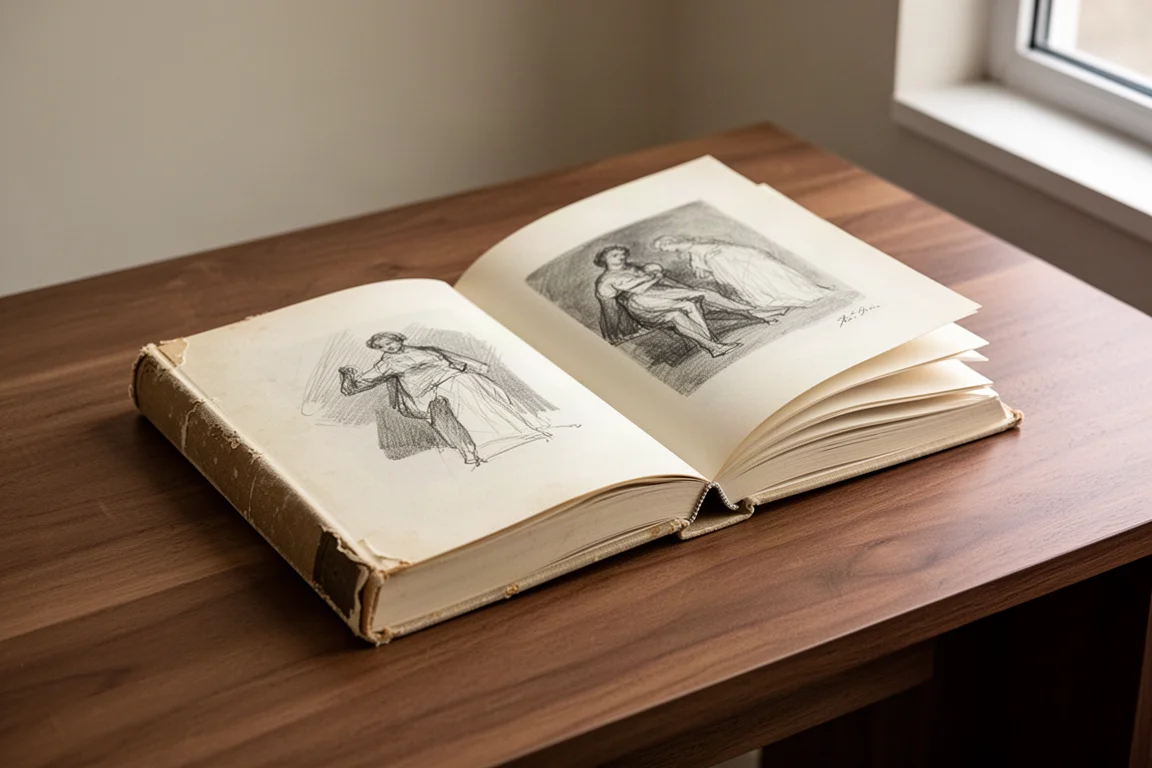
Gabriel Campanario’s The Art of Urban Sketching is a thick, substantial paperback, around twenty-seven dollars at purchase, and it earns its size. The premise is simple and compelling: see the world one drawing at a time. The book moves city by city, from Davis and Los Angeles to San Antonio, Montreal, Santo Domingo, Stockholm, and beyond, with many different artists represented along the way.

The most valuable thing here is how raw and unedited the work is. You can see where artists outlined, how they measured, where the construction lines remain, and where the underpainting shows through. Seeing how an artist worked up a plan and then executed it is exactly what a sketchbook should reveal, and this book delivers that in abundance.
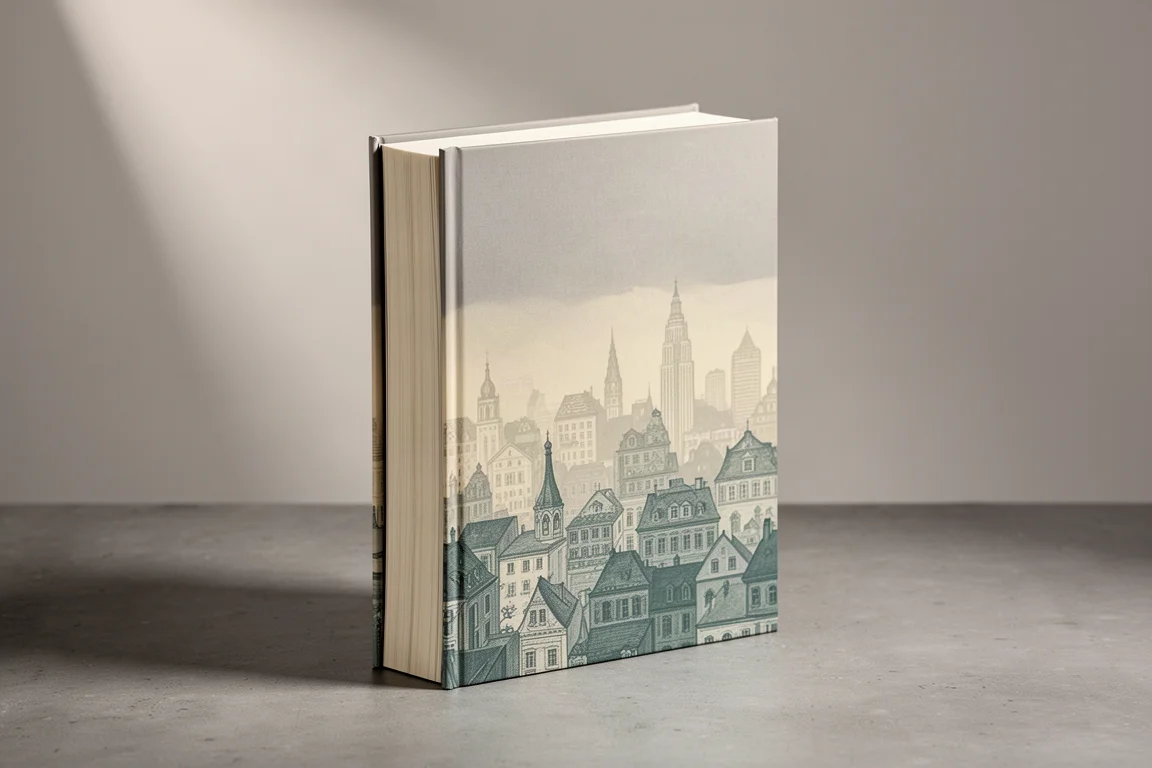
The Urban Sketcher by Marc Taro Holmes
Marc Taro Holmes takes a different approach from most urban sketching authors: graphite to draw everything you see, then pen and ink with expressive lines and powerful contrasts. If you prefer a bold, energetic sketch style, this book will click with you immediately.
One heading early in the book says it all: get started as a daily sketcher. That advice is the real core of the book. Sketching well is a volume game, and Holmes backs it up with practical coverage of perspective, scribbling techniques, and using your sketchbook as a document of your life.
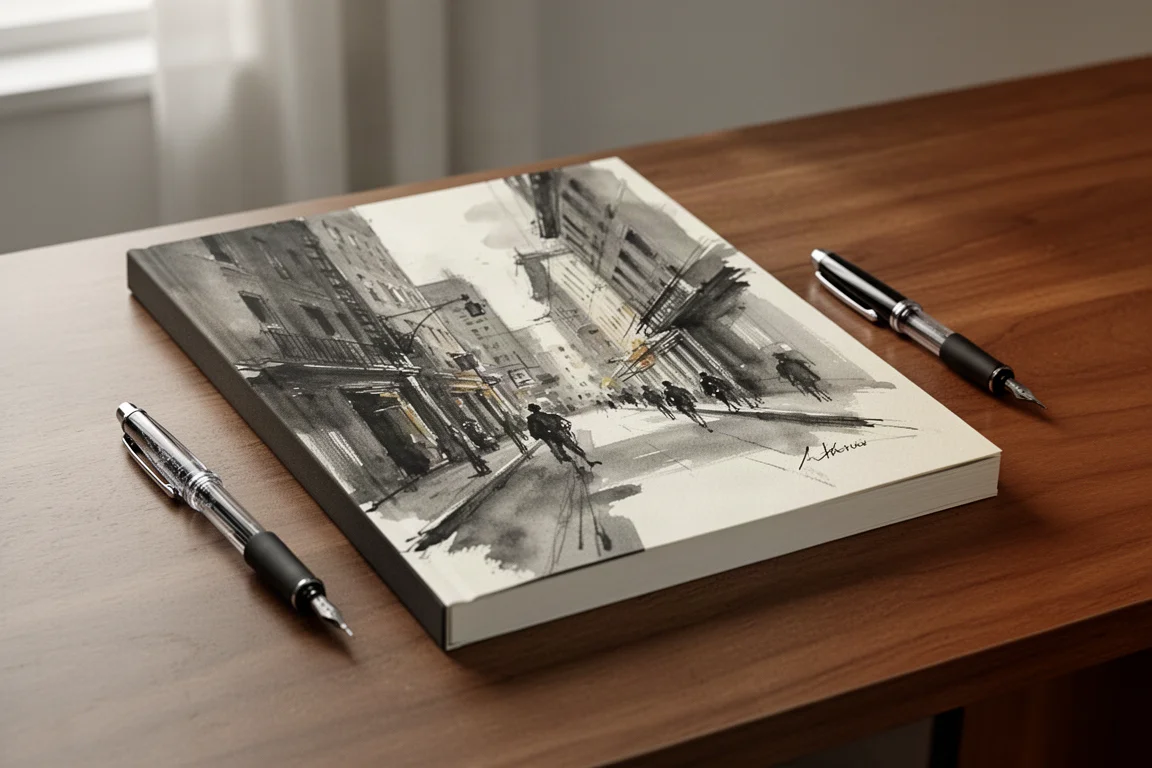
Archisketcher: Sketching the City
Simone Ridyard’s Archisketcher, a wordplay on architecture and sketcher, opens with the idea that for urban sketchers the new city is a clean white page. It was one of the first books in this collection and remains one of the best resources found, at around twenty-five dollars.
The ordering is excellent. Ridyard covers composition and choosing your approach first, then perspective, color, and viewpoints. She includes genuinely useful specific lessons, such as using borders to frame your work, working with thumbnails, capturing a mood, and using negative space. Her treatment of reducing cognitive overload in a busy urban scene, learning to simplify and focus on what you actually want to sketch, applies just as well to nature subjects as to buildings.
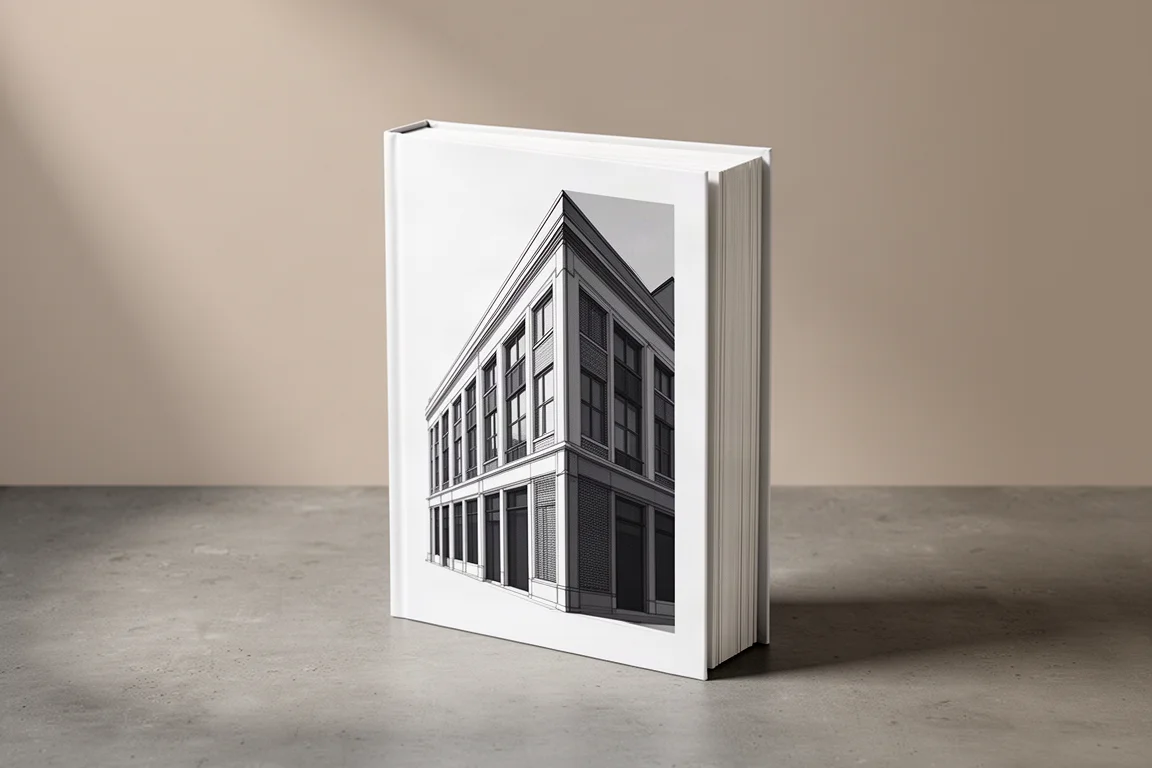
Urban Sketching: The Complete Guide to Techniques
Thomas Thorspecken’s contribution stands out for its emphasis on repetition as a learning tool. He goes into useful depth on equipment and gear for both line work and color, and the book is visually appealing throughout, full of strong example work.
Two elements deserve special mention. The first is his treatment of scheduling time to sketch, complete with a packed calendar as illustration: if you are not intentional about practice, you will not improve. The second is his color wheel explanation, which is straightforward and easy to understand, telling you plainly what you get when you mix colors and listing useful mixes to keep in mind when watercolor sketching in the field.
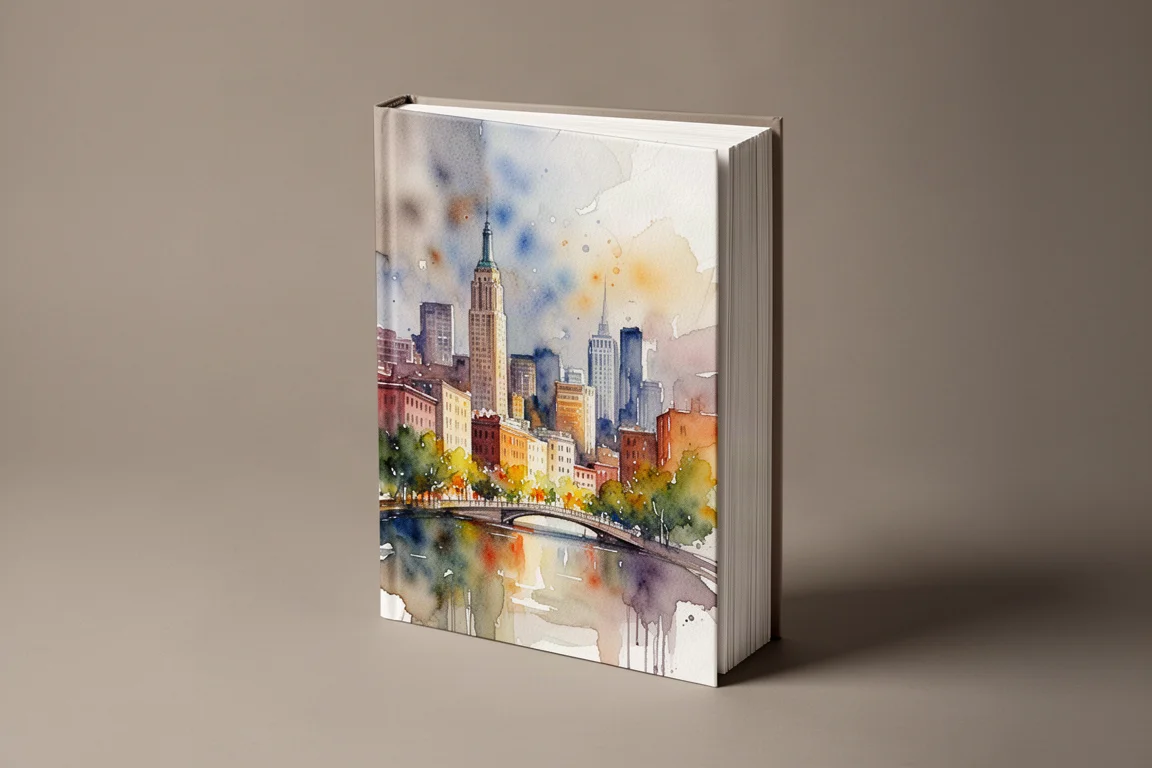
The Five-Minute Sketching Series
This compact three-book series covers the main subjects most sketchers encounter: people, architecture, and landscapes. Like the rest of the pocket-sized titles here, they pack easily into a bag for sketching on the go.
Five-Minute Sketching: People by Pete Scully
Pete Scully’s volume focuses on aligning facial features so your portraits stay believably proportioned, and on capturing people in motion, a critical skill since people in public spaces rarely stay put. It includes a section on speedy scribbling and a strong section on tonal value, showing how capturing tonal values adds realism to your drawings.
Five-Minute Sketching: Architecture by Liz Steel
Liz Steel covers essentially everything you need to render architectural subjects: features, how to focus down on details, and how to eliminate the cognitive overload of observing a big scene and simplify it into a fun sketch. There is even a section on rapid pointless perspective that is genuinely clever.
Five-Minute Sketching: Landscapes by Virginia Hein
Virginia Hein follows the same layout with a different artist’s perspective and work. She walks through the stages of a sketch’s progression, discusses making work reflect your own style, and explains measuring by eye. Together, the three volumes cover a great deal of what a sketchbook can do.
Sketchbook Confidential and Sketchbook Confidential 2
Edited by Pamela Wissman and published by North Light Books, the first Sketchbook Confidential arrived in 2010 with forty master artists, and the sequel followed in 2012 with thirty-eight. These are favorites precisely because they contain sketches from so many different hands, with names worth seeking out including graphite specialist Douglas Brier, thumbnail enthusiast William Hook, water-soluble graphite experimenter Richard McLenley, and journaling practitioner Margy O’Brien, whose thumbnail-then-painting progression on page 105 is brilliant. Robert Lewis Caldwell’s pencil work, complete with his notes on each sketch, and Lauren McCracken’s ink and watercolor appear in the second volume.
The recurring lesson across both books is the value of thumbnails, a practice that will help beginners enormously, and of journaling in your sketchbook so the page tells the story of what you observed and how you thought about rendering it.
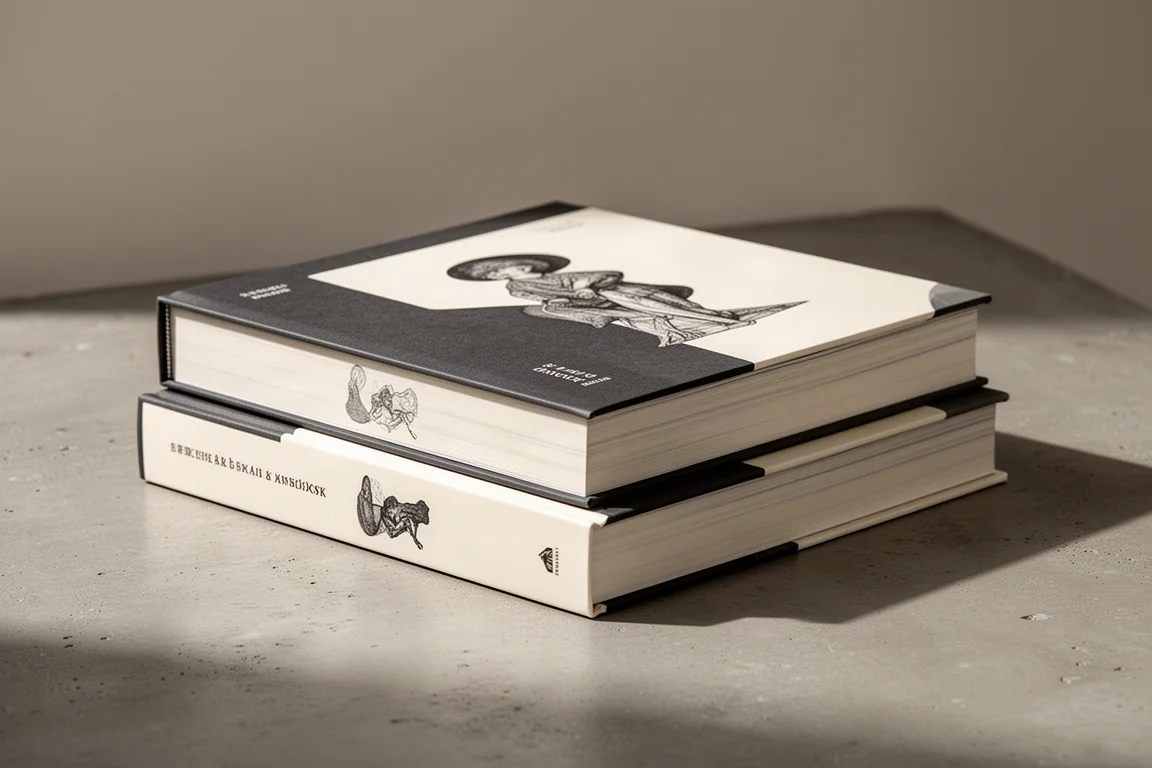
The Urban Sketchers Series: Four Pocket References
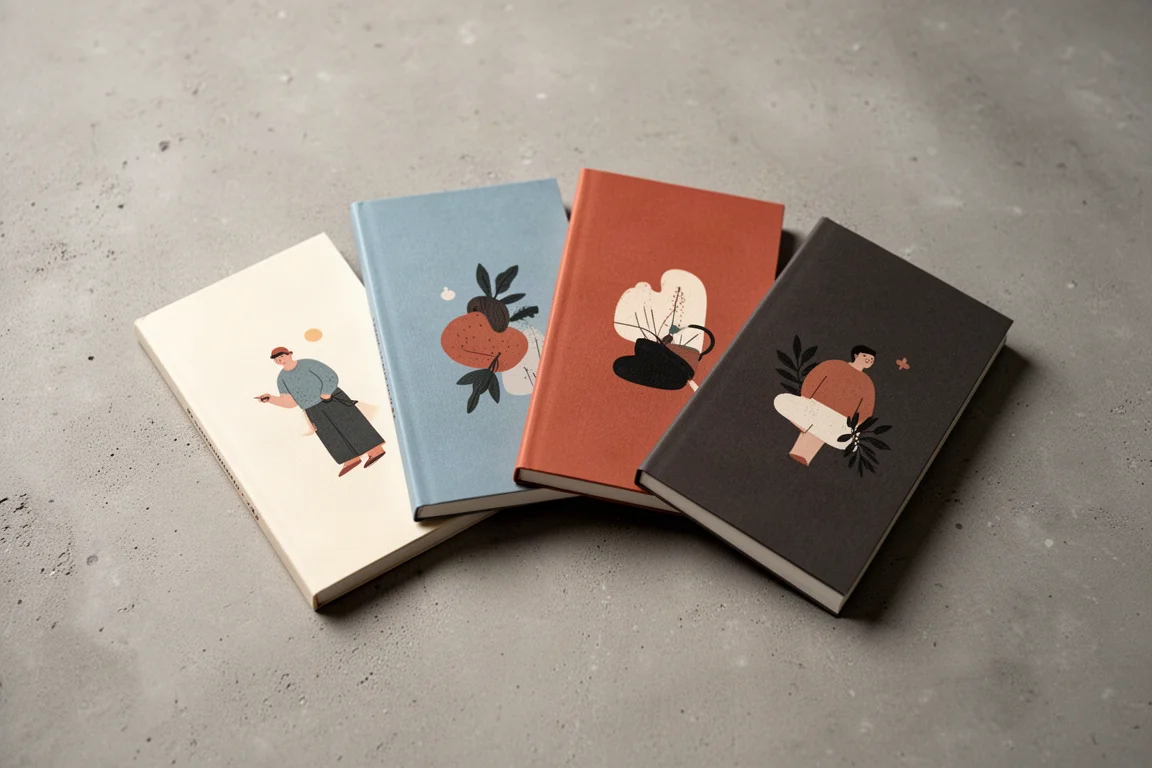
This four-book series packs a surprising amount of information into small formats you can stick in a backpack. Understanding Perspective and People in Motion are both solid, Working with Color by Shari Blaukopf is another excellent reference, and Reportage and Documentary Drawing by Veronica Lawlor is a particular favorite.
Each book features a different contributor, so you get multiple experienced perspectives rather than a single voice. Portability is the big selling point: these are the kind of books you can genuinely bring with you wherever you sketch.
Buying Advice
Start with The Artist’s Guide to Sketching if you want the deepest single volume on process, materials, and accuracy; it unlocks more per page than anything else here. If you learn best by seeing how other artists work, An Illustrated Life, The Art of Urban Sketching, and the Sketchbook Confidential pair show real sketchbook pages, unfinished lines and all, from dozens of accomplished artists.
If you sketch on location and want something that travels, the pocket-sized Urban Sketchers series and the three Five-Minute Sketching titles are the practical picks. For structure and technique drills, The Urban Sketcher and Urban Sketching: The Complete Guide to Techniques both reward repeated reference, and Archisketcher is the standout for anyone drawn to architecture and city scenes.
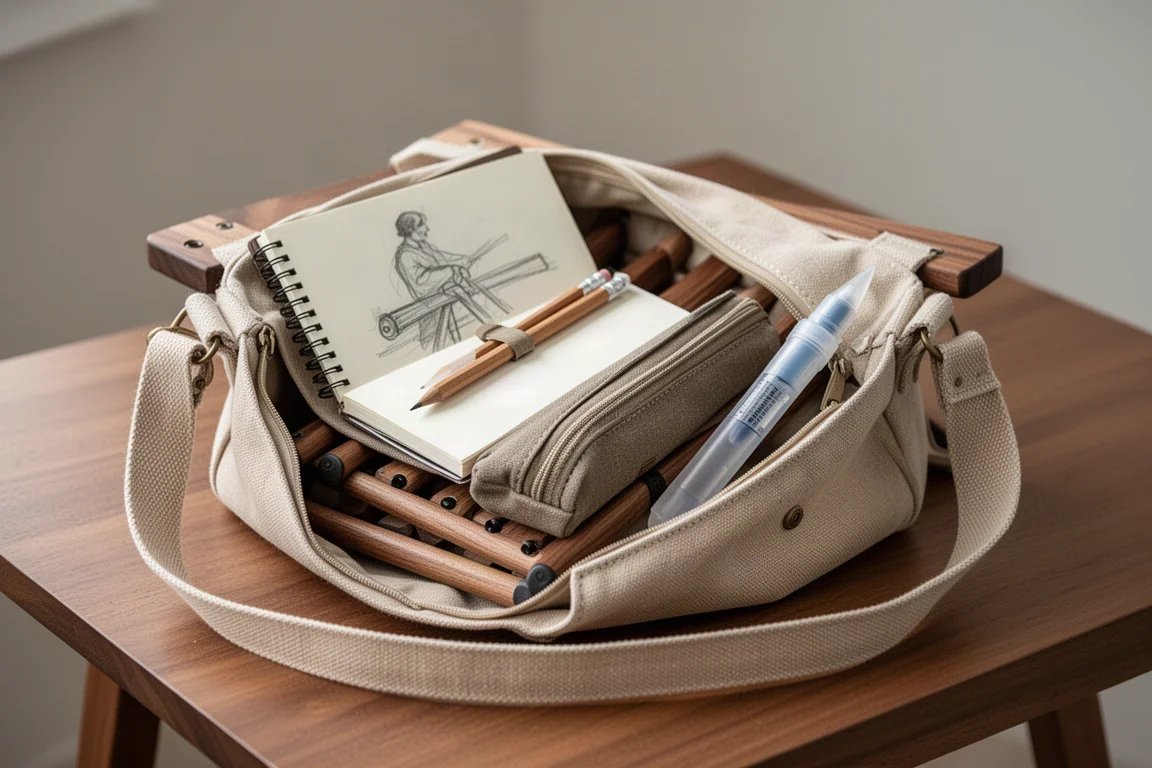
A final tip: thumbnails and daily practice come up again and again across these books, and that consistency is no accident. Whichever titles you choose, the habit matters more than the library.
Conclusion
Sketching books reward you in proportion to how often you return to them. The titles above cover the full span, from a foundational classic that started the modern sketching movement to pocket references you can carry on any trip, and each one offers a distinct angle on seeing, simplifying, and drawing on location. Pick the one that matches how you learn, keep it within reach, and let the daily practice do the rest.
Further reading
Related Reviews
Art Books
The Artist's Guide to Sketching (2025 Reissue): A Field Sketching Classic Returns
James Gurney and Thomas Kinkade's long out-of-print sketching guide returns in 2025 with new high-res scans, color artwork, and fresh insights for a new generation of artists.

Backpacking Gear
Building a 10 lb Base Weight: An Ultralight Backpacking Gear List
A practical walkthrough of the ultralight pieces behind a 10 lb base weight, from a 765 g pack and a roomy one-person tent to a full camp chair and a dependable water filter.

Road Bikes
10 New Road Bikes Worth Watching: Aero, Titanium, Steel and Endurance Standouts
A practical roundup of 10 new road bikes, from aero flagships chasing single-watt gains to titanium, steel and endurance platforms built for real roads.