Art Books
7 Art Instruction Books That Actually Teach You to Draw and Paint
Seven highly regarded art books covering everything from art terminology to figure drawing, classical technique, watercolor light and composition.
Introduction
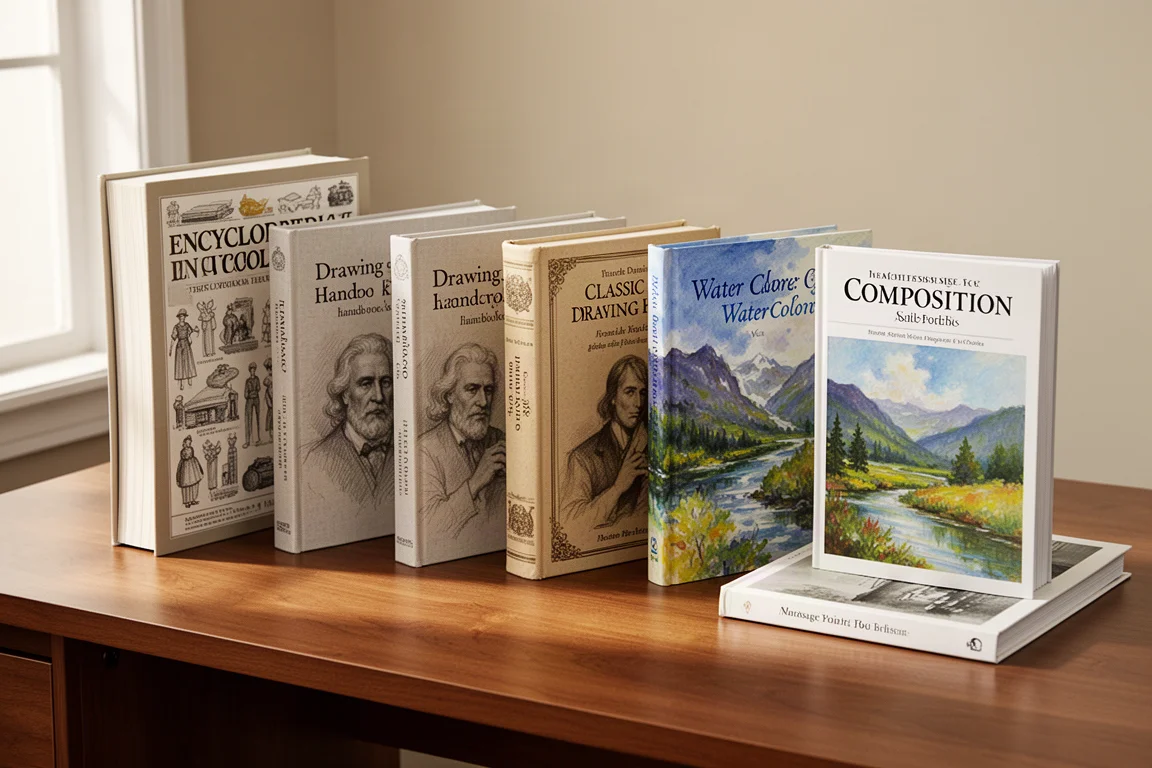
A good art book can compress years of trial and error into a few hundred pages. This roundup walks through seven titles in roughly the order a progressing artist would need them: a reference encyclopedia, drawing fundamentals, figure and classical drawing, watercolor light and shade, landscape technique, and finally composition. Each earns its place for clear instruction and genuinely useful examples rather than jargon.
The Artist’s Illustrated Encyclopedia by Phil Metzger
Phil Metzger came to art late, only after turning 40, and after quitting his job he set out to learn everything he could about the subject. The result is an A-to-Z reference covering techniques, materials, and terminology in plain, approachable language.
The book touches nearly everything: art movements from Impressionism to the Hudson River School, brush terminology like flats, brights, filberts, and fan brushes, calligraphy, charcoal drawing, color wheels and color theory, perspective, etching in its many variations, woodblock art, and sketchbook practice. Definitions come with visual examples, which makes abstract concepts like reflection, chiaroscuro, and split complementary color schemes much easier to grasp.
It is among the most useful reference books to keep within arm’s reach, and at around $30 it is well worth the money.
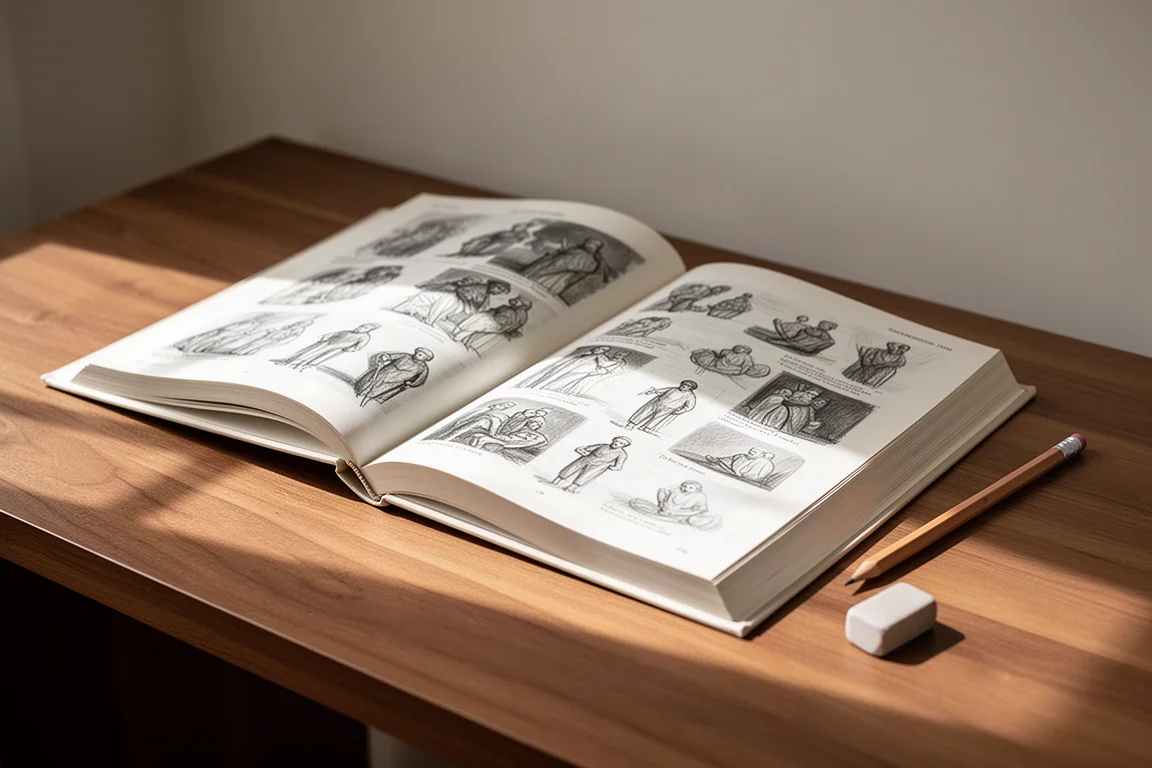
Figure Drawing Atelier by Juliette Aristides
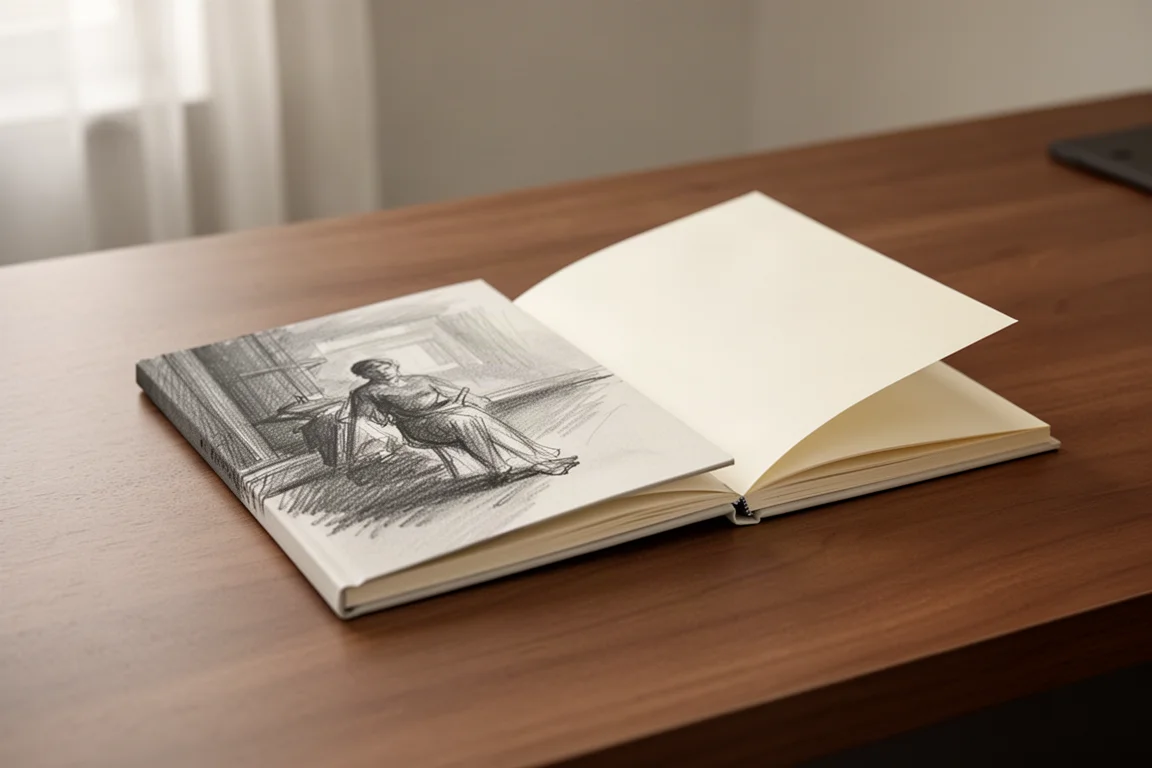
Figure drawing is where many serious artists begin, and this handbook from Juliette Aristides walks through the classic process from basic shape to finished rendering of form. It includes blank pages intended for sketching directly in the book, though a regular sketchbook works just as well.
The coverage of gesture sketching is a standout. The idea is to let your pencil find the lines of a figure naturally, like making musical notes, without worrying about detail. That theme repeats across the best art books: resist rushing into detail, and think in shapes, blocks, and gestures first. The book also covers the cubed figure approach for imagining the body in simple blocks, plus methods for mapping the head, face, hands, and feet into workable sections. It runs about $20 to $25.
Lessons in Classical Drawing by Juliette Aristides
Aristides follows up with a more detailed look at classical drawing, originally packaged with a DVD tutorial. The contents move in a sensible order: how to begin, establishing relationships, adding contour and tone, composition, the illusion of depth, and light and shadow.
The examples are carefully chosen. Drawings show how the focal point receives the detail only at the end, while everything else stays as simple line work. There are hand studies in pen on toned paper, compositional thumbnails from John Singer Sargent’s sketchbook, and a very clear demonstration of how a flat sphere gains volume through values. Thumbnail sketches appear side by side with finished pieces, showing how much you can learn before committing to a final work.
Keys to Drawing by Bert Dodson
First published in 1985, this classic remains one of the clearest introductions to drawing. Dodson is an excellent communicator, and the book covers the drawing process, the artist’s handwriting, proportions, and the illusions of light, depth, and texture.
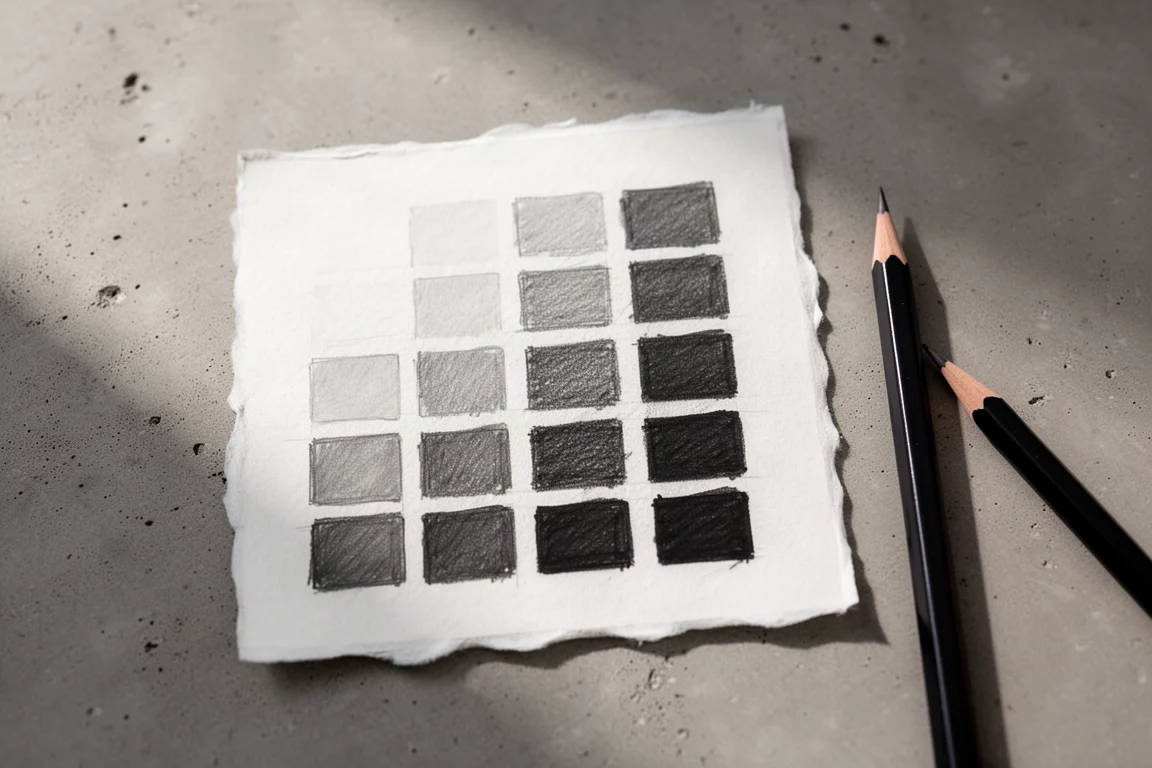
A few lessons stand out. He shows how the simplest object, even an old telephone, becomes realistic through basic shapes and added values. He explains tonal value with a tonal bar, or value scale, and how hard edges, soft edges, and the middle ground translate into a drawing. He also teaches drawing by eye: extending your arm with a pencil to judge the size and distance of objects, finding midpoints, and using comparative measurements. Each chapter ends with a self-critique exercise, and the book can still be found fairly inexpensively.
Light and Shade in Watercolor by Hazel Soan
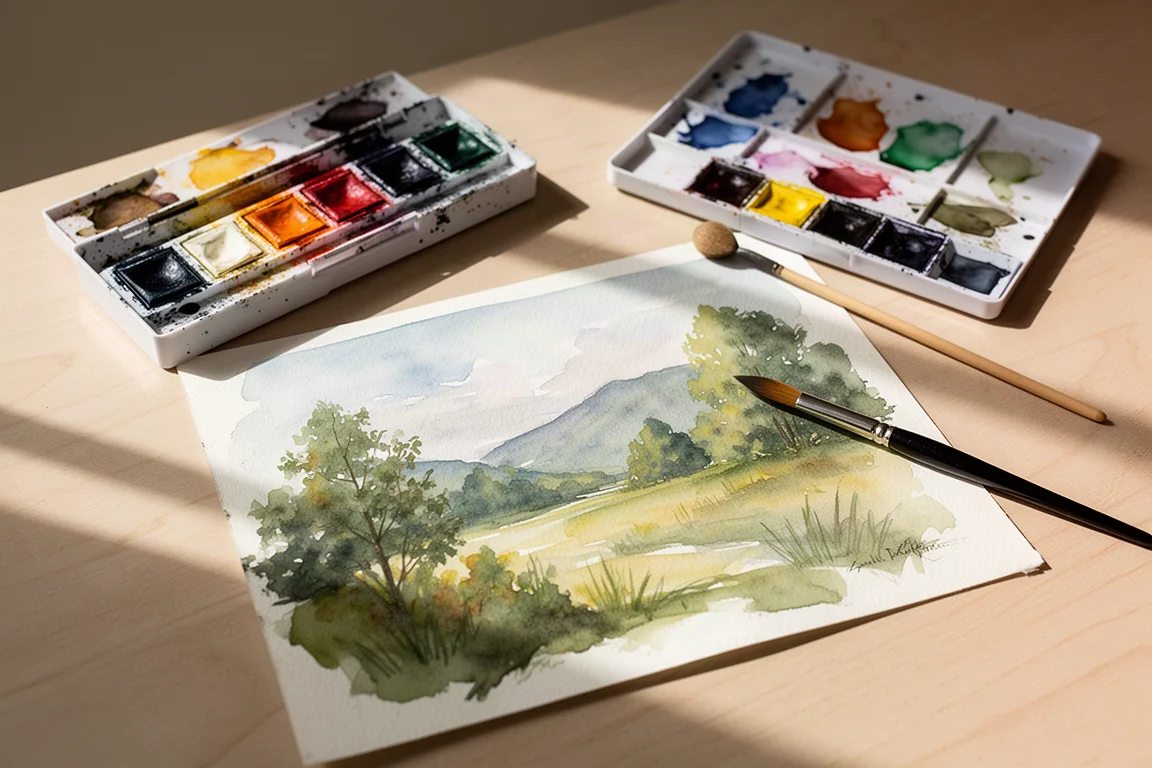
Once drawing fundamentals are in place, light and shadow become the next frontier, and the underlying concepts carry across nearly every medium. Hazel Soan approaches them through watercolor, with a loose, lively style that deliberately avoids overworked detail.
The book covers rendering water with tricks like dry brush and masking fluid, practicing the full range of light-to-dark values, and the ratio of light to shade. One piece of advice sums up the book’s spirit: “Don’t tidy it up too much. The life is in the brush stroke.” Soan also demonstrates grayscale thumbnails to plan where light and shade will land before painting, which works even better in watercolor than pencil. The hardback runs about $29, and a paperback edition may be cheaper.
The Keys to Painting Trees and Foliage edited by Rachel Rubin Wolf
Landscapes trip up many artists, and this collection, covering all mediums, gathers practical instruction on trees, foliage, and grasses. Topics include pencil methods like cross-hatching, plein air versus studio painting, and atmospheric perspective for conveying distance by toning down background values and colors.
There are clever technique walkthroughs, such as laying down masking fluid, painting over it, and lifting it away to reveal crisp grass lines, alongside alternatives like carving white grass strokes with a palette knife or using dry brush. Seasonal work is covered too, including adding snow to trees by simply leaving parts of a pencil sketch blank. It is a book worth keeping on hand and referring to often, and it can often be found secondhand.
Mastering Composition by Ian Roberts
Composition is the deeper, higher-level concept that ties everything together, and Ian Roberts teaches it with strong side-by-side examples. He shows how a scene drawn one way fails to read as real, and how better structure, cast shadows, and tonal value transform the same subject.
Roberts emphasizes value masses over detail, planning big masses before you paint or sketch, avoiding attention-grabbing edges, and leading the viewer into the frame. His book also covers thumbnails and why patience with them matters, plus a practical sketchbook system built around daily practice with simple objects. His pencil renderings in particular communicate the ideas very clearly. Priced around $30 to $31 and sometimes available used, it is a strong investment for intermediate and advancing artists.
How to Choose the Right Book
If you want a single reference for looking up terms, materials, and techniques, start with the encyclopedia. If you are learning to draw from scratch, Dodson’s Keys to Drawing is the friendliest entry point, followed by the two Aristides titles for figure work and classical method. Watercolorists and landscape painters will get the most from Soan and the trees and foliage collection, while anyone serious about making finished work stronger should move on to composition last, when the fundamentals are already in place.
Conclusion
These seven books form a natural progression from vocabulary and basic drawing through figure work, light and shade, landscape technique, and composition. Several are published by North Light Books, a name that keeps coming up in quality art instruction. Pick the one that matches where you are right now in your practice, and let the others wait on the shelf for when you need them.
Further reading
Related Reviews
Art Books
Best Sketching Books: A Field-Tested Guide to the Books Worth Your Shelf Space
From a 1980 classic that shaped modern sketching to pocket-sized urban sketching references, here are the sketching books that earn a permanent place on the desk.
Art Books
The Artist's Guide to Sketching (2025 Reissue): A Field Sketching Classic Returns
James Gurney and Thomas Kinkade's long out-of-print sketching guide returns in 2025 with new high-res scans, color artwork, and fresh insights for a new generation of artists.
Art Books
Dana Fox Watercolor with Me in the Forest: A Guided Watercolor Book Worth Picking Up
A guided watercolor book with four technique chapters, light pencil sketches, and a project mix that balances beginner-friendly steps with room to grow.