Cycling Gear
Cyclocross Essentials: Tires, Bikes and Race-Day Gear Worth Buying
A practical guide to cyclocross gear, from the basics worth sorting before your first race to the tires, bikes and race-day kit that make muddy weekends far more enjoyable.
Introduction
Cyclocross has a way of pulling riders in. The atmosphere between the tapes, the challenge, the suffering: it is a genuinely fun and accessible form of racing that sharpens your bike handling and keeps you fit and motivated through the winter. Regional cyclocross leagues tend to kick off around a month out, and summer cyclocross races mean the season never really stops.
This guide covers the gear that matters most, from the basics worth sorting before a first race through to the investments that make sense once the bug bites. It is not about buying everything at once. Most riders can start with very little and add as the seasons go on.
What Matters Most in Cyclocross Setup
Tire width rules depend on the level you race at. At UCI or national level, tires are capped at 33mm. For amateur and regional racing, any width is usually fine, and if a bike can fit tires wider than about 33mm, it will work for cyclocross.
You also do not need a dedicated cyclocross bike to start. Local and regional racing allows almost any bike, including cyclocross, gravel and mountain bikes, and many modern endurance road bikes have enough tire clearance. Grassroots fields are wonderfully diverse, from two-bike setups all the way down to old mountain bikes. A dedicated cyclocross frame brings more mud clearance, more appropriate gearing, and geometry that helps with the tight, loose, slow-speed turns the discipline is known for.
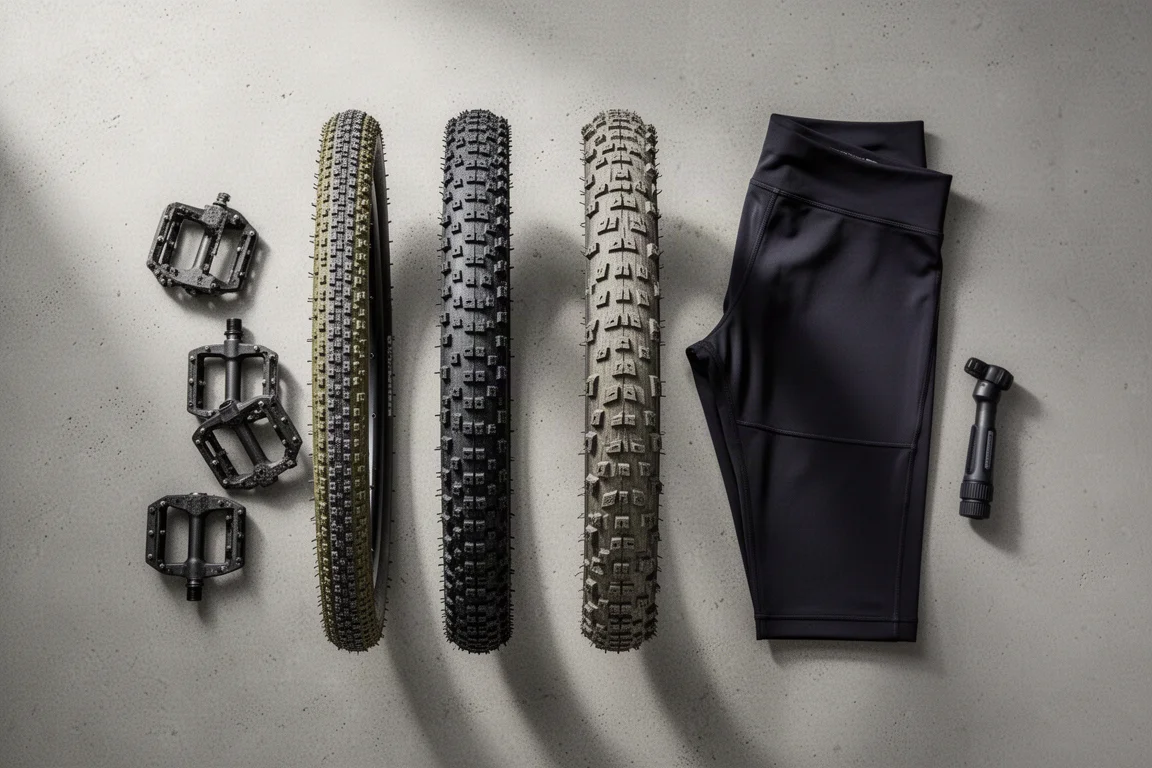
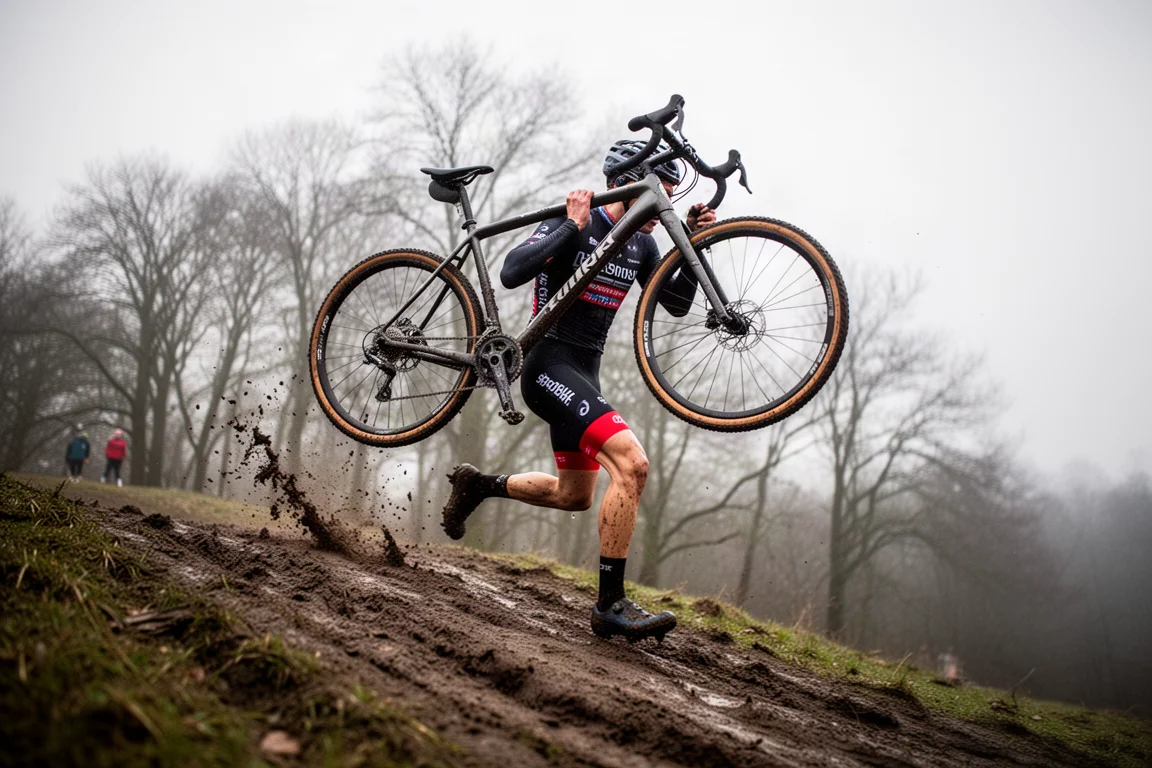
Off-road pedals and shoes are the other early upgrade worth making. Almost every course includes a feature that eventually puts you on your feet, whether that is a steep bank, a set of hurdles or deep mud, and road pedals and shoes are not designed for walking, let alone running through a muddy field. Recessed mountain-bike style cleats sit inside a treaded shoe for grip while running, and off-road pedals clear mud more effectively. Dual-sided entry makes it easier to stamp down and clip in, which matters for fast starts and rolling dismounts. Shoes that accept toe spikes add grip on steep, muddy run-ups.
Getting these basics right matters more than spending a lot. Everything that follows is about making race day smoother and keeping the bike working when the course turns heavy.
Tires: The Choice Riders Obsess Over
Tire choice is the topic cyclocross riders obsess over most, and with thousands of options across deep mud, light mud, dry mud, wet mud, sand and grass, it is easy to see why. If you already have mountain bike or gravel tires, those are fine to start with.
Experienced racers often use tubular tires, where the casing is wrapped around an inner tube, stitched shut and then glued or taped onto a tubular-specific rim. They allow much lower pressures for improved grip, but they take real effort to set up and generally require multiple wheel sets if you want to change tread. For most riders, one or two sets of tubeless tires are the more practical route, and you do not have to spend a lot to get a decent set. Focus on the tread pattern.
If you are only racing once or twice and do not know what the course or weather will bring, lean toward more grip so a sudden downpour does not catch you out. If you are happy to invest a little more, two sets make sense: an all-rounder and a mud-specific tire that you choose between on race day.
Challenge Baby Limus: An All-Rounder for Unknown Conditions
Challenge Baby Limus is the kind of all-rounder that makes sense when you have one or two races on the calendar and no idea what the weather will do. If a downpour turns the course into a mud slot overnight, a tread with more grip keeps you moving rather than sliding. It is designed to work across most courses, which is exactly the trait you want from a first set of cyclocross tires.
A tubeless setup is the practical route here. It avoids the setup effort of tubulars and the need for a separate wheel set every time you want a different tread.
Dugast Small Bird: A Second Safe All-Rounder
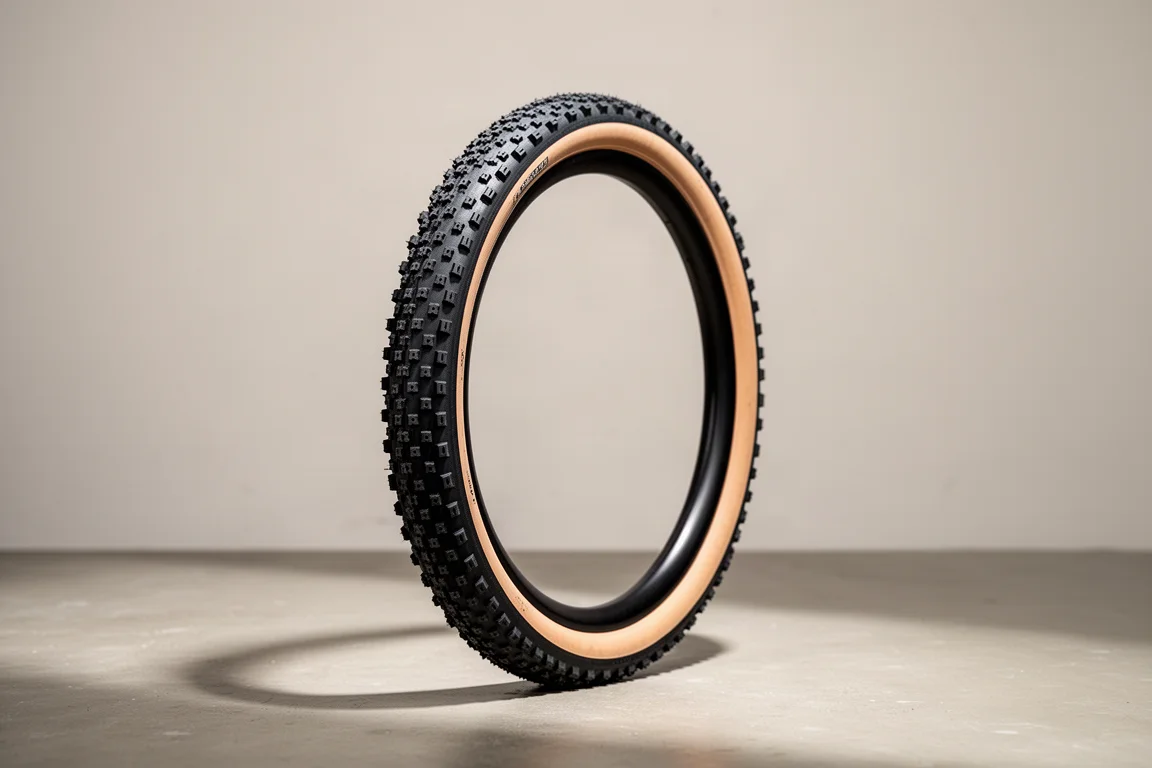
Dugast Small Bird covers much the same brief: a dependable all-rounder for riders who want one set of tires that will not leave them caught out. Both of these are reasonable picks when conditions are unknown, and either can serve as the single set you start with.
If you later build a two-tire quiver, an all-rounder like this stays useful as the dry-to-mixed option alongside a dedicated mud tire.
Challenge Griffo: The All-Round Half of a Two-Tire Quiver
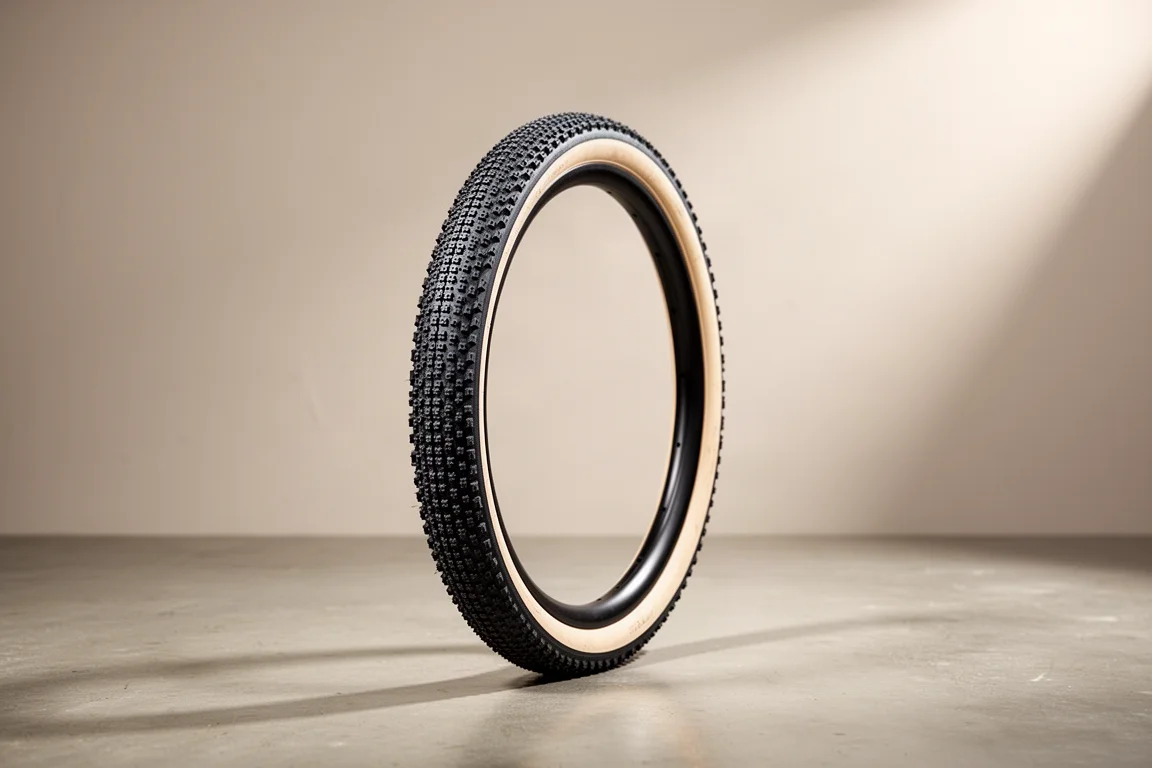
Challenge Griffo is the all-rounder half of a two-tire strategy. Riders who are happy to invest a bit more typically carry one all-round tire and one mud-specific tire, then choose between them on the day based on the course and the conditions. The Griffo fills the all-round slot, working well when the ground is mixed or on the drier side.
That approach costs more up front and asks for a second wheel set or a tire change, but it gives you a real answer for whatever the weather does overnight.
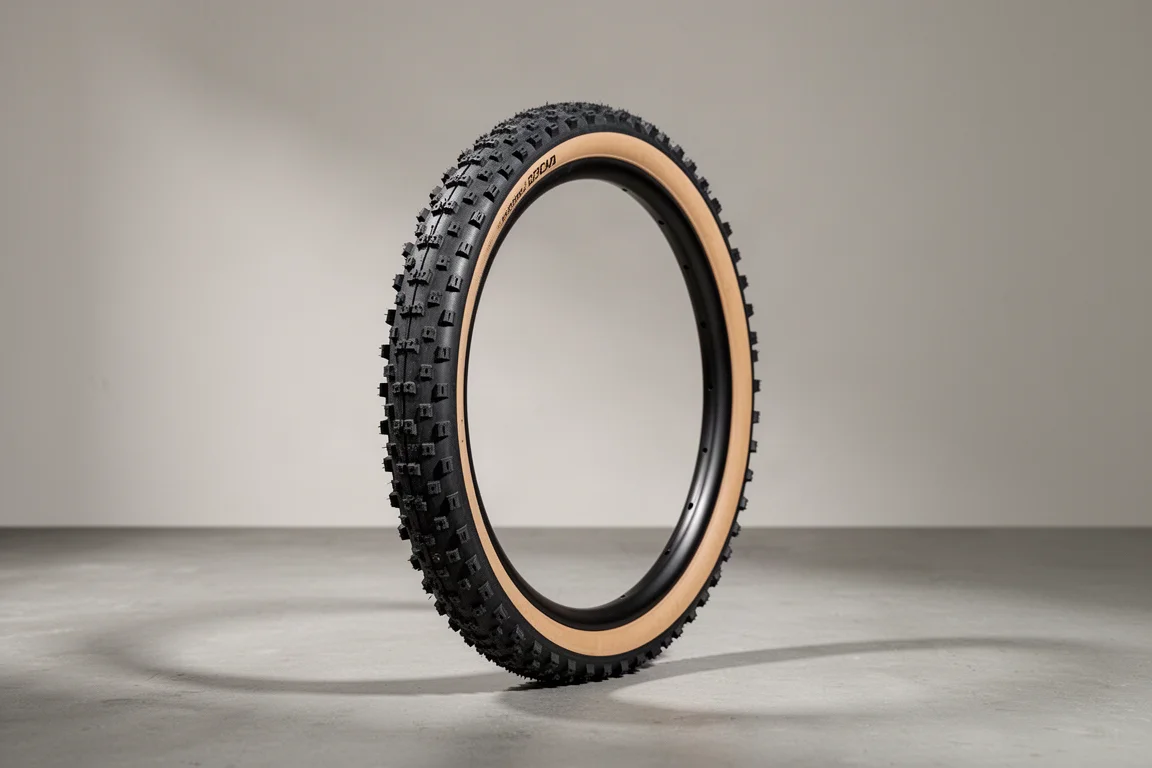
Vittoria Terreno Mix: All-Round Tread for Mixed Courses
Vittoria Terreno Mix is another all-round tread worth putting on the shortlist, and it pairs naturally with the same brand’s wet-weather option if you want to build a two-tire setup from one family. Buying a matched pair from a single range simplifies the decision: you know which tire is the all-rounder and which one is for the worst of the weather.
If you race the same league all winter, an all-rounder like this will cover the majority of your race days, with the wet tire waiting for the weekends when the course turns into a bog.
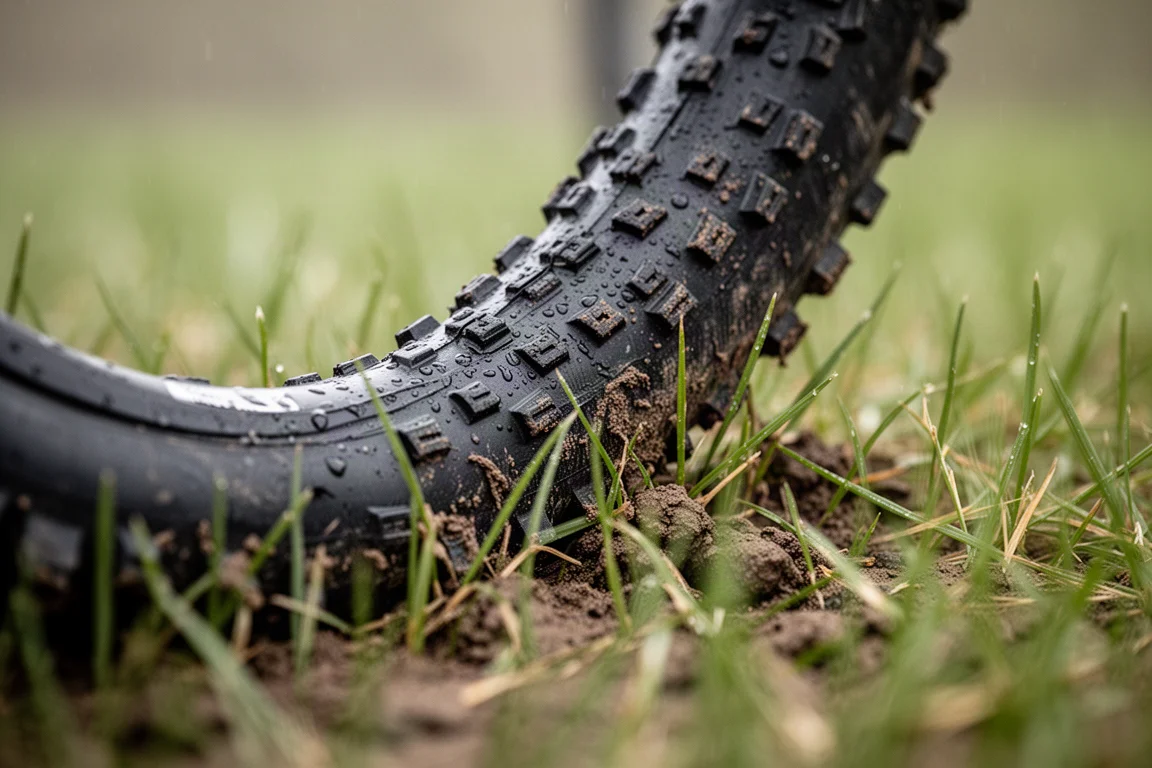
That split is the whole point of a two-tire quiver. You are not guessing on the start line, because you already decided which tread suits the ground under your wheels.
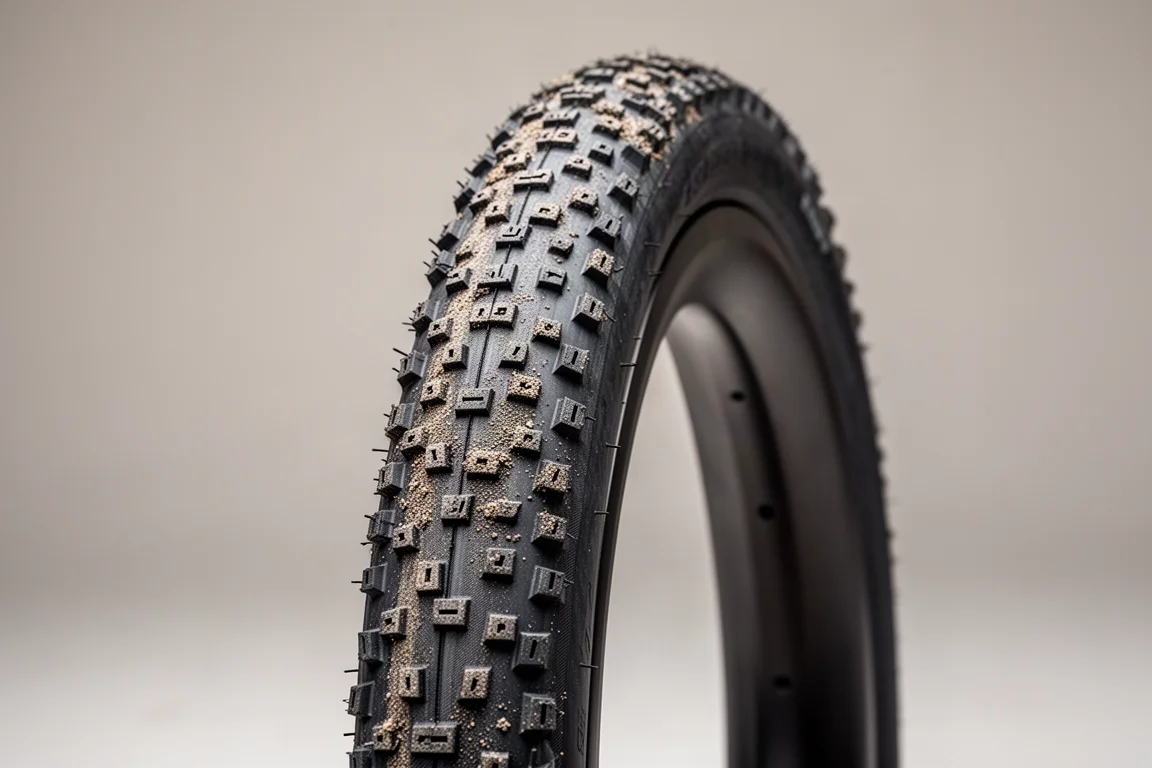
Vittoria Terreno Wet: The Wet-Weather Partner
Vittoria Terreno Wet is the mud side of that pairing. A mud-specific tire is about grip and clearing: it needs to bite in soft ground and shed sticky mud so the bike keeps rolling instead of packing up.
Having a wet-weather tire ready is the difference between racing and simply surviving when the course goes soft. On dry, fast courses it is more tire than you need, which is why it works best as the second set rather than the only one.
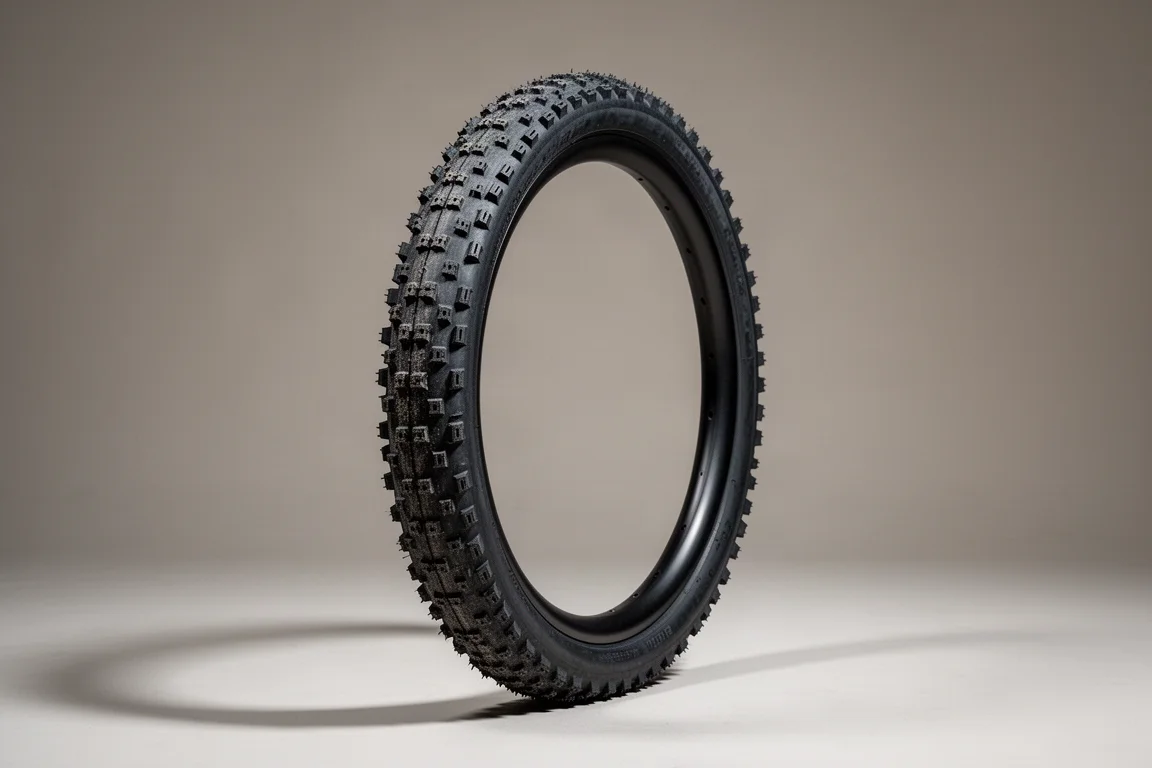
Dugast Typhoon: Mud Grip for a Second Wheel Set
Dugast Typhoon is one of the mud-leaning options worth considering for the second set in a quiver. The logic is the same as any two-tire strategy: keep an all-rounder for mixed conditions and a mud tire for the days when the ground is deep and slow.
Riders who want to keep things simple can start with a single all-rounder and add this kind of tire later, once they know which conditions their local league actually delivers.
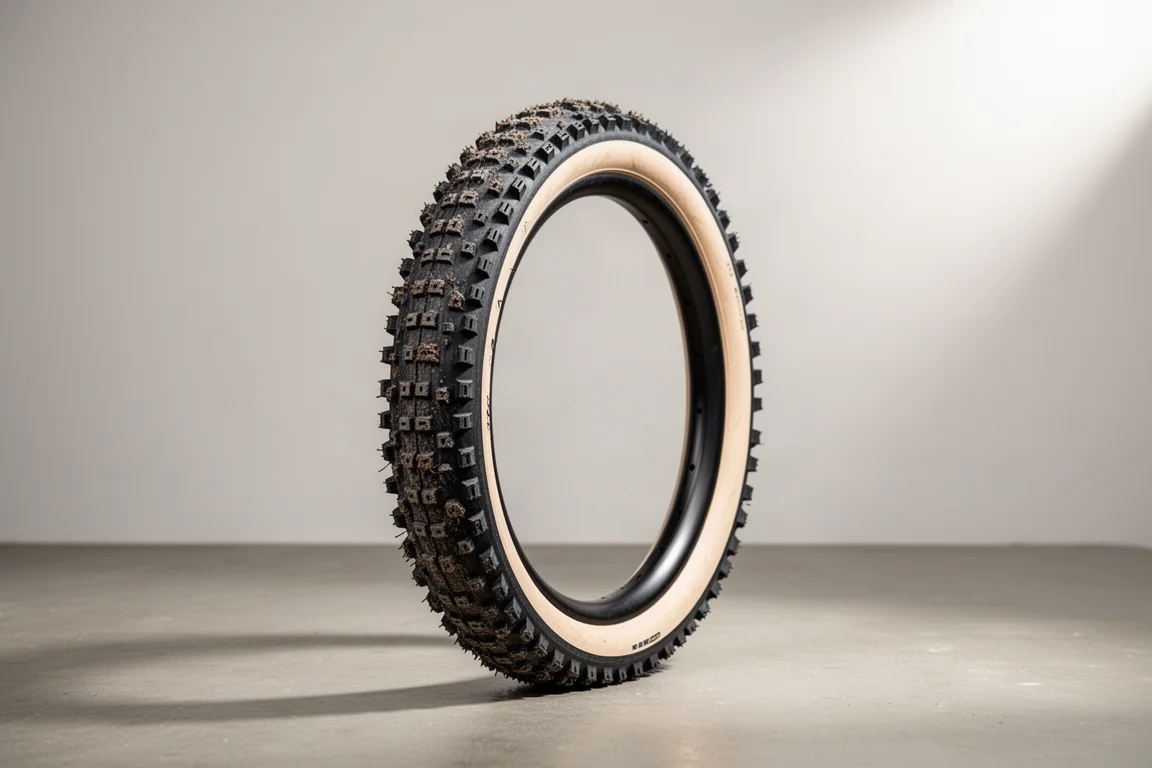
Dugast Rhino: The Mud End of the Pairing
Dugast Rhino sits alongside the Typhoon as the mud end of a pairing, giving riders another route to the same all-round plus mud combination. If you already have an all-rounder on the bike, a mud tire like this is a sensible next purchase once you know the courses you race on most often.
It is a specialist purchase rather than a starting point, and that is exactly how it should be treated.
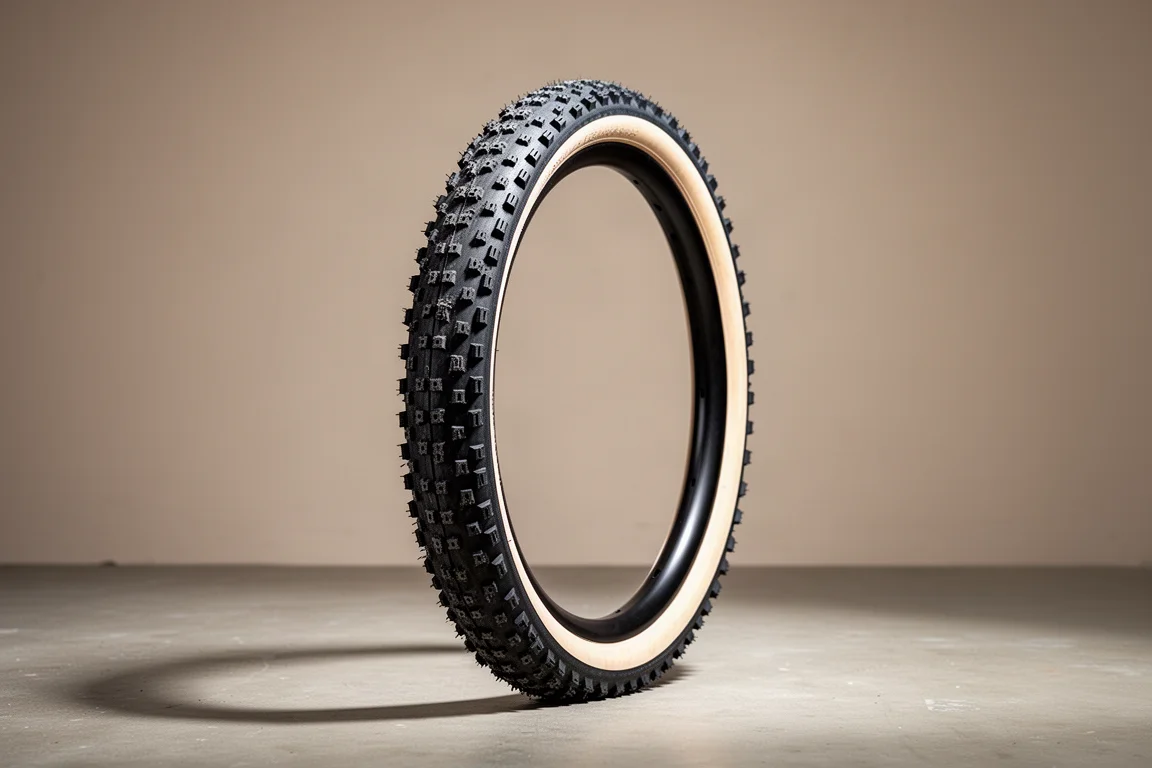
Specialized Tracer: A Straightforward All-Rounder
Specialized Tracer is a straightforward all-rounder for riders who want one dependable set of tires. It fits the same recommendation as the other all-round treads here: when you do not know what the course or weather will bring, err toward more grip rather than less.
That way, a change in conditions does not turn your race into a slide, and you still have a tread that rolls well enough on grass and hardpack.
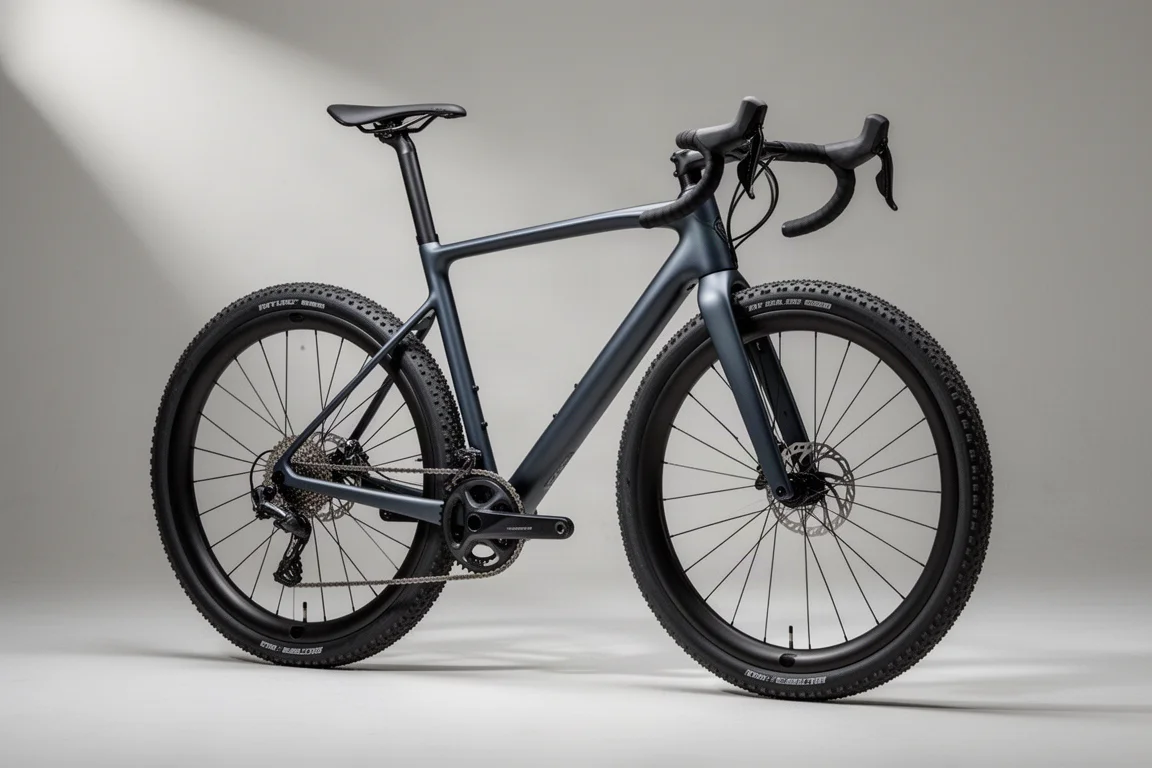
Specialized Crux: A Gravel-Leaning Frame With Real Mud Clearance
A dedicated cyclocross bike is a natural step once you get serious, but not every frame has to be a traditional cross frame. Gravel bikes with cyclocross leanings, such as the Specialized Crux, can run a 33mm tire with a lot of mud clearance compared with a traditional cross frame, which means the bike stays rideable for longer when the course turns heavy.
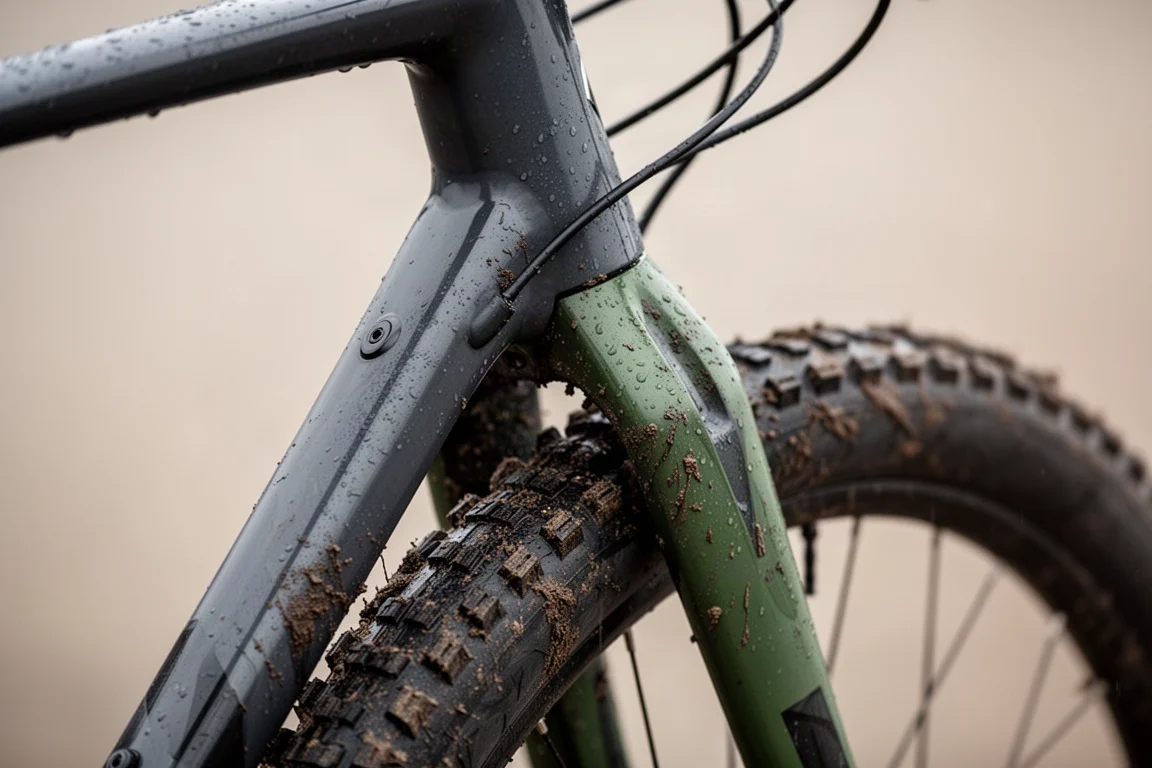
That extra clearance matters more than it sounds. On muddy courses a bike can cake up within minutes: tires gum up and lose grip, gears stop shifting, pedals fill with gunk and the whole bike ends up far heavier than it should be. A frame that sheds mud keeps you racing instead of stopping.
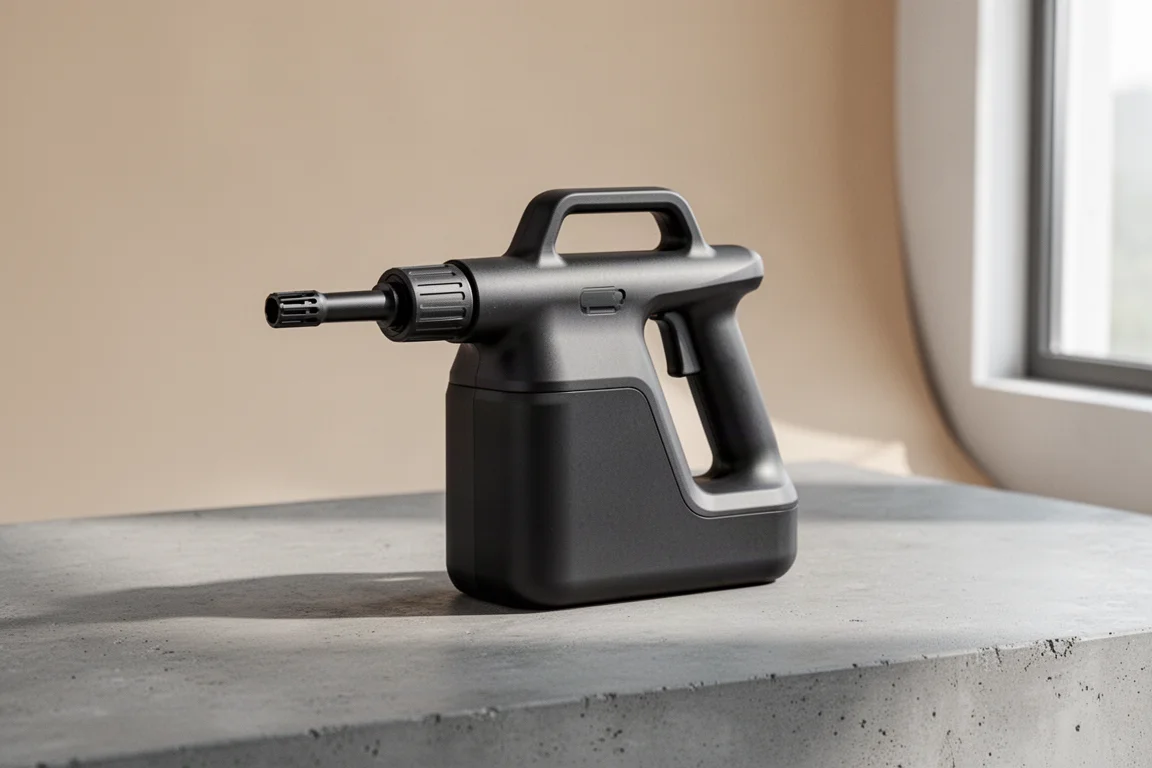
Muc-Off Pressure Washer: Cleaning That Protects Your Season
Two things are unavoidable in cyclocross. It will be hard, and you will get muddy. Cleaning the bike straight after a race, before the mud dries, makes a real difference to how the rest of the day goes, especially if you have a drive home afterwards.
Mainstream brands such as Kärcher and Bosch make compact cordless pressure washers that suit bikes, while Muc-Off offers a cycling-specific unit with a shorter nozzle for maneuverability and lower pressure that is less likely to damage bearings. Race organisers often provide outdoor taps or large bowsers of water, but a thousand litres disappears quickly when dozens of muddy riders arrive at once, so bringing your own supply in a jerry can or roller is the safer plan. A pressure washer also earns its place in the pits: with help from friends, family or a pit crew, a bike can be cleaned mid-race to keep it running smoothly.
Overall Buying Advice
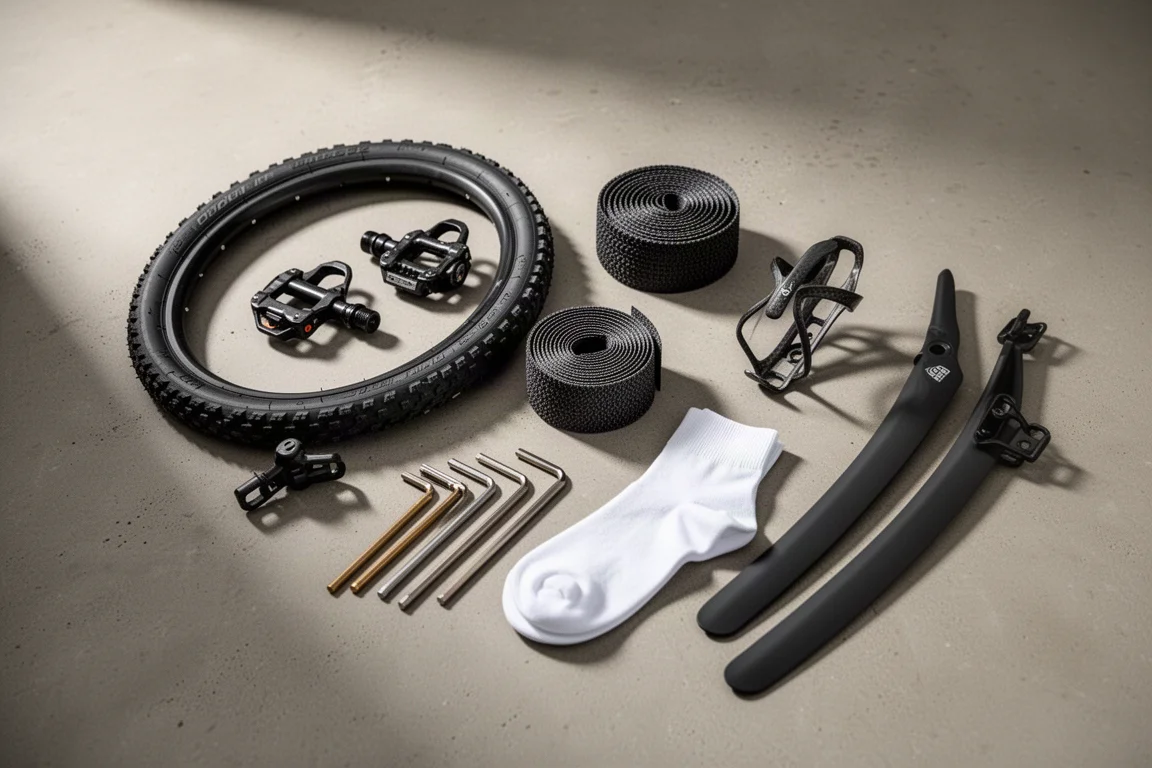
Build the kit in the order that matches how you actually race. A bike you already own, a set of off-road pedals and shoes, and one all-round set of tubeless tires will get you to the start line of a regional race. Warm-up tights are the small item that punches above its weight: thermal tights with zips on both sides that go over your race kit, so you can strip them off at the last moment on the grid without removing your shoes. In cold conditions, staying warm before the whistle is worth a lot, and they are inexpensive and easy to find.
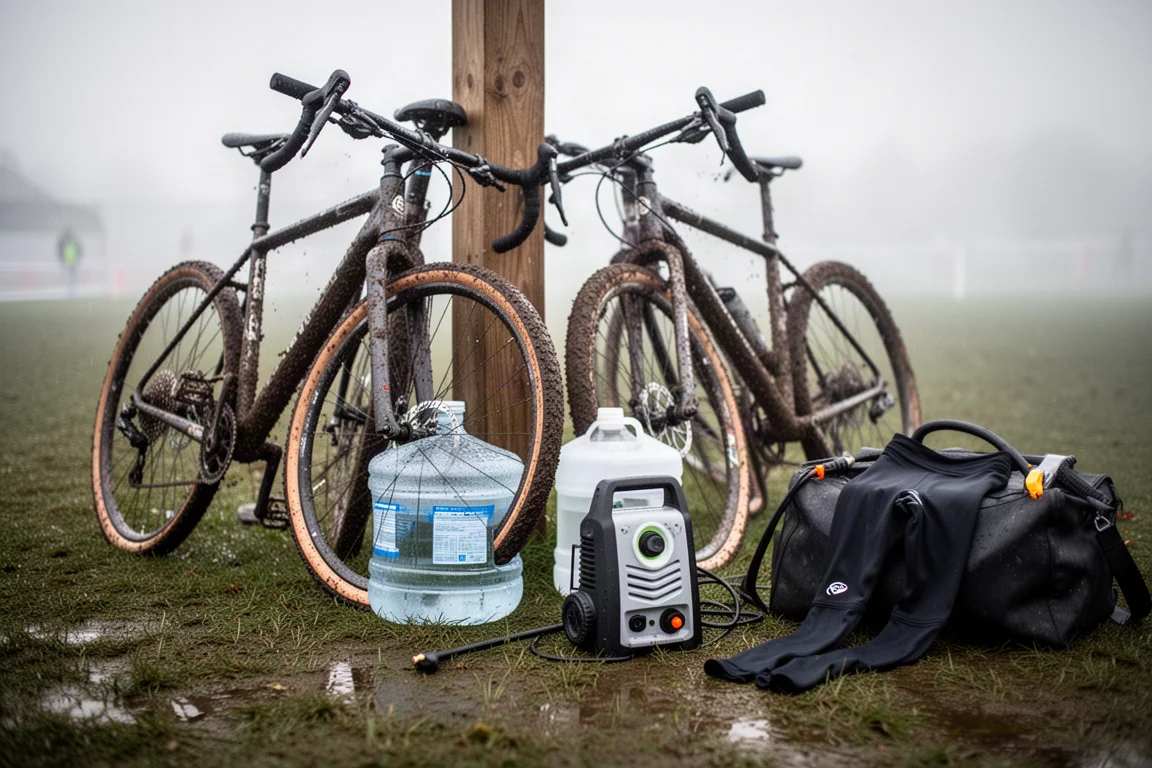
From there, the spending decisions get more personal. A second set of tires, or a two-tire quiver with an all-rounder and a mud tire, is the most common next step. A pressure washer and your own water supply make muddy race days far more pleasant and help protect the bike between rounds. Two cyclocross bikes and pit support sit at the top of the ladder: the fastest cyclocross bike is the one without mud on it, but a second bike brings extra cost, storage, transport and upkeep. You can race on one bike and still have a great time.
Conclusion
Cyclocross rewards riders who show up with the right basics rather than the most expensive setup. Sort out pedals and shoes, pick a tread that leans toward grip, and clean the bike before the mud sets. Everything else can follow as the season goes on and you learn which conditions you actually race in.
Further reading
Related Reviews
Cycling Gear
8 Cycling Products Riders Keep Coming Back To
Eight cycling components and accessories with clear strengths, honest trade-offs and long-standing reputations among riders and mechanics.
Cycling Gear
Aero Helmets and Bottle Setups Tested: Six Options Ranked by Measured Watt Savings
Wind tunnel data on six aero helmets and bottle setups, with real watt savings, practical trade-offs, and guidance on what is worth buying first.
Cycling Gear
Aero Road Bikes and Fast Tires Worth Watching in 2026
Four aero road bikes and one fast road tire, with the real strengths, the open questions, and what to check before you buy.