Cycling Gear
Cycling Upgrades Worth a Closer Look: Groupsets, Cockpit Kit, and Visibility
Nine cycling upgrades worth a closer look, from a wide-range gravel groupset to cockpit comfort parts and pedals that keep you visible after dark.
Introduction
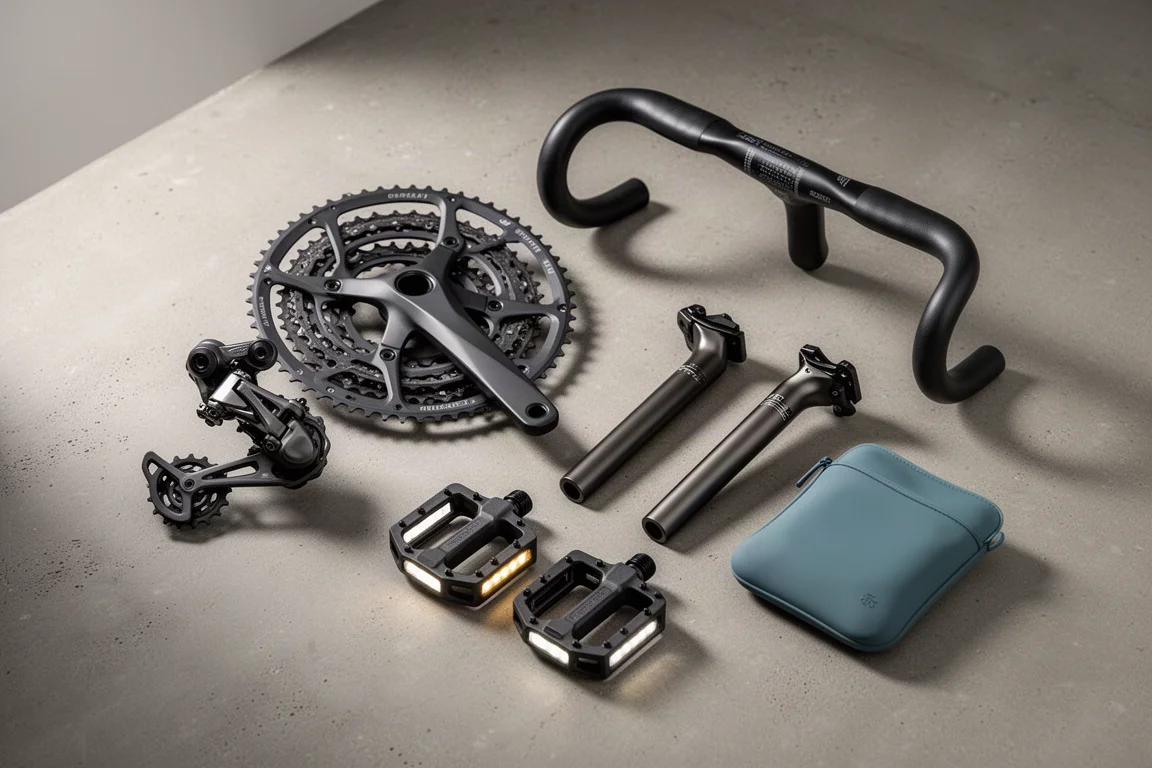
Some upgrades change how a bike performs. Others change how it feels to live with day to day. The products in this roundup cover both ends of that spectrum: a wide-range gravel groupset, a hydraulic groupset still in prototype form, a small accessory that keeps jersey pockets clean, and a group of cockpit and visibility parts that rethink the points where a rider’s hands and feet meet the bike.
None of these are impulse buys in the usual sense. Each one solves a specific problem, and each one carries a trade-off worth understanding before you spend money.
How These Products Fit Different Riders
The common thread here is that every item targets a contact point or a practical annoyance rather than raw speed. Groupsets decide your gear range and how much attention your drivetrain asks for. Cockpit parts decide how comfortable your hands are after four hours. Pedals and lights decide how visible you are in low light.
That makes this a good moment to think about which problem you actually have. A rider fighting steep climbs on a loaded bike has a gearing problem. A rider with aching hands on the tops has a contact-point problem. A commuter riding home after dark has a visibility problem. The products below are worth considering when they line up with one of those.
Shimano GRX 12-Speed: Wide-Range 1x for Gravel
Shimano’s new GRX 12-speed groupset is a one-by-only setup built around a very wide cassette. The range runs from a 10-tooth sprocket at the top end to a 51-tooth climbing gear, paired with a small front chainring. That puts it in the same territory as the mullet-style drivetrains that mix road shifters with mountain bike gearing.
The trade-off arrives at the hub. To make the 10-tooth sprocket work, Shimano uses its Micro Spline freehub body, a mountain bike standard that most gravel and road wheelsets do not use. Many riders will need to change the freehub on their existing wheels, or run wheels that already accept Micro Spline, before the groupset can go on the bike.
Physically, the new group looks very close to the previous generation. If you were hoping for a dramatic visual change, this is not it. The story here is gearing and range rather than appearance.
Doma Cycles Pocket Musette: Clean Pockets, Steady Fueling
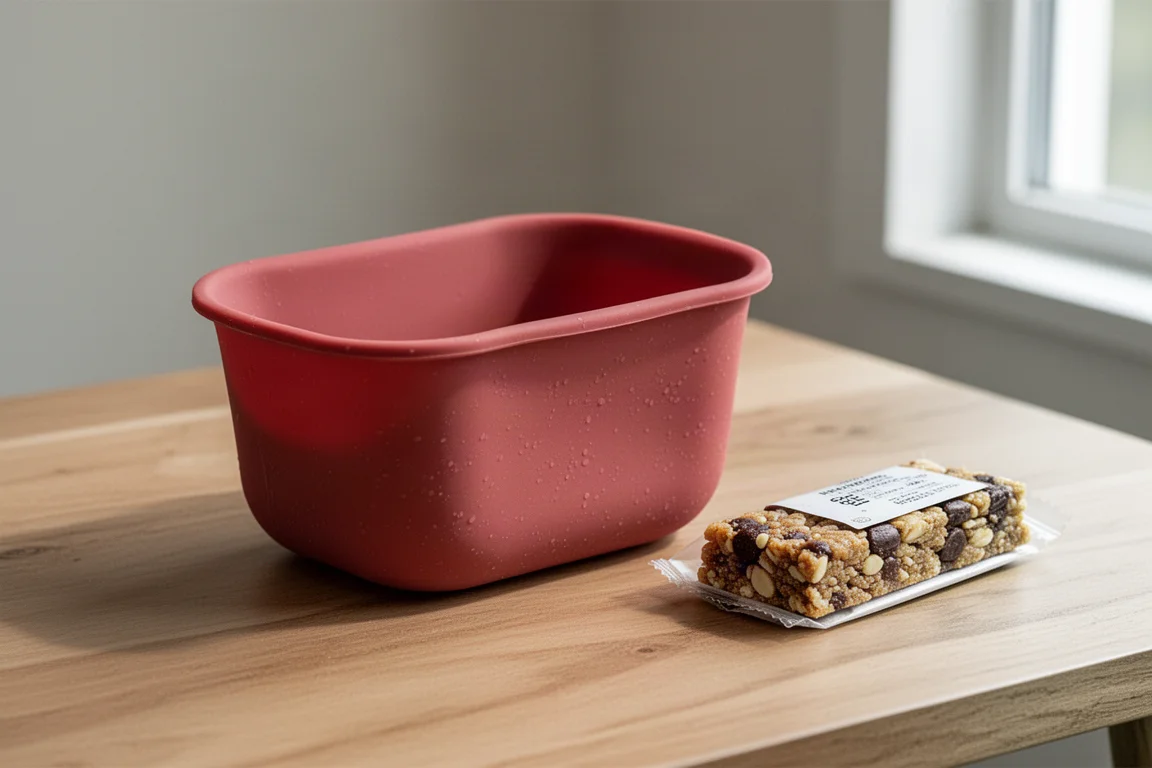
The Pocket Musette is a silicone liner that drops into a jersey pocket and turns it into a structured food pouch. Instead of wrestling with a wrapper or a crumpled bag at the bottom of a pocket, you break a bar into pieces, tip them in, and pull out one piece at a time while you ride.
It solves two problems at once. Your pockets stay clean and free of melted residue, and the liner keeps its shape even when it is nearly empty, so the last few pieces stay within reach. Riders who prefer to eat little and often rather than stopping for a full bar will get the most out of it.
Two sizes are available. The smaller version fits a compact jersey pocket, while the larger one suits roomier pockets. The cut of the jersey matters as much as the labelled size, since a tight aerodynamic jersey with small, low-stretch pockets will not swallow the bigger liner. It is not an essential purchase, but over a summer of long road rides it removes a small, recurring annoyance.
Empire Pro 2x12 Hydraulic: A Prototype to Watch
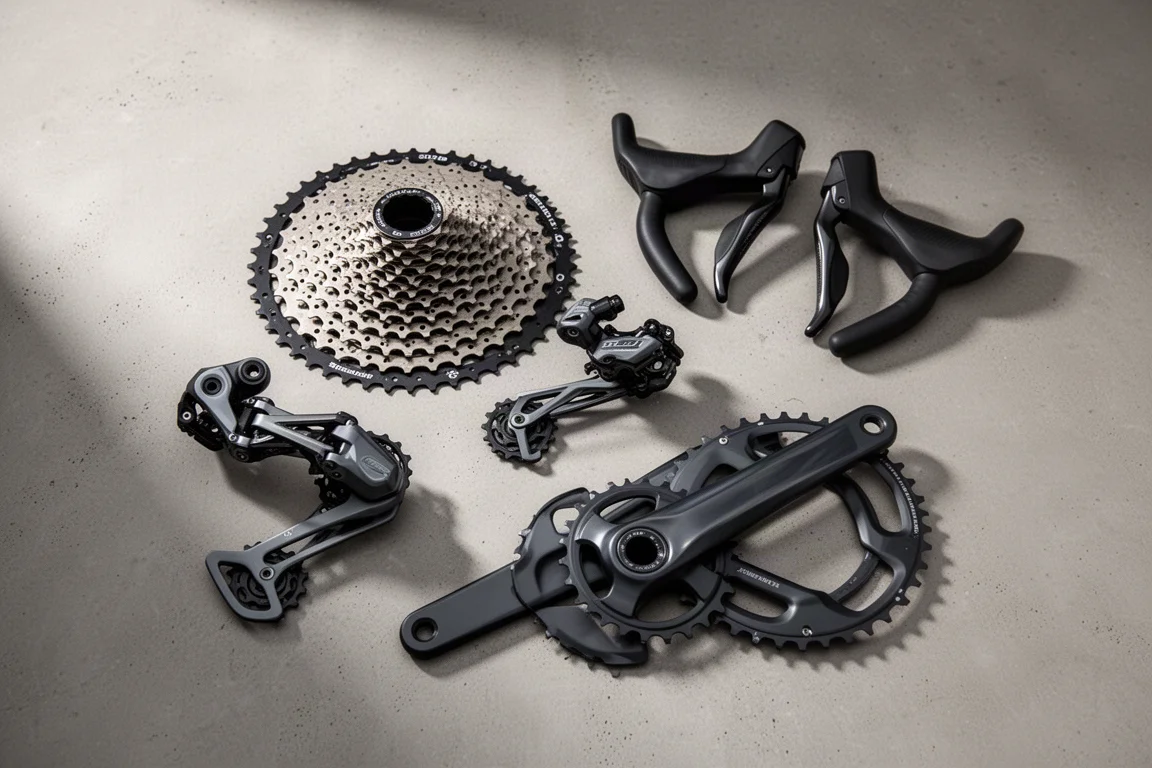
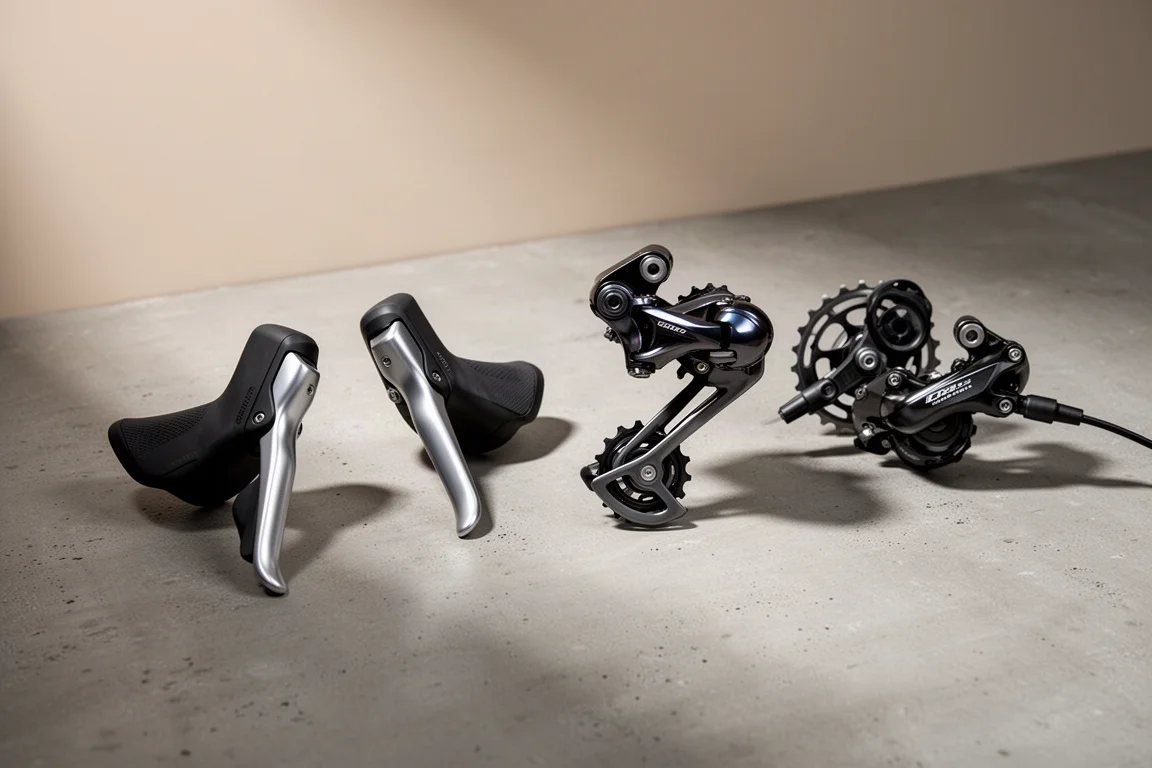
The Empire Pro 2x12 hydraulic groupset is a prototype rather than a finished retail product, so it arrives without retail packaging or printed instructions. What it represents is more interesting than what it looks like: a hydraulic road groupset from a manufacturer that has previously built mechanical groupsets.
Several details are worth noting. It uses the same bleed system as Shimano, which means a Shimano bleed kit works and many service procedures will feel familiar. The shifters are large and comfortable in the hand, though the silver finish is a matter of taste.
Shifting follows a double-tap pattern similar to SRAM, with one longer click for an upshift and a shorter click for a downshift. The upshift lever travel is long, and riders with smaller hands may find the reach to the end of that throw uncomfortable. The rear derailleur has a plasticky appearance but feels solid in the hand. Long-term durability, particularly in wet weather, is the open question, and that is exactly what a longer test period will answer. The same hardware is expected to reach the European market under a different brand name.
Redshift Dual-Position Seatpost: Two Positions, One Post
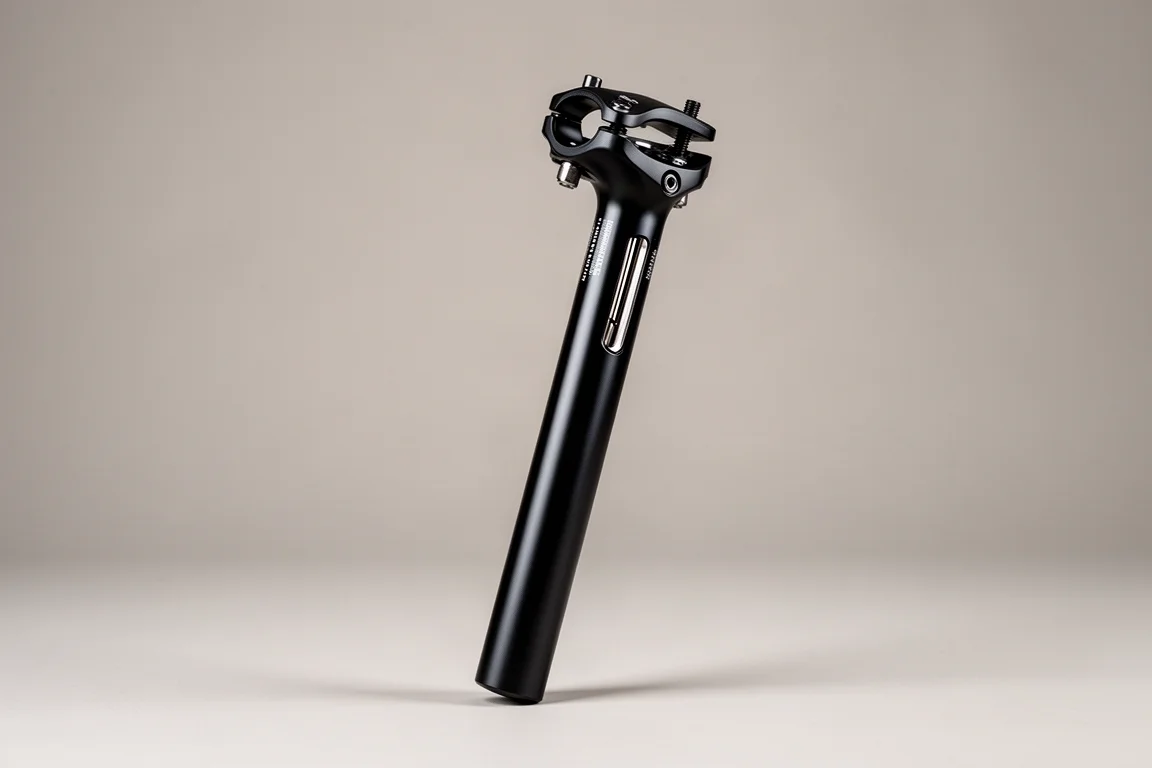
This seatpost has a genuinely unusual party trick: two saddle positions, one for a normal road posture and one that shifts the saddle forward for a more aerodynamic position. It fits the common 27.2 mm seat tube diameter, and there is no lever or bolt to loosen. A firm forward push on the saddle moves it into the forward position, and the change can be made while riding.
The forward position raises the saddle slightly while moving it significantly forward, which largely offsets the height change. Measured from the nose of the saddle to the shifter, the two positions came out at 71 cm and 69 cm. Saddle installation is straightforward, with the saddle slotting in without much effort.
This is a product aimed at a specific rider: ultra-distance cyclists, tourists, and anyone pairing a road bike with clip-on aerobars for long days rather than short efforts. If that is not you, the second position will rarely be used.
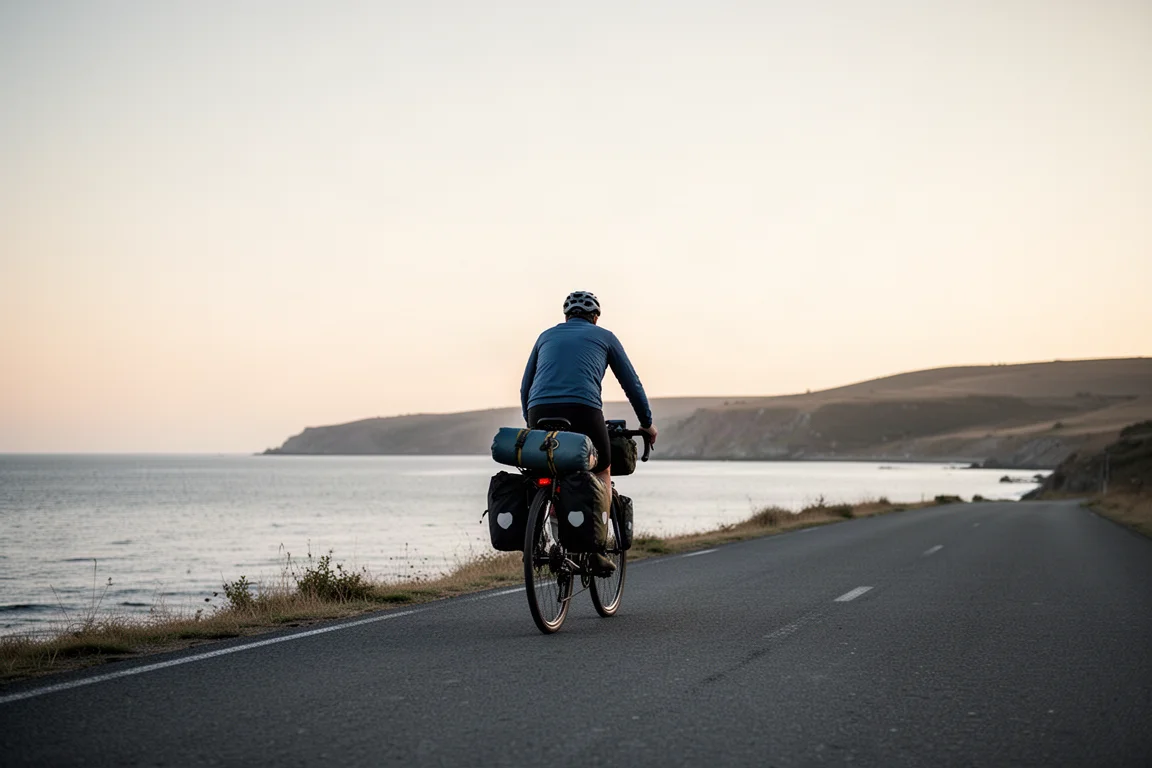
What makes it worth a closer look is the pairing. A forward saddle position plus clip-on bars creates a temporary time-trial posture on a bike that still rides normally the rest of the time.
Redshift Quick-Release Aerobars: Clip-On Versatility
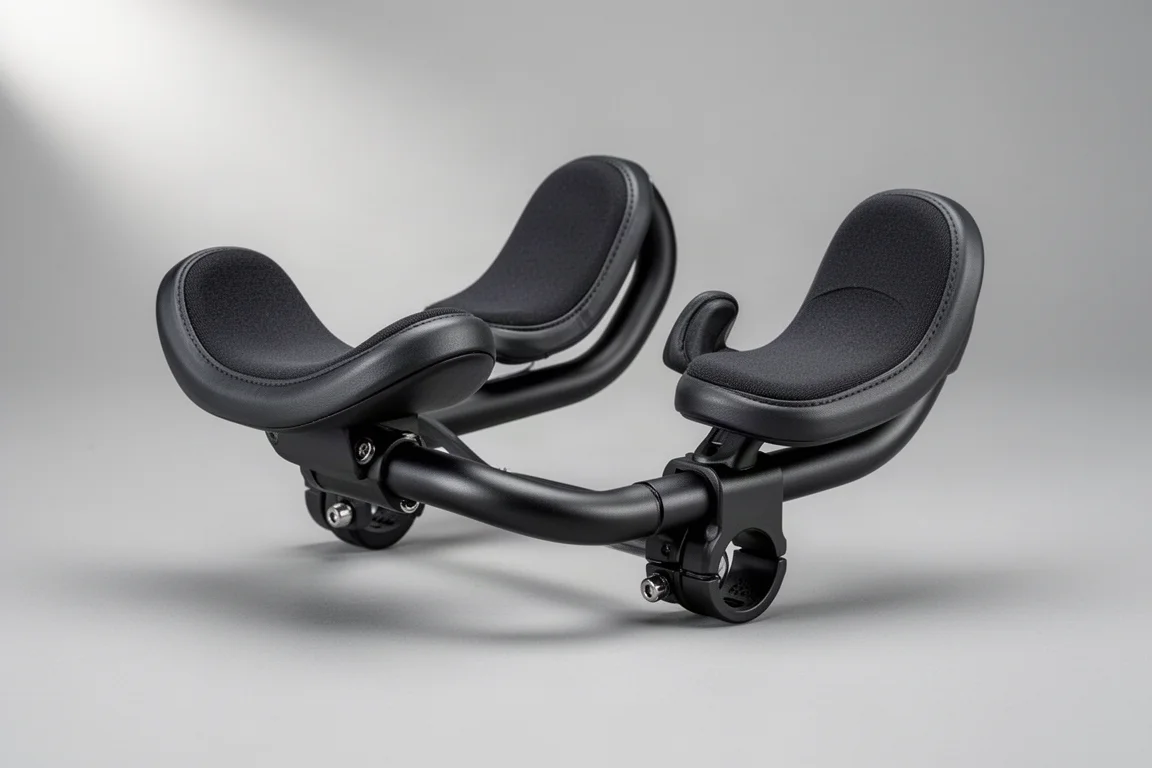
Clip-on aerobars have a long history with triathletes who raced on road bikes, and the quick-release design brings that idea to riders who want the bars for some rides and not others. They mount on the handlebar and come off quickly, which matters if you do not want a permanent aero position on your everyday bike.
The appeal is versatility more than pure speed. Long-distance and adventure riders use clip-on bars to add another hand position and relieve pressure on the usual contact points, and the aero benefit is a bonus rather than the main event. Combined with a forward-shifting seatpost, they create a usable time-trial position without a dedicated bike.
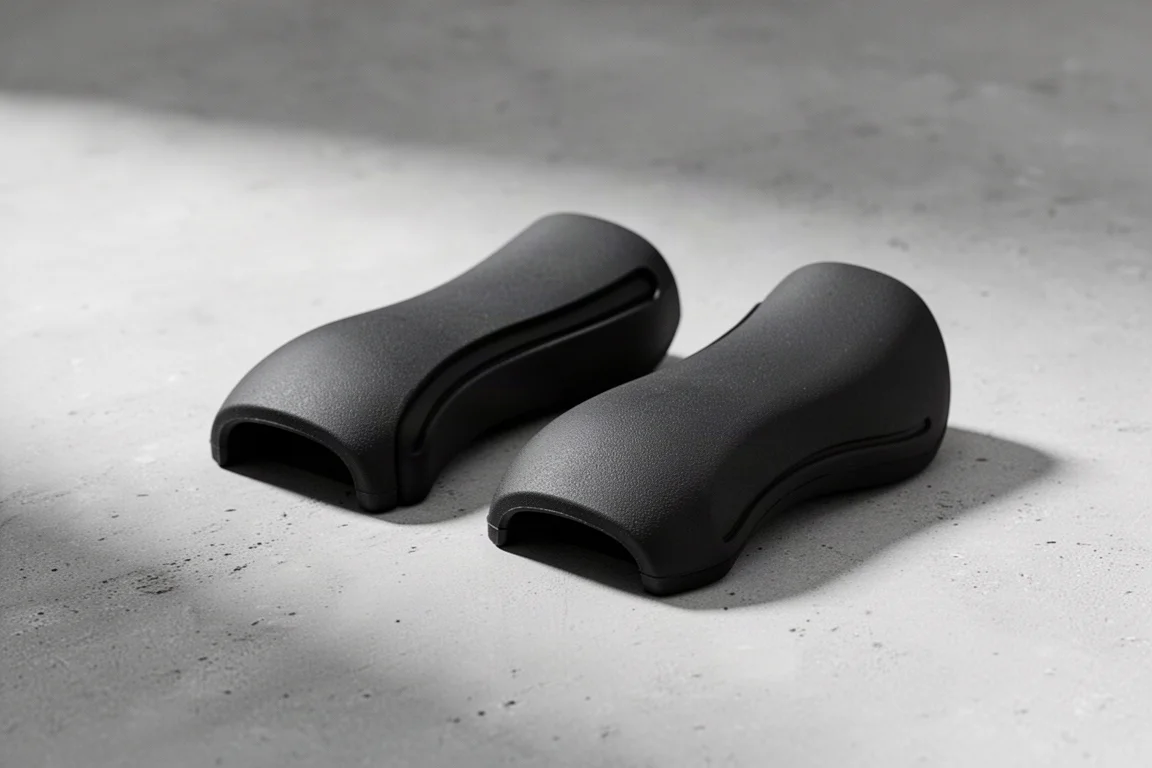
Redshift Drop Bar Grips: Comfort for the Drops
Drop bar grips are a simple idea: padding for the lower part of the handlebar, where many riders spend very little time because it is uncomfortable. Adding grip material there makes the drops usable for longer stretches instead of a position you visit briefly on descents.
For riders who want more hand positions on a long ride without changing the bar, this is a low-commitment way to open up one that already exists.
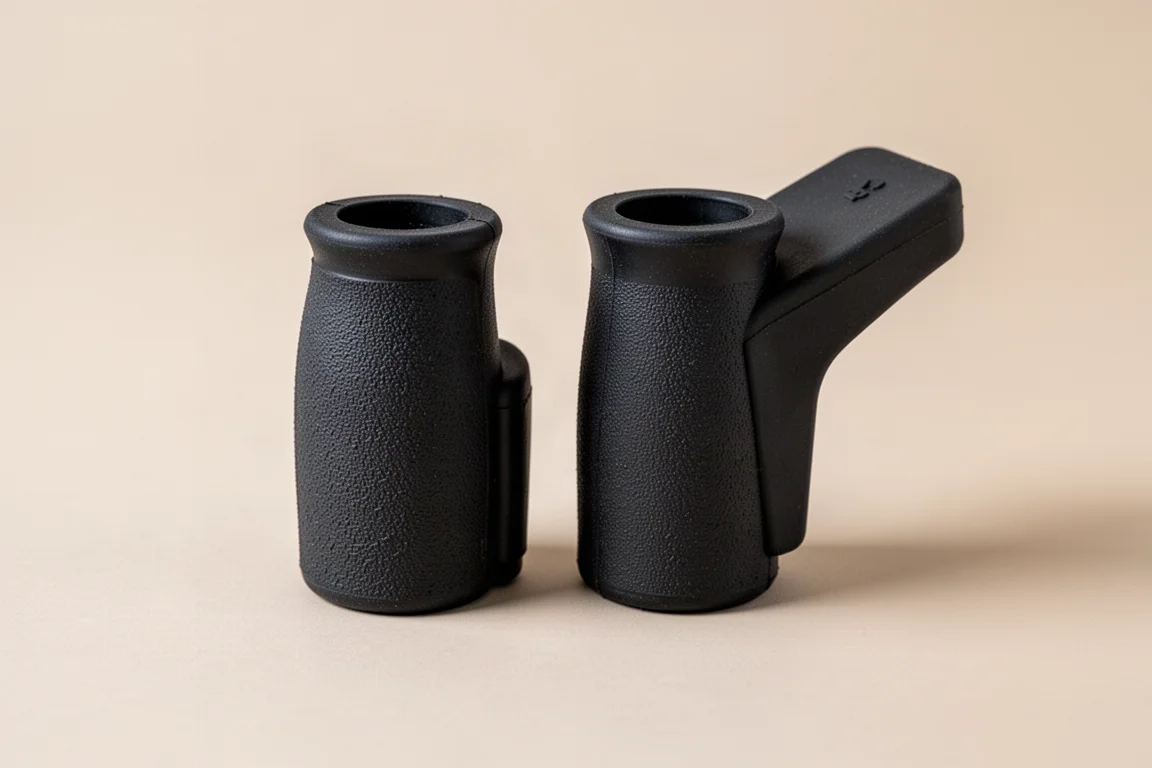
Redshift Cruise Control Top Grips: A Shorter Reach on the Tops
These grips mount behind the tops of a drop handlebar and extend rearward. The effect is twofold: they shorten the effective reach to the bar, and they give the hands a wider, more supportive surface when you are sitting up on the tops.
They look strange on the bike, and the shape invites skepticism until you actually rest a hand on one. The rearward extension is what makes them work, since it puts the wrist at a more natural angle than a plain round bar. Riders who spend long hours cruising on the tops will notice the difference, while riders who live in the drops probably will not.
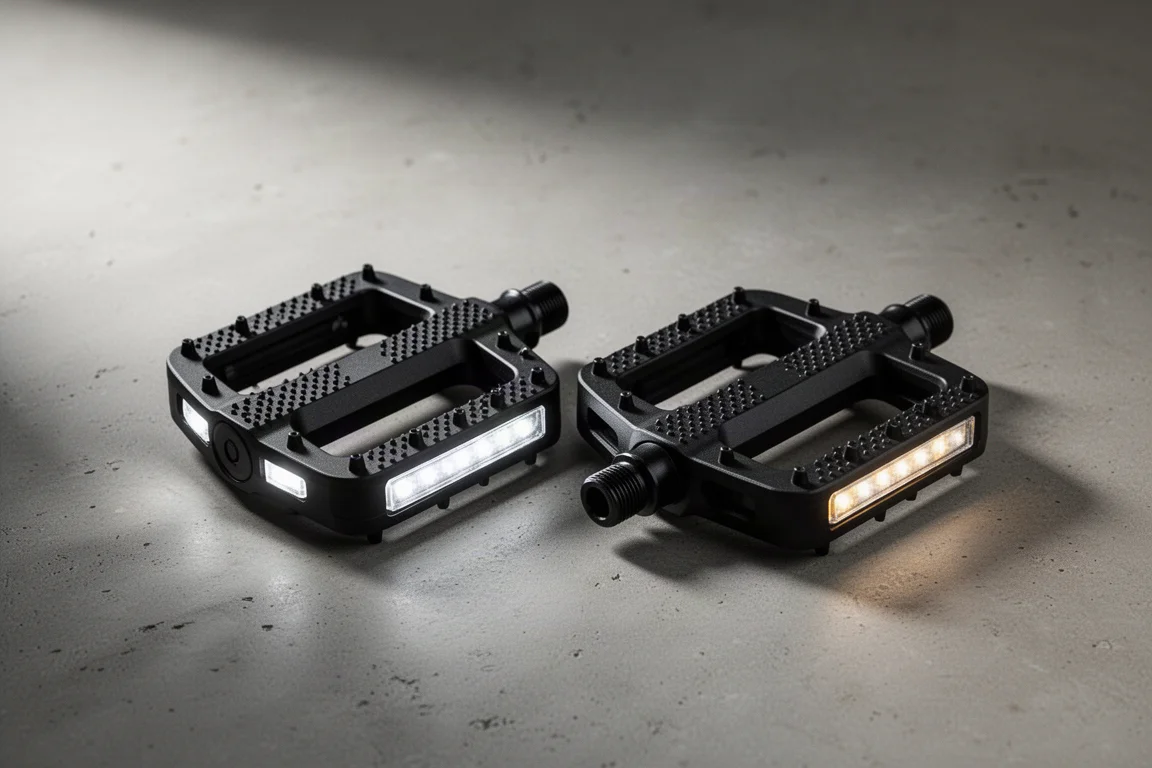
Redshift LED Flat Pedals: Visibility That Moves
These are flat pedals with high-output LEDs built into the pedal body. The point is not just brightness but motion: a light that moves with the pedals is far more noticeable to drivers than a static light, particularly in low light and at junctions.
The engineering is impressive, and so is the weight. At 308 grams they are heavy, and they are not an inexpensive set of flat pedals. The case for them is strongest for commuters and year-round riders who want to be seen without adding more clutter to the handlebar. A set like this would be a natural fit on the commuter bikes that most people actually start with.

If your riding happens mostly in daylight on quiet roads, the extra weight and cost are harder to justify. If you ride home after dark in traffic, visibility that moves with your legs is a meaningful upgrade.
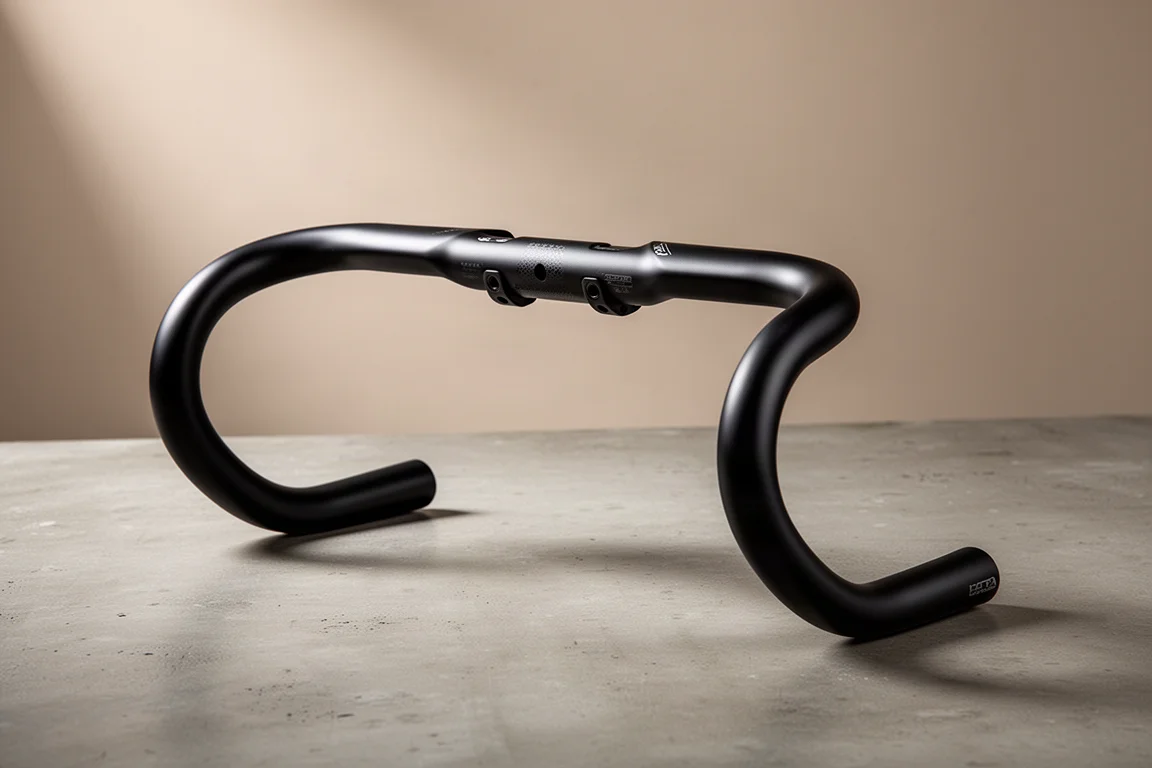
Redshift Kitchen Sink Handlebar: Flared and Bag-Friendly
The Kitchen Sink is a strongly flared drop bar, and this 44 cm version is the narrowest the brand makes. That sounds wide until you look at where the shifters sit: because of the flare, the hoods end up noticeably narrower than the nominal width, closer to 38 to 40 cm, which is a normal road position for many riders.
The extra width lives at the front of the bar, where there is a section you can hold or use to mount a bar bag. That is the practical argument for a flared bar. It opens up space for luggage and gives you a stable place to put your hands on rough surfaces, while the position at the shifters stays familiar.
Overall Buying Advice
Start with the problem, not the product. If climbs are the issue and your current drivetrain runs out of gears, a wide-range 1x groupset addresses that directly, but check your freehub standard first, because a 10-tooth sprocket requires Micro Spline and that usually means a new freehub or new wheels.
If comfort is the issue, the cockpit parts are the lowest-risk purchases here. Grips for the drops, grips for the tops, and a flared bar all change how the bike feels without altering how it works, and they can be removed or swapped if they do not suit you.
If visibility is the issue, moving lights are the most persuasive argument in this roundup. The LED pedals carry a weight and cost penalty, but they put the light where drivers are already looking.
The hydraulic prototype groupset is the one item to treat with patience. The design choices are sensible, the Shimano-compatible bleed system is a practical plus, and the lever throw is worth testing in person if you have smaller hands. Durability over a full season is the detail that will decide whether it becomes a genuine alternative to the established options.
Conclusion
Nothing here is a universal recommendation. A wide-range groupset only makes sense if your terrain demands it, the cockpit accessories only pay off over long hours in the saddle, and the LED pedals only earn their weight if you ride in traffic after dark. Match the product to the problem and each of these becomes a straightforward decision rather than a gamble.
Further reading
Related Reviews
Cycling Gear
8 Cycling Products Riders Keep Coming Back To
Eight cycling components and accessories with clear strengths, honest trade-offs and long-standing reputations among riders and mechanics.
Cycling Gear
Aero Helmets and Bottle Setups Tested: Six Options Ranked by Measured Watt Savings
Wind tunnel data on six aero helmets and bottle setups, with real watt savings, practical trade-offs, and guidance on what is worth buying first.
Cycling Gear
Aero Road Bikes and Fast Tires Worth Watching in 2026
Four aero road bikes and one fast road tire, with the real strengths, the open questions, and what to check before you buy.