Cycling Gear
Cycling Tech That Missed the Mark: Seven Products Worth a Closer Look
A practical look at seven cycling products where premium pricing, deep integration, or added complexity did not deliver the value riders expected.
Introduction
The last decade has delivered genuinely faster, more comfortable, and more efficient bikes, and most of the time brands get the balance right. Occasionally, though, a piece of technology or a design decision lands in a place that leaves riders paying more for less. The seven products below are useful case studies. Some are excellent in their own right, while others show how premium pricing, deep integration, or added complexity can create real ownership friction.
What Separates a Real Upgrade From a Misstep
The law of diminishing returns applies across framesets, shoes, groupsets, finishing kit, and complete bikes. The performance gap between mid-tier and top-tier is often marginal, even when the price difference is substantial. That does not make high-end equipment bad. It means the value of an upgrade depends on what you actually get back: lower weight, better power accuracy, easier maintenance, or simply a finish you enjoy living with.
Three questions help when judging any premium component. How much weight or performance does the extra money actually buy? Can the part be serviced and replaced at a reasonable cost? And does the design create dependencies that lock you into a single supplier?
Those questions matter most for parts that wear out. A crankset, chainring, or brake assembly that cannot be refreshed cheaply turns a one-time purchase into a long-term commitment, and that is exactly where several of these products become interesting.
SRAM Red AXS: Integrated Chainrings and the Cost of Replacement
SRAM Red AXS is an impressive piece of engineering, and at the top of the road market it holds its own against the strongest competition. The caveat sits in the crank-based power meter. Chainrings are directly connected to the power meter, so replacing worn or differently sized chainrings means buying a new power meter as well. That is a clear departure from most crank-based power meters, where a chainring swap is a simple job that takes around 15 minutes and can be done with a wide range of aftermarket chainrings at different price points.
SRAM has worked to soften the blow. The company claims its Red chainrings last 50% longer than other chainrings, and it offers 50% off the price of a new unit. Even with that discount, the cost remains significant. SRAM’s rationale is that directly attaching the chainrings delivers the best possible power accuracy and the lowest weight, which will genuinely matter to some riders.
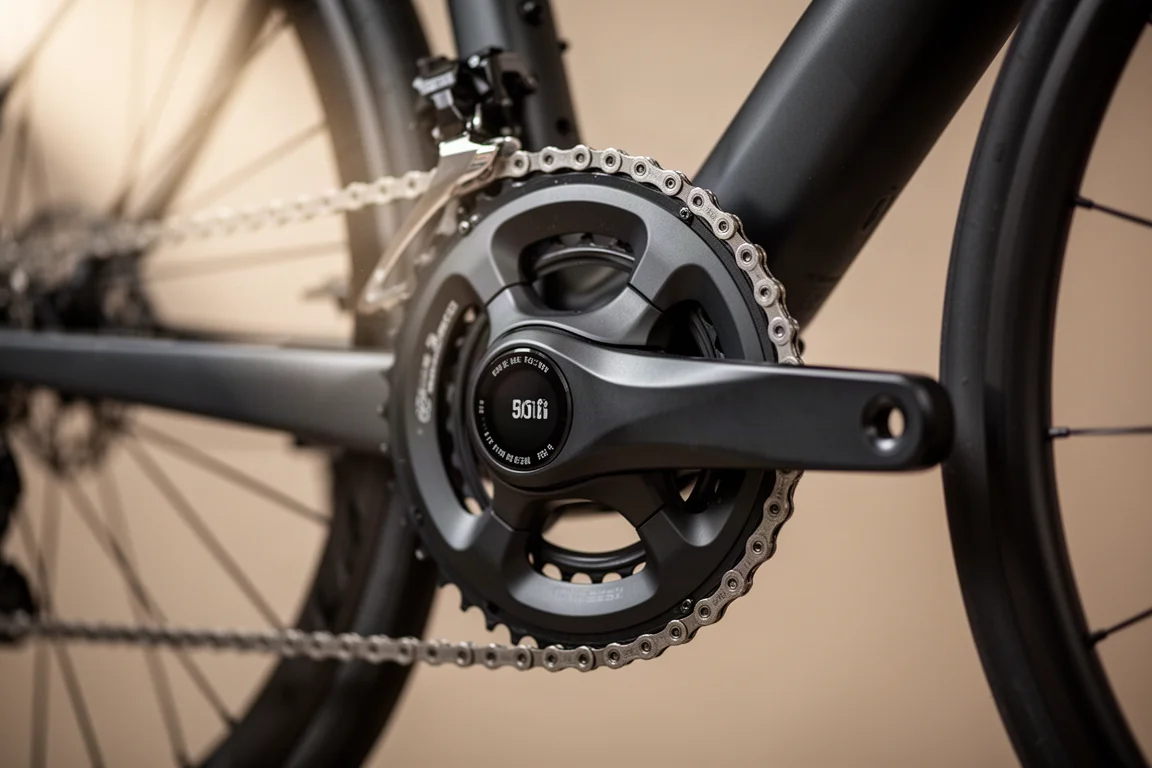
For a large share of riders, though, the standard setup remains more appealing: quick, affordable chainring replacement with aftermarket options at multiple price levels. It is a good example of a design trade-off where the engineering goal and the ownership experience pull in different directions.
Shimano Dura-Ace: Fine Margins at the Top
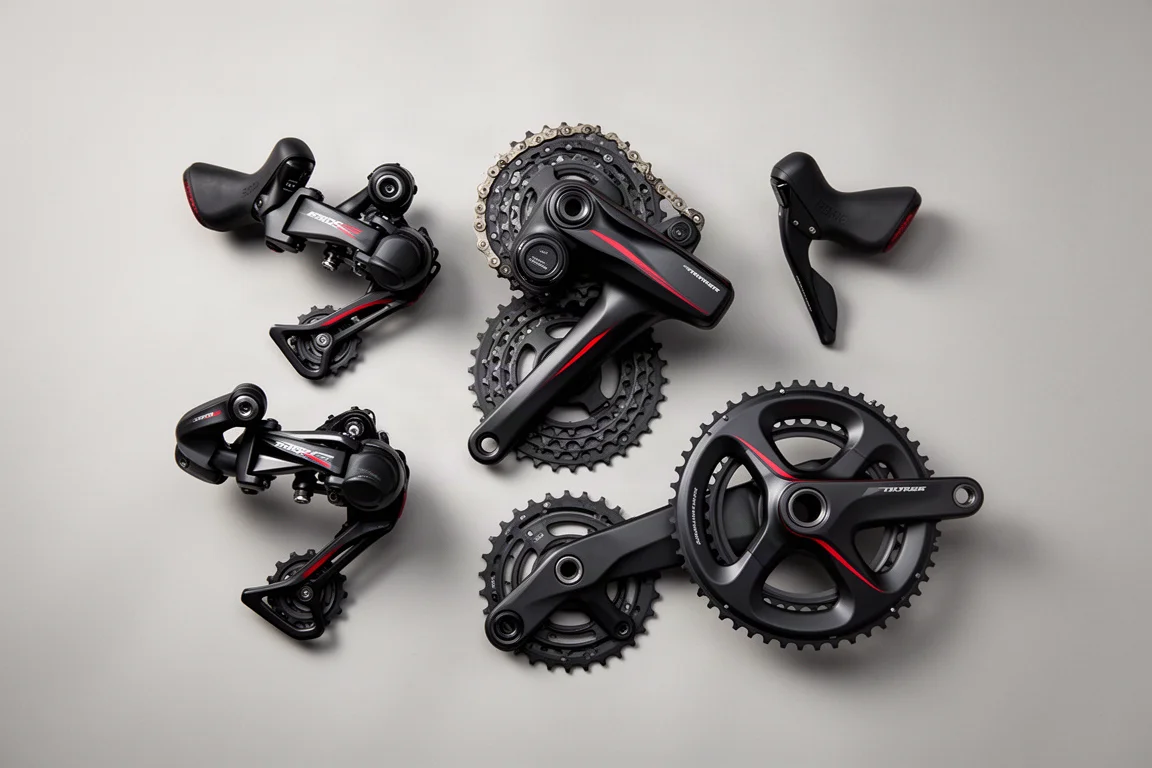
Shimano Dura-Ace remains the benchmark flagship road groupset, and a direct comparison with SRAM Red AXS comes down to fine margins. That is simply where top-tier road groupsets are now. Both are fast, refined, and expensive, and the differences are small enough that either one can be the better choice depending on personal preference.
The value question gets hardest precisely at this level. When two flagship groupsets are separated by details rather than obvious performance gaps, the deciding factors tend to be serviceability, the cost of replacement parts, and the specific features a rider actually uses.
Giant Contact SLR OD2 Stem: Carbon at a Price
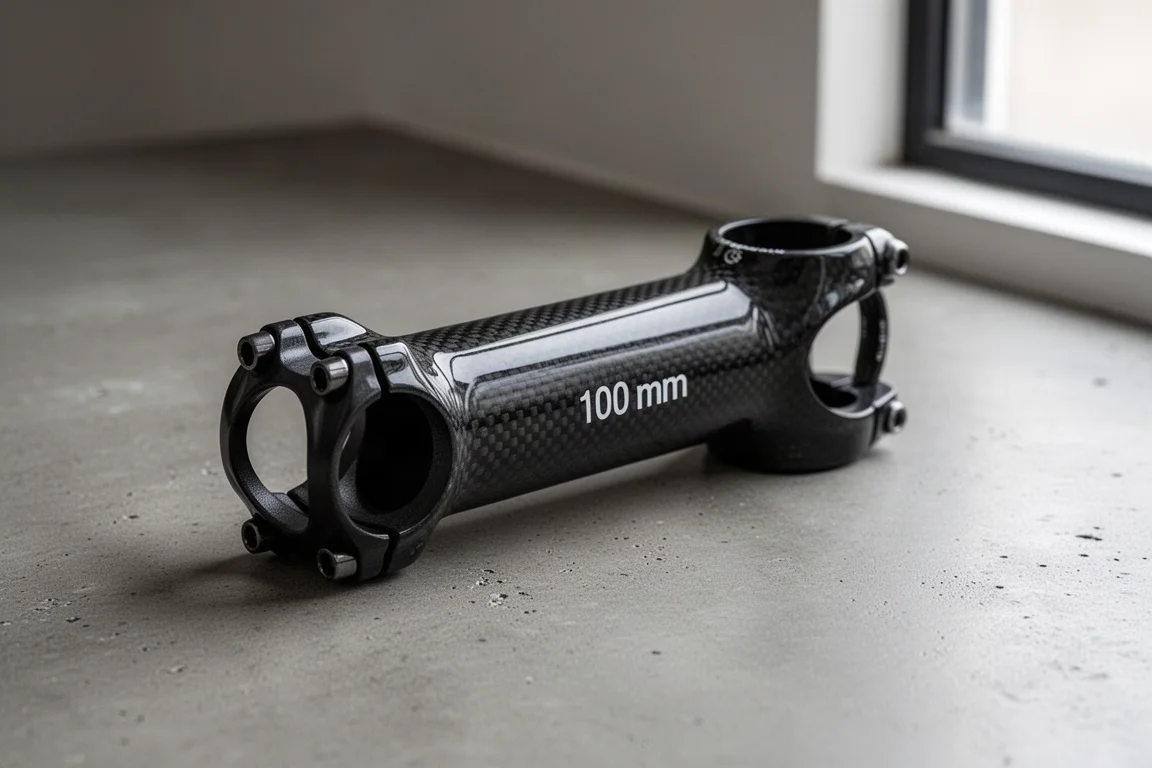
The Giant Contact SLR OD2 sits at the top of the brand’s carbon stem range. It is built from carbon fiber, it is extremely stiff, and it is priced accordingly at around £230. The claimed weight for a 100 mm version is 128 g.
Low weight and high stiffness are exactly what carbon finishing kit is sold on, and for riders chasing the last few grams on a build, this stem delivers what the marketing promises. The important question is what the alternative costs.
Giant Contact SL OD2 Stem: 18 Grams Behind
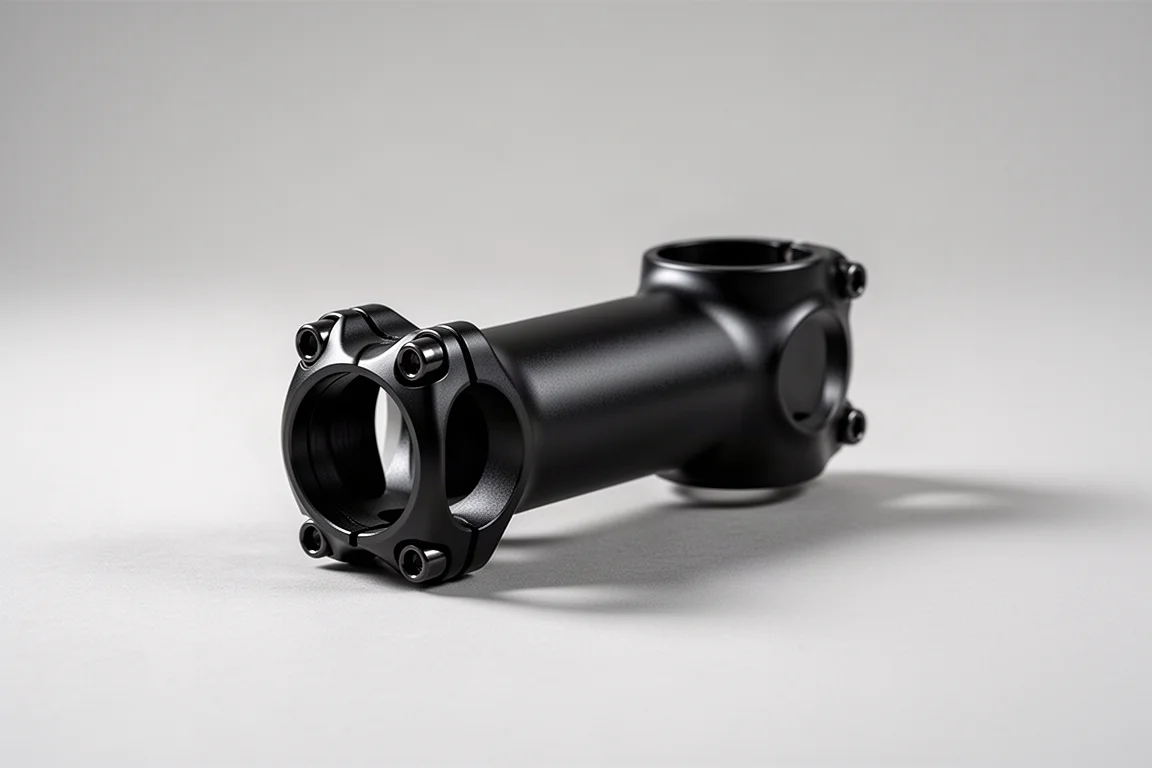
The aluminium Giant Contact SL OD2 tells a very different story. It can be found online for just over £42, and it weighs only 18 g more than the carbon version. For a fraction of the price, the aluminium stem delivers almost all of the performance, and for most riders the stiffness differences are likely to be minimal at best.
If there is a single lesson in finishing kit, it is this one. Before buying an expensive carbon component, check what the aluminium equivalent weighs. The gap is sometimes far smaller than the price difference suggests, and that calculation is where the smart money usually lands.
Specialized Venge ViAS: Complex Internal Routing
The Specialized Venge ViAS rim brake model, released in 2015, was regarded as the pinnacle of aero rim brake technology, and it was undoubtedly a fast bike. It also illustrates how internal cable routing can go wrong from an ownership perspective. Proprietary brakes and fully internal gear and brake cable routing made it a difficult bike to work on, and getting replacement parts meant going through a Specialized-approved dealer.
Timing played a role here. The bike arrived as brands were deciding whether to commit fully to disc brakes, so the rim brake Venge ViAS looks like a product of necessity rather than desire. Internal routing has since improved considerably in terms of fit time and maintenance, and it is here to stay, but this generation shows what happens when integration outpaces serviceability.
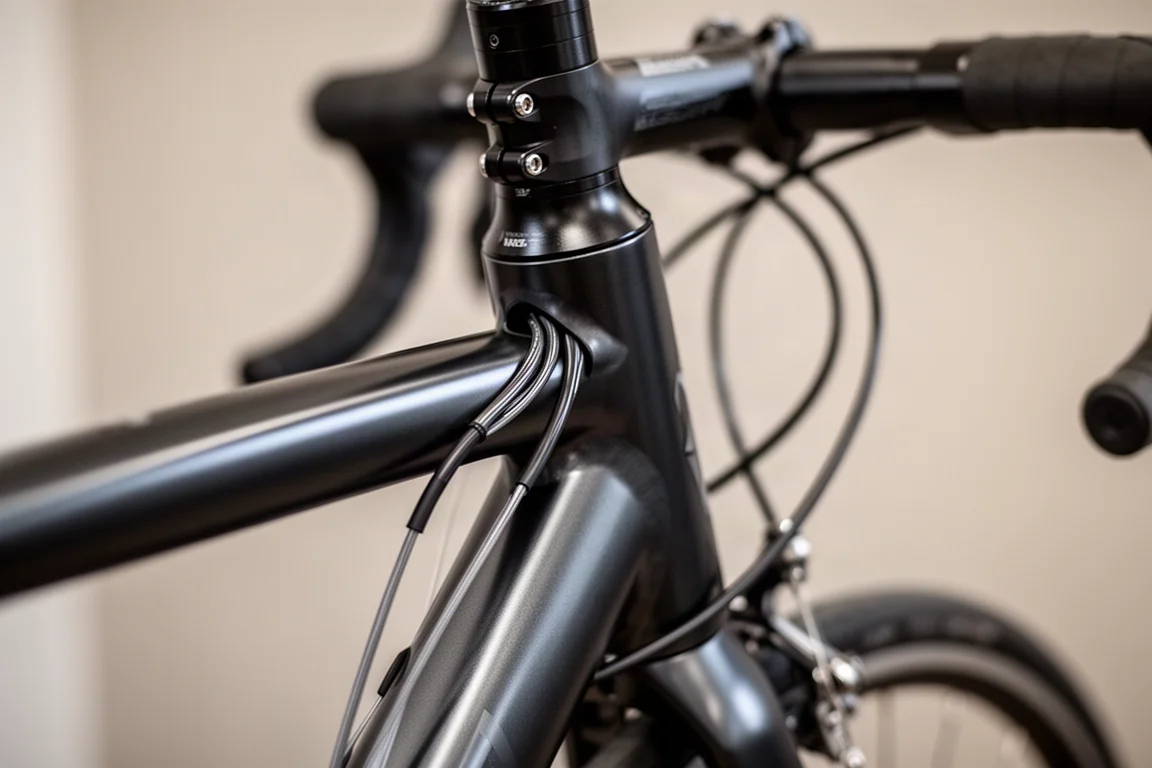
Riders today benefit from that lesson. Modern internal routing is far easier to live with, and the era of ultra-complicated proprietary setups is largely behind the industry.
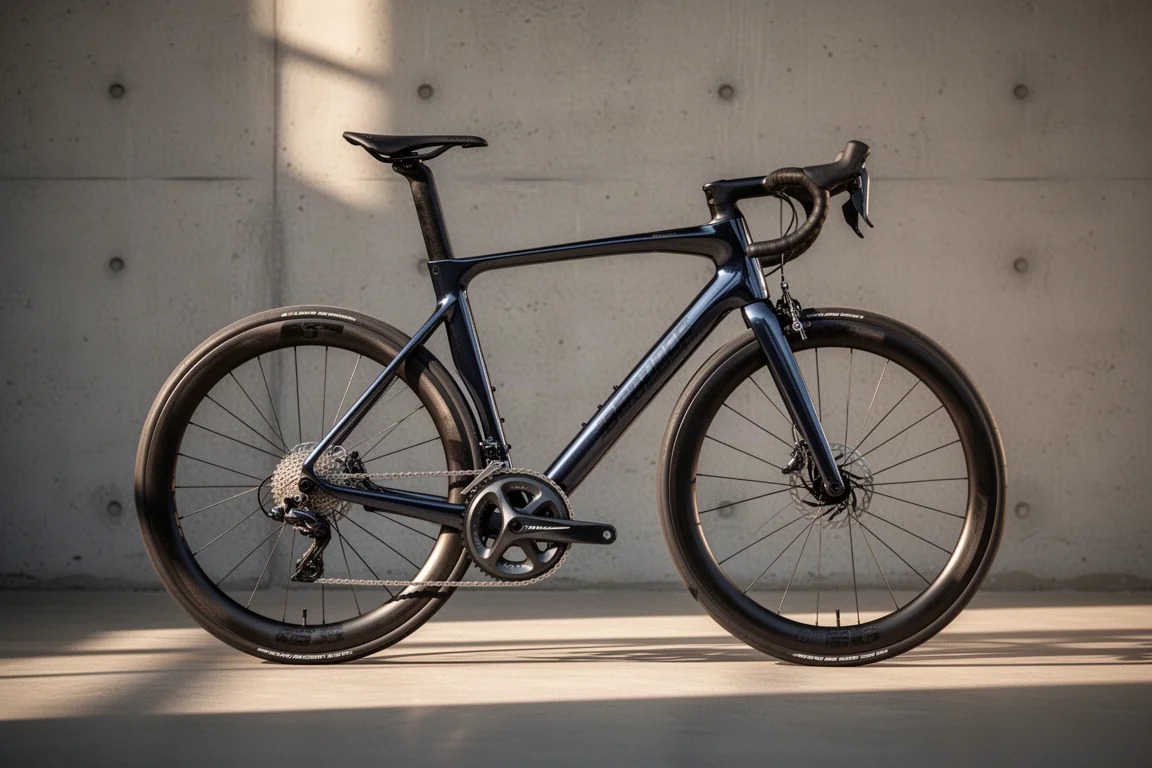
Shimano Ultegra R8100 Crankset: Mid-Tier Value
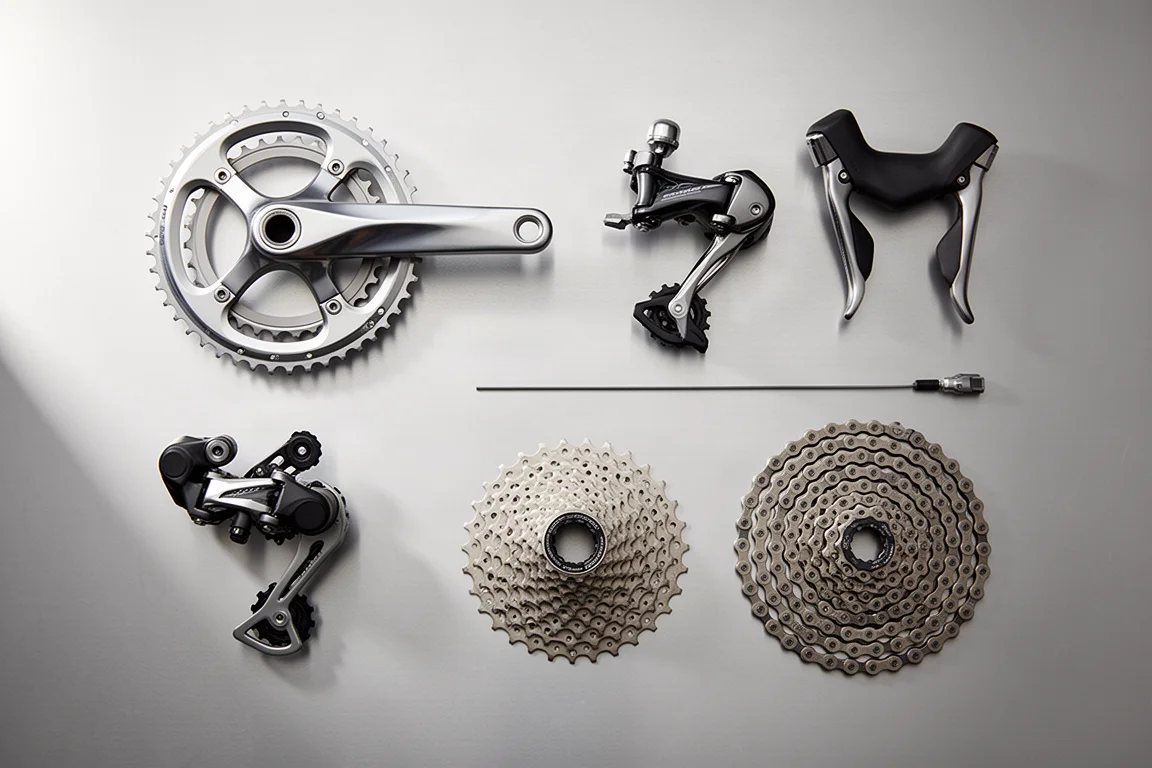
The Shimano Ultegra R8100 crankset is the mid-tier option in Shimano’s road range, and it can be found online from around £150 to £200. It delivers the same core function as the flagship crank at a much lower price.
For riders who want strong performance without paying flagship money, this is the sensible starting point. The weight penalty next to Dura-Ace is small, and the savings are anything but.
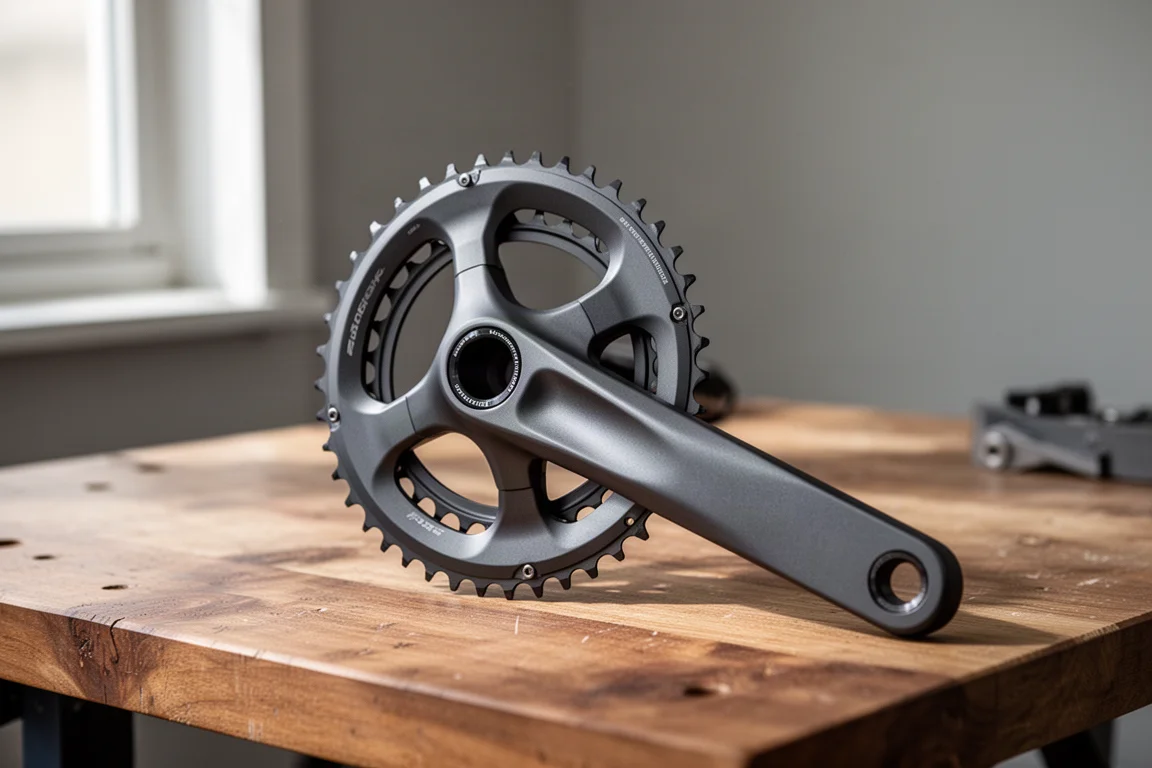
Shimano Dura-Ace R9200 Crankset: Premium Finish, Small Gap
The Shimano Dura-Ace R9200 crankset sits at the top of the range and can be found online from roughly £380 to £430. The weight difference compared with the Ultegra R8100 crankset is around 19 g, and that figure depends on crank length and chainring size.
Dura-Ace brings a more premium finish, and for riders who want the best, that matters. The numbers still make the value case clear: the price difference is substantial, the weight difference is not, and most riders would struggle to tell the two cranksets apart in a blind test.
Where the Extra Money Actually Goes
Across stems, cranksets, groupsets, and frames, the pattern repeats. Top-tier components are usually lighter, stiffer, or better finished, but the increments shrink as the price climbs. The money often buys refinement, small weight savings, and the satisfaction of owning the best version rather than a transformation in how the bike rides.
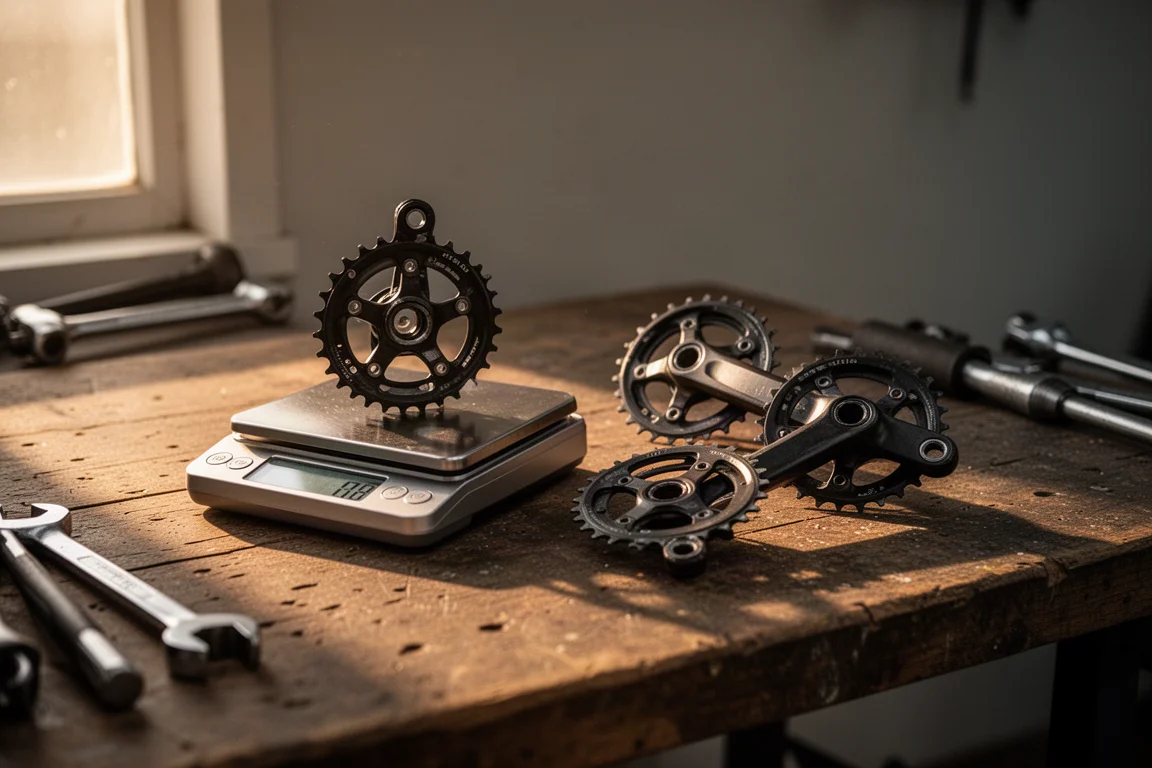
That is not an argument against premium equipment. It is an argument for being clear about what you are paying for. If the extra grams, the finish, or the flagship status are worth it to you, the purchase makes complete sense. If you are on the fence and trying to save money, the mid-tier option is often far closer in real-world performance than the price gap implies.
Conclusion
None of these products are bad. Several are genuinely excellent, and the flagship options at the top of the market exist for riders who want the best and are happy to pay for it. What the list shows is where the value calculation gets interesting: integrated chainrings that turn a wear item into an expensive replacement, a carbon stem that saves 18 g over a far cheaper aluminium version, a rim brake aero bike that was hard to live with, and two cranksets separated by around 19 g but hundreds of pounds.
The takeaway is straightforward. Decide what you actually want from a component, check what the next tier down offers, and buy the version that matches your priorities. If the premium part is the one that makes you happy with your bike, that is a perfectly good reason to choose it. If you are trying to save cash without losing much, the mid-tier option is usually much closer than the price tag suggests.
Further reading
Related Reviews
Cycling Gear
8 Cycling Products Riders Keep Coming Back To
Eight cycling components and accessories with clear strengths, honest trade-offs and long-standing reputations among riders and mechanics.
Cycling Gear
Aero Helmets and Bottle Setups Tested: Six Options Ranked by Measured Watt Savings
Wind tunnel data on six aero helmets and bottle setups, with real watt savings, practical trade-offs, and guidance on what is worth buying first.
Cycling Gear
Aero Road Bikes and Fast Tires Worth Watching in 2026
Four aero road bikes and one fast road tire, with the real strengths, the open questions, and what to check before you buy.