Cycling Gear
Cycling Tech Roundup: Smart Bikes, Disc Wheels, Tires and Wax
A practical look at a new flagship smart bike, the widest disc wheel yet, two fast road tires, a premium wax lubricant and an aluminium road bike worth the money.
Introduction
Some product releases are incremental. The ones gathered here are not, or at least not all of them. A flagship indoor smart bike has moved upmarket to sit level with its closest competitor, a disc wheel has been rebuilt around a wider tire, a wax lubricant has arrived at a price that will make most riders stop and think, and an aluminium road bike has landed at a price that is genuinely hard to argue with.
Each entry below covers what changed, what it means in practice, and where the compromises sit. Nothing here is a blind recommendation. Where a product is expensive, the cost is stated plainly. Where a claim is still unproven, it is flagged as such.
What We Looked For
Three things mattered most. First, whether a product solves a real problem rather than a marketing one: a wheel that only works with tires nobody makes is not much use, and a lubricant that saves half a watt at several times the price needs a clear justification. Second, whether the specification is honest and measurable, such as power accuracy figures, tire clearance, or claimed service intervals. Third, whether the ownership experience holds up, which includes serviceability, adjustability, and how easy the product is to live with over several seasons.
Price position matters as much as specification. Several items here sit at the top of their category, and the value question is answered directly rather than avoided.
Tacx NEO Bike Plus: More Adjustability, Higher Price
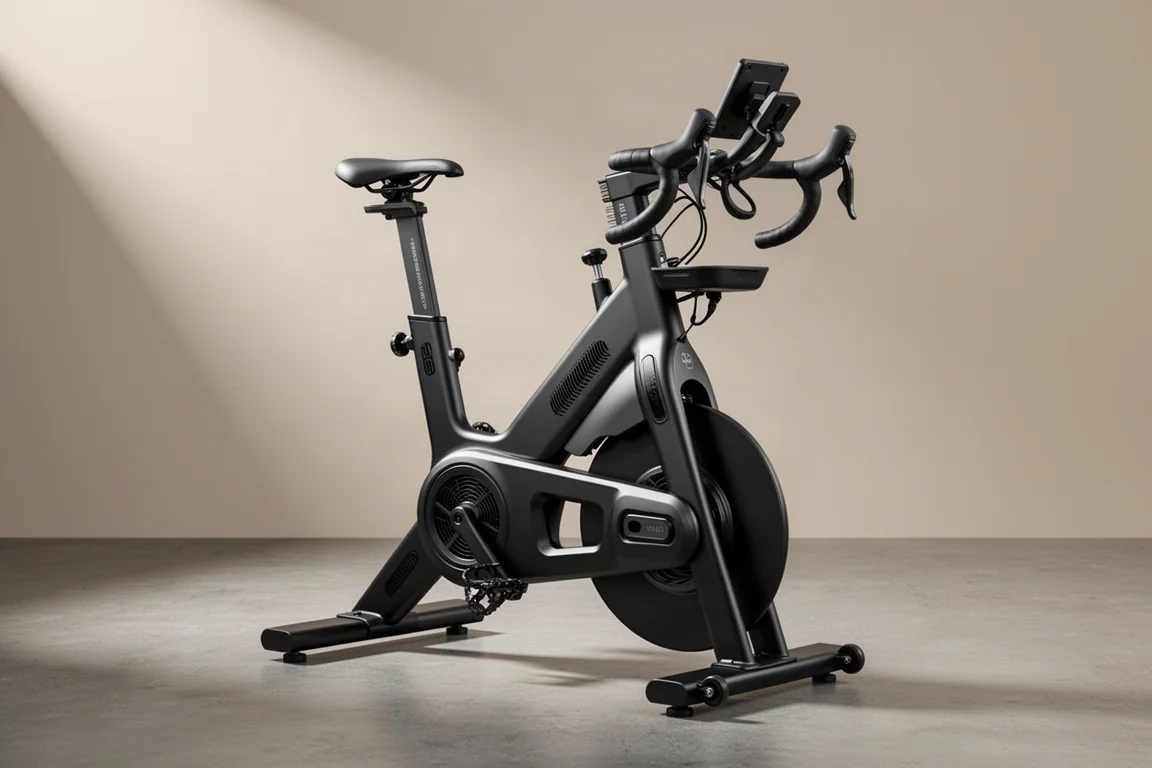
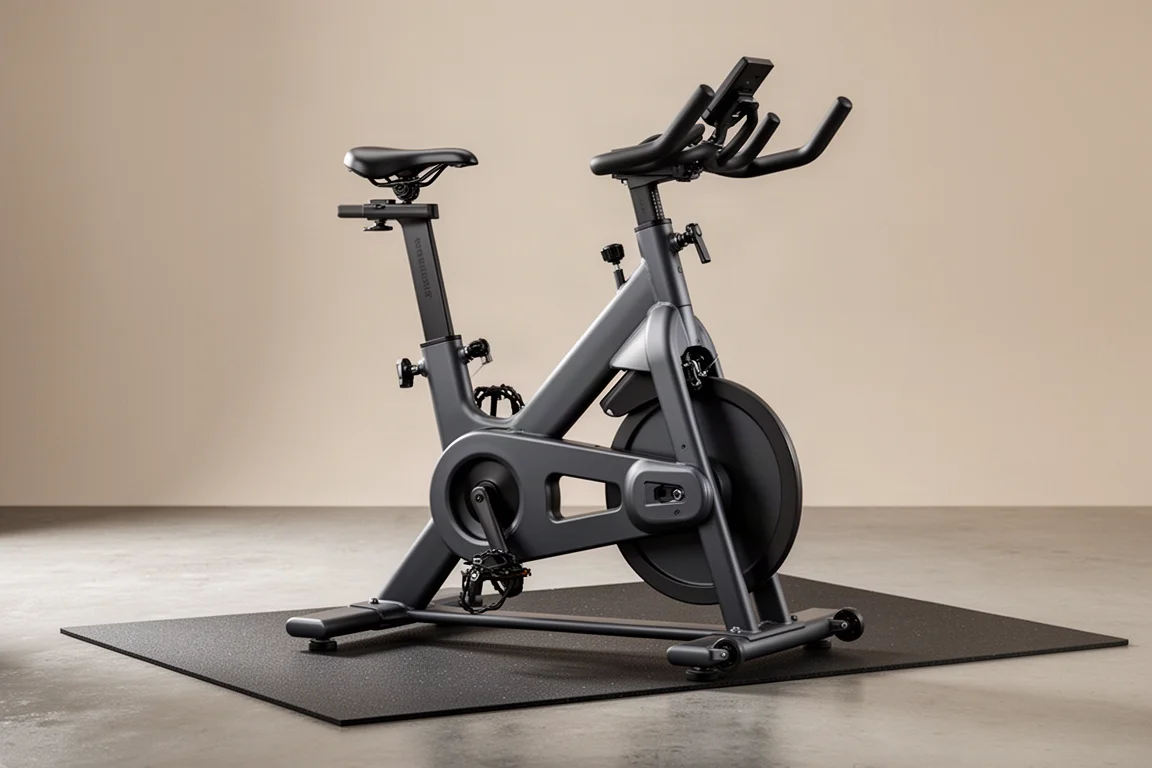
The NEO Bike Plus is the newest flagship indoor smart bike, and the headline change is the price, which has risen to sit level with the Wahoo KICKR Bike. The specification changes are narrower than that jump suggests, but a few of them matter.
Crank length options have expanded to five, now reaching down to 165mm where the previous version stopped at 170mm. The seat post is slimmer and offers finer adjustment, which should help riders who found the older chunky post intrusive. Head tube adjustments are finer too, so small fit changes are easier to dial in. The shifters can be programmed to mimic the shifting behaviour of different groupset brands.
On the numbers, power accuracy is quoted at plus or minus one percent, simulated inclines reach 25 percent, and maximum resistance is 2,200 watts. Built-in fans are included but are not especially powerful, and the small tray is a genuinely useful touch. There is no top tube, which suits riders whose knees track inwards.
Wahoo KICKR Bike: Connectivity and a Tilting Ride
The KICKR Bike was updated recently and has risen in price by a couple of hundred, which is part of why the two flagship smart bikes now sit in the same bracket.
Its advantages over the NEO Bike Plus are practical rather than dramatic. Wi-Fi connectivity and a direct connect feature let the bike link to a computer without the usual wireless workarounds. A tilt system changes the ride feel on gradients, and an ERG easy ramp mode makes it simpler to settle into a session. Power accuracy is also quoted at plus or minus one percent, inclines reach 20 percent, and maximum resistance is 2,500 watts, which is 300 watts more than the Tacx.
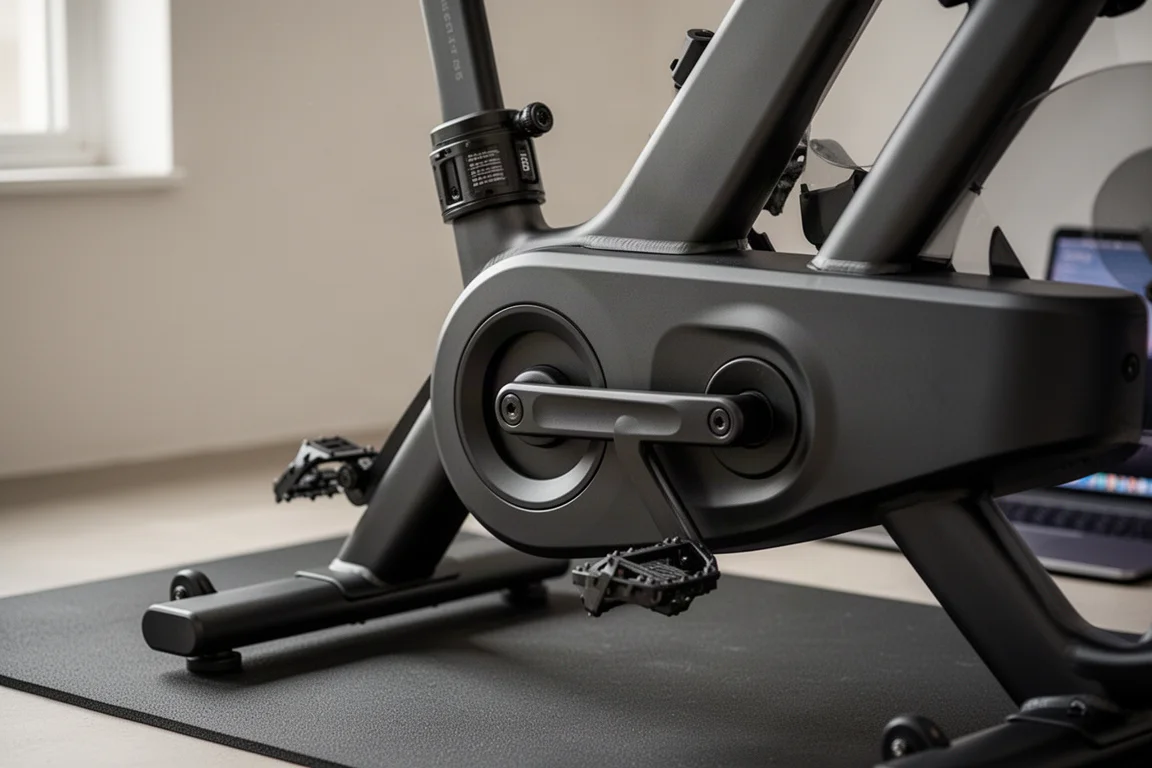
The trade-off is ergonomic. The frame has a boxy top tube that some riders catch with their knees, which is the kind of detail that only shows up once you are actually pedalling.
For riders who track their knees inwards, that top tube is worth checking before committing, because no amount of connectivity makes up for a position you cannot hold comfortably.
Cannondale CAAD Optimo 1: Aluminium Value Done Well
The CAAD Optimo 1 retails at £1,300 in the UK and is frequently discounted to under £1,000, which is where it starts to look like a genuinely smart buy.
The frame is high quality aluminium, the build is tidy, and the shifting comes from Shimano 105. Weight lands just over nine kilograms, which is impressive for a bike at this price and compares well with far more expensive machines running electronic gears and hydraulic brakes.
There are compromises. The brake calipers are standard Tektro dual pivot units rather than 105, and the FSA Gossamer chainset gives away a little shifting precision. The wheels would be the first upgrade most riders would make. What lifts the bike is its versatility: hidden mudguard and rack mounts suit commuting and long days out, the internal cable routing through the down tube protects the cables and makes re-cabling straightforward, and the geometry is more aggressive than a Specialized Allez, so it can be raced on a crit course with a set of deep section carbon wheels.

Garmin Varia RCT715: Radar and Camera Together
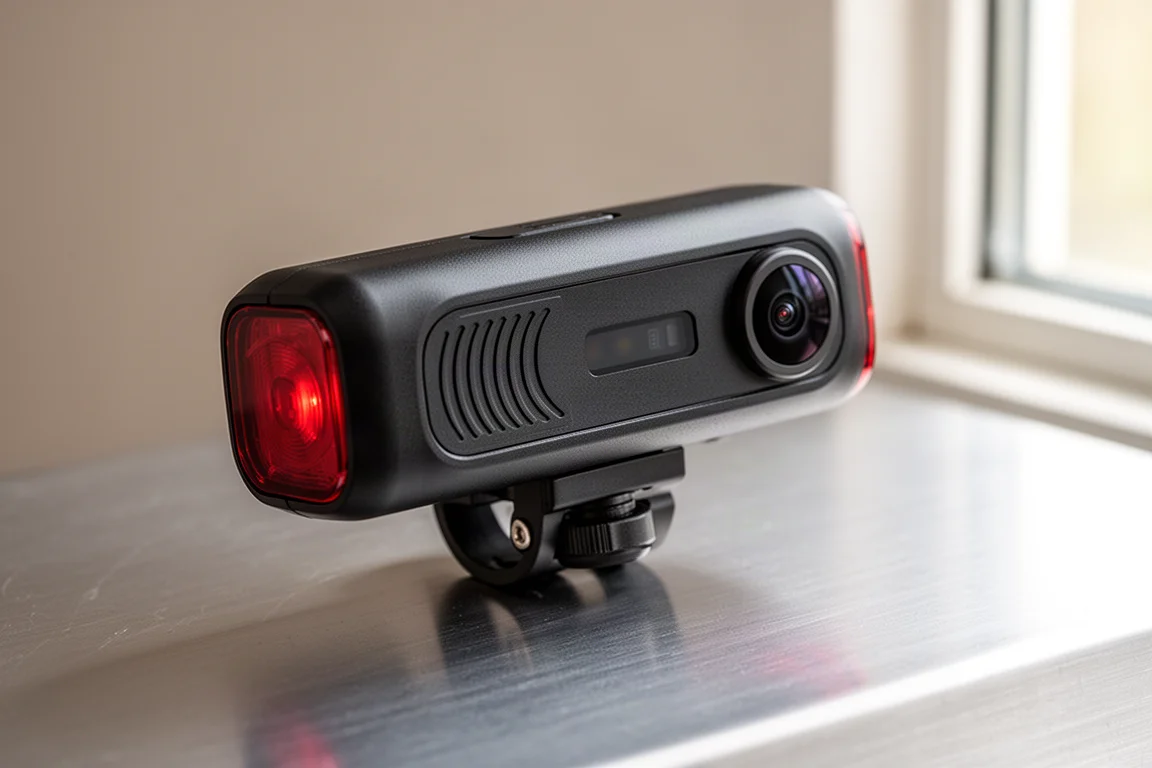
The Varia RCT715 pairs a rear radar with a camera, which makes it one of the few accessories that addresses both awareness and evidence in a single unit.
The camera records at 1080p and 30 frames per second, enough to capture close passes and number plates. It is rated to survive being submerged up to one metre for 30 minutes, so rain is not a concern. Automatic incident capture keeps recording before, during and after an incident, so the moments that matter are not lost. Footage can be retrieved through the companion apps and transferred to a computer.
The radar side warns of road users approaching from behind, which is the feature that makes the unit useful on every ride rather than only after something goes wrong.
Parcours Disc 2: The Widest Disc Wheel Yet
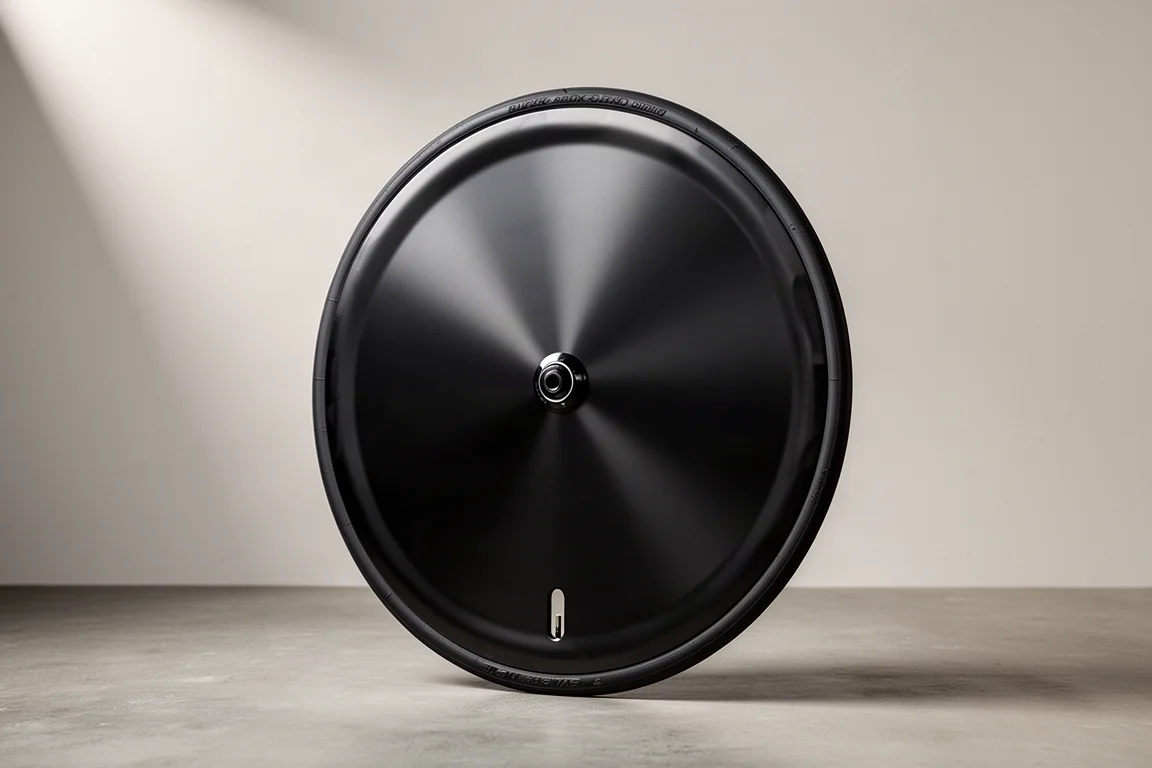
The Disc 2 is the widest disc wheel yet made, optimised around a 28mm tire. Its internal rim width is 22.5mm, which lets the tire sit flush with the surface of the disc.
Testing with a 30mm tire showed no measurable aerodynamic penalty, and the 30mm actually tested very slightly faster, though that difference sat inside the margin of error. Wider rubber brings other gains: lower pressure, more comfort and more grip.
The bigger question is how far road wheels and tires can go. The view from Parcours is that wheel width mostly follows the roughness of the road, and that 28mm is approaching a sweet spot for road as long as tarmac does not get any rougher. There is little point in road tires much wider than 30mm, because the road surface does not present the kind of obstacles a gravel tire is built to absorb.

On rim design, a side-by-side test of hookless and hooked versions of an identical rim found no difference at all. On spokes, carbon options save around 100 grams per wheel but cost roughly $5 per spoke against $1.50 for the Sapim CX-Ray spokes used previously, and they need steel inserts at each end to fit standard hubs and rims. Carbon spokes can also snap and leave shards, where steel behaves more predictably.
Silca Secret Chain Blend: Fast Wax at a Price
Silca’s wax lubricants are built on graphene research, and the newest formulation uses a derivative of graphene developed at the University of Manchester. It is described as an ultra high quality few-layer graphene produced with a patented manufacturing process.
The price is the story. A 300 gram tub costs $165 or €199, making it one of the most expensive lubricants on the market. Silca claims it is half a watt faster than the Secret Chain Blend, which costs around $40 or €48, so the efficiency gain is small relative to the outlay. The company also claims the new wax lasts twice as long as other wax lubricants, with around 800 kilometres between re-coatings, and says the formulation is more versatile in the wet than typical waxes, though that is the kind of claim that needs real-world riding to confirm.
Chain life is quoted at around 30,000 kilometres, or 18,500 miles, with rigorous cleaning and re-waxing. That is roughly a 20 percent improvement on the Secret Chain Blend. Weighed against the number of re-coatings involved, a new chain can work out cheaper.

Continental GP5000 S TR: The Widest Fast Road Tire
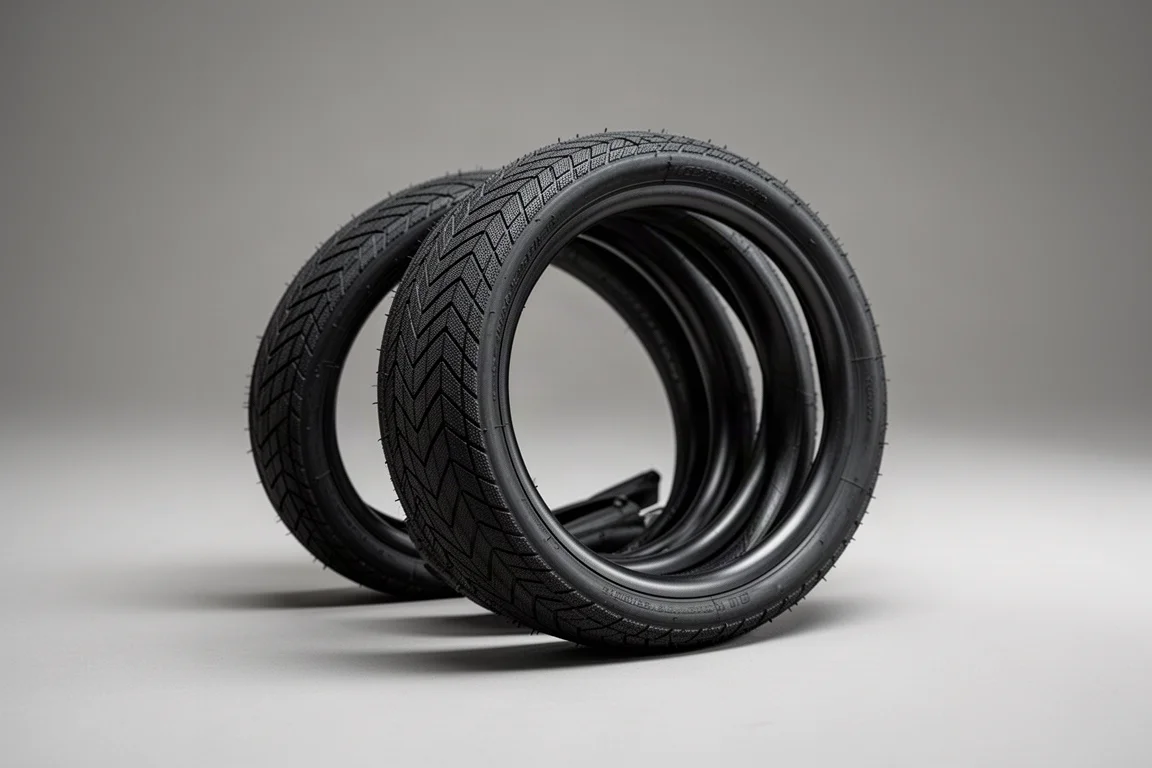
The GP5000 S TR at 32mm is the widest fast, lightweight road tire available, and that matters more than it sounds. Wheel designers take their cues from tire development, so a wheel built around a wider tire only makes sense if there is a fast tire to put on it.
This is the practical ceiling that wider road wheels run into. Without a fast road tire wider than 32mm, there is little reason to put a slow, heavy gravel tire on a fast aerodynamic road wheel.
Vittoria Corsa: Tubeless Width Still Capped at 28mm
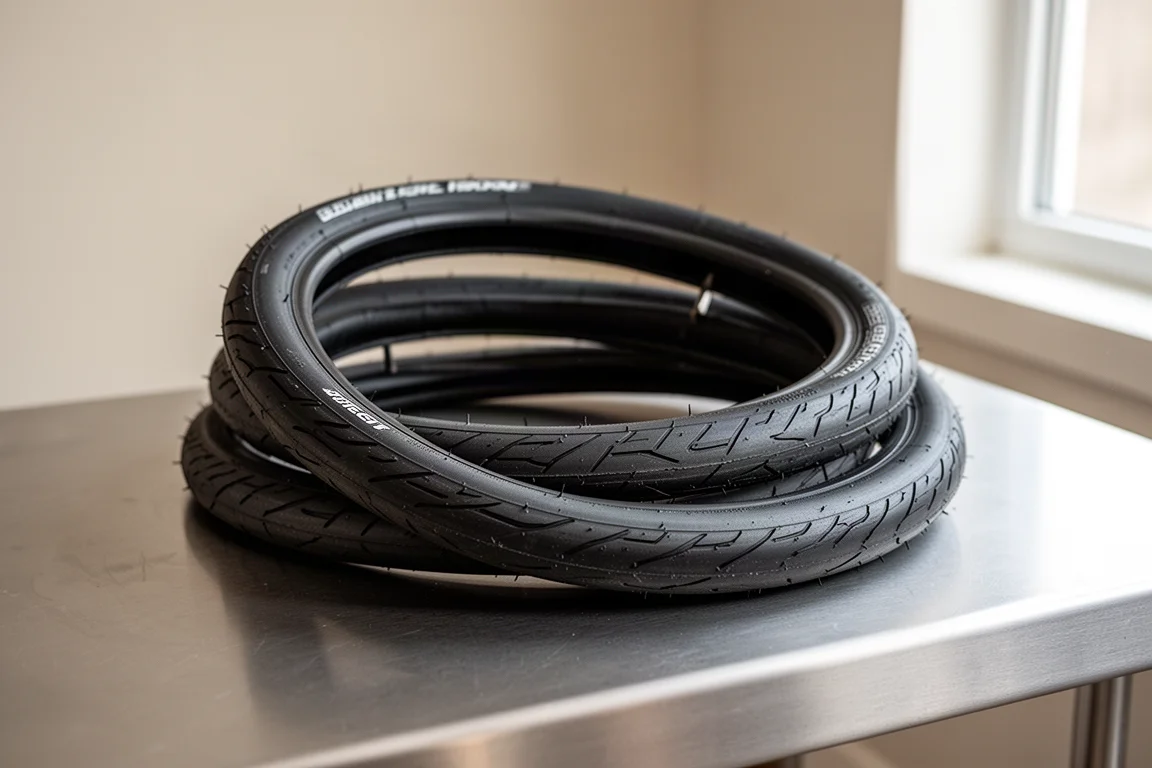
The tubeless version of the Corsa tops out at 28mm, which makes it the narrower of the two reference points for anyone shopping for wide, fast rubber.
Taken together with the GP5000 S TR, it explains why the current generation of wide road wheels is unlikely to grow much further in the near term. Tire availability sets the limit, and until faster options arrive above 32mm, a 28mm tire on a wide rim remains the sensible combination for most road riders.
Buying Advice
For indoor training, the decision is less about specification than about fit and space. Both flagship smart bikes now sit in the same price bracket and both quote plus or minus one percent power accuracy, so the meaningful differences are connectivity, resistance headroom, and whether the frame geometry suits your knees.
A well-priced smart trainer can be found for around half a grand during sale periods, which is a fraction of the cost of either bike, and it packs away into a corner. A smart bike gives more stability and a better ride feel, but that advantage has to be worth the difference to you.
For road wheels and tires, work backwards from the tire. A 28mm tire on a wide rim is a strong all-round choice, and a 30mm tire brings extra comfort with no measurable aerodynamic cost on the Disc 2. Check that a fast tire exists in the width you want before paying for extra width you cannot use.
For wax lubricants, calculate the cost per re-coating rather than the cost per tub. The Secret Chain Blend is the more economical route, and the premium option’s half-watt claim only makes sense if you are already chasing small margins.
Conclusion
The pattern across these products is consistent: the biggest gains are now arriving at the edges of a category rather than in the middle. A wider disc wheel only pays off if the tires exist to match it. A premium wax only pays off if you are already optimising every other watt. A smart bike only pays off if the geometry fits you well enough that you actually use it.
The clearest value in this group sits with the Cannondale CAAD Optimo 1, which delivers a quality aluminium frame, Shimano 105 shifting and a weight just over nine kilograms at a price that frequently drops below £1,000. The Garmin Varia RCT715 is the most broadly useful accessory, combining rear radar with a rain-resistant 1080p camera. For everything else, match the purchase to a genuine need and the money is well spent.
Further reading
Related Reviews
Cycling Gear
8 Cycling Products Riders Keep Coming Back To
Eight cycling components and accessories with clear strengths, honest trade-offs and long-standing reputations among riders and mechanics.
Cycling Gear
Aero Helmets and Bottle Setups Tested: Six Options Ranked by Measured Watt Savings
Wind tunnel data on six aero helmets and bottle setups, with real watt savings, practical trade-offs, and guidance on what is worth buying first.
Cycling Gear
Aero Road Bikes and Fast Tires Worth Watching in 2026
Four aero road bikes and one fast road tire, with the real strengths, the open questions, and what to check before you buy.