Cycling Gear
Cycling Tech Roundup: Garmin Computers, Gold Brakes and a 9.79 kg Hardtail
A practical look at seven pieces of cycling gear, from two new Garmin Edge computers to premium mechanical disc brakes, an electronic pump, a print-heavy jersey, a well-thought-out top tube bag and a lightweight XC hardtail.
Introduction
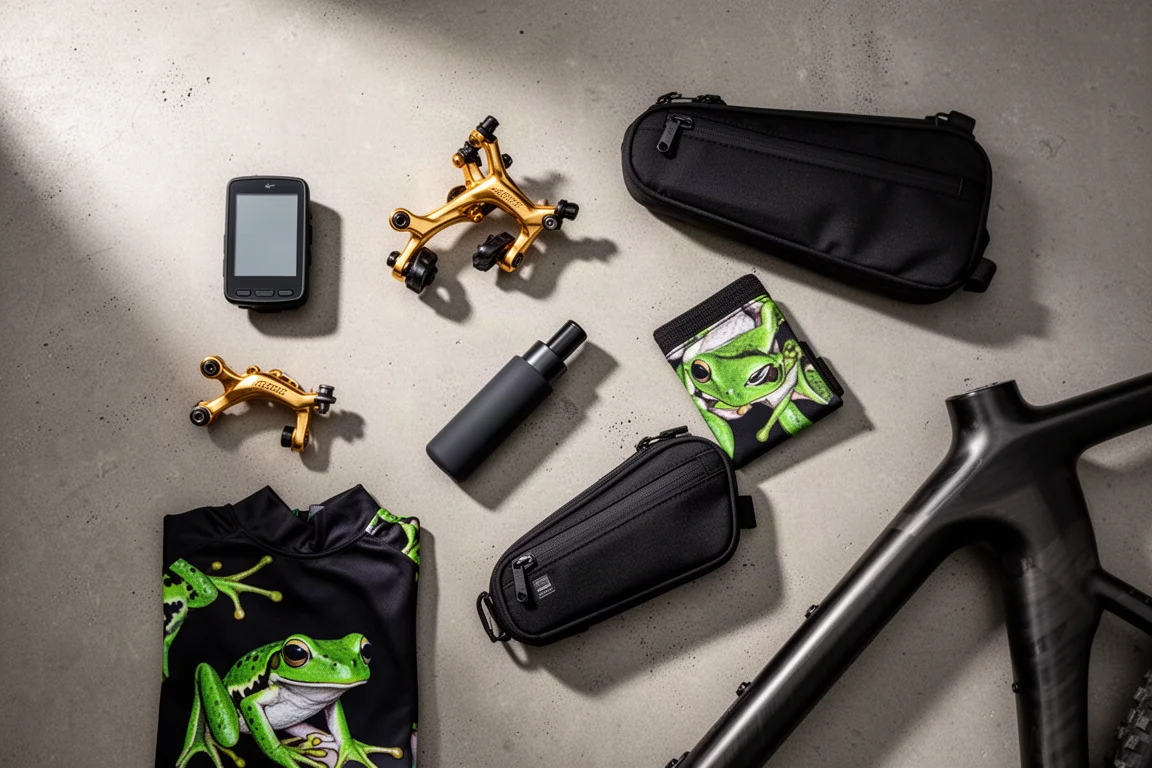
Good cycling gear tends to arrive in clusters, and this month’s selection covers an unusually wide spread. There are two new Garmin Edge computers, a boutique set of mechanical disc brakes finished in gold, a rechargeable pump that could retire your mini pump, a heavily printed jersey, a top tube bag designed with more care than the category usually gets, and a cross-country hardtail that weighs in under ten kilograms.
Not all of it suits every rider. Some of these products are considered upgrades with real performance arguments behind them, some are about convenience, and one is simply about enjoying the bike you already have. The sections below look at what each product is, what it claims, and who it makes sense for.
What the New Garmin Edge Computers Share
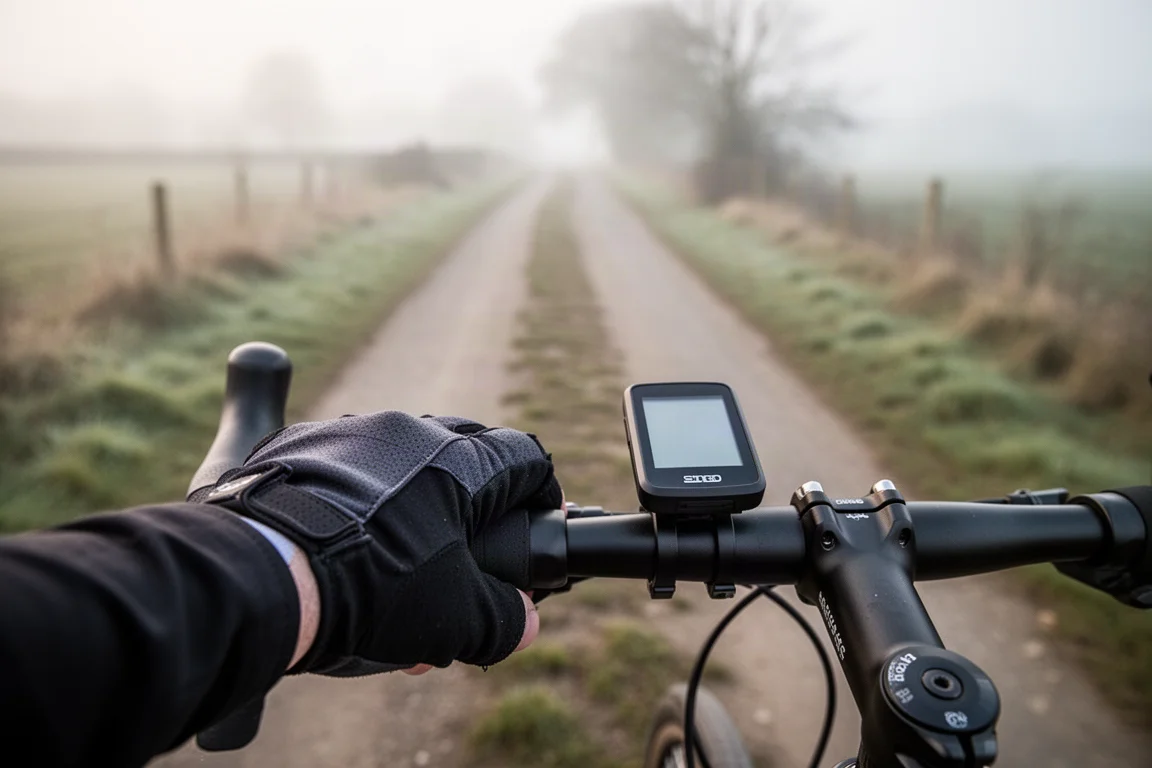
Both new units now offer a solar charging screen as an option, which adds roughly 100 pounds or 100 dollars to the price of each. Garmin says the solar layer can add an extra 25 minutes of ride time per hour when used in battery saver mode during daytime riding. How much you actually recover outside battery saver mode will depend heavily on conditions, so treat that figure as the best-case number rather than a typical one.
The interface is new and matches the layout already used on the Edge 1040. Ride profiles sit at the top of the screen, followed by today’s suggested workout, your latest activity or an active route, and then a set of glanceable data fields. Those glances include weather, navigation, history, training and notifications, and the selection is configurable. Address search is available for riders who navigate regularly, and there are general fields such as sunrise and sunset times alongside training metrics including current FTP and estimated VO2 max. Anyone coming from the older interface will need a short adjustment period.
Two features stand out. ClimbPro 2.0 means you no longer need to be following a route for a climb profile to appear on screen, and a climb explore feature shows significant climbs in the surrounding area, complete with basic information and routing to the bottom of each one. Multi-band GNSS has also been added, with the aim of improving accuracy around tall buildings and under tree cover. Smaller changes include USB-C charging and a quarter-turn mount at the rear that is now replaceable if it breaks.
Garmin Edge 840: Touchscreen and Buttons
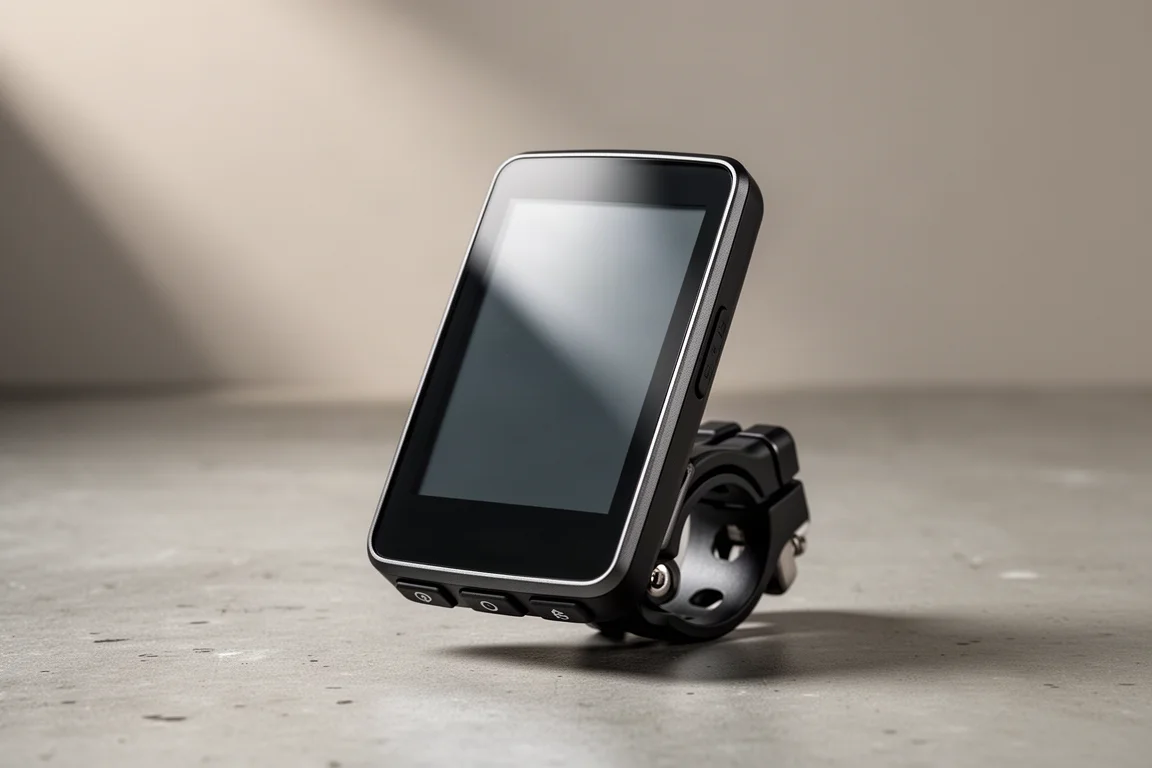
The Edge 840 is essentially the Edge 1040 in a smaller body with a smaller battery. It carries the full functionality of the larger unit, is lighter, and pairs a touchscreen with a full assortment of physical buttons for riders who prefer hardware controls in poor conditions.
That combination makes it the more flexible of the two for riders who want both touch navigation and dependable button inputs.
Garmin Edge 540: The Button-Only Alternative
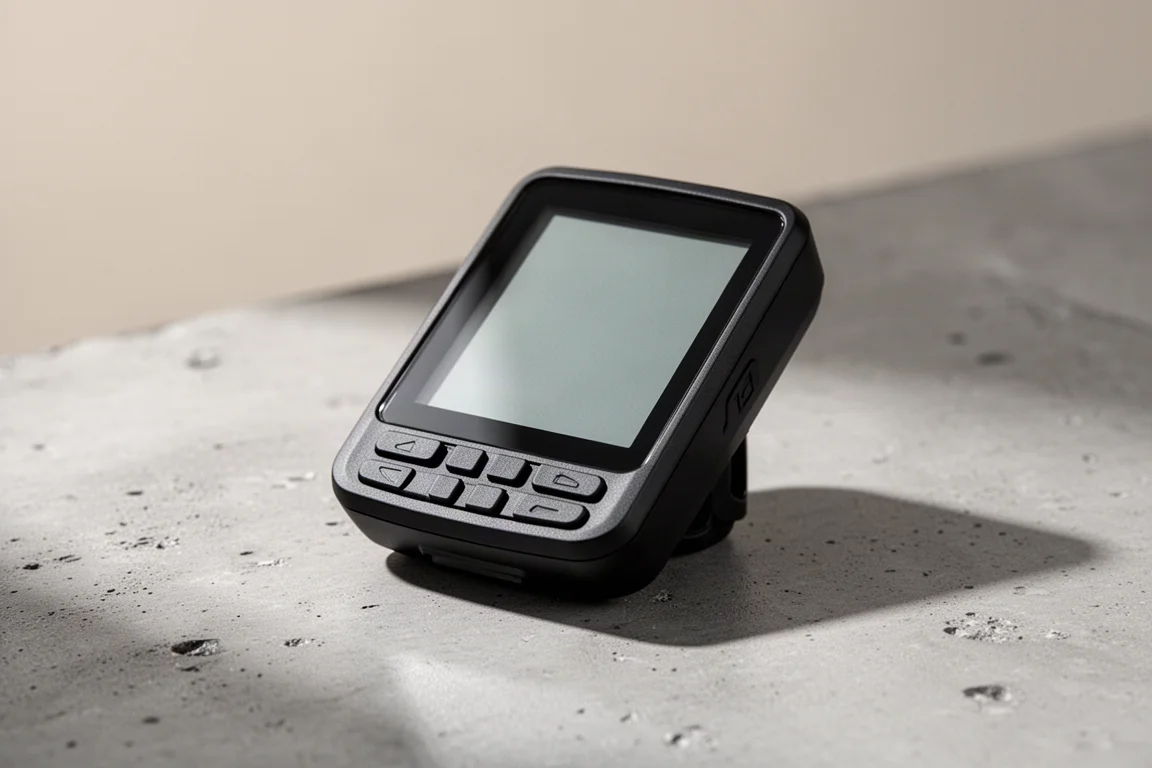
The Edge 540 follows the same formula as the 840 but trims a little further: a slightly smaller battery, 16 GB of memory rather than 32 GB, and no touchscreen. Everything else about the platform, including the new interface and the navigation features, carries over.
For riders who are happy to navigate entirely by buttons, it is the more economical way into the new generation.
Growtac Equal: Premium Mechanical Disc Brakes
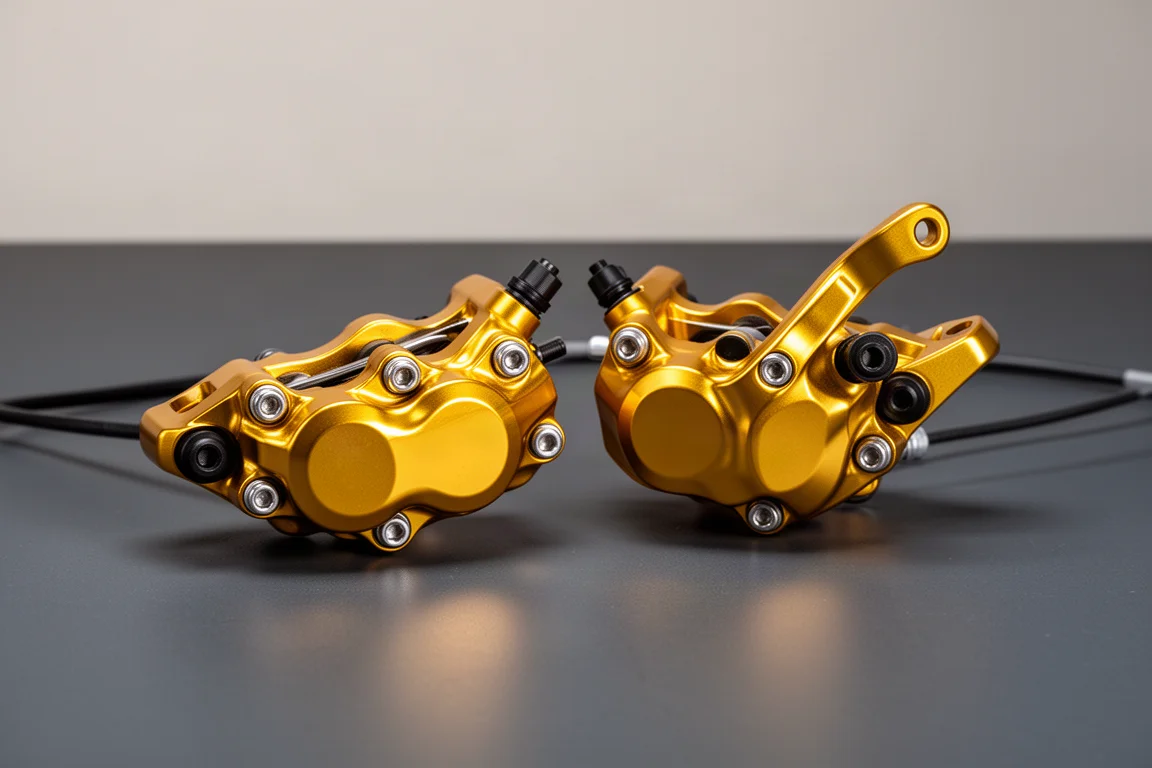
The Growtac Equal is a premium mechanical disc brake with an unmistakably gold finish, and it claims to deliver the combination of braking power, lever feel and actuation that riders usually associate with hydraulic systems. At a claimed 135 grams per caliper, it positions itself among the lightest mechanical disc brakes available. Measured weights came in at 138 grams for the front and 148 grams for the rear including an adapter.
The calipers work with both 140 mm and 160 mm rotors, though a rear adapter is required if you go with the larger size. The design uses a single pivot, where one moving pad presses against the rotor and bends it into contact with a static pad. That layout can raise questions about uneven pad wear, but it is also used by other well-regarded brakes, so the honest answer is that real-world performance matters more than the schematic.
The case for these over a hydraulic conversion is straightforward. If your bike already runs mechanical disc brakes, moving to hydraulic means new levers, new calipers and new cables, which is an expensive project even before parts availability enters the picture. A high-quality mechanical caliper upgrade avoids all of that. Mechanical brakes are also generally easier to maintain, which matters if you plan long touring trips.
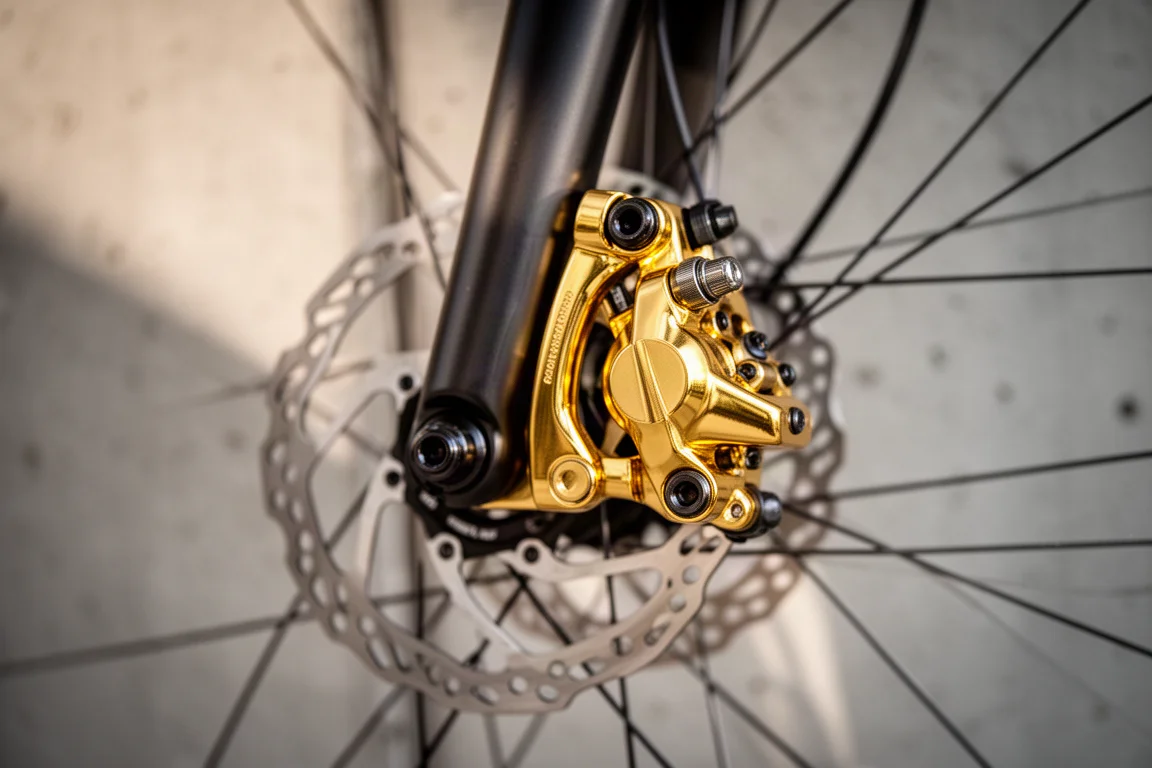
At 350 pounds or 350 dollars, these are not an impulse purchase, and they only make sense if the rest of the bike justifies them. What you get in return is a beautifully engineered component that stands out sharply against a dark frame.
CYCPLUS Tire Inflator: A Rechargeable Pump for the Road
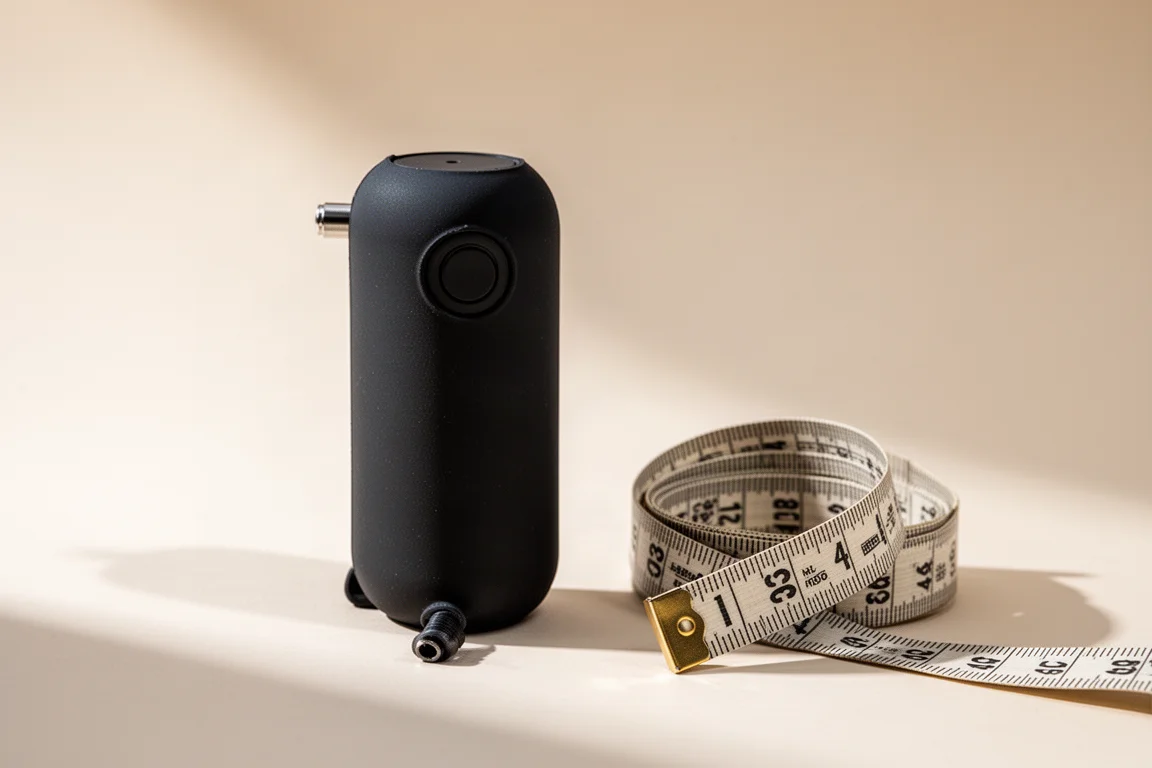
The CYCPLUS tire inflator is a rechargeable electronic pump aimed squarely at the mini pump and the CO2 canister. Its claimed performance is specific: a 25 mm road tire from zero to 80 psi in around a minute and a half, and enough charge to do that twice. If you are having a genuinely bad day, it is said to take a 25 mm tire to 60 psi four times on a single charge. Those figures only cover 25 mm tires, so riders on 28 mm rubber or gravel tires will want to see how it holds up in practice.
The on and off button doubles as a battery level indicator, which makes it easy to check the charge at a glance. That suits a pump that lives in a saddle bag or pannier, where a monthly top-up is the realistic routine. It handles both Presta and Schrader valves by switching the internal fittings, the same arrangement most pumps use. Everything is wrapped in a heat-resistant silicone case, because the unit is said to get quite warm in use.
Size and weight are where the argument becomes compelling. Against a typical frame pump, which weighs around 230 grams and takes up obvious space on the bike, the electronic pump is far smaller. It also compares well with a mini pump, and it can reach higher pressures than the small hand pump it replaces.
Attaquer Froggy Fresh Jersey: All-Over Print Fun
The Froggy Fresh jersey comes from Australian brand Attaquer and was produced in collaboration with a Lithuanian artist. In the brand’s own description, the print is playful, psychedelic and character-driven illustrative work that explores identity, spirituality, body image and relationships with an inclusive energy. In practice, it is a jersey covered in frogs, and it is very difficult to be neutral about.
All-over print jerseys like this are a genuine style choice rather than a performance one, and they are likely to become more common in cycling. If you want kit that starts conversations on the cafe stop, this is a low-risk way to do it.

The flip side is obvious: it is a loud jersey, and it will not suit every club run or every rider’s taste. It is also the kind of design that works best when it is worn with confidence and matched with plain black shorts.

Tailfin Top Tube Bag: Snack Storage Done Properly
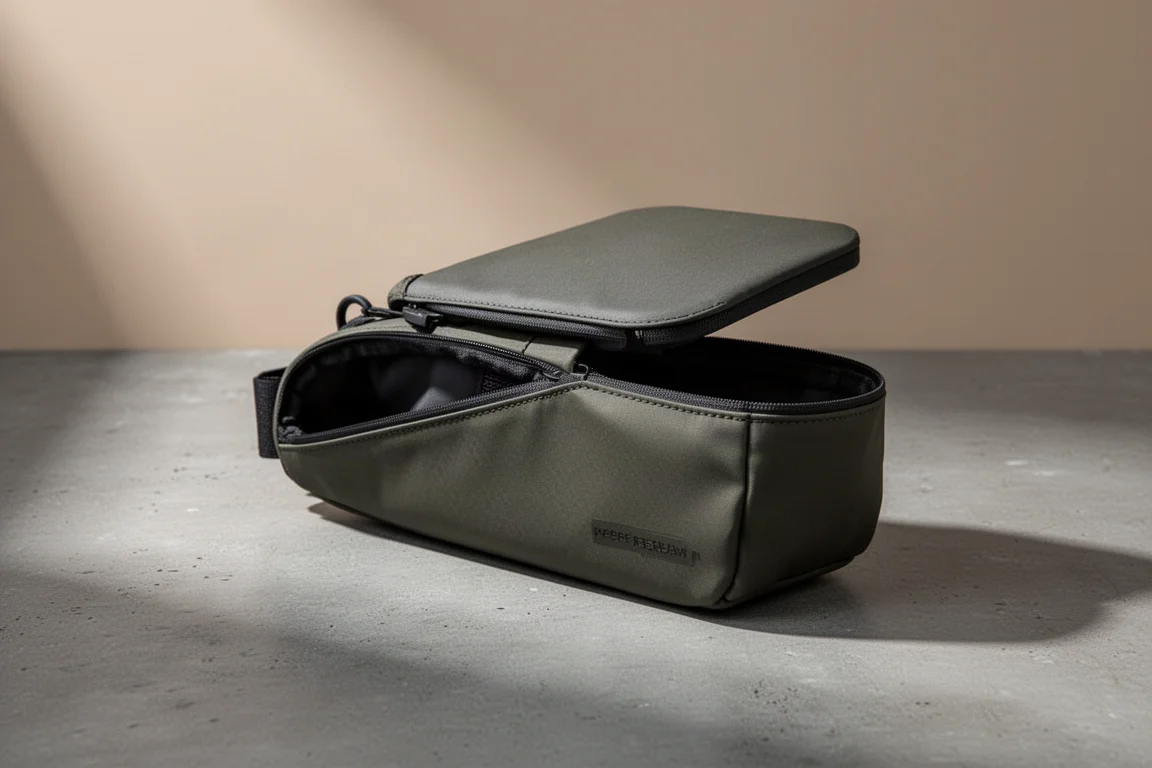
An unusual amount of design work has gone into the Tailfin top tube bag, which is saying something for a product whose job is carrying snacks. The most welcome detail is rigidity. With most top tube bags, pulling a snack out with the zipper puller distorts the bag and makes closing it one-handed impossible. The construction here is stiff enough that this is not an issue.
The bag uses a unique V-mount design intended to stop it shifting on top of the frame. Rubber pads rest against the frame, while thermoplastic polyurethane straps hold everything in place, a method that will be familiar and welcome to bike packers. If your frame has top tube bolts, the bag can be mounted that way instead, which simply means peeling off the rubber pads. The shape is also tapered to keep your knees from rubbing against the sides, using a three-dimensional profile that the brand says makes the bag almost unnoticeable while riding. On a road bike the sides can occasionally be clipped, but on a mountain bike the bag sits well clear.
There are three sizes spanning 0.8 litres to 1.5 litres, and the medium and large options are available with a magnetic closure if you prefer that over a zip. The 0.8 litre model costs 52 pounds or 65 dollars, and the largest 1.5 litre version is 60 pounds or 75 dollars. For an average ride the biggest size is arguably too much bag, but for a longer bike packing trip it has real capacity, comfortably swallowing items as bulky as a spare tube, a multi-tool, a frame pump and, if you insist, five waffles.
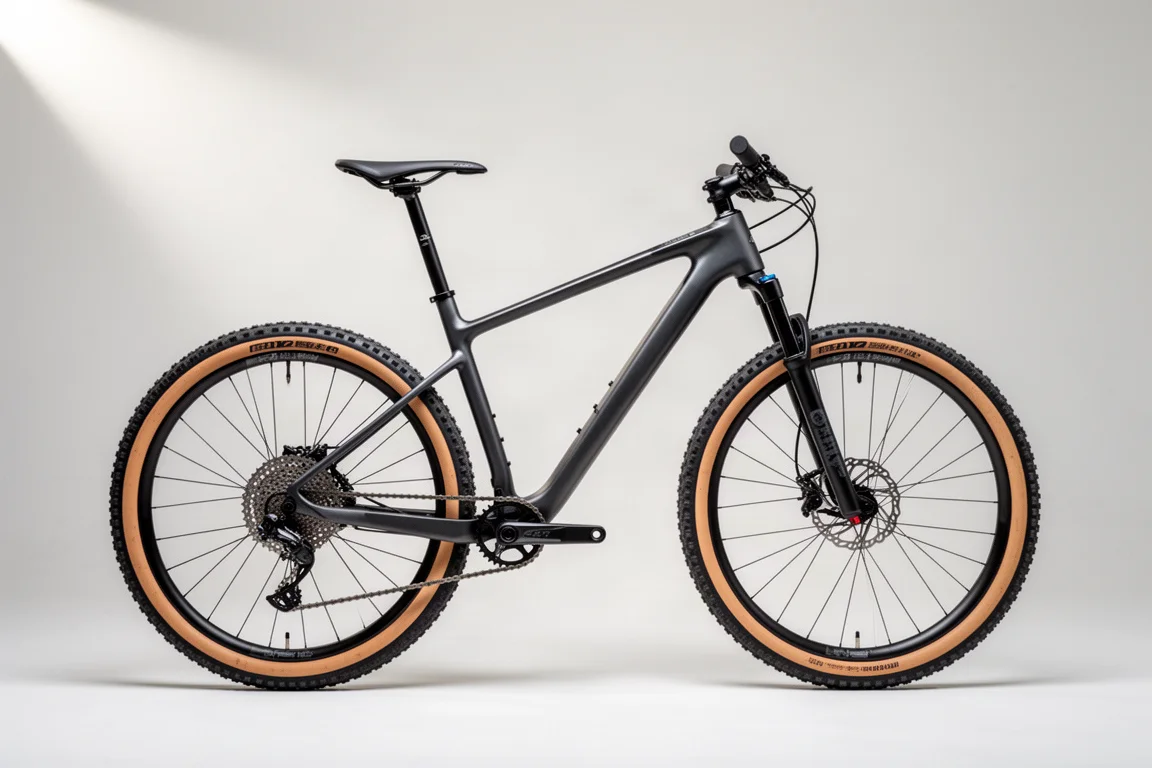
Lapierre Prorace CF 9.9: A Lightweight XC Hardtail
Lapierre is better known for its road machines than its mountain bikes, but the Prorace CF 9.9 is worth a closer look. Revised last year, the frame borrows a design cue from the brand’s road range in the form of the 3D tubular concept, which separates the seat stays from the seat tube so they can flex over a longer length and disperse vibration through the top tube. Lapierre says carrying this technology across lets it reduce weight, simplify the design and improve comfort without sacrificing performance.
The geometry has also been brought closer to the more progressive numbers now common on the World Cup cross-country circuit, though not all the way. On a size large there is 455 mm of reach and a 68 degree head angle, which is not as slack as some recent hardtails, and the 74 degree seat tube angle is fairly conventional. The 420 mm chainstays are the more intriguing choice, and they end at a SRAM UDH derailleur hanger, so an Eagle Transmission groupset can be fitted even though the bike does not ship with one.
The build sits at the top of the five-bike Prorace CF range and is seriously light. Total weight comes in at 9.79 kg, achieved with a spread of SRAM and RockShox components: an X01 Eagle AXS drivetrain, Level TLM brakes, and a RockShox SID SL Ultimate fork with 100 mm of travel and a handlebar-mounted remote. FSA supplies the 740 mm bar, the rest of the build is Lapierre’s own, and the bike rolls on carbon wheels shod with Maxxis Recon tires.
Buying Advice
The right choice here depends almost entirely on what you already own and what you are trying to solve.
If you are shopping for a computer, decide on touchscreen versus buttons first. The Edge 840 gives you both input methods and the full feature set, while the Edge 540 strips out the touchscreen and some memory for a lower price. The solar screen is a worthwhile option only if you ride long days and want the extra buffer in battery saver mode.
For brakes, the Growtac Equal is an upgrade path rather than an entry point. It makes the most sense on a bike that already runs mechanical disc brakes and is otherwise worth keeping, where it avoids the cost and complexity of a full hydraulic conversion. Riders who want easy maintenance and long-term touring reliability will get the most from it.
The CYCPLUS inflator is for riders who are tired of wrestling with a mini pump at the roadside and want something small enough to disappear into a saddle bag. The jersey is for anyone whose kit collection has room for a bit of humour. The Tailfin bag is close to a no-brainer for bike packers, and worth the money for the rigid structure alone. The Lapierre Prorace CF 9.9 is a serious cross-country race hardtail with a modern, if not extreme, geometry and a genuinely light build, and it deserves consideration from riders shopping at the top of the XC hardtail market.
Conclusion
The common thread here is that none of these products are filler. The new Garmin computers bring real navigation and interface changes, the Growtac Equal gives mechanical disc brake users a premium option that skips a costly hydraulic conversion, the CYCPLUS pump challenges two established roadside tools at once, and the Tailfin bag solves a small annoyance that most brands ignore. The Froggy Fresh jersey and the Prorace CF 9.9 sit at opposite ends of the spectrum, one about personality and one about outright speed, and both are memorable for their own reasons.
Further reading
Related Reviews
Cycling Gear
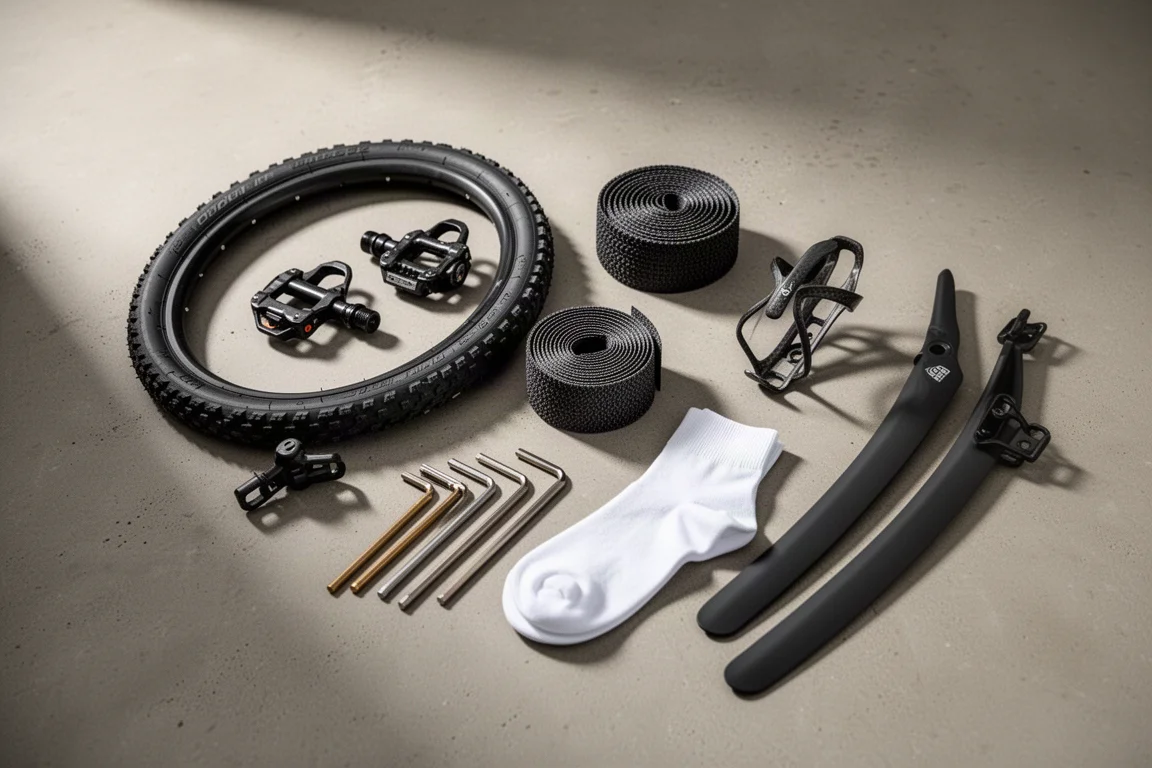
8 Cycling Products Riders Keep Coming Back To
Eight cycling components and accessories with clear strengths, honest trade-offs and long-standing reputations among riders and mechanics.
Cycling Gear
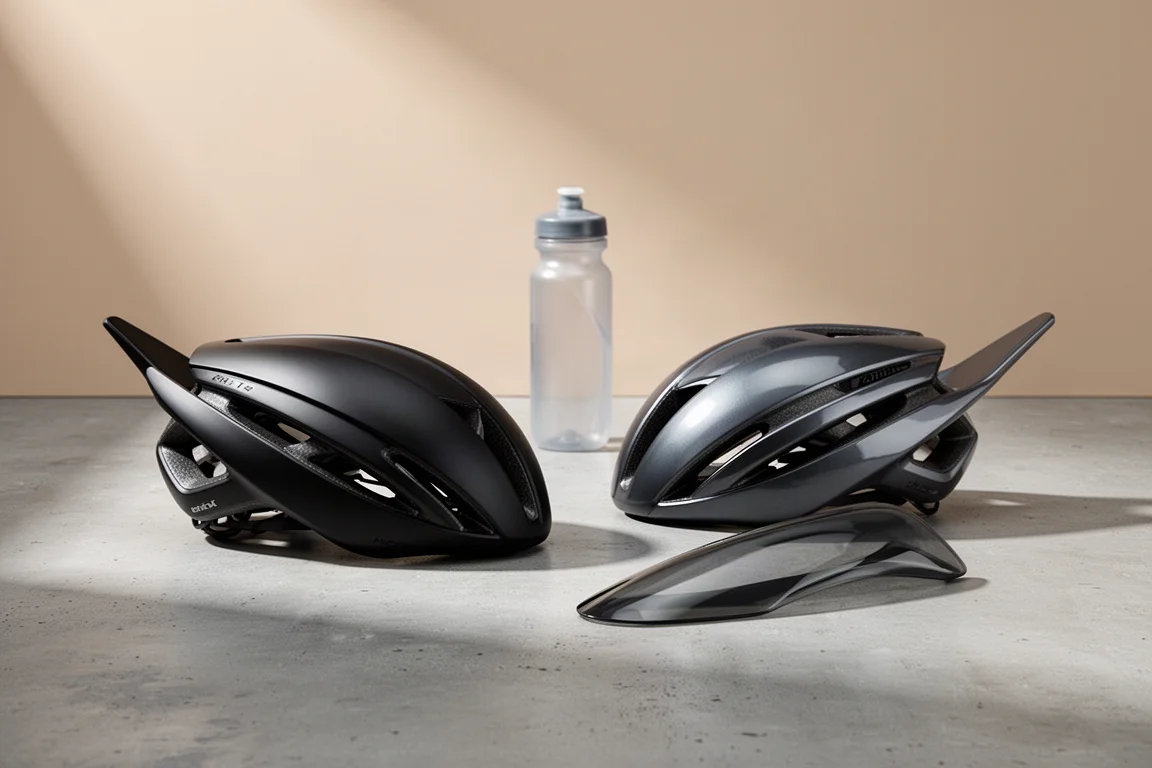
Aero Helmets and Bottle Setups Tested: Six Options Ranked by Measured Watt Savings
Wind tunnel data on six aero helmets and bottle setups, with real watt savings, practical trade-offs, and guidance on what is worth buying first.
Cycling Gear
Aero Road Bikes and Fast Tires Worth Watching in 2026
Four aero road bikes and one fast road tire, with the real strengths, the open questions, and what to check before you buy.