Cycling Gear
Cycling Tech Roundup: Five Standout Picks Worth Considering
A wide disc wheel, a radar tail light with a camera, two flagship smart bikes and a value aluminum road bike: five picks with clear use cases and honest trade-offs.
Introduction
Cycling gear arrives in waves, and this set of releases covers an unusually wide spread: a disc wheel that pushes tire width further than any before it, a radar tail light with a built-in camera, two flagship smart bikes that now sit at almost the same price, and an aluminum road bike that weighs barely more than nine kilograms.
What connects them is intent. Each one solves a specific problem for a specific kind of rider, and none of them asks you to buy into a category you do not need. That makes them easier to judge on their own terms, whether you are chasing seconds on a race course or building a bike that will still make sense in five years.
What We Looked For
These products do not compete with each other, so scoring them against a single ranking would be misleading. Each pick was judged on the problem it claims to solve and on how well the details support that claim.
Three things carried the most weight. The first is whether the headline feature is something a rider can actually feel on the road or the trainer, rather than a number that only looks impressive on a specification sheet. The second is whether the product leaves room to grow, through upgrades, adjustability, or compatibility with equipment riders already own. The third is value: the price has to make sense next to whatever the product is meant to replace or improve.

Where a claim cannot be independently confirmed, it is presented as a claim rather than a fact. Tire width targets, resistance ratings, and chain life figures all come from the brands themselves, and the practical differences between two very similar products often come down to small design decisions rather than headline numbers.
Parcours Disc 2: The Widest Disc Wheel Yet
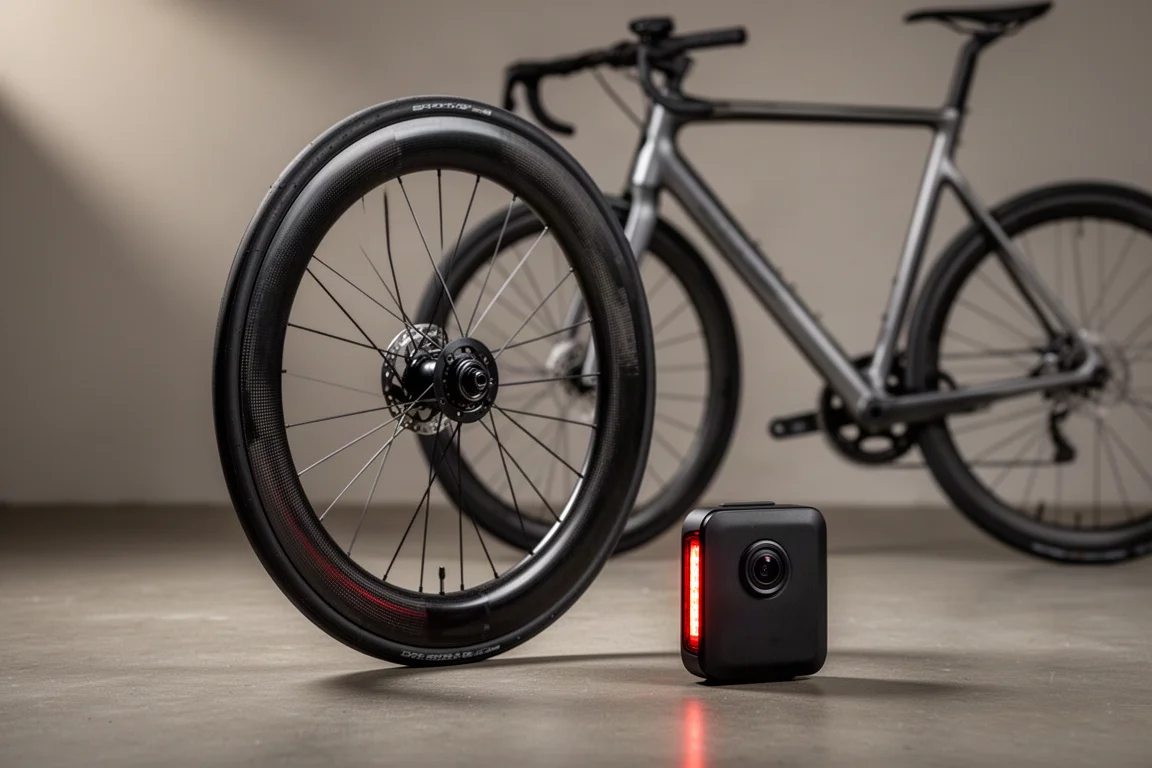
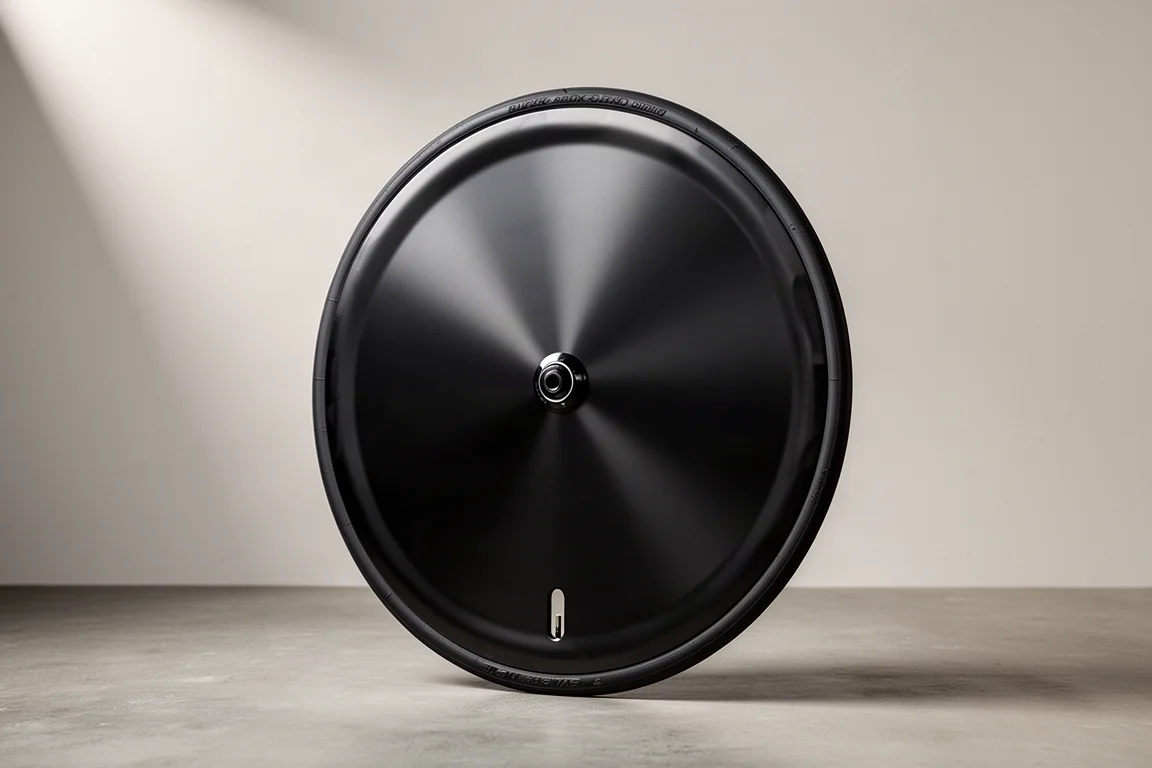
The Parcours Disc 2 is designed around a 28 mm tire and is described as the first disc wheel to be that wide. Its 22.5 mm internal rim width allows the tire to sit almost flush with the rim surface, the profile that aerodynamic testing tends to reward.
Parcours has also tested the disc with a 30 mm tire and reports no measurable aero penalty. The wider tire measured very slightly faster, but the difference fell inside the margin of error, so the brand describes the result as neutral. That matters because a 30 mm tire brings its own benefits: lower pressure, better rolling resistance over imperfect tarmac, more comfort, and more grip.
The reasoning behind the width is that road wheel and tire development is largely driven by surface conditions. On tarmac that does not get rougher, 28 mm sits close to a sweet spot, and there is little reason for road tires to grow much beyond 30 mm. Wider options exist, but a fast, light road tire above 32 mm is still hard to find.
Two related questions come up often. Hookless rims are sometimes assumed to hold an aero advantage over hooked rims, yet side-by-side testing on an identical rim showed no difference at all. Carbon spokes can save roughly 100 grams per wheel, but they cost far more than steel spokes and behave less predictably if they fail, which is why steel remains the more sensible material for most builds.
Garmin Varia RCT715: Radar and Camera in One
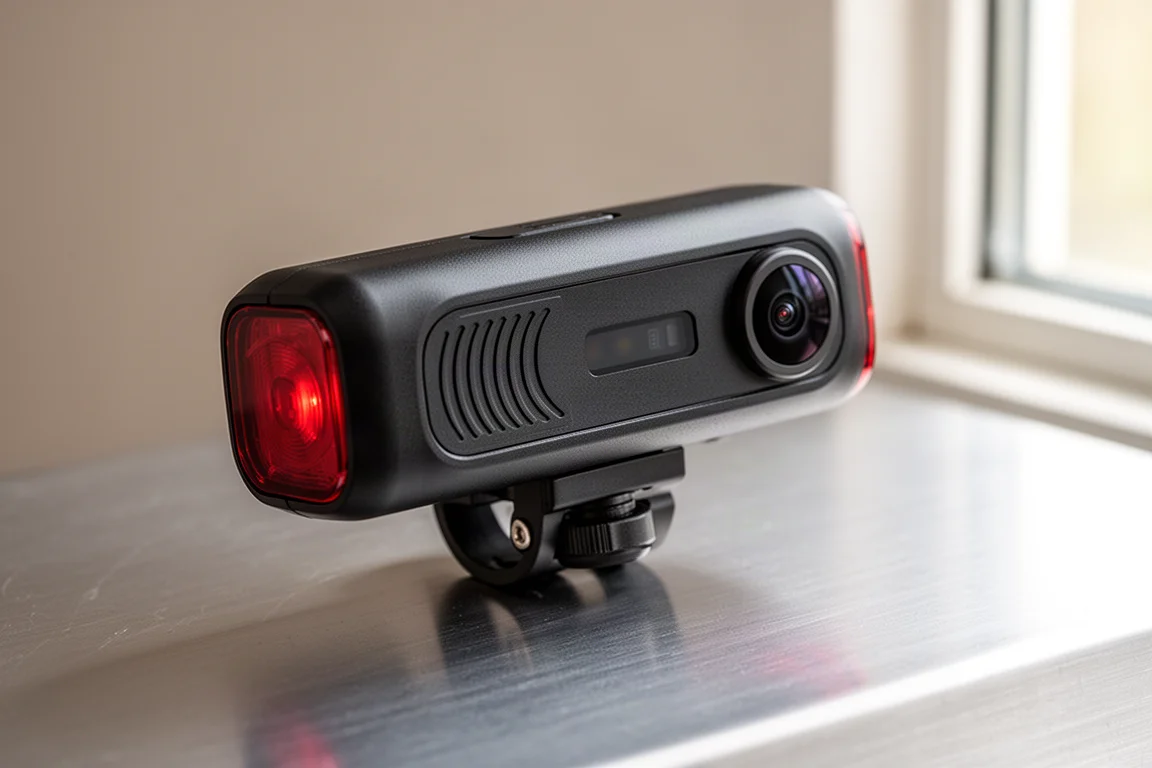
The Garmin Varia RCT715 pairs a rear-facing radar with a 1080p camera that records at 30 frames per second. The combination targets riders who want a record of close passes and number plates, not just a warning that traffic is closing in.
Durability is a strong point. The unit can be submerged up to one metre for 30 minutes, so ordinary rain is not a concern. Automatic incident capture keeps recording before, during, and after an event, which is precisely when footage tends to matter most.
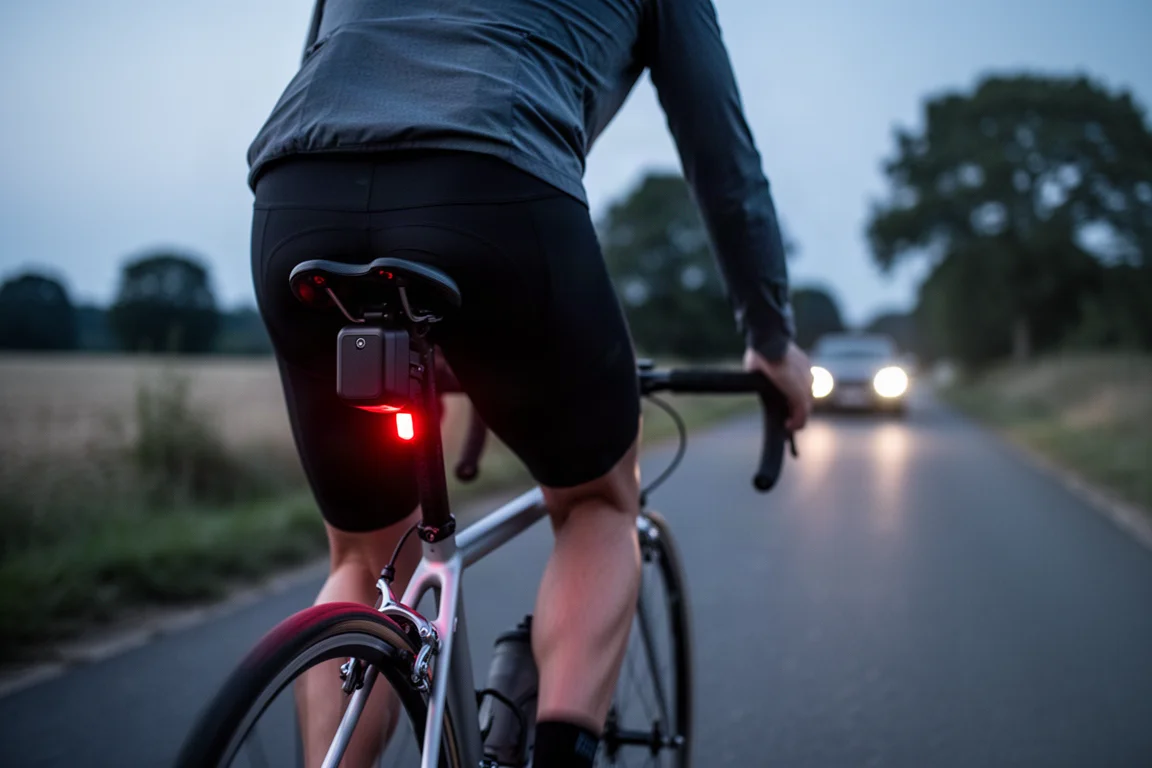
Footage can be managed through the companion apps and transferred to a computer when you want a closer look. Alongside the camera, the radar alerts you to riders and other road users approaching from behind, which remains the main reason most riders consider a Varia in the first place.
Tacx NEO Bike Plus: More Adjustability, Same Core Numbers
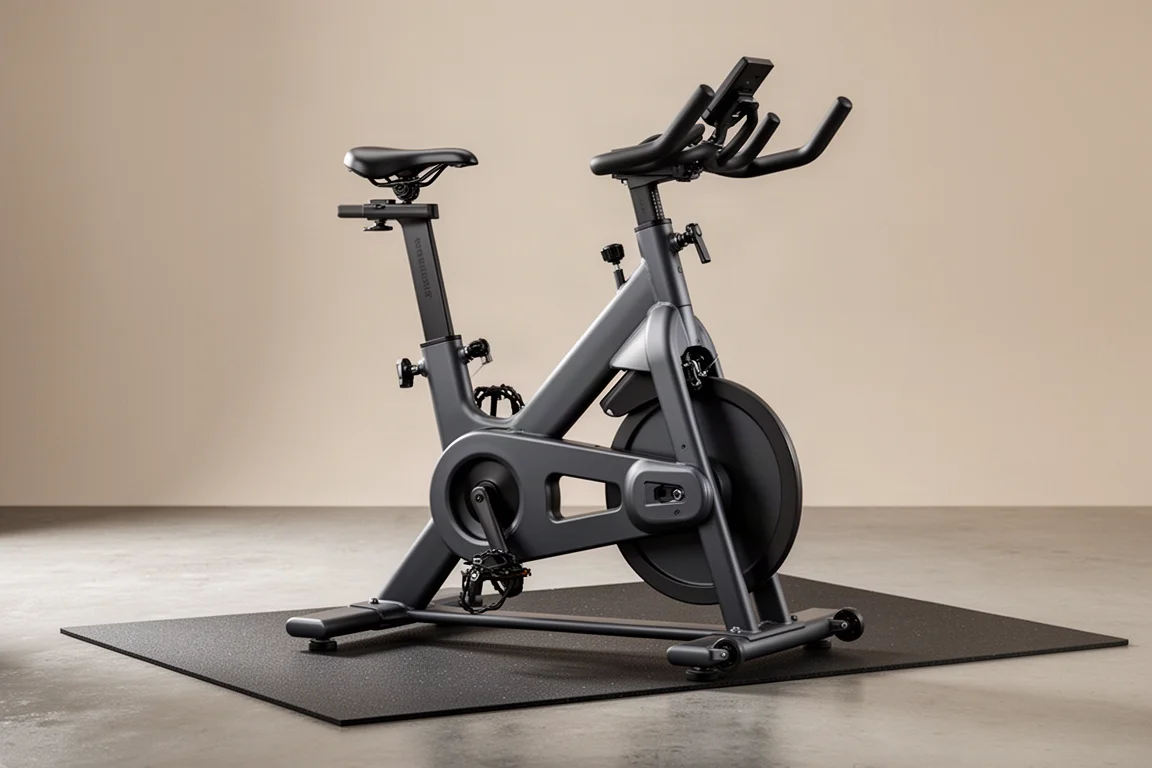
The Tacx NEO Bike Plus arrives with a price that now lines up with the Wahoo KICKR BIKE, putting the two in direct competition for the first time.
The most useful change is crank length choice. Five options are now available, from 165 mm up to 175 mm, where the previous version offered three. The seat post has been slimmed down, addressing a common complaint about the chunkier original, and the adjustment increments on the seat post and head tube are finer, so small position changes are easier to dial in. The shifters can also be programmed to mimic the shift behaviour of different groupset brands.
On the numbers, the NEO Bike Plus is accurate to within plus or minus one percent and simulates inclines of up to 25 percent, with a maximum resistance of 2,200 watts. It includes built-in fans, though they are not especially powerful, along with an accessory tray. There is no top tube at all, which keeps the frame clear of your knees.
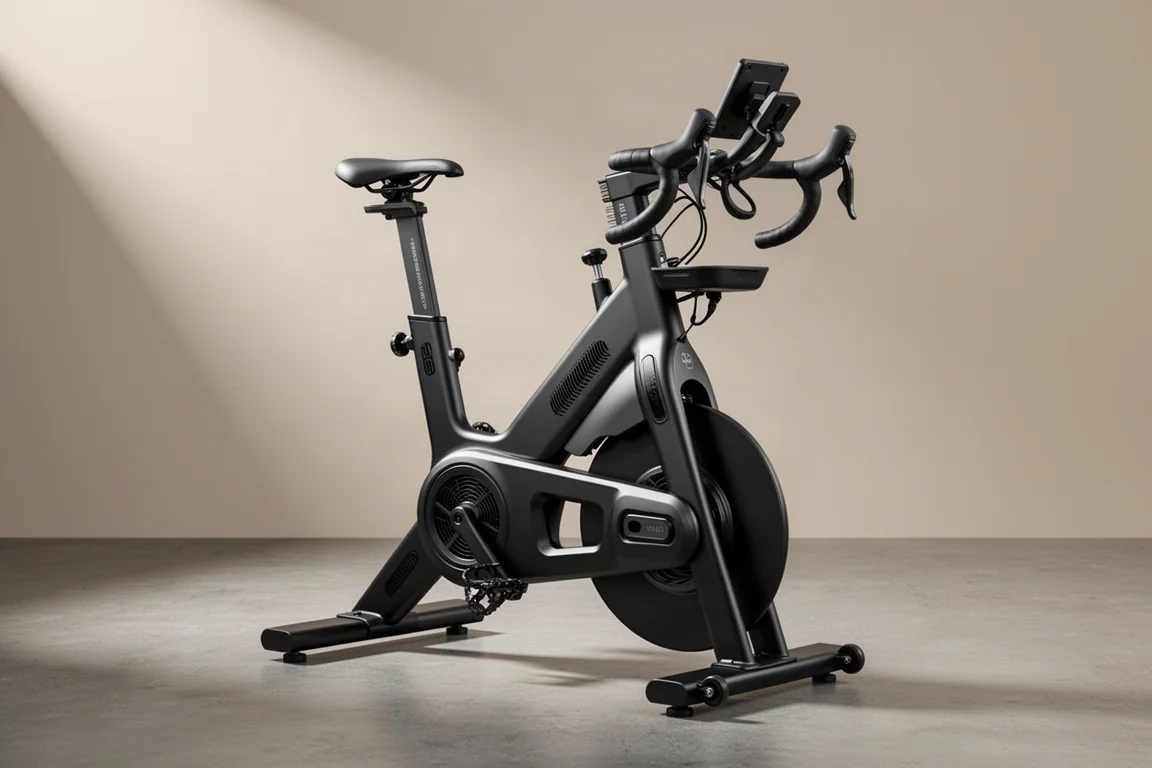
Wahoo KICKR BIKE: Connectivity and Ride Feel
The Wahoo KICKR BIKE has been updated with Wi-Fi connectivity and a direct connect feature that lets you plug it straight into a computer, a meaningful step up for riders who want a stable connection without depending on wireless pairing alone.
It also keeps its tilt system, a significant feature for a smart bike, and adds an ERG Easy Ramp mode that makes it easier to get going when resistance changes suddenly. Accuracy matches the Tacx at plus or minus one percent, incline simulation reaches 20 percent, and maximum resistance is 2,500 watts, which is 300 watts more than the NEO Bike Plus.
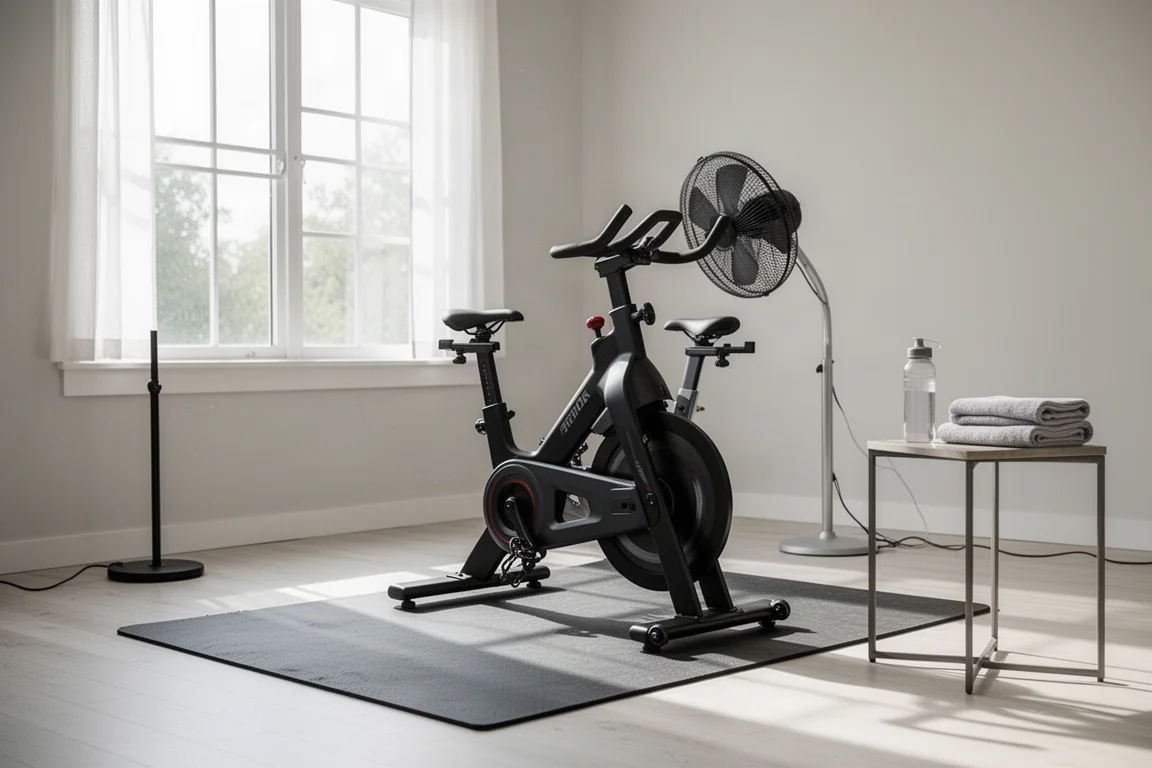
The main ergonomic caveat is the boxy top tube. Riders who track their knees inward can catch it during hard efforts, the kind of detail that only shows up once you are actually riding. The price has also risen by a couple of hundred to match its closest rival.
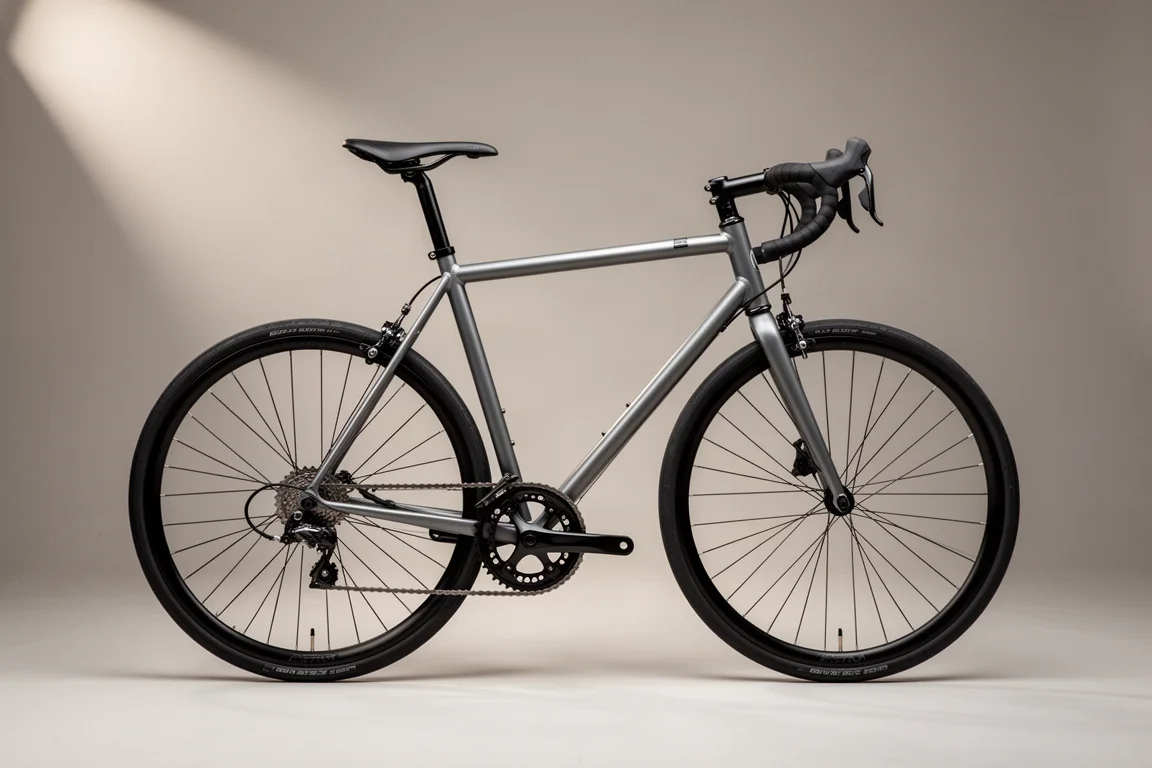
Cannondale CAAD Optimo 1: Aluminum Done Well
The Cannondale CAAD Optimo 1 is a road bike that retails around £1,300 in the UK and has been appearing in sales below £1,000, which changes the value conversation considerably.
What you get is a well-made aluminum frame with 105-level shifting, a clean and understated finish that should age well, and a weight of just over nine kilograms. That is competitive with considerably more expensive bikes that use electronic gears and hydraulic brakes.
A few components hold it back. The brake calipers are standard Tektro dual-pivot units rather than 105, and the FSA Gossamer chainset, common at this price, costs a little shifting precision. The wheels are the first thing most owners would upgrade. On the plus side, the internal cable routing runs through the down tube and exits near the bottom bracket, which protects the cables from the weather and makes re-cabling far simpler than on a fully internally routed frame.
There are hidden mudguard and rack mounts for commuting or long days in the saddle, and the geometry is slightly more aggressive than a Specialized Allez, so it can be raced on a criterium with a set of deep-section carbon wheels without asking too much of the frame.
Buying Advice: Matching Gear to Your Riding
The smart bike question is the most interesting one here. Both the Tacx NEO Bike Plus and the Wahoo KICKR BIKE sit in the region of £3,000, and at that price the decision comes down to ergonomics and connectivity rather than raw specifications. The Wahoo leads on connection options and maximum resistance; the Tacx leads on incline range and, for many riders, on adjustability and frame shape.
If the top tube on the Wahoo does not suit your pedalling style, extra resistance will not fix that. If you want the widest spread of crank lengths and the slimmest seat post, the Tacx is the more accommodating platform.
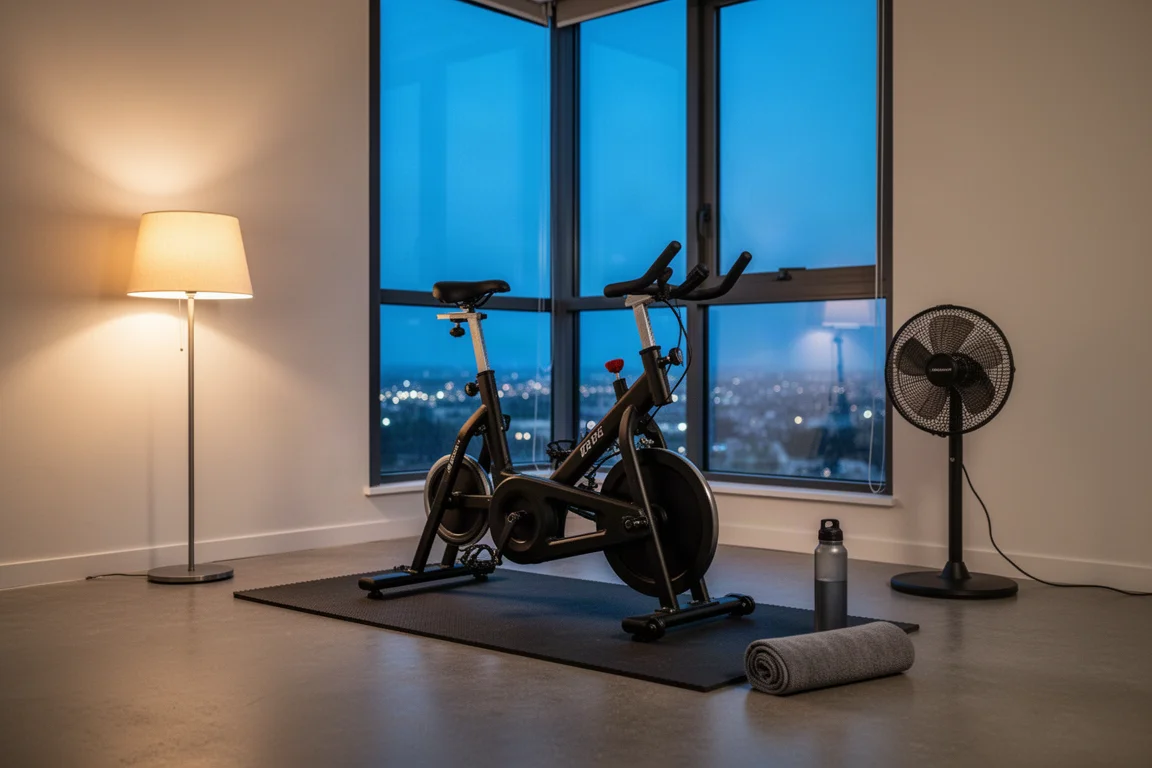
It is also worth remembering that a good smart trainer costs a fraction of either bike. Stability and ride feel are the reasons to spend more, not outright performance, and riders who need to pack their setup away between sessions will feel that trade-off most sharply.
For the road-going picks, the logic is simpler. The Parcours Disc 2 makes sense if you already run 28 mm tires and want a disc that matches modern widths. The Garmin Varia RCT715 suits riders who want radar awareness and video evidence in a single unit. The Cannondale CAAD Optimo 1 is for anyone who wants a dependable aluminum road bike that can be upgraded over several seasons rather than replaced.
Conclusion
Five very different products, one shared trait: each is clear about who it is for. The Disc 2 shows how far road wheel widths have travelled and where they are likely to stop. The Varia RCT715 combines two safety functions that many riders want but rarely find together. The two smart bikes make the same case in different ways, one on adjustability and one on connectivity, and both now ask the same price. The CAAD Optimo 1 is the reminder that a simple, well-built aluminum road bike can still be the smartest purchase in the room.
Further reading
Related Reviews
Cycling Gear
8 Cycling Products Riders Keep Coming Back To
Eight cycling components and accessories with clear strengths, honest trade-offs and long-standing reputations among riders and mechanics.
Cycling Gear
Aero Helmets and Bottle Setups Tested: Six Options Ranked by Measured Watt Savings
Wind tunnel data on six aero helmets and bottle setups, with real watt savings, practical trade-offs, and guidance on what is worth buying first.
Cycling Gear
Aero Road Bikes and Fast Tires Worth Watching in 2026
Four aero road bikes and one fast road tire, with the real strengths, the open questions, and what to check before you buy.