Cycling Gear
Cycling Starter Kit and Bikes Worth Buying: A Practical Guide for New Riders
A grounded look at the first bikes worth buying, the groupsets and wheelsets that matter this year, and the one upgrade that transforms an entry-level ride.
Introduction
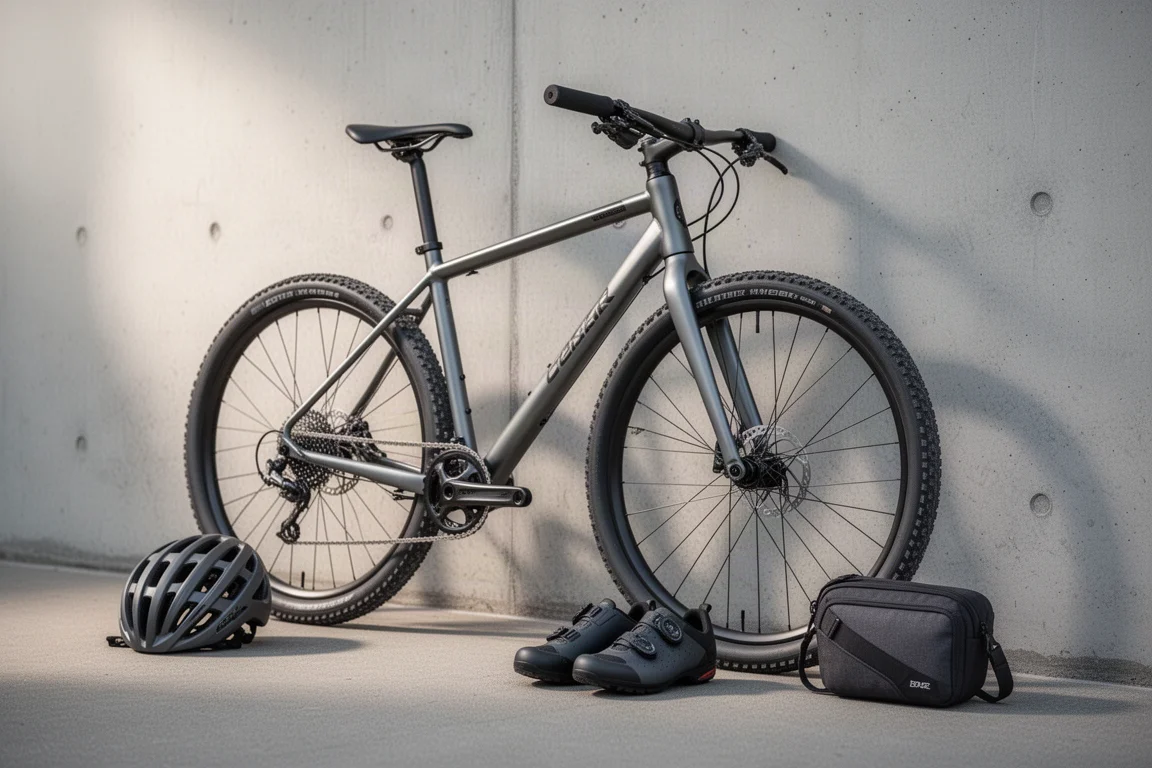
A summer of watching the biggest race in the sport is a very good reason to start riding, but the bike you picture buying and the bike you should actually buy are rarely the same machine. Affordable race replicas have largely disappeared from shop floors, which means most new riders are better served by all-road and endurance platforms that are comfortable, accommodating, and easy to live with over a full season.
This guide covers the first bikes worth shortlisting, the groupset and wheelset developments worth knowing about this year, and the single upgrade that changes how an entry-level bike feels for the least money.
What Actually Matters in Your First Road Bike
The most common mistake is aiming straight at a race bike. Modern race frames are expensive, and the low-cost aluminium race replicas that once filled bike shops have mostly gone, so the value now sits with all-road and endurance designs. The riding position is more forgiving, the geometry is more stable, and there is room for wider tires.
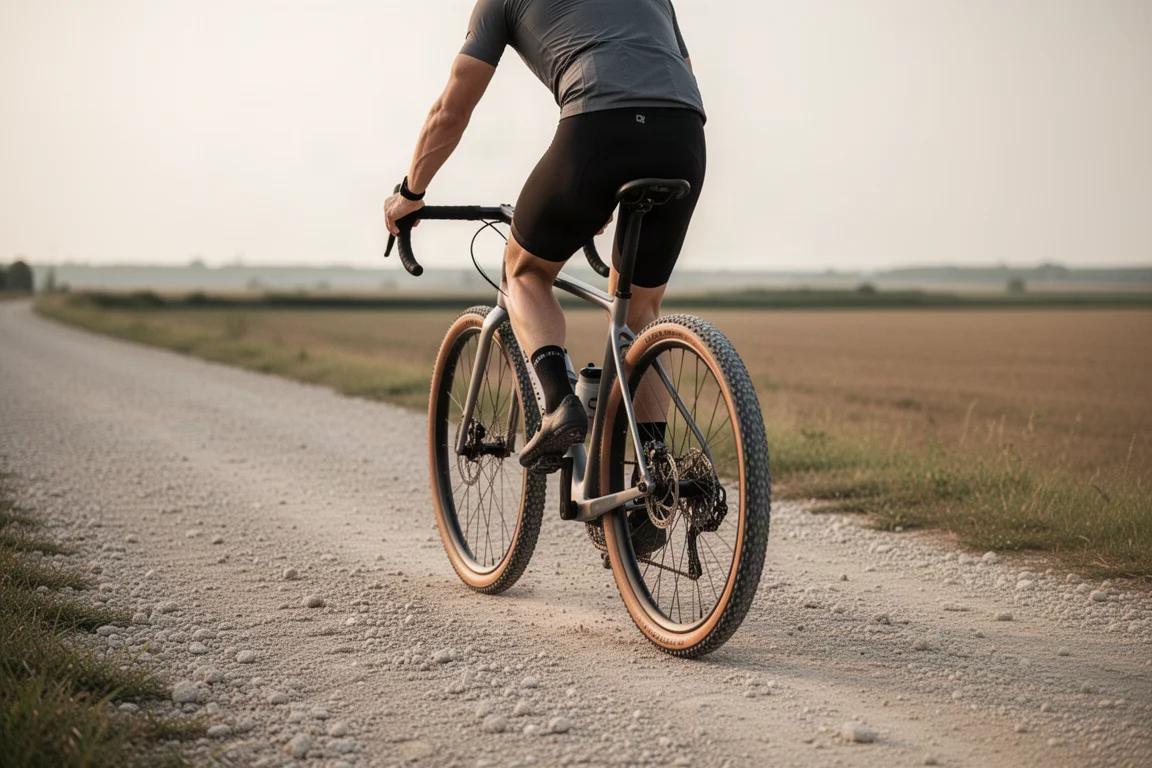
Tire clearance is the first number to check. A frame that accepts around 38mm opens up light gravel riding without a second bike. It is also worth confirming the frame can take a front derailleur and a two-by crankset, because if you later join group rides, a single-ring setup can leave you short of gears on faster stretches. Finally, keep an eye on model year changeovers, when outgoing bikes are often discounted as replacements arrive.
Giant Contend AR: A Flexible All-Road Starter Bike
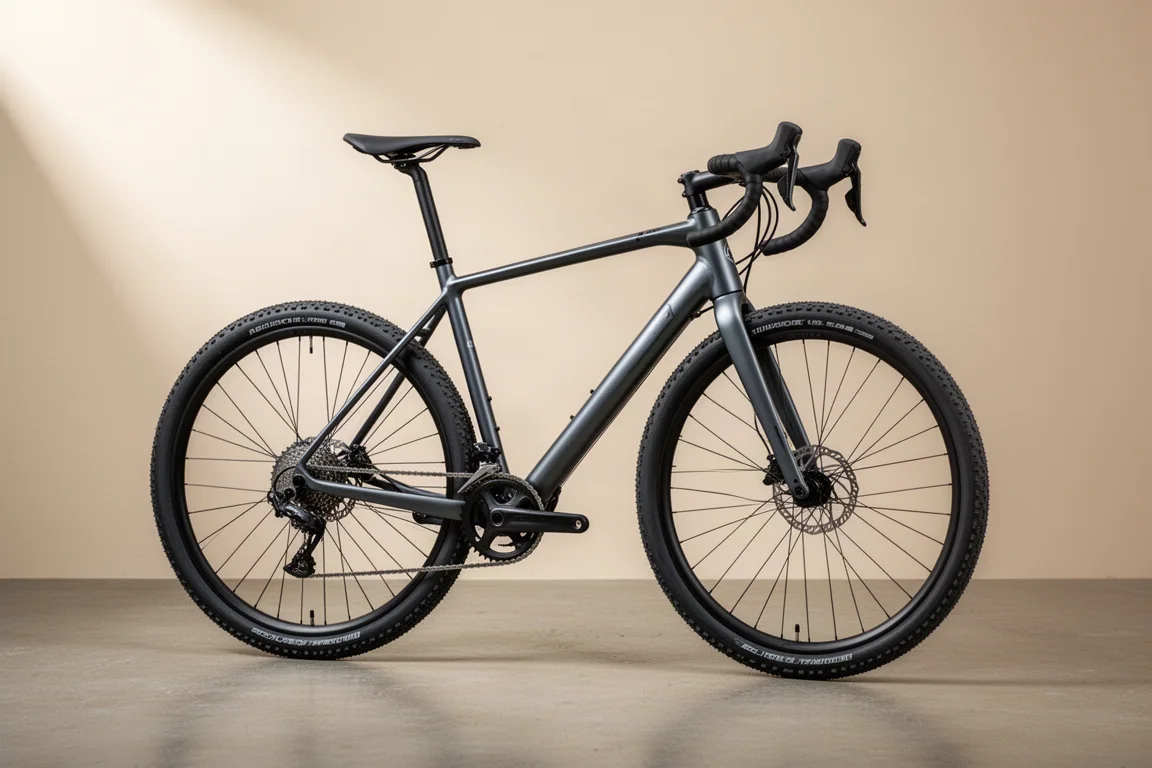
The Contend AR is the all-road entry in Giant’s range. Tire clearance of roughly 38mm covers light gravel as well as tarmac, and the geometry borrows from the Defy endurance platform while the silhouette leans towards the Revolt. For a first bike that has to handle mixed surfaces and long, unhurried rides, that combination is difficult to argue with.
It is the sort of machine that grows with a rider rather than limiting them. If your riding is likely to be a mix of smooth roads, broken back lanes, and the occasional towpath, this is the shape of bike to look for rather than a stiff race frame.
Canyon Endurace: A Road-Focused Option for New Riders
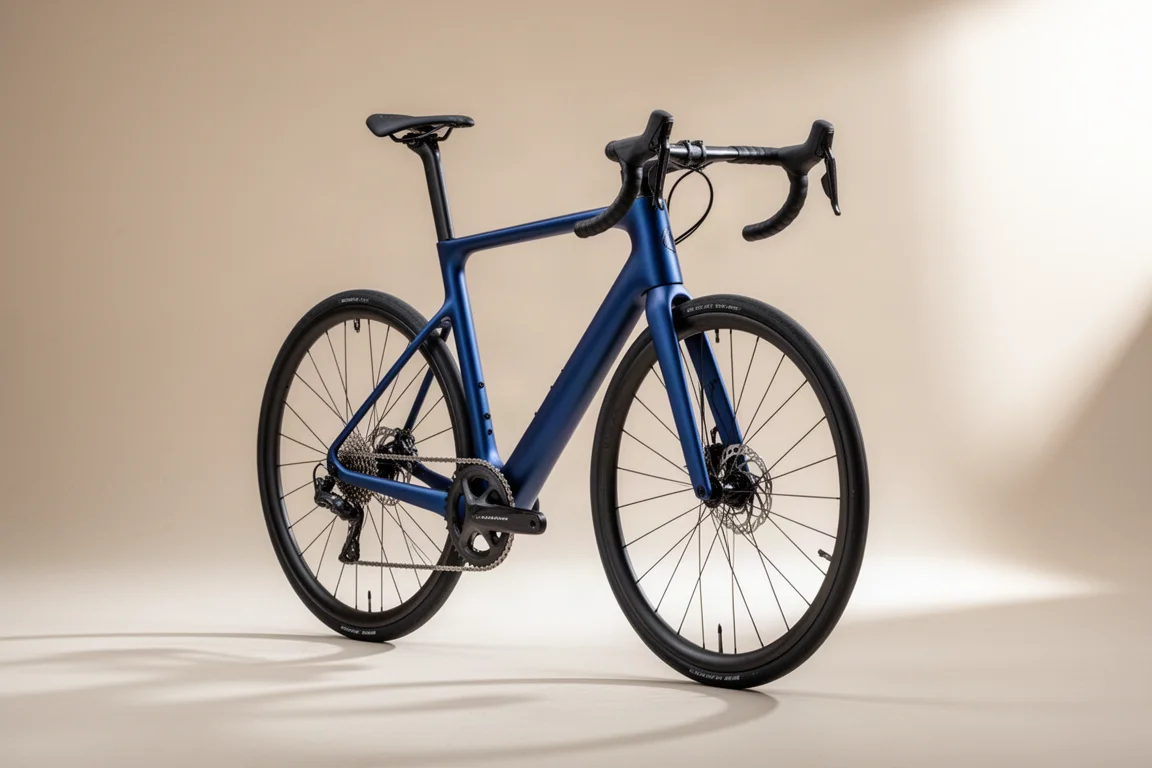
Canyon’s Endurace line is the road-focused alternative for riders who expect to stay on tarmac. The alloy all-road build starts at around £1,099, while the carbon Endurace CF begins at roughly £1,650. Carbon brings a lighter frame and a cleaner finish, but the aluminium version is the sensible starting point for most newcomers.

The Endurace is less about outright speed and more about covering distance comfortably, which is exactly what a first road bike should do. If you plan to ride mainly on surfaced roads and want a platform that will still make sense in three seasons, it is a strong candidate.
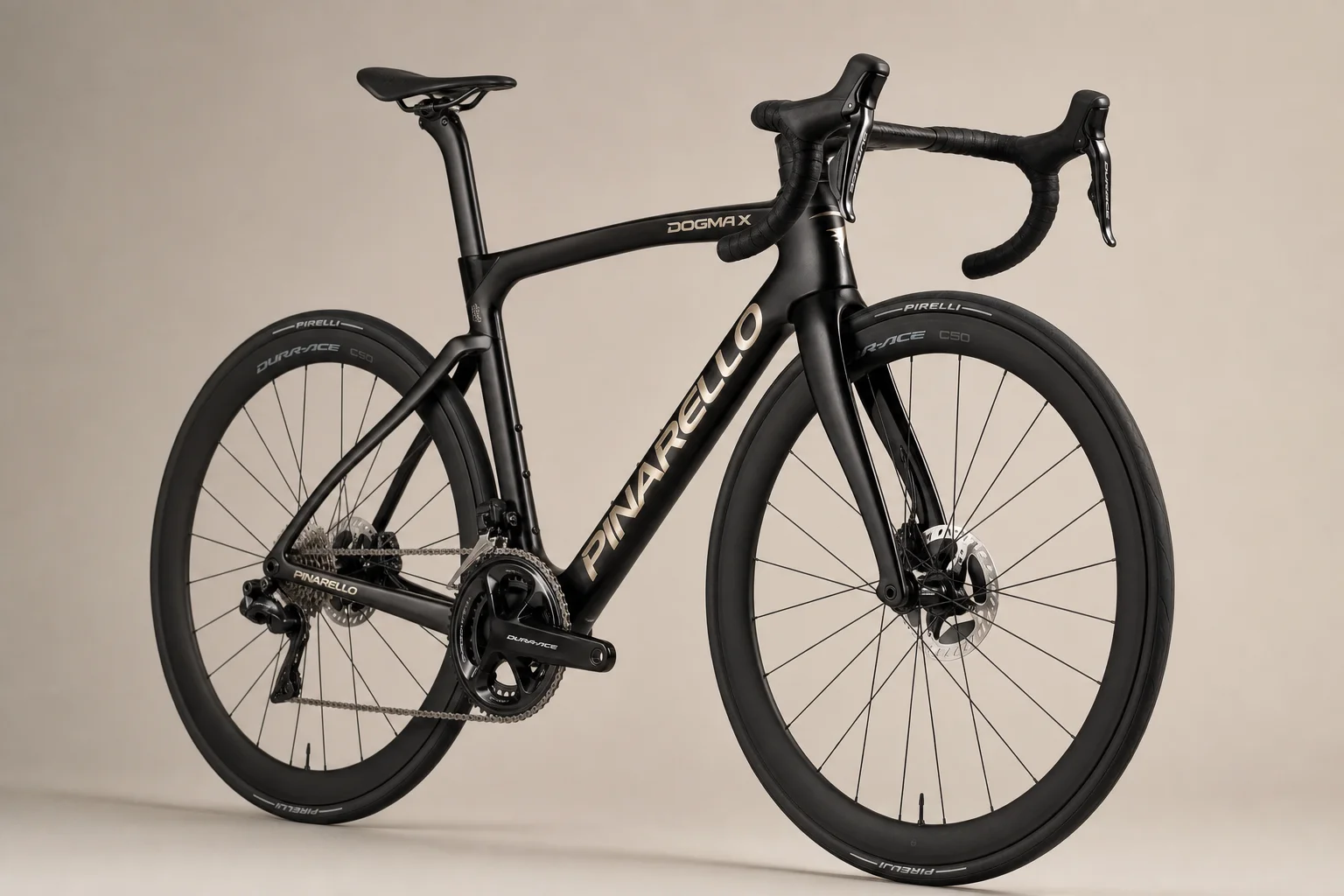
Pinarello Dogma X: Race DNA in an Endurance Package
The Dogma X is built from the same high-grade carbon and finished to the same standard as the brand’s flagship race frames. On the road it is light, fast-handling, and quick to accelerate, and there is no question that it is a beautifully made object.
Where it falls short is endurance practicality. Tire clearance is 35mm and there are no mounts for mudguards, while several rivals clear 38mm or more and still accept mudguards with a 35mm tire fitted. The price is also a premium one that reflects the badge as much as the performance, so it makes most sense for riders who specifically want this brand and are happy to pay for it. A more affordable X Series line shares the same silhouette and geometry in lower-modulus carbon for those drawn to the look rather than the race-derived frame.
Campagnolo Record 13: A Groupset Worth Paying Attention To
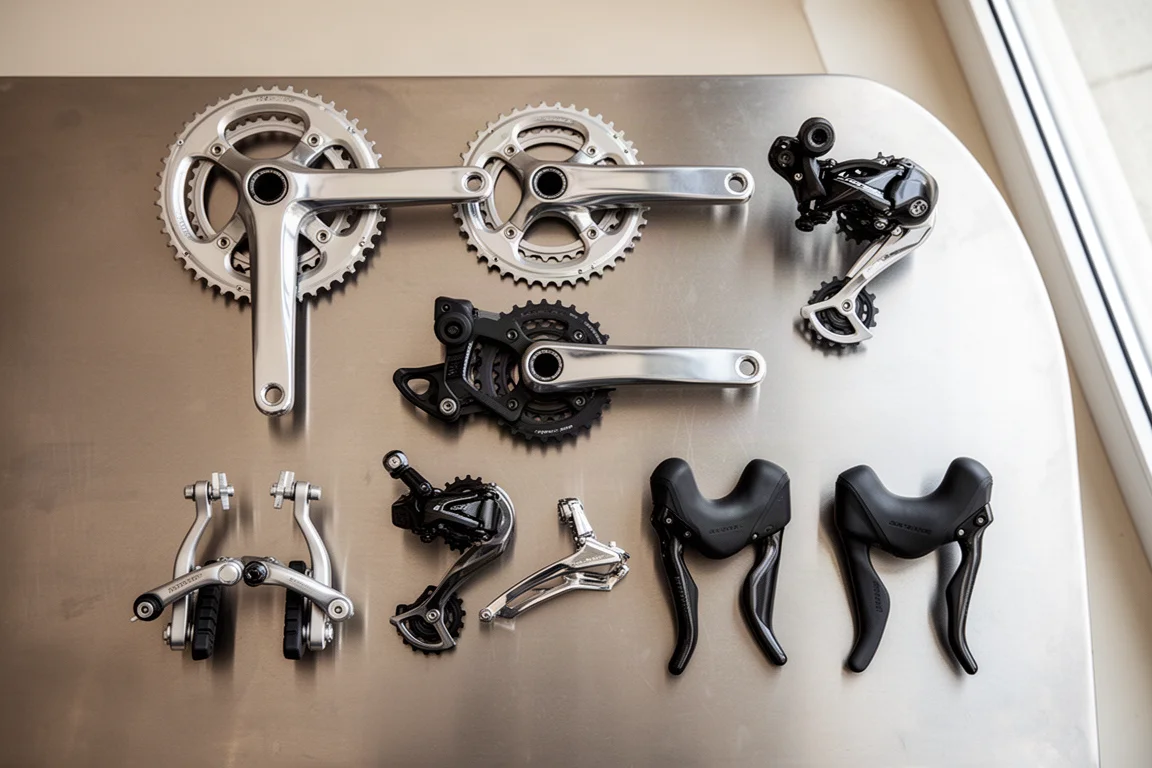
Campagnolo’s current Record and Super Record 13 groupsets are direct rivals to Ultegra and Force AXS at similar money, and by all accounts they perform very well on the road. The catch has always been availability. They rarely appear as original equipment on complete bikes, which means plenty of riders have never actually ridden them.
That may be about to change. An investment group with links to Pinarello has taken a minority stake in Campagnolo, with the Campagnolo family retaining a majority of shares and publicly reiterating its commitment to groupsets and wheels. More competition in the drivetrain market is good news for riders, and wider fitment across production bikes would be a welcome outcome.
Columbus Cento 50: Carbon Wheels from a Steel Specialist
Columbus is best known for the steel tubing behind decades of high-end frame building, which makes a move into carbon wheelsets genuinely unexpected. The new range runs to four wheelsets, and the Cento 50 is the one to watch: a 50mm-deep rim, carbon spokes, and a proprietary hub design with ceramic bearings.
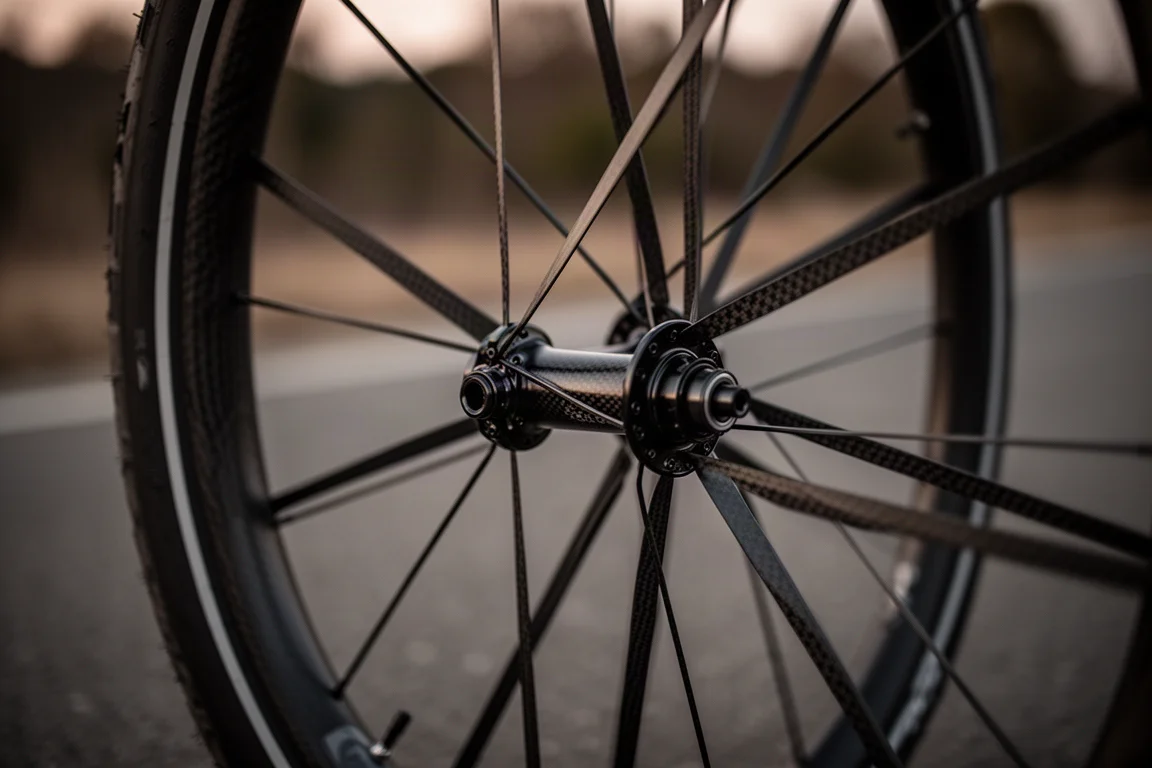
The wider range also includes a lighter option built around DT Swiss 240 hubs. What stands out is that these appear to be genuine in-house designs rather than rebadged open-mould wheels, which matters considerably in a category full of near-identical shapes.
Panaracer Agilest: The Upgrade That Transforms a Bike
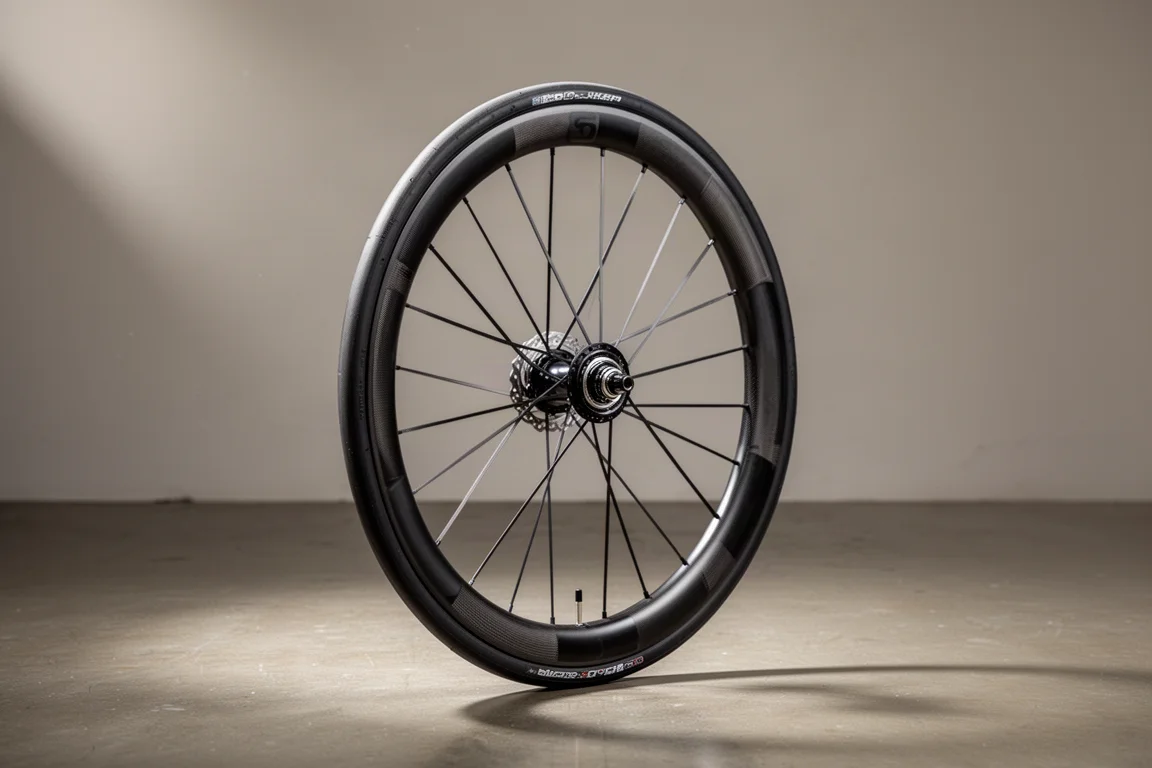
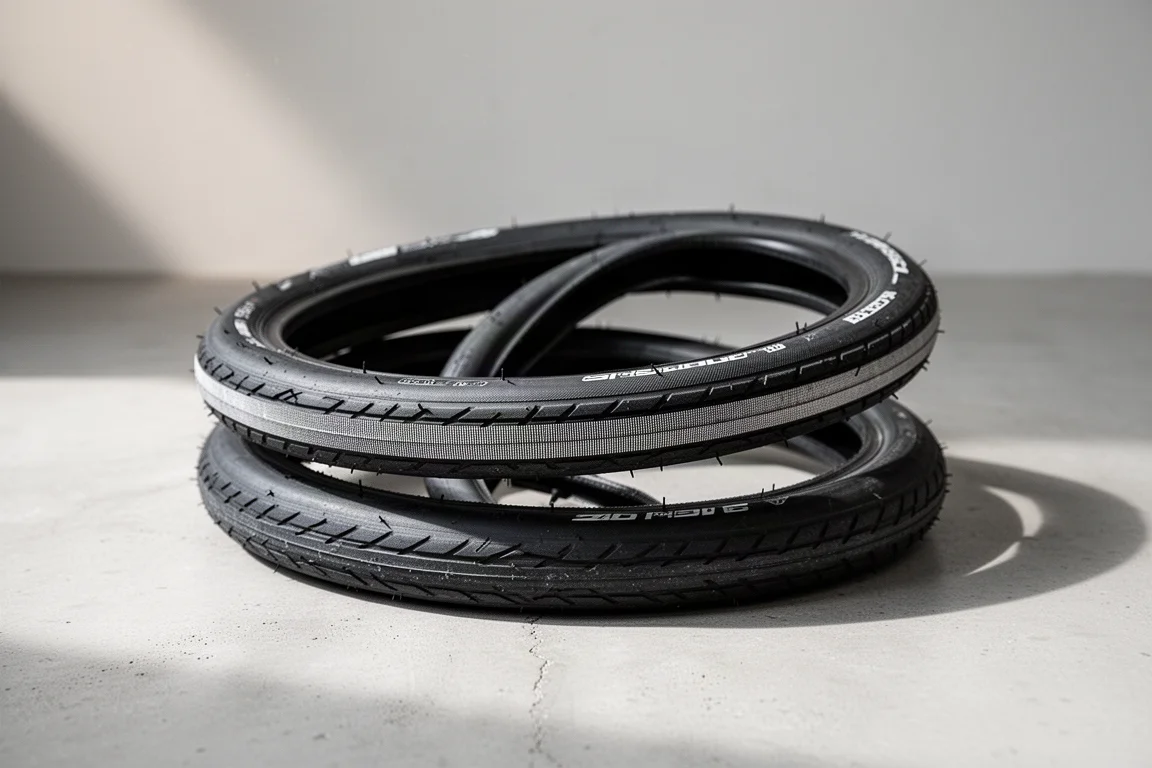
If there is one change that alters how an entry-level bike feels, it is tires. Stock rubber is a common place for brands to save money, and fitting a faster, lighter set can transform an otherwise ordinary mid-range machine. The Agilest is light, quick, and scores well in rolling resistance testing.
A new Agilest Zero road tire has since joined the range across a spread of sizes, with clincher versions around £50 and tubeless-ready versions around £65. That is meaningfully less than the £90 to £100 that some comparable road tires now command, which makes it an easy first upgrade to justify.
Buying Advice That Saves You Money
Pedals are where new riders most often overspend. Two-bolt SPD pedals paired with walkable shoes are the practical choice, and the tension is adjustable, so a two-bolt setup will not release unexpectedly under hard efforts. Three-bolt road pedals offer a marginally firmer hold but leave you sliding around cafes and wearing cleats out quickly, and modern gravel and road shoes look close enough that the gap is mostly habit.
Clothing does not need to be expensive either. A well-fitting pair of bib shorts with a decent pad matters far more than aero fabrics or premium branding, and there are plenty of affordable technical brands producing genuinely good starter kit. The same logic applies to shoes, where fit beats a stiff carbon sole, and to sunglasses, where photochromic lenses are now available at a fraction of flagship prices.
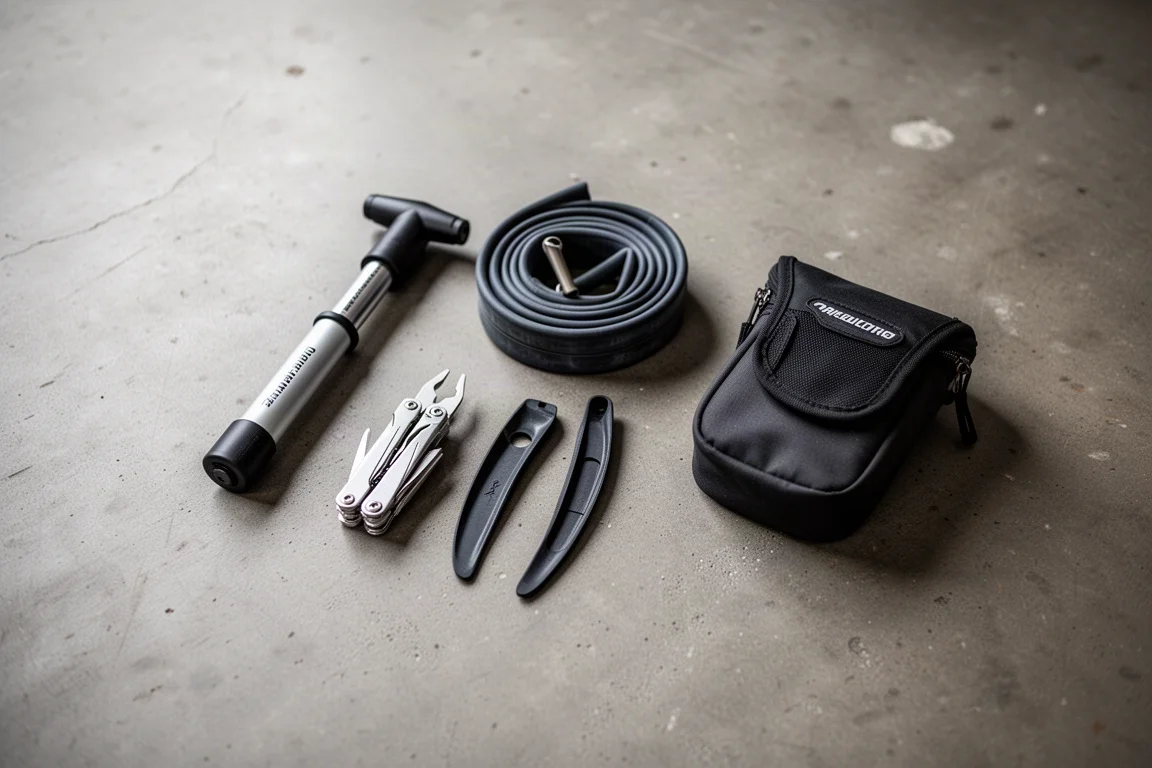
For tools, keep the kit lean. A mini pump matched to your tire volume, a spare inner tube, two tire levers, a multi-tool, and a tubeless plug kit if your wheels need one will cover almost every roadside situation, with a waterproof phone pouch as a cheap addition. Bike computers are optional, but a good one from an established brand can last many years, and even a modest unit gives you something to chase on long rides. An inexpensive emergency shell is worth having for the days the weather turns, though there is little point in buying an expensive waterproof jacket unless you genuinely plan to ride in the rain.
Conclusion
Getting started well comes down to matching the bike to the riding you will actually do. An all-road or endurance frame with generous tire clearance will keep more options open than a stiff race bike, a modest upgrade to a fast set of tires delivers the biggest gains for the money, and comfortable, well-fitting kit matters far more than the price on the label. Everything else can wait until you know what kind of rider you are becoming.
Further reading
Related Reviews
Cycling Gear
8 Cycling Products Riders Keep Coming Back To
Eight cycling components and accessories with clear strengths, honest trade-offs and long-standing reputations among riders and mechanics.
Cycling Gear
Aero Helmets and Bottle Setups Tested: Six Options Ranked by Measured Watt Savings
Wind tunnel data on six aero helmets and bottle setups, with real watt savings, practical trade-offs, and guidance on what is worth buying first.
Cycling Gear
Aero Road Bikes and Fast Tires Worth Watching in 2026
Four aero road bikes and one fast road tire, with the real strengths, the open questions, and what to check before you buy.