Cycling Accessories
Cycling Gloves for Cold Weather: Heated vs. Traditional Options
A practical comparison of heated electric gloves and insulated traditional cycling gloves for autumn and winter riding.
Introduction
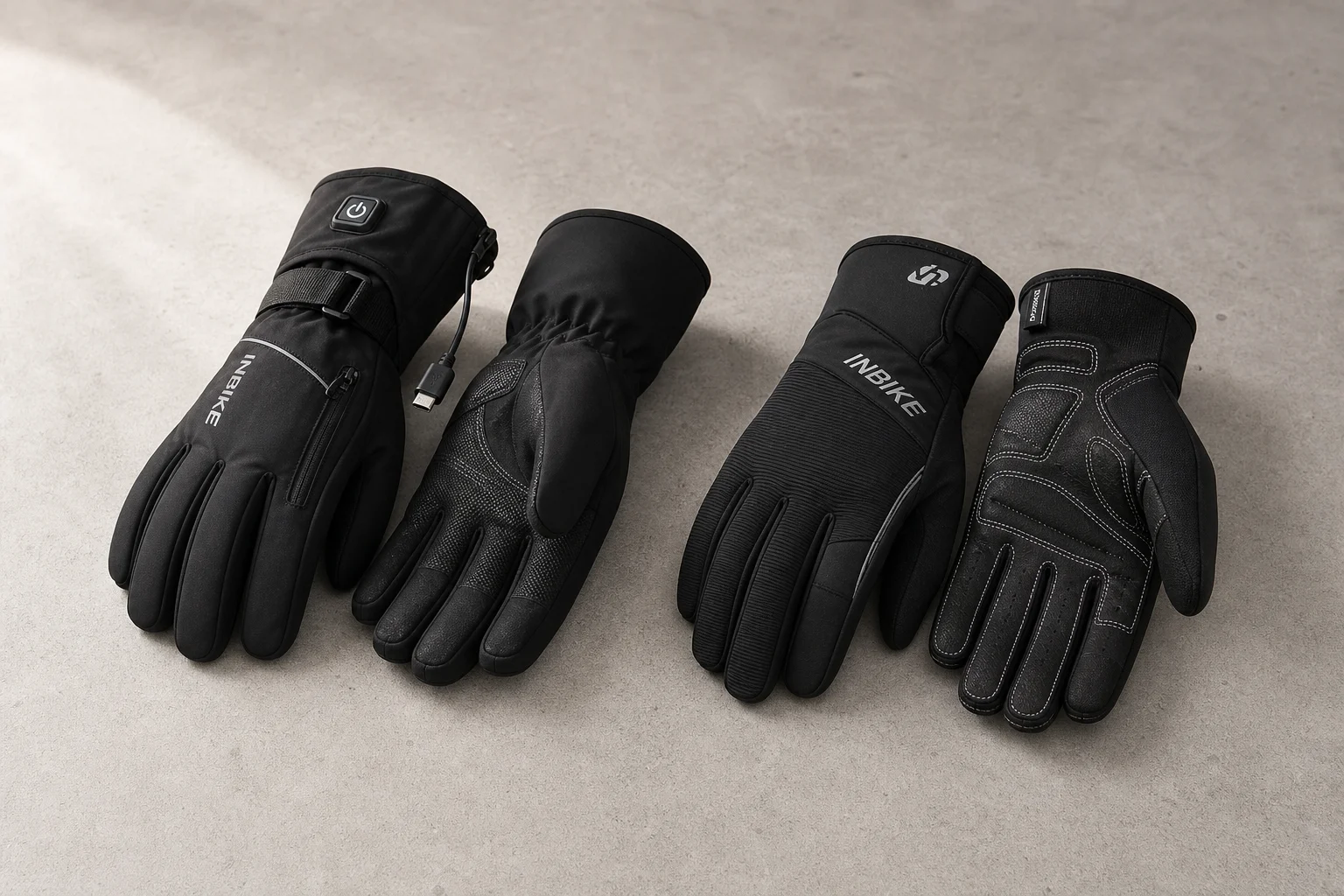
As temperatures drop, keeping your hands warm becomes essential for comfortable and safe cycling. Two main approaches stand out: heated electric gloves that use battery-powered heating elements, and traditional insulated gloves designed with thermal materials and construction. Each has distinct advantages depending on your riding style, climate, and budget.
When to Choose Heated Gloves
Heated cycling gloves offer active warmth through battery-powered heating elements distributed throughout the fingers and palm. A typical heated glove includes a rechargeable battery pack, USB-C charging cable, and multiple heat settings. The battery can also function as a power bank for your phone in a pinch.

At around $30, heated gloves deliver impressive performance for casual and electric bike riders. They warm up quickly, often reaching full heat within five minutes of activation. On the highest setting, most models run for approximately one to one hour and twenty minutes before the battery depletes. For riders who experience cold hands easily, this active heating makes a significant difference on short to moderate rides.
The main trade-off is that heated gloves tend to be thicker due to the battery pack and heating elements. Initial fit can feel snug, and some riders report hand sweat buildup during longer rides or more intense efforts. After riding for ten minutes, most users adapt to the fit and any initial discomfort fades. Shifter and brake control remains accessible, though the thicker material requires a brief adjustment period.
Heated Glove Performance and Comfort
Heated gloves excel for casual riding and electric bikes where hand effort is minimal. The heating distributes evenly across all fingers, providing consistent warmth even in temperatures around 5°C. The battery indicator shows remaining charge, and having a spare fully charged set at home allows you to swap batteries and extend your riding window without waiting for a recharge.
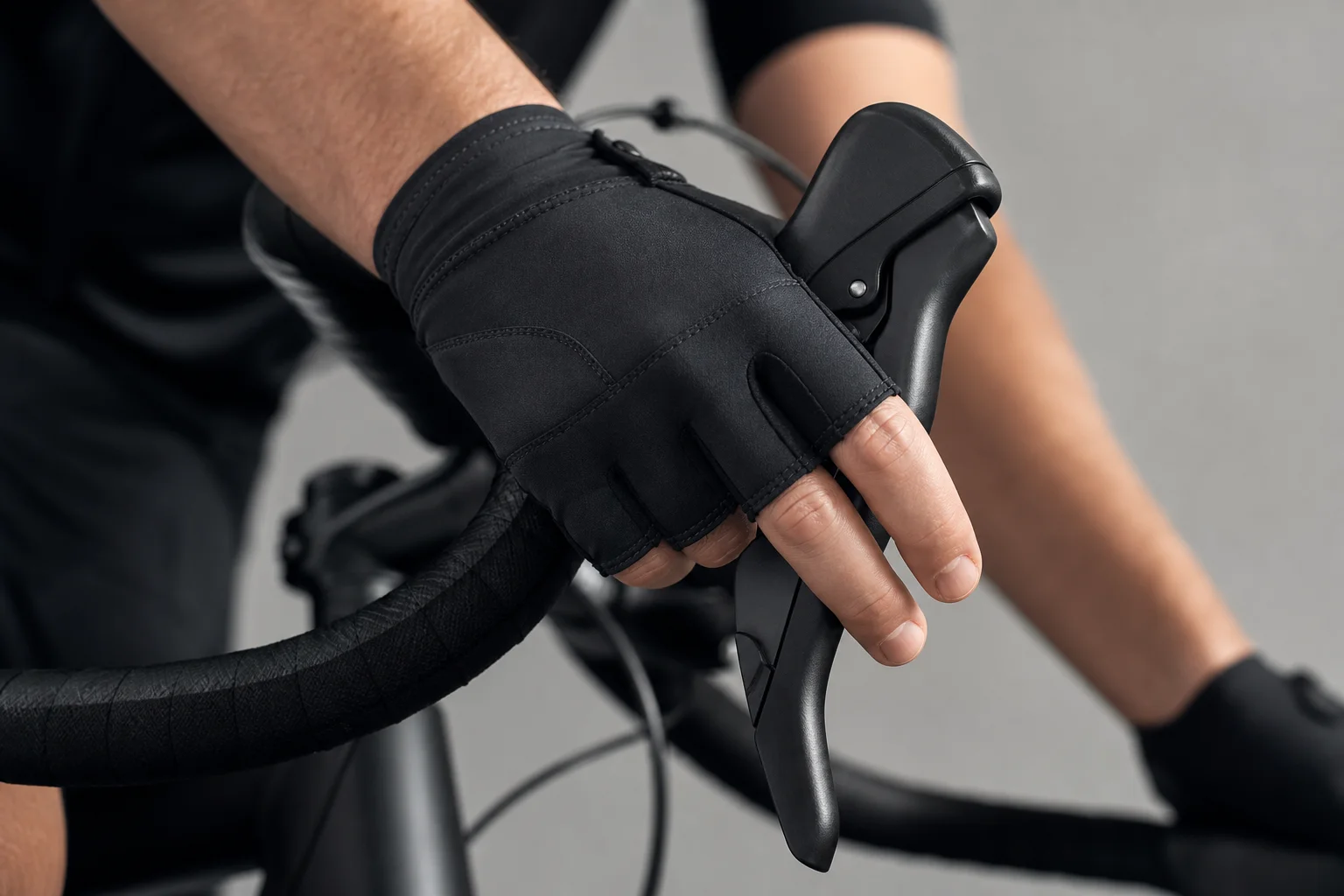
One important consideration is moisture management. After riding, heated gloves need thorough drying to remove sweat and condensation that accumulates inside. This maintenance step is essential for longevity and hygiene. For riders who prioritize simplicity and don’t want to manage moisture, traditional insulated gloves may be a better fit.
Motorcycle-grade heated gloves with 7.4-volt batteries exist and provide stronger heating, but they cost around $60 and are overkill for most cycling applications.
Inbike Cycling Gloves: Traditional Insulation
For riders who prefer aggressive cycling or want to avoid the bulk and moisture management of heated gloves, traditional insulated cycling gloves remain the practical choice. The Inbike brand offers a clear advantage: temperature range labeling with flame icons that indicate warmth levels.

Most cycling gloves use vague seasonal labels like “spring/fall” or “summer/winter,” which often prove unreliable. A glove marked “winter” might be too thin for actual winter conditions, forcing you to buy multiple pairs throughout the season. Inbike gloves solve this by showing a recommended temperature range and using flame icons (typically one to five flames) to indicate warmth intensity. This transparency makes it much easier for beginners and experienced riders alike to select the right glove for current conditions.
Choosing the Right Warmth Level
The three-flame version suits mild to moderate autumn conditions, typically from early November through mid-November in temperate climates. By late November, switching to the five-flame version becomes necessary as temperatures drop further. If your body runs warm or you ride intensely, the three-flame gloves may remain comfortable even into early winter.
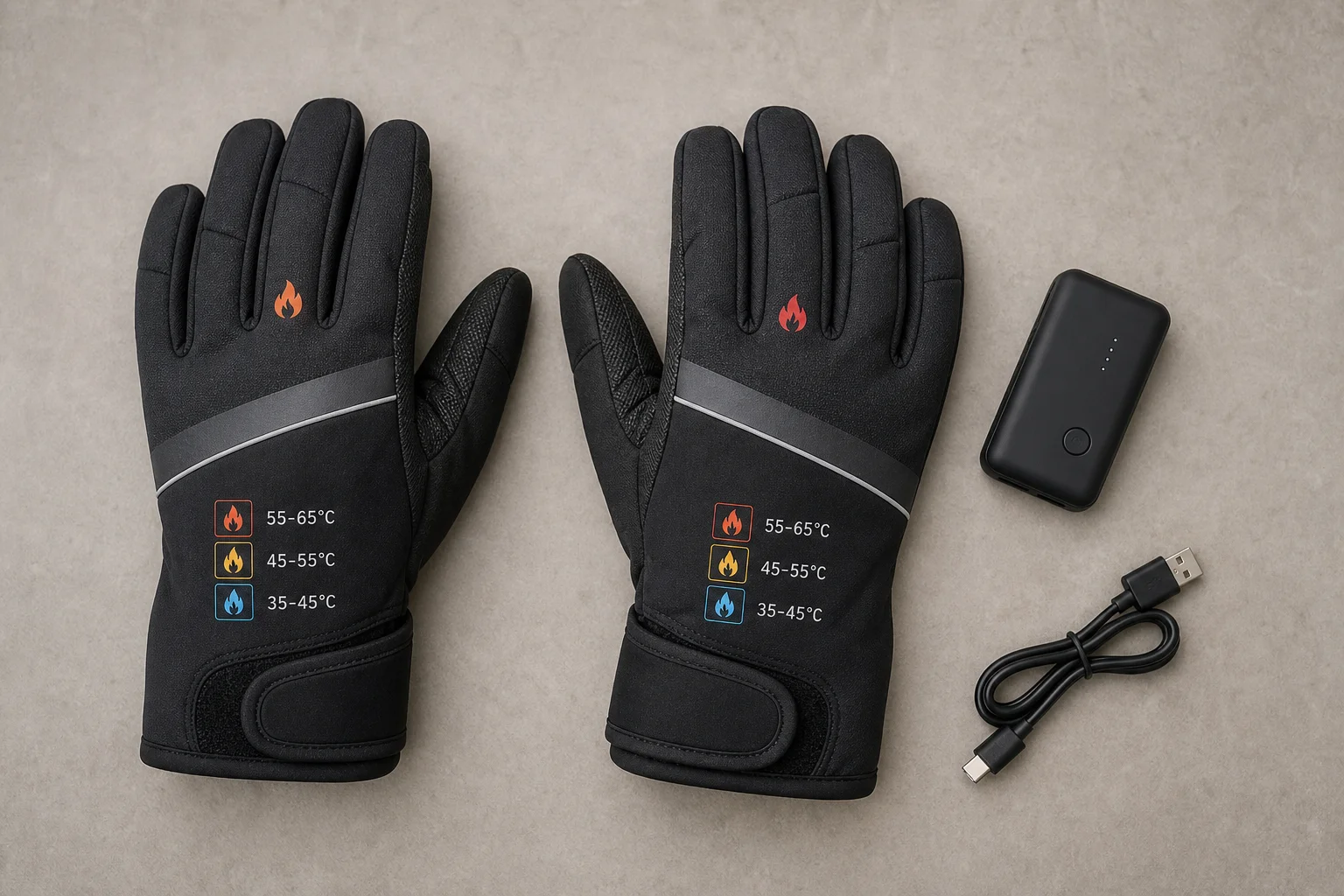
A practical strategy is to combine the three-flame gloves with arm warmers during mid-winter, extending the usable temperature range without buying additional glove pairs. Unlike heated gloves, traditional insulated gloves do not cause hand sweat buildup during normal riding, which many riders prefer for longer efforts or warmer autumn days.
Conclusion
Choose heated gloves if you ride casually, use an electric bike, or have hands that get cold easily and you want active warmth without layering. Choose traditional insulated gloves like the Inbike if you ride more aggressively, prefer simplicity, want to avoid moisture management, or appreciate clear temperature labeling to match your local conditions. For most riders, having one pair of insulated gloves for general use and considering heated gloves as a supplementary option for the coldest days offers the best balance of cost and versatility.
Product link
View more details for Inbike Cycling Gloves
This product is mentioned in the review. Check the specifications, options, and compatibility before buying.
View more details for Inbike Cycling GlovesFurther reading
Related Reviews
Cycling Accessories
BBB Signal Radar Rear Light Combo Review: Performance & Reliability Analysis
The BBB Signal Radar (BLS 251) is a newly released cycling radar rear light with a unique built-in speaker. We extensively test its detection accuracy, battery life, and real-world riding performance.
Cycling Accessories
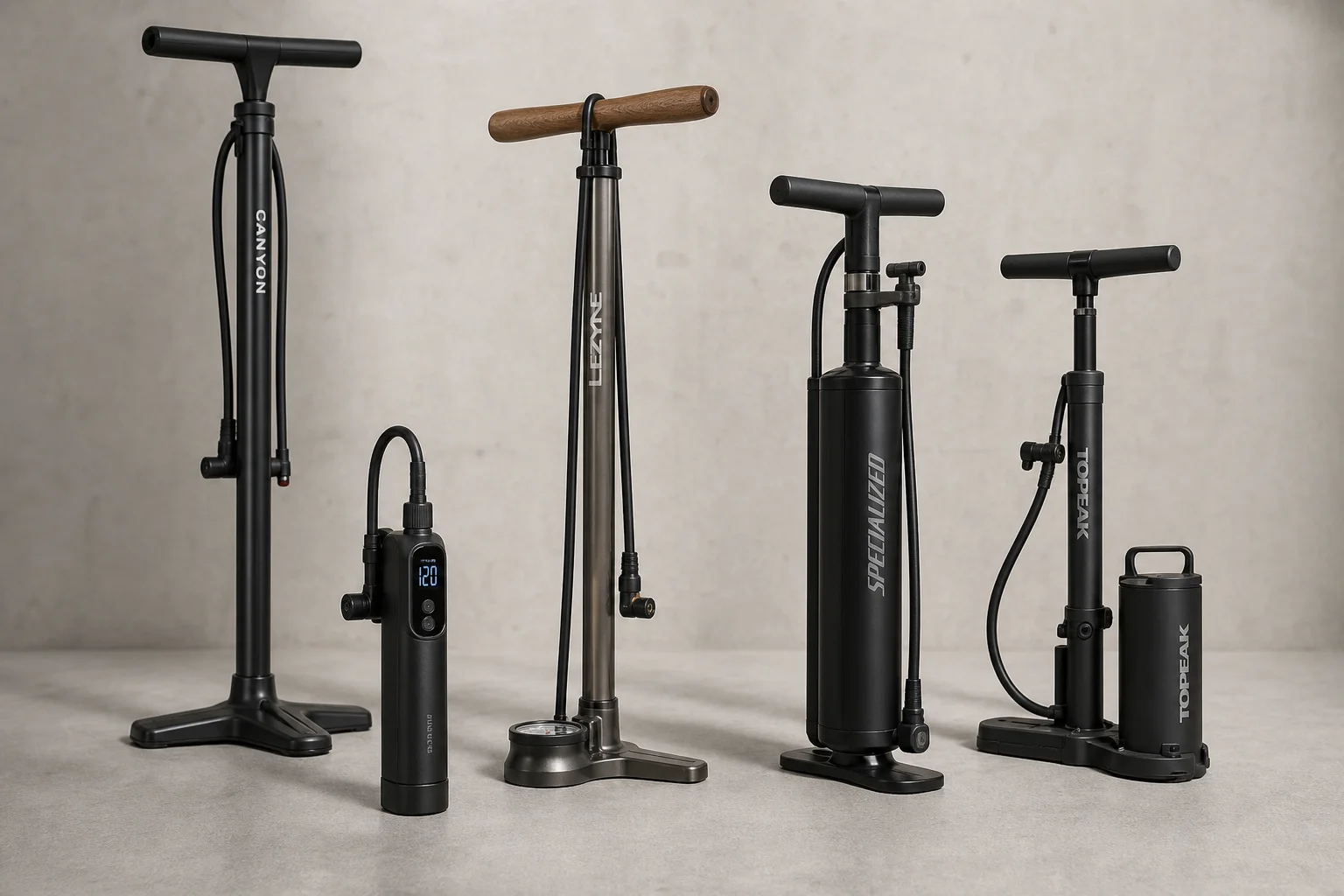
Best Bike Pumps 2026: Five Top Models for Every Riding Style
A practical guide to five high-quality bike pumps, from reliable floor models to versatile tubeless-ready options, with clear strengths and trade-offs for each.
Cycling Accessories
2026 Cycling Accessories Awards: Nine Pieces of Cycling Gear Most Worth Buying
A curated selection of nine real-world tested cycling accessories, covering Best Value, Biggest Surprise, Best Innovation, Best Performance Upgrade, and Best Product Awards, helping you spend every dollar where it counts.