Cycling Gear
Cycling Gear Worth Owning: Five Pieces That Earn Their Place
Five cycling items that solve real problems, from modular bikepacking luggage and a solar-assisted bike computer to sub-zero winter shoes, a heavy-duty glove and a fixed-gear commuter.
Introduction
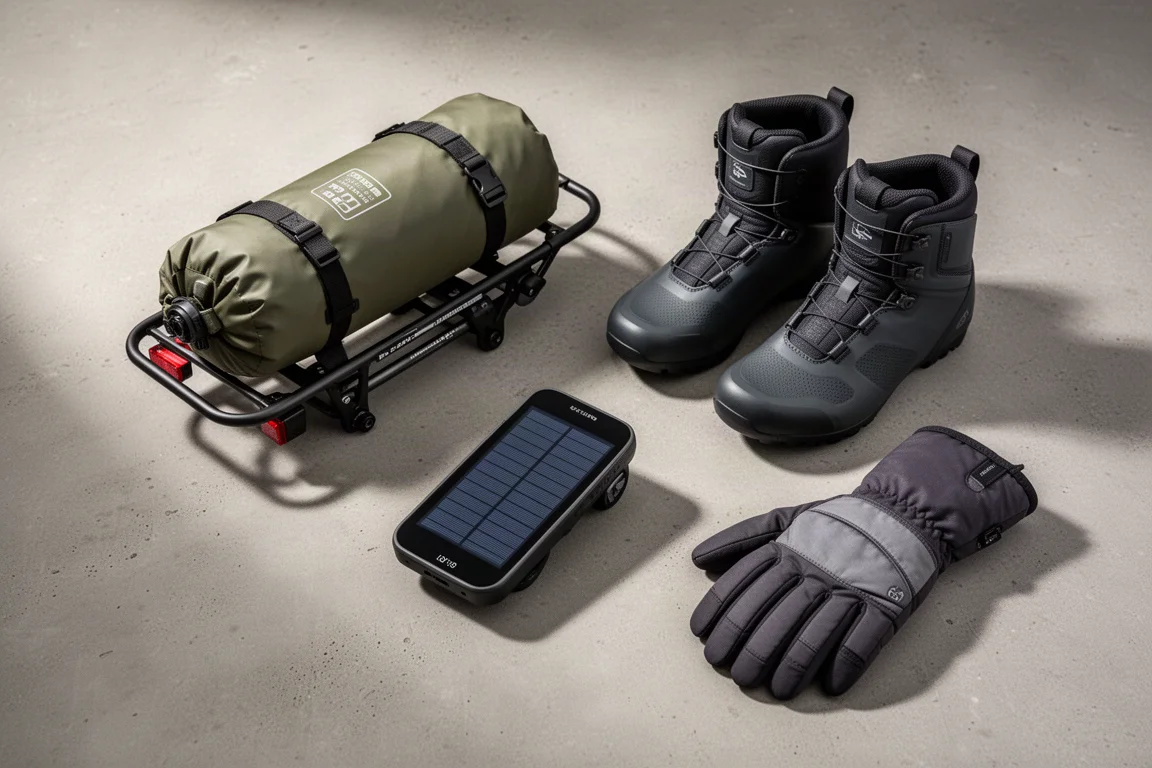
Some cycling gear earns its place because it removes a genuine problem rather than because it photographs well. The items in this guide come out of years of bikepacking, commuting and winter riding, and each one answers something specific: carrying luggage without sway, keeping a computer charged for weeks, or keeping feet and hands working below freezing.
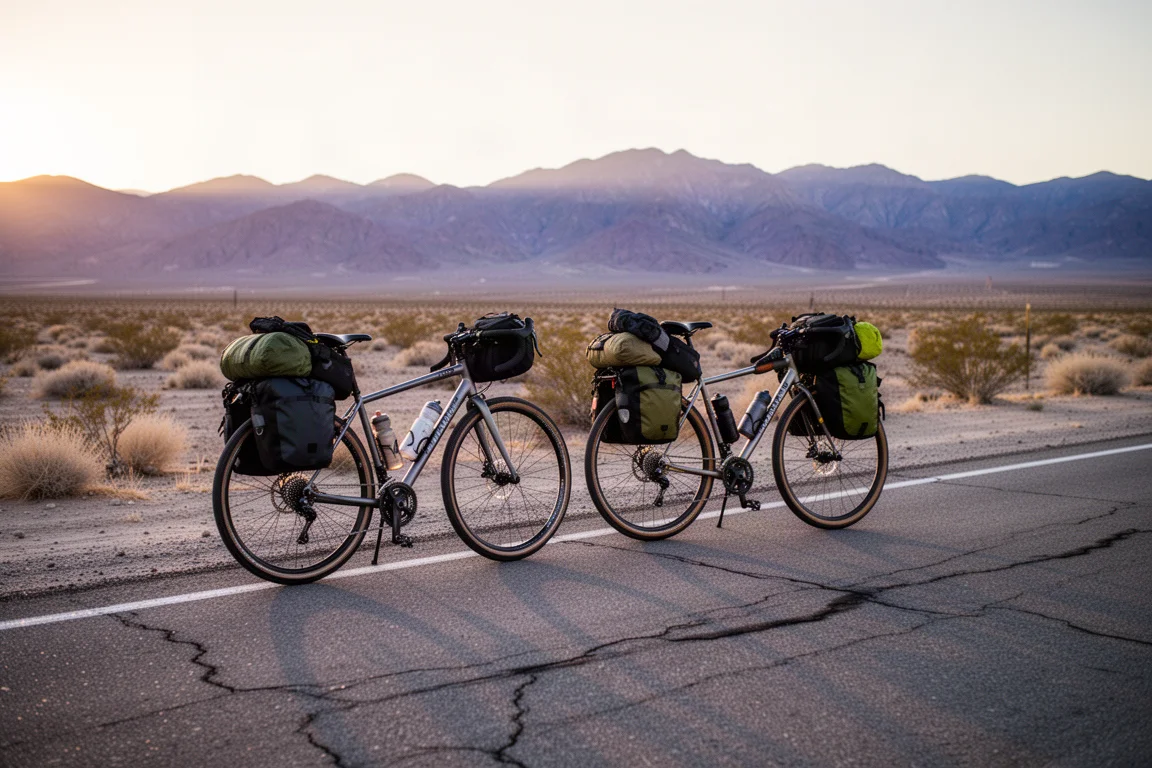
The bikepacking side of that experience includes a 2,500-mile ride from San Diego to Portland, with a detour through the Mojave Desert to Las Vegas and a return leg across Death Valley, where temperatures reached 53 degrees Celsius. Later trips covered Vietnam and Thailand. Long days on a loaded bike expose weak equipment very quickly, which is why the shortlist below is narrow.
This is not a ranking of everything worth buying. It is a short list of pieces that have proved durable, useful and largely free of fuss over multiple seasons.
What Makes These Five Worth Featuring
Three things separate gear that stays in use from gear that ends up in a drawer. First, it solves a recurring problem rather than an occasional one. Second, it survives repeated use across seasons without needing special handling. Third, it stays out of the way, so it never adds decisions to a ride.
Judged that way, luggage, a bike computer, winter footwear and a commuter bike all justify the space they take up. Each of the five picks below is specialised, so the goal is matching one to a problem you actually have rather than collecting the whole set.
Tailfin: Modular Bikepacking Luggage That Stays Put
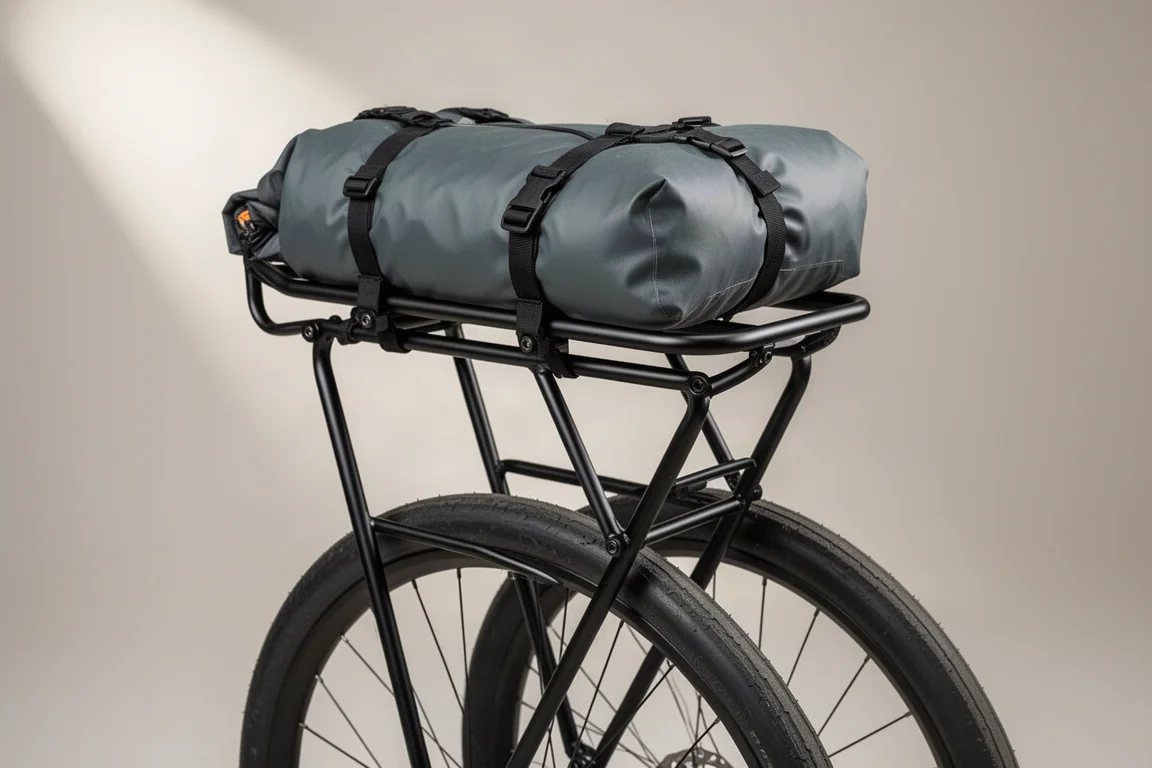
Traditional bikepacking luggage that attaches to the saddle rails has a familiar set of problems. It swings from side to side, it is never quite stable, and packing it is a chore. A modular rack system such as Tailfin mounts to almost any bike and behaves far better, staying stiff and stable so the load sits where it is put.
Packing is the other advantage. The bag unrolls at the top, gear drops straight in, and it rolls closed again. It is waterproof and durable, which matters on a trip that runs through desert heat and mountain rain in the same week.
The trade-off is price. This sits at the premium end of bikepacking luggage, and cost is the main reason to pause before committing. For anyone planning multi-day trips, though, the stability and the packing routine are the parts that justify the outlay.
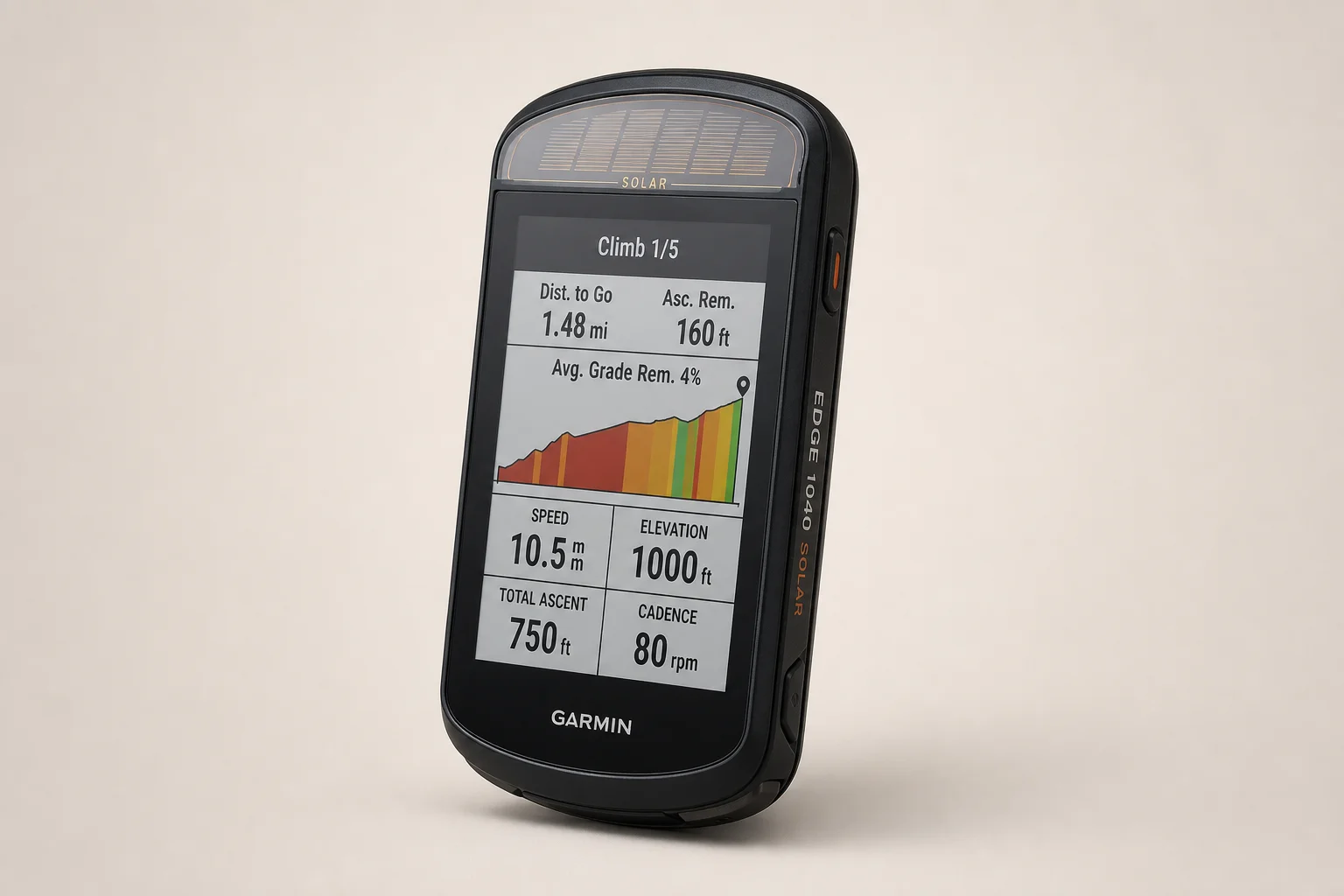
Garmin Edge 1040 Solar: Two Weeks Between Charges
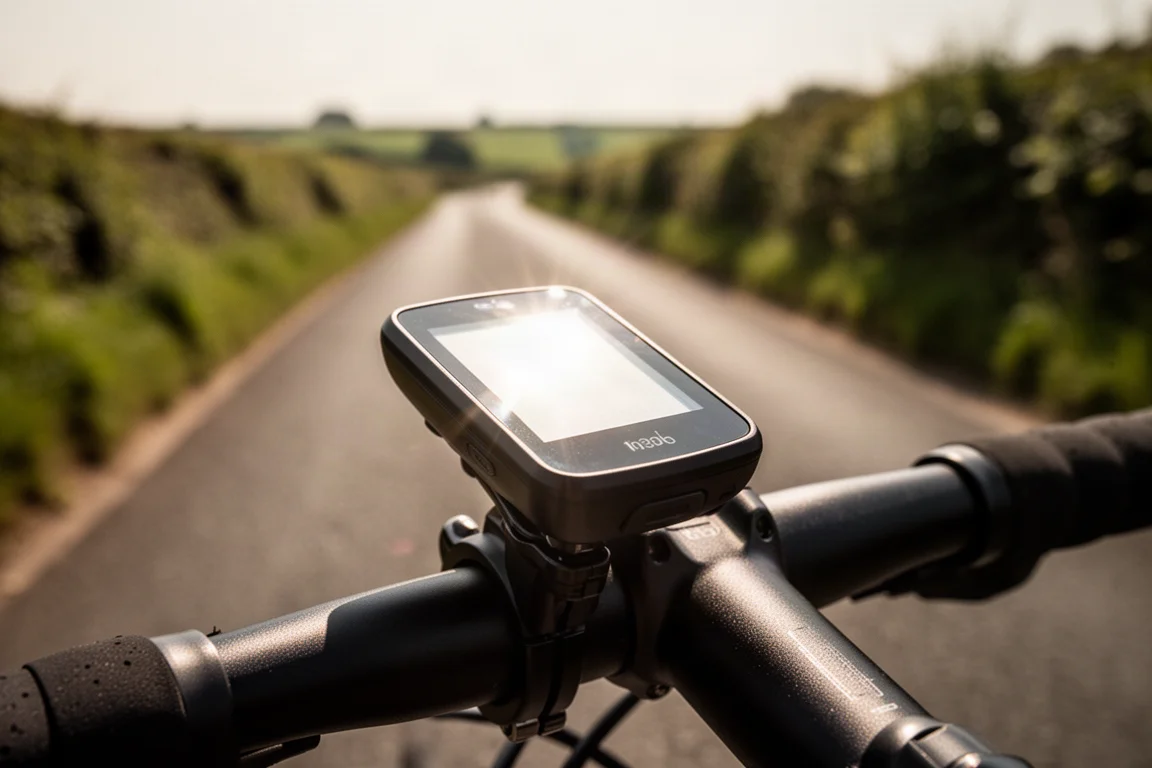
The number of devices that need charging is one of the less enjoyable parts of modern cycling, and a bike computer that spends most of its life on a cable is a nuisance. The Garmin Edge 1040 Solar attacks that problem with a solar panel built into the face of the unit, extending battery life well beyond a conventional computer.
In practice the difference is significant. On a ride the length of Thailand, from Chiang Mai down to Phuket, one charge was enough to finish the trip. Closer to home, used every day for a 40-minute commute in each direction, it needed plugging in roughly once a fortnight.
That changes how the computer fits into a routine. There is no daily charging ritual and no need to plan a ride around a battery indicator, which is the whole point of putting a panel on the front.
Lake MXZ 304-X: Winter Shoes Built for Sub-Zero Riding
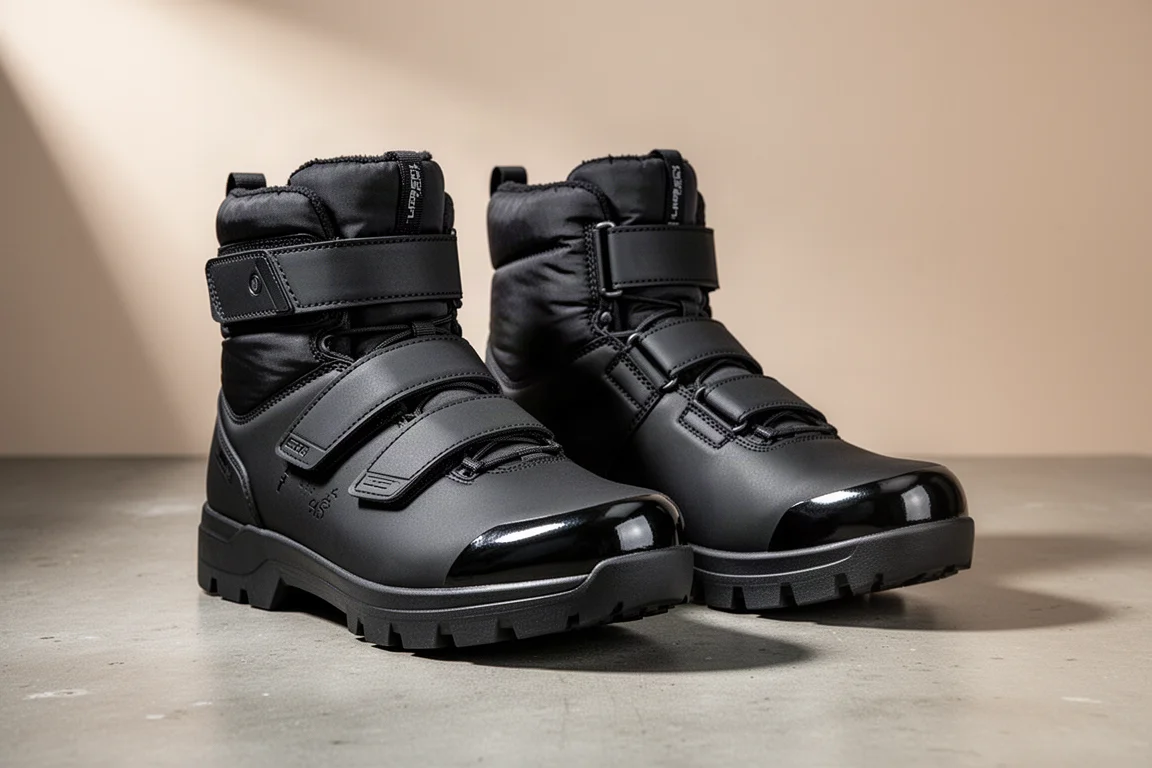
Cold feet are one of the most common reasons winter riding stops being fun, and they are hard to fix with socks alone. The Lake MXZ 304-X takes a different route: a heavy, heavily insulated winter shoe with a waterproof and windproof construction and a liner designed to keep the weather out.
The shoe is not elegant. It is heavy, it is not especially comfortable in the way a summer shoe is, and getting it on takes more effort than most riders would like. It is also not breathable. What it does is keep feet warm, and it does that extremely well, helped by a foil footbed that reflects heat back towards the foot. Several hours at minus five or six degrees have passed with feet still warm.
Castelli Estremo Glove: Cold Hands, Solved
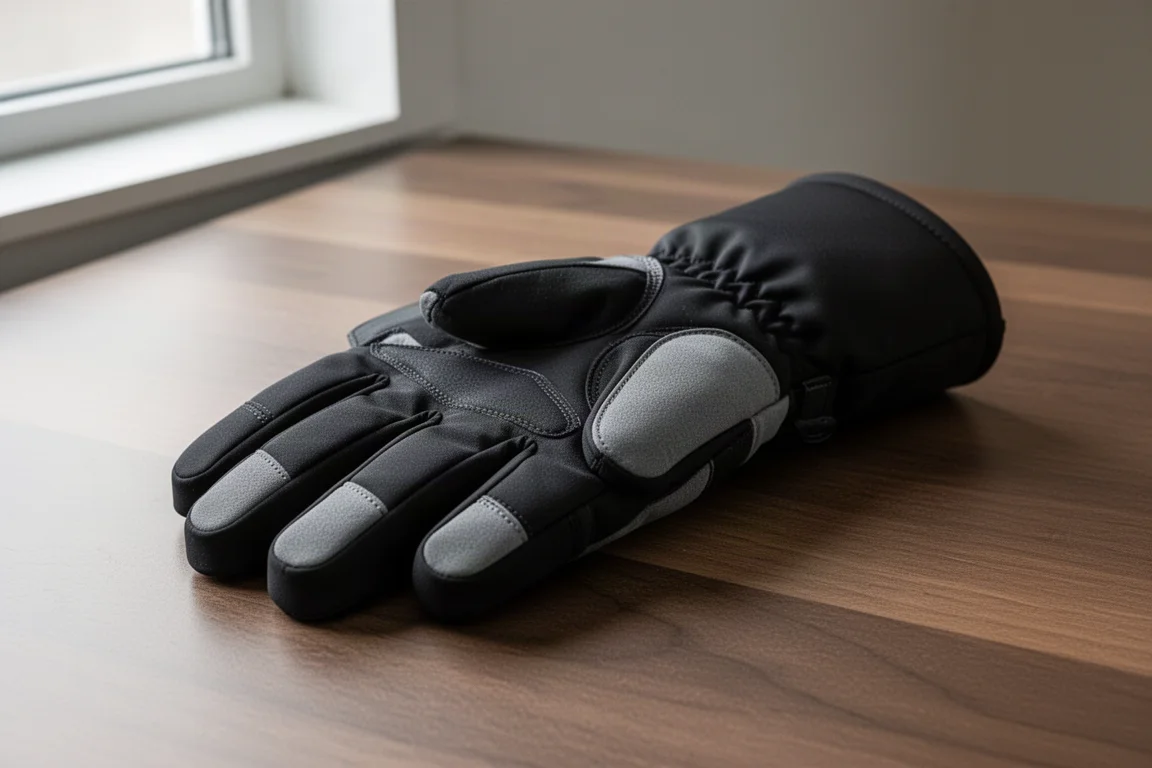
Hands are the other weak point once temperatures drop, and simply layering gloves rarely works. The Castelli Estremo Glove is a heavy-duty winter glove built closer to a ski glove than a typical cycling mitt, and it is deliberately not a lobster design.
It has stayed in use for three or four seasons without being replaced, which says more than a specification sheet can. For long-distance riding in low temperatures, it is the glove that keeps hands functional rather than merely covered.
That mix of insulation and a full-finger fit is what makes it work for hours in the saddle instead of a short winter spin.
Pearson Once More: A Fixed-Gear Commuter With Real Character
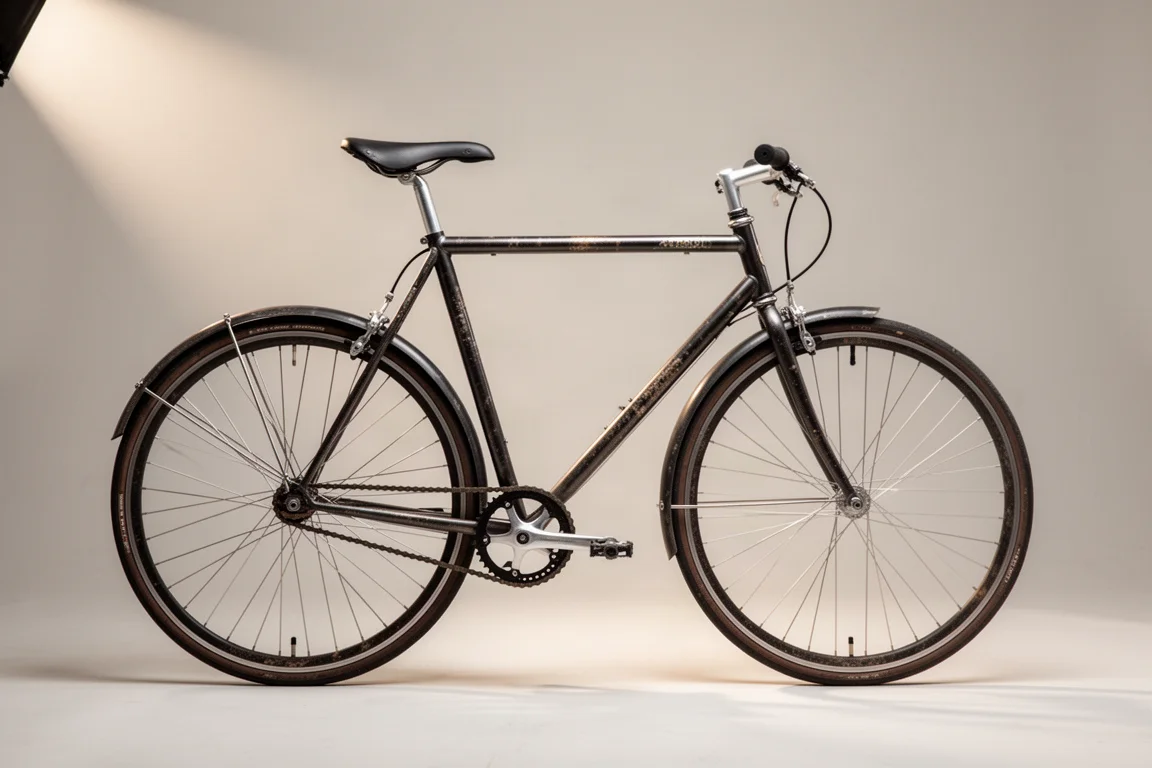
A fixed-wheel commuter is a different kind of purchase from the rest of this list. The Pearson Once More is a simple aluminium frame with deep-drop calipers, full-length mudguards and a fixed drivetrain, aimed at wet, cold commuting rather than weekend speed.
The fixed gear is the point. It lets speed be scrubbed without touching the brakes, which reduces the chance of washing out the front wheel on slick roads, and it leaves fewer moving components to wear out or adjust. The finish shows its age quickly, picking up chips and scuffs from everyday use, but that suits a bike meant to be ridden in all weather and left locked up outside.
Overall Buying Advice
The right order to buy these depends entirely on the problem in front of you. Bikepacking luggage and a long-life bike computer are the two items that change how a ride gets planned, while winter shoes and gloves matter most to riders who keep going through the coldest months.
If budget is limited, start with the item that removes the most friction from a normal riding week. For a daily commuter in a wet climate, that is often a fixed-gear bike with proper mudguards or a computer that rarely needs charging. For a rider planning multi-day trips, stable luggage comes first. Winter footwear and a heavy glove only pay off if the cold is genuinely the limiting factor, because both are specialised pieces of kit.
It is also worth treating these as long-term purchases rather than seasonal ones. A rack system, a winter shoe and an insulated glove are all built to be used for years, which shifts the value calculation compared with equipment that gets replaced every season.
Conclusion
Five items, one theme: gear is worth owning when it removes a problem rather than adding one. A modular rack that stays stable and packs in seconds, a computer that runs for weeks on a solar top-up, winter shoes and gloves that keep extremities working, and a simple fixed-gear commuter that shrugs off bad weather. Each has a clear job, and each earns its place across a full season of riding.
Further reading
Related Reviews
Cycling Gear
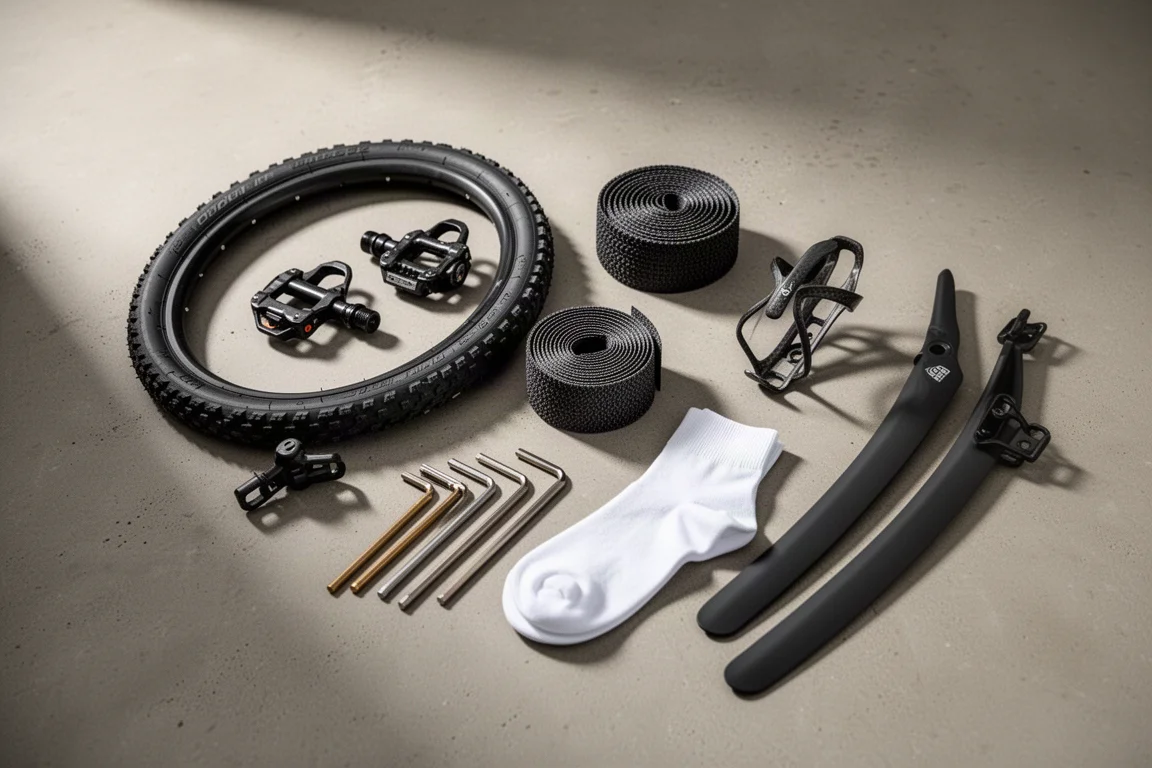
8 Cycling Products Riders Keep Coming Back To
Eight cycling components and accessories with clear strengths, honest trade-offs and long-standing reputations among riders and mechanics.
Cycling Gear
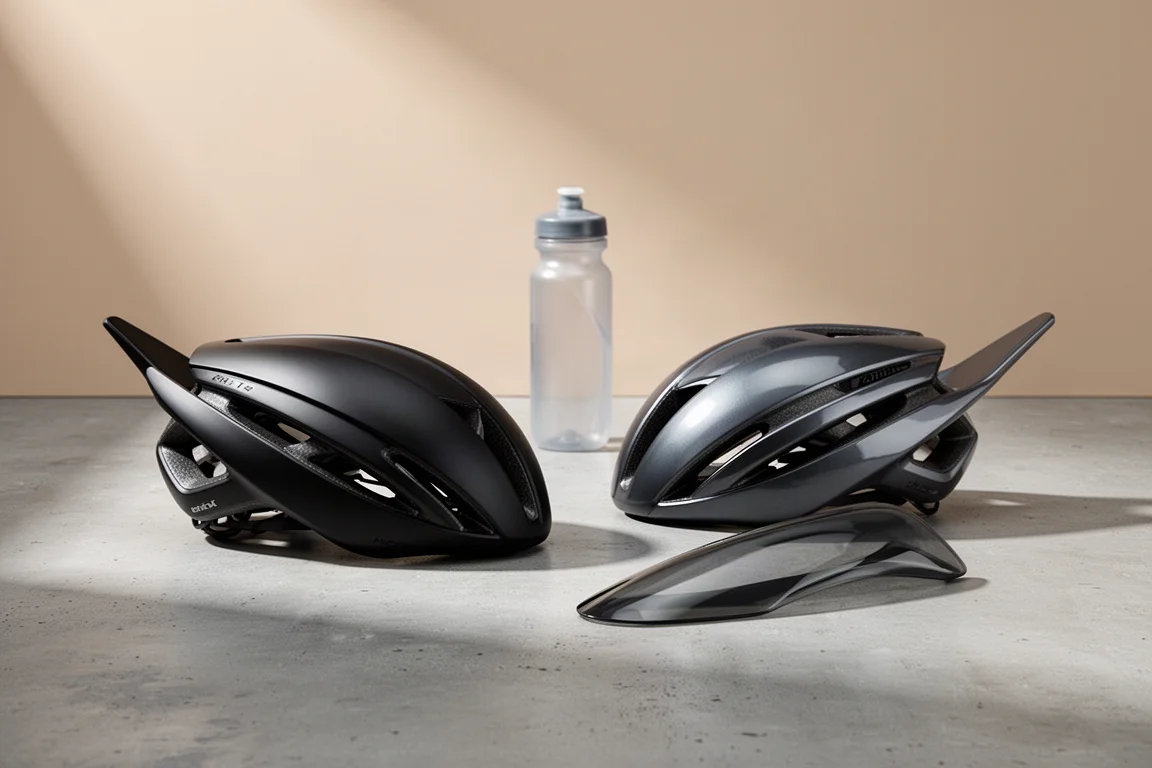
Aero Helmets and Bottle Setups Tested: Six Options Ranked by Measured Watt Savings
Wind tunnel data on six aero helmets and bottle setups, with real watt savings, practical trade-offs, and guidance on what is worth buying first.
Cycling Gear
Aero Road Bikes and Fast Tires Worth Watching in 2026
Four aero road bikes and one fast road tire, with the real strengths, the open questions, and what to check before you buy.