Cycling Gear
Cycling Gear Worth Buying: Six Smart Buys and the Cheap Substitutes to Avoid
A practical look at cycling gear that earns its place, from chain catchers and winter overshoes to puncture-resistant TPU tubes, plus the cheap shortcuts that quietly cost more.
Introduction
We have both spent money on cycling gear we regret. Some of it was cheap and failed almost immediately. Some of it was expensive and simply did not suit the riding we actually do. The pattern behind nearly every bad purchase is the same: buying a substitute for a proven product, or buying for a category of riding we never do.
This guide collects the gear that has earned a long-term place on our bikes, and the cheap shortcuts that cost more in time, comfort and replacement parts than they ever saved. If you ride through winter, maintain your own bike, or simply want fewer disappointing purchases, these are the items worth your attention.
What We Look For in Gear Worth Buying
Three things separate a good buy from a bad one.
First, proven design. A product that a lot of riders use and that has been refined over several years tends to work out of the box. Unbranded copies can look identical in a product photo and behave nothing like the original.
Second, service life relative to price. Overshoes, for example, are close to disposable items, so the real question is not whether they will wear out but how many seasons they survive.
Third, fit with your actual riding. A product built for loaded touring or a tandem is a poor match for a fast road bike, and vice versa. Matching the design intent to your riding is the single biggest factor in whether a purchase feels like money well spent.
A final point: the cheapest option is rarely the cheapest outcome. Two hours spent making a bad part work, a component that fails mid-ride, or a replacement bought twice usually costs more than the version that simply works.
Best Chain Catcher: K-Edge Chain Catcher
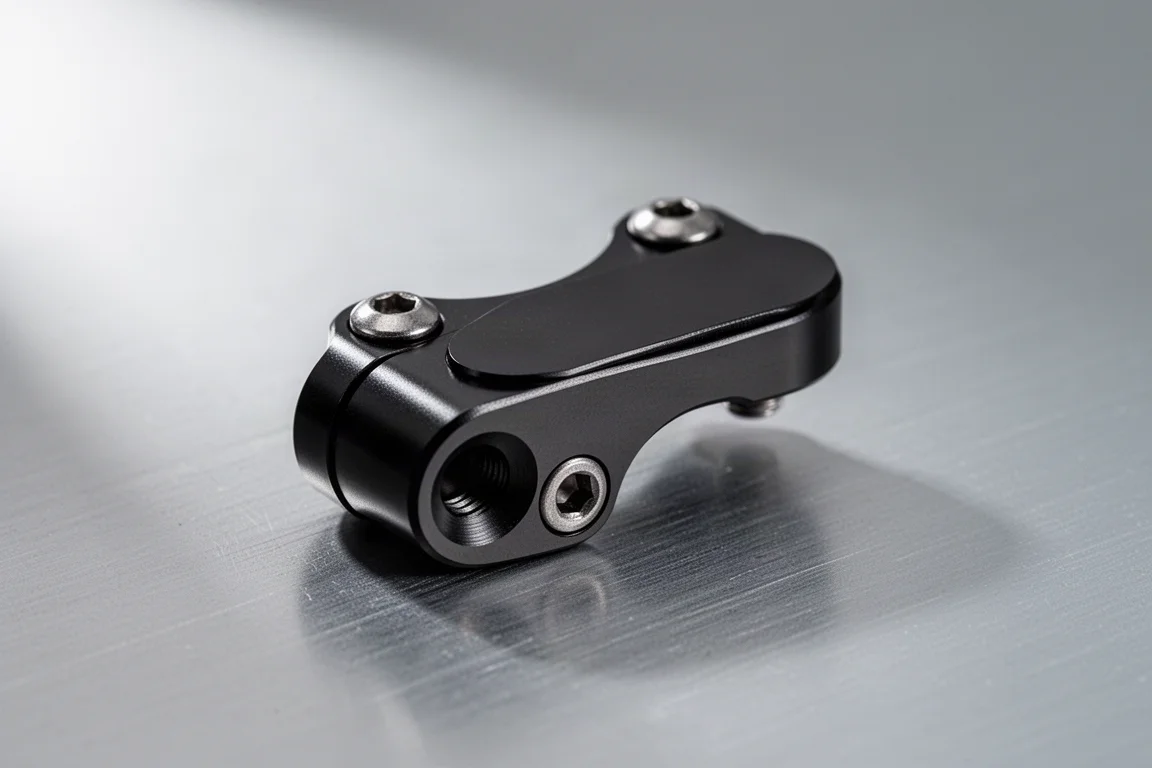
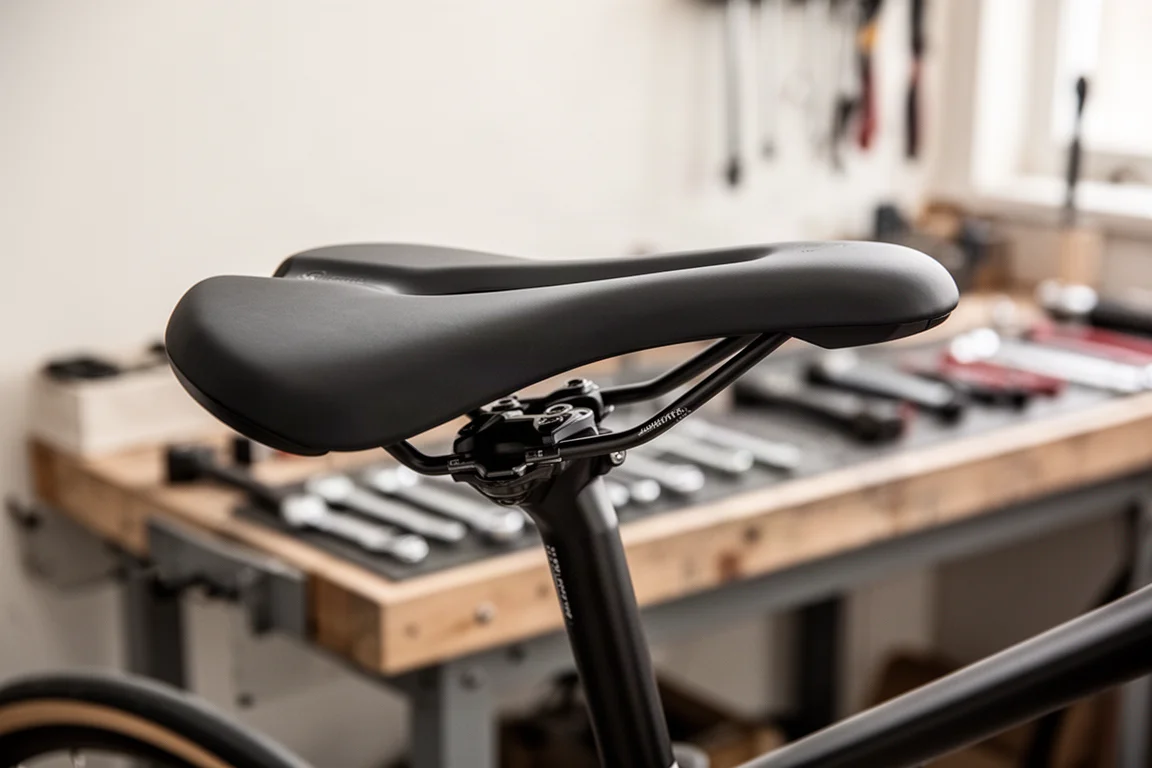
If you ride a carbon frame and your chain has ever dropped to the inside of the crank, you know the damage it can do to a chainstay. A chain catcher is inexpensive insurance against that.
The well-established option is the one used throughout the professional peloton. It comes with the set screws needed to position the guide precisely and to lock it in place, plus a serrated washer so chain contact cannot simply push the guide out of alignment. That hardware is the entire point of the design, and it costs roughly £25 to £40.
We have also tried a low-cost marketplace copy, and the difference was stark. It had no set screws, so it could not be adjusted or secured, and it relied entirely on the tension of the derailleur bolt. When the chain hit it, it moved. Getting that far took around two hours of fitting, removing and refitting. Life is too short to spend an evening on a part that was never going to work.
Best Overshoes for Deep Winter: Spatz Overshoes
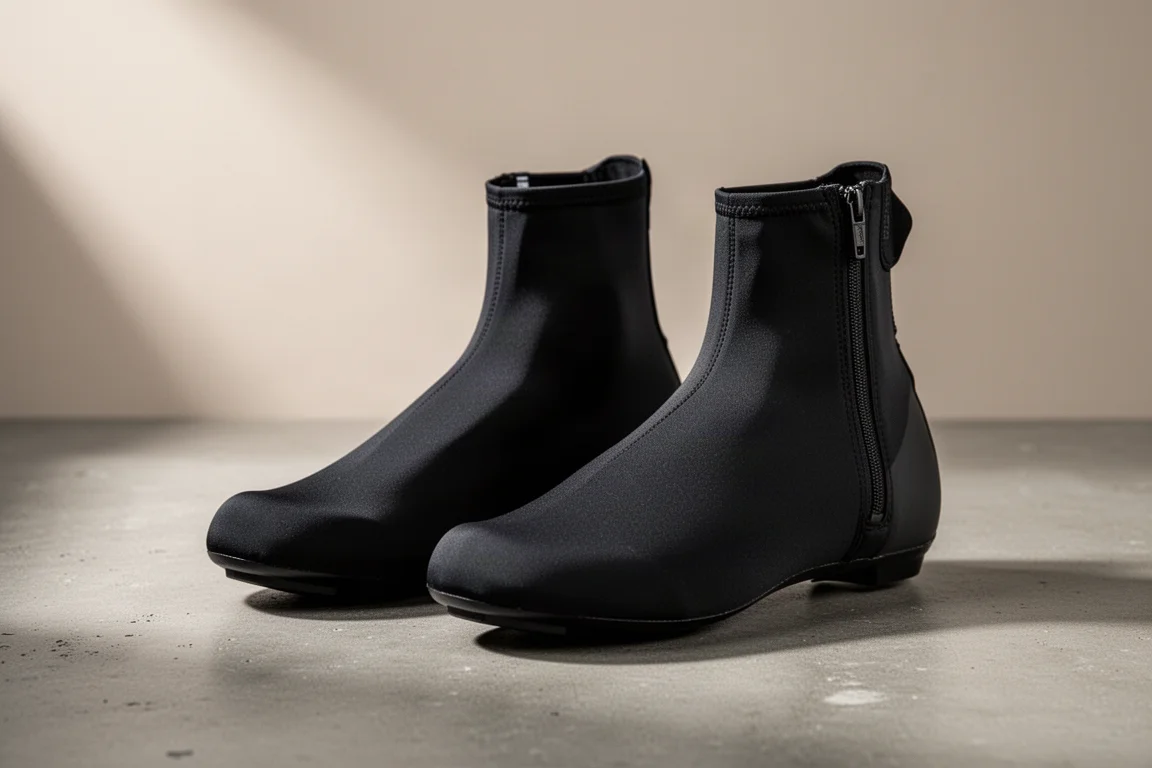
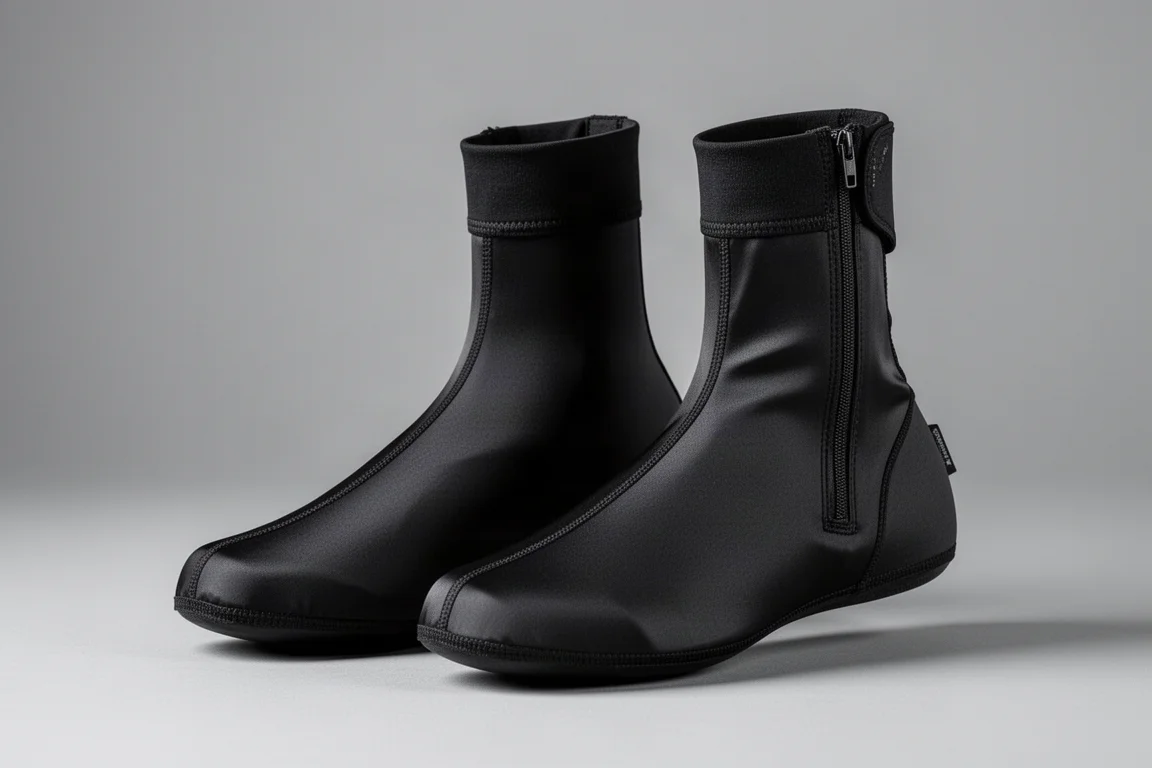
If you want one pair of overshoes that survives several winters, this is the pair that keeps coming up. They are built heavily, closer to a pair of boots than a thin stretch cover, and riders who own them tend to keep them for years rather than seasons.
Earlier designs had a metallic look that put plenty of people off. The range has since been brought up to date, and shorter, more conventional lengths are now available alongside the knee-height versions. If long-term durability matters more to you than packability or weight, start here.
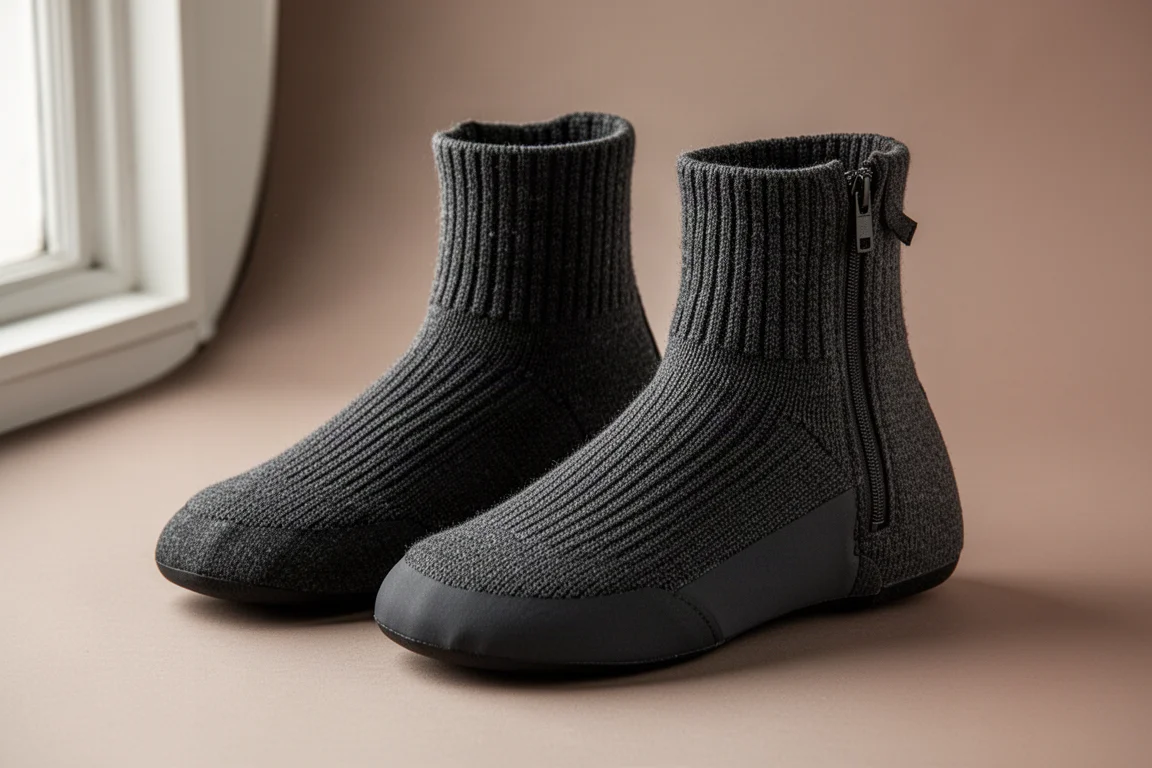
Best Knitted Overshoes: GripGrab Knitted Overshoes
Knitted overshoes are the comfortable middle ground: warm, breathable and far less clammy than neoprene on milder winter days. These have lasted several seasons in regular use, which is more than most covers manage.
Expect some wear. Knitted fabric snags and pulls over time, and experiences vary depending on how much walking and hike-a-bike the covers see. Ours eventually gave up during a hike-a-bike over a hill, which is a lot to ask of any knitted cover.
For riders who mostly stay on the bike and want warmth without the sweaty feel of rubber, they are a sensible pick. If your winter riding involves a lot of stopping, walking or muddy sections, a heavier cover will hold up better.
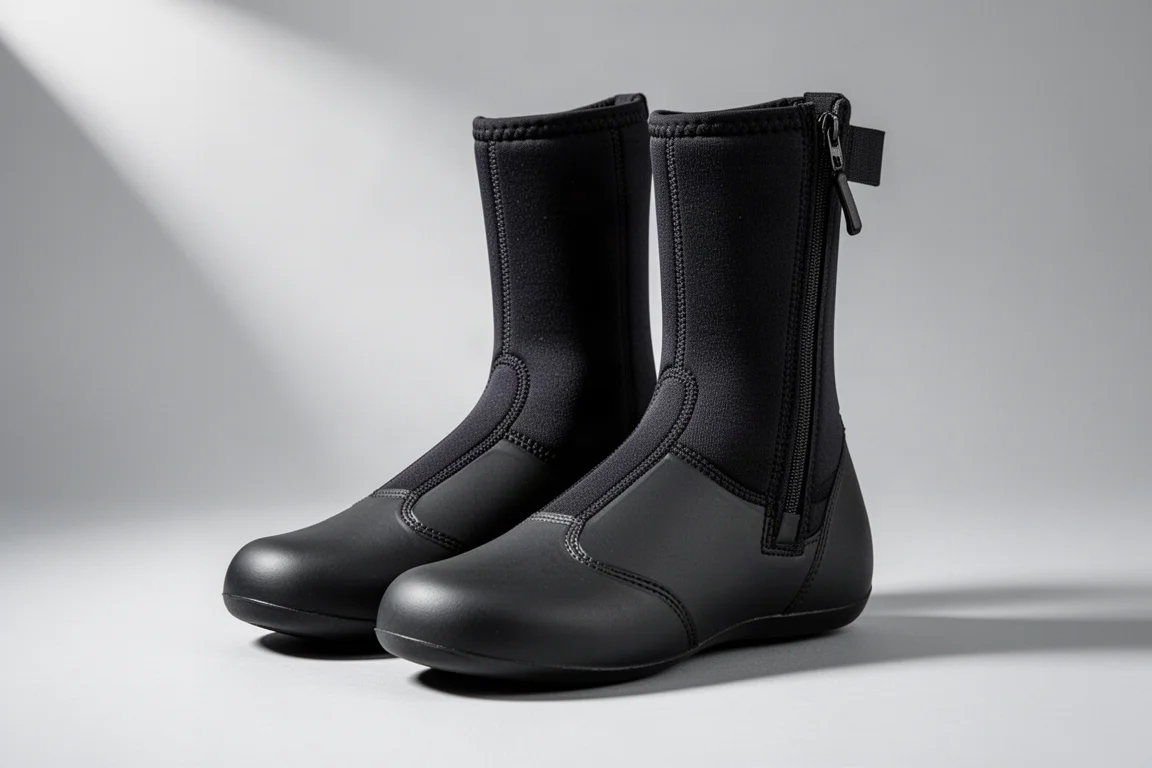
Best Neoprene Overshoes: GripGrab Neoprene Overshoes
Neoprene covers are the workhorse option for wet, cold rides, and this is the pair worth paying properly for. They sit somewhere in the region of £50 to £80, and that price buys thicker panels, better seams and a shape that stays put.
The argument for spending here is straightforward. Flimsier, lighter neoprene covers simply do not last. A cheap set bought as part of a winter kit bundle survived about two rides. A good sturdy pair will see out multiple winters, which makes the cost per season far lower than the headline price suggests.
Best Overshoes for Everyday Winter Riding: Shimano S-Phyre Overshoes
For riders who want one pair that handles most winter conditions without a second thought, these have been in regular use and have held up well. They are not the cheapest option, but they have outlasted most of the covers that came before them.
The wider lesson with overshoes is that almost none of them last forever. Treat them as a consumable, buy the sturdiest pair you can justify, and replace them when the seams go rather than nursing an extra season out of a worn-out cover.
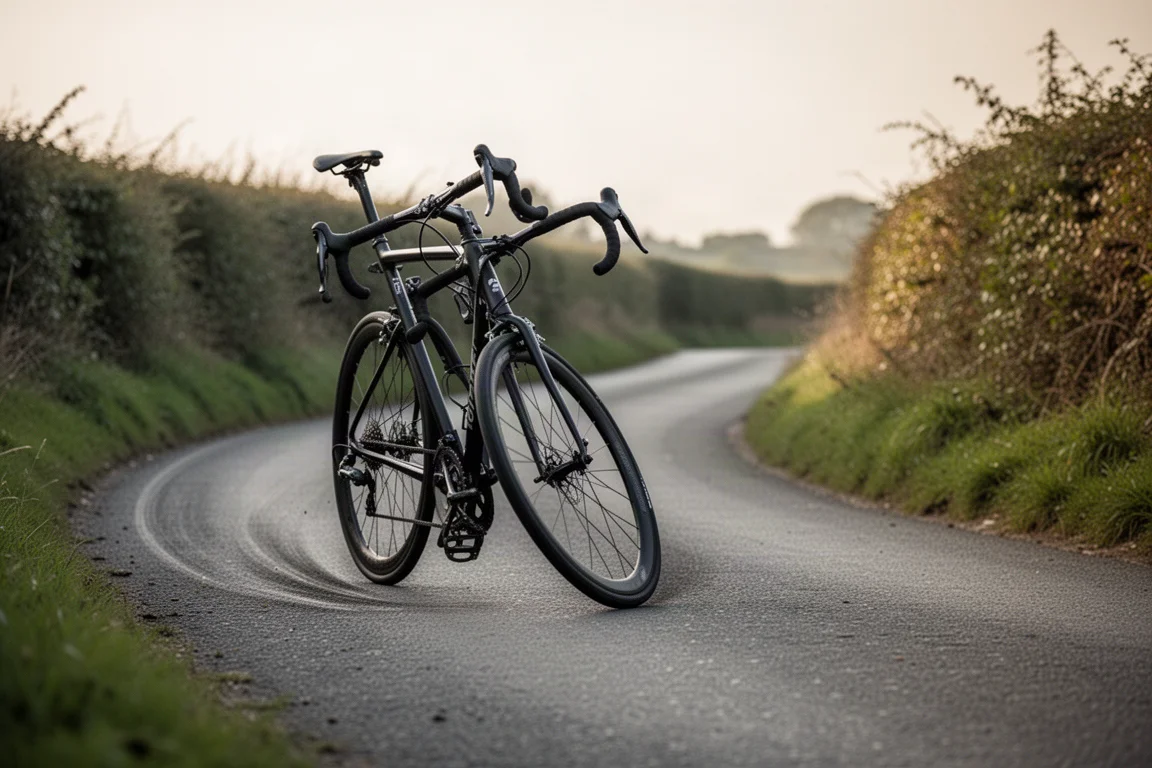
A note on winter boots. They look like the logical next step, but the pair we tried had compromised ergonomics, felt very flexible, and were far harder to get on and off than overshoes. They also let rain run straight down into the shoe. Try before you commit if you possibly can.
TPU Tubes for Tandems and Touring: Tubolito
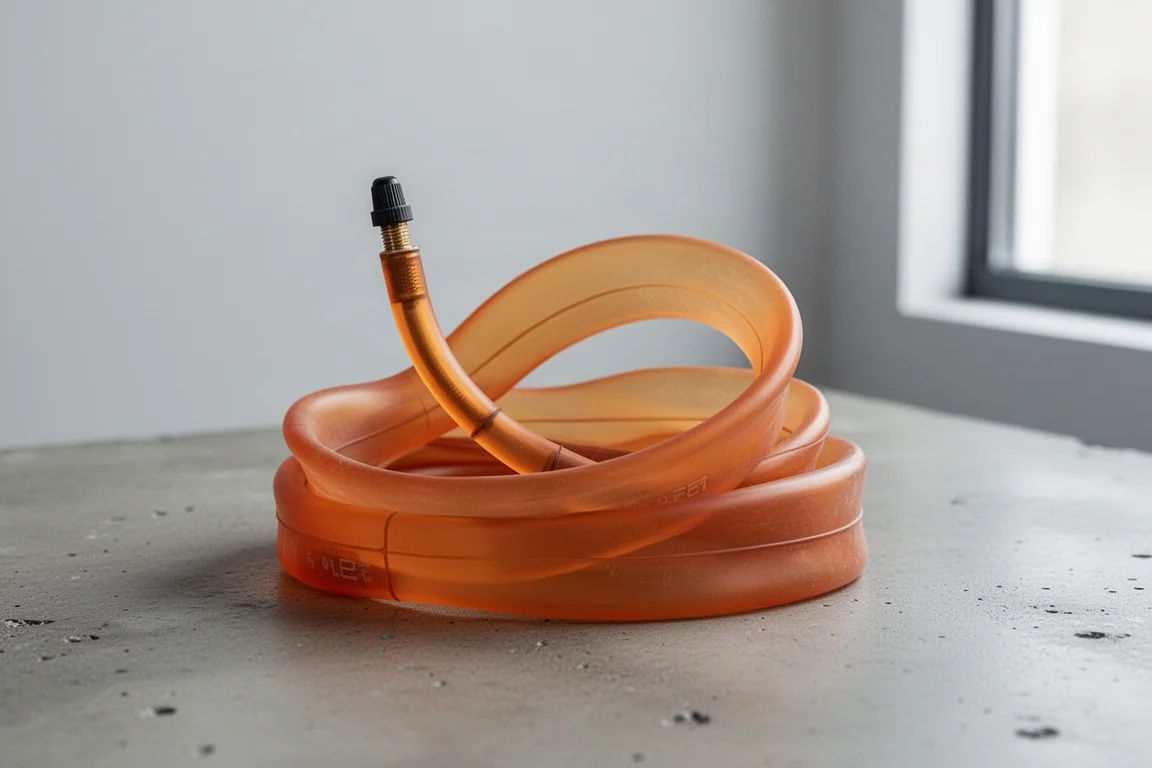
TPU tubes promise lower weight and reduced rolling resistance compared with butyl, along with claims of better puncture protection. In practice those claims have not held up as reliably as the marketing suggests, and TPU tubes are also difficult to repair once they puncture.
There is a legitimate use case, though. Heavier TPU tubes designed around puncture protection rather than low weight make sense on a tandem or a loaded touring bike, where the priority is getting home rather than shaving grams. That is the role this brand fills.
One detail worth knowing before you buy any TPU tube: valve hardware varies enormously between brands. We have seen composite valve stems snap clean off while inflating, and we have seen valves deform after screw-on pressure sensors were fitted, to the point where a standard core would no longer thread in. If you use screw-on sensors, check compatibility carefully first.
Where Cheap Substitutes Fall Short
Some categories are genuinely fine to buy cheaply. Small tools and electronics from general marketplaces have served us well over the years. Others punish you for it.
Cheap multi-tools and cable cutters are the clearest example. Undersized tools round out bolt heads, corrode, bend and fall apart. Poor cable cutters mash housing instead of cutting it cleanly, which makes fitting the ferrule far harder than it needs to be. A dedicated hose cutter does a job that side cutters cannot do properly. You do not have to spend a lot to get good tools, but you do have to spend something.
Drivetrain parts are the other place where cheap costs more. During the 2020 parts shortage we bought a generic cassette and chain. The cassette rusted almost immediately, and the chain had so much lateral slop that it snapped clean in half within a few rides. There was also a wave of counterfeit branded components circulating at the time. Chains and cassettes are not the place to save money, because the shifting quality and the safety margin of a genuine part are worth the difference.
The same pattern shows up in winter clothing. Cheap kit that keeps you warm on the way out but leaves you soaked and frozen after a cafe stop is a false economy. The good news is that kit has improved substantially in recent years while entry-level prices have come down.
Action cameras have narrowed the gap dramatically too. Early low-cost cameras produced footage that was barely usable, while current mainstream options capture stable, sharp footage with very little fuss. If you are buying now, the established names are worth the money.
Buying Advice
Buy the proven part where the consequences of failure are high. Chain catchers, chains and cassettes, cable and hose cutters, and winter covers all fall into that group. The difference in price is usually small relative to the cost of a failure on the road.
Buy for the riding you actually do. Heavier puncture-resistant tubes make sense on a tandem or a loaded tourer and little sense on a race bike. Heavy overshoes make sense for a commuter riding through winter and less sense for a rider who travels light.
Treat consumables as consumables. Overshoes, chains and cassettes wear out, and the goal is to get the most seasons or the most miles out of them rather than to make them last forever.
And be honest about the bargain hunt. Almost every bad purchase on this list started with a late-night search for something cheaper than the obvious answer. When a product is cheap because it copies a proven design, the money you save usually gets paid back in time, discomfort or a replacement part.
Conclusion
The gear that works is rarely the cheapest and rarely the most exotic. A chain catcher with proper set screws, a sturdy pair of overshoes, a chain and cassette from a manufacturer that stands behind them: none of it is exciting, and all of it makes riding better. Spend where failure is expensive, save where it is not, and you will end up with far fewer purchases you regret.
Further reading
Related Reviews
Cycling Gear
8 Cycling Products Riders Keep Coming Back To
Eight cycling components and accessories with clear strengths, honest trade-offs and long-standing reputations among riders and mechanics.
Cycling Gear
Aero Helmets and Bottle Setups Tested: Six Options Ranked by Measured Watt Savings
Wind tunnel data on six aero helmets and bottle setups, with real watt savings, practical trade-offs, and guidance on what is worth buying first.
Cycling Gear
Aero Road Bikes and Fast Tires Worth Watching in 2026
Four aero road bikes and one fast road tire, with the real strengths, the open questions, and what to check before you buy.