Cycling Gear
Cycling Gear Worth Buying: Nine Parts and Accessories Riders Actually Keep
A practical shortlist of wheels, groupsets, shoes, saddles, tires and tools that hold up to real riding, with the trade-offs worth knowing before you buy.
Introduction
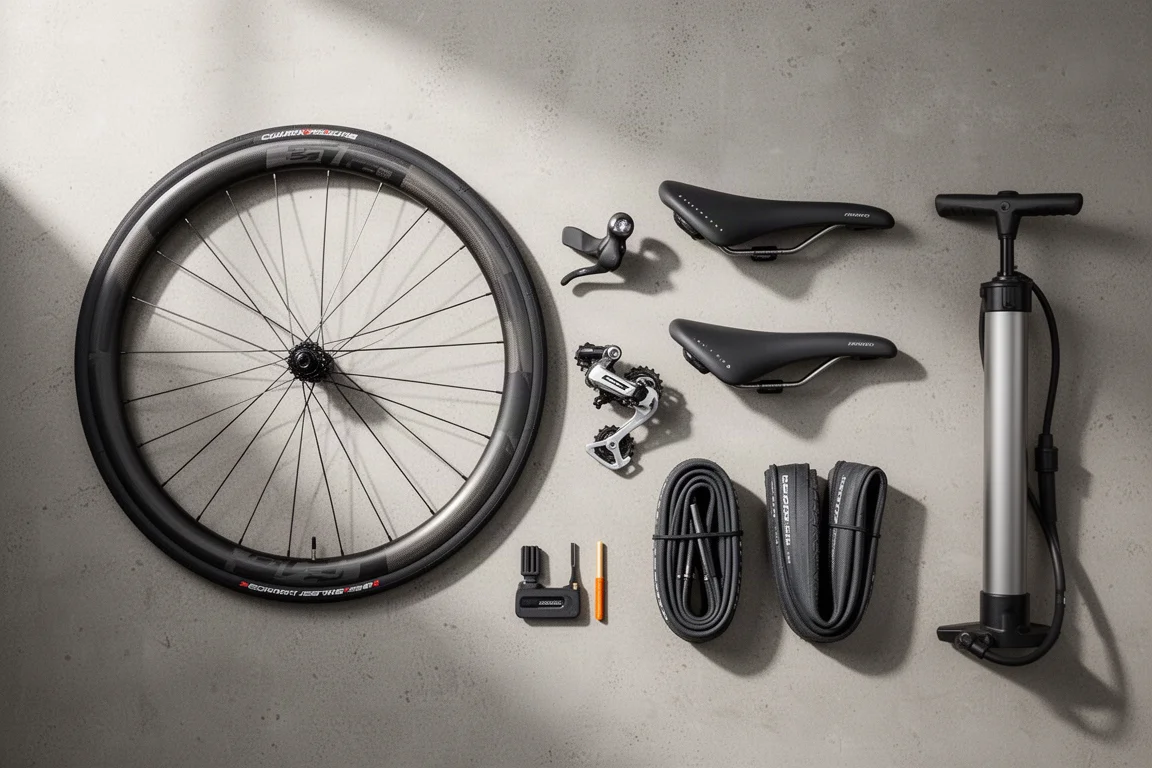
Some gear earns its place over thousands of kilometres, and some of it only looks good in a product photo. This shortlist covers the parts and accessories that keep coming back into rotation on real bikes: wheelsets that stay true and are easy to live with, groupsets that shift cleanly at a fair price, shoes and saddles that solve fit problems, tires that make greasy corners feel less intimidating, and small tools that turn a roadside tubeless puncture into a two-minute stop.
Nothing here is included because it is fashionable. Each pick addresses a specific problem, and each one carries a trade-off worth understanding before you spend.
What Makes a Worthwhile Cycling Upgrade
Three things separate gear that stays on the bike from gear that ends up in a parts bin. The first is serviceability. A wheel or a groupset that can be repaired, re-shimmed or re-hubbed without a fight is worth more over five years than one that saves a few grams. The second is fit. Shoes, saddles and bar shapes only work if they match your body, and no amount of premium material fixes a shape that does not suit you. The third is price balance. Several items below sit at roughly half the cost of their obvious competitors while giving up very little in use.
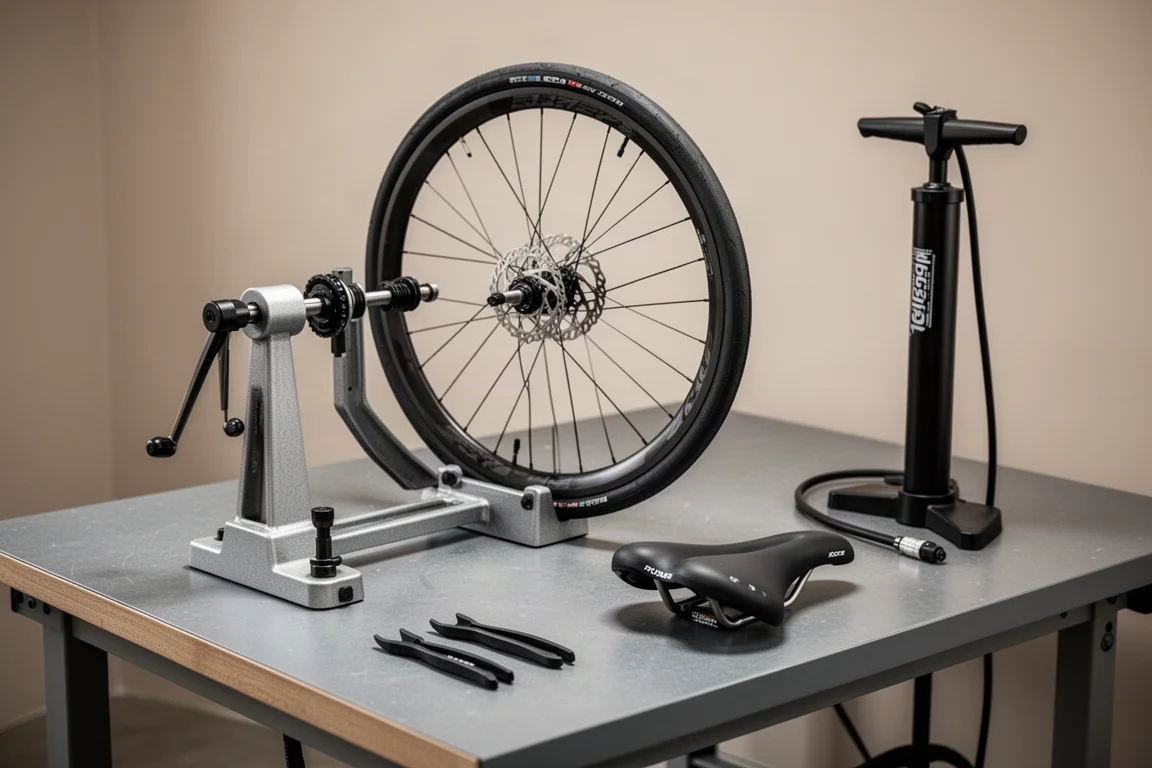
A fourth factor matters for anyone running tubeless or mixing components: how the product behaves when something goes wrong. Parts with widely available spares, and tools that live on the bike rather than in a drawer, are the ones people actually keep.
DT Swiss Wheels: The Quiet All-Rounder
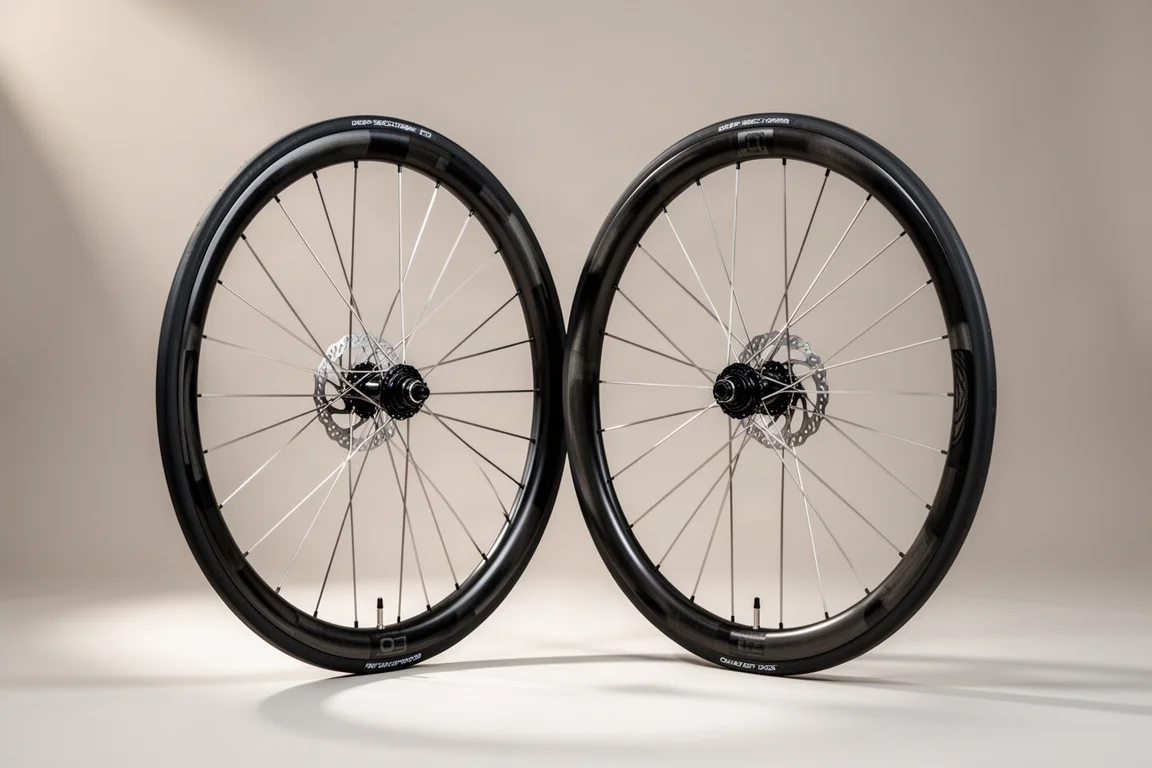
DT Swiss wheels have a reputation for looking plain, and that plainness is part of the appeal for riders who prefer a near-stealth build with a single small logo. The engineering case is stronger than the aesthetics: tires go on and come off easily, and a long-running set has stayed true without broken or loosened spokes.
The real strength is long-term ownership. Freehubs can be swapped, including Campagnolo bodies, and a wide range of end caps and spares is available. A rim brake set with a quick release skewer can be converted to thru axle with the right parts, which keeps a good wheelset useful as standards move on. One caveat: the freehub on some models is loud and buzzy. Some riders enjoy it as an informal warning to walkers on shared lanes, while others find it tiresome on long descents. It can be quietened with grease if the noise starts to grate.
Zipp 303 S Wheels: Carbon Value With a Long Warranty
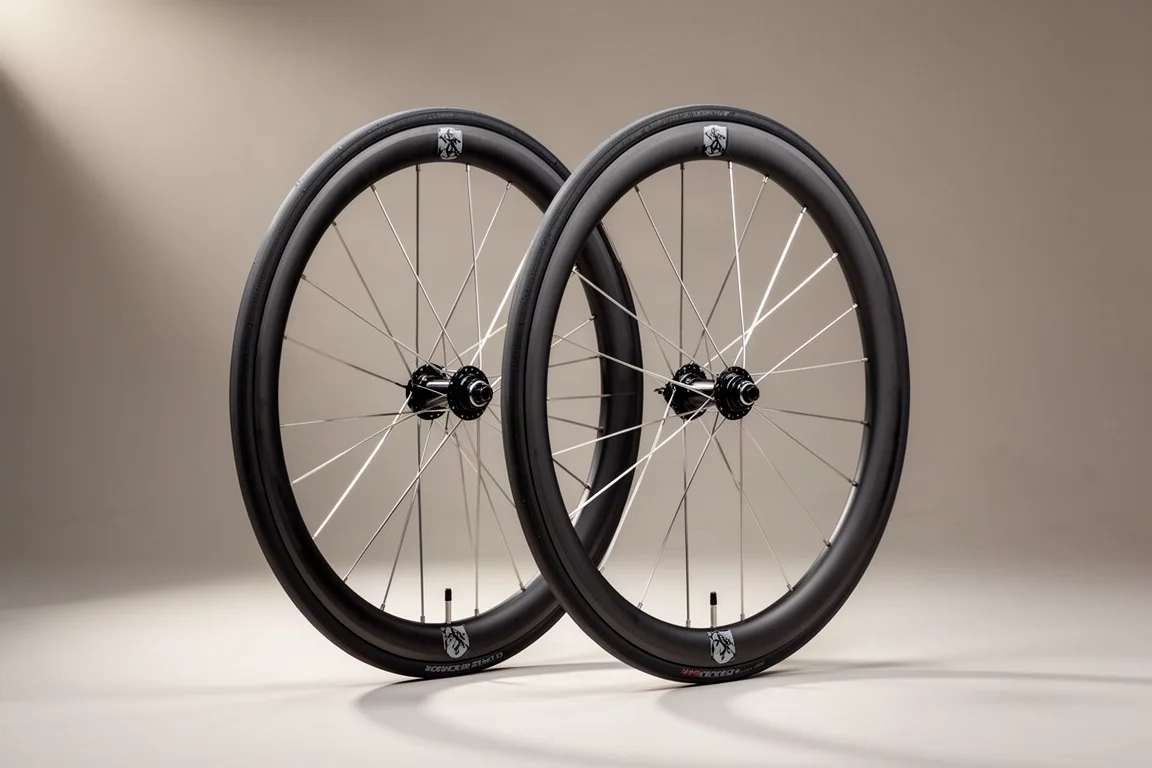
The 303 S is a full carbon wheelset that typically sells for around £900, and it has covered a lot of miles without trouble. Ride quality is strong for the money, and the lifetime warranty offered on purchases made after 2021 is a genuine part of the value.
That warranty covers realistic riding mishaps. Two examples given are a rim cracked on a pothole during a group ride, and damage from a sharp rock you did not spot on a fast descent. It does not cover damage occurring outside of riding, use beyond the wheel’s intended purpose, or incidents where vehicle insurance would apply. Fitting a road wheelset to a mountain bike is outside the terms.
The main caveat is the hookless rim design, which some riders remain wary of. In practice, on a road bike and with a lighter rider, this wheelset has been trouble-free.
Shimano 105: Shifting That Simply Works
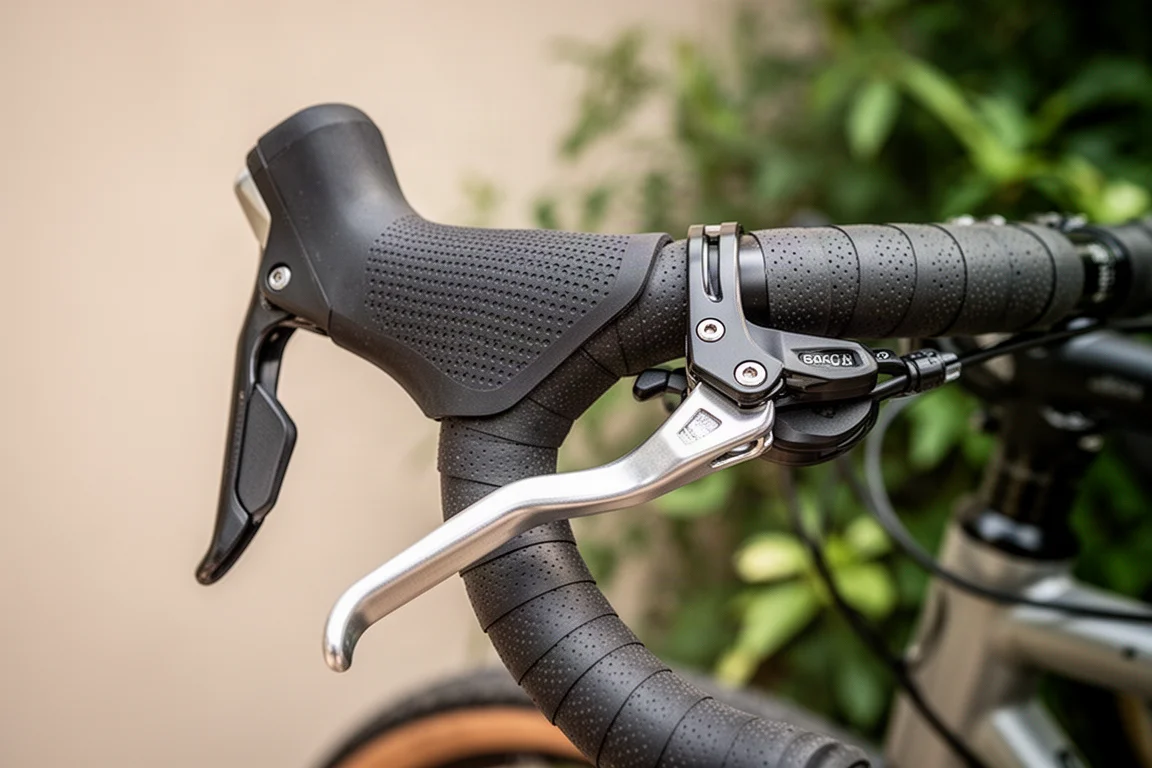
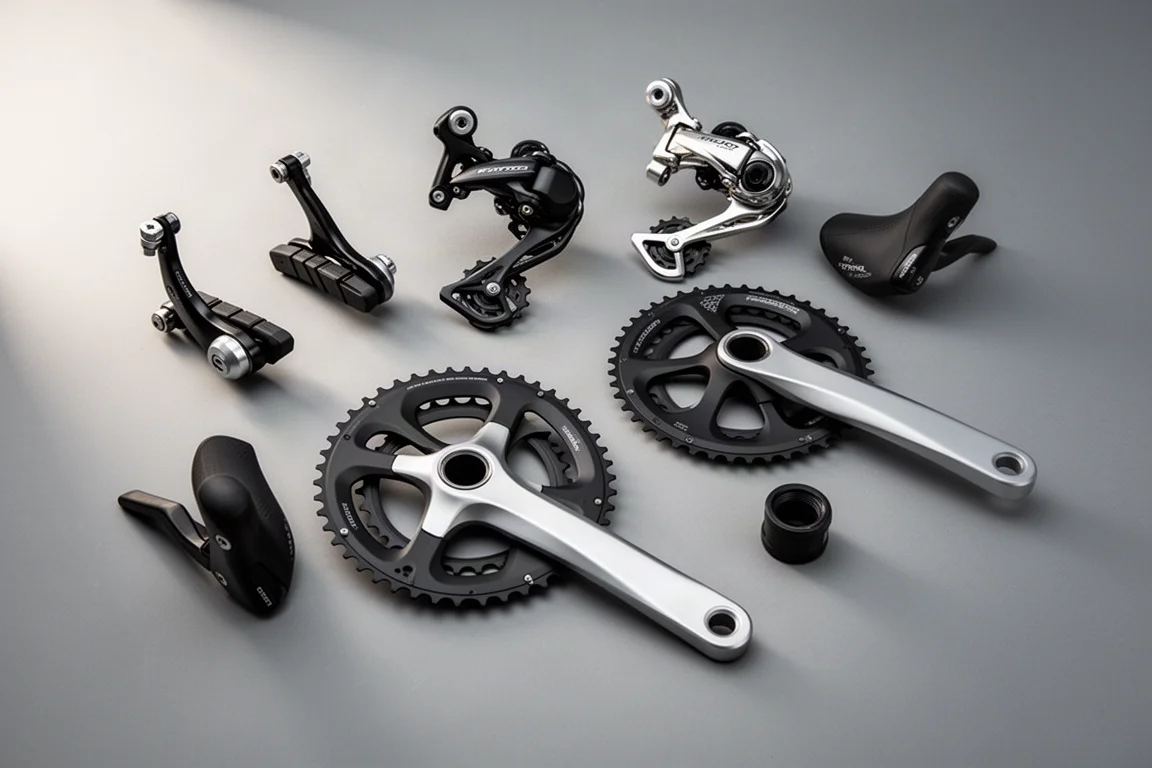
The latest 105 has been one of the most satisfying groupsets to ride. The case for Shimano at this level rests on two things: lever ergonomics and consistency across the range. Functionally, Shimano and SRAM groupsets shift and brake extremely well, so the decision usually comes down to the shape of the levers and personal preference.
Shimano’s advantage is breadth. Claris and Sora have kept mechanical, accessible options alive, and that tier is being consolidated into the CUES line. The GRX Di2 shifters, meanwhile, have a lever shape many riders rate as the best in the range, and they can be mixed with road groupsets if you prefer that feel.
Microshift Sword: Analog Soul at a Fair Price
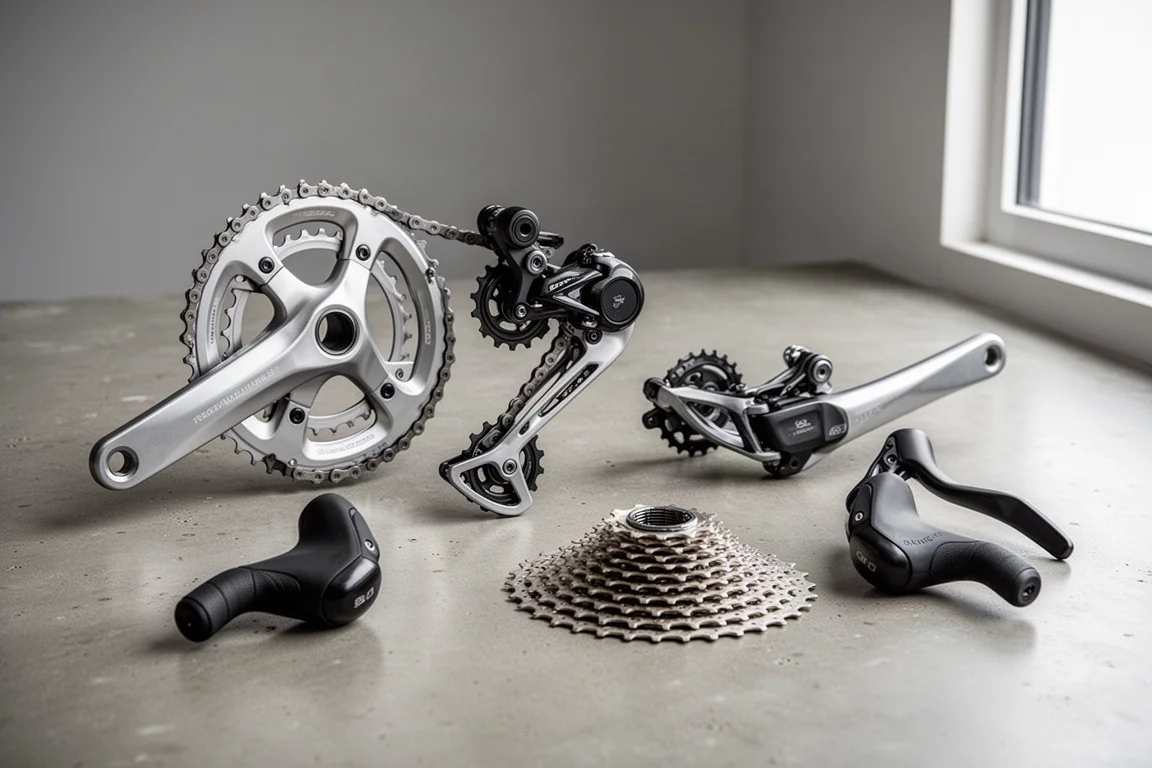
Sword is a mechanical, 10-speed groupset built on a deliberately simple idea: modern components with an analog soul. Shifting is smooth, the levers sit in a good position, reach adjustment is included, and the hood material is grippy enough to feel secure without gloves. A month of steady riding produced no problems at all.
The pricing is the headline. Around £280 for the core of the groupset puts it in the same territory as the CUES tier Shimano is preparing, and the two are likely to be compared directly. If you want disc brakes you will be sourcing calipers separately, and the chain is a recommended part rather than an included one, so budget for those extras.
Van Rysel Cycling Shoes: Race-Level Build at Half the Price
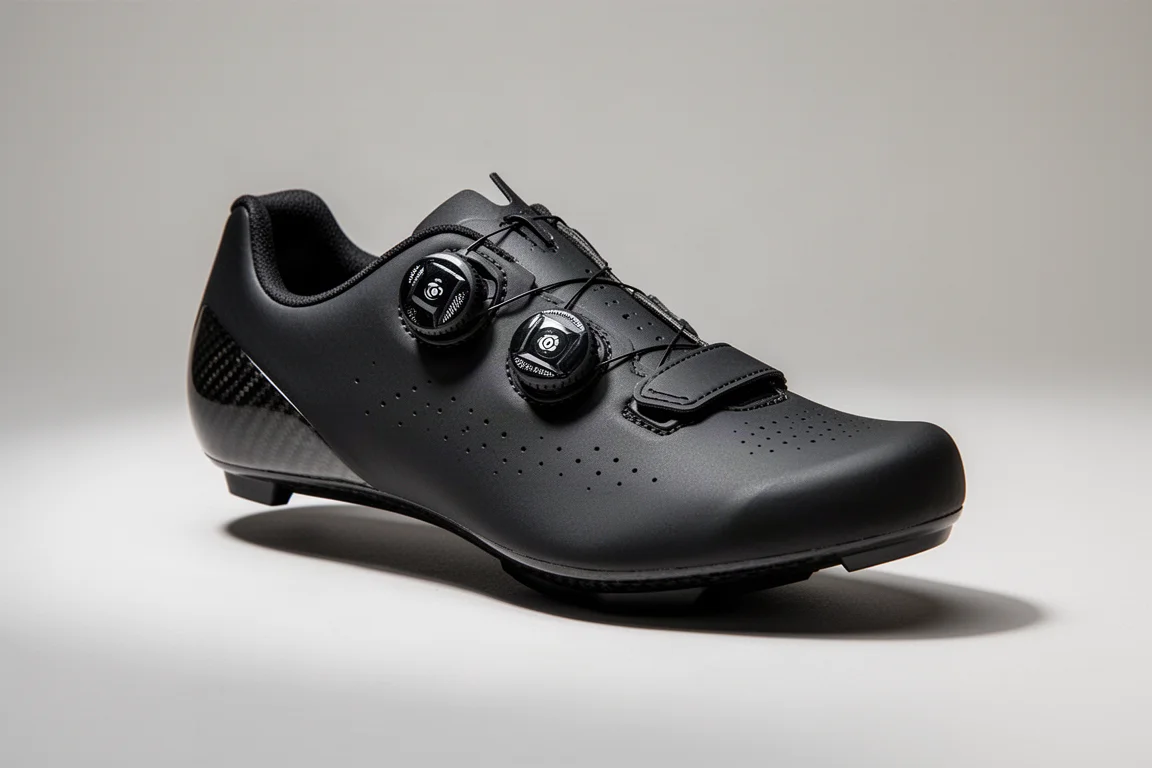
Van Rysel’s performance range has changed how a lot of riders view own-brand gear. The shoes use a carbon sole and a twin dial closure, and they sell for around £170 to £180, roughly half what comparable performance shoes cost elsewhere. Build quality is genuinely high, and the only issue in testing was a toe box that felt narrow for a wider foot.
The same value logic runs through the rest of the range: a lightweight helmet with MIPS and a dial retention system for around £70 to £80, and cycling glasses for around £60, both well under the typical price of comparable premium options. The trade-off is fit and aesthetics rather than materials, so try before you commit if you can.
Selle Italia SLR Boost S3: A Saddle Starting Point
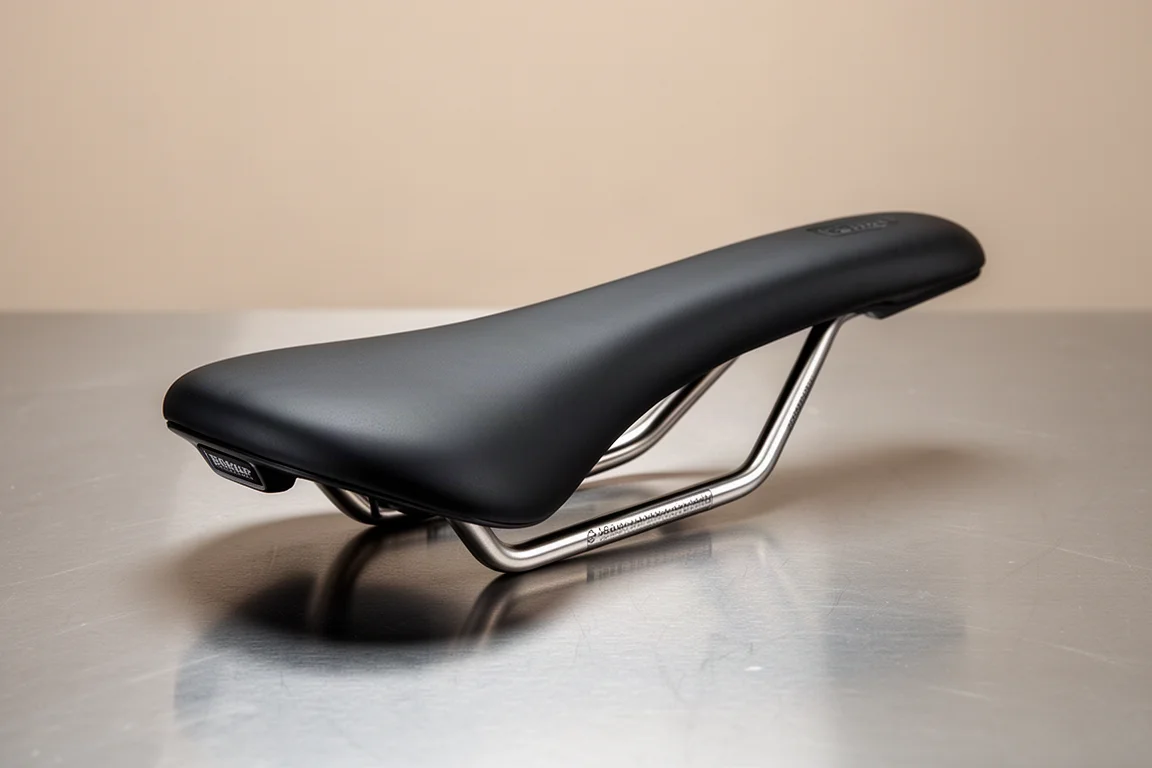
Saddle choice is deeply personal, but the SLR Boost S3 is a sensible place to begin if you are struggling. It has a large central pressure relief channel, and it is the saddle bike fitters reach for first when a rider arrives with discomfort. The alloy-rail version is available from around £60 to £65, while carbon-rail versions climb toward £300, which is hard to justify for most riders. If you are troubleshooting saddle problems, borrowing one before buying is the cheapest route.
Continental GP 5000: Balanced Rather Than Extreme
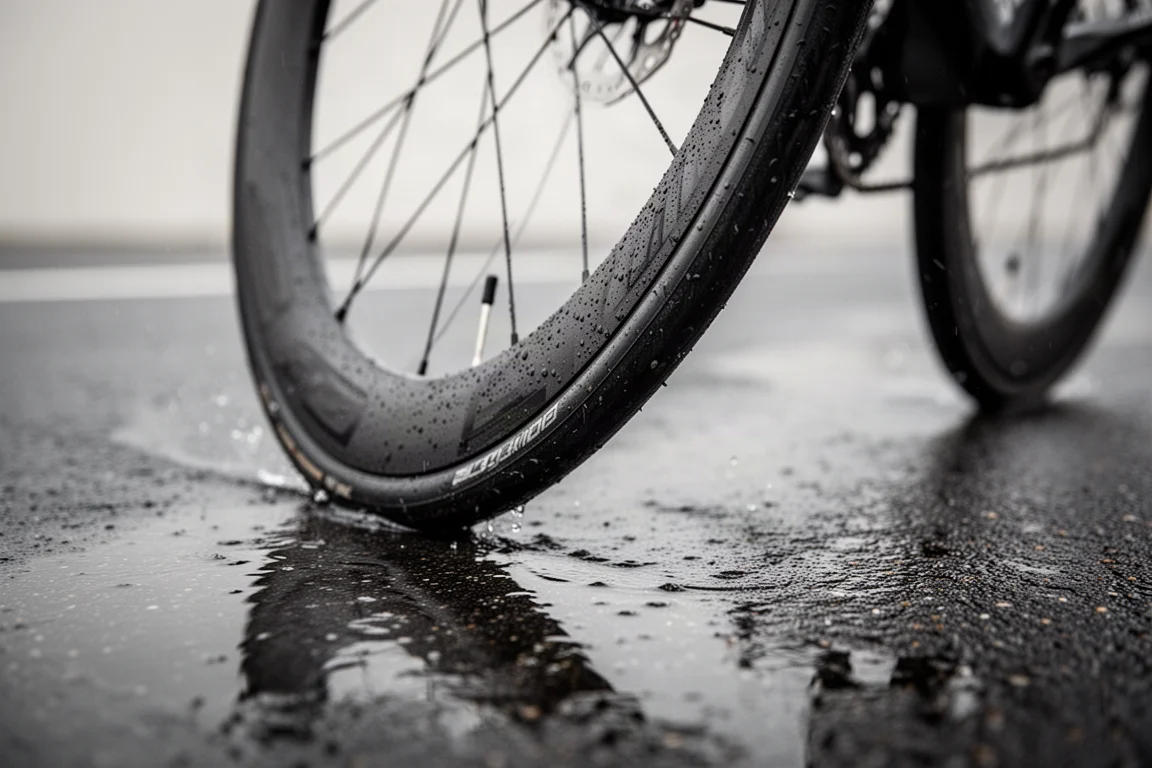
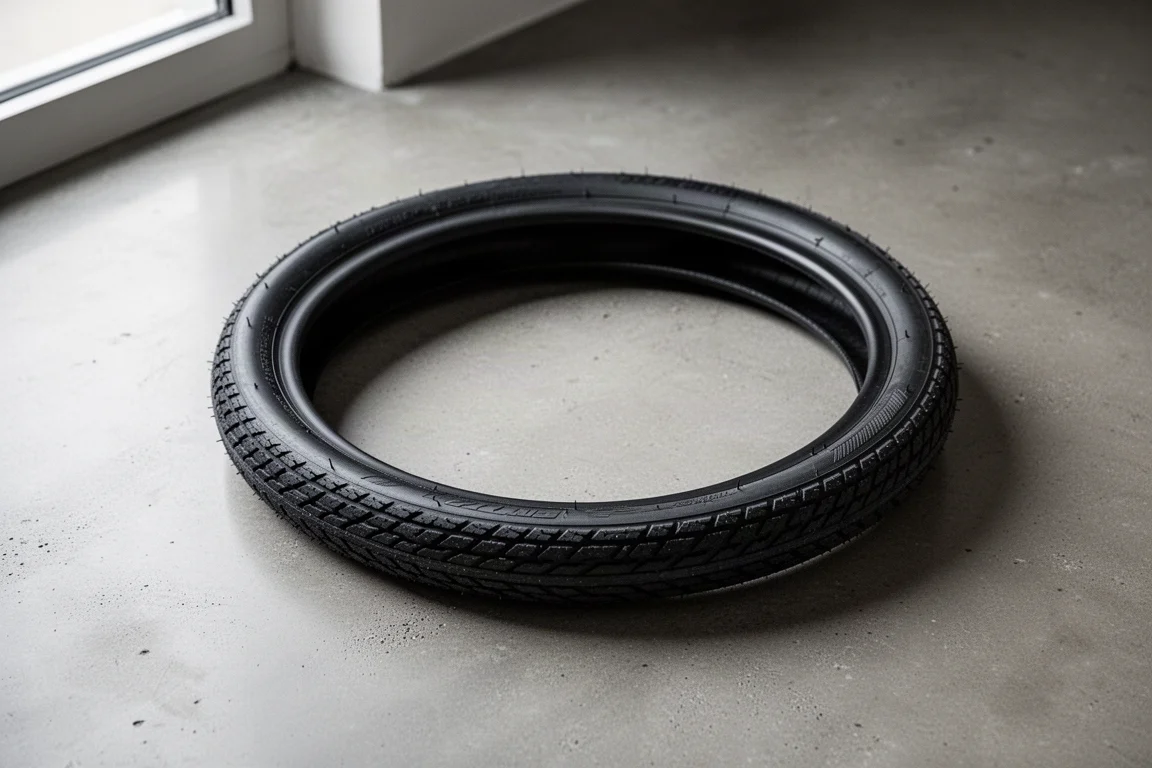
The GP 5000 does everything well. It may not be the fastest-rolling option in absolute terms, since thin supple cotton tires still hold that edge, but those tires puncture far more readily and are realistically race-day only. The GP 5000 combines strong grip, dependable durability and speed in a package that works in winter as well as summer.
At around £50 per tire it is not cheap, but the balance is hard to beat if you want one set of tires for most of your riding. Grip matters more than most riders expect on a road bike, because it directly shapes how much confidence and enjoyment you get from a descent or a greasy bend.
Aeroe Mariposa Tubeless Plug Tool: Always With You
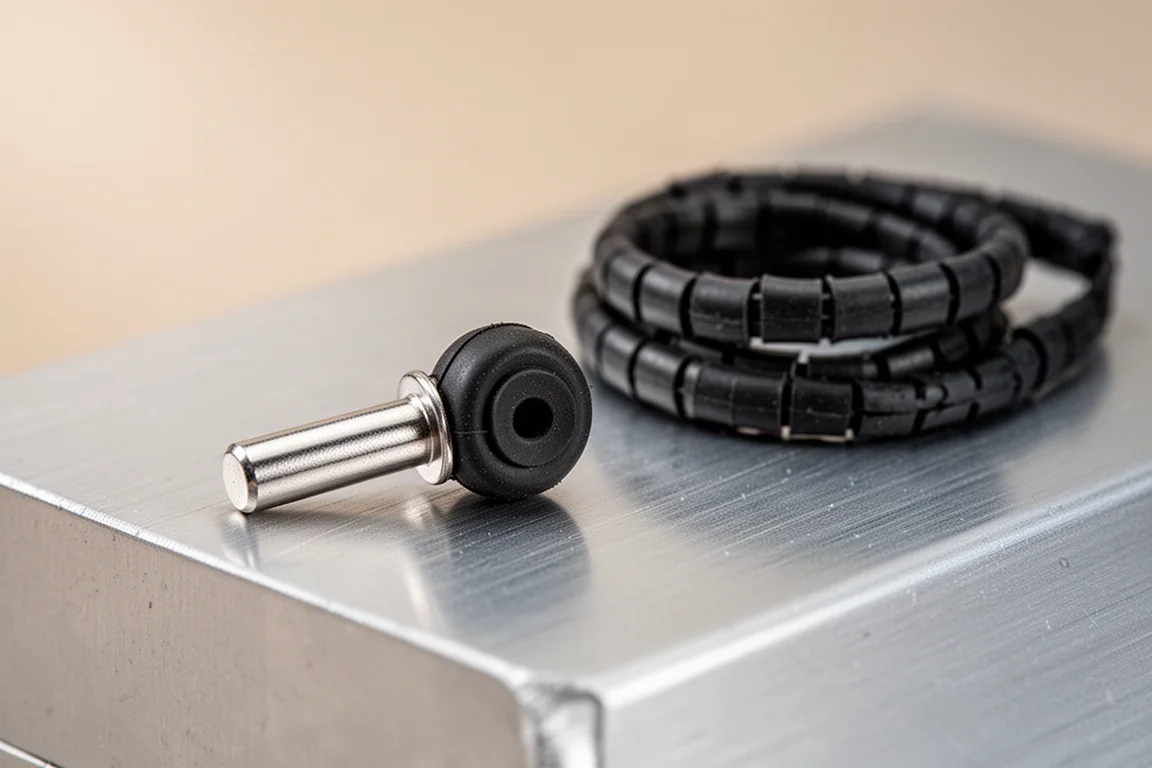
The Mariposa is a tubeless plug tool built into a rubber insert that fits into the end of a handlebar, or into the spindle opening on some crank sets. That means it lives on the bike permanently, rather than in a pocket or saddle bag you might forget to pack.
When a tubeless tire punctures, speed matters, because sealant starts escaping immediately. Having the tool already on the bike means you can plug the hole without unpacking anything. At around £10 it is an easy addition, though you still need to carry plugs, and it only fits bar ends and crank sets of the right size.
Bontrager Flash Charger Tubeless Pump: Home Tubeless Setup
Seating a tubeless tire usually means a compressor, which is why so many riders end up at a shop instead. The Flash Charger solves that with a large chamber you pressurise by hand and then release in one burst, forcing the bead onto the rim. For anyone maintaining tubeless wheels at home, it removes a recurring trip to the workshop, where a single wheel setup can cost £10 to £30.
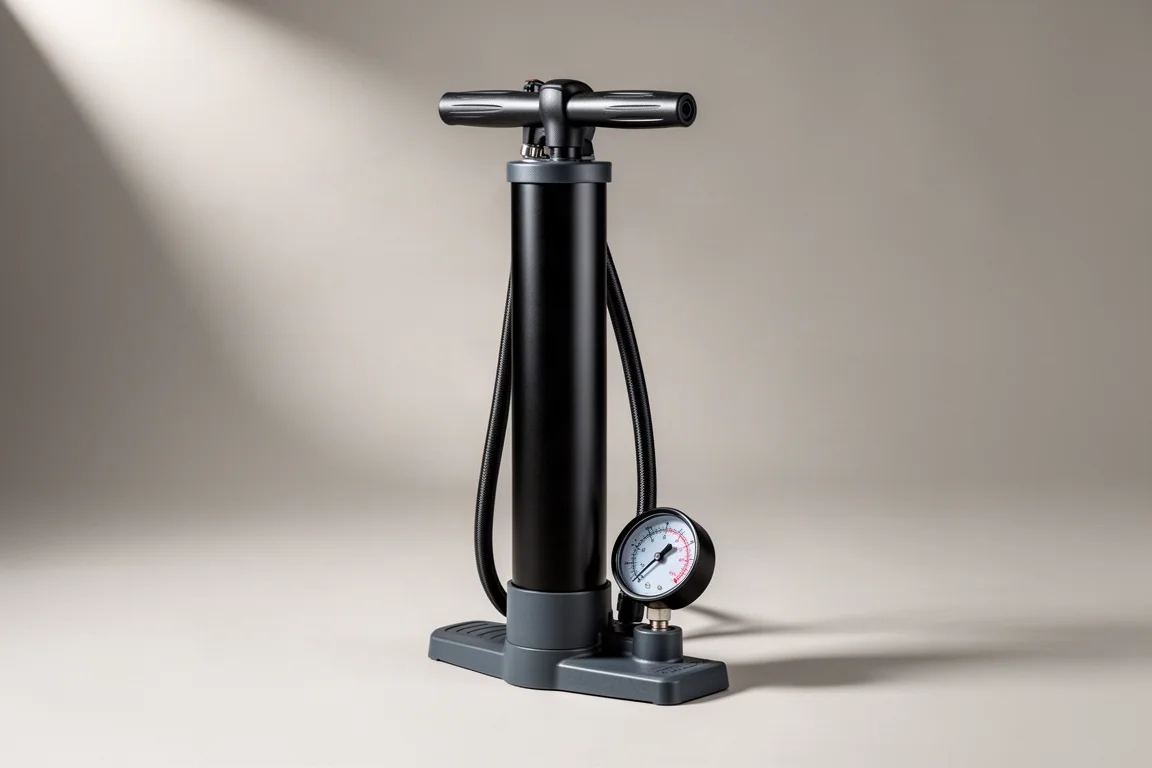
If you are not running tubeless, a basic track pump with a gauge is still one of the best small purchases you can make. Checking pressures before every ride or two keeps tires comfortable, efficient and less prone to punctures, and a gauge means you actually know what you are running.
Buying Advice: Match the Upgrade to the Problem
Work backwards from the problem you actually have. If your wheels feel heavy and you want a sharper ride, a lighter carbon wheelset is the obvious spend, and the 303 S is the value pick while DT Swiss is the one to choose if you service your own gear and want easy spares. If shifting is the weak point, the latest 105 is the safest all-round choice, and Sword is the interesting option for a mechanical build on a tighter budget.
For comfort problems, start with contact points. A saddle with a proper pressure relief channel and a shoe that fits your foot shape will change how a bike feels far more than a groupset upgrade will. Tires are the cheapest way to buy confidence, and the GP 5000 is the benchmark for balanced road performance.
Finally, consider the small stuff. A tubeless plug tool that lives on the bike and a pump that can seat a tire at home cost little, but they remove the two most common reasons a ride ends early or a workshop visit becomes necessary.
Conclusion
Good cycling gear is rarely the most exciting gear. Wheels that stay true, groupsets that shift cleanly, shoes and saddles that fit, tires that grip predictably and tools that are already on the bike when you need them all share the same quality: they make riding easier to get on with. Start with the problem you notice most often, buy the version that fits your budget, and sort out your contact points before you chase components.
Further reading
Related Reviews
Cycling Gear
8 Cycling Products Riders Keep Coming Back To
Eight cycling components and accessories with clear strengths, honest trade-offs and long-standing reputations among riders and mechanics.
Cycling Gear
Aero Helmets and Bottle Setups Tested: Six Options Ranked by Measured Watt Savings
Wind tunnel data on six aero helmets and bottle setups, with real watt savings, practical trade-offs, and guidance on what is worth buying first.
Cycling Gear
Aero Road Bikes and Fast Tires Worth Watching in 2026
Four aero road bikes and one fast road tire, with the real strengths, the open questions, and what to check before you buy.