Cycling Gear
Cycling Gear: What to Buy Cheap and What to Invest In
A practical guide to where money genuinely improves a ride, and where a cheaper option works just as well.
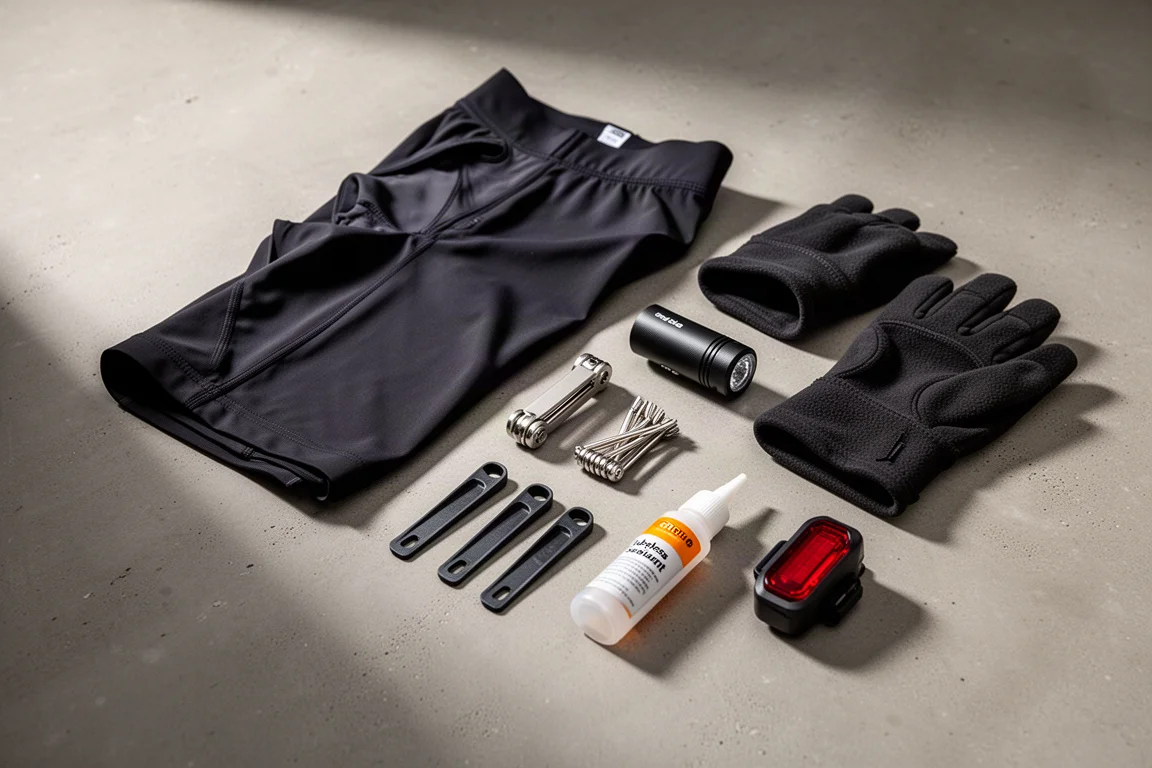
Introduction
Cycling has a reputation for being expensive, but not every item on the bike deserves a large budget. Some parts spend months in a damp saddle bag and only need to work once, while others decide whether a long ride is enjoyable or something you cut short.
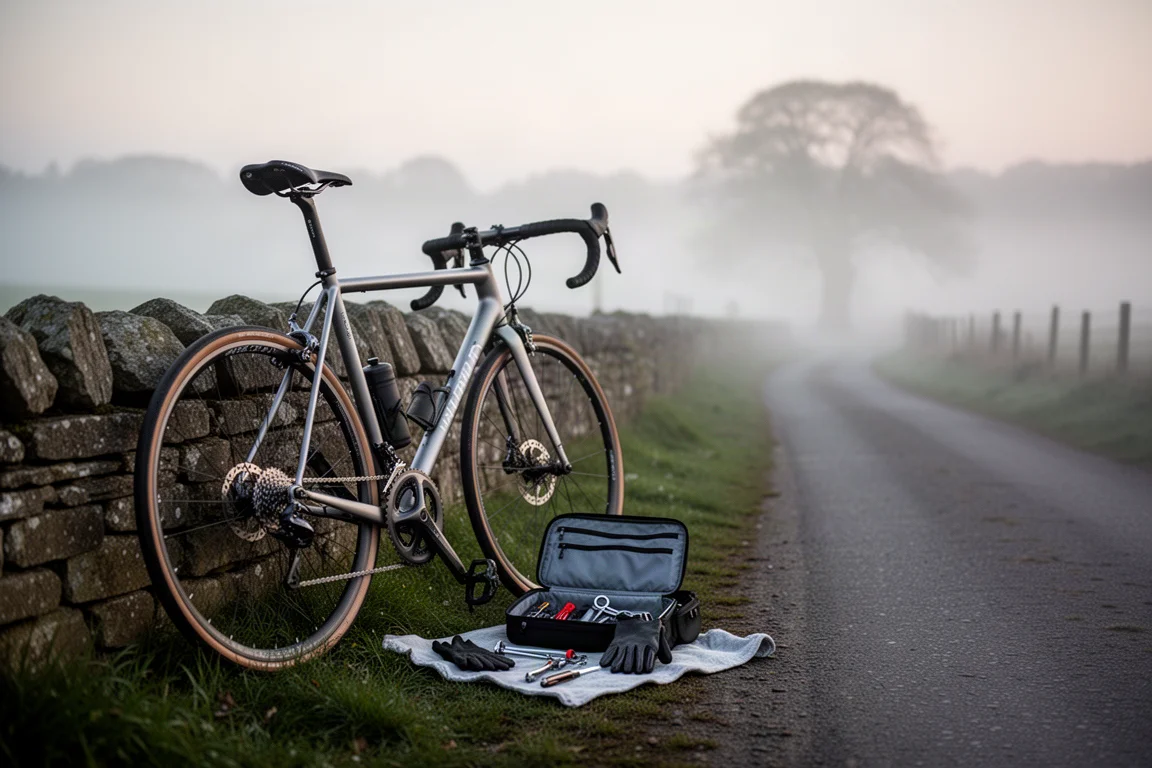
The useful question is not how much to spend, but what the item actually does for you. Comfort, reliability and safety are worth paying for. Badge value and fashion are optional extras, and paying more does not automatically buy better performance.
Bib Shorts: Assos Mille
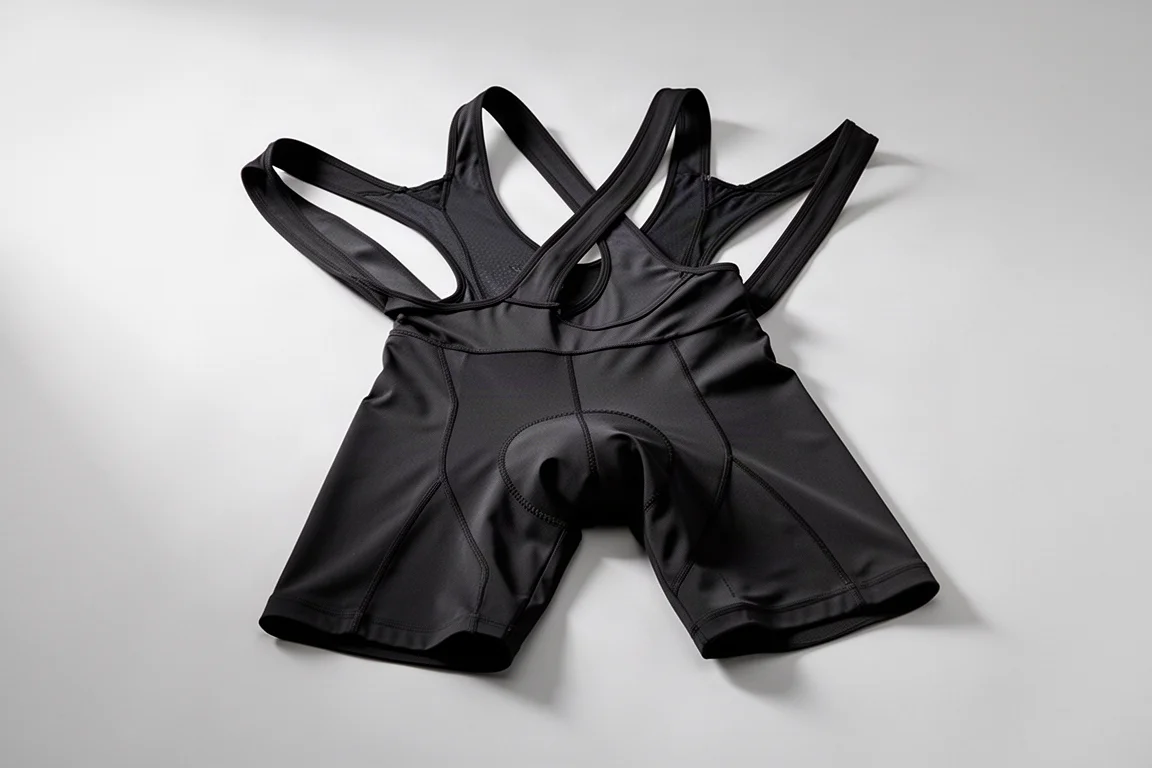
Bib shorts are the one piece of kit most riders should not compromise on. If a pad does not suit you, no amount of fitness makes the ride pleasant, and chafing is the usual result. Pad shape is highly personal, so trying a few options before committing matters more than the price tag.
Assos has long been regarded as the benchmark in bib shorts, and the Mille is £125 at full retail before any discounts. That is not the cheapest option available, and it is also far from the most expensive, with some shorts now priced at up to £400. Riders who try the Mille rarely dislike it, and this is a sensible place to put a larger share of your budget.
Multi-Tool: Topeak TB18
A multi-tool lives in a bag, gets damp and is needed at the worst possible moment. That is why spending somewhere around £30 to £40 makes sense here rather than £5 or £6. Stainless steel or a coated finish resists rust, so the tool still works when you pull it out at the roadside.
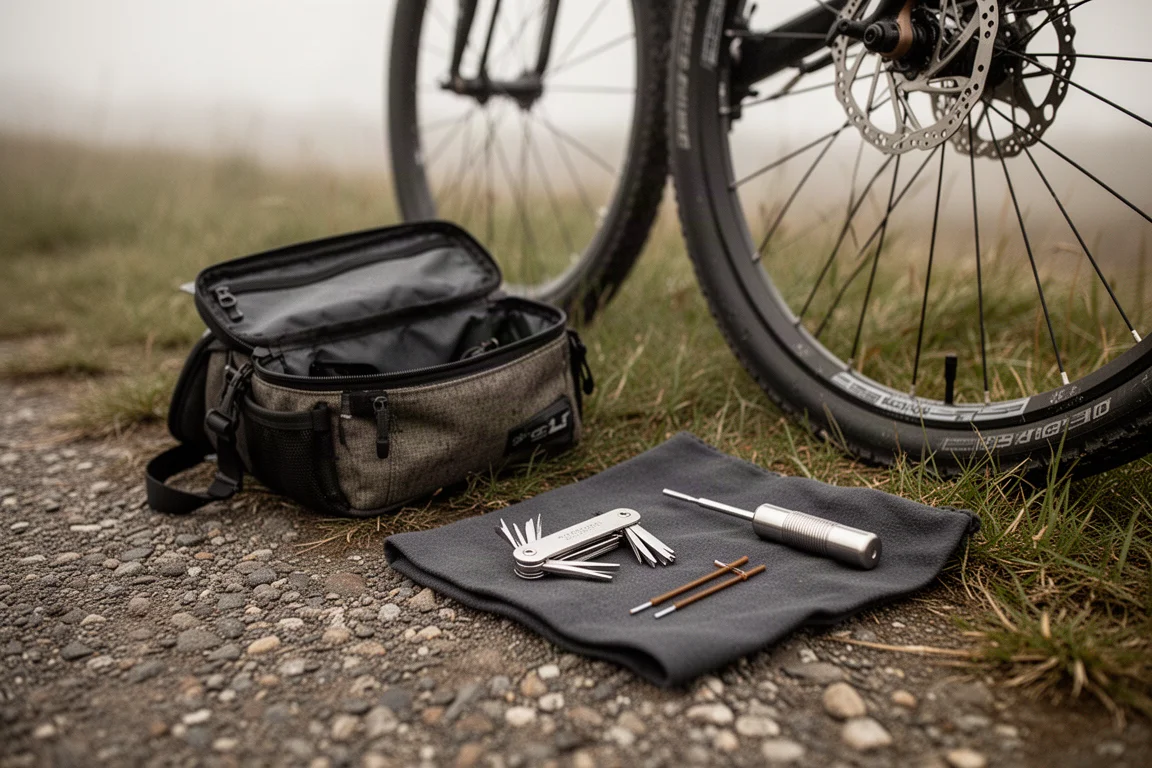
The Topeak TB18 suits tubeless setups in particular. It includes a plug tool, a small knife for trimming the plug and a T25 bit. Multi-tool ranges vary considerably, so check what your own bike actually needs rather than buying the first one you see.
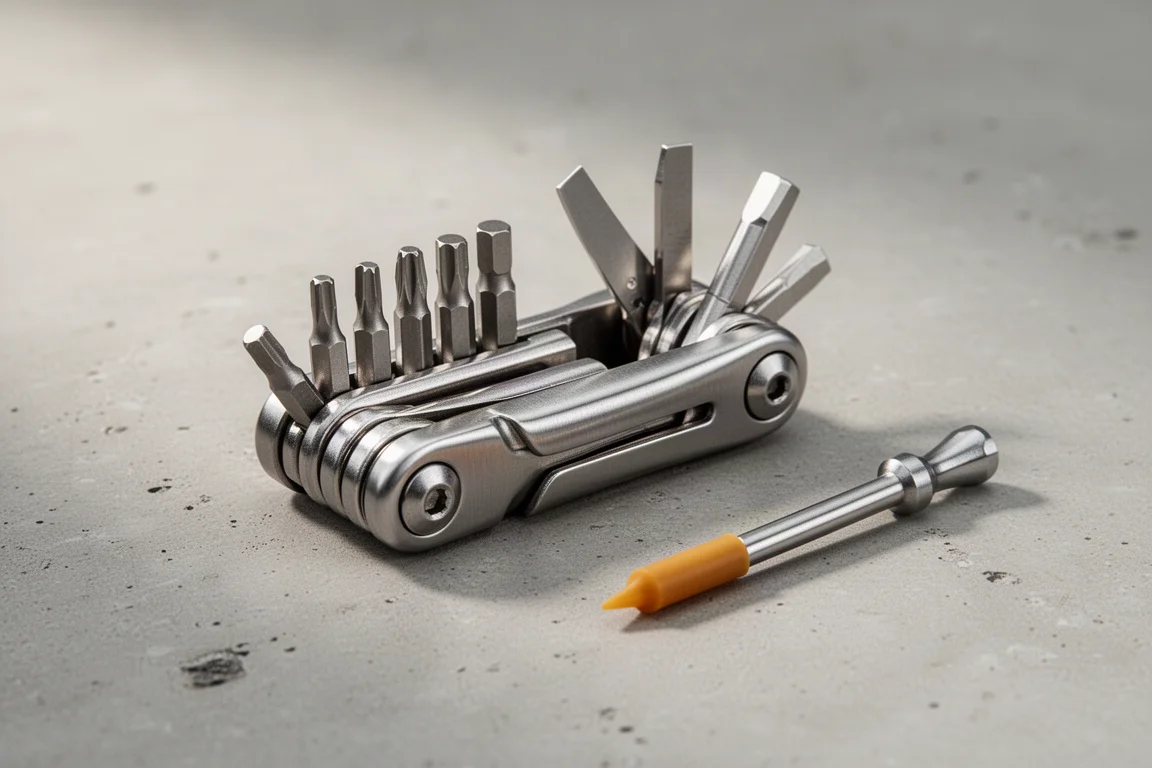
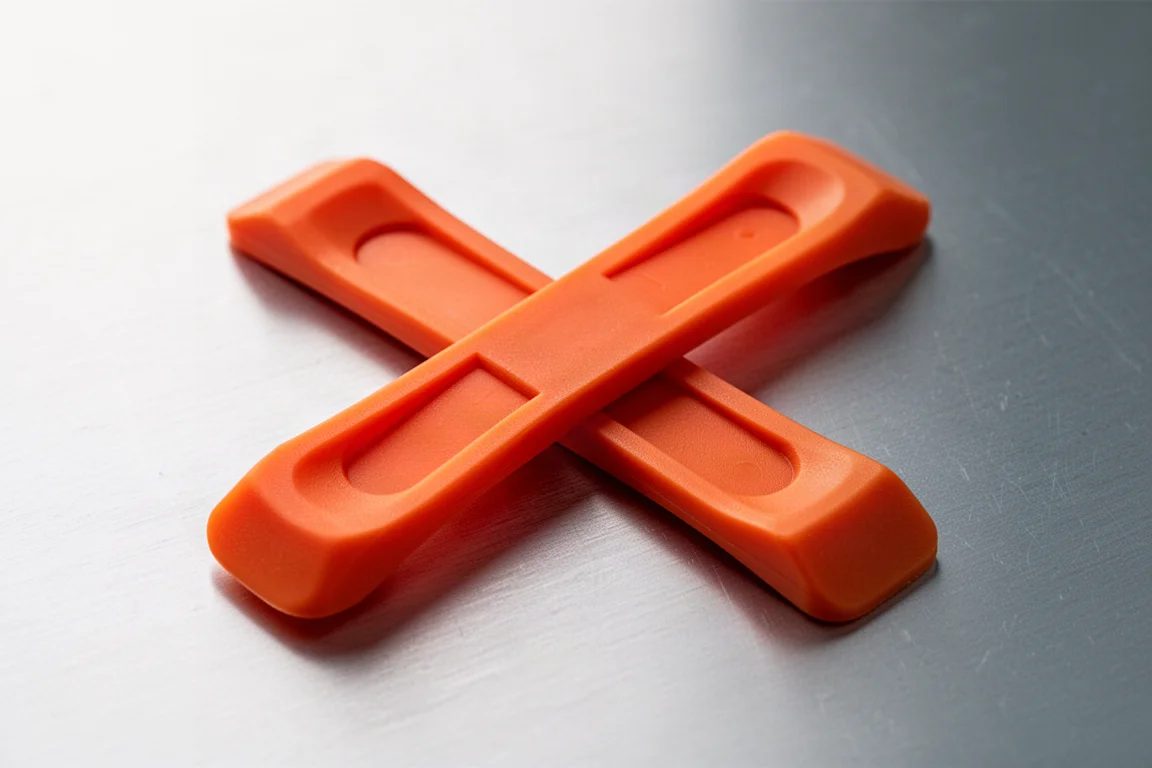
Tire Levers: Pedro’s
Tire levers are the opposite case. They cost very little and there is no reason to spend much on them. Avoid metal levers, which can damage a rim, and avoid the very cheapest plastic ones that snap when they are cold and you need them most.
The Pedro’s tyre lever, a slightly fatter design, is widely treated as the standard, and several brands have since copied the shape. Good levers cost only a couple of pounds, which makes this a small purchase that pays off every time you fix a flat.
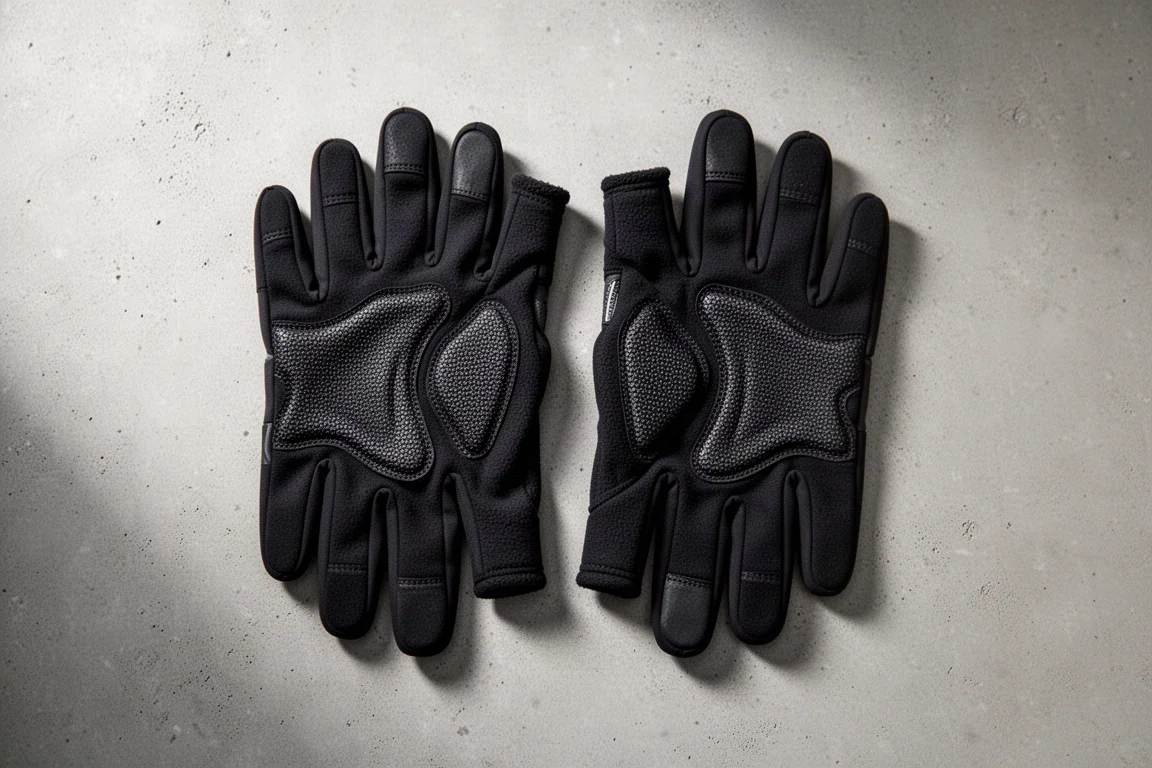
Winter Gloves: Cold Storage Waterproof Gloves
Gloves are genuinely difficult to get right. Cycling-specific waterproof gloves are usually neoprene, which only keeps hands warm when it is wet, and very warm gloves lose their insulation once they are soaked. Many riders end up owning two pairs to cover both conditions.
A pair of Cold Storage waterproof gloves from Amazon takes a different approach for around £13. The gloves are fully sealed and fleece lined, keeping hands warm on a minus 4 morning, and the grip is strong enough that bar tape is barely needed.
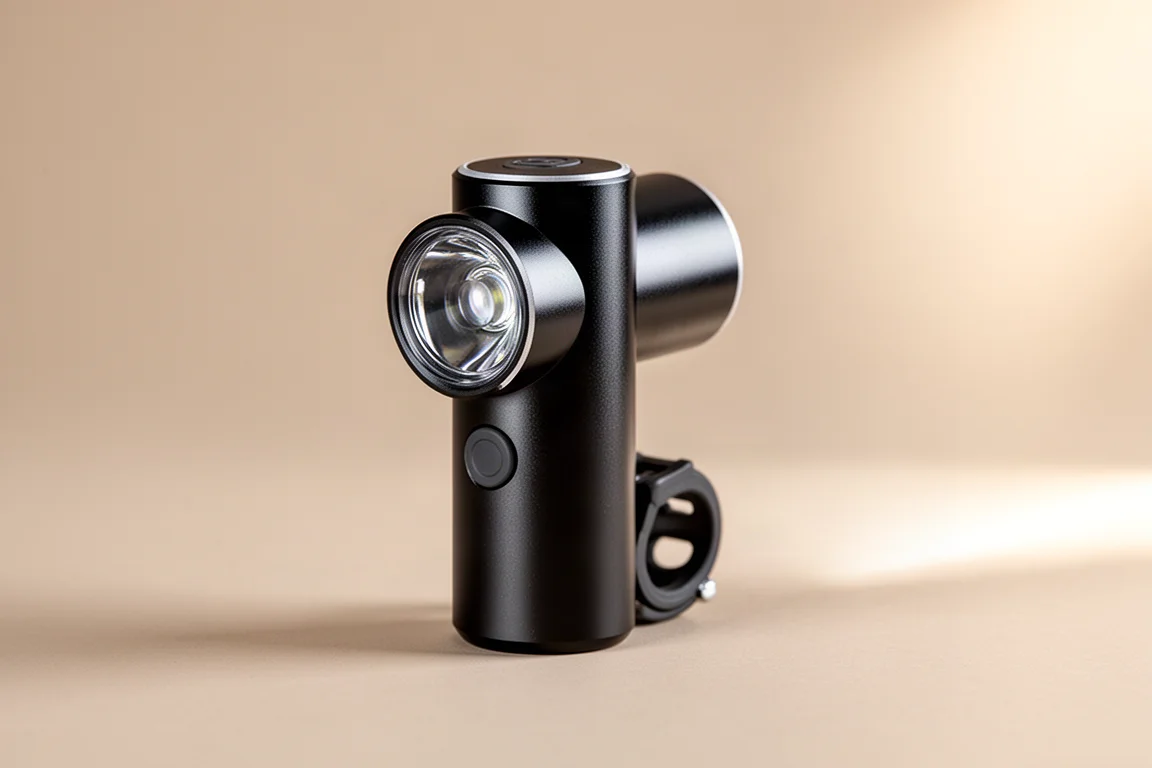
Front Light: Exposure Diablo
Lights are worth investing in. Cheap lights often stop performing once the battery degrades, and the whole unit ends up as waste. A better light lasts far longer and can usually be serviced rather than replaced outright.
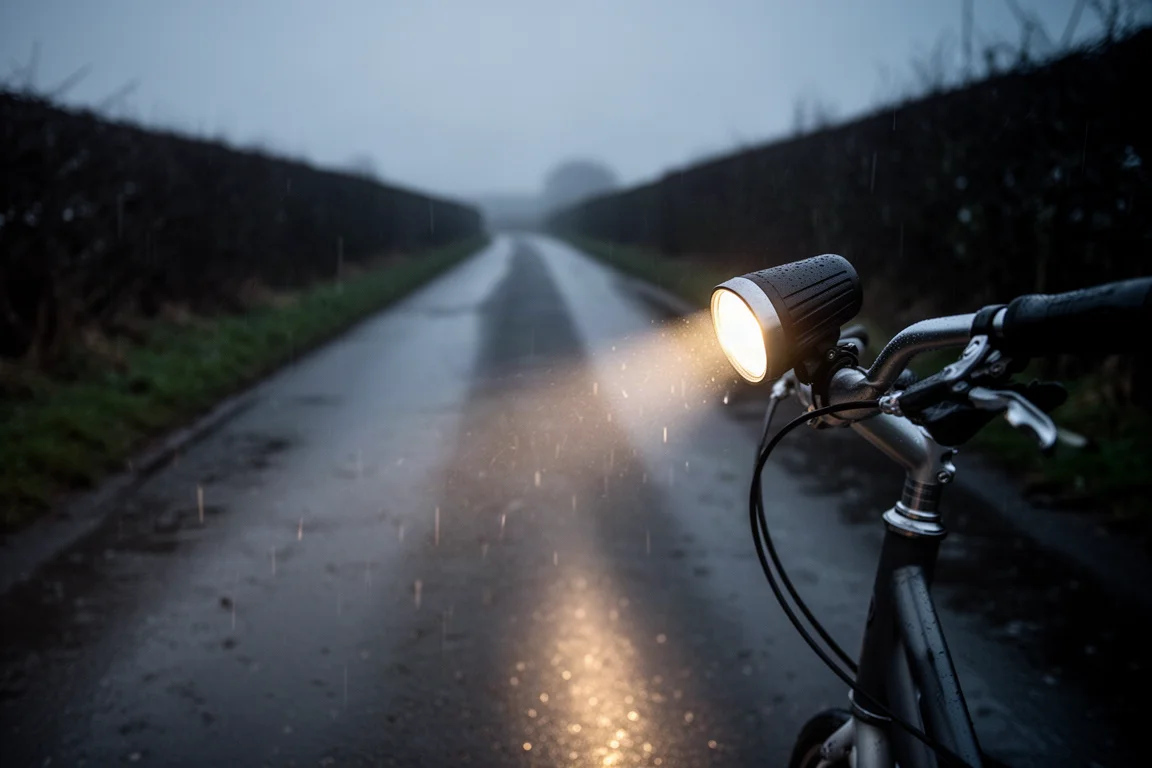
Exposure lights have a strong record on this front. Riders have used the same units for 11 years, and the company offers a battery reconditioning service so a light can be brought back to full performance instead of being thrown away. The Diablo is the front light in that line, and it is expensive, but the cost is spread over a long service life.
Rear Awareness: Garmin Varia
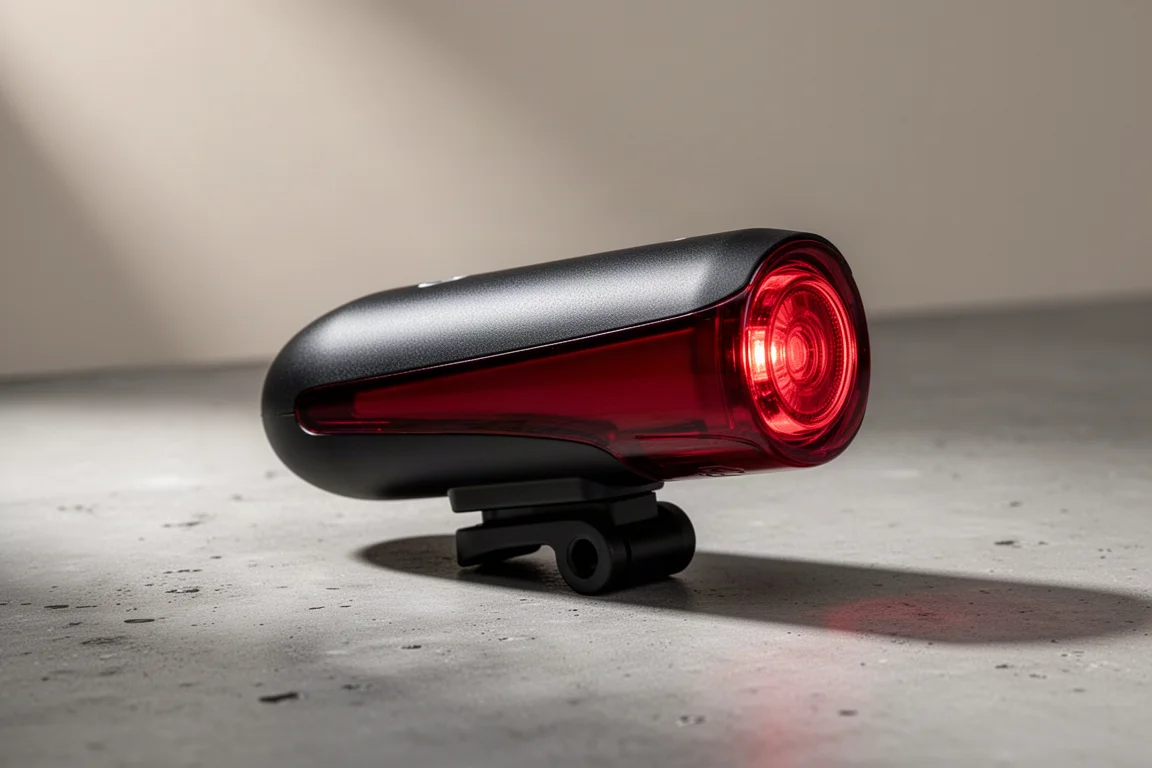
Cameras on bikes are underrated. In the UK, a driver passing within 1.5 m of a cyclist is breaking the law, and footage of a close pass gives a rider something concrete to report. The more riders who record their journeys, the more considerate traffic tends to become.
A rear-mounted device such as the Garmin Varia fits that role, sitting at the back of the bike where it can capture what happens behind you rather than in front.
Tubeless Sealant: Silca
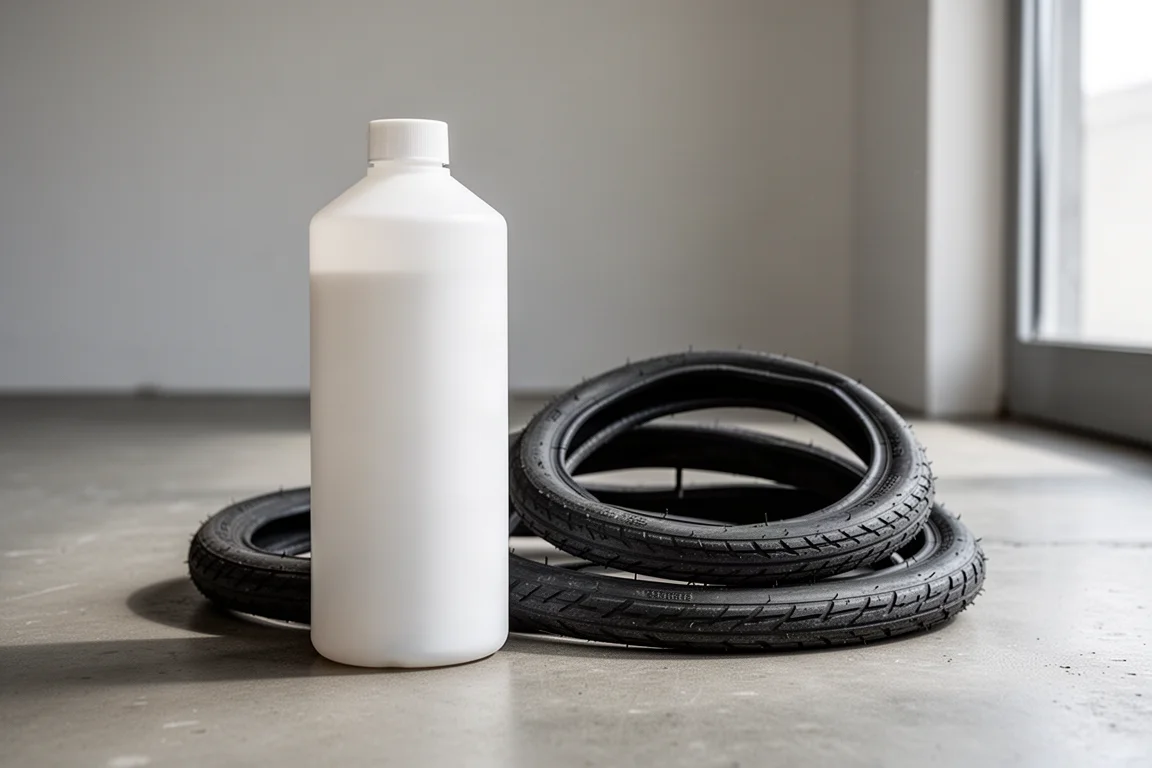
Sealant is not a commodity. Cheap or heavily marketed sealants vary widely in how well they actually close a puncture, and a seal that fails at the roadside wastes the whole point of running tubeless.
Silca sealant is not the cheapest on the shelf, but it performs ahead of most alternatives. It is also worth remembering that mountain bike and road sealants are not interchangeable, because the two run at very different tire pressures.
Overall Buying Advice
Outside these specific picks, the same logic applies across the rest of the bike. Jerseys are a good example: a technical t-shirt is enough for most riding, and a full cycling jersey with pockets costs more to construct because stretch fabrics need specialist machines and machinists. There is no need to pay a designer premium for one.
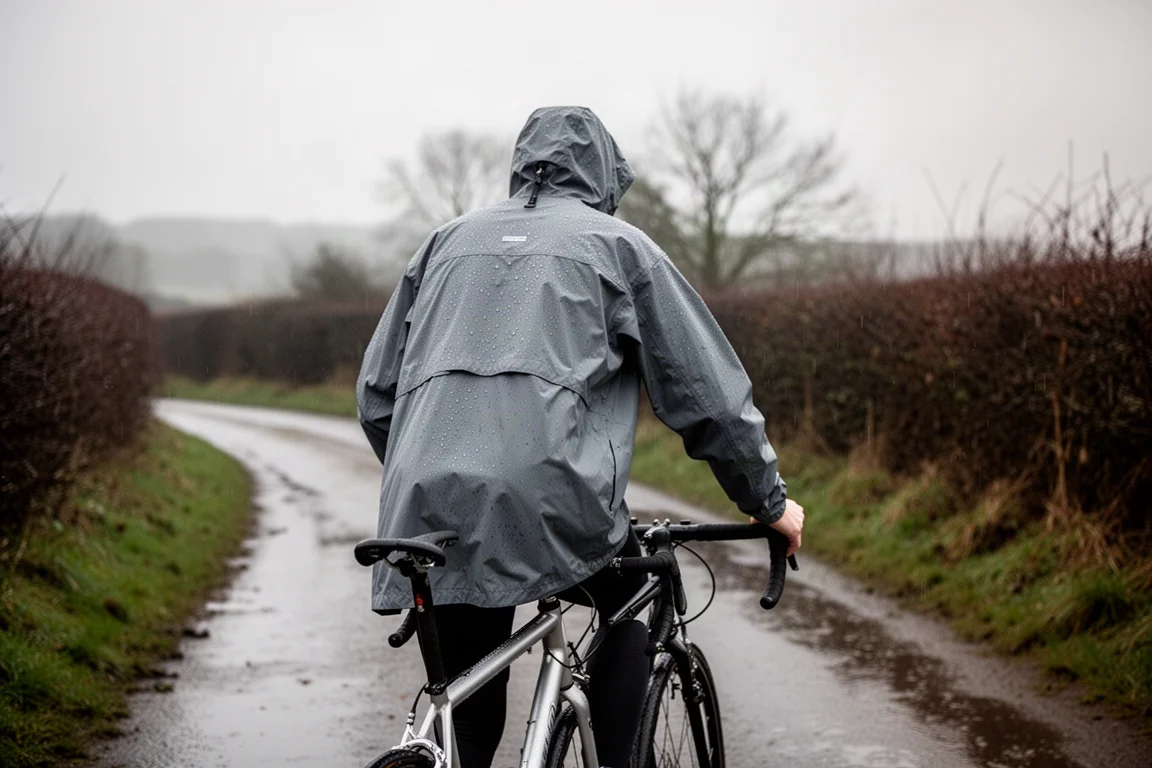
Rain jackets are the opposite case. A jacket needs a hydrostatic head above 20,000 mm and taped seams to be genuinely waterproof, and many cycling jackets sit at 10,000 mm while relying on a durable water repellent coating that washes off. Loose-fitting outdoor styles often outperform tight cycling-specific designs, and a jacket is worth keeping for years.
The rest of the list is easy to place. Helmets are safe at low prices because they meet the same standards, though ventilation and comfort vary, and ventilation matters in hot climates. Saddles and shoes are personal, so try as many shapes as you can and buy the version that fits you rather than the most expensive one. Bar tape, arm warmers and leg warmers are cheap buys. Inner tubes should not be the very cheapest, and tires sit in the middle: avoid the bargain bin, and avoid assuming a £100 tire is better than a £30 one.
Conclusion
The pattern is straightforward. Spend on the things that touch your body, keep you safe and keep you moving: bib shorts, a multi-tool, a front light, sealant and a proper rain jacket. Save on jerseys, bar tape, warmers and tire levers. Where an item is personal, such as a saddle or shoes, spend time rather than money to find the right fit.
Further reading
Related Reviews
Cycling Gear
8 Cycling Products Riders Keep Coming Back To
Eight cycling components and accessories with clear strengths, honest trade-offs and long-standing reputations among riders and mechanics.
Cycling Gear
Aero Helmets and Bottle Setups Tested: Six Options Ranked by Measured Watt Savings
Wind tunnel data on six aero helmets and bottle setups, with real watt savings, practical trade-offs, and guidance on what is worth buying first.
Cycling Gear
Aero Road Bikes and Fast Tires Worth Watching in 2026
Four aero road bikes and one fast road tire, with the real strengths, the open questions, and what to check before you buy.